There’s something quietly extraordinary about the fact that the oldest physical evidence of life on Earth fits on the tip of a pin. Long before forests, fish, or even the first worm, microorganisms were already colonizing every wet surface they could find, leaving behind traces so small and fragile that we almost missed them entirely. These traces, now called microfossils, have become one of the most powerful tools science possesses for reconstructing what life looked like billions of years before complex organisms existed.
What makes microfossils so compelling isn’t just their age. It’s what they tell you about an entire world that otherwise left almost no record. Traces of microbial life, chemical fingerprints, and tiny structures fossilized in ancient rocks tell us about the deep microbial past, and these microbial fossils, mostly prokaryotic in nature, hold keys to understanding how life on Earth began and how it evolved in its earliest stages. As analytical tools improve and researchers probe increasingly remote rock formations, the story these fossils tell keeps getting older, stranger, and more remarkable.
What Microfossils Are and How They Form
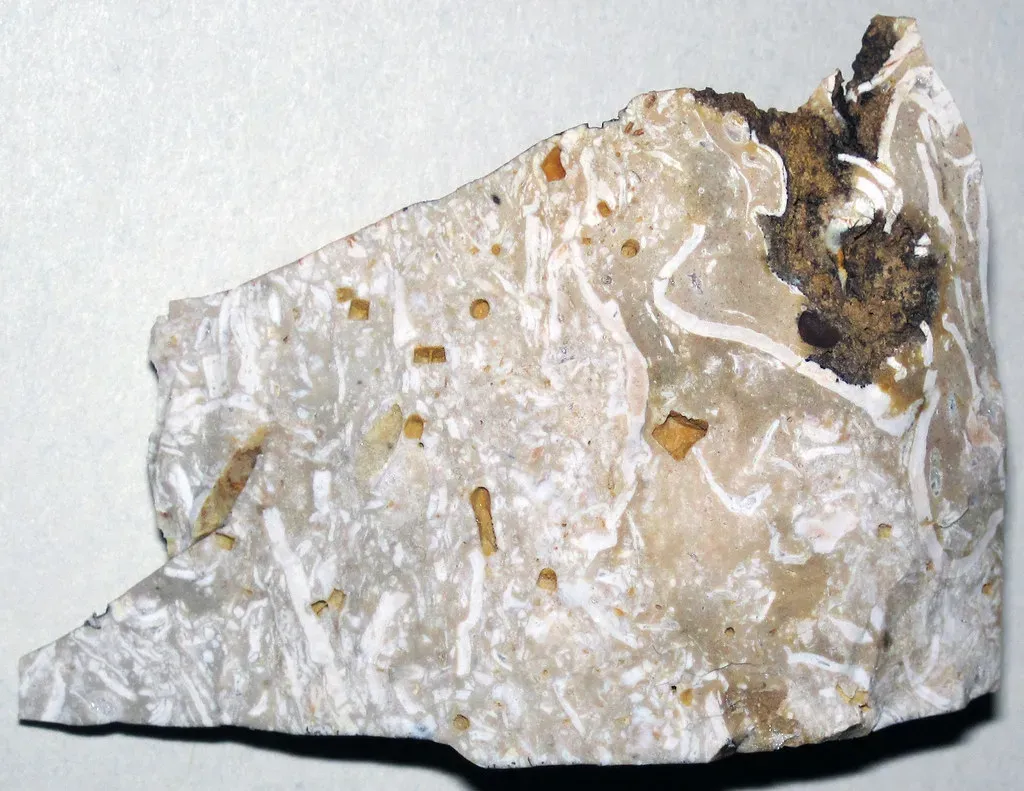
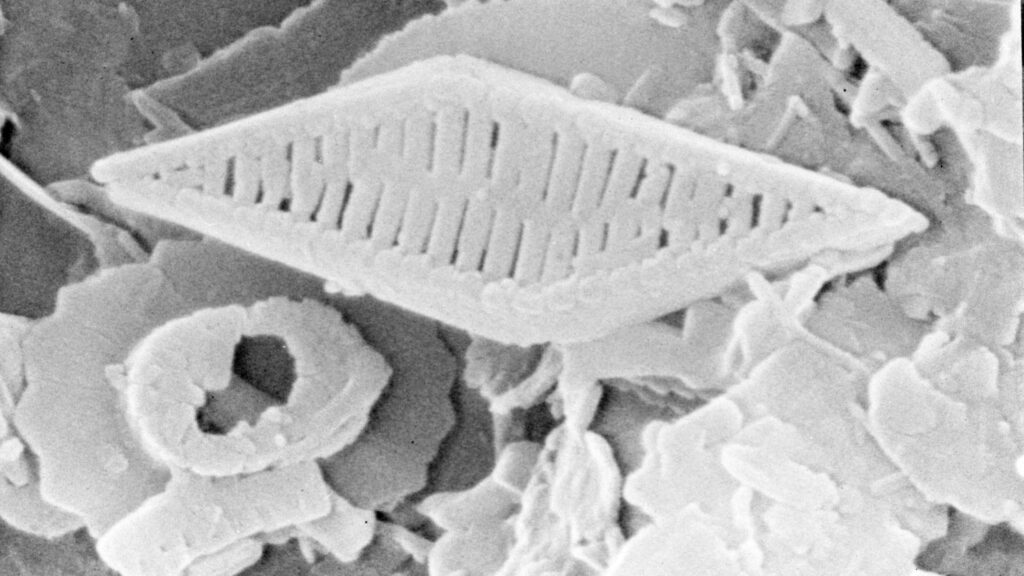
Microfossils are traces of ancient cells that are preserved in fine-grained, silica-rich rocks like chert, and are so small they are invisible to the naked eye. Rapid entombment protects delicate cellular structures from decay. This process of entombment is critical. Without it, the soft cellular material simply breaks down and vanishes.
Some microfossils consist of microbial remains encased in thin films of carbon-rich material, which scientists have interpreted as degraded cellular matter, while others consist of cells that have been filled in or surrounded by minerals such as silica or iron oxides, preserving their forms within solid matrices. These conditions help retain fine structural details that would otherwise be lost, making it possible to study their morphology and chemical composition billions of years later. The oldest confirmed examples show forms that are strikingly simple yet unmistakably alive. Some of these microfossils are more than 3.4 billion years old, and they show simple shapes like rods, spheres, and thread-like filaments, which fall within the size range of modern prokaryotic cells of about 1 to 10 micrometers.
The Ancient Rock Formations That Preserve the Record
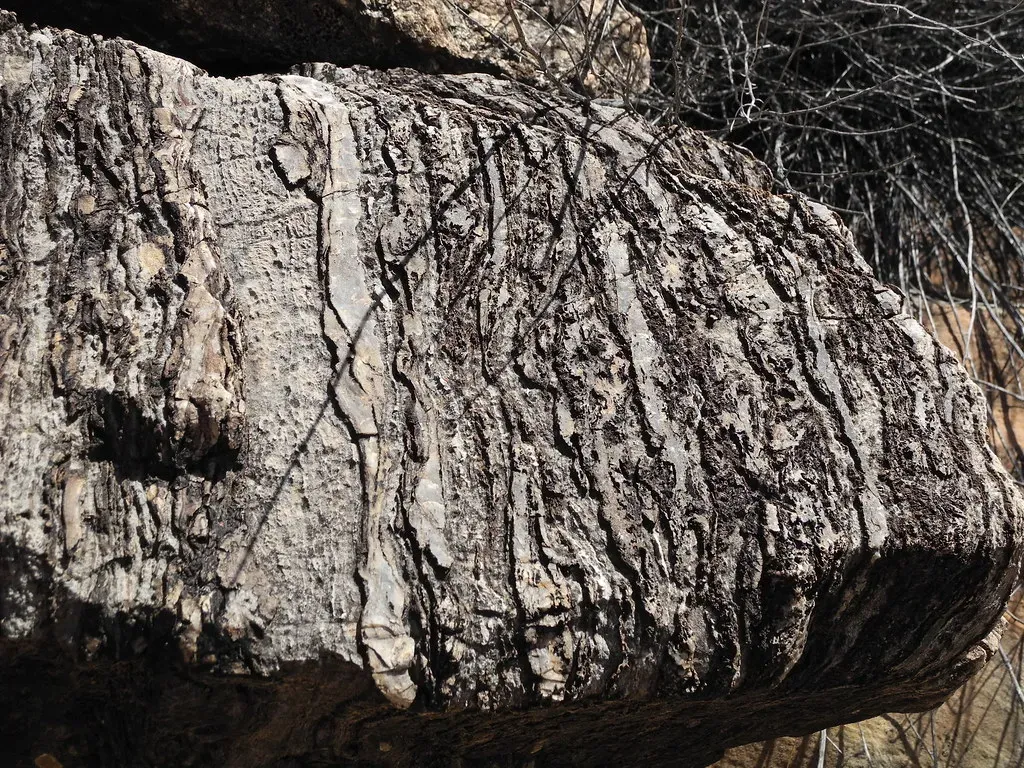
The oldest microfossils, and possibly the oldest known evidence of life on Earth, come from the Apex chert deposit in Western Australia. The chert dates to 3.47 billion years ago and holds at least five species of microfossils. The preservation conditions at this site were extraordinary, and its relative geological stability over billions of years kept the evidence largely intact.
Researchers have identified 3.45 billion-year-old stromatolites at the Warrawoona Group in Western Australia, structures that date to the Archean Eon and offer a window into some of the earliest coastal ecosystems. Even more compelling are the stromatolites of the 3.4-billion-year-old Strelley Pool Formation, which display intricate geometries such as cones, columns, and finely laminated sheets. Despite earlier debates that this rock unit might be abiotic in nature, the structures exhibit spatial organization, vertical growth, and internal textures consistent with the activity of microbial mats. South Africa’s Barberton Greenstone Belt has yielded similarly significant findings, and these two regions remain among the most studied early Earth archives on the planet.
Reading Life’s Chemistry From Stone
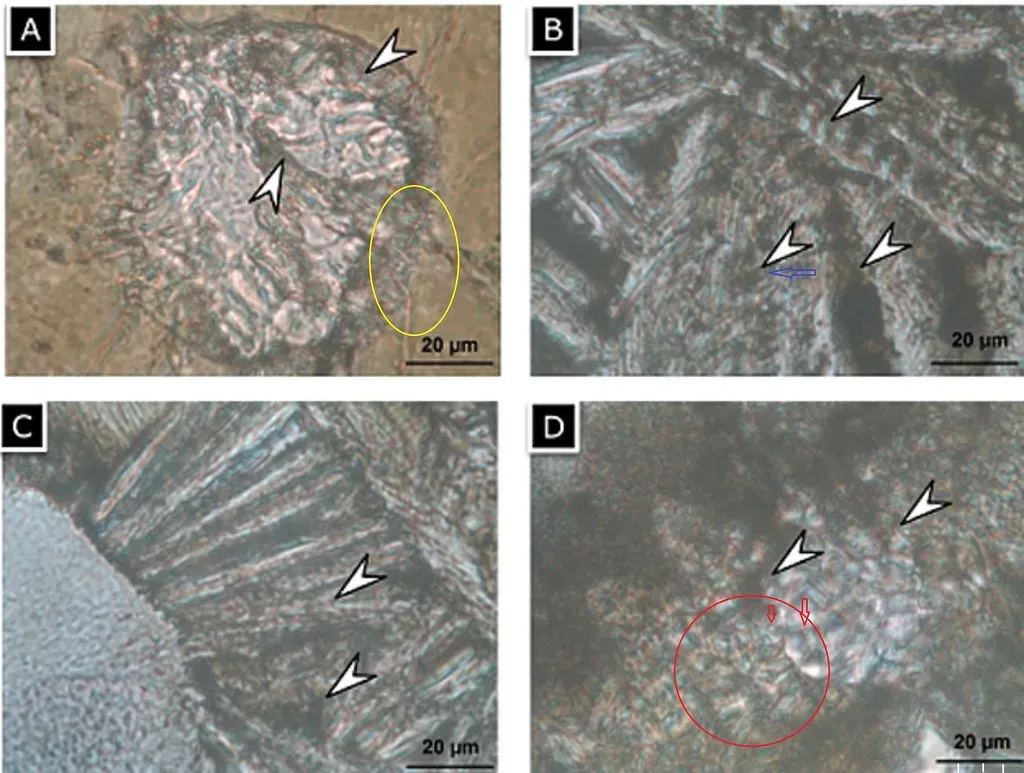
Shape alone isn’t enough to confirm biological origin. Minerals can sometimes produce forms that look deceptively cell-like, which is why researchers don’t rely on morphology in isolation. Identifying ancient microbes based on shape alone is difficult because non-living processes can sometimes produce structures that look like cells. To strengthen the case for biological origin, scientists turn to chemical evidence, and one of the most useful indicators is the ratio of carbon isotopes. Living organisms tend to favor the lighter isotope, carbon-12, during metabolism.
Isotopic and chemical signatures, such as carbon and sulfur fractionation, support biological origins and reveal ancient metabolisms like methanogenesis and iron cycling. These chemical clues are sometimes called biosignatures, and they can persist in rock even after the physical structure of a cell has been largely destroyed. In the absence of visible fossil structures, chemical traces help scientists reconstruct early metabolic pathways, which can provide context clues to the types of microbes that existed early in Earth’s history. Together, chemical and fossil clues show not only that life emerged early in Earth’s history, but also that it rapidly diversified to exploit a range of energy sources in a changing environment.
The Great Oxidation Event and What Microfossils Tell Us About It
One of the most consequential moments in Earth’s history was the dramatic rise of oxygen in its atmosphere. The findings from Western Australian microfossils provide a rare window into the Great Oxidation Event, a time roughly 2.4 billion years ago when oxygen concentration increased on Earth, fundamentally changing the planet’s surface. The event is thought to have triggered a mass extinction and opened the door for the development of more complex life, but little direct evidence had existed in the fossil record before new microfossils were discovered.
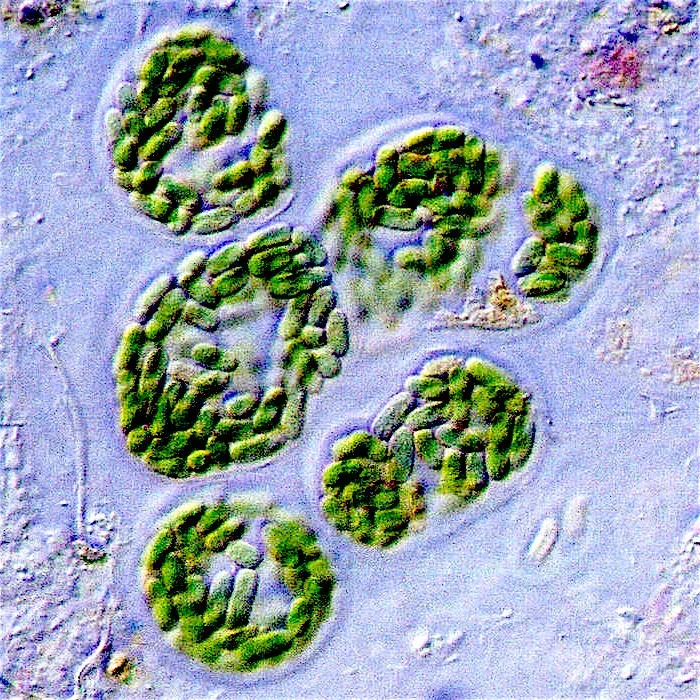
Cyanobacteria are among the most ancient of evolutionary lineages, oxygenic photosynthesizers that may have originated before 3.0 billion years ago, as evidenced by free oxygen levels. Throughout the Precambrian, cyanobacteria were one of the most important drivers of biological innovations, strongly impacting early Earth’s environments. At the end of the Archean Eon, they were responsible for the rapid oxygenation of Earth’s atmosphere during an episode referred to as the Great Oxidation Event. Recent research adds another layer to this picture. MIT researchers traced a key oxygen-processing enzyme back hundreds of millions of years before the Great Oxidation Event, and early microbes living near oxygen-producing cyanobacteria may have quickly used up the gas as it formed, slowing its rise in the atmosphere. The results suggest life was adapting to oxygen far earlier and far more creatively than once thought.
The Rise of Complex Life and the Eukaryote Record
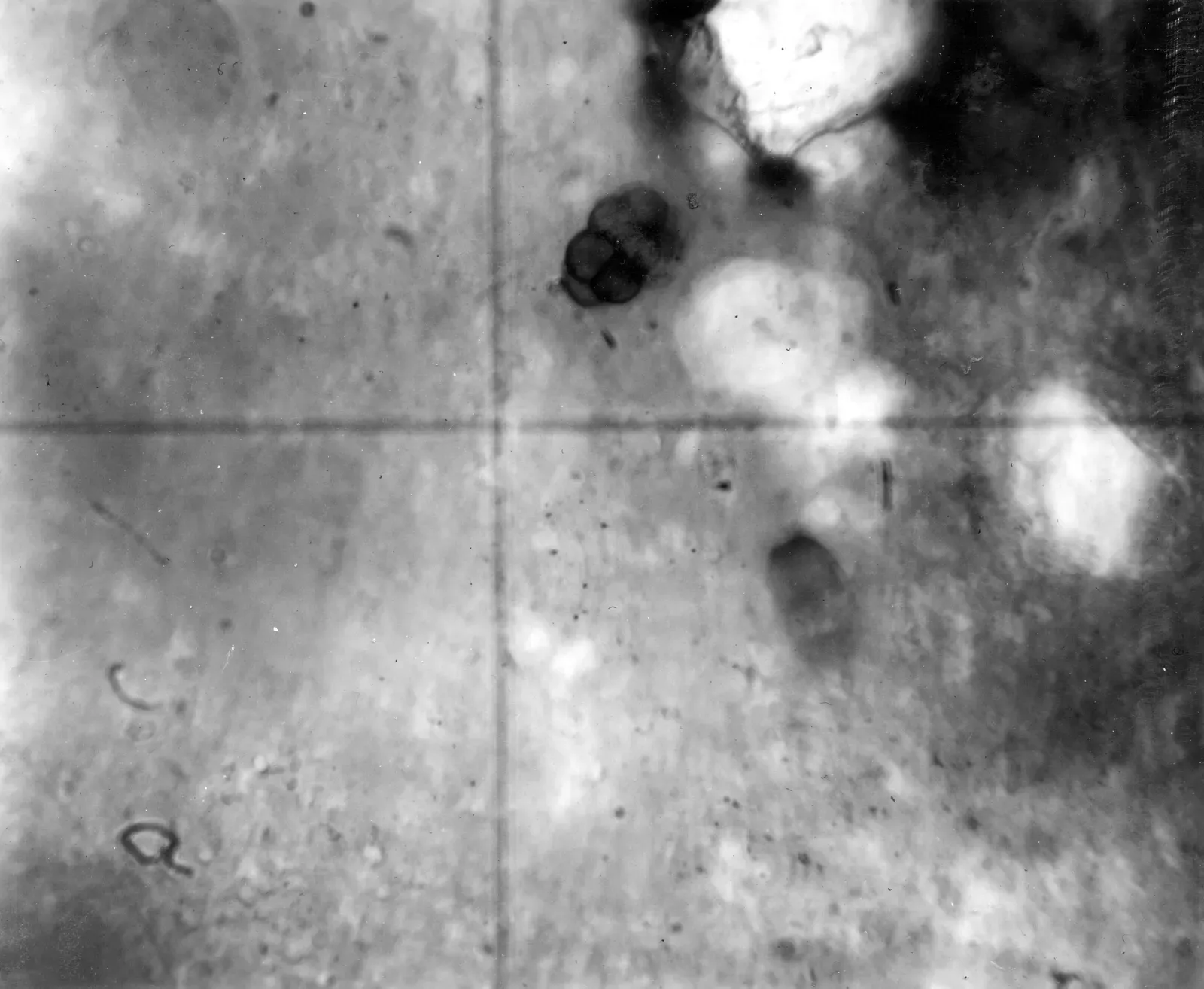
Eukaryotes have evolved to dominate the biosphere today, accounting for most documented living species and the vast majority of the Earth’s biomass. Consequently, understanding how these biologically complex organisms initially diversified in the Proterozoic Eon over 539 million years ago is a foundational question in evolutionary biology. Over the last 70 years, paleontologists have sought to document the rise of eukaryotes with fossil evidence, but the delicate and microscopic nature of their sub-cellular features affords early eukaryotes diminished preservation potential.
When compared to modern organisms, some microfossils more closely resembled a type of algae than simpler prokaryotic life, and algae, along with all other plants and animals, are eukaryotes, more complex life whose cells have a membrane-bound nucleus. The stakes of such identifications are enormous. Research has reviewed what is known about the rise of eukaryotes from fossil evidence, specifically organic-walled microfossils, and how the rarity of these fossils has encouraged the use of complementary lines of evidence to reconstruct ancestry, principally molecular clocks and geological biomarkers of sedimentary organic matter. The Proterozoic microfossil record remains vital to efforts to accurately reconstruct the tempo of the evolution of the earliest eukaryotes and their ecologies, and new tools are unlocking its rich potential as a source of evolutionary information.
Modern Technology Unlocking Ancient Secrets
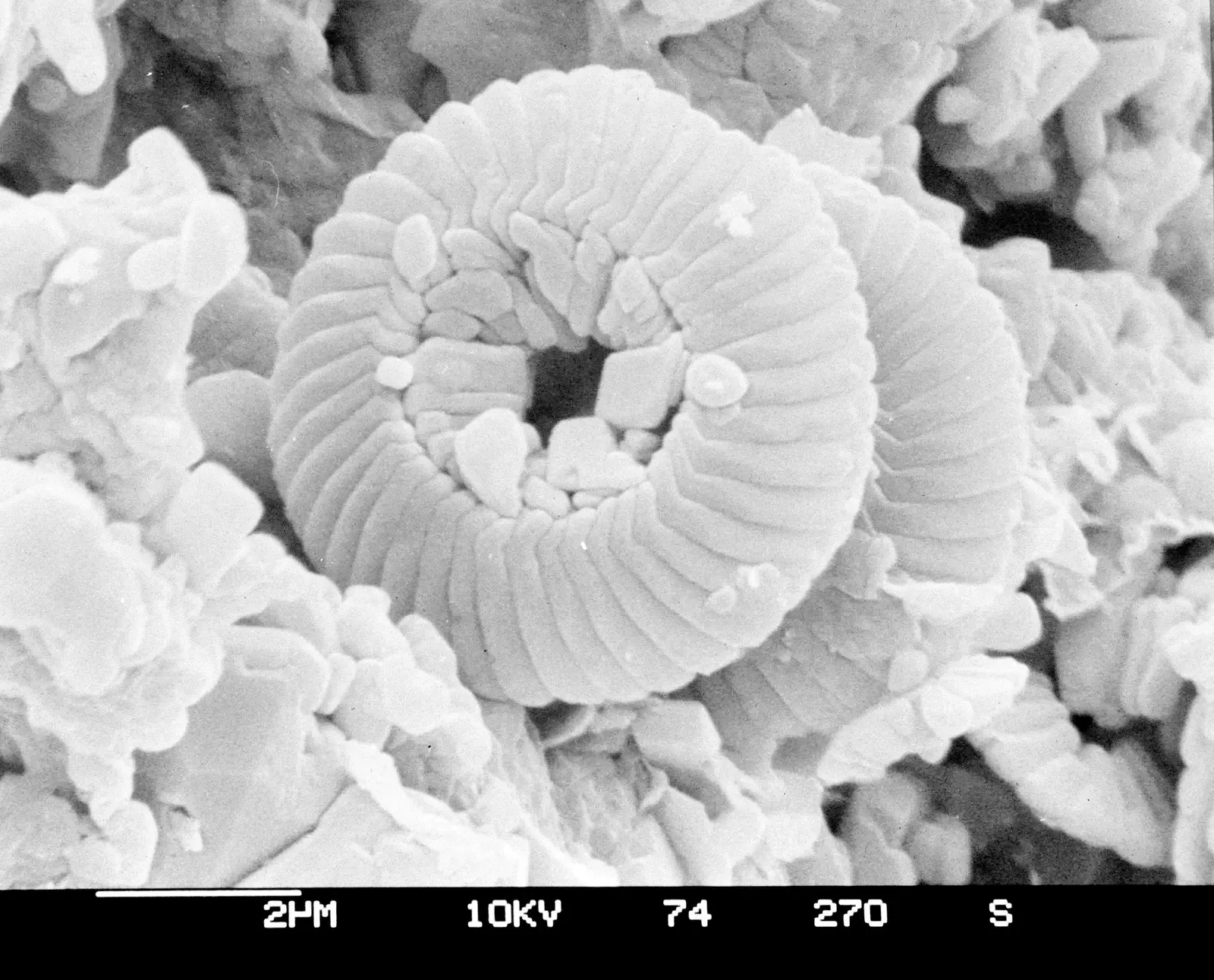
The most recent advances in microfossil research aren’t coming from new dig sites, necessarily. They’re coming from the lab. Micro Raman spectroscopy is a nondestructive method that allows for in situ identification of a wide range of minerals and compounds, and the use of specific band parameters to infer the biogenicity of carbonaceous materials in fossils has become a commonly used analytical tool. This matters because you can analyze a specimen without destroying it, which is essential when you’re working with samples that are billions of years old and effectively irreplaceable.
Analyses by secondary ion mass spectroscopy (SIMS) of 11 specimens of five taxa of prokaryotic filamentous kerogenous cellular microfossils from the 3,465 million-year-old Apex chert of northwestern Western Australia show their carbon isotope compositions to vary systematically taxon to taxon. These morphospecies-correlated carbon isotope compositions confirm the biogenicity of the Apex fossils and validate their morphology-based taxonomic assignments. Even more recent innovation comes from researchers using specialized glass slides coated with indium tin oxide. Analysis of phosphorus seen along the contours of microfossils revealed that these ancient microorganisms already had phospholipid cell membranes similar to those found in modern organisms, and the presence of molybdenum within microfossil bodies suggested the existence of possible nitrogen-fixing metabolic enzymes.
Conclusion
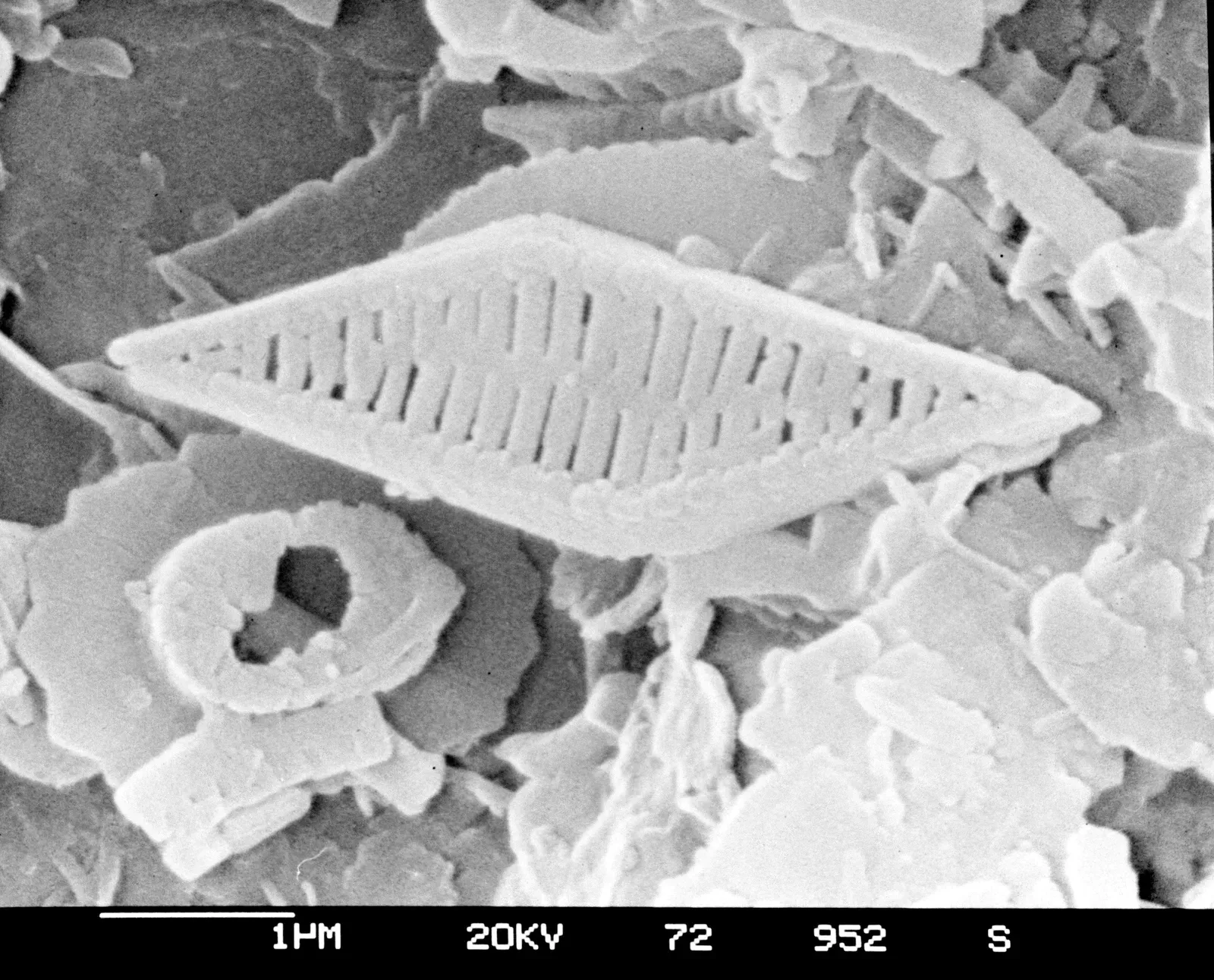
Microfossils are easy to underestimate. They’re invisible without magnification, often ambiguous, and embedded in rocks that require years of painstaking analysis to interpret. Yet they represent the only direct physical record of life during the vast majority of Earth’s history. Some of the species preserved in ancient cherts were early photosynthesizers, whereas others had metabolic processes that relied on methane cycling. Such diversity suggests that the first forms of life were much older than the chert in which they were discovered, possibly as old as 4 billion years.
What you’re looking at, when you examine a microfossil, is a reminder that life didn’t wait for conditions to be comfortable. It appeared early, adapted constantly, and transformed the planet in the process. The more precisely we can read that record, the better we understand not just where we came from, but what life is capable of doing under the most unlikely conditions imaginable.