
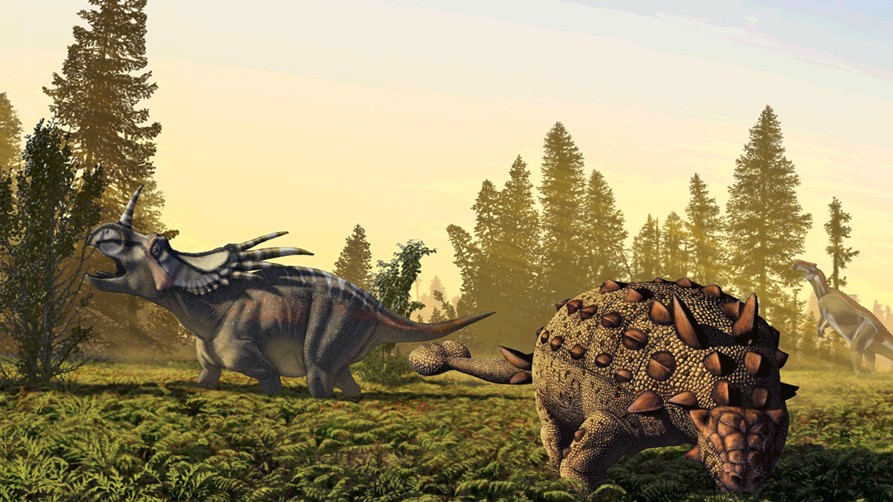
If you grew up picturing dinosaurs as lonely giants stomping around in isolation, you’re not alone. For a long time, that was the image painted in books, movies, and museum dioramas. But as new fossils come out of the ground and old collections are re-examined with fresh technology, a different story is emerging. You’re now looking at dinosaurs less like mindless monsters and more like the social elephants, wolves, and seabirds you see today.
When you look closely at the evidence, a surprising pattern appears: herds, family groups, possible parental care, and even hints of coordinated behavior. You’re not just guessing from a footprint or a bone here and there; entire bonebeds, trackways, and fossilized nesting grounds are turning up, and they keep pointing in the same direction. The picture that’s forming is subtle and still incomplete, but it strongly suggests that many dinosaurs lived rich, social lives that would feel strangely familiar if you’ve ever watched a flock of geese or a pride of lions.
Why Scientists Now Think Many Dinosaurs Lived in Groups
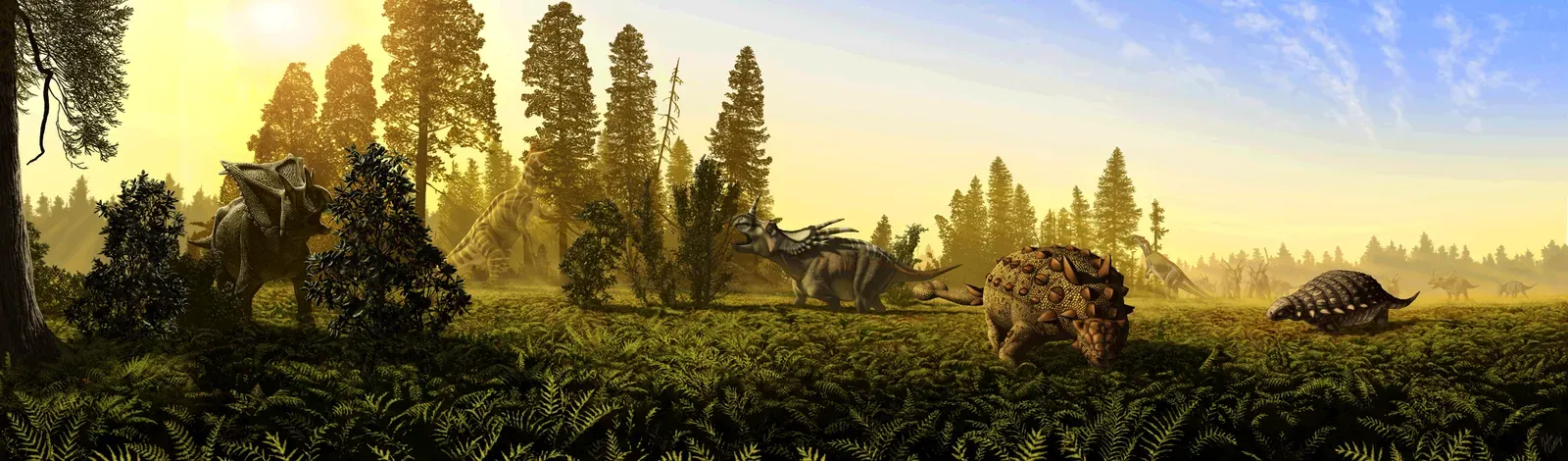
You can actually see the first big clue about dinosaur social lives in how their fossils are found. Instead of single skeletons scattered randomly, you often get mass bonebeds where multiple individuals of the same species died together. That pattern is not what you’d expect if dinosaurs were purely solitary; it lines up much more closely with how herd animals today sometimes perish in floods, droughts, or volcanic events while moving as a group. When you see dozens of the same dinosaur species in one place, of different sizes and ages, it’s hard not to picture them traveling together in life.
You also see long trackways where multiple dinosaurs walked side by side or in loosely organized lines, and their footprints line up in ways that imply they were moving at similar speeds and in the same direction. That’s exactly what you’d expect if you were watching a herd of wildebeest or a flock of cranes moving together across a plain. You can’t prove every single group of tracks came from a tight-knit herd, but when the same pattern repeats across different species and locations, you’re looking at strong circumstantial evidence that many dinosaurs didn’t roam the world alone.
Nests, Eggs, and Babysitting: Evidence for Dinosaur Family Life
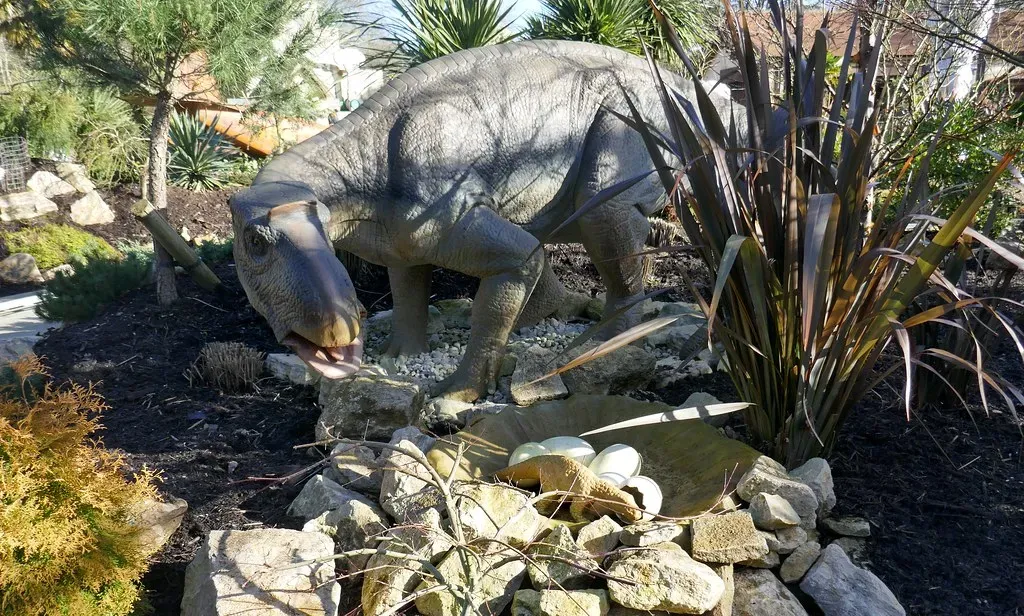
If you want to understand a species’ social life, you look at how it treats its young, and dinosaurs give you some striking clues here. In several places, you find fossilized nesting grounds containing multiple nests clustered together, sometimes spread across a wide area, like a dinosaur version of a seabird colony. When you see repeating, organized nest layouts, it suggests adults were coming back to the same spot season after season, maybe nesting side by side the way modern birds do today. That kind of repeated, communal nesting behavior already hints at more than just a one-off reproductive event.
You also find evidence that hatchlings stayed in the nest or nearby for a while instead of being completely self-sufficient from day one. Some sites include juveniles of different sizes together, suggesting they were growing up in the same area over time, not just accidentally mixed by chance. When you put that together with the fact that birds (living dinosaurs) and many reptiles today guard nests, warm eggs, and even feed their chicks, it becomes very reasonable for you to picture at least some dinosaur parents sticking around to protect and possibly care for their young, rather than walking away the moment the eggs were laid.
Trackways That Hint at Herds, Leaders, and Group Coordination
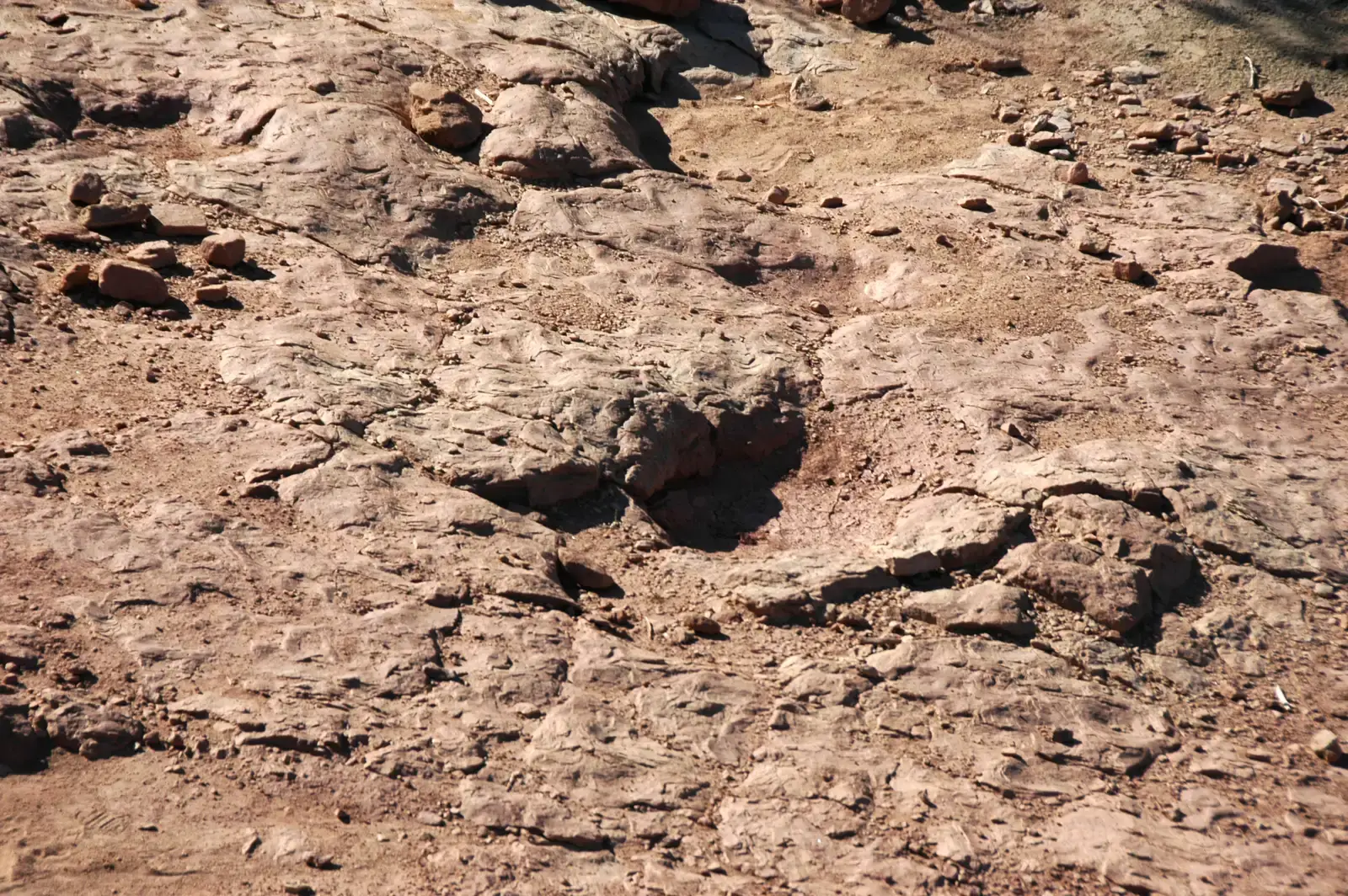
One of the most vivid windows into dinosaur behavior for you comes from fossilized trackways, essentially ancient footprints pressed into mud that later turned to stone. At some sites, you find multiple parallel lines of tracks from the same species, all heading in the same direction with similar stride lengths and speeds. That pattern looks a lot like a herd moving together, just like you might see a line of migrating caribou or zebras today. When you see small and large prints side by side, it suggests juveniles and adults were walking together, a hallmark of social animals moving as a group.
Some trackways even show what looks like spacing between individuals that stays roughly consistent over distance, making you wonder if there were basic positions within the moving group, like a loose formation. While you can’t point to a specific footprint and say which dinosaur was “in charge,” these coordinated patterns are extremely hard to explain if each dinosaur was acting independently. For you, the takeaway is simple: footprints can tell a social story, and that story increasingly looks like group travel, possible migration, and maybe even simple forms of herd structure.
Body Size, Brains, and What They Tell You About Social Complexity
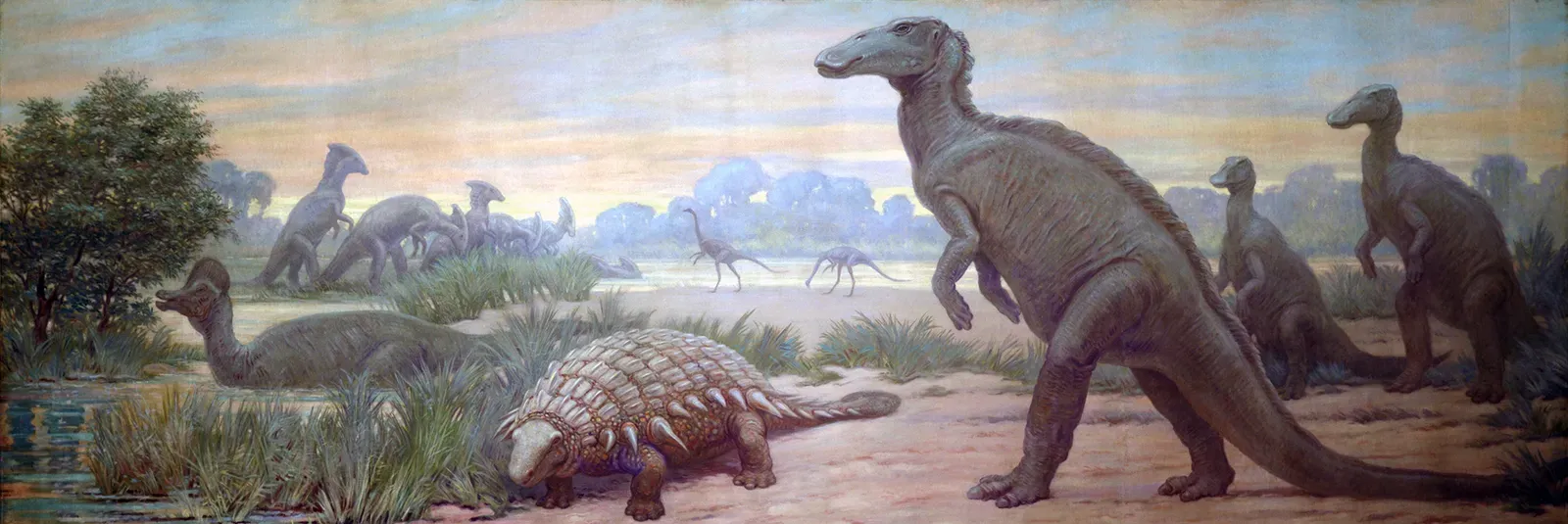
When you think about social animals today, you probably picture species with reasonably large brains relative to their body size, strong sensory abilities, and long lives. Some dinosaurs, especially certain theropods and duck-billed dinosaurs, show patterns that fit into that picture. Their braincases, when studied in detail, hint at sensory and cognitive abilities that could support more than just simple, reactive behavior. You’re not talking about human-level intelligence here, but enough complexity to handle activities like recognizing group members, learning basic routines, and reacting to the movements of others.
Larger herbivorous dinosaurs also had a huge incentive to cooperate at least loosely: safety in numbers. Just as modern antelope or bison use the group to detect predators and reduce each individual’s risk, big plant-eaters like hadrosaurs and ceratopsians would have benefited if they moved in herds. For you, the connection is straightforward: when you combine the physical evidence with what you see in living animals, it becomes highly plausible that many dinosaurs evolved social structures ranging from loose aggregations to tighter, possibly family-based groups, especially in species where juveniles were vulnerable for long periods.
Learning from Birds and Crocodiles: Modern Relatives as a Time Machine
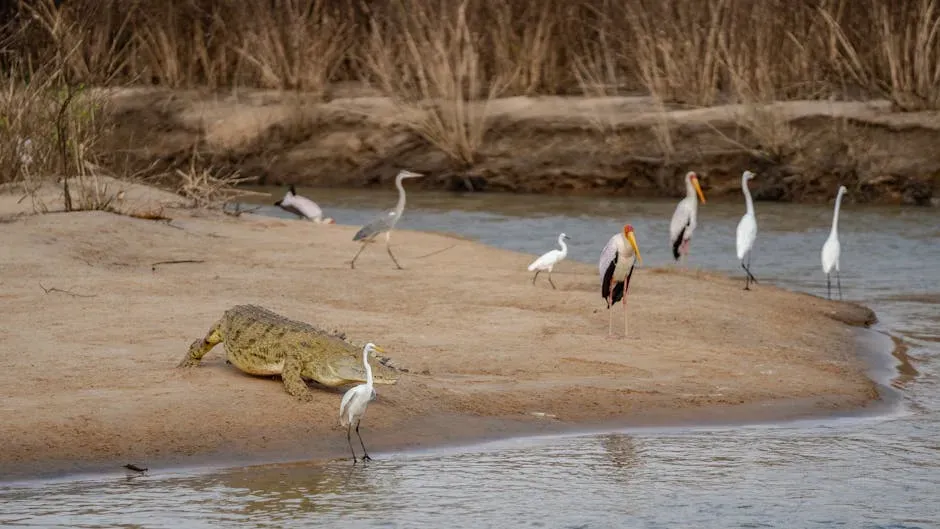
To get a better feel for dinosaur social lives, you can look at their closest surviving relatives: birds and crocodilians. Many bird species today form lifelong pair bonds, raise chicks cooperatively, migrate in large flocks, and show complex communication with calls, displays, and postures. Crocodiles may look more stoic, but they display surprising parental care, including guarding nests, helping hatchlings to water, and tolerating young in close proximity. When you view dinosaurs as part of this broader family, it becomes harder to imagine they were emotionless loners with no social ties.
You also see a lot of body language and visual signaling in these living relatives, from colorful feathers and crests in birds to deep vocalizations in crocodiles. Many dinosaurs had display features too, such as horns, frills, crests, and sometimes elaborate feathers in certain species. For you, it’s reasonable to think that at least some of those structures were used in social contexts – attracting mates, intimidating rivals, or reinforcing group status – just like modern animals do. While you can’t match each dinosaur feature neatly to a specific behavior, the overall pattern pushes you toward seeing dinosaurs as participants in ongoing social conversations, not silent, disconnected creatures.
How Social Dinosaurs Change the Way You Picture Prehistoric Life
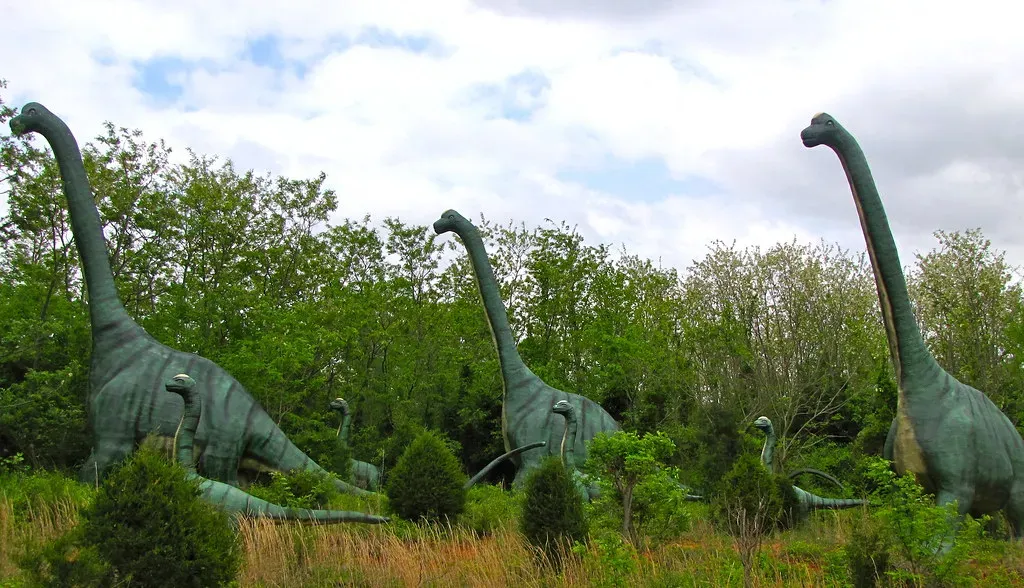
Once you accept that many dinosaurs likely lived socially, the prehistoric world starts to look very different to you. Instead of a random scattering of giants crossing empty plains, you can imagine crowded nesting grounds buzzing with activity, herds migrating across ancient floodplains, and youngsters sticking close to parents as they learn where to feed and how to stay safe. You start to see not just individuals, but communities and possibly generations overlapping, like you’d see in elephant or whale societies today.
This shift in perspective also changes how you think about extinction and survival. If dinosaurs had complex social structures, then their disappearance is not just the loss of big animals, but the loss of intricate networks of relationships, learning, and culture-like behaviors built up over millions of years. For you, that realization adds a bittersweet layer to every fossil in a museum case. You’re not just looking at bones; you’re looking at the remains of animals that likely lived, traveled, and maybe even cared for each other in ways that echo the social world you know now.
What This Means for How You Understand Animal Social Life Today
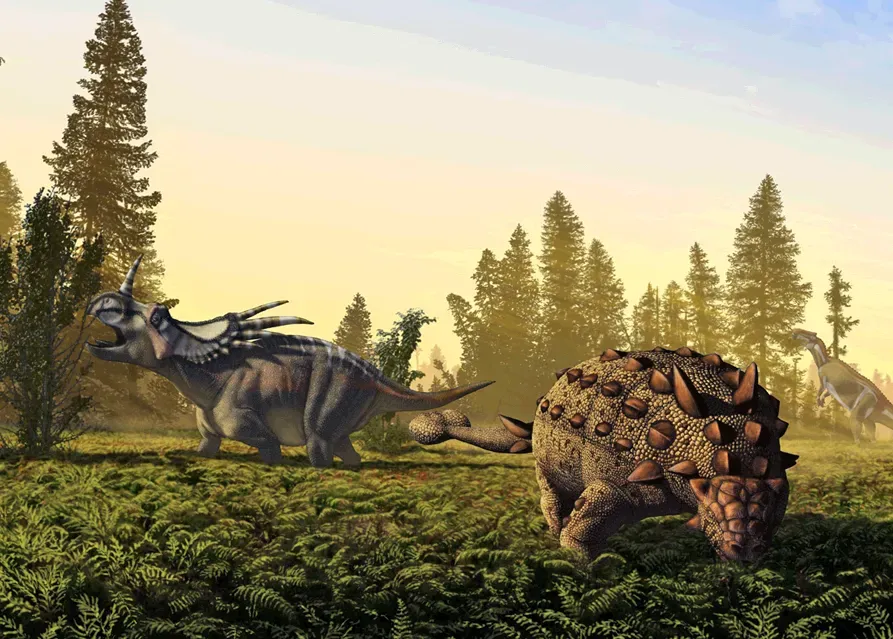
When you realize dinosaurs probably had social structures, you’re forced to widen your view of what sociality in animals really means. It stops being a special trait of a few clever mammals or birds and instead becomes a recurring theme across deep time. You start to see group living, parental care, and coordinated movement as powerful strategies that evolution taps into again and again, from fish schools and insect societies to dinosaur herds and human communities. That continuity makes the modern world feel less like a new invention and more like the latest chapter in a very long story.
It can also change how you feel when you watch animals around you now. A flock of geese on a city pond or a group of deer in a field suddenly connect you back to herds of hadrosaurs or groups of ceratopsians moving through prehistoric forests. For you, that link across millions of years can make both the past and the present feel a little more alive and a little more fragile. If complex social worlds can vanish, as they did for the dinosaurs, then the networks of life you see today deserve more attention, respect, and protection than they often get.
In the end, when you look at the growing body of evidence, you’re not just updating a mental picture of dinosaurs; you’re revising your understanding of what it means to be an animal living in a group. Dinosaurs likely argued, cooperated, protected, and followed one another in ways that might look surprisingly familiar if you could watch them in motion. That possibility brings them closer to you, not as fantasy monsters, but as once-living creatures navigating their own complex social worlds.
So the next time you stand in front of a dinosaur skeleton, you can imagine not just one animal, but the herd, the nesting ground, or the family it might have belonged to. You’re seeing a frozen snapshot of a life that was almost certainly intertwined with others, shaped by bonds, conflicts, and shared habits that echo what you see in modern animals – and in yourself. Did you expect dinosaurs to feel this social, this familiar, when you first heard their name as a kid?