You can hold the history of the planet in a pinch of rock dust. That sounds dramatic, but that’s exactly what microfossils do for you: they shrink billions of years of Earth’s story into tiny, stubborn traces that survived heat, pressure, and time. When you look closely enough – usually with a good microscope and a lot of patience – these miniature fossils start answering oversized questions: When did life begin? When did oxygen flood the oceans? How did climates swing from greenhouse to icehouse long before humans showed up? If you’ve ever stared at a rock and thought, “It’s just a rock,” microfossils are your invitation to look again. From microscopic tubes older than most continents to delicate shells that double as climate data loggers, these fossils act like time-stamped messages from vanished worlds. As you move through each example below, you’ll see how scientists wring information from structures thinner than a human hair – and how, once you learn what to look for, you’ll never see “ordinary” stone the same way again.
1. Iron-Clad Microfossils from Ancient Hydrothermal Vents
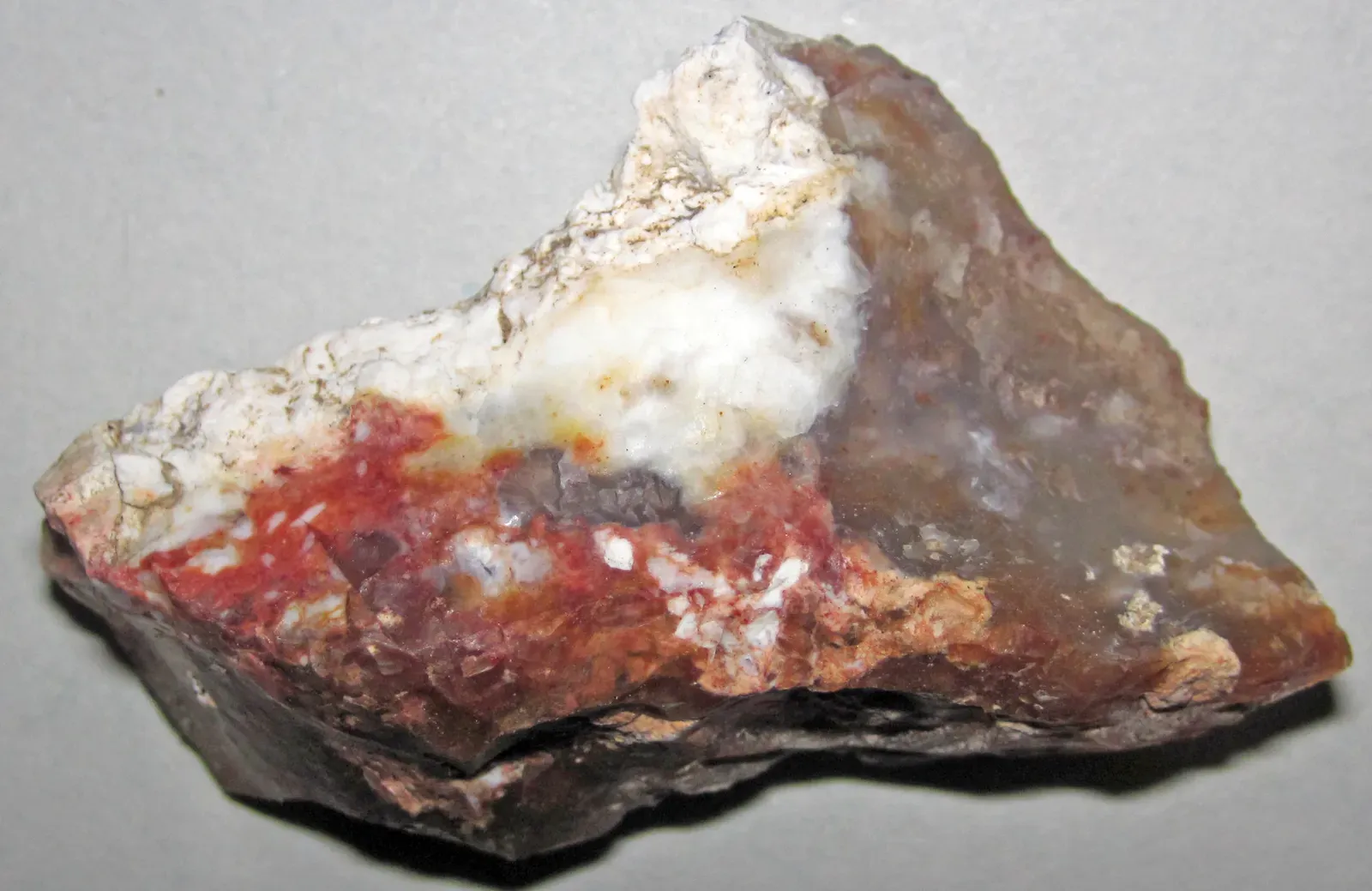
You’re standing on a rocky shoreline in Quebec, staring at dark, banded rocks that formed when Earth was still violently young. Hidden inside those rocks, some researchers see microscopic filaments and tubes made of iron minerals that may record communities of bacteria living around seafloor hot springs more than three and a half billion years ago. When you examine these structures under powerful microscopes, they resemble the forms and textures of modern iron-oxidizing microbes that cling to hydrothermal vents today, feeding on chemical energy instead of sunlight. ([nationalgeographic.com](https://www.nationalgeographic.com/science/article/oldest-life-earth-iron-fossils-canada-vents-science?utm_source=openai))
For you, the power of these putative microfossils isn’t just their age; it’s what they imply. If these interpretations are right, life did not need a calm, gentle world to get started – it flourished in a planet still hammered by impacts and dominated by volcanic seafloors. That suggests that, wherever liquid water and chemical gradients exist, simple life might arise quickly and adapt to harsh conditions. Of course, there’s debate: some scientists argue that purely chemical or geological processes could mimic these shapes. But even that argument teaches you something: to claim you’ve found the earliest life, you have to push every test you have to its limit and accept that sometimes the answer stays “maybe” rather than “definitely.” ([sciencedirect.com](https://www.sciencedirect.com/science/article/pii/S0012821X2300239X?utm_source=openai))
2. Banded Iron Formations: Microbial Fingerprints Written in Rock Layers
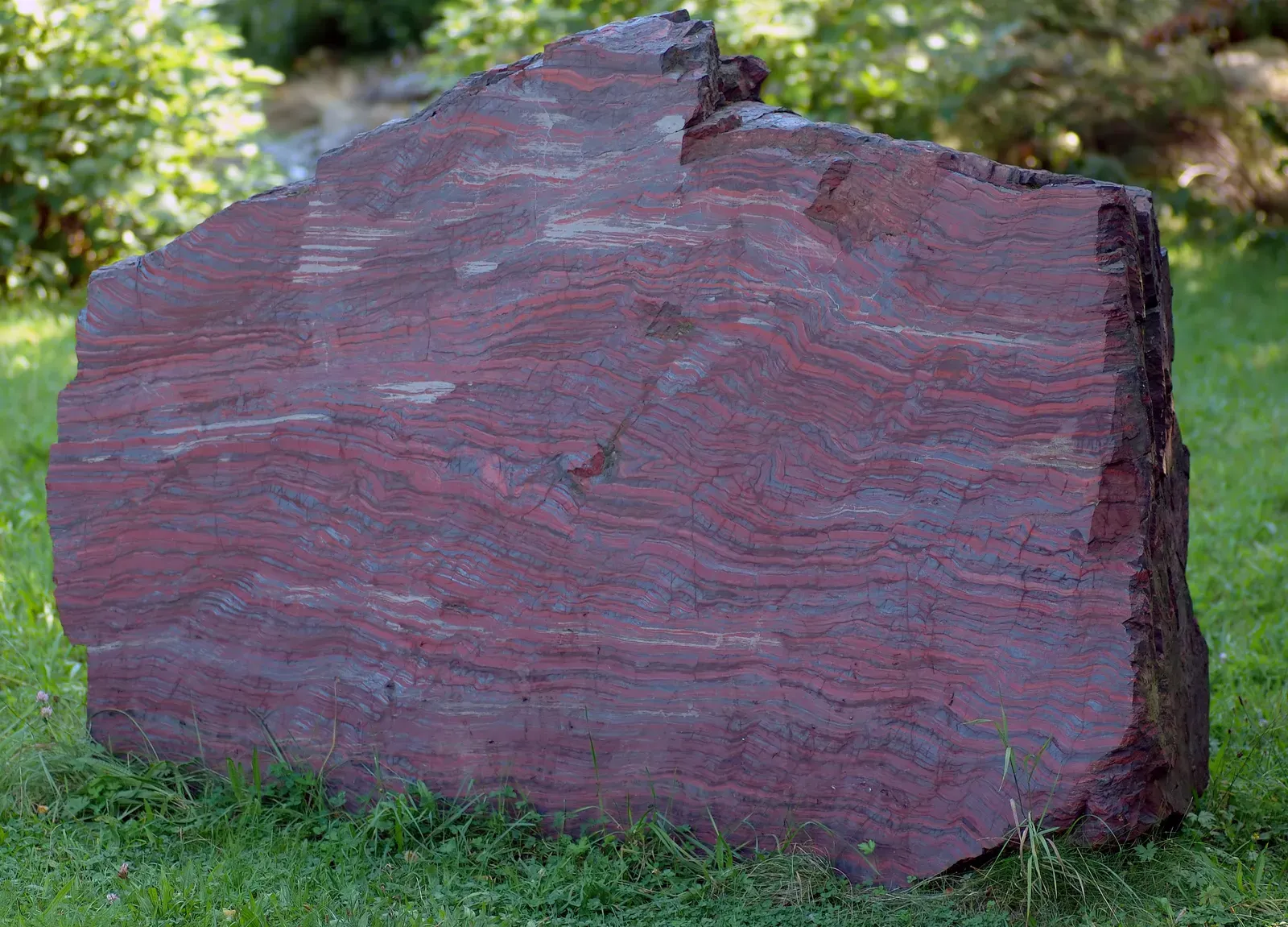
When you see a polished slice of banded iron formation – those striking rocks with alternating dark iron-rich layers and pale silica bands – you’re not just admiring mineral art; you’re looking at a planetary feedback loop captured in stone. These rocks, many of them more than two and a half billion years old, formed as dissolved iron in ancient oceans reacted with oxygen and dropped out as solid minerals. The most convincing explanation for all that oxygen points straight at tiny photosynthetic microbes, similar to modern cyanobacteria, that pumped oxygen into seawater long before animals appeared. The banding reflects cycles in that activity, like a heartbeat recorded in alternating stripes. ([en.wikipedia.org](https://en.wikipedia.org/wiki/Banded_iron_formation?utm_source=openai))
For you, banded iron formations are powerful because they turn an invisible gas into something you can touch. You can run your fingers over layers that mark the Great Oxidation Event, when oxygen levels in the atmosphere and oceans rose enough to transform global chemistry and open the door for complex life. Even without seeing individual cells, you’re reading a collective microfossil signal: countless microbial mats quietly changing the world. The fact that similar iron-rich deposits show up in some of Earth’s oldest rocks hints that microbial metabolisms were shaping seawater chemistry incredibly early, giving you a way to trace life not by bodies but by the planetary-scale mess it left behind. ([sciencedirect.com](https://www.sciencedirect.com/science/article/pii/S0012821X2300239X?utm_source=openai))
3. Gunflint Microfossils: A Billion-Year Leap in Understanding Photosynthesis
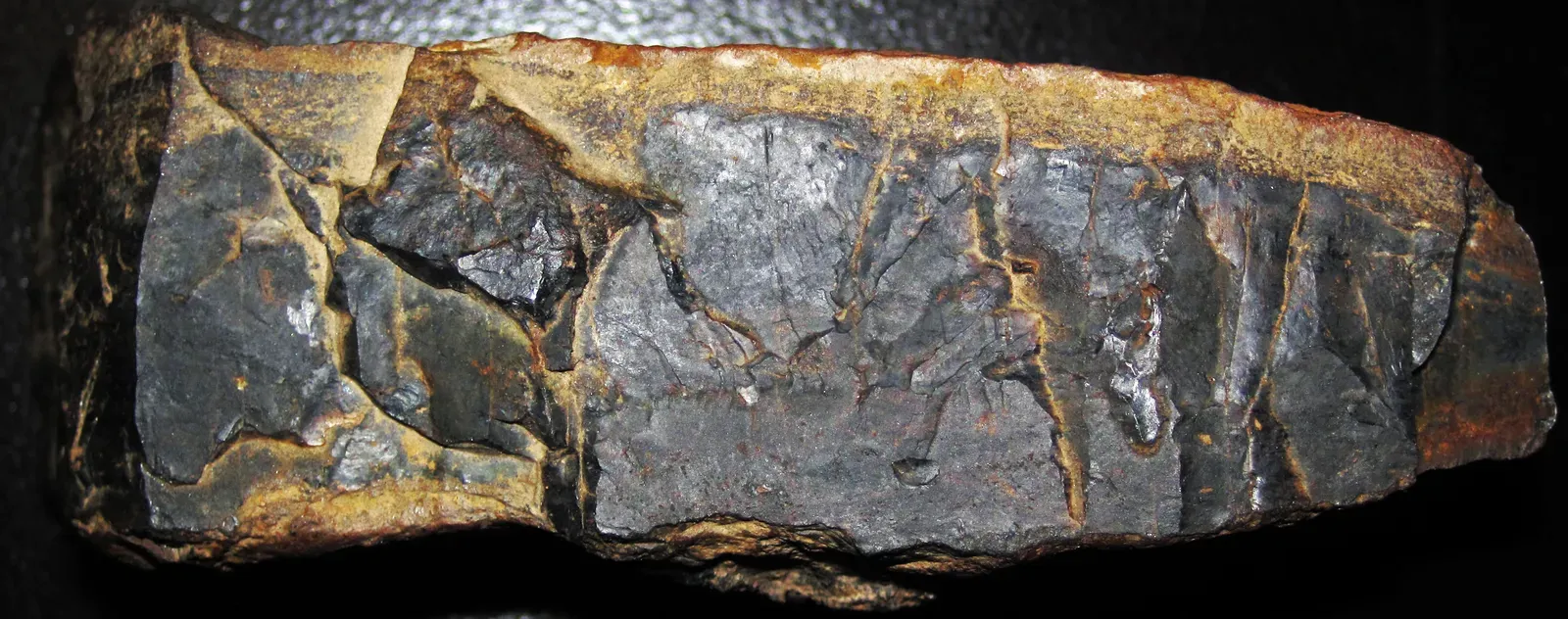
If you slice a piece of Gunflint chert from around Lake Superior thin enough to shine light through it, you’ll find a miniature cemetery of microbes that lived nearly two billion years ago. Under the microscope, you see filaments, spheres, and layered structures that match what you’d expect from microbial mats and cyanobacteria-like organisms. When these fossils were first described in the mid‑twentieth century, they pushed the known age of complex microbial life back by more than a billion years, forcing you to rethink how early photosynthesis and oxygen production had become established features of Earth. ([en.wikipedia.org](https://en.wikipedia.org/wiki/Gunflint_chert?utm_source=openai))
What makes the Gunflint microfossils so important for you is their combination of diversity and preservation. Instead of a single ambiguous shape, you get a whole community frozen in silica: different morphologies, different apparent ecologies, all coexisting in a banded iron-rich setting. That gives you confidence that you’re not being fooled by random mineral growth or deformation. By studying their shapes, chemical signatures, and the rocks around them, you see evidence that oxygenic photosynthesis – something you now take for granted every time you breathe – was already stable and widespread deep in the Proterozoic. In other words, by the time these microbes died, Earth’s biosphere was no fragile experiment; it was a long-running project that had already changed the oceans beyond recognition. ([en.wikipedia.org](https://en.wikipedia.org/wiki/Gunflint_chert?utm_source=openai))
4. Acritarchs: Mysterious Organic Spheres That Track Early Eukaryotes
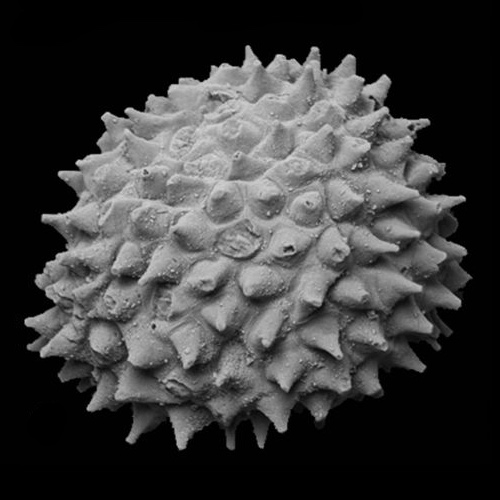
When you first meet acritarchs, you realize science sometimes admits, very openly, that it’s not sure what something is. These are organic-walled microfossils – tiny hollow spheres with resistant carbon-rich walls, often decked out with spines, ridges, or elaborate ornamentation. Under the microscope, they look like tiny space mines or pollen grains from alien plants. You usually find them in marine sediments spanning from the Precambrian into much younger rocks, and most evidence suggests many of them represent cysts or resting stages of microscopic planktonic protists, likely early eukaryotes. ([en.wikipedia.org](https://en.wikipedia.org/wiki/Microfossil?utm_source=openai))
For you, the real magic of acritarchs is how their diversity and complexity rise and fall with big evolutionary and environmental events. As you move toward the Cambrian, you see an “explosion” in the richness and morphological variety of these forms, echoing the broader diversification of marine life. Their record also shows sharp declines at major mass extinctions, such as the end-Permian crisis, and rebounds during recoveries. Even if you never pin down every exact biological affinity, you can use them as sensitive indicators of how surface ecosystems responded through deep time. When you hold a dark, shaly rock rich in acritarchs, you’re holding a snapshot of the planktonic world that once controlled much of Earth’s carbon and nutrient cycles. ([britannica.com](https://www.britannica.com/science/acritarch?utm_source=openai))
5. Foraminifera: Tiny Shells That Let You Reconstruct Lost Oceans
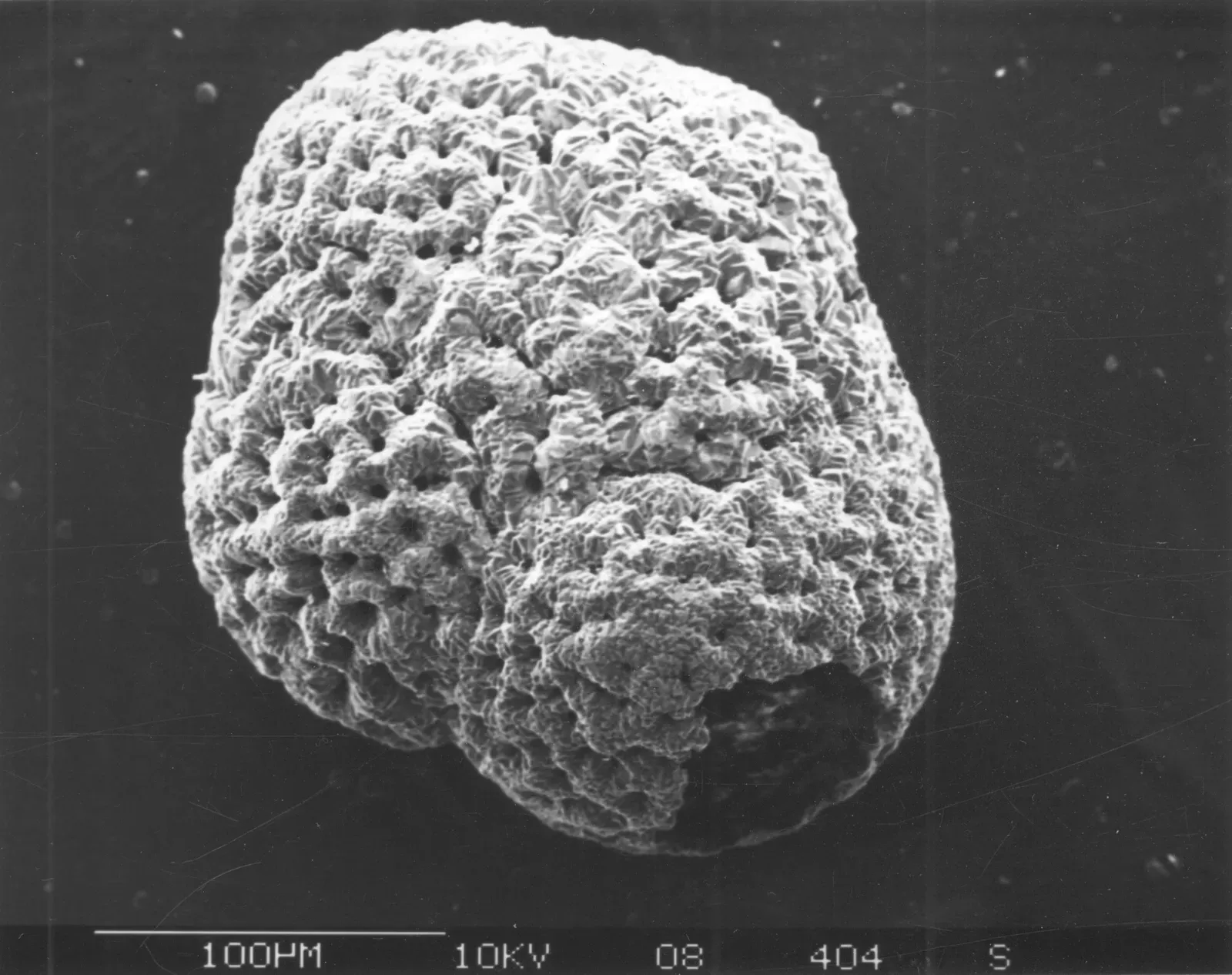
If you’ve ever seen a handful of beach sand under a magnifying glass and noticed perfect little spirals and chambers, you may have met foraminifera without realizing it. These single‑celled protists build shells – called tests – from calcium carbonate or other materials, and when they die, their shells rain down to the seafloor by the trillions. Over hundreds of millions of years, they’ve left an extraordinary fossil record in marine sediments dating back at least to the early Cambrian. Because different species favor different water depths, temperatures, and nutrients, you can treat their assemblages like a coded description of past ocean conditions. ([usgs.gov](https://www.usgs.gov/programs/climate-research-and-development-program/science/paleoclimate-proxies?utm_source=openai))
Here’s where it gets really useful for you: foraminiferal shells absorb chemical signatures from the seawater they grow in. Ratios of stable oxygen and carbon isotopes, as well as trace elements like magnesium and strontium, shift depending on temperature, ice volume, and the global carbon cycle. By measuring those signals, you can reconstruct sea-surface and deep-ocean temperatures, track the advance and retreat of ice sheets, and even estimate how fast sea level changed. For modern climate studies, foraminifera act like built‑in loggers, letting you compare today’s rapid changes with natural swings over millions of years. Once you appreciate that, a jar of mud from the deep sea becomes, for you, less like dirt and more like a library of climate chapters waiting to be read. ([museumoftheearth.org](https://www.museumoftheearth.org/changing-climate/proxies?utm_source=openai))
6. Radiolarians and Silica Architects of the Ancient Seafloor
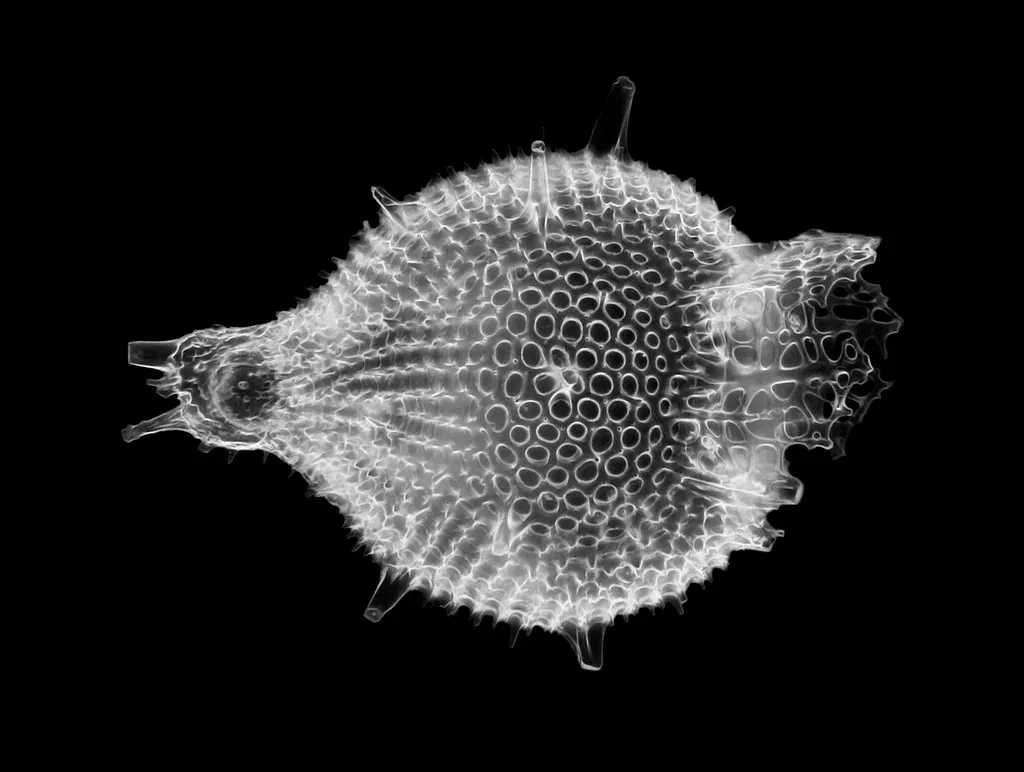
When you examine radiolarians under a microscope, you quickly see why early microscopists were obsessed with them. These single‑celled plankton build intricate skeletons of silica – delicate lattices, spines, and geometric cages that look like tiny works of glass art. When radiolarians die, their skeletons sink and accumulate in deep‑sea ooze that can eventually harden into chert, trapping their ornate forms in rock. Their fossil record stretches back to at least the early Paleozoic, giving you a long history of deep‑water plankton communities in parts of the ocean where other fossils are often sparse. ([en.wikipedia.org](https://en.wikipedia.org/wiki/Microfossil?utm_source=openai))
For you, radiolarians are more than pretty micro‑sculptures; they’re sensitive recorders of oceanographic change. Different species thrive in specific temperature ranges and water masses, so when the mix of radiolarian types in a sediment layer shifts, you’re seeing the imprint of changing currents, climate states, or nutrient supplies. In some regions, radiolarian‑bearing cherts preserve detailed records of Mesozoic ocean conditions and biotic crises, including events associated with massive volcanic outpourings and greenhouse intervals. By learning to read those patterns, you can piece together how deep‑ocean ecosystems responded to environmental stress and recovery, long before instrument records existed or even continents looked familiar. ([bfa.fcnym.unlp.edu.ar](https://www.bfa.fcnym.unlp.edu.ar/catalogo/doc_num.php?explnum_id=2094&utm_source=openai))
7. Diatoms: Glass-Walled Timekeepers of Lakes and Seas
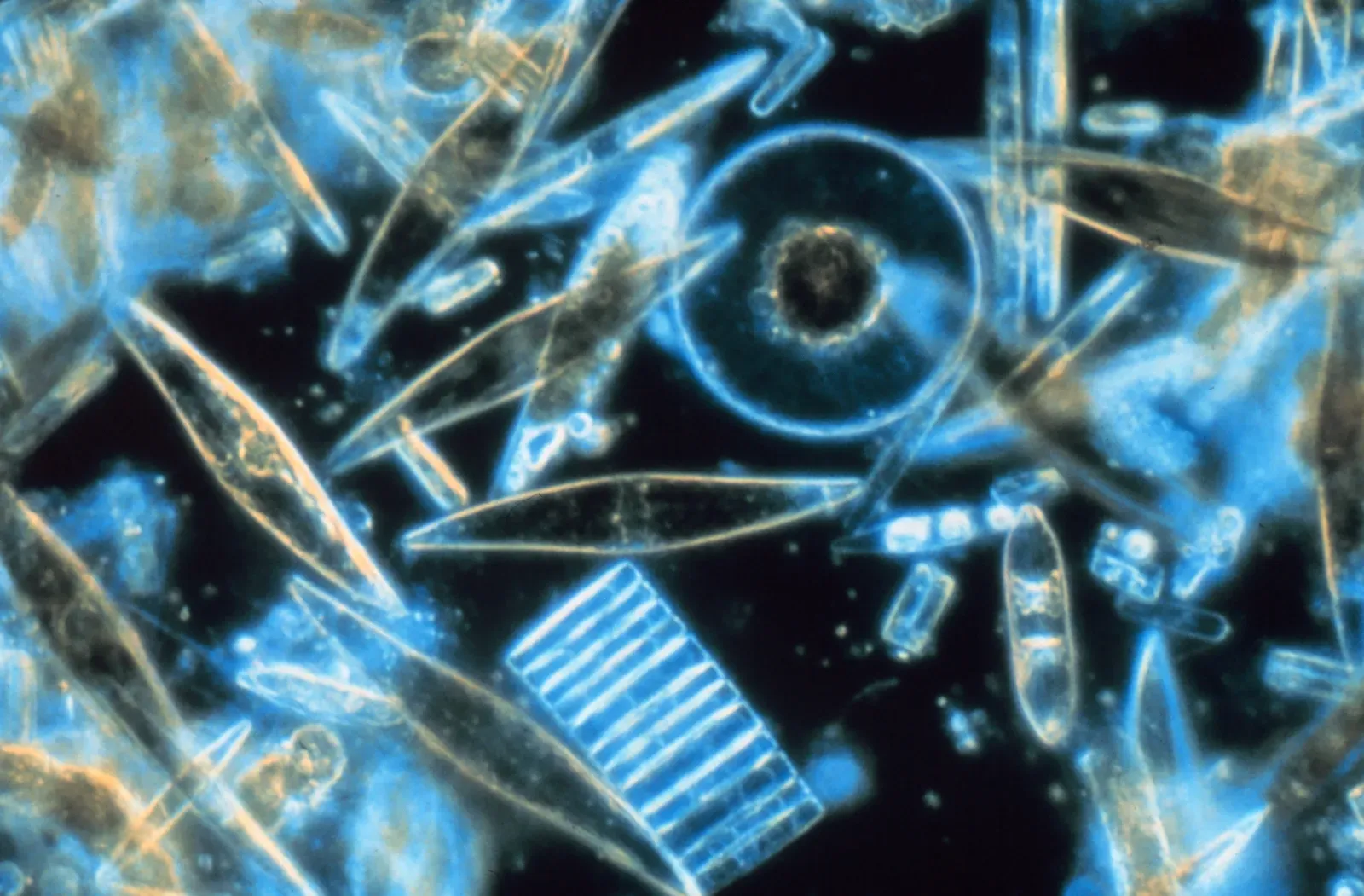
If you scoop a bit of modern lake water and peer at it under a microscope, there’s a good chance you’ll see diatoms drifting by – photosynthetic algae encased in silica shells that fit together like tiny pillboxes. Their fossil shells, called frustules, survive well in sediments whenever water conditions allow silica to accumulate. Since diatoms are highly sensitive to factors like nutrient levels, salinity, and pH, you can use the species mix in a sediment core to reconstruct how a lake or coastal environment has changed over thousands to millions of years. That lets you track everything from natural climate cycles to human‑driven eutrophication. ([usgs.gov](https://www.usgs.gov/programs/climate-research-and-development-program/science/paleoclimate-proxies?utm_source=openai))
For you, diatoms become especially powerful when you combine them with other microfossil proxies. In glacial lakes, diatom assemblages can record shifts in ice cover, meltwater input, and stratification. In oceans, their abundance and species turnover can signal upwelling changes and nutrient reorganizations tied to large‑scale climate transitions. Because diatoms contribute significantly to modern global primary productivity and carbon export, their fossil record offers you a way to compare past and present biogeochemical roles. Every thin band of diatom‑rich sediment in a core represents a bloom season captured in silica, so when you read a long core, you’re effectively scrolling through centuries of microscopic calendars. ([usgs.gov](https://www.usgs.gov/programs/climate-research-and-development-program/science/paleoclimate-proxies?utm_source=openai))
8. Ostracods: Tiny Crustaceans That Record Water Chemistry in Their Shells
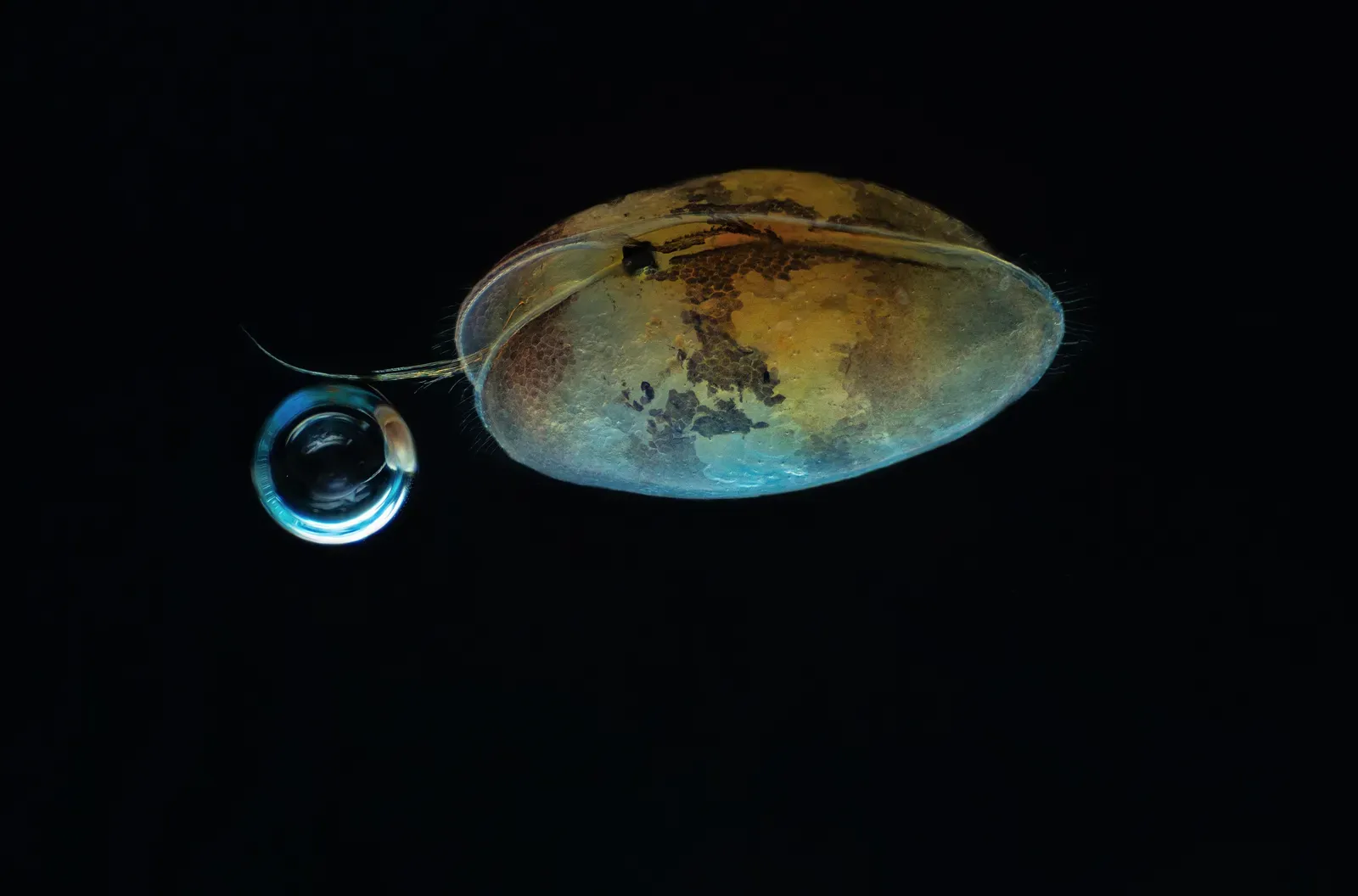
At first glance, ostracods look like minuscule clams under the microscope – little bivalved shells that open and close around a tucked‑in crustacean body. The animals themselves rarely fossilize, but their calcite carapaces do, and those shells turn out to be loyal recorders of the water they lived in. Because ostracods inhabit lakes, rivers, and shallow seas with well‑defined environmental gradients, you can use their fossil assemblages to infer salinity, temperature, water depth, and even oxygen levels through time. ([usgs.gov](https://www.usgs.gov/programs/climate-research-and-development-program/science/paleoclimate-proxies?utm_source=openai))
For you, ostracods are like dual‑purpose tools: species identities reflect habitat preferences, while the chemistry of the shells preserves direct isotope and elemental signals of past water composition. That means you can reconstruct, for example, when a lake switched from fresh to more saline conditions or when groundwater inflow changed in response to climate shifts. In some marine settings, ostracods capture changes in bottom‑water oxygenation associated with anoxic events, helping you see how near‑shore ecosystems responded to warming or nutrient loading. They may be only a millimeter across, but if you’re trying to piece together how regional water bodies reacted to global climate swings, ostracods give you a local, high‑resolution lens. ([usgs.gov](https://www.usgs.gov/programs/climate-research-and-development-program/science/paleoclimate-proxies?utm_source=openai))
9. Palynomorphs: Pollen, Spores, and Other Organic Traces That Map Ancient Landscapes
![9. Palynomorphs: Pollen, Spores, and Other Organic Traces That Map Ancient Landscapes (Source and public domain notice at Dartmouth College Electron Microscope Facility ([1], [2]), Public domain)](https://nvmwebsites-budwg5g9avh3epea.z03.azurefd.net/dinoworld/6f90c121a7923b59ca32e54ffa5825d3.webp)
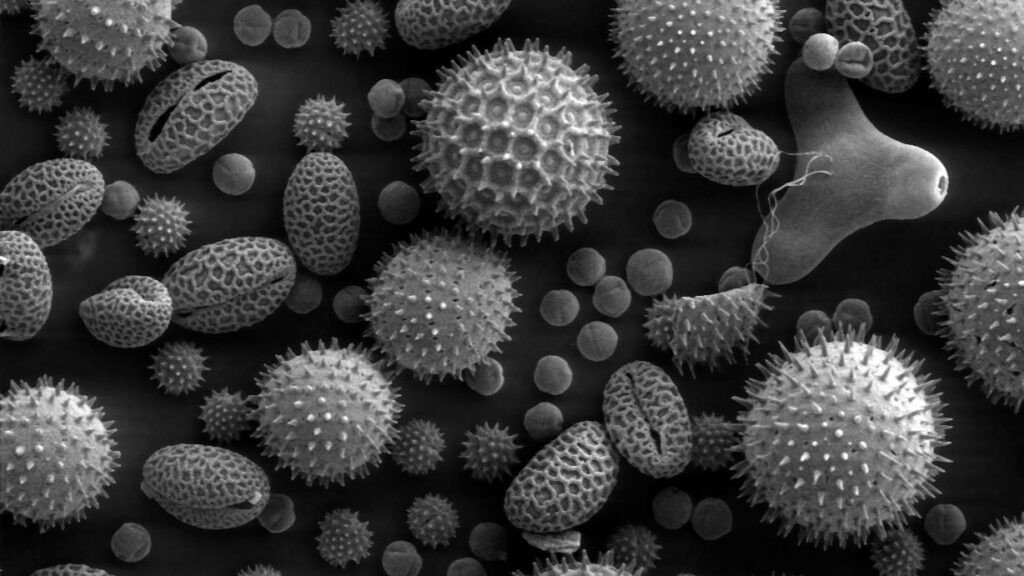
When you hear “microfossil,” you might picture only marine life, but palynomorphs remind you that land plants and fungi also leave tiny, durable traces. This catch‑all term includes pollen grains, spores, and other organic‑walled particles that survive chemical treatment in the lab. Because pollen and spores are designed to travel, they rain down into lakes, bogs, and marine basins, building up a layered record of regional vegetation through time. When you separate them from sediment and identify their distinct shapes, you effectively reconstruct past forests, grasslands, and wetlands without ever seeing a leaf or a trunk. ([nature.com](https://www.nature.com/articles/s41598-023-42483-6?utm_source=openai))
For you, palynomorphs connect climate, ecosystems, and even human history. Shifts from pollen assemblages dominated by cold‑adapted trees to those favoring warmth‑loving species can mark the end of an ice age or the onset of a warm interval. In younger records, sudden increases in grasses and disturbance‑tolerant plants can betray land‑clearing, agriculture, or fire regimes. When you combine these microfossils with others – like foraminifera offshore or diatoms in lakes – you get a more complete, three‑dimensional picture: not just what the ocean was doing, but what kind of landscapes surrounded it and how quickly they changed. In that way, a smear of dark organic residue on a microscope slide becomes, for you, a panoramic view of vanished worlds. ([nature.com](https://www.nature.com/articles/s41598-023-42483-6?utm_source=openai))
Conclusion: Why These Tiny Fossils Deserve Your Attention
When you step back from each example, a pattern jumps out at you: microfossils are at their most powerful when you stop treating them as curiosities and start treating them as data. Iron‑rich filaments in ancient rocks hint at the earliest stirrings of metabolism; banded iron layers capture the rise of oxygen; Gunflint microbes and acritarchs trace the slow build‑up of cellular complexity. Foraminifera, radiolarians, diatoms, ostracods, and palynomorphs then take over as high‑resolution loggers of climates, currents, and landscapes, helping you test climate models and understand the pace and scale of past environmental shocks.
On a personal level, there’s something humbling about realizing that some of the best evidence for Earth’s grandest transformations is stored in things you can barely see. You’re reminded that big changes often start small, with communities of organisms quietly altering chemistry, energy flows, and feedbacks until the entire planet tips into a new state. The next time you see a thin section of rock or a jar of seafloor mud, you might wonder what stories are still waiting in there, unrecognized, because no one has asked the right question yet. If so much can be hidden in a single grain of ancient sediment, what else do you think you might be overlooking in the world around you today?