If you grew up with a neat, simple story about the first people in North America – small bands of hunters crossing an icy land bridge at the end of the last Ice Age – you’re not alone. For decades, that “Clovis-first” story was treated almost like a settled script, repeated in textbooks, documentaries, and museum displays. It felt tidy, logical, and reassuring in its simplicity.
But when you look at what paleontologists, archaeologists, and other researchers are uncovering today, that old script starts to crumble fast. You’re suddenly dealing with footprints older than the supposed first Americans, stone tools that predate the famous Clovis culture, and animal bones that hint at human activity far earlier than anyone used to admit. Instead of a single migration and a single story, you find a tangled, surprising saga with multiple waves, different routes, and a much deeper human presence than you might expect.
The Collapse of the “Clovis-First” Myth
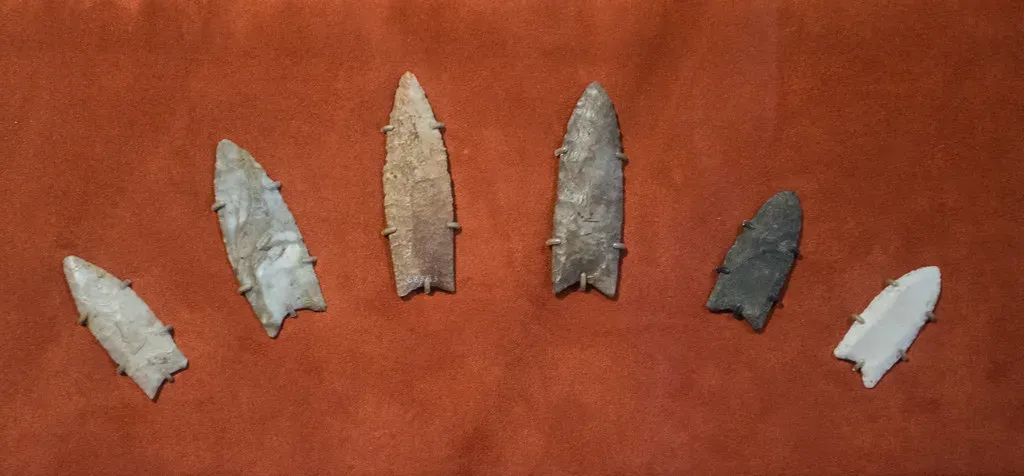
For a long time, you were told that the first North Americans showed up roughly about thirteen and a half thousand years ago, carrying a distinctive type of stone spearpoint now called Clovis. That tidy narrative rested on the idea that these people crossed a land bridge from Siberia into Alaska, slipped through an ice-free corridor, and rapidly spread across the continent, hunting mammoths and other Ice Age giants along the way. It was a clean, sharp story, because Clovis points are striking tools – beautifully made, easy to recognize, and widely found.
As you look closer, though, that sense of certainty falls apart. You start finding sites that seem older than the oldest Clovis layers, with tools that don’t fit into the Clovis toolkit at all. You see remains of burnt bones, butchered animals, or simple stone flakes in layers that, if dated correctly, suggest humans were roaming parts of North America far earlier than the Clovis timeline allows. Instead of one bold “first chapter,” the Clovis horizon begins to look more like a mid-story turning point in a saga that has earlier, missing pages.
Footprints, Bones, and Other Unexpected Clues
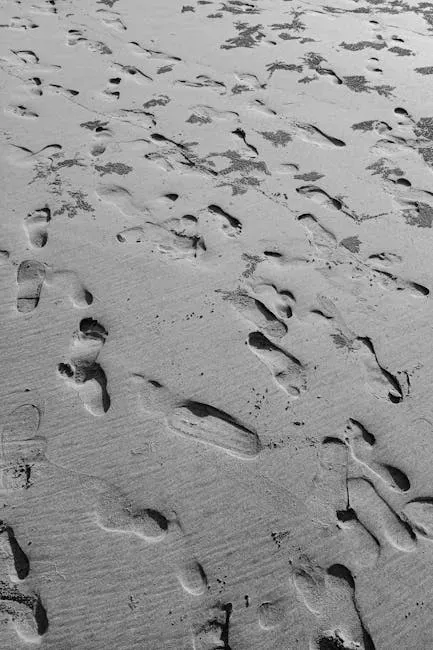
The most unsettling evidence for an earlier human story often comes from things you might not expect: footprints preserved in ancient mud, tiny chips of stone buried deep below younger sediments, or animal bones marked by cutting and smashing. When you see human footprints dated to well before that classic thirteen-thousand-year mark, you’re forced to picture real people walking a landscape that shouldn’t have had anyone in it, according to the old model. It’s one thing to argue about stone tools; it’s another to see where someone actually stepped.
Likewise, when you examine animal bones with suspicious break patterns or cut marks in layers older than Clovis, you’re pushed into uncomfortable territory. You’re no longer talking about hypothetical possibilities but about concrete traces of behavior: someone using tools, someone butchering, someone living a life. These subtle clues might not be flashy, but they build pressure on the older narrative until it bends. You’re left facing a simple question that’s hard to escape: if people left these marks, then how long have they really been here?
Multiple Migrations, Not Just One Land Bridge
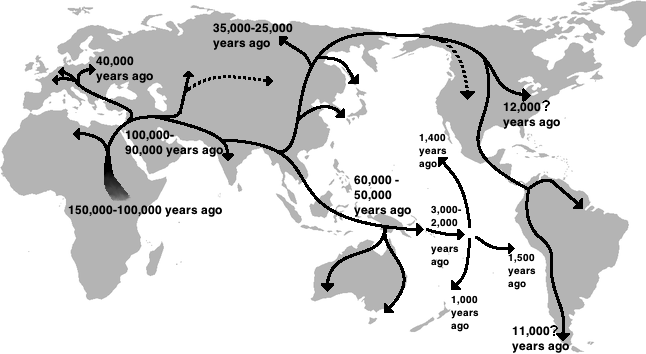
Once you let go of the idea that a single migration at a single time explains everything, the whole map of ancient North America looks different. You start to imagine several waves of people entering the continent by different routes, at different times, bringing slightly different technologies and traditions. The famous Bering land bridge is still part of the story, but instead of a one-way highway used just once, it becomes more like a long-lived, shifting landscape that people may have moved across and along many times.
On top of that, you have to consider the coastlines. When sea levels were lower during the Ice Age, the Pacific coast was a very different place, with exposed land and possible travel corridors that are now underwater. If people came by boat or hugged the shoreline, many of their earliest sites would lie beneath the modern ocean, hidden from easy view. As you picture that drowned world, you realize how much of the story is still missing, not because it never happened, but because you simply haven’t found it yet.
How Ancient Environments Shaped Early Lives
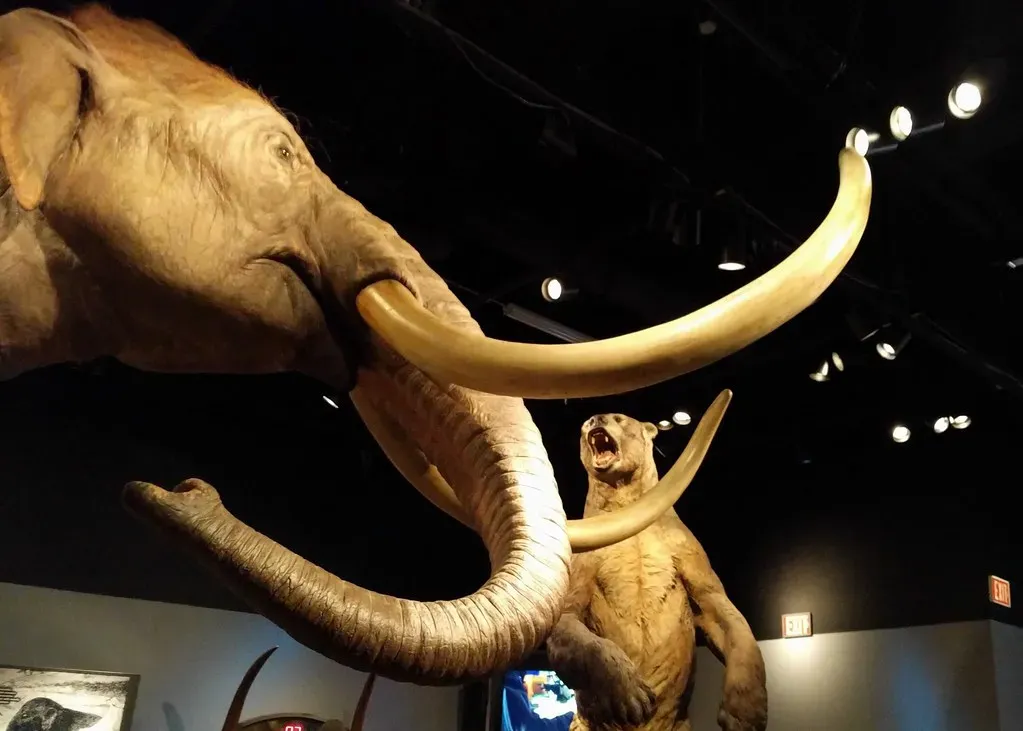
You also have to ask what kind of world these early inhabitants walked into, because it wasn’t anything like the landscapes you recognize today. Giant ground sloths, mammoths, mastodons, and other megafauna roamed huge stretches of the continent, while ice sheets loomed to the north and massive glacial lakes dotted the interior. If you imagine yourself stepping into that environment, your survival strategies, tools, and movements would be tightly linked to those changing climates and creatures.
As the Ice Age ended and climates warmed, the ecosystems around you would shift dramatically. Forests would spread, grasslands would change, and many large animals would disappear, whether from climate stress, human hunting, or a messy combination of both. That means the story of North America’s first inhabitants is not just about people arriving; it’s about people constantly adapting to a world in motion. Paleontology, with its focus on ancient life and environments, lets you see humans not as separate from those changes, but as deeply entangled in them.
Technology, Tools, and What They Reveal About Culture
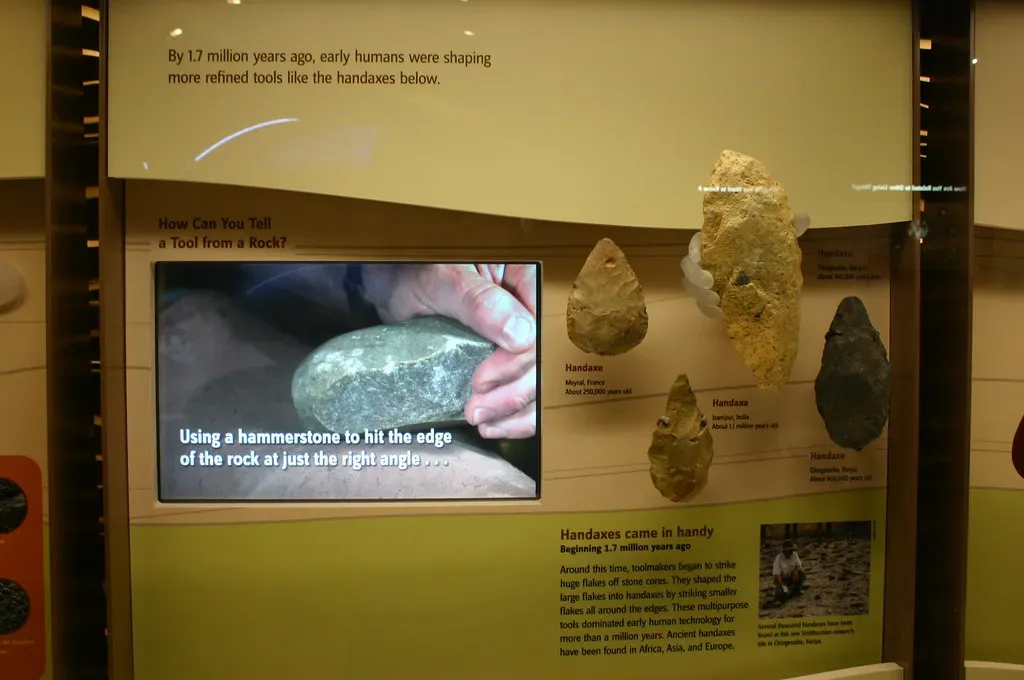
When you picture early North Americans, it’s easy to see them as just hunters with stone points, but tools tell you much more than that. Differences in stone technology, from the shape of spearpoints to the way flakes are removed, hint at different traditions, teaching methods, and even social connections. If you compare early toolkits from one region to another, you can sometimes see patterns that look a lot like cultural boundaries, trade routes, or shared ideas spreading across long distances.
Over time, as the environment changed and people spread into deserts, mountains, forests, and coasts, their toolkits shifted too. You see specialized fishing gear in some places, plant-processing tools in others, or projectile points evolving to suit different prey and hunting styles. Instead of a single, uniform “first American culture,” you’re really looking at a patchwork of communities constantly tinkering, inventing, and adjusting. Paleontology helps you anchor those changes in real ecological contexts, so tools stop being just artifacts and start becoming pieces of lived stories.
Why Indigenous Knowledge Matters to the Science
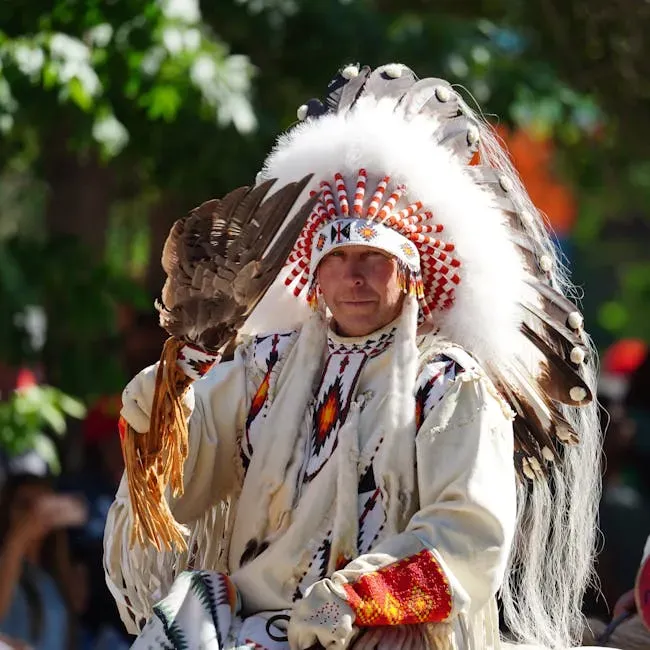
As this picture grows more complex, you can’t ignore the people whose ancestors have been living on this land all along: Indigenous communities across North America. Oral histories, origin stories, and deep place-based knowledge often describe very long relationships with particular landscapes, sometimes going back far beyond what older scientific models allowed. When those stories are taken seriously alongside paleontological and archaeological evidence, you get a richer and more grounded understanding of the past.
Instead of treating science and Indigenous knowledge as rivals, you have the chance to see them as different ways of knowing that can inform each other. Paleontologists might bring dating techniques, fossil analysis, and environmental reconstructions, while Indigenous experts bring insight into sacred sites, traditional ecological knowledge, and long-held narratives about how people and other beings share space. When you let those perspectives meet respectfully, the story of North America’s first inhabitants becomes less about discovering strangers from the past and more about recognizing long-standing neighbors whose presence never really ended.
What This Changing Story Means for You Today
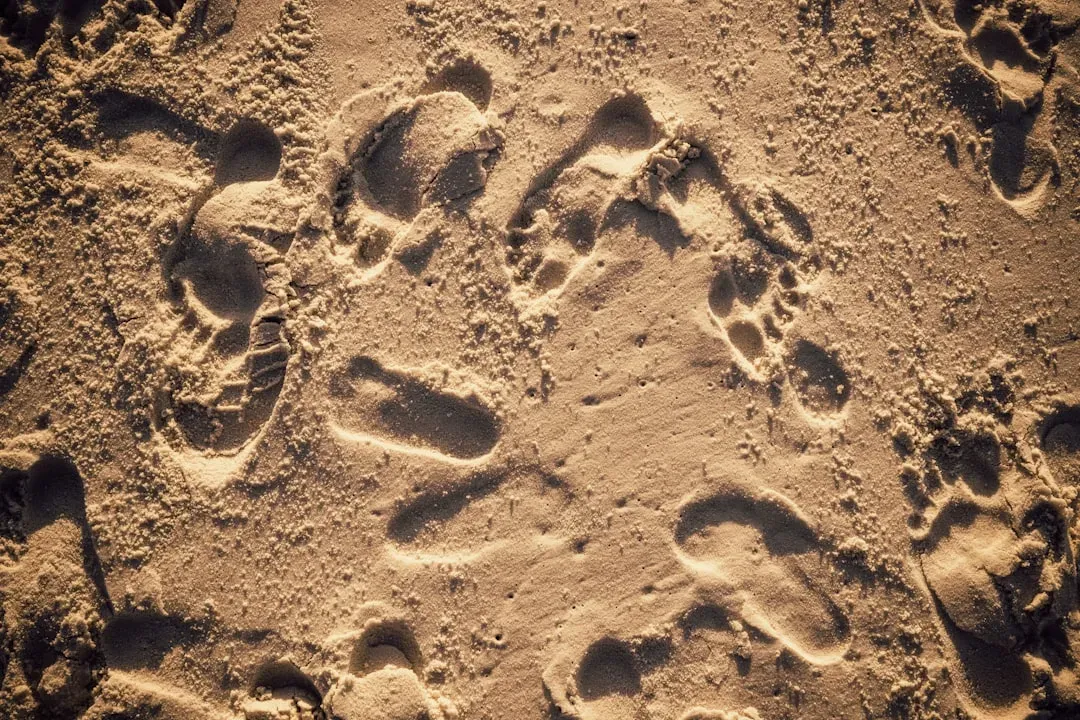
When you accept that the peopling of North America is older, messier, and more layered than the old textbooks claimed, something important shifts in how you see this continent. The land beneath your feet stops being a backdrop that sprang into significance only a few thousand years ago and becomes a stage where humans have been experimenting, thriving, struggling, and adapting for a very long time. That depth of time can change how you think about belonging, responsibility, and the impact of your own choices on the landscapes you inhabit.
It also reminds you that certainty is often temporary. The neat stories you’re handed can fall apart when new footprints are uncovered or when someone looks at old bones with fresh eyes. That doesn’t mean you can never trust science; it means you should learn to appreciate science as a living, self-correcting process. As paleontology keeps rewriting the story of North America’s first inhabitants, you’re invited to stay curious, to question tidy narratives, and to imagine just how many chapters of the human tale are still waiting to be revealed beneath the next layer of earth. Did you expect the past to be this restless?