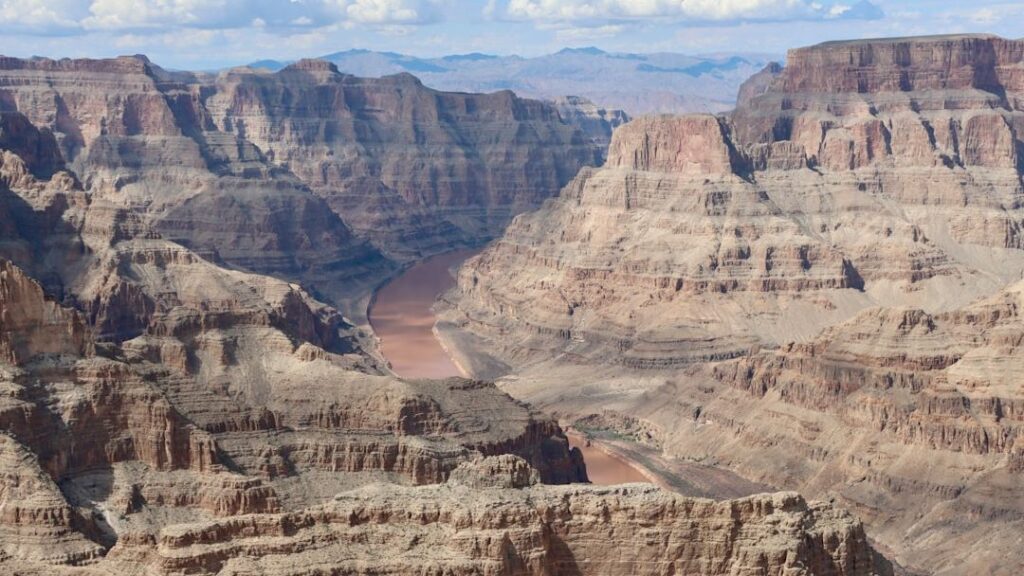
You have probably seen a photo of the Grand Canyon and thought of sunsets, vacations, or bucket-list road trips – not hidden dinosaurs. Yet when you look past the tour buses and souvenir shops, you are staring into one of the deepest time archives on Earth, layer upon layer of stone that quietly holds stories from hundreds of millions of years ago. Some of those stories have been told, but many are still locked away, including a few that could rewrite what you think you know about dinosaurs in North America.
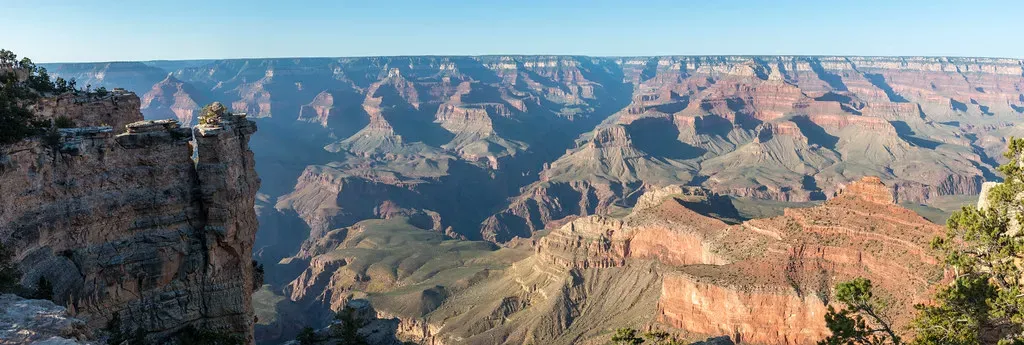
As you trace those colorful bands of rock with your eyes, you are not just looking at geology; you are looking through time. The Grand Canyon cuts so deep into Earth’s crust that you can follow an almost continuous record from ancient oceans through early land ecosystems and right up toward the age of the dinosaurs. Even though the classic dinosaur-bearing layers you hear about from other places are mostly missing here, there are clues that dinosaur life brushed past this region in ways you might not expect. That tension – spectacular exposures, but only faint dinosaur traces – is exactly what makes the canyon such an intriguing frontier for discovery.
The Canyon As A Time Machine You Can Walk Through
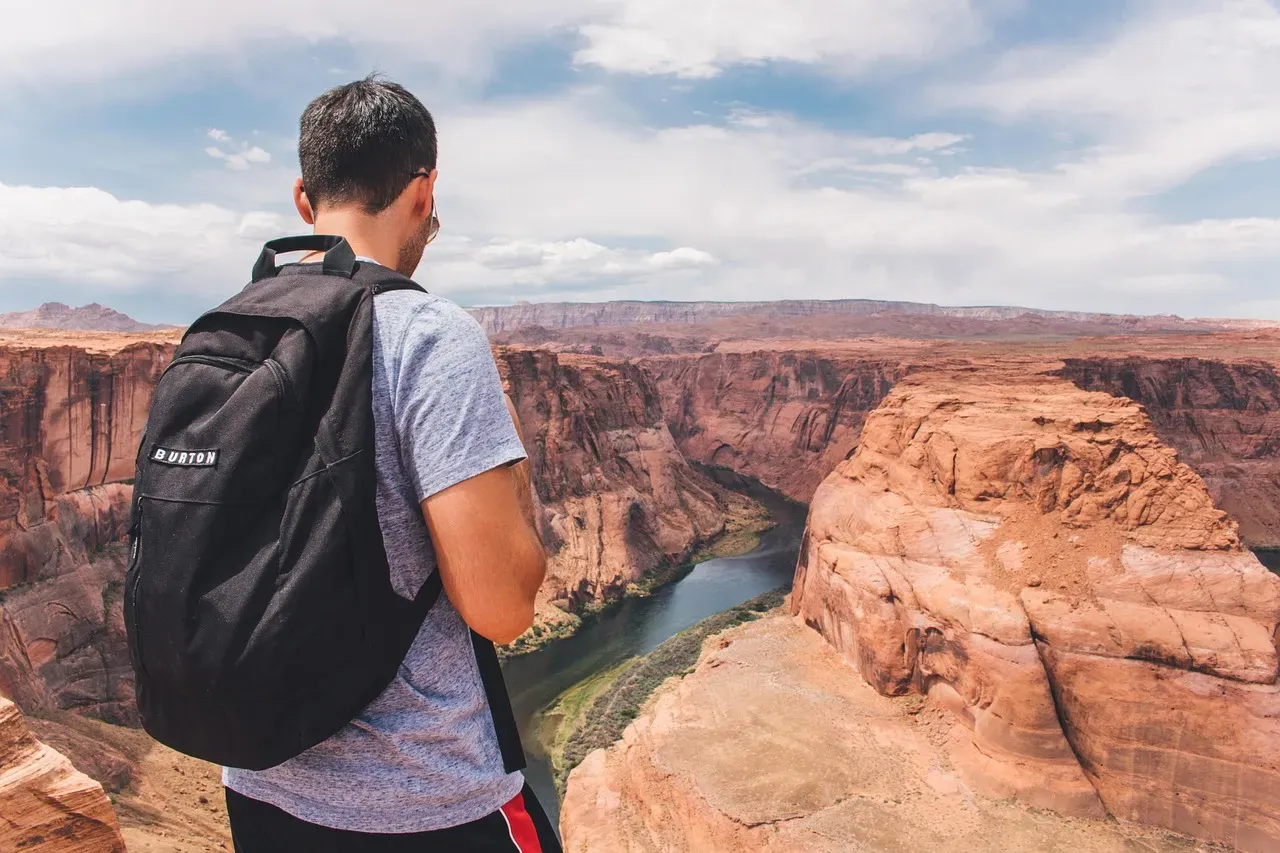
When you stand at the rim of the Grand Canyon, you are basically looking into a natural time machine carved open by the Colorado River. Each step downward on a trail like Bright Angel or South Kaibab takes you millions of years back into Earth’s past, from relatively young desert sandstones near the top to deeply buried, dark basement rocks that formed long before complex life filled the seas. You are not reading this in a lab report; you are looking at it with your own eyes in blazing reds, browns, creams, and purples.
What makes this so powerful is that you can literally match certain rock layers in the canyon to equivalent layers in other parts of the American West where dinosaur fossils are common. The catch is that in the Grand Canyon itself, the intervals that usually preserve classic dinosaur bones either were never laid down here or were carved away by erosion long ago. That sounds like a dead end for dinosaur hunters, but in reality it sharpens your focus on the older rocks that set the stage for dinosaur evolution. Instead of asking where the fossils are missing, you start asking how the environments changed in the run-up to the dinosaur era.
Why Classic Dinosaur Bones Are Rare In The Canyon
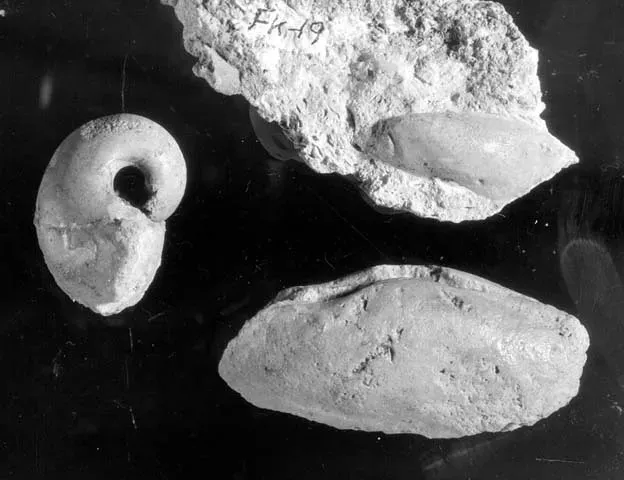
You might assume that if the canyon is this deep and this old, it must be overflowing with dinosaur skeletons. In truth, paleontologists have found remarkably few clear dinosaur fossils inside the main Grand Canyon rock sequence. The reason is not a lack of interest or effort; it is the simple, harsh logic of geology. The rock layers that most famously cradle dinosaur bones elsewhere – things like the Morrison Formation in Utah or the Hell Creek in the Dakotas – either never formed in this exact spot or were stripped away before the canyon was carved.
Instead, much of what you see in the canyon walls belongs to ages before or just at the dawn of the dinosaurs. You are looking at ancient shorelines, tidal flats, shallow seas, river floodplains, and desert dunes that pre-date the heyday of big plant-eaters and fearsome carnivores. That mismatch between worldwide dinosaur fame and local fossil scarcity is precisely what fuels speculation. If the region sat near active ecosystems during dinosaur times, then delicate traces – tracks, fragments, microfossils – might still be hiding in less obvious corners that have not been combed in detail yet.
The Precambrian Basement: Life Before Bones
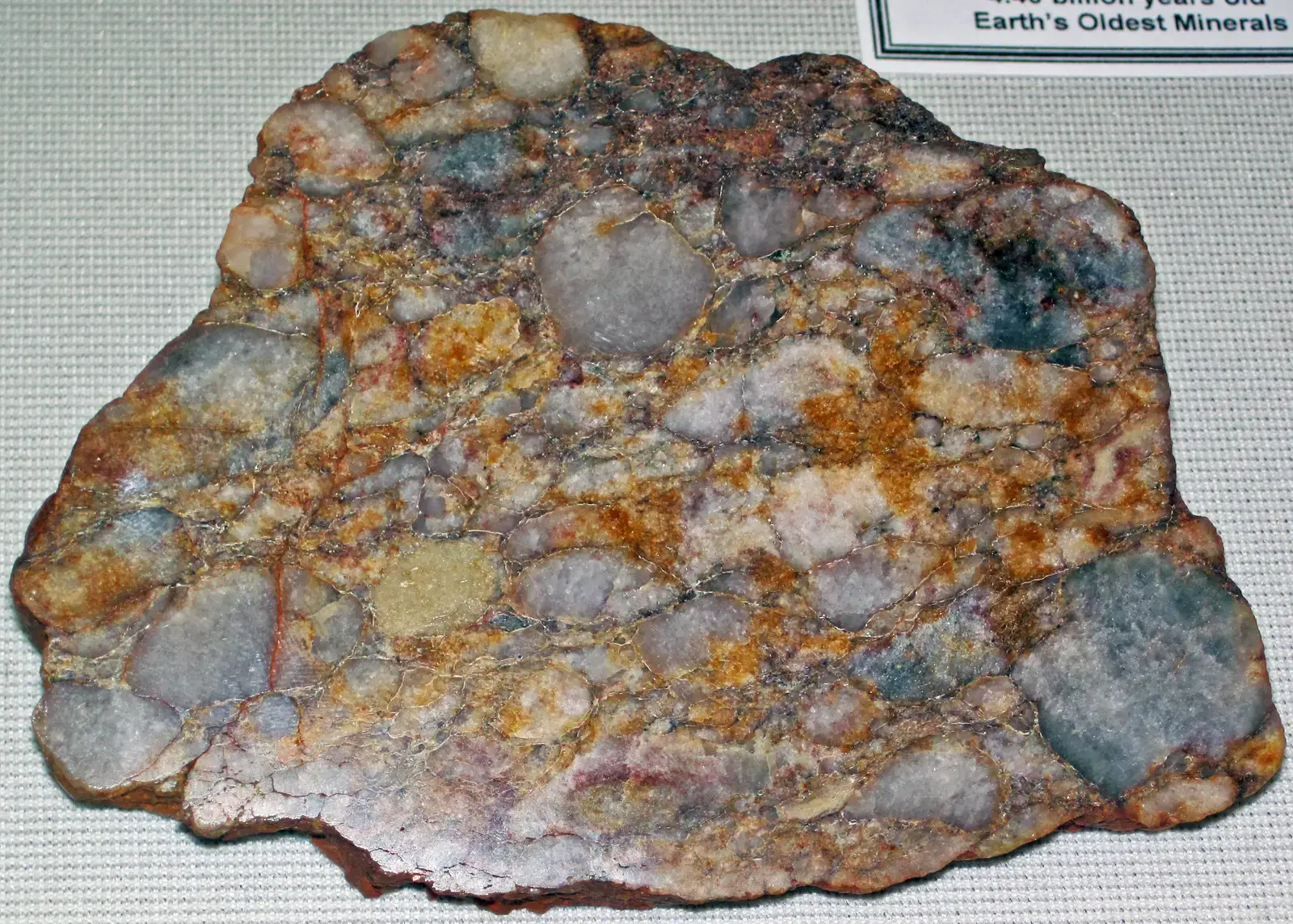
At the very bottom of the canyon, you find the ancient crystalline and metamorphic rocks often called the basement – so old that they formed long before dinosaurs, long before fish, even before shells and hard skeletons were common. When you look at those dark, heavily deformed rocks, you are staring at a time when life, if it existed here, was microscopic. You will not pull a dinosaur femur from this stuff, but you are seeing the deep foundation that later surface ecosystems would be built on.
These basement rocks remind you that the story of dinosaurs does not start with dinosaurs themselves; it starts with the long, slow building of continents and crust. As tectonic plates collided and rifted, they created basins that would later fill with sediments, rivers, and forests where early dinosaurs could eventually roam. In a way, when you touch these ancient rocks, you are touching the backstage scaffolding of the stage where the dinosaur drama would someday unfold, even if the actors never left their bones behind here.
Ancient Seas And Shorelines: The Layers That Set The Stage
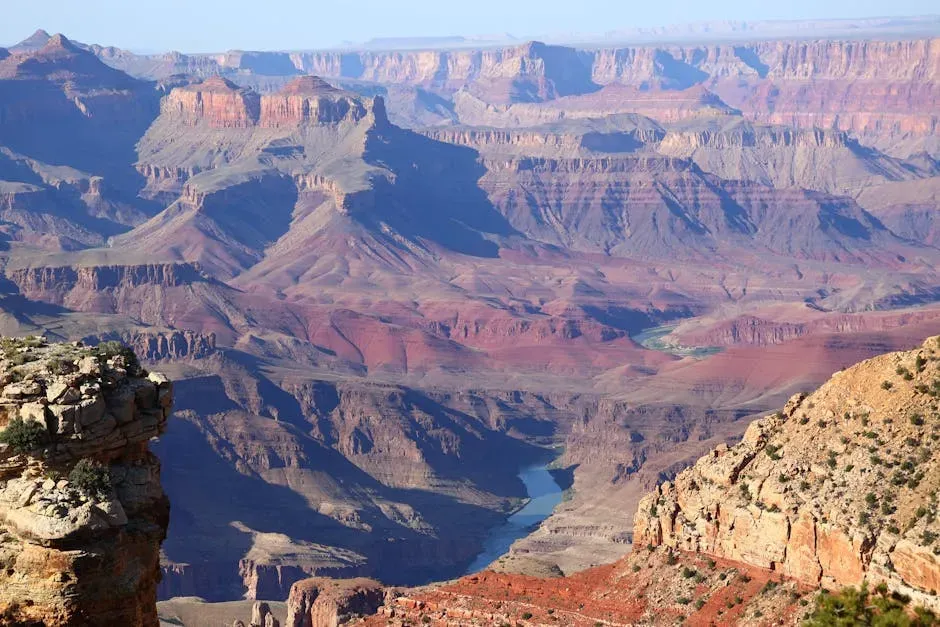
Higher up, you meet formations laid down in shallow oceans and coastal environments hundreds of millions of years before and during the earliest phases of vertebrate land life. You might notice ripple marks frozen in stone, cross-bedded sand dunes, or mud cracks that hint at ancient tides and drying flats. These are not places where you expect big dinosaur skeletons, but they reveal how the region shifted from deep water to shorelines to dry land across enormous spans of time. You are, in effect, watching the stage gradually dry out and move inland.
As these environments evolved, they built up thick stacks of sediment that later hardened into the canyon’s iconic bands. Those sediments record changing climates, sea levels, and ecosystems – everything from invertebrate-rich seafloors to early terrestrial plant communities. When you connect that story to other parts of North America, you see how the ground that would one day host dinosaur habitats was being prepared. You begin to sense that by the time dinosaurs finally evolved, the crust beneath the Grand Canyon region already had a long, complex prehistory that shaped where rivers flowed and where forests could grow.
Trace Fossils: Footprints, Burrows, And The Hints They Leave You
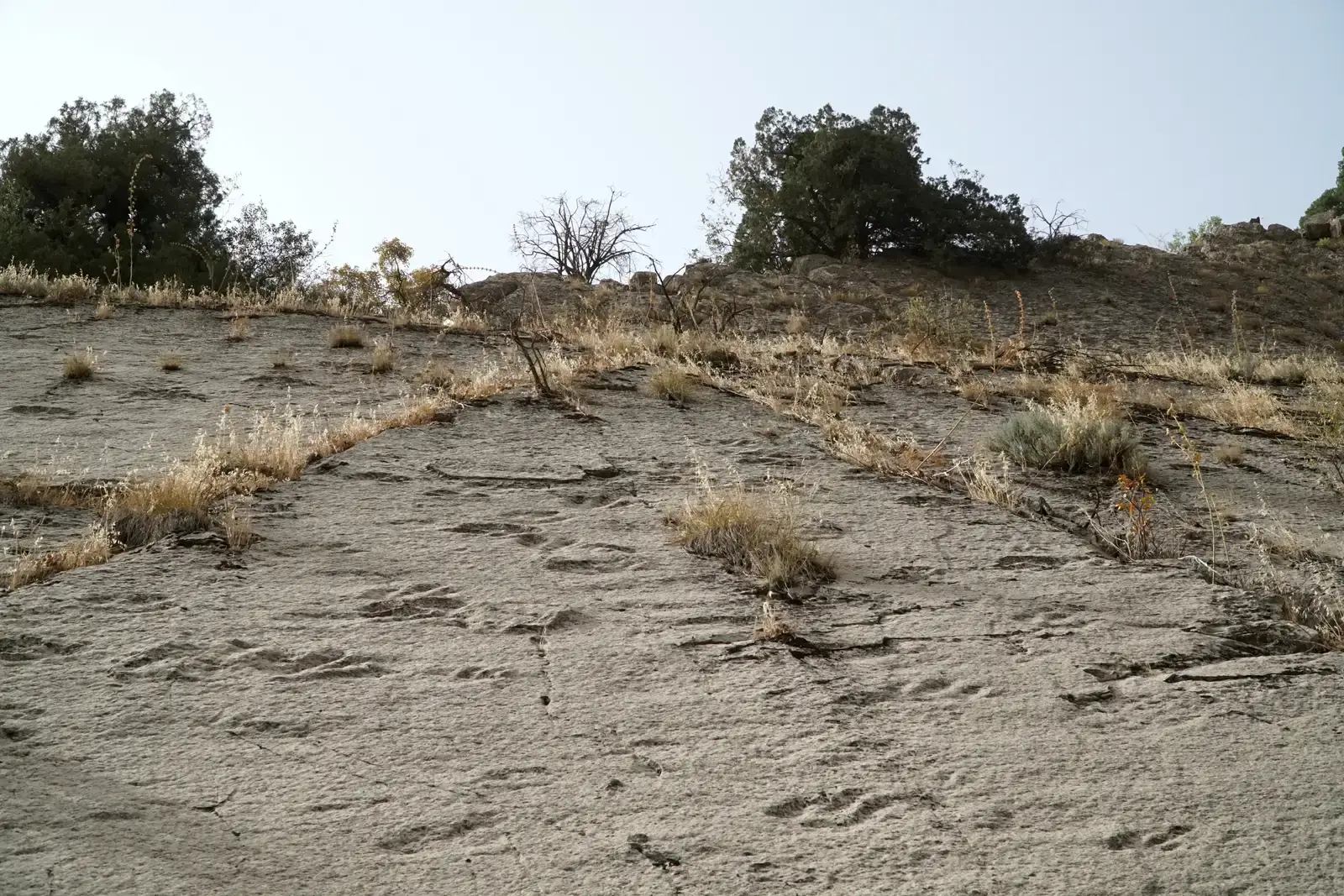
Even in layers that lack full skeletons, you can still find the subtle fingerprints of ancient life in the form of trace fossils. These are not bones, but the marks that living creatures left behind: footprints, burrows, feeding trails, and resting impressions. In several Grand Canyon formations, you can see trackways left by early four-legged animals and invertebrate traces that lace through old seafloor muds. They prove that life was active and mobile here long before dinosaurs appeared, even if the animals themselves are long gone.
For you, this matters because the same logic applies to potential dinosaur traces. If dinosaur-age sediments once existed here and were only partially removed, there is a chance that isolated pockets still preserve footprints or small fragments in places that have not yet been carefully inspected. A single trackway pressed into a thin sandstone bed could reveal that dinosaurs passed through this landscape, even if no bones survived. It is like finding a lone, weathered boot print on a desert hike: you instantly know someone was there, even if they left nothing else behind.
Regional Connections: How Nearby Dinosaur Hotspots Change Your View
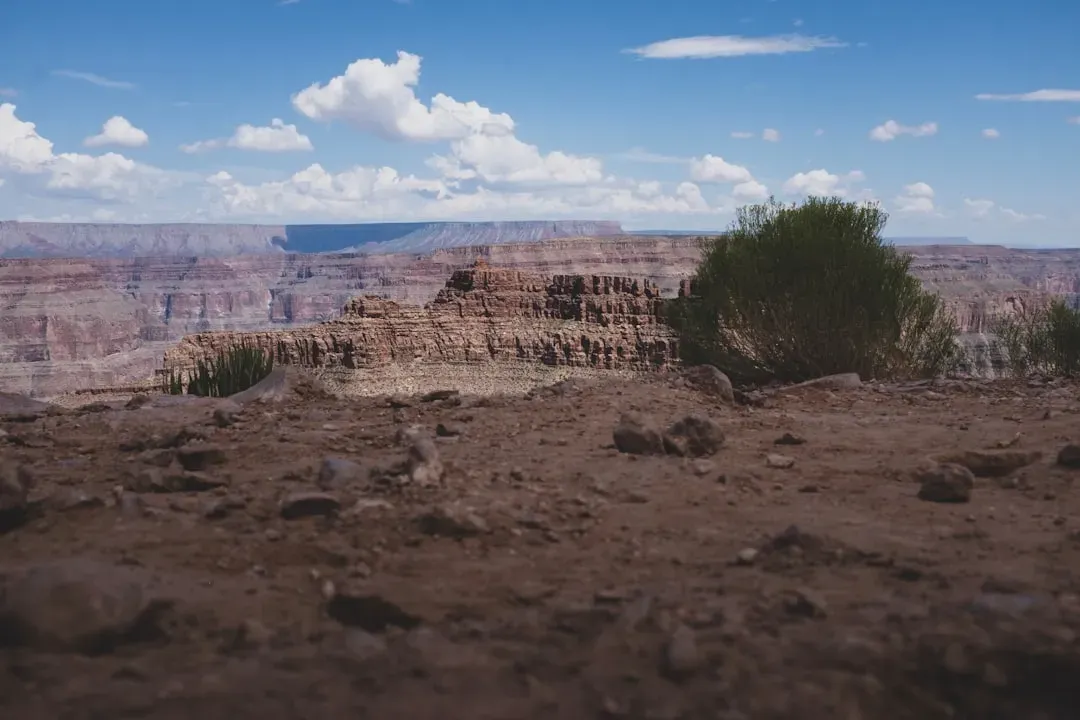
If you zoom out from the canyon and look at the wider region, you see world-famous dinosaur sites in states like Utah, Colorado, New Mexico, and Arizona itself. Those places share some of the same big-picture geologic story as the Grand Canyon, but the timing and local conditions differ enough that dinosaur-rich formations survived there while they vanished here. When you realize that dinosaurs thrived not all that far away, the idea that they never set foot near the canyon starts to feel much less likely.
Instead, you begin to think of the Grand Canyon as a missing chapter in a book where you still have many of the surrounding pages. You know from nearby basins that there were lush floodplains, drying lakes, and coastal plains across this part of the continent during dinosaur times. The canyon occupies a piece of that map, even if its rocks do not advertise dinosaur bones at first glance. That regional context is what keeps researchers interested and gives you a framework for imagining how future finds could slot into a larger dinosaur landscape.
Modern Technology: How You Might “See” Dinosaurs Without Finding A Bone
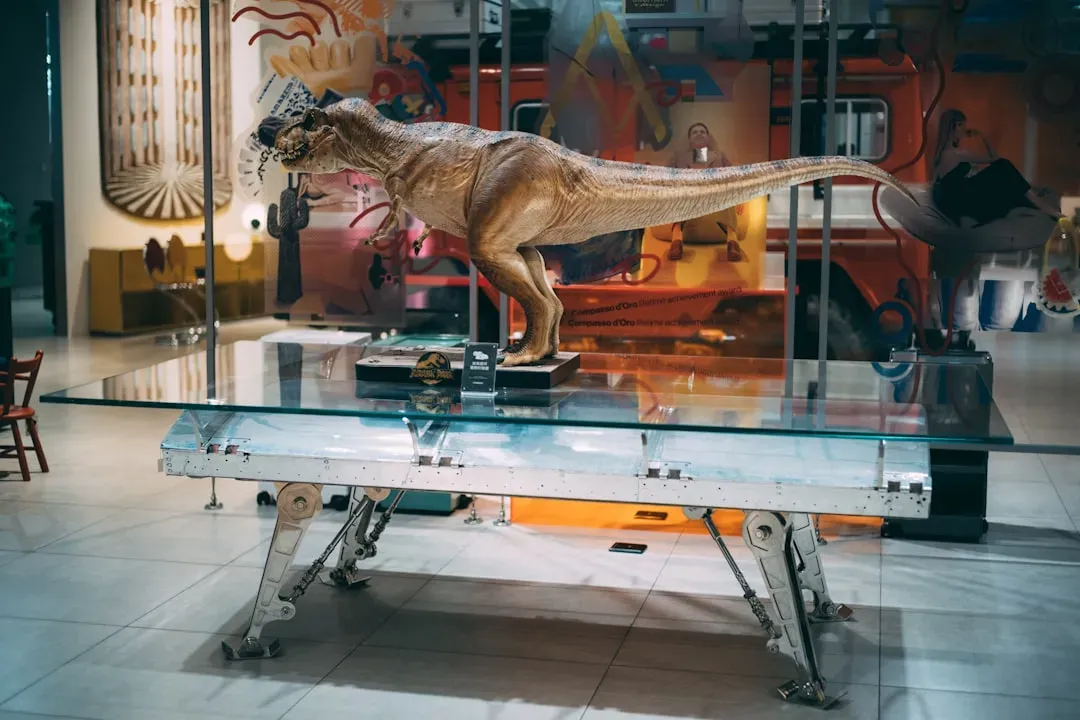
Advances in technology mean that you no longer depend purely on stumbling across a bone weathering from a cliff. Today, scientists can use high-resolution satellite images, drones, and digital models to scan the canyon’s walls for subtle patterns that might indicate fossil-bearing layers. You can imagine specialists zooming into cliff faces you would never safely reach on foot, spotting thin beds or odd textures that deserve closer study. These tools do not magically conjure fossils, but they do make the search far more surgical and efficient.
On a smaller scale, geochemical techniques can help detect microscopic traces of ancient life, such as organic molecules or mineral signatures associated with specific types of environments. If you were to sample a suspicious layer and analyze it in the lab, you might find evidence that the rock formed in a dinosaur-era floodplain or lake, even if no visible fossils appear. While this is not the same as holding a dinosaur tooth in your hand, it is a powerful way to test whether the canyon hides subtle records of the dinosaur age that previous generations simply could not see.
Conservation And Access: Why Potential Dinosaur Sites Stay Hidden
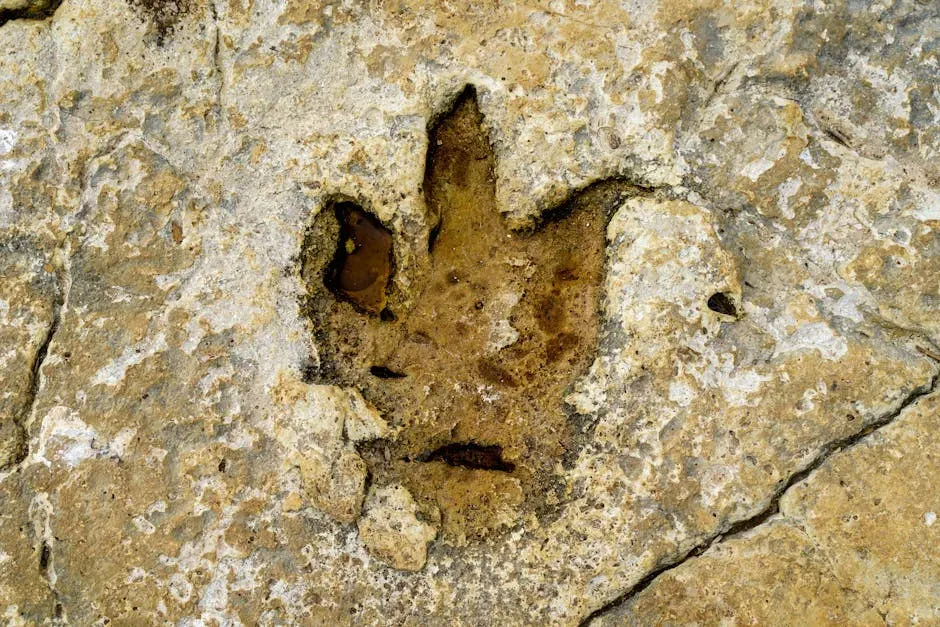
One thing you quickly realize about the Grand Canyon is that most of it is not easily accessible, and that is both a challenge and a blessing. Sheer cliffs, unstable slopes, and remote side canyons mean that many rock surfaces have barely been examined up close. From your perspective as an explorer, that can feel frustrating – so much potential, so little safe footing. But it also means that if fragile fossils are present, they have been spared some of the damage and collecting pressure that more accessible sites often suffer.
On top of that, you have strong legal and ethical protections in place on national park land. You cannot simply chip away at canyon walls or pocket any fossil you spot without a permit; the rules are designed to preserve scientific resources and cultural heritage. So even if you did stumble upon a dinosaur trackway or fragment, the proper response would be to photograph it, record the location as precisely as you can, and report it to park staff. That slower, more careful approach might delay instant gratification, but it increases the odds that any future dinosaur finds in the canyon will be properly documented and studied for everyone’s benefit.
How You Can Explore The Dinosaur Mystery As A Visitor
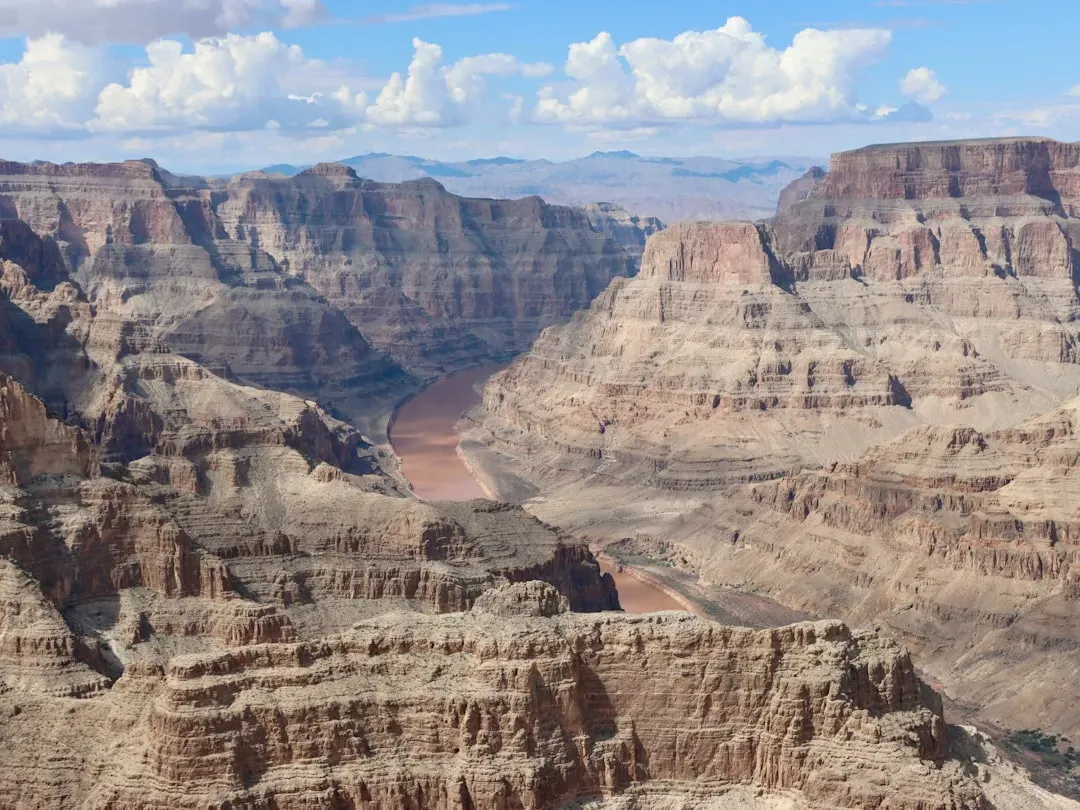
If you visit the Grand Canyon with dinosaurs on your mind, you will not be handed a gallery of skeletons in the rock walls. Instead, you will be walking through the prologue and side chapters of the dinosaur story. You can trace the major formations with park guides, look for visible fossils of ancient marine life, and imagine how each environment would have looked when it was fresh. When you see ripple marks frozen in stone or layered dunes turned to rock, you are literally seeing habitats that once shaped the evolution of the animals that eventually gave rise to dinosaurs.
To make the most of it, you might join ranger talks, visit the park’s geology and paleontology exhibits, or bring along a good field guide to the canyon’s rock layers. As you piece together what each layer represents – shallow sea, coastal swamp, river plain, desert – you start to sense where the missing dinosaur-era rocks would fit in the stack. You may not walk away with photos of dinosaur bones, but you will leave with a deeper, more connected understanding of how the canyon’s ancient layers still hold open questions and possibilities waiting for future discoveries.
Conclusion: A Canyon Full Of Questions Waiting For You
When you pull back from the details, the Grand Canyon’s role in dinosaur science is not about what you can already see, but about what might still be hiding in plain sight. You are dealing with a place that lays out an extraordinary record of Earth’s deep past, yet skips over many of the classic dinosaur-bearing intervals that dominate museum halls. That apparent absence does not close the door; it simply shifts your attention to traces, regional clues, and new technologies that could eventually reveal subtle dinosaur signatures in an unexpected corner or thin, overlooked layer.
If you let yourself lean into the mystery, the canyon becomes more than a scenic backdrop; it becomes a question you are personally invited to think about. Could a single footprint, a fragment of bone, or a new geochemical signal someday tie the Grand Canyon more directly to the age of dinosaurs? As you stand at the rim, looking across miles of layered rock blazing in the sun, you are not just admiring a view – you are staring into one of the greatest unsolved puzzles in deep time. What part of that story will you be thinking about the next time you picture those ancient layers?