
You probably grew up with a simple story: dinosaurs walked, birds flew, and at some point birds just “figured out” wings. But if you zoom out and look at the full fossil record, that neat little picture falls apart fast. Flight did not just appear in birds one day; it emerged across a whole cast of prehistoric reptiles in ways that are stranger, older, and more creative than most people realize.
When you follow the evidence, you find yourself in a world where fuzzy, warm-blooded reptile cousins climb trees, where giant leathery-winged pterosaurs beat birds into the skies by tens of millions of years, and where feathers show up long before anything is truly airborne. You are not just looking at birds learning to fly; you are watching an entire branch of reptiles experiment with air itself.
How You’ve Been Taught Flight Wrong
If you picture the origin of flight, you probably imagine something like Archaeopteryx taking the first wobbly flaps off a Jurassic tree branch. That classic “first bird” fossil has dominated the story for over a century, so it is no surprise if you instinctively credit birds with inventing flight among vertebrates. The catch is, by the time Archaeopteryx showed up, the skies were already crowded.
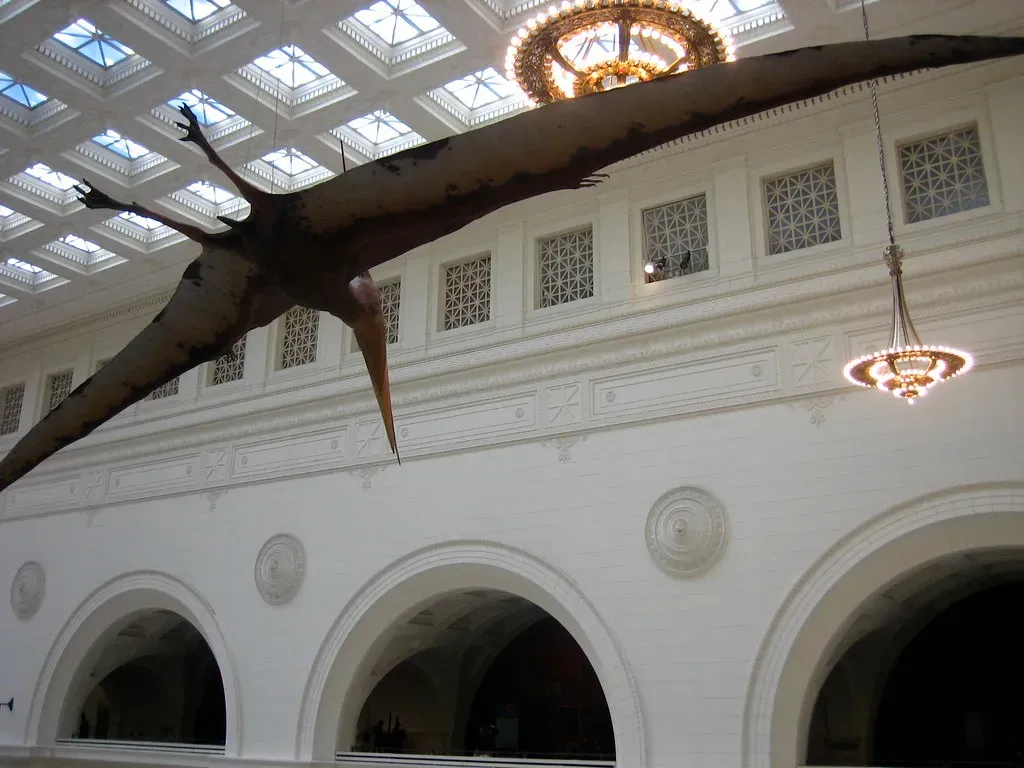
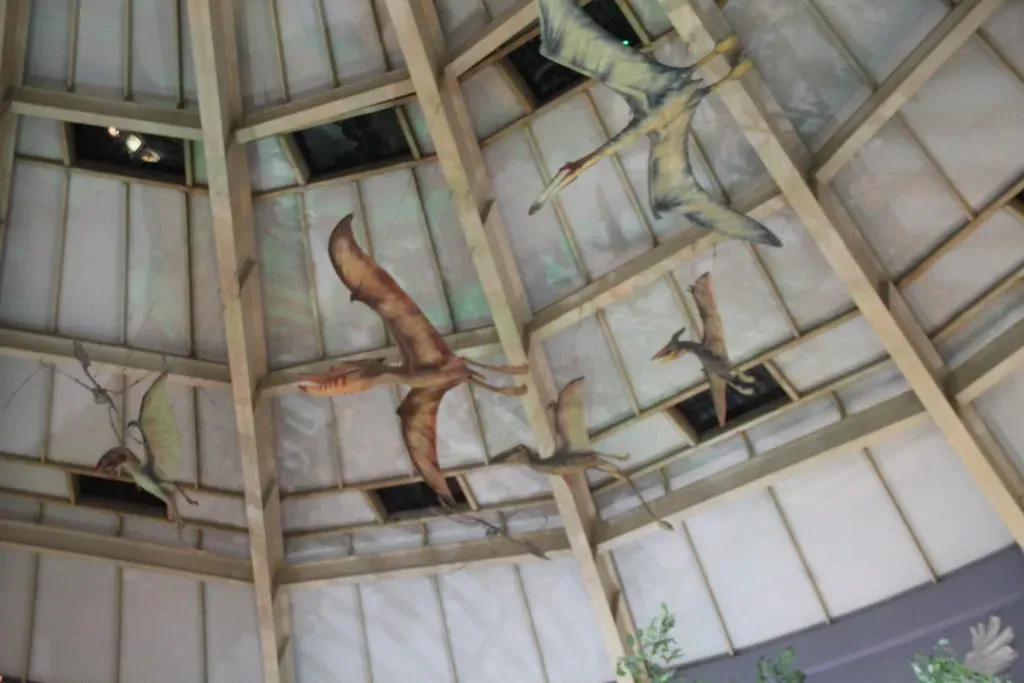
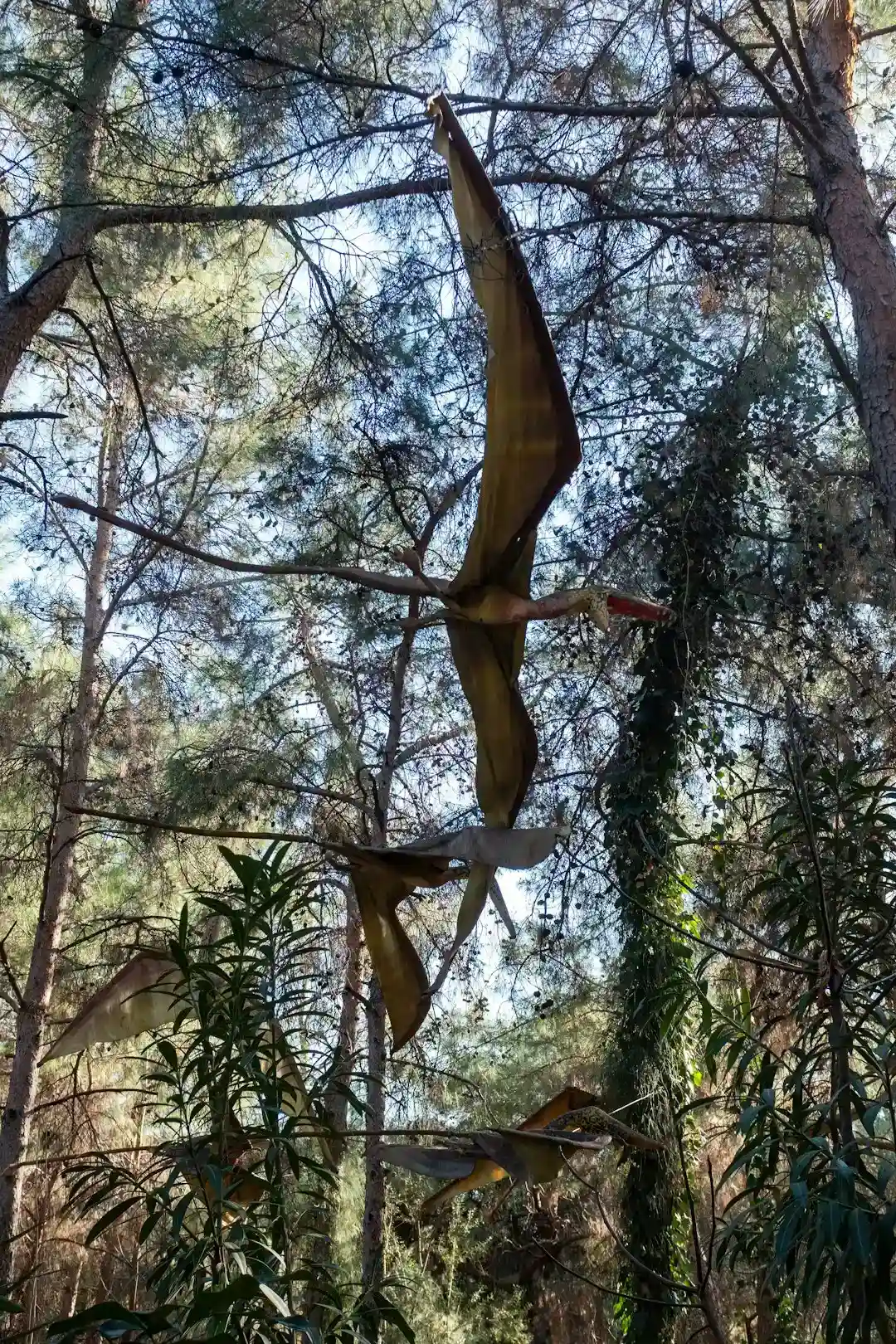
Powered flight in vertebrates actually appears first in pterosaurs, those winged reptiles with vast, membranous wings that you often see mis-labeled as “dinosaurs” in pop culture. They were gliding and actively flapping through the air roughly twenty to thirty million years before the earliest known birds even existed. When you step back and include these reptiles in your mental picture, you are forced to admit that birds are latecomers to a game reptiles had already been playing very well.
Pterosaurs: The Reptilian Pioneers of the Sky
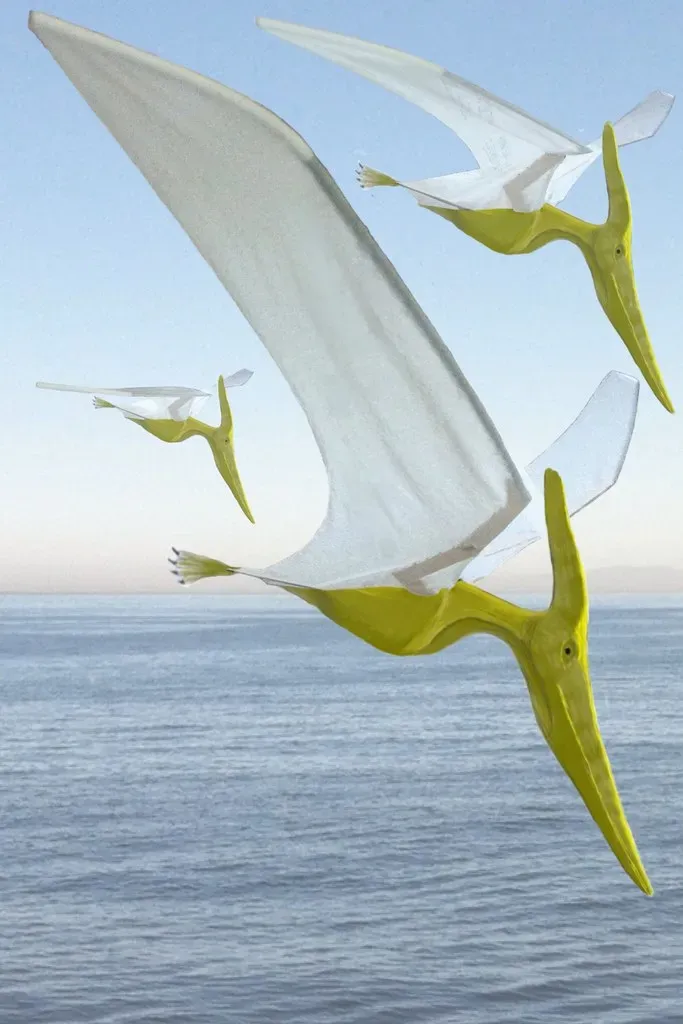
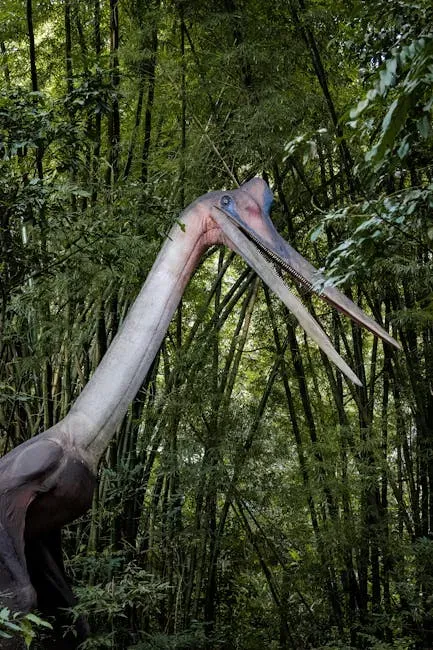
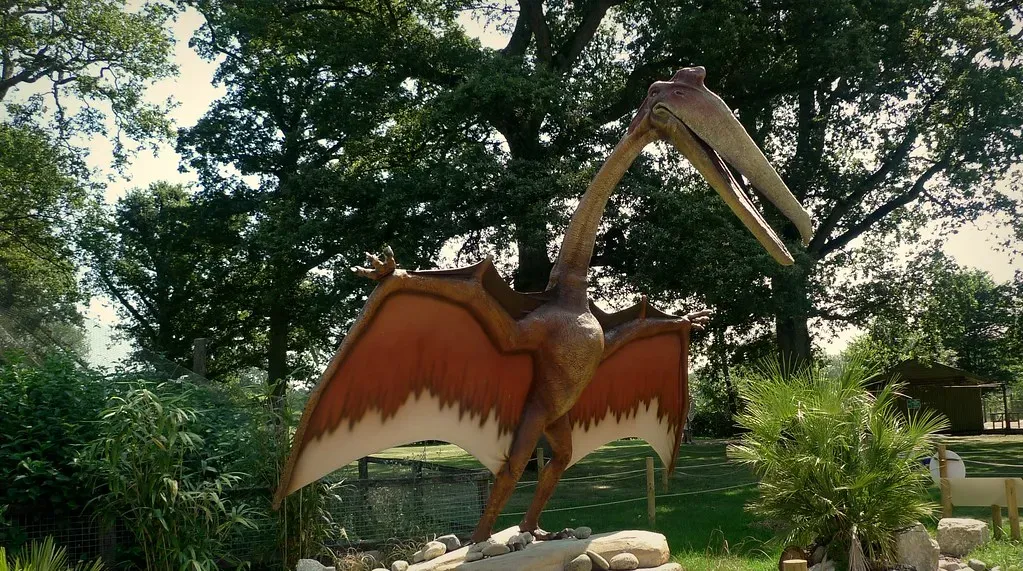
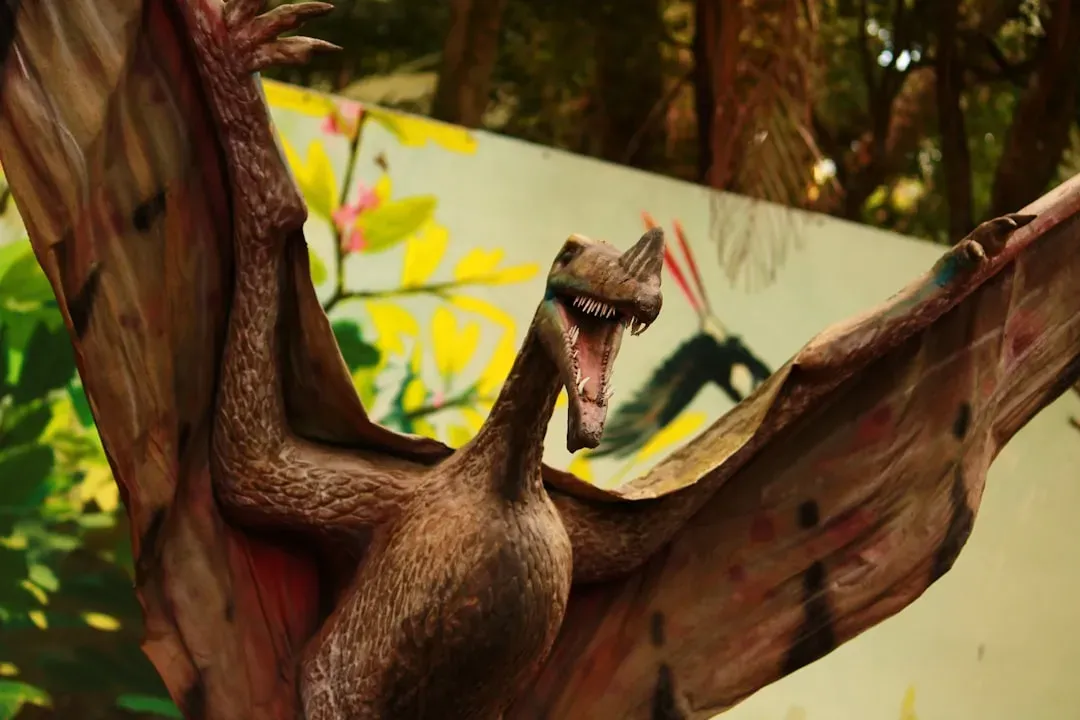
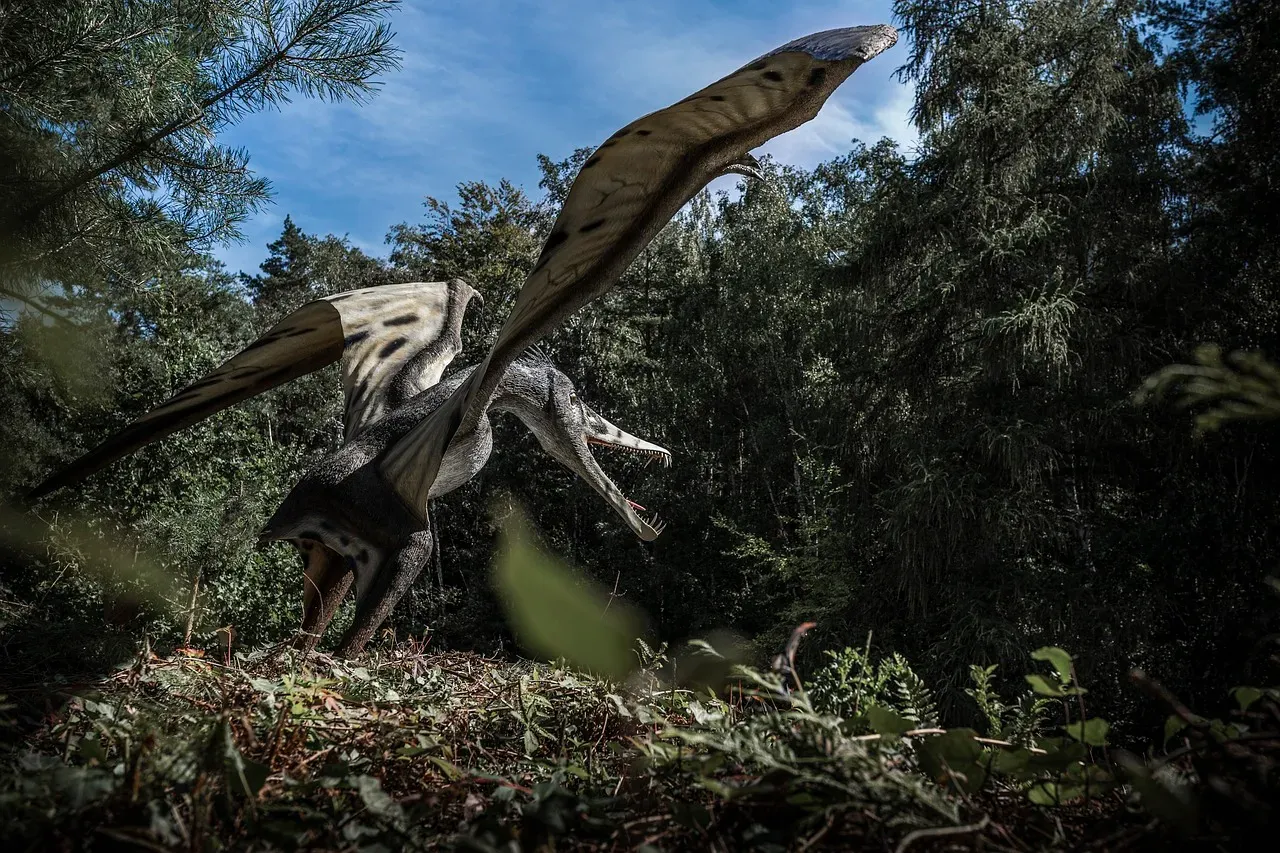
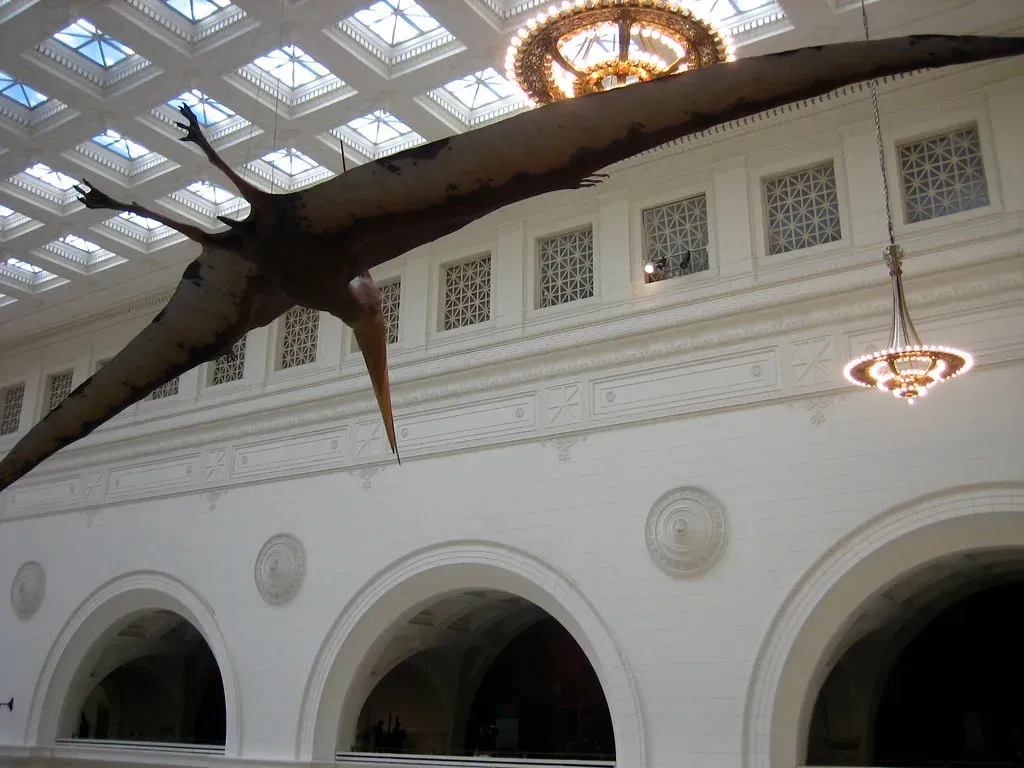
To understand how flight really began, you need to start with pterosaurs, the first known vertebrates to achieve powered flight. These were not just oversized bats; they were reptiles with elongated fourth fingers supporting huge wing membranes, lightweight skeletons, and complex musculature geared for life in the air. You are looking at animals so specialized for flight that some of them, like Quetzalcoatlus, grew to wingspans rivaling small planes.
Recent work using fossil brain scans and internal skull cavities suggests that pterosaurs developed full flight capabilities very early in their history, almost like they took an evolutionary shortcut straight into the air. Instead of a long, gradual ramp of half-flying ancestors, you see a relatively rapid transition from agile, tree-climbing relatives to true flyers with the full toolkit from the start. That means when you think “evolution of flight,” you can no longer treat pterosaurs as a side note; they are the original reptilian aviators.
Feathers Show Up Before Birds (And Before Flight)
Here is the part that really bends your idea of what a “reptile” looks like: feathers, or at least feather-like filaments, appear in fossils well beyond true birds. You see fuzzy coverings on small theropod dinosaurs, and even hair-like structures, sometimes called pycnofibers, on pterosaurs. Some research now argues that feather-like integument may have been present in the common ancestor of both dinosaurs and pterosaurs. If that is true, you are looking at a deep reptilian heritage for structures you usually associate only with modern birds.
Crucially, these early feathers were not for flying. They appear in species that were clearly earthbound, or that glided awkwardly at best. Instead, you are seeing insulation for warmth, flashy displays for attracting mates or intimidating rivals, and maybe even subtle camouflage. Only later did natural selection start tuning some of these filaments into aerodynamic surfaces. So when you watch a bird in your backyard today, you are really seeing the end product of a story where feathers came first, and true flight arrived later.
Gliders, Flutterers, and Near-Misses: When Reptiles Tested the Air
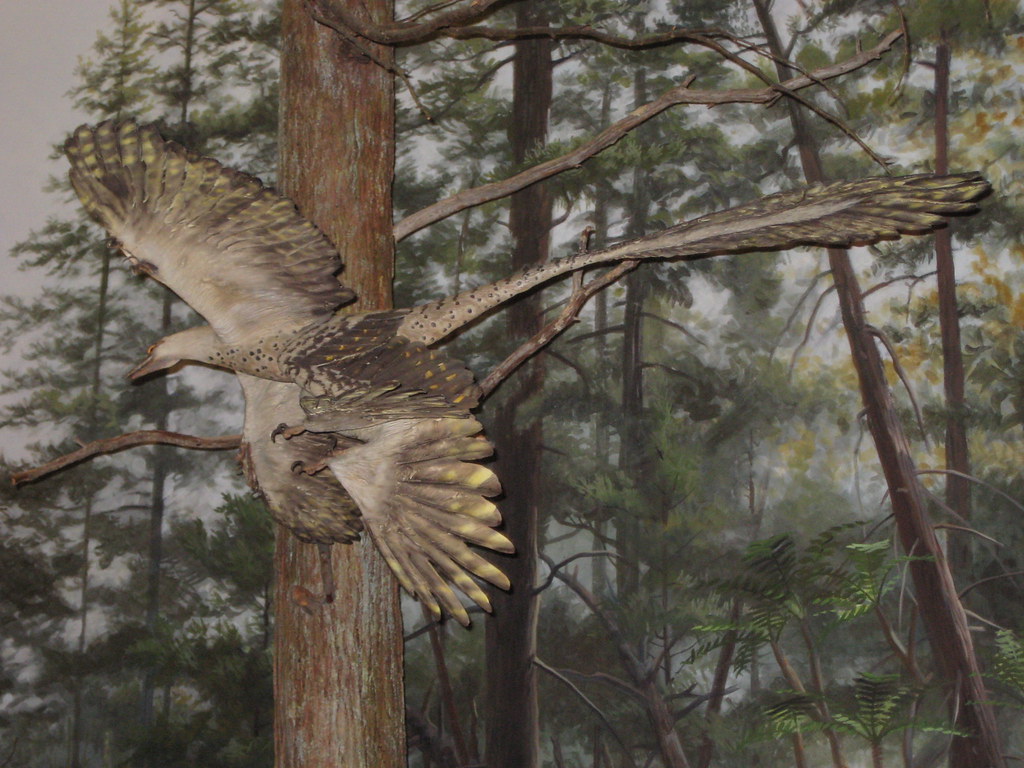
Flight did not appear as a single breakthrough; it came out of countless little experiments in being less stuck to the ground. When you follow the fossils, you meet creatures that leapt from trees and slowed their fall by spreading feathered limbs, others that may have run up steep slopes while flapping proto-wings, and still others that used long tails and limb feathers to steer in midair like living parachutes. You are watching evolution tinker with the same basic idea from multiple directions.
Among small feathered dinosaurs, you see forms like Microraptor with four wings – feathers on both arms and legs – hinting at complex gliding or flutter-gliding strategies that look nothing like modern birds. Physical modeling and biomechanical work suggest that early proto-birds probably combined leaping, gliding, and frantic flapping long before they managed fully powered, sustained flight. In your mind, you should replace the clean leap from ground to sky with an awkward, messy phase where the air was full of half-successful experiments.
Surprising Link: Warm-Blooded Reptiles and the Need for Insulation
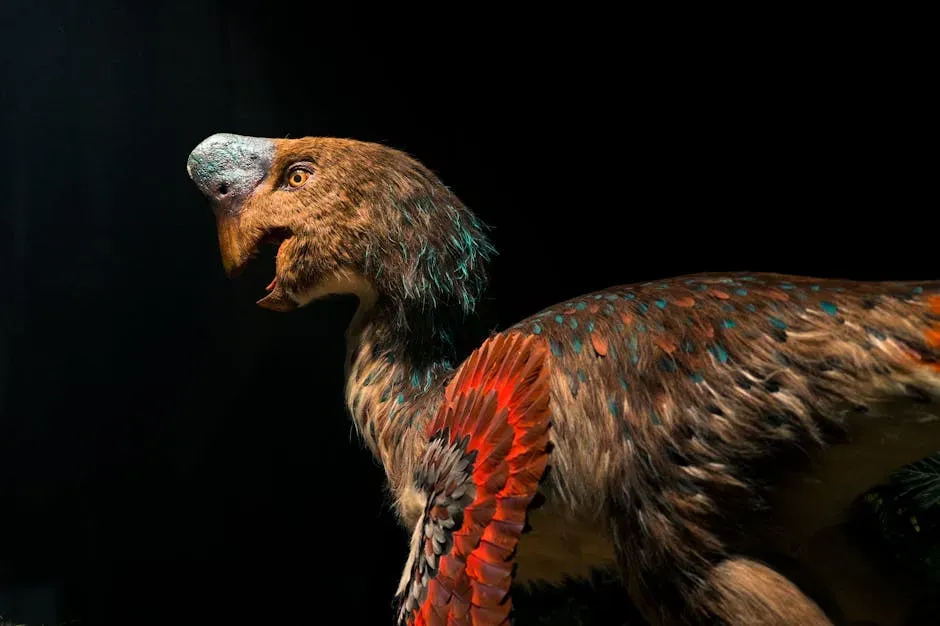
One of the quiet revolutions in paleontology over the last few decades is the growing case that many dinosaur-line reptiles were at least partially warm-blooded. If you are warm-blooded, you need to hold onto precious body heat, especially at night or in cooler climates. That is where feathers and filamentous coverings suddenly make a lot of sense. Before they ever helped anyone fly, they likely worked like a high-tech jacket for small, active predators and their relatives.
Once you see feathers as insulation first, you understand why feather-like structures might have spread across different reptile groups long before true birds showed up. You can imagine small, agile animals hunting, climbing, or sprinting with a fuzz of filaments trapping warm air against their skin, similar to how a winter coat keeps you comfortable. Later, when some of those animals started jumping farther, climbing higher, or gliding more, evolution had an existing layer of material that could be reshaped into wings. In your mind, feathers stop being a “bird thing” and become a reptilian survival trick that happened to be perfect raw material for flight.
Brains, Balance, and the Neurology of Taking Off
If you assume flight is all about wings, you miss a huge part of the story. When you look at fossilized skulls and internal brain structures, you see that different flying lineages solved the problem of control in very different ways. Pterosaurs seem to have taken off into the air with relatively modest brain expansion, relying on anatomy and reflexive control systems that were not too different from non-flying dinosaurs. They got capable wings first and refined their neurology around that.
In contrast, the lineage leading to modern birds shows a much more drawn-out story of gradually enlarging parts of the brain that handle balance, coordination, and complex movement. Studies of early bird relatives suggest that regions like the cerebellum expanded over time, matching a slow ramp-up from flapping for stability and righting falls to full-on powered flight. When you compare these paths, you realize there is no single blueprint for evolving flight. You can get there with a fast hardware upgrade and modest software, like pterosaurs did, or you can invest heavily in brain power and fine control the way birds eventually did.
Multiple Origins of Aerial Life Among Dinosaurs
Even within dinosaurs themselves, you are not looking at a single, straight line leading to birds and flight. Detailed evolutionary analyses of small predatory dinosaurs – the group that ultimately gives rise to birds – suggest that various branches may have independently evolved some form of aerial ability. That might mean repeated experiments with gliding, fluttering, or even primitive powered flight among closely related groups, not just one lucky lineage that stumbled onto wings.
This idea of multiple origins fits what you see in the anatomy: different combinations of long arms, asymmetrical feathers, long tails, and shoulder joints show up in several clusters of feathered dinosaurs. Some of these lineages dead-end, others give rise to more bird-like forms, and only one branch eventually survives into the present as modern birds. When you trace that history, you are forced to accept that flight is not a single invention but a recurring theme among these reptiles, a problem nature kept solving in slightly different ways.
Rethinking What “Counts” as a Bird in the Age of Reptile Flyers
When you learn that pterosaurs flew first, that feathered dinosaurs glided and fluttered in parallel, and that bird ancestors only gradually refined true flapping flight, your old boundary between “reptile” and “bird” starts to blur. You are really dealing with one big archosaur family, with crocodiles on one side and bird-line reptiles – including dinosaurs and pterosaurs – on the other. Within that family, flight is just one of several bold experiments, not a neat dividing line.
This perspective forces you to ask a new question: instead of “when did birds start to fly,” you might ask “when did archosaur reptiles become aerial animals?” The answer involves a web of species across tens of millions of years, many of which you would never call birds at all. If you let go of the urge to draw sharp labels, you can see a much more dynamic world where reptiles, in many forms, were already owning the skies long before the ancestors of your backyard sparrows perfected the job.
What This Ancient Sky War Means for How You See Modern Birds
Once you realize that flight began with surprising prehistoric reptiles, you stop seeing modern birds as a miracle that appeared from nowhere. Instead, you see them as the last surviving pilots of a much older aerial revolution. Every time you watch a swallow bank or a hawk hover, you are watching strategies hammered out through repeated attempts: gliding pterosaurs, four-winged dinosaurs, fuzzy tree climbers, and half-flying proto-birds all feeding into the design refinements that make modern wings so effective.
Personally, this changes how you feel when you see a pigeon on a city sidewalk or a crow swooping between buildings. You are not just looking at a common urban animal; you are seeing the living edge of a reptilian experiment that started in the Triassic, was tested in the Jurassic, and survived a mass extinction to share your present. The next time a bird launches into the air near you, you are watching the echo of pterosaurs’ first takeoffs and dinosaurs’ tentative glides, all packed into one effortless leap.
Conclusion: You Share a World Built by Reptile Aviators
If you hold onto the old story that “birds invented flight,” you miss the real drama that played out in the deep past. Powered flight in vertebrates begins with pterosaurs, those daring reptilian pioneers, and is shaped by feathered dinosaurs that used filaments first for insulation, then for display, and only later for staying aloft. Birds are part of that story, but they are not the beginning; they are the most recent chapter in a saga that belongs to reptiles more broadly.
When you step outside and look up, you are seeing the legacy of that reptile-dominated sky every time a bird crosses your field of view. You live in a world whose ecosystems, climates, and even evolutionary paths were profoundly shaped by animals that took to the air long before true birds were even on the scene. Knowing that, does your next glimpse of a seemingly ordinary bird feel a little less ordinary and a lot more ancient than you ever expected?