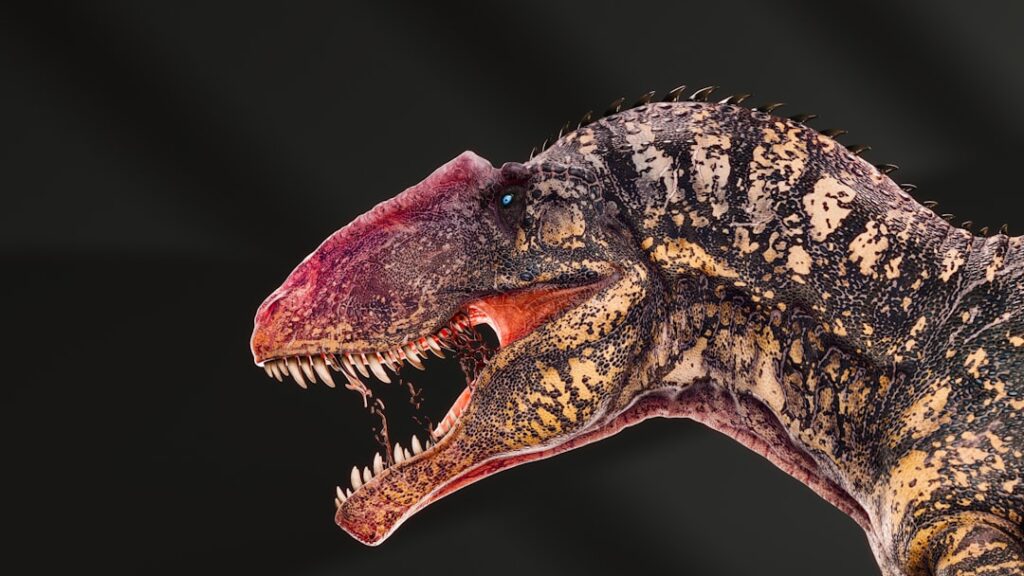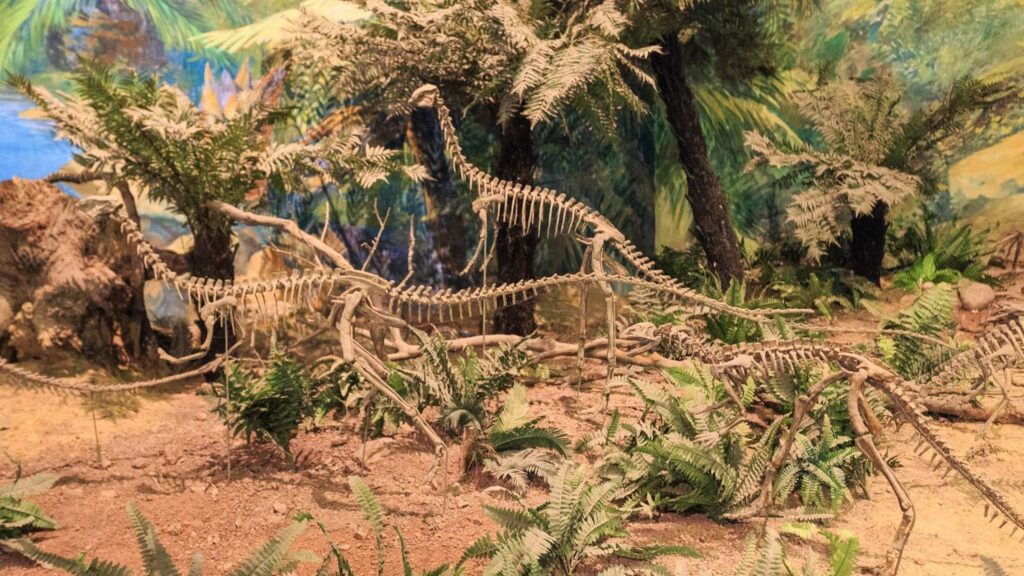
If you grew up picturing dinosaurs as lonely giants stomping around a silent world, recent discoveries are about to shake that image for good. Over the past few years, scientists have uncovered a wave of evidence suggesting that many dinosaurs lived rich, complicated social lives, complete with herds, age-based groupings, shared nesting grounds, and even mixed-species gatherings.
What makes this so exciting for you is that these insights do not just tweak a few details; they completely reframe how you imagine dinosaur worlds. Instead of isolated monsters, you can now picture bustling landscapes full of movement and interaction, more like the Serengeti than a deserted movie set. The story is still unfolding, and the evidence is patchy in places, but the overall pattern points to social structures that are much more complex than the old “big lizard” stereotype ever allowed.
Early Dinosaurs Already Lived In Organized Herds
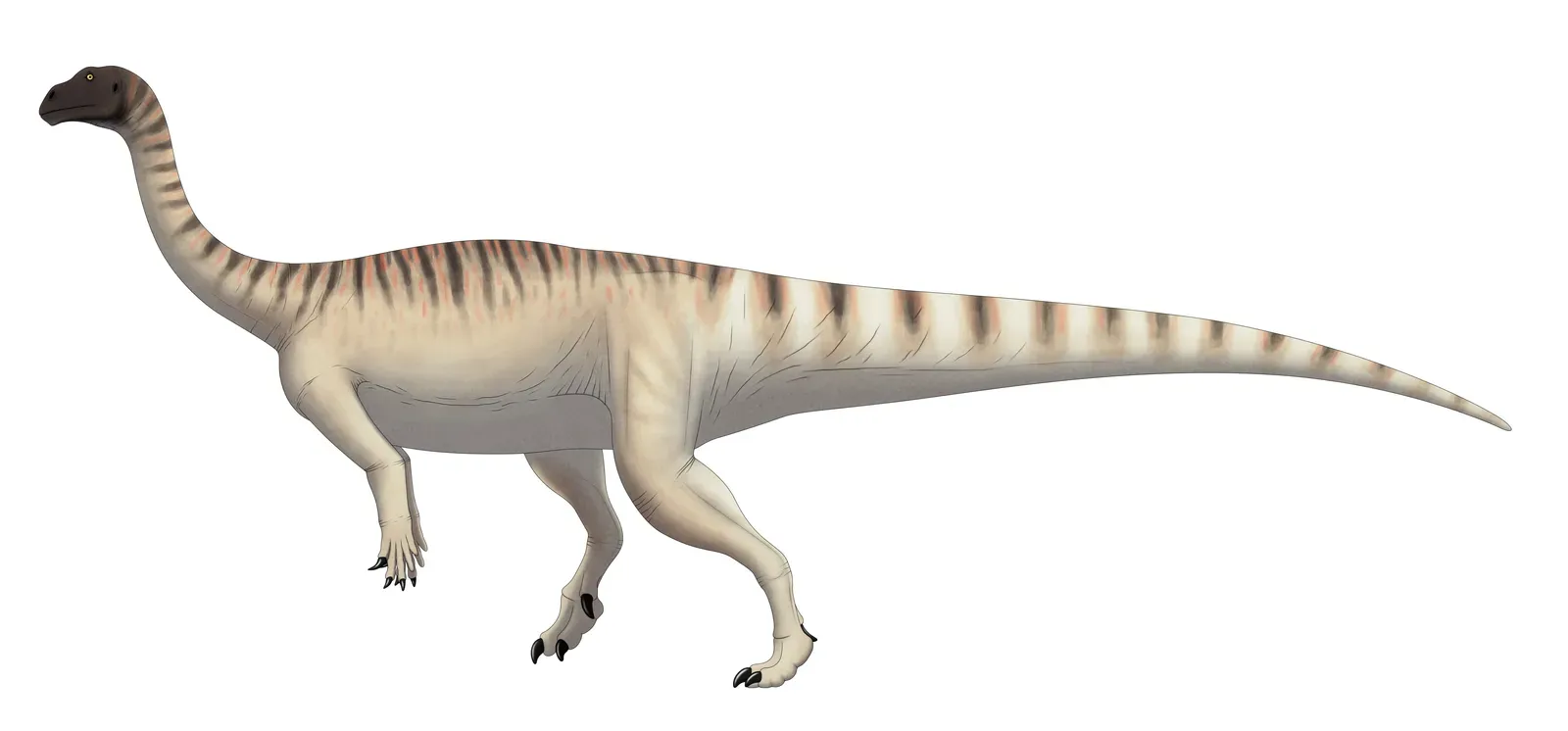
You might assume that complex herding evolved late in dinosaur history, once they were already large and dominant, but fossils from Argentina push that story way back. In an Early Jurassic site, you see the bones of Mussaurus dinosaurs preserved across all life stages: eggs, hatchlings, juveniles, and adults, spread across what looks like a whole neighborhood rather than a single nest. When you look closely at how these remains are grouped, you find that similar ages tend to cluster together, while the nesting areas seem to have been reused repeatedly, like a colony of seabirds returning year after year. ([nature.com](https://www.nature.com/articles/s41598-021-99176-1?utm_source=openai))
This layout tells you something powerful: these animals were probably not just bumping into each other at a waterhole, they were living in structured communities. Age-segregated groups hint that the young may have formed “kid gangs” within a larger herd, instead of simply tagging along behind a pair of parents. You can think of it like a dinosaur version of a human village, where children play together while adults move, feed, and perhaps guard the larger group. Even though you cannot watch Mussaurus walk around, the pattern in the ground reads like a frozen snapshot of a social scene.
Bonebeds Reveal Age Segregation And Cohorts
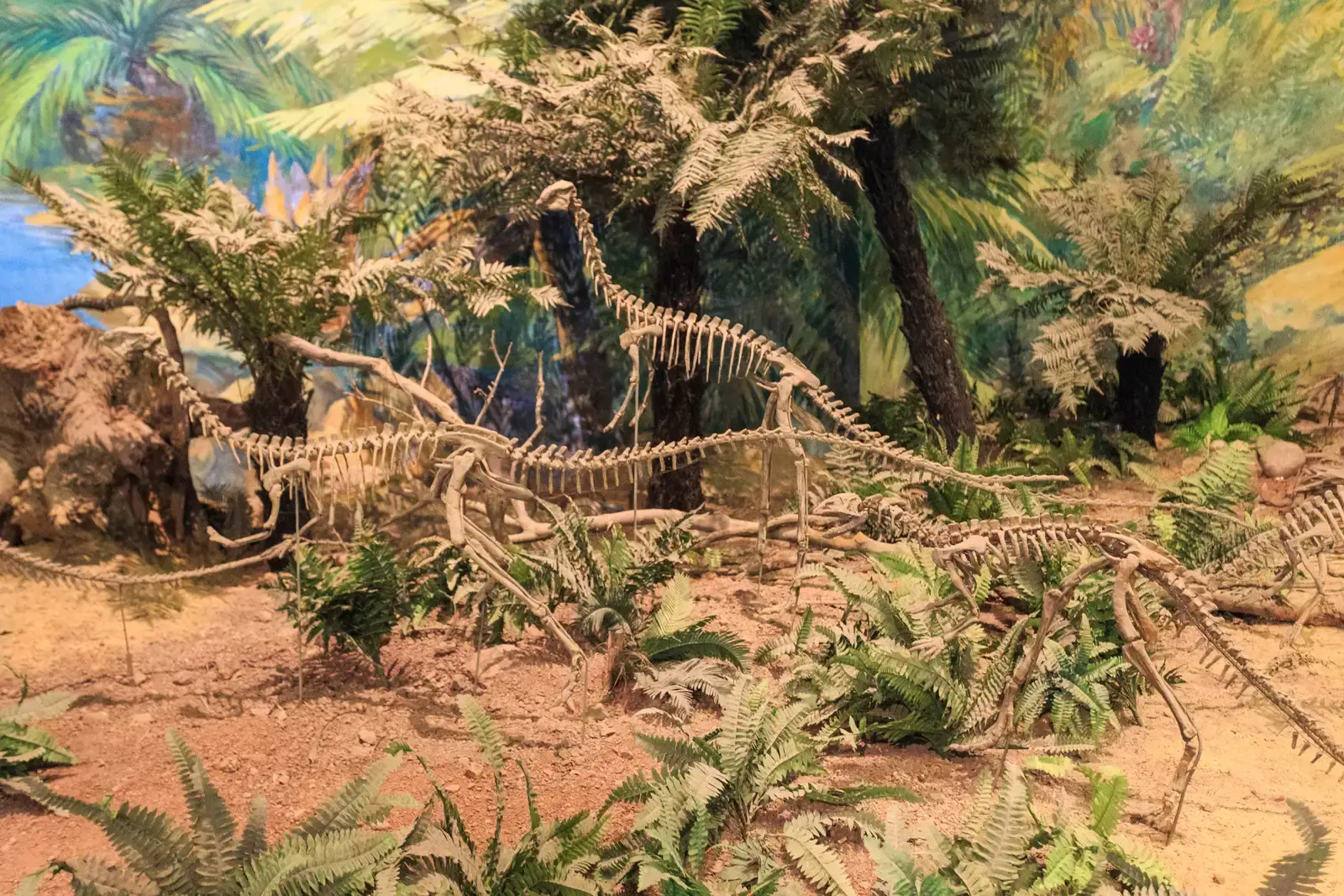
When you hear about dinosaur “bonebeds,” you probably imagine a chaotic mass of fossils from some ancient disaster. But if you pay attention to the details, some bonebeds look surprisingly organized and hint at social rules. Recent work on Hypacrosaurus, a duck-billed dinosaur from Canada and Montana, shows multiple bonebeds made up of individuals that are almost all the same age, with one site full of early juveniles and another dominated by older juveniles with a single adult. That pattern suggests that young dinosaurs moved through life in age-based cohorts, much as you pass through school grades with people roughly your own age. ([sciencedirect.com](https://www.sciencedirect.com/science/article/pii/S003101822400405X?utm_source=openai))
This kind of age segregation tells you these animals likely had more than just loose gatherings. If juveniles traveled and probably fed together for several years before rejoining full multigenerational herds as adults, then you are looking at something close to a structured society. It is not proof of strict hierarchies or complex communication, but it does show that these dinosaurs seem to have coordinated their lives across time, not just shared space by accident. In other words, when you picture a hadrosaur herd now, you might imagine something more like wildebeest or elephants, with subtle social organization, rather than a random crowd of reptiles.
Trackways Capture Dinosaurs Moving In Groups
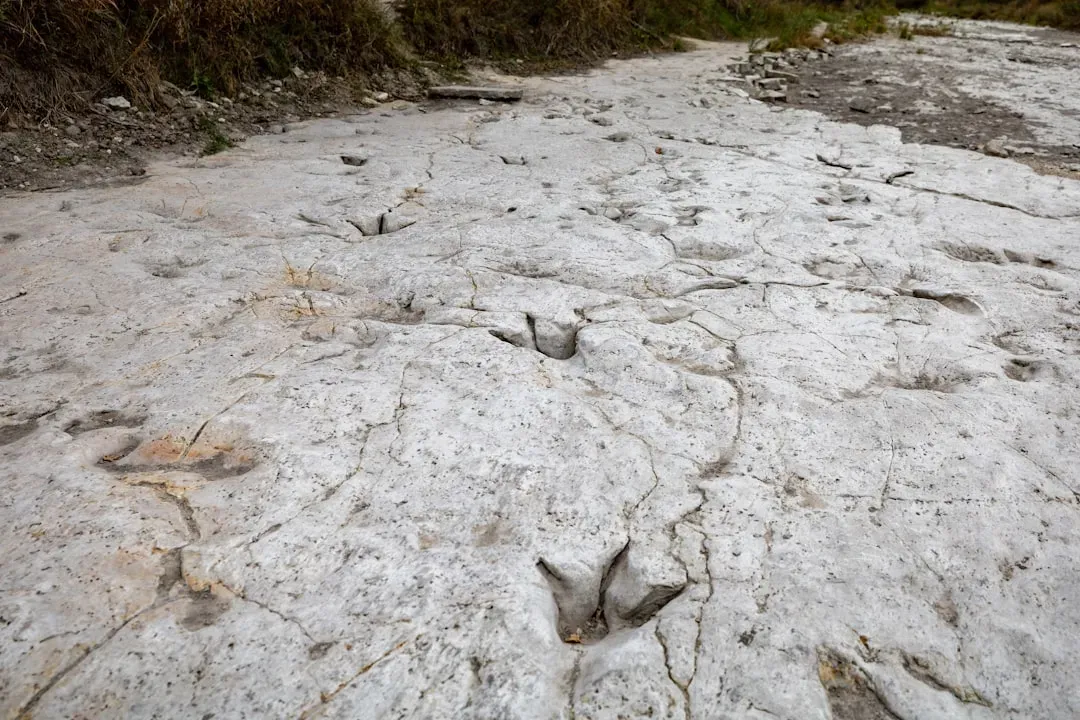
Skeletons tell you who lived and died together, but footprints show you behavior in motion, and that is where dinosaur social life gets really vivid. Parallel trackways of herbivorous dinosaurs – sauropods, duck-bills, and even stegosaurs – often show multiple individuals of different sizes walking in the same direction at similar speeds. When you see that on a preserved surface, it feels like looking at the ghost of a migrating herd, complete with adults and smaller youngsters keeping pace. Some stegosaur tracksites show dense track clusters of different-sized individuals, which researchers interpret as evidence of gregarious behavior rather than a few random passersby. ([nature.com](https://www.nature.com/articles/s41598-024-64298-9?utm_source=openai))
If you compare this to modern animals, it is a lot like watching elephants move along a route they use year after year or seeing a line of cattle following a familiar path. The consistency and alignment of the tracks suggest that the dinosaurs were not scattered, nervous individuals; they were coordinated, possibly benefiting from safety in numbers or shared knowledge of safe routes. You will never know exactly what they communicated to one another, but the simplest reading is that many dinosaurs were not merely tolerant of each other – they actively moved as groups through their environment.
Mixed-Species Herds Hint At Even Richer Social Worlds
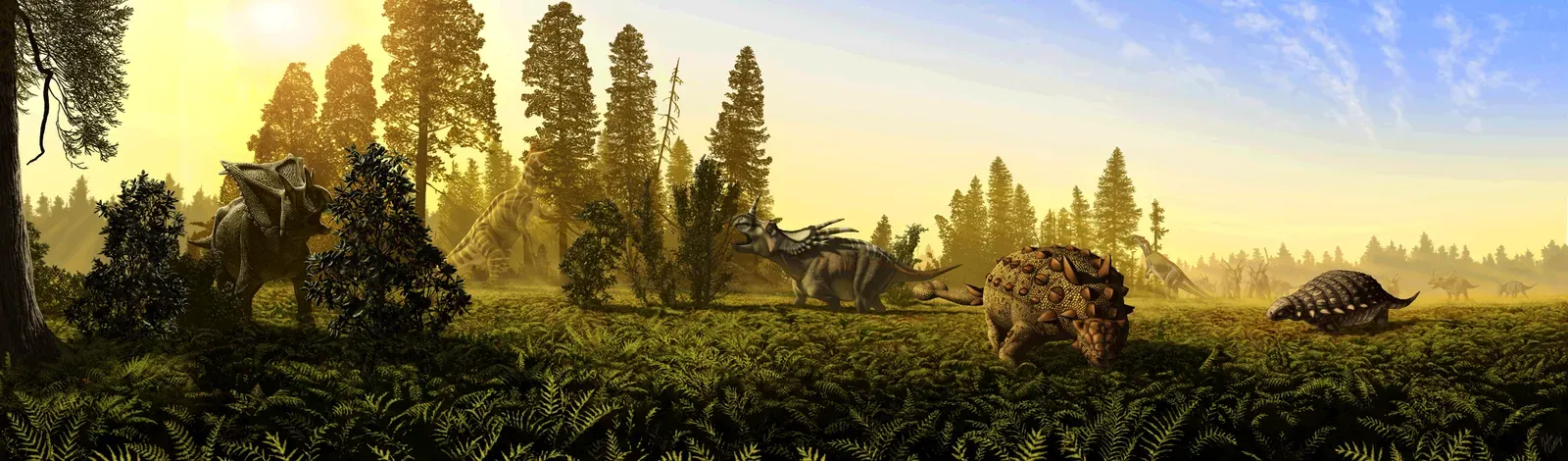
One of the most surprising recent findings is that some dinosaurs from different species may have traveled together, much like zebras and wildebeest on African plains today. In a 2024 discovery from Dinosaur Provincial Park in Canada, trackways show hadrosaurs and horned dinosaurs moving side by side in the same direction, with similar spacing and pace. The footprints are preserved as overlapping layers on a single surface, suggesting a genuine mixed herd rather than tracks laid down at completely different times. For you, that means you can now picture dinosaur herds that were not all the same shape or size, but patchwork communities of different plant-eaters sharing the same journey. ([reading.ac.uk](https://www.reading.ac.uk/news/2025/Research-News/Dinosaur-tracks-show-first-evidence-of-multispecies-herding?utm_source=openai))
Even more chilling, two large tyrannosaur trackways cross near the path of this mixed herd, oriented at an angle that suggests the predators might have been shadowing the group. You cannot say for sure whether they were actively hunting or just moving through the same landscape, but the scene immediately feels familiar if you have ever watched nature documentaries of lions following a migrating herd. This kind of multispecies interaction adds another layer of complexity to the dinosaur world you imagine: not just one species herding, but whole communities of herbivores and carnivores interacting in ways that echo modern ecosystems.
Nesting Colonies And Possible Parental Care
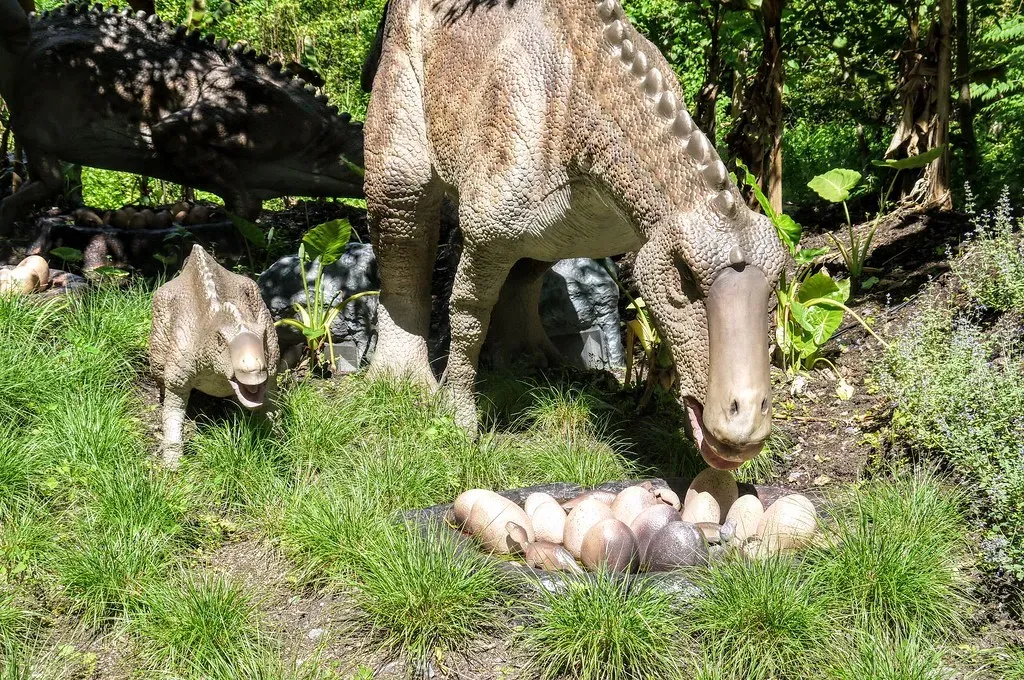
Another crucial clue to dinosaur social life comes from their nesting behavior. In several sites, especially among long-necked sauropods and duck-billed dinosaurs, you find clusters of nests arranged in colonies, sometimes reused across multiple layers of sediment. That repeated use suggests that these animals returned to the same broad nesting grounds, a bit like sea turtles coming back to familiar beaches or seabirds crowding onto cliff ledges. When you add in finds of adults preserved over nests, particularly in some bird-like theropods, you start to see hints that at least some dinosaurs protected or incubated their eggs rather than abandoning them. ([nature.com](https://www.nature.com/articles/s41598-021-99176-1?utm_source=openai))
From your perspective, colonial nesting is already a social behavior because it requires individuals to tolerate close neighbors at a vulnerable life stage. If adults clustered nests with enough spacing for big bodies to move between them, that implies some level of coordination and perhaps even synchronization of breeding seasons. While scientists are cautious about claiming full-blown “family life” for most species, the combination of nest colonies, possible brooding, and mixed-age bonebeds strongly hints that many dinosaurs shared at least parts of the parental load, whether through guarding, incubation, or guiding young into juvenile groups. For you, that moves dinosaurs one step closer to the social patterns you recognize in birds and mammals today.
How Complex Were These Societies – And Where Are The Limits?
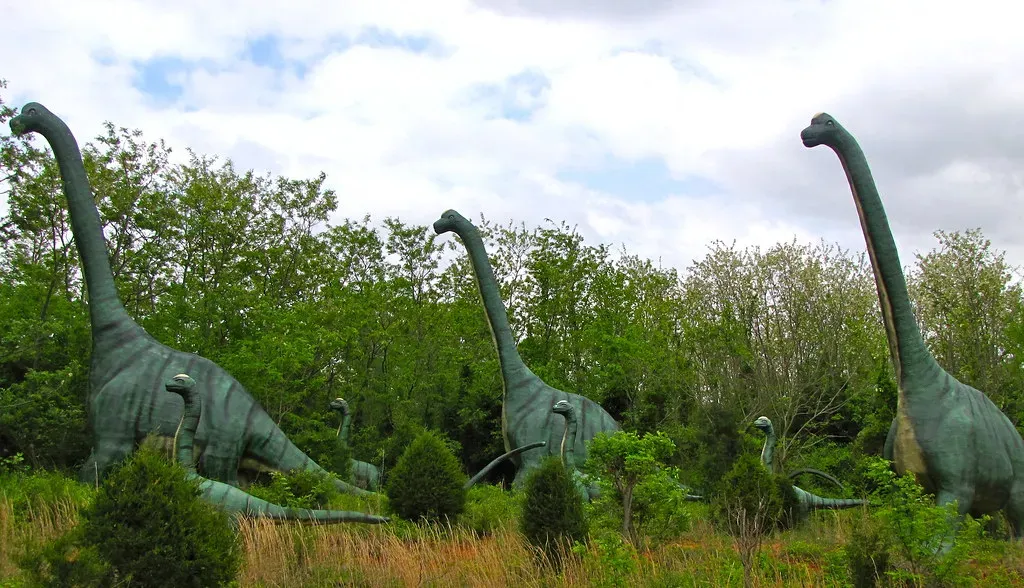
At this point, it is tempting for you to take all this evidence and jump straight to the idea of dinosaur “villages” with strict hierarchies, elaborate communication, or even fission–fusion societies like some primates and dolphins. The honest answer is that the fossil record cannot support those kinds of fine-grained claims, at least not yet. What you do have is solid evidence for herding, age segregation, colonial nesting, and occasional mixed-species groupings, which together show that many dinosaurs were socially organized, likely for protection, breeding, or efficient movement across the landscape. Researchers are careful to avoid overselling the data, because tracks and bones can tell you that animals were together, but not exactly how they interacted moment to moment. ([pubmed.ncbi.nlm.nih.gov](https://pubmed.ncbi.nlm.nih.gov/38961126/?utm_source=openai))
For you, the safest and most exciting position sits right in the middle: dinosaurs appear to have been more social than the old solitary-lizard image, but you should resist the urge to project human-style societies or movie-style pack tactics onto them. A good mental model is to think of large herbivores today – bison, wildebeest, elephants – where social groups, age-based subgroups, and mixed herds are common, yet the details vary wildly from species to species. Dinosaurs likely spanned a similar range: some mostly solitary, some loosely gregarious, and some strongly herd-based with lifelong social ties. The evidence you have so far shows that were not a rare exception but probably a major part of dinosaur success.
Altogether, these discoveries invite you to redraw your mental picture of the Mesozoic world. Instead of a landscape populated by isolated monsters, you can now imagine dynamic communities: juveniles moving in cohorts, herds threading ancient floodplains, nesting colonies buzzing with life, and even different species traveling side by side while predators lurk at the edges. The fossil record will always be incomplete, but each new bonebed and tracksite nudges you toward a richer, more connected vision of how these animals actually lived.
The next time you see a dinosaur reconstruction, you might ask yourself not just what that animal looked like, but who it walked with, who it avoided, and how it fit into the social fabric of its world. Did you ever expect that the real dinosaur story would end up sounding less like a monster movie and more like a crowded, noisy, social planet?