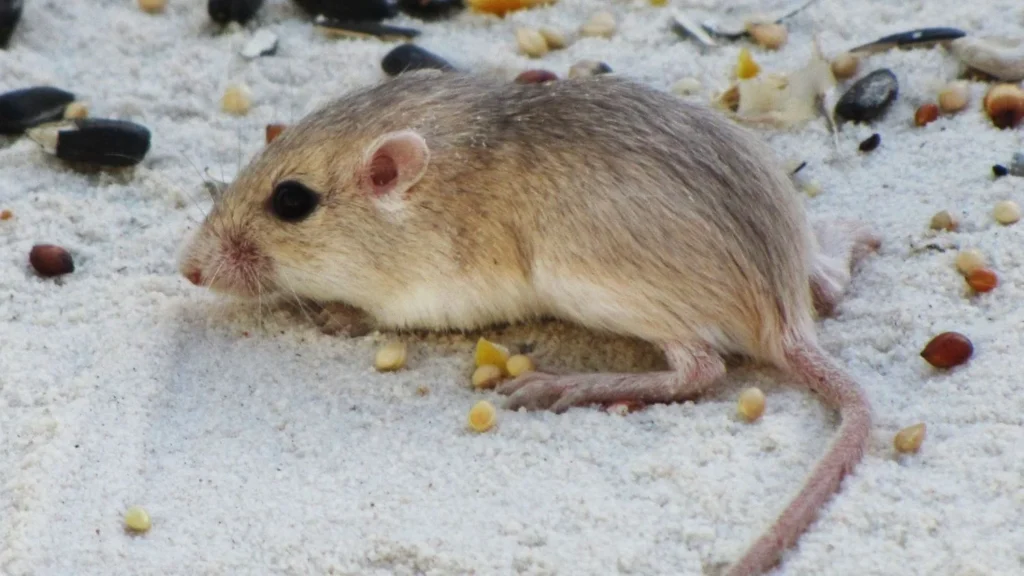
Southern California – Conservation efforts to save the Pacific pocket mouse from oblivion gained a boost from recent genetic research. These tiny rodents, confined to fragmented coastal habitats near Los Angeles, face mounting pressures from habitat destruction and shifting weather patterns. Scientists now report evidence that the mice harbor genes capable of adjusting to warmer, drier conditions, potentially aiding their endurance in a changing environment.
A Precarious Existence Along the Coast
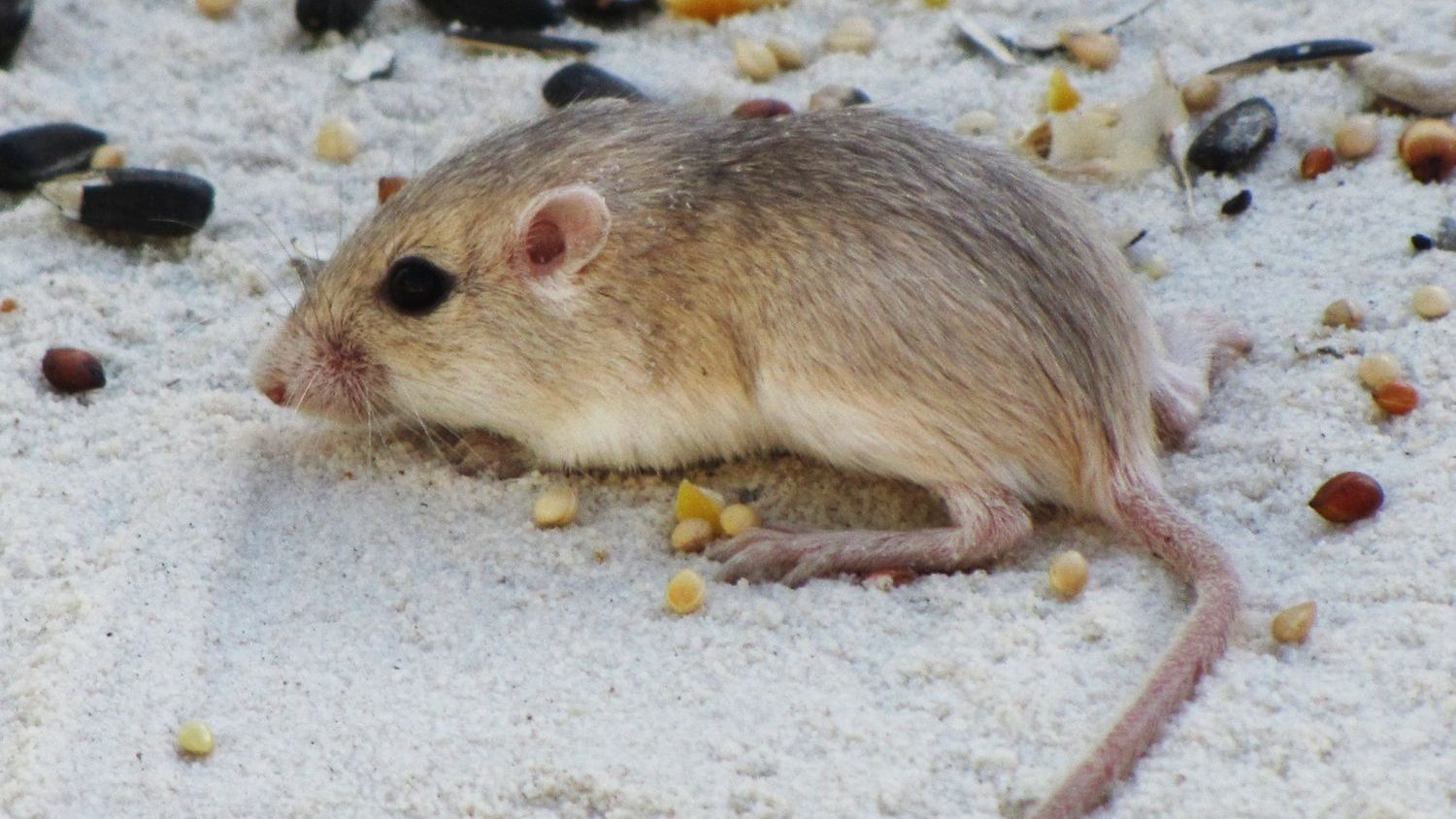
A Precarious Existence Along the Coast (Image Credits: Upload.wikimedia.org)
The Pacific pocket mouse, known scientifically as Perognathus longimembris pacificus, holds the unfortunate distinction of endangered status from the U.S. Fish and Wildlife Service. It survives in isolated patches of sandy dunes and scrubland along the Southern California coastline. For years, experts pinpointed habitat loss from urban development as the primary danger, compounded by climate change’s unpredictable impacts.
These mice measure just a few inches long, yet their restricted range leaves them highly susceptible. Reintroduction programs have aimed to expand their numbers, but success remained uncertain until new data emerged. The species’ isolation amplifies risks, as any setback could wipe out local groups entirely.
Unlocking the Genome’s Secrets
A study published in Science Advances delved into the genetic makeup of these mice, spotlighting genes linked to temperature tolerance and moisture regulation. Researchers sequenced DNA from multiple individuals to identify variations that might confer advantages in hotter, arid conditions. This work marked a shift from assuming climate change spelled doom to recognizing built-in adaptability.
The findings highlighted how certain genetic markers activate under environmental stress. In plain terms, these mice carry tools in their DNA to tweak their physiology as conditions evolve. Such traits could prove vital as coastal temperatures rise and rainfall patterns falter.
Adaptation Observed in Real Time
To test these genetic potentials, the team monitored a reintroduced population over several generations. They compared DNA before and after release into the wild, noting shifts in gene expression tied to local climate. Successive litters showed stronger signatures of temperature and moisture adaptation, suggesting natural selection at work.
This tracking provided concrete proof that the mice did not merely persist but actively adjusted. The process unfolded quickly, within a handful of breeding cycles, underscoring the species’ responsiveness. Still, the sample size stayed limited, reflecting the challenges of studying such elusive creatures.
Shadows Over Genetic Promise
Despite the encouraging results, the Pacific pocket mouse confronts ongoing threats that genetics alone cannot overcome. Tiny population sizes heighten vulnerability to disease, predation, and random events, all of which erode genetic diversity. “Once that’s lost,” Erik Funk, a conservation geneticist with the San Diego Zoo Wildlife Alliance, told Science News, “it can’t be brought back.”
Habitat fragmentation continues unabated, squeezing available space and limiting mate access. Climate pressures persist, and without broader interventions, adaptation may fall short. Conservationists emphasize that while genes offer a buffer, proactive measures remain essential to avert extinction.
Lessons for Broader Wildlife Struggles
This research extends beyond one diminutive species, illuminating how genetics might buffer other imperiled animals against global warming. For coastal ecosystems, it underscores the value of preserving genetic variation through reintroductions and protected areas. Human activities, from development to emissions, drive these changes, making stewardship a shared imperative.
Key factors influencing the mice’s outlook include:
- Expansion of protected habitats to link isolated populations.
- Monitoring programs to track genetic health over time.
- Climate mitigation efforts to slow warming trends.
- Public awareness to curb coastal encroachment.
Ultimately, the pocket mice’s story serves as a reminder of nature’s tenacity – and its fragility. While their adaptability buys time, sustained human commitment will determine if these coastal survivors endure.