
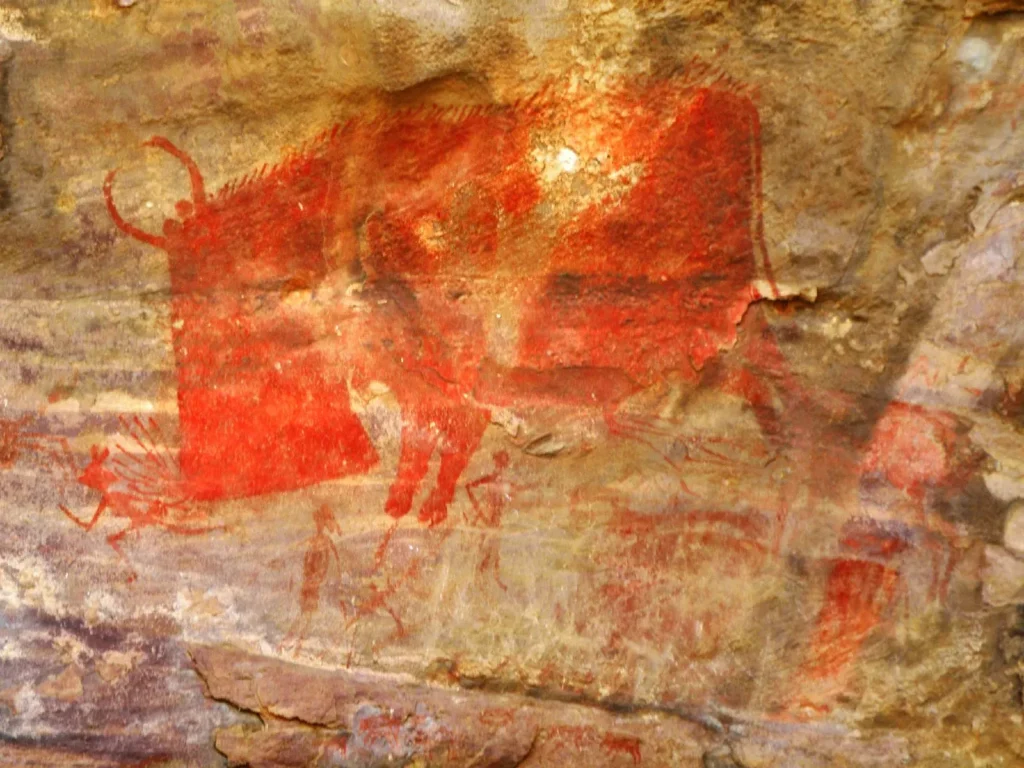
If you have ever stared at photos of Paleolithic cave art and felt an odd, almost eerie familiarity, you are not alone. Across tens of thousands of years, people you will never meet painted images that still speak to you, even though your world could not be more different from theirs. When you look closely, the shapes, symbols, and scenes on those walls hint at something deeper than decoration or hunting instructions; they suggest that the way you experience reality today is tied to how your distant ancestors did too.
In the last few decades, archaeologists, neuroscientists, and cognitive scientists have started comparing ancient images with what you now know about how the human brain works. The similarities are startling. From recurring geometric motifs that mirror visual hallucinations to handprints that feel like the earliest social media tag, cave art is turning into a window into human consciousness itself. When you read these walls as a kind of early psychology, you start to see that modern self-awareness, spirituality, and even your instinct to tell stories might be far older than you imagined.
The First Art Galleries Were Also The First Mind Labs
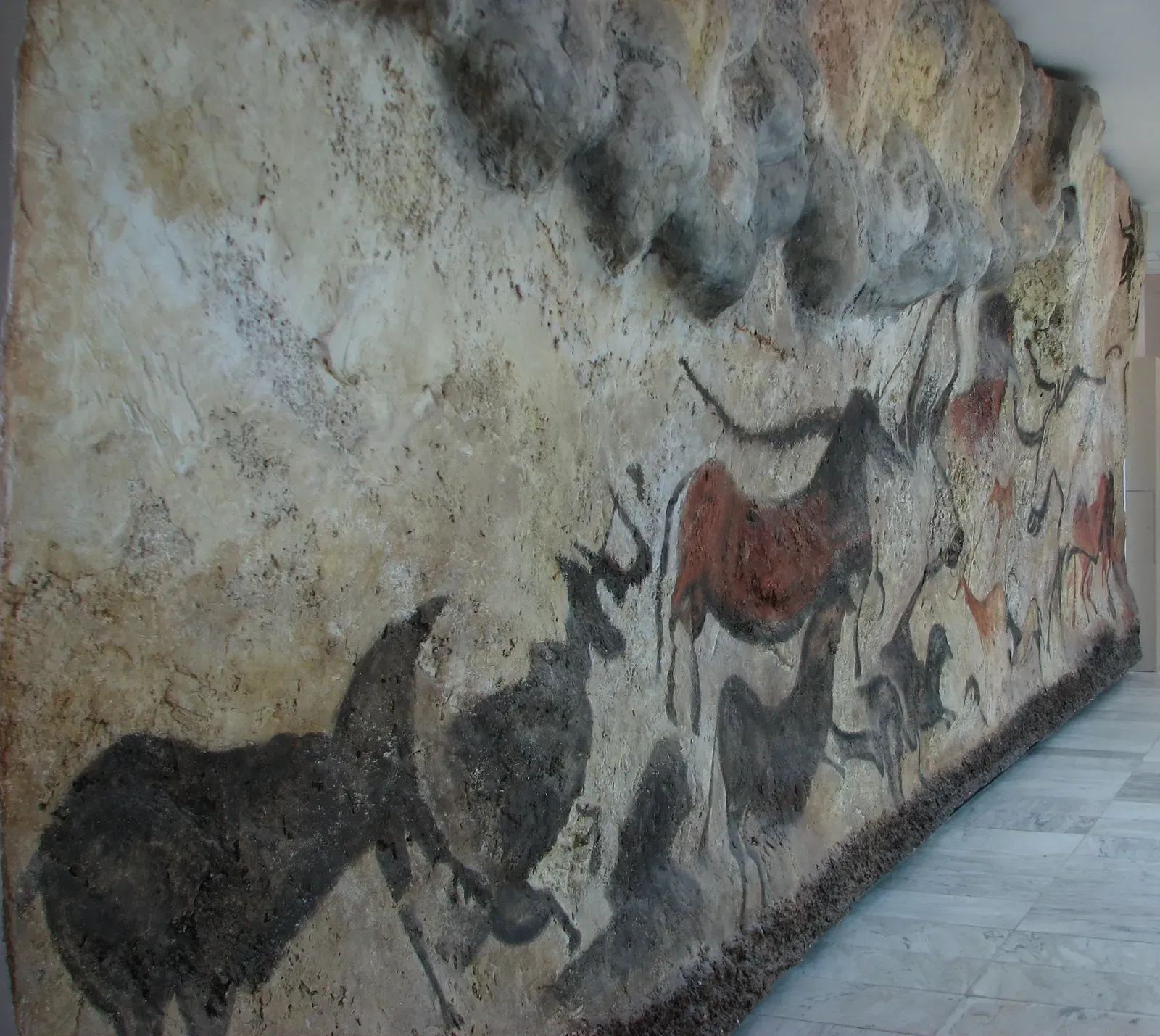
When you step into a cave like Lascaux in France or Altamira in Spain, even if only through photographs, you are looking at spaces that were carefully chosen, not random rock shelters. Researchers have found that many painted chambers sit deep inside cave systems, in hard-to-reach places where you need fire, planning, and teamwork to enter. That level of effort suggests these were not casual doodling spots; you are looking at deliberately created environments, almost like early immersive installations designed to shape how people felt and thought.
Sound studies of decorated caves show that painted areas often line up with parts of the cave that naturally amplify echoes or create eerie acoustic effects. Imagine standing there with flickering torchlight, strange echoing voices, and animals leaping across the rock surface; you are in a kind of prehistoric sensory lab. In that setting, the cave itself becomes a tool to push your mind into altered, heightened states. You are not just seeing art; you are entering a crafted mental experience, a very early form of what you might now call consciousness hacking.
Geometric Patterns That Match How Your Brain Sees Under Stress
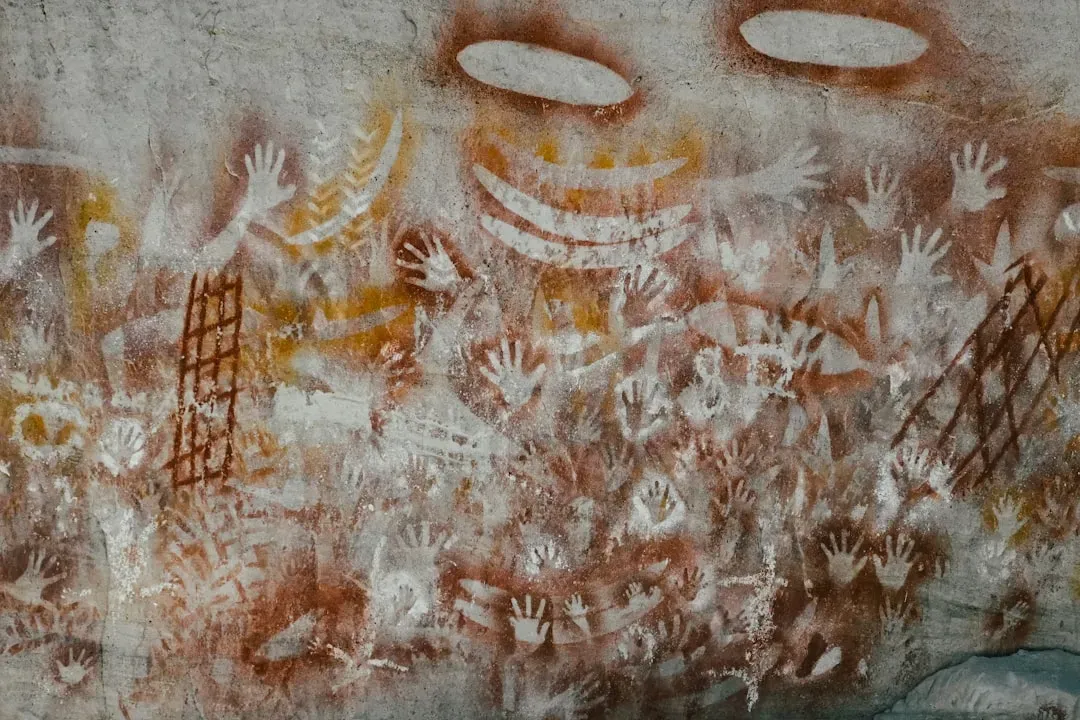
One of the most surprising findings is that simple shapes in cave art match what your own visual system generates when it is pushed to its limits. Across Europe, Africa, and other regions, you see repeated zigzags, grids, spirals, ladders, and dot clusters scratched or painted alongside animals. Neuroscientists studying visual hallucinations and optical phenomena have noticed that these same patterns emerge when your brain’s visual cortex is stimulated, disrupted, or deprived of normal input. In other words, what seems like abstract decoration may be a direct record of how human brains naturally fire.
When you close your eyes hard, stare at bright lights, or enter trance-like states, your visual system tends to produce repeating grids and tunnels that feel oddly stable and universal. Researchers call these “form constants,” and they map neatly onto many early geometric signs in caves. If you imagine a Paleolithic person sitting in a dark chamber, perhaps drumming, chanting, or breathing heavily, you can picture those internal visions being translated directly onto the rock. You are seeing, on a wall, echoes of the same neural architecture that lives inside your skull right now.
Animals, Hunters, And The Birth Of Complex Imagination
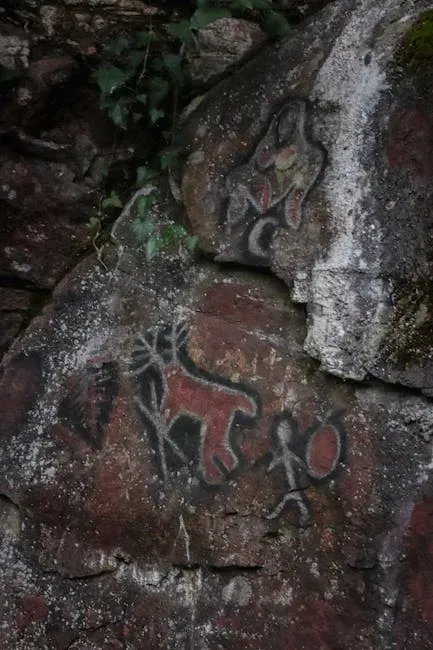
When you look at those dramatic bison, horses, lions, and deer, it is tempting to see them as simple hunting records, but the more you examine them, the more they look like products of complex inner worlds. The animals are not just sketched; they are carefully posed, layered, and sometimes distorted in ways that make you feel movement and tension. Some scenes show odd combinations of human and animal features, suggesting that people were imagining blended beings long before they wrote myths down. You are looking at early evidence of your brain’s knack for creating things that do not exist in the physical world.
This ability to imagine hybrids and symbolic scenes is central to your modern consciousness. It lets you rehearse dangers, tell stories, and invent gods, laws, and fictional characters. Cave art seems to show this talent already in full swing tens of thousands of years ago. When you follow a painted herd around a curved wall, your mind automatically fills gaps, predicts motion, and even wonders what the painter felt. That mental leap from lines on stone to an imagined narrative is exactly what you use today when you follow a movie plot or visualize your future.
Handprints As Early Signatures Of Self And Community
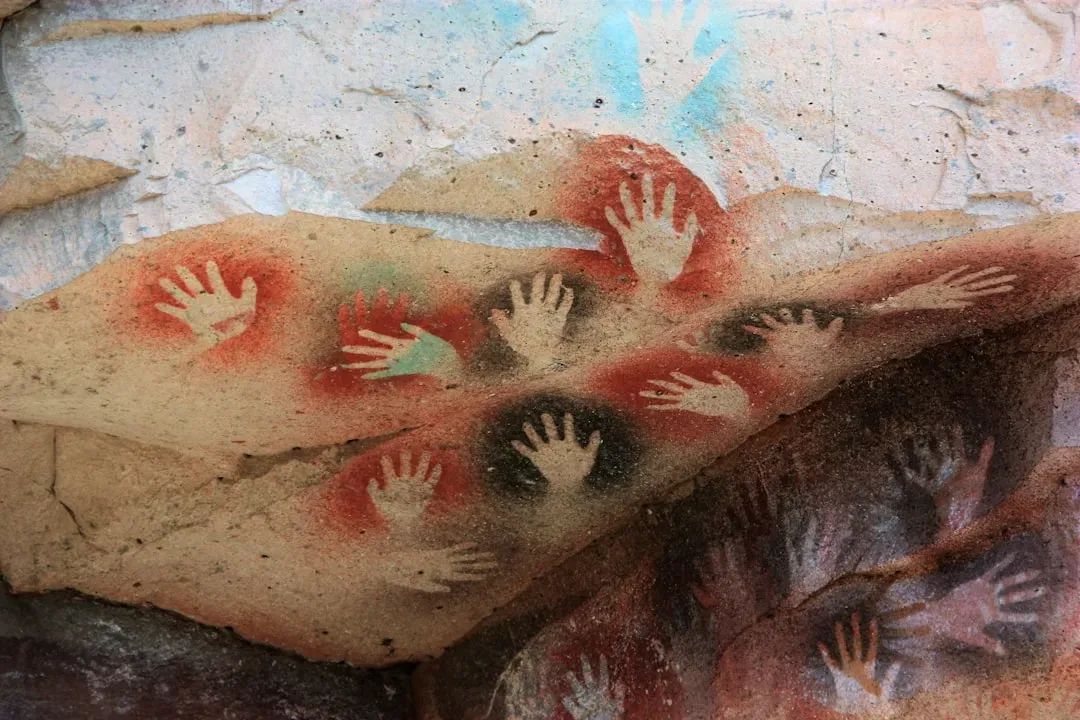
Those red, black, or ochre hand stencils you see repeated in many caves might be the most personal marks you will ever encounter from deep time. To create them, someone placed a hand on the wall and blew pigment around it, leaving a hollow silhouette. When you see them, it almost feels like someone reached through time to tap you on the shoulder. These prints suggest a sharpened sense of “I was here” and “we were here,” which is central to how you think about yourself today.
Analyses of finger lengths and sizes show that many of these handprints belong to women and young people, not only to adult men. That means you are probably looking at a communal practice, where different members of a group took part in marking the walls. In a way, it resembles how you now post photos, messages, or tags to announce your presence and membership. Those stenciled hands act as early social signatures, revealing that long ago, people already had a strong need to be seen, remembered, and recognized as part of something bigger than themselves.
Altered States, Rituals, And The Roots Of Spiritual Experience
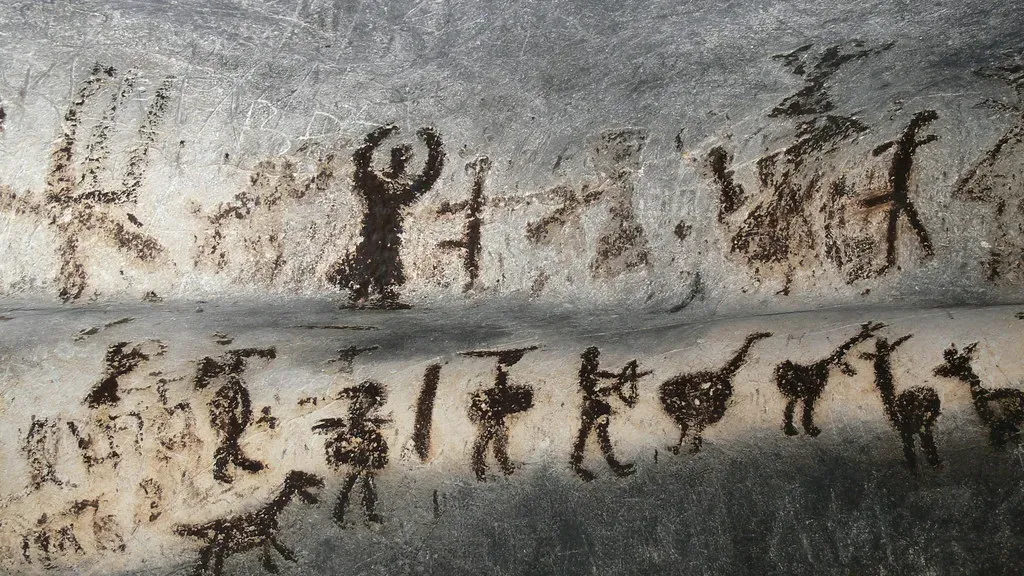
Many researchers now suspect that at least some cave art was made during or after altered states of consciousness. You can imagine how darkness, drumbeats, chanting, and smoke might shift perception, especially deep inside echoing chambers. When you combine that with geometric patterns that match neural hallucinations and with scenes that blur boundaries between humans and animals, a picture emerges of ritual practices aimed at exploring inner landscapes, not just outer events. In that sense, you are seeing early experiments with what later societies would frame as spiritual or shamanic journeys.
Even if you never enter trance states yourself, you probably recognize the human desire behind them: to feel connected to something beyond ordinary daily life, to seek meaning, and to ask big questions about life and death. The locations of many paintings – far from the cave entrance and lit only by flickering flames – suggest they were not meant for casual viewing. You can think of them as part of guided experiences, where images, sound, and environment worked together to reshape how participants felt and thought. That drive to cross the boundary of normal consciousness still shows up today in meditation retreats, festivals, religious rituals, and even in the way you lose yourself in music or film.
Storytelling On Stone And Your Modern Narrative Mind
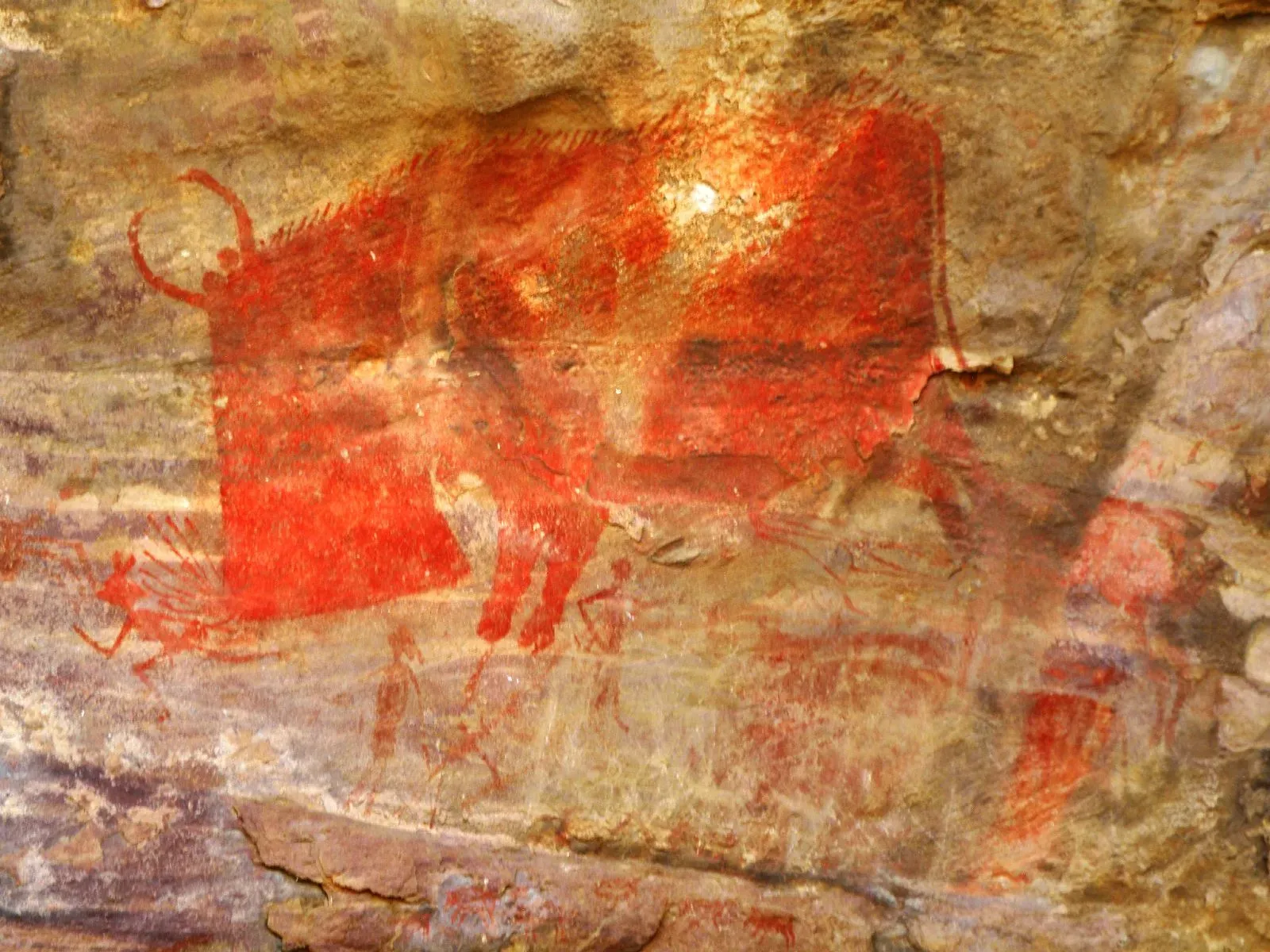
If you look at cave art as isolated images, you miss half the story. When you follow the walls in sequence, you often find clusters of animals, symbols, and signs that seem to form narrative arcs. Some caves show repeated species in different poses or layers that suggest movement or seasonal changes. Your brain, wired to search for cause and effect, cannot help but start weaving these into stories: perhaps of hunts, migrations, transformations, or mythic events. In doing that, you are using the same narrative machinery that you apply to your own life when you turn scattered memories into a coherent autobiography.
Modern cognitive science has shown that you make sense of almost everything through stories, from personal relationships to politics. Cave art appears to be one of the earliest media for externalizing those inner narratives. Instead of holding a story only in memory or spoken words, people pinned its key scenes to the walls, where others could revisit and reinterpret them. When you see that, you realize that your habit of scrolling through image feeds or binge-watching series is not a brand‑new quirk but a modern form of a very ancient habit: using shared visuals to align minds, pass on lessons, and explore what it means to be human.
Shared Symbols And The Dawn Of Collective Imagination
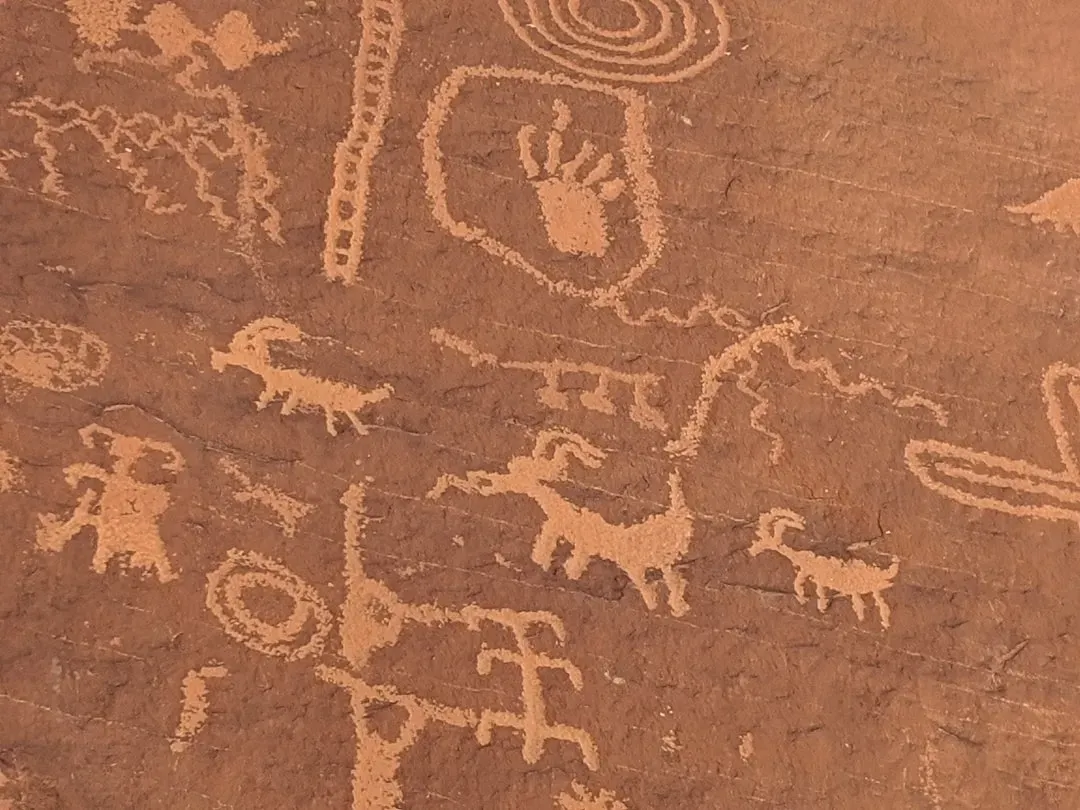
One of the most intriguing aspects of cave art is the way certain symbols and animal themes repeat across vast distances and times. Horses, bison, aurochs, deer, and big cats appear again and again, often alongside recurring geometric signs. When you see similar combinations spread across different regions, you start to suspect there were shared mental templates, common ways of organizing reality in the human mind. You are witnessing the birth of shared symbolism, where specific images carry meanings that groups recognize together.
This shared symbolic world is exactly what underpins your modern cultures, languages, and belief systems. Today, a logo, flag, or emoji can instantly trigger an emotional response and a set of associations inside you. In Paleolithic caves, those repeated signs and animals likely worked in a similar way, signaling stories, taboos, group identities, or spiritual ideas. When you realize that, cave art stops looking like mysterious relics and starts feeling like early entries in the same shared symbolic universe you still inhabit – a universe where pictures do far more than decorate; they coordinate minds.
What Ancient Walls Teach You About Your Mind Today
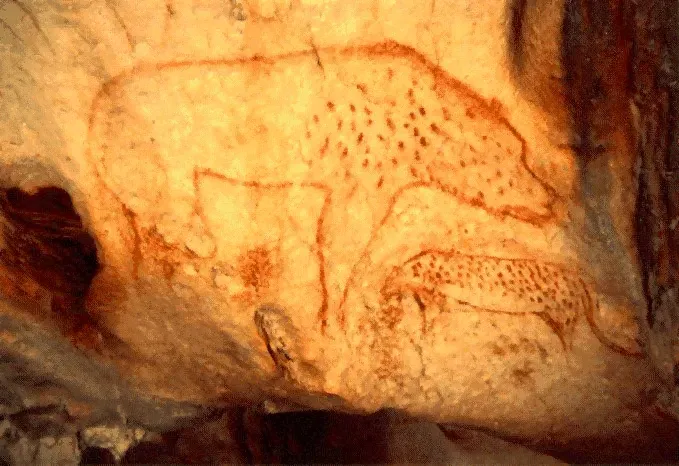
When you put all of this together – geometric visions, haunting animals, handprints, deep cave chambers, and repeating symbols – you start to see cave art as a mirror held up to your own mind. Those long‑gone artists were not just documenting hunts or passing time; they were reaching for altered states, cementing social bonds, telling stories, and exploring inner realities, much like you do now with language, technology, and art. The tools and materials have changed, but the core mental moves feel strikingly familiar.
Understanding cave art this way does not mean you can easily decode every symbol or scene; a lot will probably remain mysterious. But it does invite you to see your own attention, imagination, and sense of self as part of a much longer story. The next time you stand in front of a painting, scroll through images, or even doodle in a notebook, you are continuing a practice that began in flickering torchlight on cave walls. Maybe the most surprising connection is this: when you look at those ancient images, you are not just learning about them – you are quietly learning about yourself too. What will you see the next time you imagine that wall in front of you?