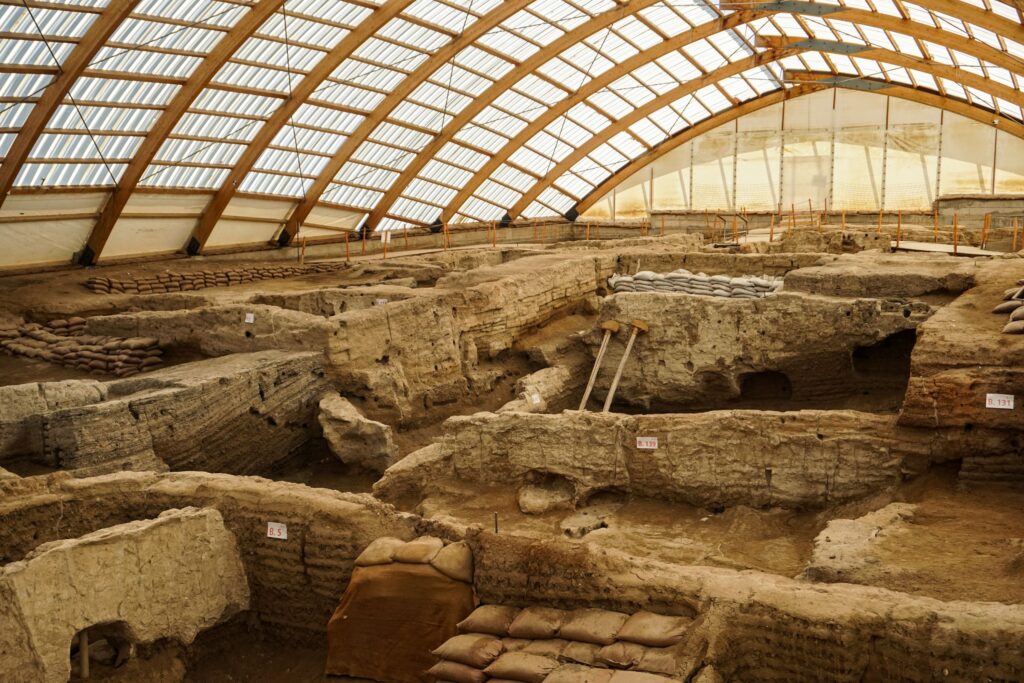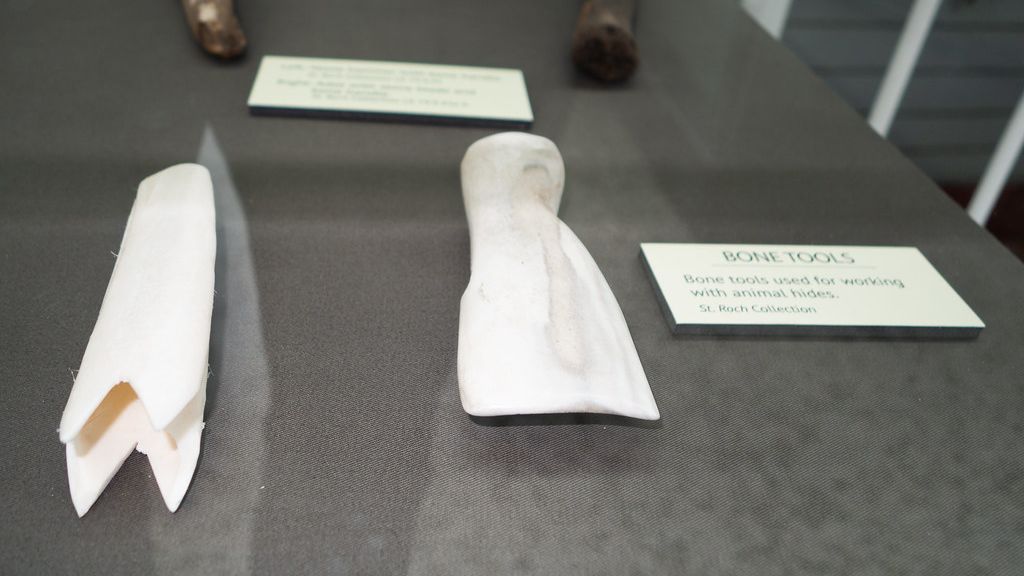
You probably grew up with the idea that early humans were crude, club-waving cave dwellers, stumbling blindly through a harsh world. But when you look closely at the tools they left behind, a very different picture appears. Stone blades, pigments, bone needles, and carefully shaped handaxes all point to something profound: long before skyscrapers and smartphones, your ancestors were already thinking in surprisingly modern ways.
When you learn to read these artifacts the way an archaeologist does, they stop looking like random old rocks and start to feel more like messages from a distant time. Each flake scar and polish mark reveals choices, habits, and even social rules. As you follow these clues, you begin to see that those “primitive” minds were anything but simple – and that their creativity, patience, and problem‑solving power laid the groundwork for everything you take for granted today.
The Acheulean Handaxe: A Stone Smartphone of the Deep Past
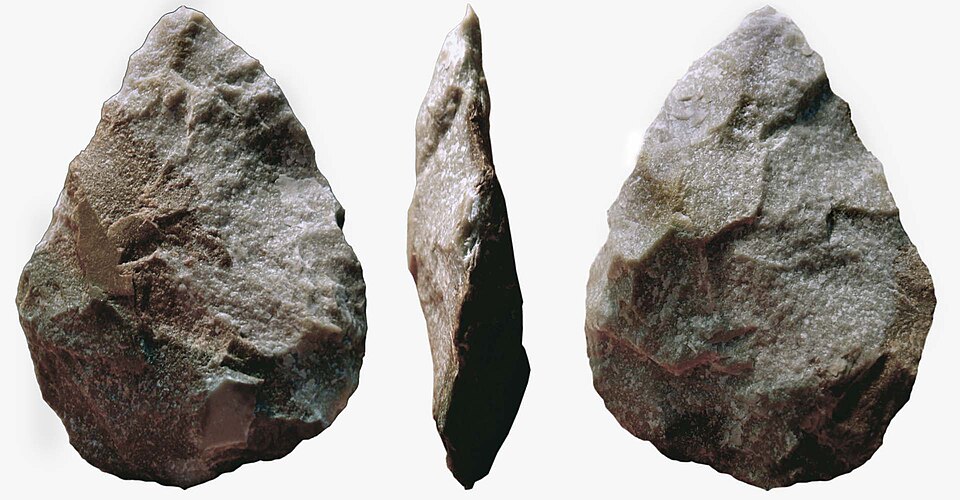
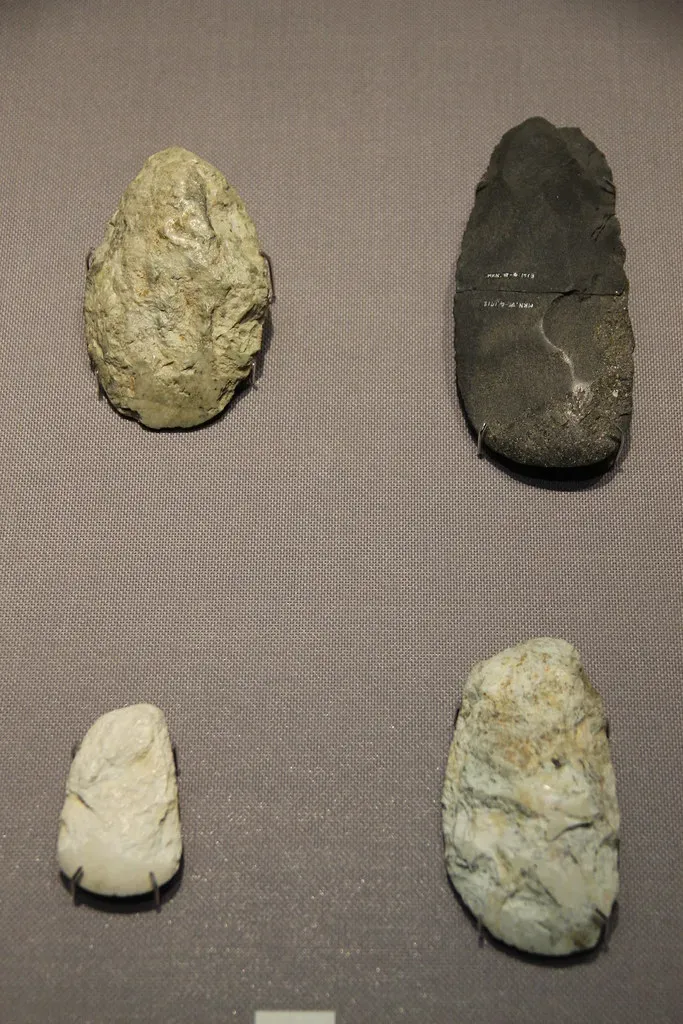
Imagine holding a teardrop-shaped stone tool in your hand that was carefully shaped more than half a million years ago. It has smooth, symmetrical edges, a pointed tip, and just the right thickness to fit comfortably in your grip. You are not looking at a random rock; you are looking at a deliberate design, repeated across enormous distances and timescales by early humans who shared mental templates and teaching traditions. These Acheulean handaxes required you to plan several steps ahead, remove flakes in a specific sequence, and constantly visualize the final shape in your mind.
If you have ever tried carving wood or shaping clay, you know how hard it is to keep symmetry and purpose in mind while working from a rough lump of material. That is exactly what these early toolmakers were doing, over and over, for hundreds of thousands of years. The fact that similar handaxes appear in different regions suggests that your ancestors were not just copying blindly; they were maintaining shared standards of quality and style. In a way, the Acheulean handaxe was like a multi-purpose “smart device” of its age – used for butchering animals, cutting plants, woodworking, and signaling skill to others.
Oldowan Stone Flakes: Simple Tools, Complex Thinking
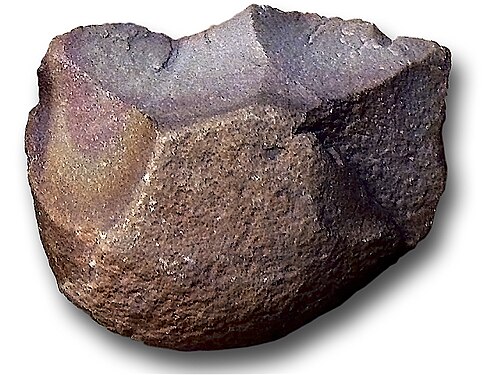
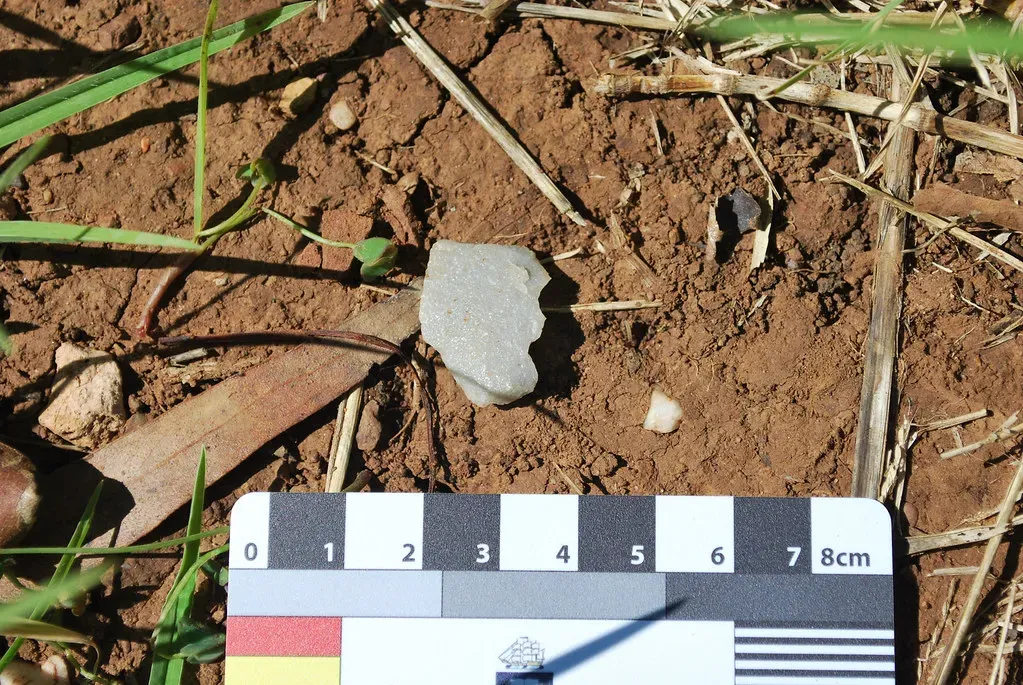
Now step even further back in time, to more than two million years ago, when some of the earliest known stone tools appear. At first glance, Oldowan tools can look unimpressive: just flakes and battered cobbles. But if you try making one yourself, you quickly realize it is not as simple as it looks. You have to pick the right stone, strike it at just the right angle, and understand how the rock will fracture, or you end up with a useless lump.
What you are really seeing in these early flakes is the start of something huge: abstract thinking about cause and effect. To turn a rounded stone into a sharp cutting edge, you need to anticipate that a specific action today will produce a desired shape tomorrow. Oldowan toolmakers were already planning, learning from experience, and sharing techniques in ways that hint at teaching and social learning. When you see that, you stop calling these tools “crude” and start recognizing them as the first clear fingerprints of human-style intelligence.
Hafting: When You Start Combining Ideas, Not Just Materials
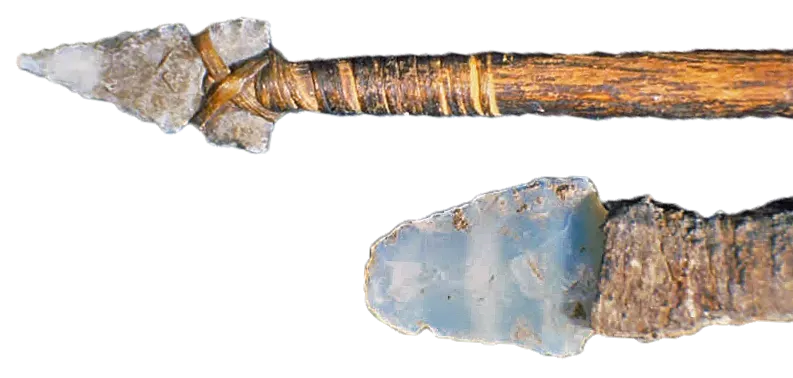
At some point in the deep past, your ancestors stopped being satisfied with holding a sharp stone directly in their hands. Instead, they began attaching stone points and blades to wooden shafts using plant fibers, sinew, and sticky resins. This process, known as hafting, turns a simple cutting edge into a spear, an axe, or a specialized hunting tool. To pull it off, you need to understand multiple materials, know how they behave, and figure out how to combine them into a single, functional object.
When you think about hafting from a mental perspective, it is a dramatic leap. You are no longer just shaping one material; you are designing a system, like someone building a machine with different parts. You must remember recipes for glue, drying times, binding methods, and how to repair a broken shaft in the field. That kind of thinking – combining separate elements into a planned whole – is a major sign that minds like yours were already at work. Hafted tools show you that your ancestors were engineers long before the word existed.
Microliths and Composite Tools: The First Modular Technology
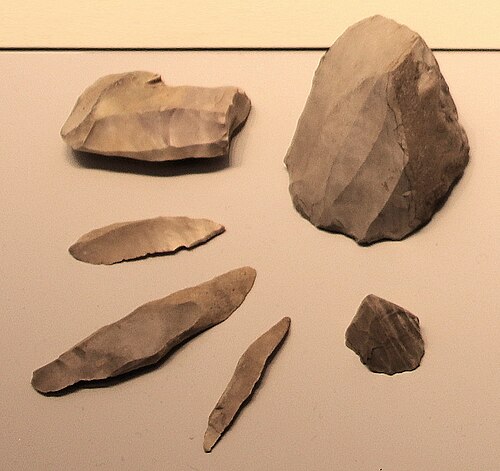
Later, in many parts of the world, you start to see something even more intricate: tiny, sharp stone pieces called microliths. On their own, they are too small to be very useful. But when you line them up in grooves on a wooden shaft or a bone handle, they form cutting edges, barbs, and complex points. You are looking at the earliest modular technology, where small standardized pieces are combined flexibly to solve different problems, not unlike how you might assemble components in a toolkit or even in modern electronics.
Working with microliths requires a level of planning that goes far beyond simply hitting rocks together. You have to mass-produce tiny blades, keep them organized, and fit them into composite tools that can be repaired by swapping out damaged parts. This approach shows that your ancestors valued efficiency and adaptability. If a hunting weapon broke, they did not need to start from scratch – they could replace a piece. That mindset feels incredibly familiar if you have ever changed a phone case, swapped a drill bit, or upgraded hardware instead of buying a whole new device.
Bone, Antler, and Ivory: When Tools Start to Look Like Art
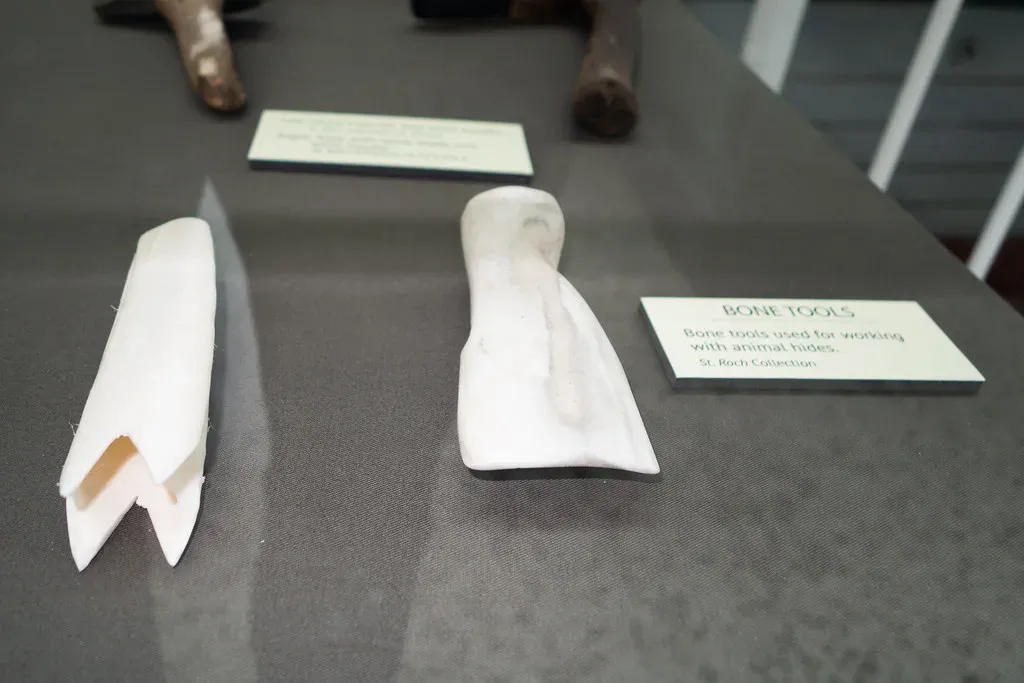
Stone might get most of the attention, but once you notice tools made from bone, antler, and ivory, the story gets richer. These materials can be carved, polished, and shaped into needles, fish hooks, harpoons, and smoothers with a level of precision that would challenge you even with modern hobby tools. A bone needle with an eye, for example, tells you that someone understood tension, thread behavior, and the needs of sewing clothing that actually fits and functions in harsh climates.
While these objects are clearly practical, they also often carry a sense of beauty: carefully smoothed surfaces, balanced shapes, and sometimes subtle decoration. When you see that, you realize that your ancestors did not separate utility and aesthetics as strictly as you might think. A tool could be effective and visually pleasing at the same time. This blend of practicality and style mirrors how you might choose a kitchen knife today – not just for how well it cuts, but also for how it feels and looks in your hand.
Engraving, Pigments, and Symbolic Objects: Minds that Think in Symbols
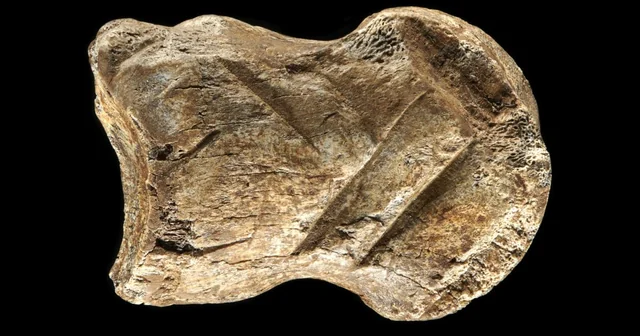
Alongside tools for hunting and processing food, you also start to find things that seem to exist for a different reason: engraved pieces of bone or ochre, shells with holes for stringing, and carefully chosen pigments. When you look at these objects, you are not just seeing survival gear; you are seeing early signs of symbolic thinking. To carve a repeating pattern or to color a surface, you have to care about meaning, identity, or communication in a way that goes beyond immediate physical needs.
This is where you can most clearly sense the emotional inner life of your ancestors. A shell worn as an ornament might mark social status or group identity. A repeated pattern scratched into a piece of ochre implies that someone liked the idea of regularity, rhythm, and visual order. These are not the actions of minds focused only on hunger and danger. They are the behaviors of people who, much like you, wanted to belong, to express themselves, and to see their world not just as it was, but as it could be imagined.
Learning, Teaching, and Culture: How Skills Became Traditions
None of these tools – whether a handaxe or a bone needle – appear out of nowhere. Someone had to learn how to make them, and that usually means someone else had to teach. When you imagine small groups gathered around a skilled knapper or carver, you can almost see the first “classrooms” taking shape, even if they were just open patches of ground. Mistakes would be made, corrections given, and over time, communities would settle on shared ways of doing things that could be recognized across generations.
This is what archaeologists mean when they talk about “culture” in deep time: not art museums, but stable traditions of making, using, and valuing tools. When you pick up on the patterns in these traditions, you realize that your ancestors were already living in worlds shaped by teaching, imitation, and social norms. Just as you learn to use modern tools from parents, friends, or tutorials, they learned to shape stone and bone by watching, practicing, and passing on tips. The continuity of those skills is one of the clearest signs that human minds have been deeply social and deeply teachable for a very long time.
Rethinking “Primitive”: What These Tools Say About You
When you put all of this together, the word “primitive” stops making sense. Early stone flakes show you that your ancestors understood materials and cause and effect. Handaxes reveal an appreciation for symmetry and standardization. Hafted and composite tools demonstrate engineering-level planning, while bone and symbolic objects hint at aesthetics, identity, and abstract thought. These are not the random improvisations of half-aware creatures; they are the products of minds that recognize patterns and solve problems in sophisticated ways.
Seeing them this way changes how you see yourself, too. The smartphone in your pocket or the tools in your garage are the latest chapters in a story that began with those first sharp flakes beside an ancient riverbank. You are not separate from those early makers; you are an extension of them. Their patience, curiosity, and willingness to experiment are still alive every time you figure out a new skill or repurpose something in a clever way. In a sense, when you admire their tools, you are really recognizing your own inherited potential.
In the end, ancient tools are much more than museum pieces or pictures in a book; they are silent but powerful evidence that human minds have been creative, social, and forward‑thinking far longer than you might have imagined. When you look closely, you can almost feel the weight of a handaxe in your own palm, or see the careful touch that carved a needle’s eye by firelight. The same kind of mind that shaped those tools is the mind you carry today. Knowing that, you might ask yourself: if your earliest ancestors could do so much with stone, bone, and wood, what will you choose to create with everything you have now?