If you could step into a time machine and land in the late age of dinosaurs, you’d probably never notice your own ancestors. While giant reptiles thundered across the landscape, your lineage was hiding in the shadows, small enough to fit in your hand. Yet those overlooked little creatures ended up winning the biggest survival lottery in Earth’s history.
As you trace their story, you start to see your own body and brain differently. The way you sleep, what you eat, even how you raise children has roots in that age of giants and fire. This is not just a tale about fossils; it is a story about how you became possible at all.
The World You Would Have Seen Beside the Dinosaurs
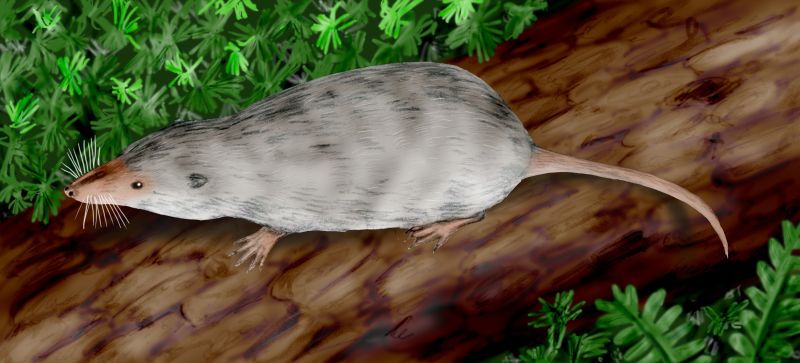
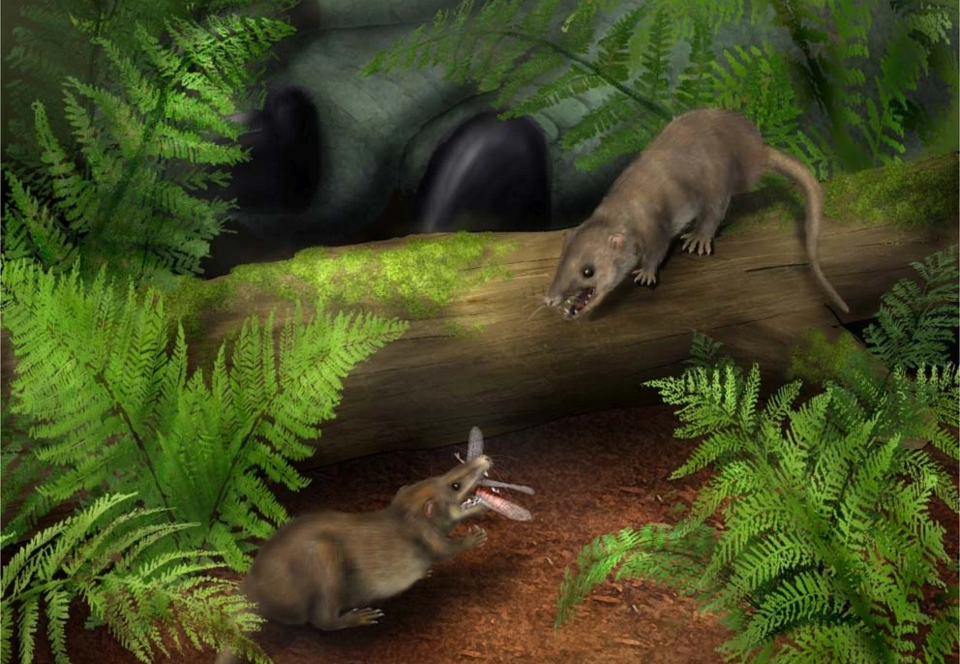
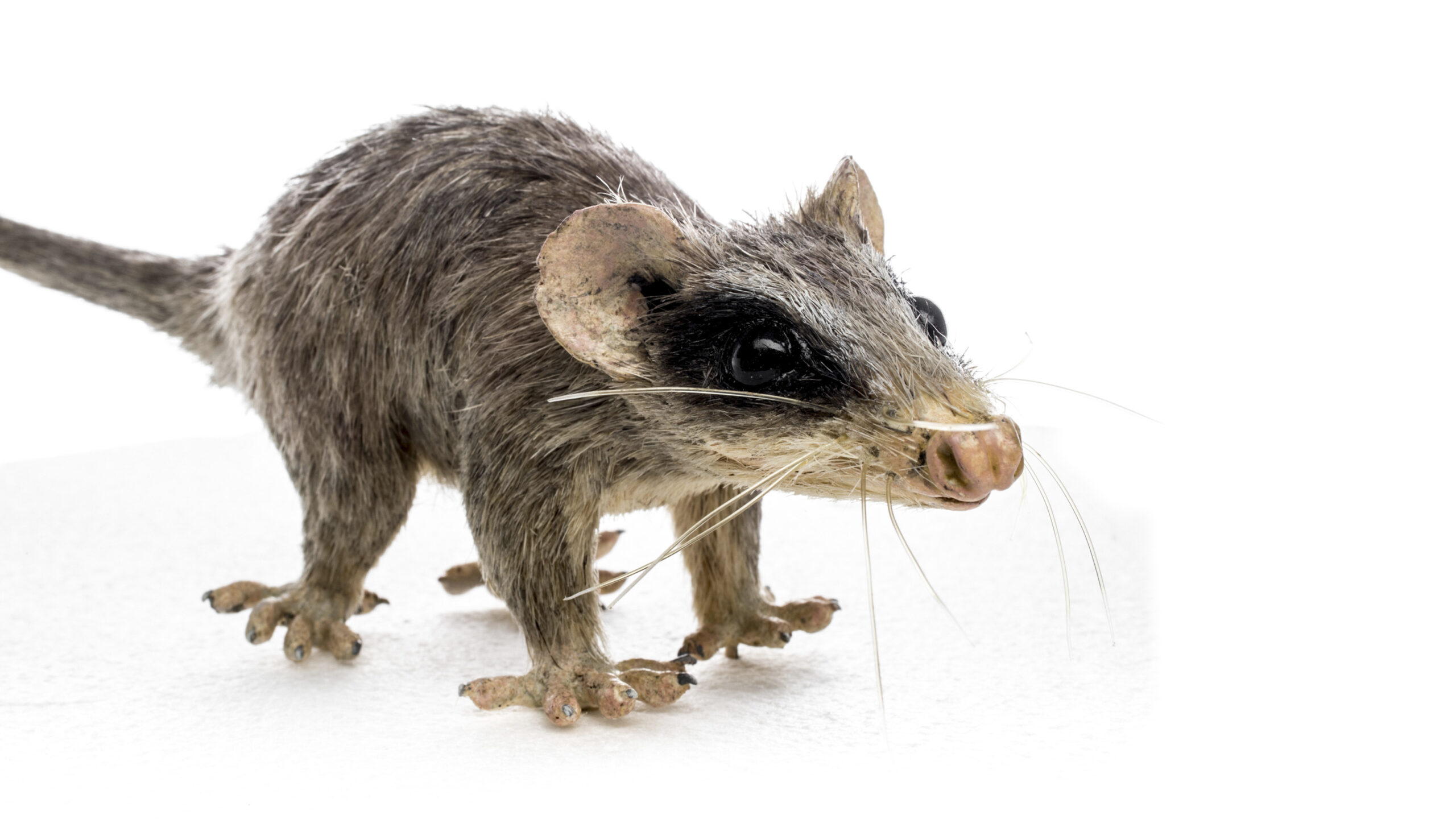
Imagine you are standing on a Cretaceous night hillside, the air warm and buzzing with insects, while a giant herbivorous dinosaur crashes through nearby ferns. If you look down instead of up, you’d spot quick, furtive movements in the leaf litter: shrew‑sized mammals darting between roots, using the darkness as their armor. You would not see a future ruler of the planet; you’d see something that looks like prey trying very hard not to be noticed.
For you, it is easy to think of dinosaurs as the main characters and mammals as background extras, but in that ancient world, being an extra was exactly the winning strategy. The big reptiles owned the open plains, the canopy, and much of the daylight. To survive, your mammal ancestors slid into the overlooked cracks of the ecosystem. They thrived in the margins, in burrows, under logs, and in places where a giant foot could not reach, quietly rehearsing for a world that had not yet arrived.
How Staying Small, Furry, and Mostly Nocturnal Saved Your Line
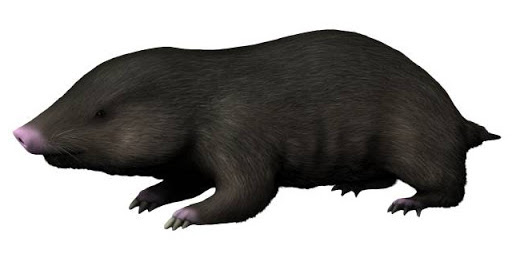
If you had to write a survival manual for the age of dinosaurs, you would not put “grow huge and walk slowly in the open” on the first page. Tiny mammals won by doing almost the opposite. They stayed small, which meant they needed fewer resources, could reproduce more quickly, and could slip into hiding places that a dinosaur could never access. In a crisis, that combination of low energy demands and physical flexibility is pure evolutionary gold.
You also inherited one of their most important adaptations: warm‑bloodedness wrapped in fur. While many dinosaurs likely had some level of warm‑blooded physiology, mammals leaned hard into it, pairing internal body heat with insulating coats and active nighttime lives. By operating in the dark and keeping their own temperature steady, your ancestors could feed, mate, and care for offspring when many predators were less active. You still see this legacy when you pull on a blanket at night or stay mentally sharp despite a chilly room; your body is echoing strategies that once helped small creatures outlast giants.
The Catastrophe That Wiped Out the Dinosaurs but Not You

Now picture the sky lighting up with a fireball as an asteroid slams into what is now Mexico, near the end of the Cretaceous period. You are living as a mouse‑like mammal tucked in a burrow or a sheltered crevice. Above you, forests ignite, shockwaves flatten landscapes, and debris launches into the atmosphere. For many large dinosaurs, this is the beginning of the end, not because of a single impact, but because the world that made their size successful is about to disappear.
When dust and aerosols darkened the sky and global climate lurched into chaos, your mammal ancestors had several advantages you would be grateful for. Their small bodies required less food in a world where plants were dying and food chains were collapsing. Their burrowing and hiding behaviors shielded them from initial blasts, fires, and falling debris. Their flexible diets, including seeds, insects, and carrion, meant they could eat what was still available when specialized giants starved. If you have ever switched careers or moved cities when your world changed, you have acted out the same principle: survive by being able to pivot when the rules suddenly shift.
The Power of Eating Almost Anything You Can Find
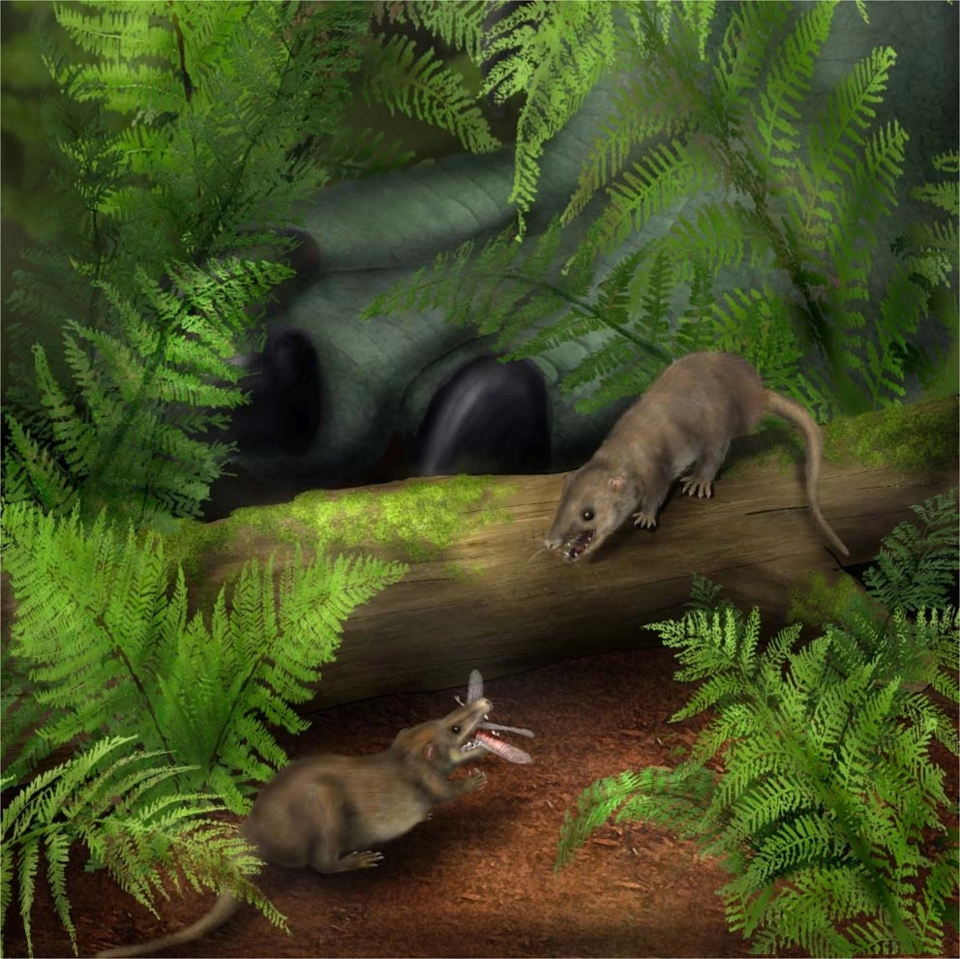
If you rummage through your own pantry, you will see echoes of ancient mammal versatility: grains, nuts, fruits, meat, and a thousand combinations in between. Your distant ancestors had a similar superpower: they were dietary opportunists. While many large dinosaurs depended heavily on specific plants or hunting conditions, early mammals could crunch seeds, chew roots, catch insects, and scavenge on leftover meat. In a crisis, that kind of flexibility is the difference between dying proud and living humble.
By not being picky, these tiny creatures kept energy flowing when ecosystems were shattered. They could survive on the underground parts of plants that took longer to die, feast on insects that fed on decay, and raid eggs or carcasses when opportunities appeared. You might think of them as the ultimate “take what you can get” survivors. Today, your own ability to digest varied foods, and your cultural habit of creating wildly different cuisines, spring from this deep history of not tying your fate to any one fragile food source.
Brains, Childhood, and the Quiet Rise of Mammalian Intelligence
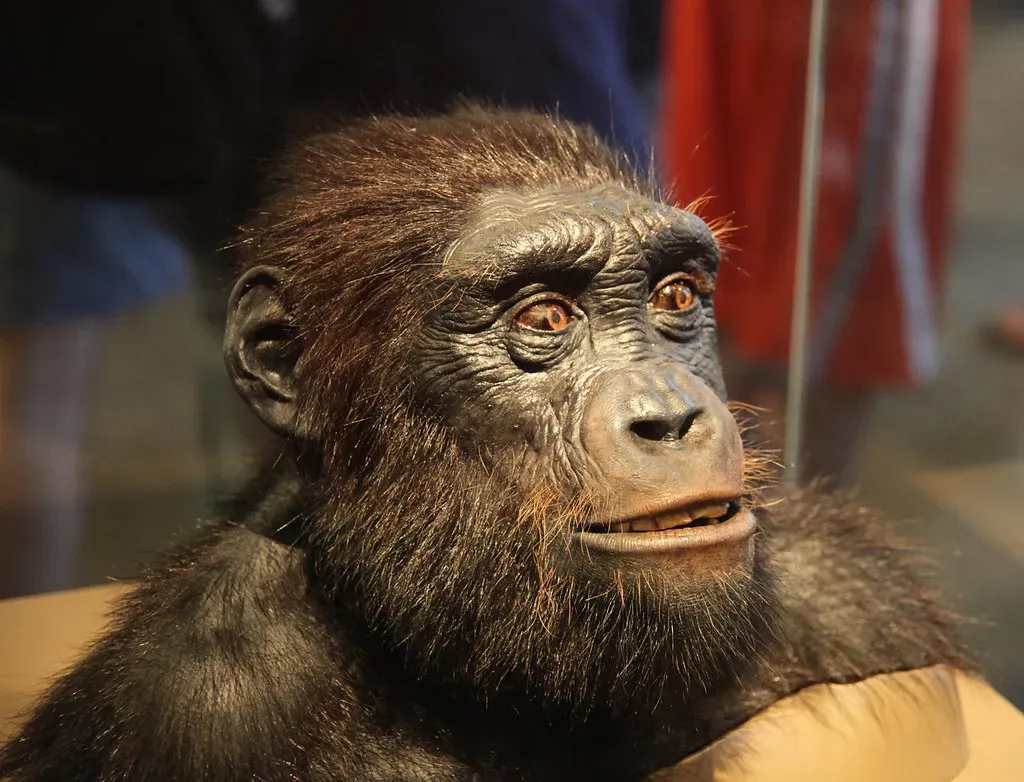
As you follow mammals past the extinction event into the new, emptier world, you start to see brains becoming one of their best investments. Early mammals already had relatively large brains for their size, helping them navigate complex night environments, remember safe routes, and learn quickly from danger. After the dinosaurs vanished, that neural hardware set them up to explore new niches and solve new problems. In evolutionary terms, it is as if your lineage had been quietly paying into a brain savings account long before it really needed to spend it.
You also inherit a very mammalian way of raising young: fewer babies at once, but with more care and protection. Extended childhood and parental care allow learning and social bonds to form, which is exactly how you now master language, culture, and technology. This strategy is risky in unstable times, yet in the post‑dinosaur world it helped your ancestors pass on knowledge about food sources, predators, and safe shelters. Next time you see a parent patiently teaching a child how to ride a bike or read a story, you are looking at a modern version of an ancient pattern that helped small mammals turn intelligence into long‑term success.
From Hidden Rodents to Whales, Primates, and Eventually You
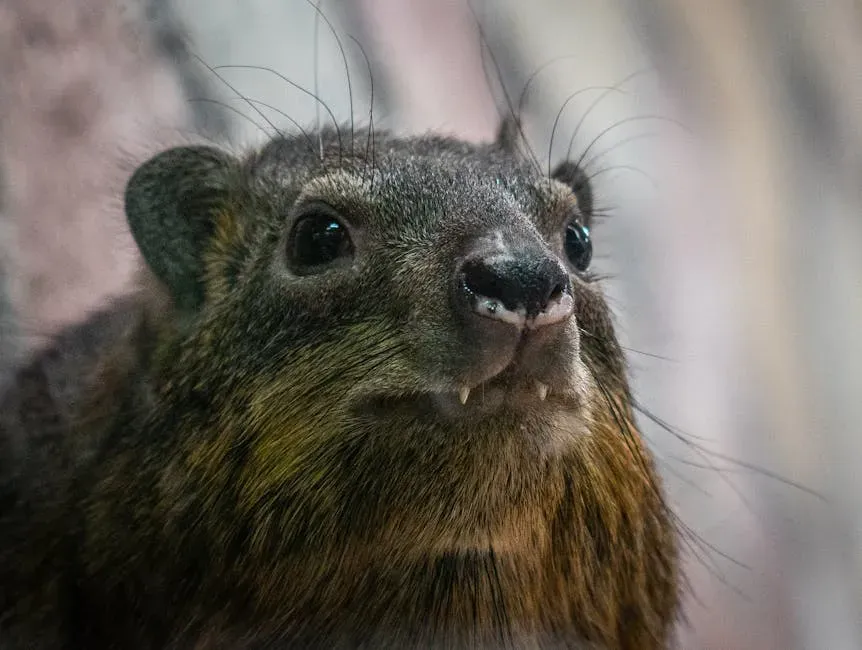
As the age of reptiles’ dominance faded, you would have watched mammals explode into forms that would have looked impossibly imaginative from a dinosaur’s perspective. Some lineages took to the trees, gliding or leaping among branches and evolving into early primates. Others returned to the water and eventually became whales, trading paws for flippers and land lungs for oceanic lives. Still others filled the roles of large plant‑eaters and predators once occupied by dinosaurs, growing into hoofed grazers and saber‑toothed hunters. The planet did not stay quiet for long; it just changed lead actors.
Your own story threads through the primate branch, where forward‑facing eyes, grasping hands, and complex social groups evolved. As climates shifted and some forests gave way to more open habitats, a few primates began walking more upright, freeing their hands, and reshaping their hips and spines. Eventually, this path leads to hominins, then to early humans, and finally to you reading this on a screen. When you stand up straight, look someone in the eye, and think about your future, you are acting out behaviors that rest on a foundation built by millions of years of mammalian innovation after the dinosaurs fell.
Why This Ancient Survival Story Still Shapes Your Life Today
If you zoom back out to your everyday life, it might be tempting to see the dinosaur extinction as ancient trivia. But the truth is, you are a walking monument to that turning point. Your warm blood, your appetite for varied foods, your habit of seeking shelter and comfort, and your dependence on family and community are all expressions of strategies that once kept fragile mammals alive under the feet of giants. Even your sleep cycle, with its strong connection to nighttime rest and daytime activity, likely carries traces of a time when moving under cover of darkness was your best bet.
There is also a sobering lesson for your present world. Dinosaurs were not doomed because they were inherently flawed; they were crushed by rapid environmental change they could not adapt to in time. Your mammal ancestors survived because they were small, flexible, and able to live with less. In an era when you are changing the climate and reshaping ecosystems at a breathtaking pace, the same rules still matter. The winners in the long run are rarely the biggest or the loudest, but the ones who can bend without breaking.
When you connect all these threads, the story of how tiny mammals outlived the dinosaurs is really the story of why you exist at all. Your body, your brain, and your habits are living fossils of a world of darkness, fire, and quiet persistence. So the next time you feel insignificant, remember that your ancestors once hid in the shadows of monsters and still found a way through. Did you ever imagine that your life today rests on the courage and cleverness of something that once fit in the palm of your hand?