You start wondering about existence much earlier than you think. Maybe it was the first time you stared at the night sky as a child and suddenly felt very small, or when you asked someone why people die and got an answer that did not really satisfy you. Questions about who you are, why you are here, and what any of this means are not just modern philosophy problems; they are some of the oldest questions humans have ever asked.
When you look back through history, you can almost trace a trail of curiosity stretching tens of thousands of years behind you. From ancient carvings and burial sites to mythic stories and early philosophy, people like you have been trying to make sense of life, death, and the universe for a very long time. You are part of that same long conversation, whether you realize it or not.
The First Sparks: When Your Ancestors Faced Death
If you really want to know when humans began asking questions about existence, you need to start with death. Imagine one of your distant ancestors, maybe a hundred thousand years ago, standing over the body of someone they loved. That is the moment when simple survival is no longer enough, when you start wondering where that person went, whether they still exist in some way, and what will eventually happen to you. Those early questions about death are probably the first real questions about existence.
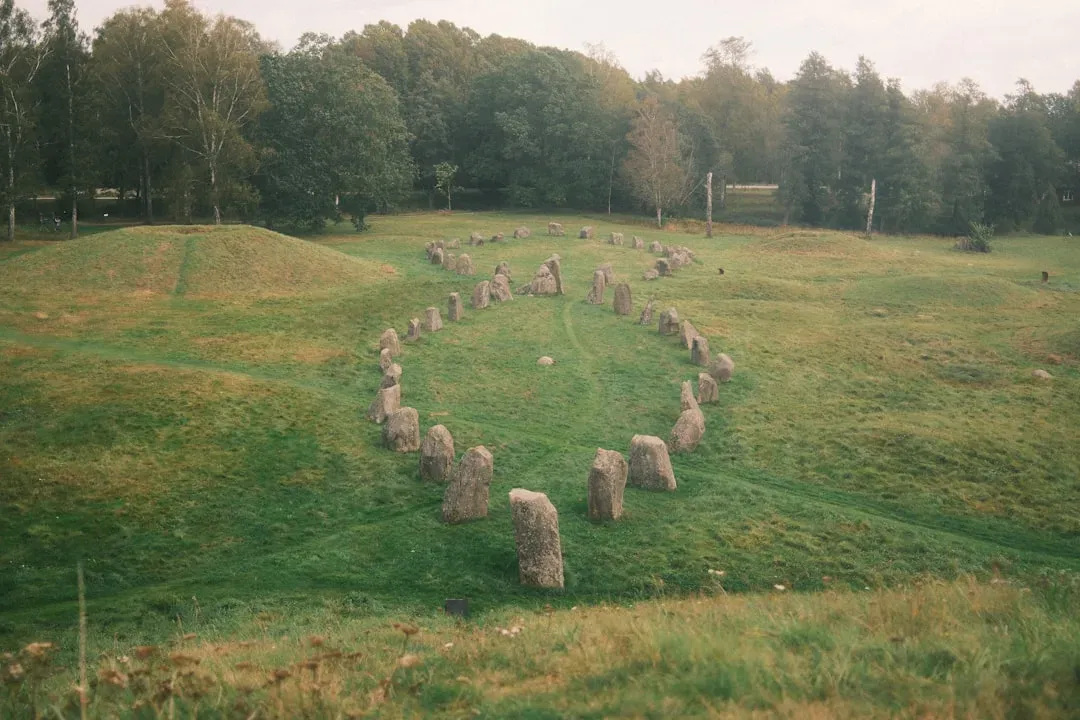
Archaeologists have found ancient graves with bodies carefully placed, sometimes with tools, ornaments, or red ochre. When you see that, you are not just looking at a burial; you are looking at evidence that someone, long ago, believed there was more to a person than their physical body. You might not know exactly what they believed, but you can feel the intention behind it: someone hoped, or feared, or wondered about what happens beyond this life. In that sense, your own questions about mortality are one of the oldest human traditions you carry.
Burial, Ritual, and the Hint of an Afterlife
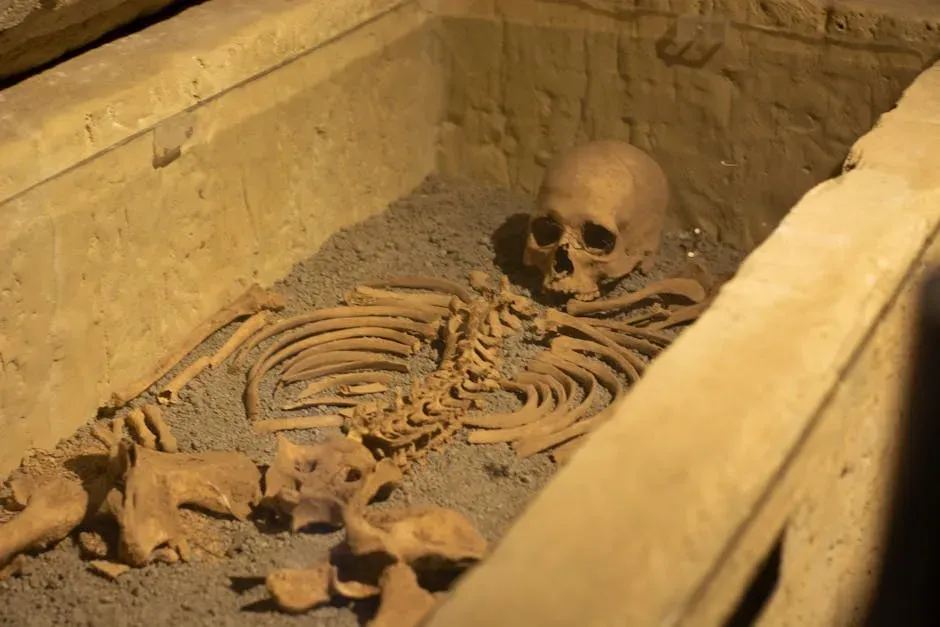
When you hear about ancient burials, it can sound abstract, like something that belongs in a museum. But if you picture yourself arranging the body of someone important to you, adding objects they loved, or painting their body with pigment, it starts to feel personal. You do not go to that trouble unless you think it matters in some deeper way. That behavior suggests that humans, including your early ancestors, were already wondering whether the dead needed protection, guidance, or offerings for a journey beyond this world.
Some of the oldest burial sites show patterns that look like ritual, not just practicality. Bodies are oriented in certain directions, surrounded by symbolic items, or placed deep in caves that feel almost like gateways. When you see patterns like that, you can infer that people were not just reacting emotionally but acting on beliefs about what existence might look like after death. You might never know the details of their ideas, but the very presence of ritual tells you they had questions, and those questions shaped how they treated the dead and, by extension, how they saw their own lives.
Cave Art and Symbols: When You Started Asking “Why?”
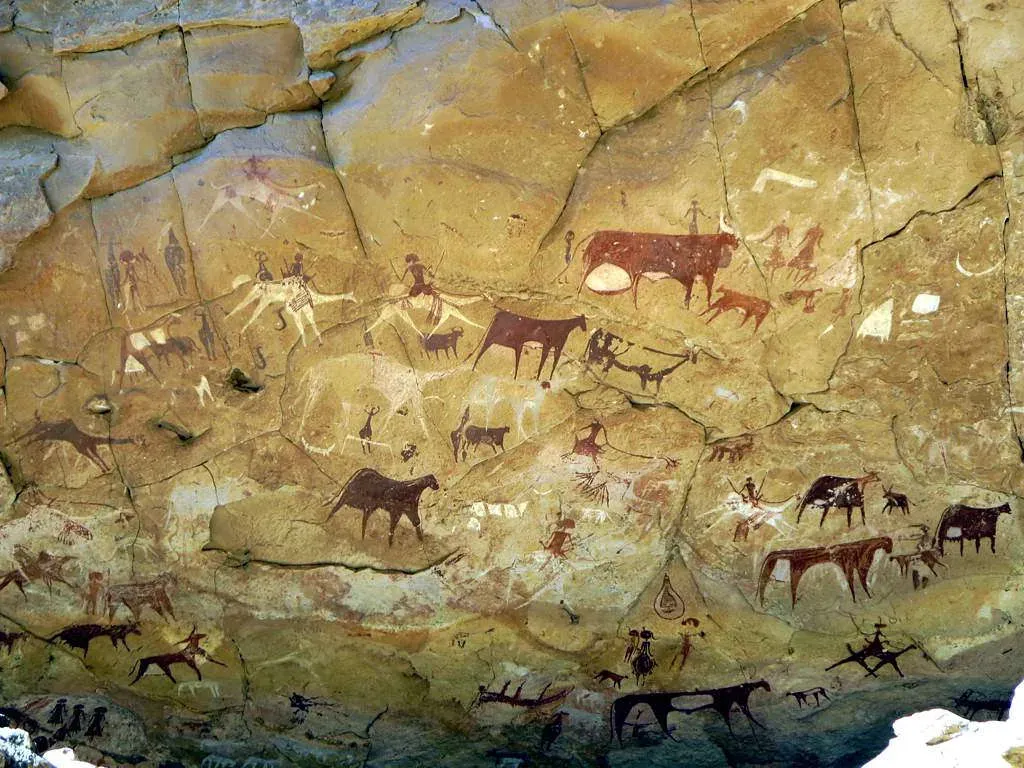
Think about the first time you doodled something that was not just a copy of what you saw, but a symbol of how you felt. Now imagine that same impulse tens of thousands of years ago on the walls of deep caves. When your ancestors painted animals, human figures, abstract shapes, and mysterious signs, they were not just decorating; they were trying to capture something bigger than what was right in front of them. That kind of symbolic thinking is tightly connected to questions like why you exist and what role you play in the world around you.
Some cave paintings are in hard-to-reach places, far from daylight, where people would have needed fire, cooperation, and intention to get there. That suggests that being in those spaces meant something special, almost like stepping into a different layer of reality. When you treat a space or an image as sacred, you are already working with ideas about meaning that go beyond daily survival. Even if you cannot translate their symbols perfectly today, you can tell that they were reaching for answers about how humans fit into the larger story of nature, spirits, and possibly something like a cosmic order.
Myths and Stories: Your First Explanations of the Universe
Long before you had science textbooks or philosophy essays, you had stories. Picture yourself sitting around a fire, listening to someone older tell you how the world began, why storms rage, or what the stars are. Those myths are not just entertainment; they are early attempts to answer exactly the questions you still ask: where did everything come from, what is your place in it, and what forces are behind the scenes. In many ways, myths are your first structured explanations for existence.
Across different cultures, you find recurring themes: the world emerging from chaos, a cosmic egg, a giant tree linking different realms, or divine beings shaping humans from clay or dust. When you see that many distant cultures came up with different versions of the same big ideas, you realize something important: people like you have always tried to fit life into a story that makes sense. Even if you no longer take old myths literally, they reveal how deeply your mind cares about meaning, origins, and purpose.
Philosophy Is Born: When You Start Questioning Your Own Beliefs
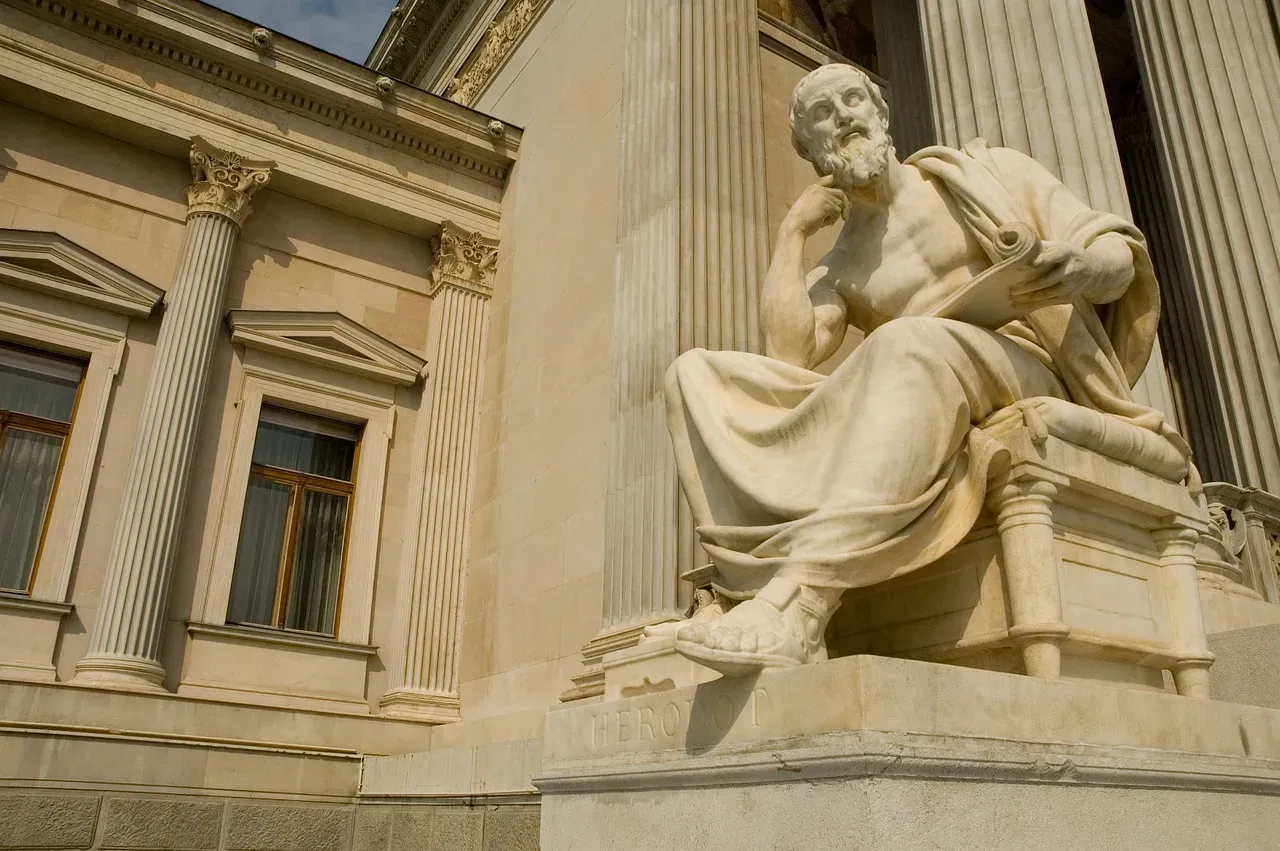
At some point, your questions about existence moved from stories told by others to thoughts you wrestled with directly. Imagine living in a society where the gods, rituals, and traditions are all taken for granted, and then one day you start asking whether those beliefs are actually true. That is where philosophy begins: not in agreement, but in doubt. When you ask what reality really is, what can be known, and what a good life looks like, you are stepping into the same kind of inquiry that early philosophers pushed forward.
In different ancient cultures, thinkers began to separate observation, reason, and argument from myth, even if they still respected tradition. When you wonder whether the world has a purpose or is just the result of chance, you are echoing debates people had in early philosophical schools. They argued about whether the universe is made of matter, ideas, or something else entirely, and whether your soul is separate from your body. By doing so, they turned vague feelings of wonder into structured questions you are still using today when you talk about existence.
Religion and Existential Meaning: Your Search for Purpose

When you look at religious traditions, you might see rules, rituals, or institutions, but underneath all that there is usually something deeper: a framework for answering your hardest questions about existence. Religions across the world grapple with where you came from, why there is suffering, what makes a life meaningful, and what happens when you die. Whether or not you follow a religion yourself, you live in a world deeply shaped by centuries of people turning to spiritual systems for answers those questions stirred up.
For many people, religious beliefs provide a kind of map: you are told there is a creator, a purpose for your life, moral expectations, and some form of continuation after death. Even if you eventually step away from those beliefs or reinterpret them, they may have given you your first language for talking about the big questions. And when you struggle with doubt, tension, or disagreement inside a religious worldview, that struggle itself is part of your ongoing search for meaning, not a failure of it.
The Modern Turn: When You Feel Alone With Your Questions
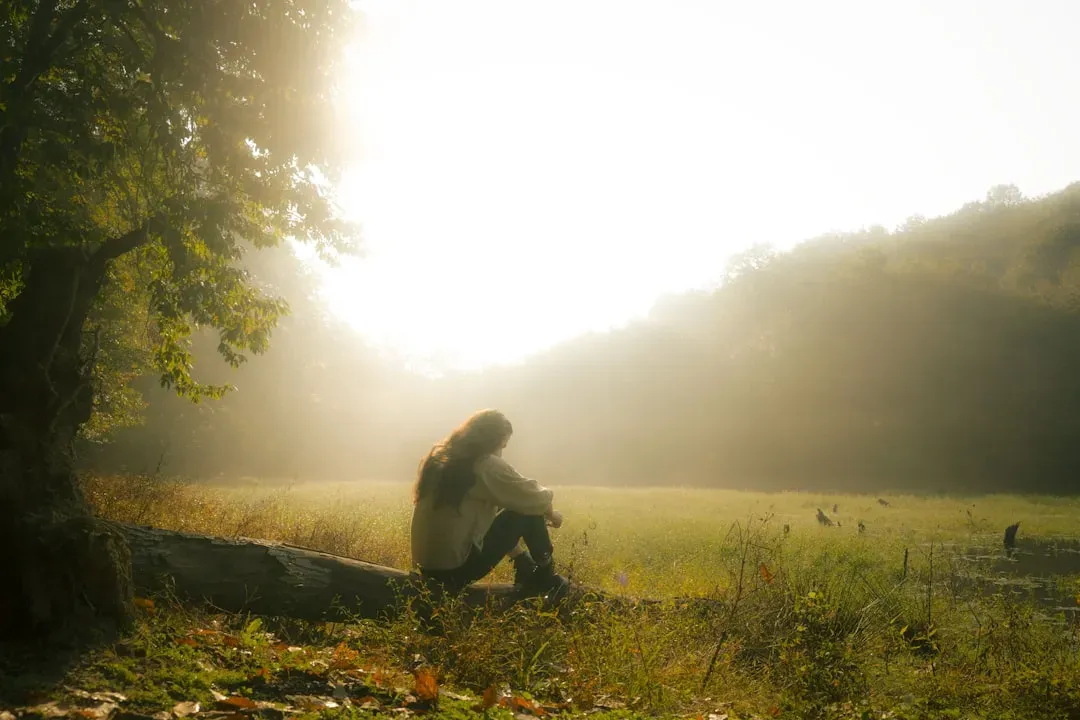
In the modern world, you are surrounded by more information than any previous generation, but that does not necessarily make your existential questions easier. If anything, it can make them sharper. You might see scientific explanations for the universe, psychological insights about the mind, and social theories about why people behave the way they do, and still feel a quiet ache of uncertainty. Science can tell you how things work; it often does not tell you why you should care, or how to live with the knowledge that your life is finite.
Many modern thinkers have focused on that feeling directly: the sense that you are small in a vast, possibly indifferent universe, and yet you still care deeply about love, justice, creativity, and truth. When you ask what the point of it all is, or how to create meaning in a world that does not hand you a ready-made story, you are part of that modern wave of existential questioning. The difference now is that you may feel more individually responsible for your answers, rather than simply inheriting them from your culture.
Your Own Life: Continuing the Oldest Human Conversation

All of this history matters because it leads back to you, right now, reading and wondering. When you lie awake at night thinking about whether your choices matter, whether you have wasted time, or what legacy you will leave behind, you are not just having random worries. You are taking your place in one of the most ancient and human conversations there is. Every time you ask yourself who you want to be, you are quietly working on your personal answer to the question of existence.
You may never get a final, neatly packaged solution, and that is actually normal. What you can do is notice that these questions have always been part of being human, and they do not have to isolate you. You are allowed to look to stories, science, philosophy, spirituality, art, and your own experiences for pieces of an answer. In the end, your life becomes the way you respond to these questions in practice: how you treat others, what you create, what you stand for, and how honestly you face your own limits.
Conclusion: You Have Always Been Asking
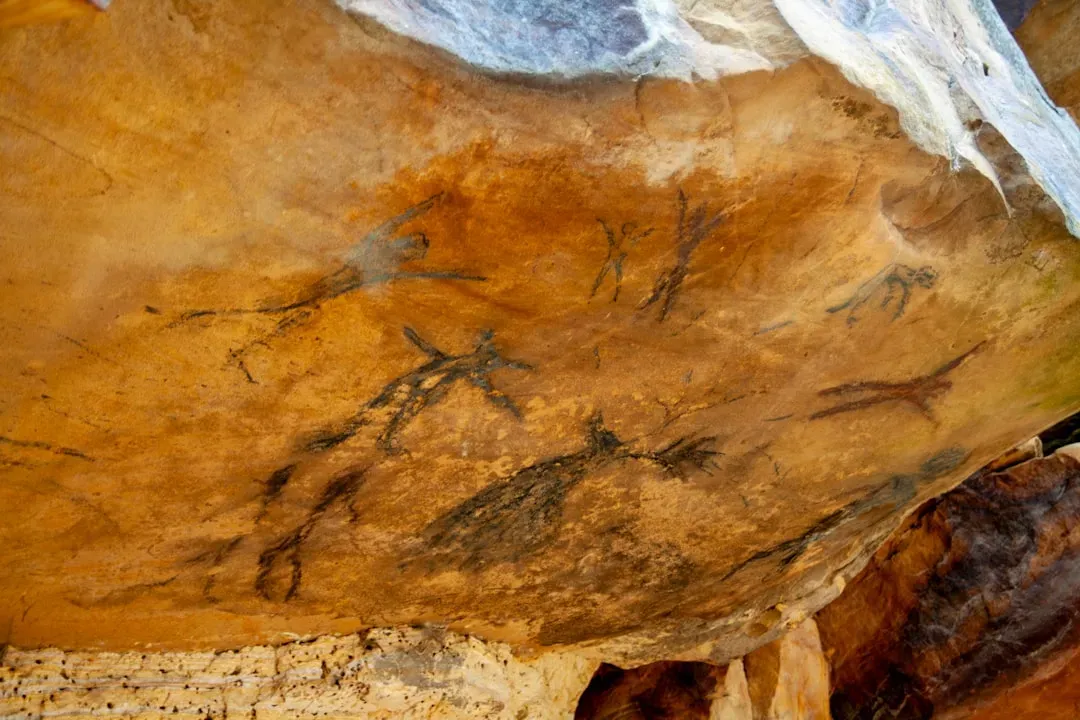
When you pull all of this together, you see that humans did not suddenly start asking about existence at one single moment in time. Instead, those questions slowly unfolded as your ancestors buried their dead, painted on cave walls, told myths, invented philosophy, and built spiritual and scientific systems. You inherit all of that, whether you grew up religious, secular, spiritual, or somewhere in between. Your own confusion or curiosity is not a late glitch; it is part of the original design of being human.
So when you catch yourself wondering what any of this means, you are not lost or behind; you are actually standing in a very old tradition that stretches back as far as we can trace. The real challenge is not to get rid of those questions, but to let them shape the way you live, create, and connect with others. You may never know exactly when the first human asked why we exist, but you are living proof that the question is still alive. If you listen closely, what is your life quietly saying in response?