If you grew up picturing dinosaurs as movie monsters stomping across distant jungles, the real story waiting for you is much stranger and far more exciting. Out in the open deserts and badlands, where wind strips the land down to bone, you can literally walk across the buried history of entire lost worlds that once covered this part of North America. The ground beneath your feet in places like Montana, Wyoming, Colorado, and Utah has given scientists some of the most important clues about how dinosaurs lived, fought, raised their young, and even died out.
As you start to look more closely at these discoveries, you realize something surprising: the West is not just a backdrop for dinosaur adventures, it is the main stage. Here, you find the first nearly complete skeletons, the most famous predators, the largest plant‑eaters, and even direct evidence of dinosaur behavior frozen in rock. By the time you reach the end of these five discoveries, you may never look at a Western road trip the same way again.
The First Nearly Complete T. rex from Montana
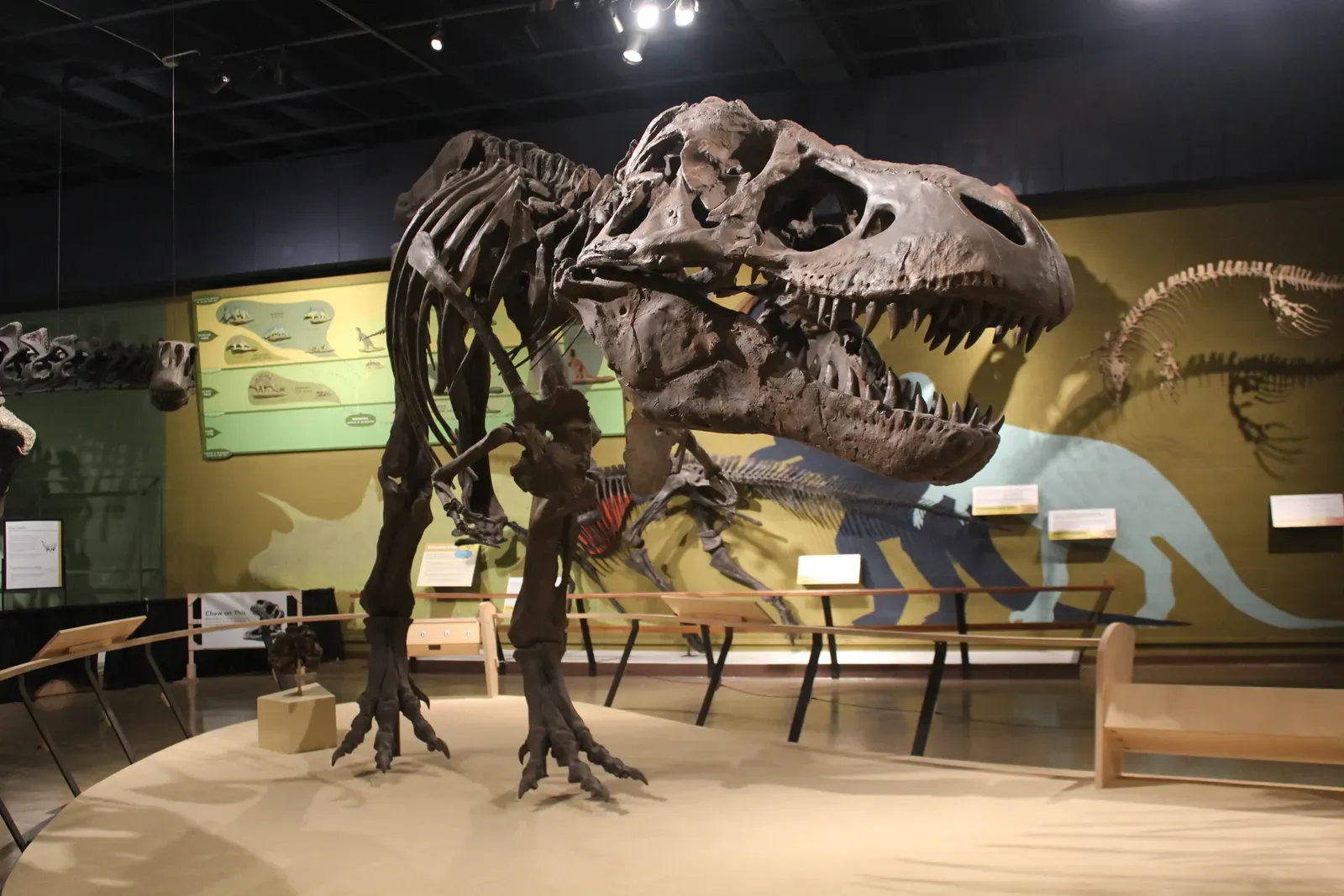
When you think of dinosaurs, you probably picture a towering Tyrannosaurus rex, and one of the most important specimens of this animal was pulled from the rocks of eastern Montana. In the early 1990s, a remarkably complete T. rex skeleton, often referred to by its nickname “Sue,” was unearthed in the Hell Creek Formation, a layer of rock that preserves the very last days of the dinosaurs in what is now the northern Great Plains. You can imagine what it felt like to realize that instead of scattered bones, you suddenly had most of the skeleton of one of the largest predators to ever walk on land.
For you as a modern visitor or reader, this Montana T. rex changes how you picture these animals. Instead of a vague shape, you get precise measurements of skull size, bite strength, and even hints of how its muscles attached. When you see a T. rex mount in a museum today, the overall proportions and posture are often based on this and a handful of other key Western skeletons. You are essentially looking at a deadly puzzle that the rocks of Montana allowed scientists to almost completely solve.
Utah’s Giant Sauropods: Walking Skyscrapers of the Jurassic
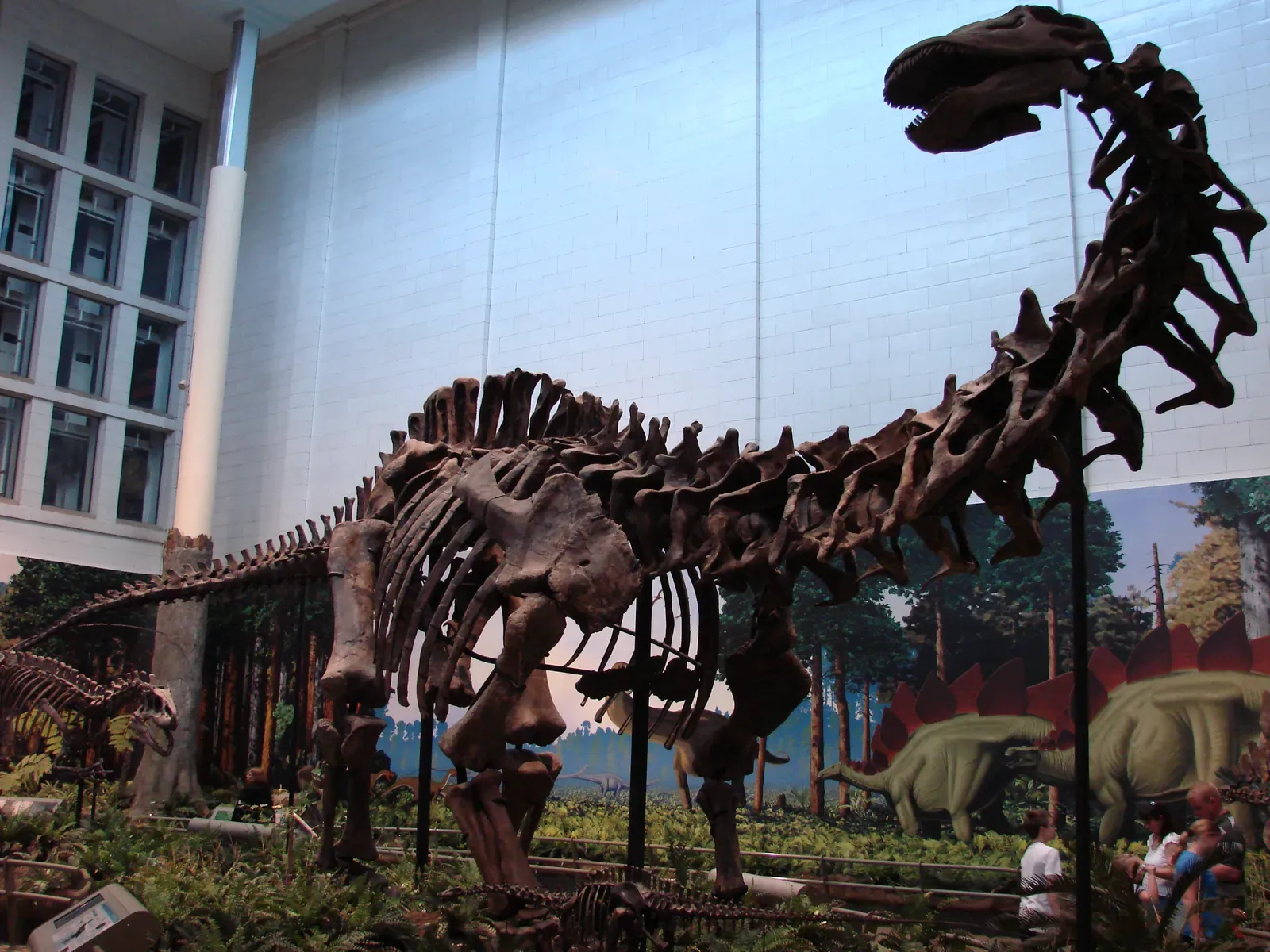
If you drive through eastern Utah today, you might see low desert shrubs, red cliffs, and empty sky, but in the Jurassic Period this region was home to some of the largest animals that ever lived on land. In places like Dinosaur National Monument and the Morrison Formation, you find long‑necked sauropods such as Apatosaurus, Diplodocus, and Brachiosaurus, creatures so massive that you could line up several cars along the length of a single animal. You can stand on a quarry floor in Utah and look up at a wall of embedded bones that once belonged to these walking skyscrapers.
When you picture these sauropods, Utah’s discoveries give you more than just size; they give you a sense of community and landscape. You see multiple skeletons packed together, telling you that these animals sometimes died in groups, maybe from droughts or floods. You can trace trackways where huge feet crushed ancient mud, showing you how these giants moved across river plains. Instead of imagining a lone giant in a vague jungle, you can place entire herds of long‑necked dinosaurs roaming what would eventually become the American West you know today.
Dinosaur Trackways in Colorado and Wyoming: Footprints of a Lost World
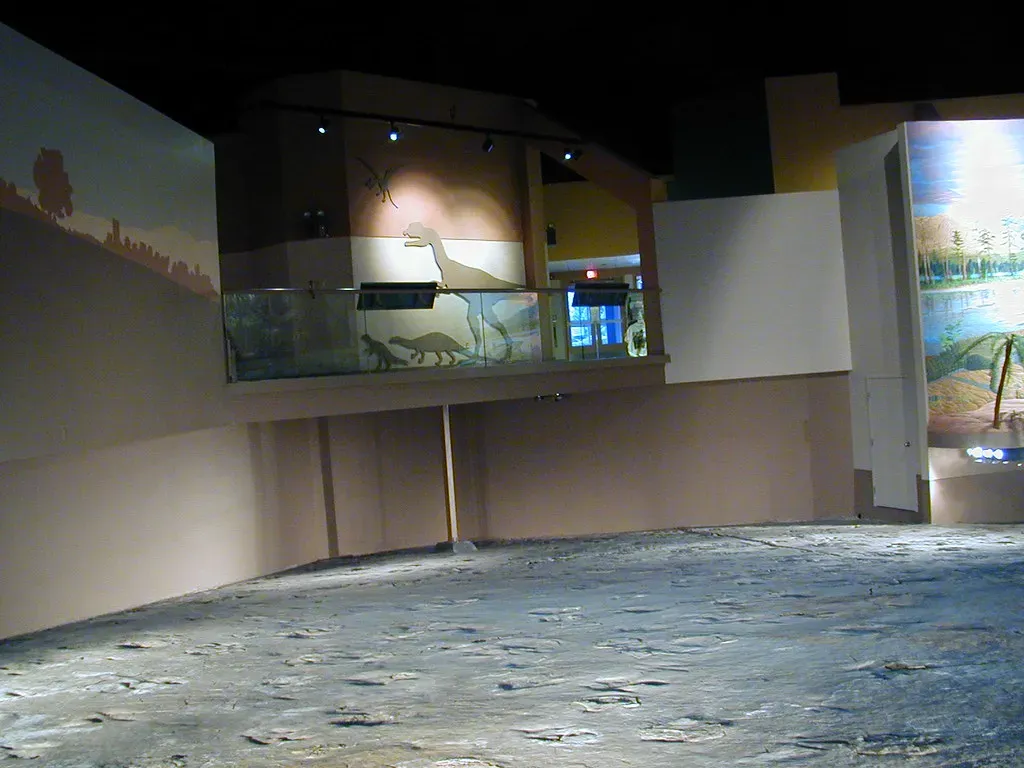
Sometimes the most powerful evidence is not a skeleton at all, but a footprint. In Colorado and Wyoming, you can follow dinosaur trackways that stretch across tilted rock slabs like frozen highways, recording moments that lasted only seconds when they were first made. These tracks belong to everything from three‑toed meat‑eaters to huge plant‑eaters and even small, agile dinosaurs that might remind you of large birds racing across wet ground. Each set of tracks is like a sentence in a story written in mud and later turned to stone.
As you study these Western tracksites, you can actually reconstruct scenes from the past in a way bones alone cannot. You see parallel lines of tracks that hint at animals moving together, suggesting herding or group behavior that would matter for survival. You can compare large and small footprints that overlap, making you wonder if predators followed prey across the same floodplains. For you, this means that dinosaurs stop being static skeletons and start becoming moving, reacting animals whose choices left marks you can still stand inside with your own shoes.
Hell Creek’s Mixed Fossil Beds: Life Right Before the Impact
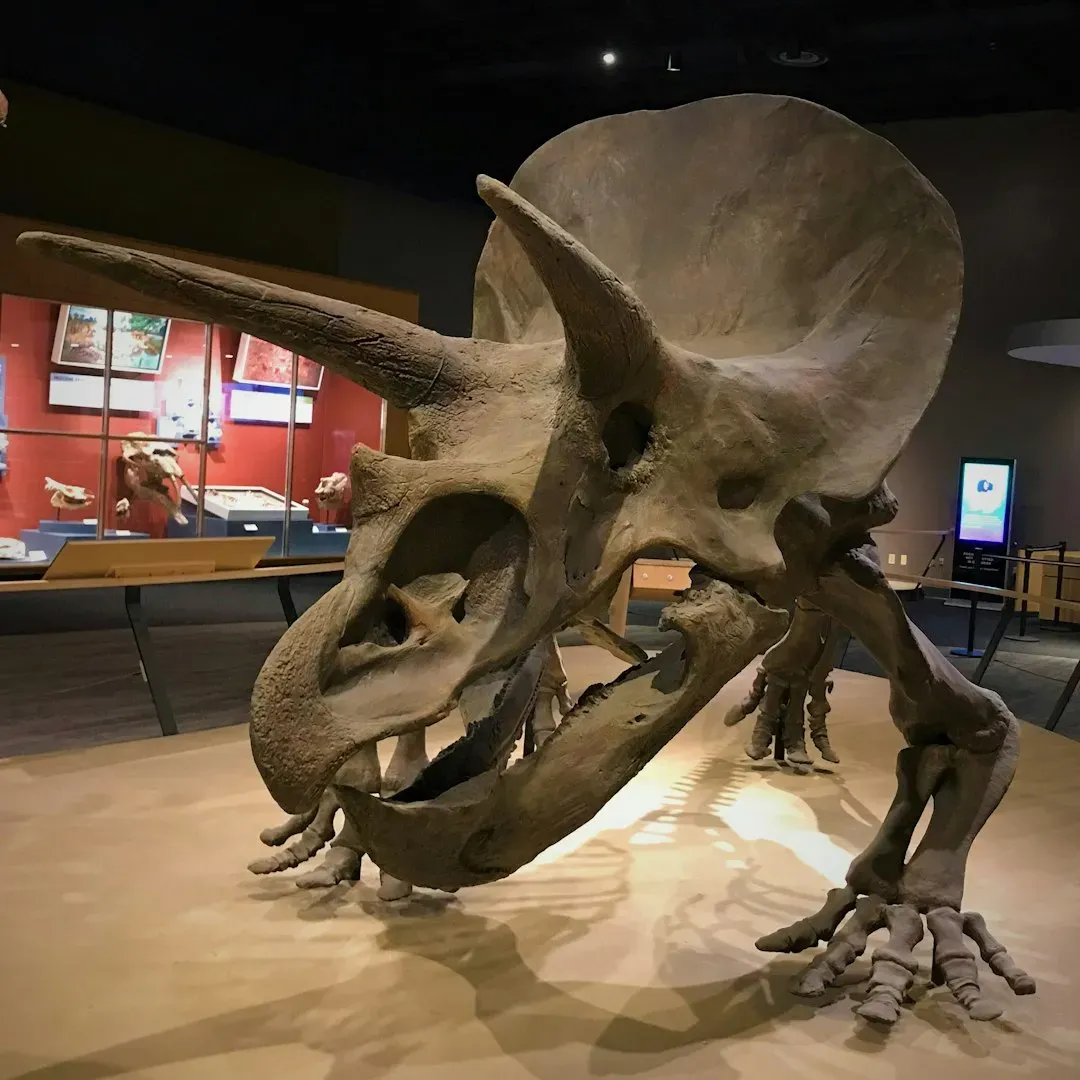
If you want to know what the world looked like in the final chapter before the asteroid impact that ended most dinosaur lineages, you turn to places like the Hell Creek Formation in Montana, North Dakota, South Dakota, and Wyoming. In a single slice of rock here, you find fossils of T. rex, horned dinosaurs like Triceratops, duck‑billed hadrosaurs, small mammals, turtles, crocodiles, and ancient plants, all jumbled together in layers that represent rivers, floodplains, and forests. It is as if someone pressed pause on the last few million years of the Cretaceous and handed you the remote.
When you look at these mixed fossil beds, you are not just looking at individual species, you are peeking into a complex ecosystem. You can see what top predators were eating by studying bite marks and tooth scratches on bones. You can infer what the climate felt like by analyzing fossil leaves and pollen, clues that reveal warmth, humidity, or seasonal changes. For you, Hell Creek turns abstract talk about the end of the dinosaurs into a vivid sense of place, making the final days before the impact feel uncomfortably real and close.
Dinosaur Nests and Eggs from the Western Badlands
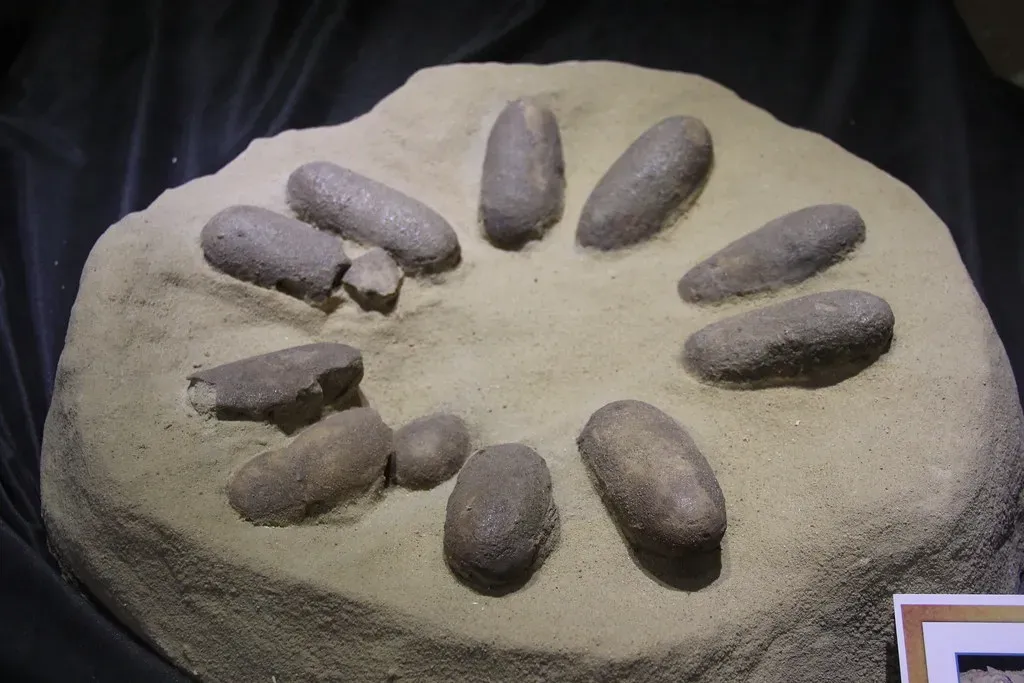
You might assume that dinosaur fossils mostly show you death, but in parts of the American West, they also show you life in its earliest and most fragile form. In areas of Montana and other Western states, scientists have uncovered dinosaur nesting sites where eggs, hatchlings, and even traces of nest structures appear together. Some of these belong to duck‑billed dinosaurs and small, bird‑like species, and they give you a direct window into parenting behaviors that once played out on ancient riverbanks and floodplains.
As you picture these nesting grounds, you start to see dinosaurs not just as monsters, but as animals that guarded their young, returned to the same sites, and sometimes raised entire broods in crowded colonies. You can imagine adults standing watch while tiny hatchlings moved around within the nest area, much like seabird colonies you might see on cliffs today. For you, these Western egg sites quietly rewrite the emotional side of the dinosaur story, showing that care, vulnerability, and family life were part of their world long before mammals like you ever appeared.
The Bonebeds of Alberta’s Extension into the American West
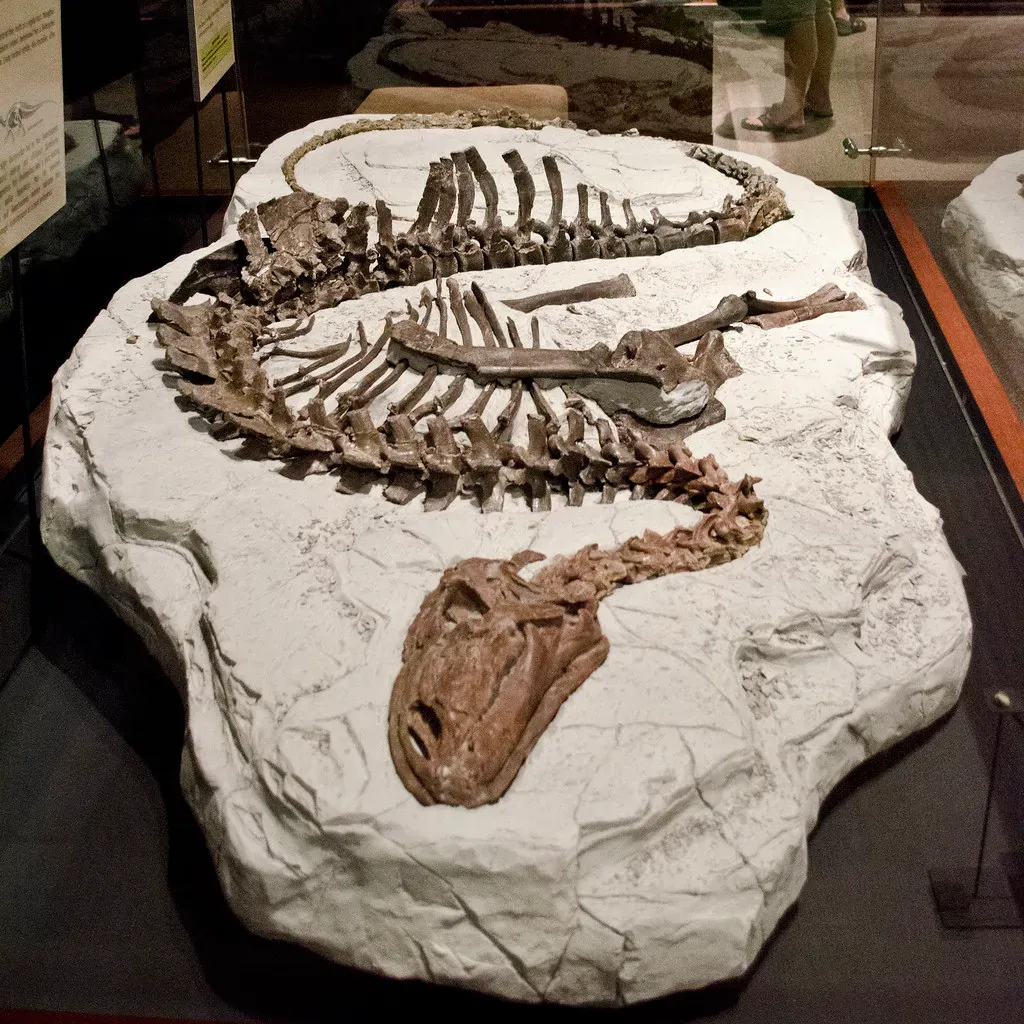
Even though some of the richest dinosaur bonebeds lie just across the Canadian border in Alberta, similar types of deposits extend into the northern reaches of the American West, especially in Montana. In these mass bonebeds, you can find the remains of dozens or even hundreds of animals of the same species clustered together, often from horned dinosaurs or duck‑billed plant‑eaters. When you stand at the edge of one of these sites, it feels like walking into a crime scene where the victims are all from one kind of animal and the cause of death has to be carefully pieced together.
For you as a curious observer, these bonebeds raise big questions about behavior and catastrophe. Did these dinosaurs live in large herds that were wiped out by drought, floods, or sudden toxic events? Were they drawn to a shrinking water source in a harsh season, only to die together when conditions tipped over the edge? As scientists study the patterns of bones, ages, and injuries, you get closer to understanding not just how single dinosaurs died, but how entire communities could disappear in a moment, leaving behind a layered fossil record for you to interpret.
When you step back and look across these five discoveries, you start to see the American West as a kind of open‑air archive of dinosaur life, death, and everything in between. From the terrifying bulk of T. rex in Montana to the impossibly long necks in Utah, from Colorado’s footprints to Hell Creek’s crowded ecosystems and fragile nests, each site gives you another piece of a story that is still being written. The West that you drive through today, with its highways, ranches, and small towns, rests on top of worlds that rose and fell long before humans existed.
As new fossils continue to erode out of hillsides and badlands, you are living at a time when fresh discoveries can still overturn old ideas in a single field season. The next great dinosaur find might be sitting a few centimeters below the surface of a dusty trail you hike on vacation. So the real question you might carry with you is this: when you look out at those empty Western horizons now, will you still see open space, or will you start to imagine the ancient shadows walking there first?