
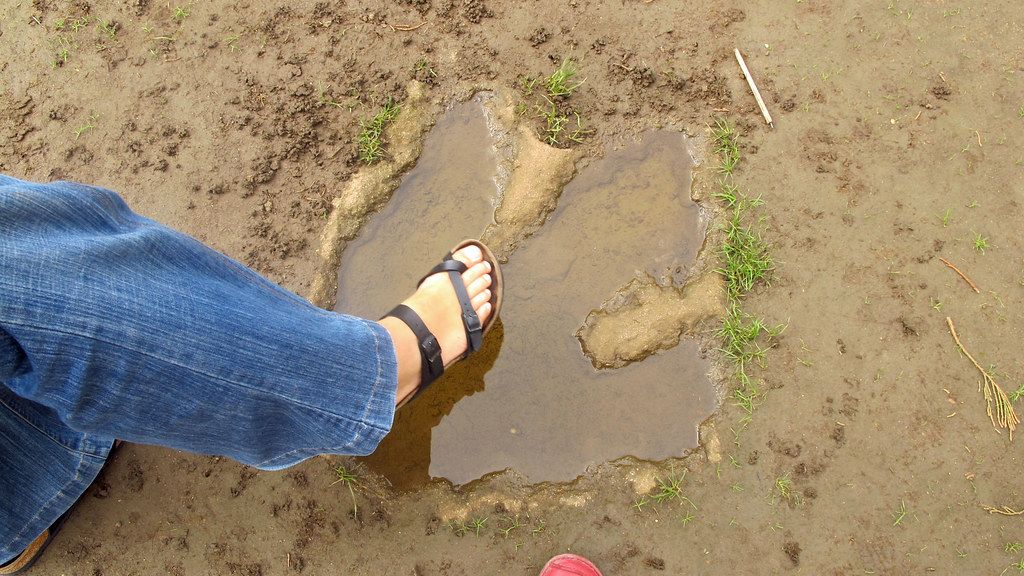
If you’ve ever stood in a muddy field and watched your own footprint slowly wash away in the rain, it’s almost impossible to imagine that dinosaur tracks could survive not just for days, but for tens of millions of years. Yet all over the world, there are rocks that still hold the frozen steps of ancient animals, as if someone hit pause in the middle of the Mesozoic. When you start to understand how fragile those moments were in real time, the fact that you can still see them now feels almost miraculous.
In this article, you’re going to walk – literally and mentally – through nine types of geological settings where dinosaur tracks have been preserved in extraordinary detail. You’ll see how mudflats turned into stone pages, how deserts held on to fleeting impressions in sand, and how riverbanks quietly archived rush hours from the Age of Dinosaurs. Along the way, you’ll get a feel for how to “read” the rocks yourself, so that the next time you see a trackway in a museum, or maybe on a trail, you’ll recognize the story the ground is trying to tell you.
Coastal Mudflats: Where Tidal Muck Turned into Time Capsules
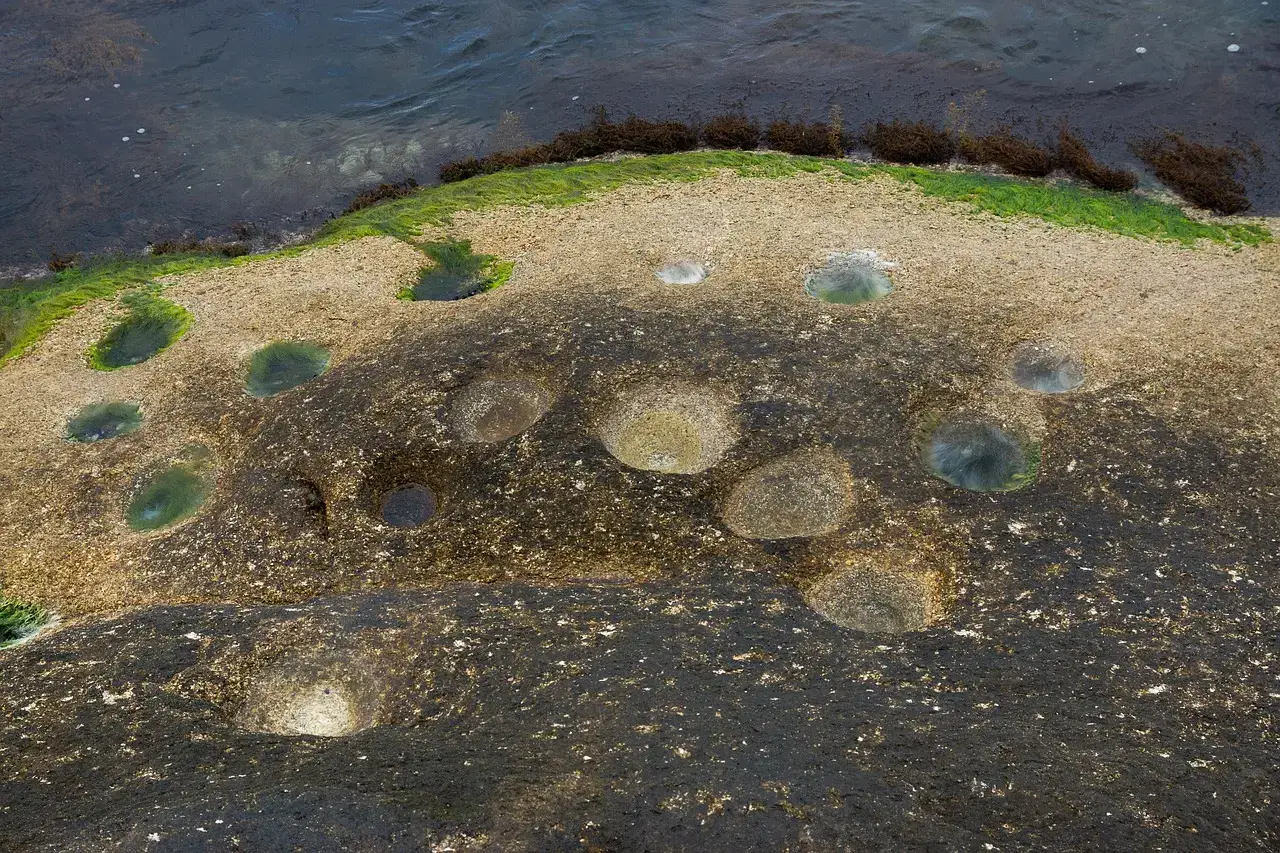
Imagine a broad, sticky shoreline at low tide, the kind where every step pulls at your feet and leaves a deep, wet print. That’s the kind of environment that has preserved some of the clearest dinosaur footprints on Earth. On ancient coastal mudflats, dinosaurs wandered in search of food, waded through shallow water, and sometimes even ran, leaving behind crisp impressions in fine, water-saturated sediment. Because the mud was cohesive and soft, it captured the shape of toes, claws, and even skin textures with surprising precision.
What turned this messy, living surface into a fossil snapshot was timing. If a thin layer of sand or silt washed in soon after a dinosaur passed, it protected the footprints before waves and wind erased them. Over time, layer after layer of sediment piled on top, gradually squeezing water out and turning loose mud into shale or sandstone. When you see a trackway today carved out on a rocky coast or exposed in a quarry, you’re often looking at the underside of an old shoreline, like peeling up a page and discovering someone’s footprints on the back.
River Floodplains: Dino Highways Along Ancient Waterways
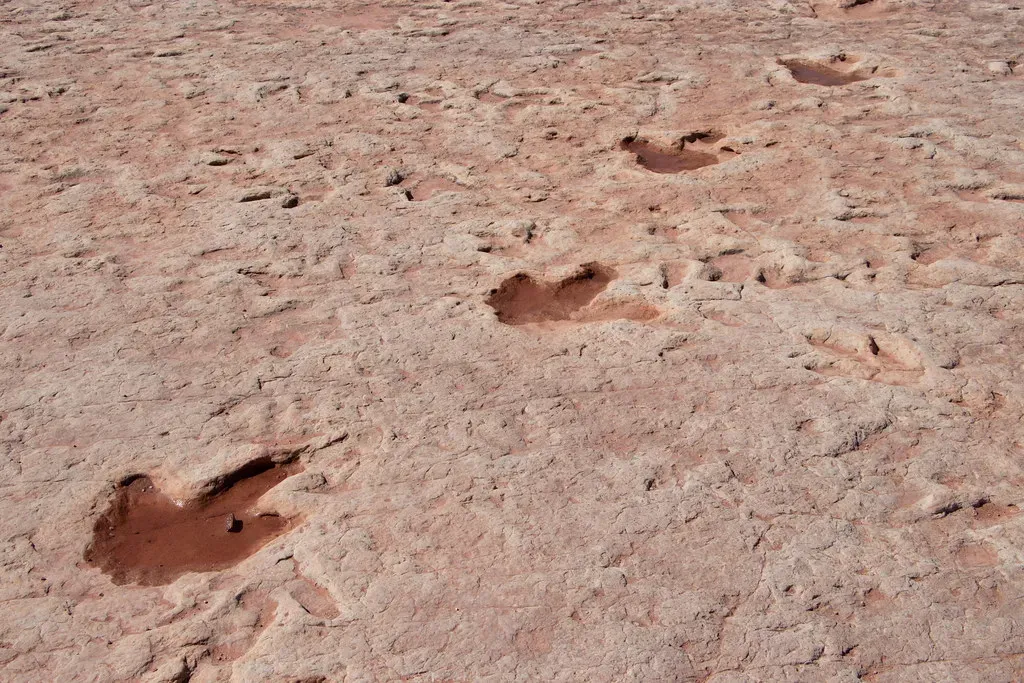
If you want to picture where dinosaurs actually spent a lot of their time, look to ancient river valleys and floodplains. These were the green belts of the Mesozoic world, full of vegetation, water, and therefore life. As dinosaurs moved along river margins, crossed shallow channels, or followed seasonal migration routes, they left overlapping footprints on damp sand and mud. In some fossil localities, you can stand in one spot and see dozens of intersecting trackways, like a prehistoric traffic roundabout pressed into stone.
Floodplains are especially good at preserving tracks because they flood and dry in cycles. When a river rose, it spread a fresh blanket of silt and fine sand over low-lying areas, often draping a new layer over existing footprints and sealing them off. Later, as the floodplain dried and hardened, those buried tracks were safe from most erosion. Millions of years later, when rivers cut down through their old floodplains, those track-bearing layers were sliced open and exposed, allowing you to walk along what were once well-trodden dinosaur paths beside ancient channels.
Lakeshores and Playas: Quiet Edges with Startling Detail
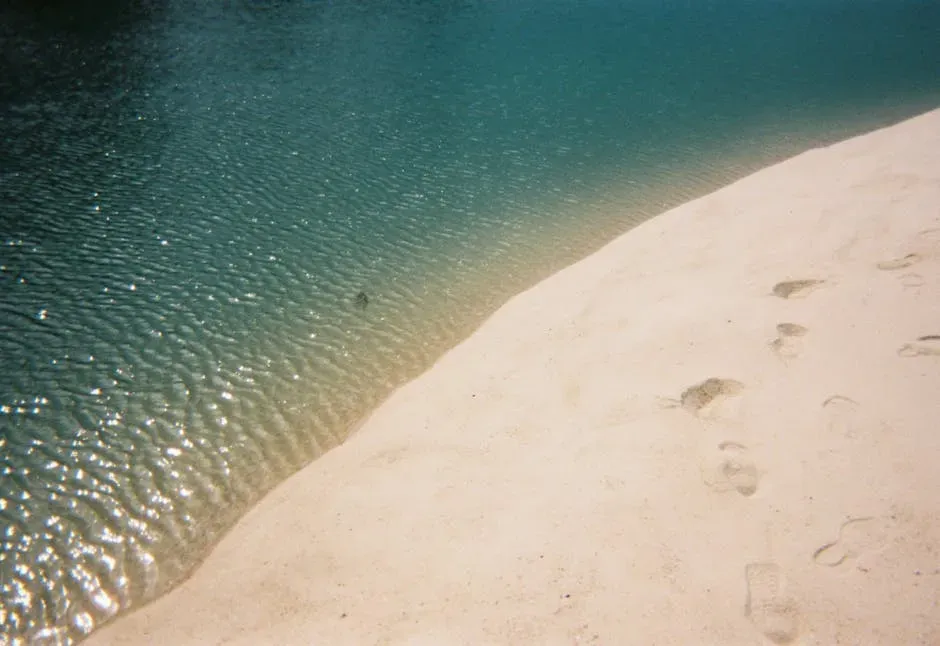
Not all dinosaur footprints come from roaring rivers and busy coasts; some of the most delicate tracks were made along the calm margins of lakes and ephemeral playas. Picture a broad, shallow lake that shrinks during a dry season, leaving behind smooth, fine-grained mud on its edges. Dinosaurs visiting for a drink or to forage along the shoreline would leave surprisingly sharp, neat impressions. Because lake-bottom sediments are often very fine – more like clay than sand – they can preserve fine details like pad outlines and subtle weight shifts between steps.
The key advantage of lake and playa environments is the absence of constant waves or strong currents. Once footprints formed on the wet surface, a quiet period allowed the mud to dry and stiffen just enough to hold their shape. The next rise in water or a dusting of sediment from a storm could then bury those prints under a thin protective cover. Over long timescales, as those lake beds turned into layered rock, individual track horizons became like pages in a book, letting you see not just one visit by dinosaurs, but repeated episodes of activity as lakes advanced and retreated.
Desert Dune Fields: Footprints Frozen in Ancient Sand Seas
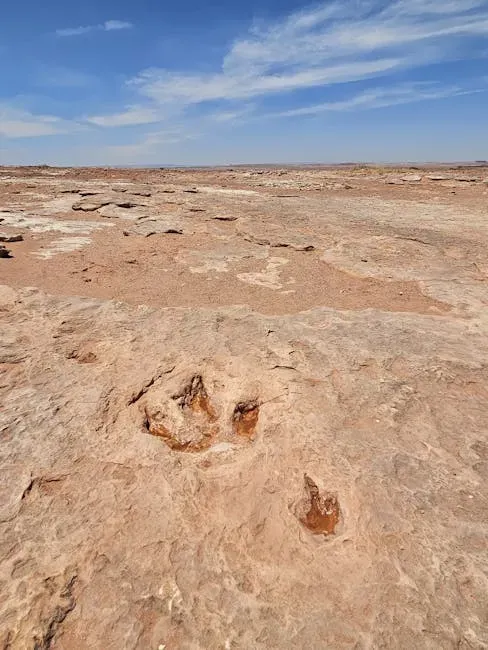
It might surprise you, but deserts can be fantastic archives of dinosaur tracks. In ancient dune fields, where wind piled sand into towering ridges, occasional damp or semi-wet surfaces on dune slopes captured fleeting steps. When a dinosaur walked across a slightly moist dune face, its feet compacted the sand grains in a way that made those impressions more resistant than the looser sand around them. Later, as new dunes migrated over the top, they sealed and protected that compacted layer like a hidden footprint sheet in the middle of a layered cake.
Over immense spans of time, groundwater and minerals cemented these sand dunes into solid sandstone, preserving not just tracks but the original cross-bedded structure of the dunes themselves. When erosion slices into these ancient dune fields today, you can sometimes see trackways running across formerly sloping dune faces or along interdune flats. Standing there, you’re looking at the stone remains of an entire sand sea, with dinosaur footprints like graffiti on the walls of a long-vanished desert.
Swampy Deltas and Marshes: Sinking Steps in Organic-Rich Muds
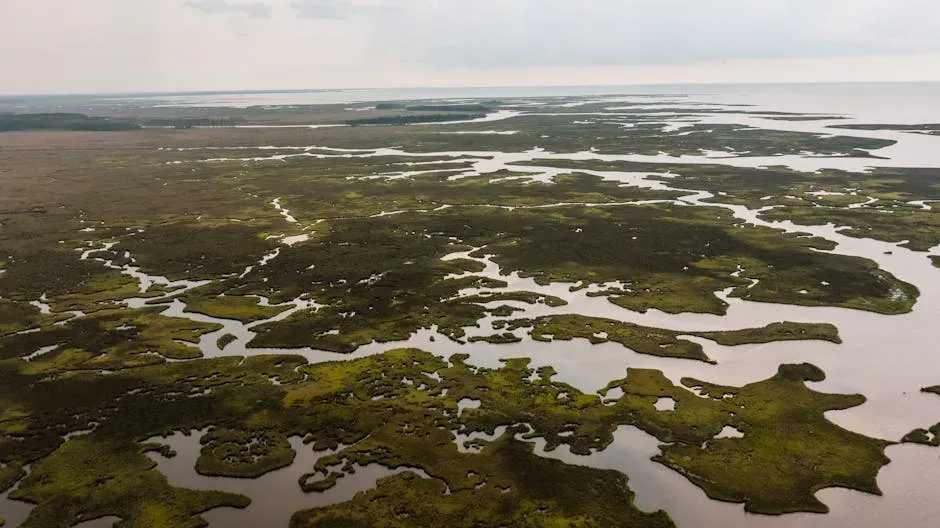
At the mouths of ancient rivers, broad deltas and marshy wetlands created complex mosaics of channels, islands, and mudflats. These areas were often teeming with plants and animals, from towering conifers to crocodile-like reptiles and, of course, dinosaurs. When dinosaurs trudged across these soggy surfaces, their feet sometimes sank deeply into organic-rich mud, leaving three-dimensional impressions rather than just surface prints. Those deeper structures could survive trampling, minor erosion, and even partial reworking of the surface.
What makes these swampy deposits special is the mix of mud, sand, and plant material. As the sediment accumulated and decayed plant matter got buried, the ground compacted and turned into dark, layered rocks like siltstone and shale, often associated with coal seams. Within these stacks, individual track-bearing layers can show you not only dinosaur movements but also the remains of the vegetation they walked through. When you walk across a slab from an ancient delta today, you might see a dinosaur footprint inches away from fossilized plant fragments, giving you a two-for-one snapshot of both the animals and their habitat.
Volcanic Ash Layers: Footprints Trapped Under Falling Sky
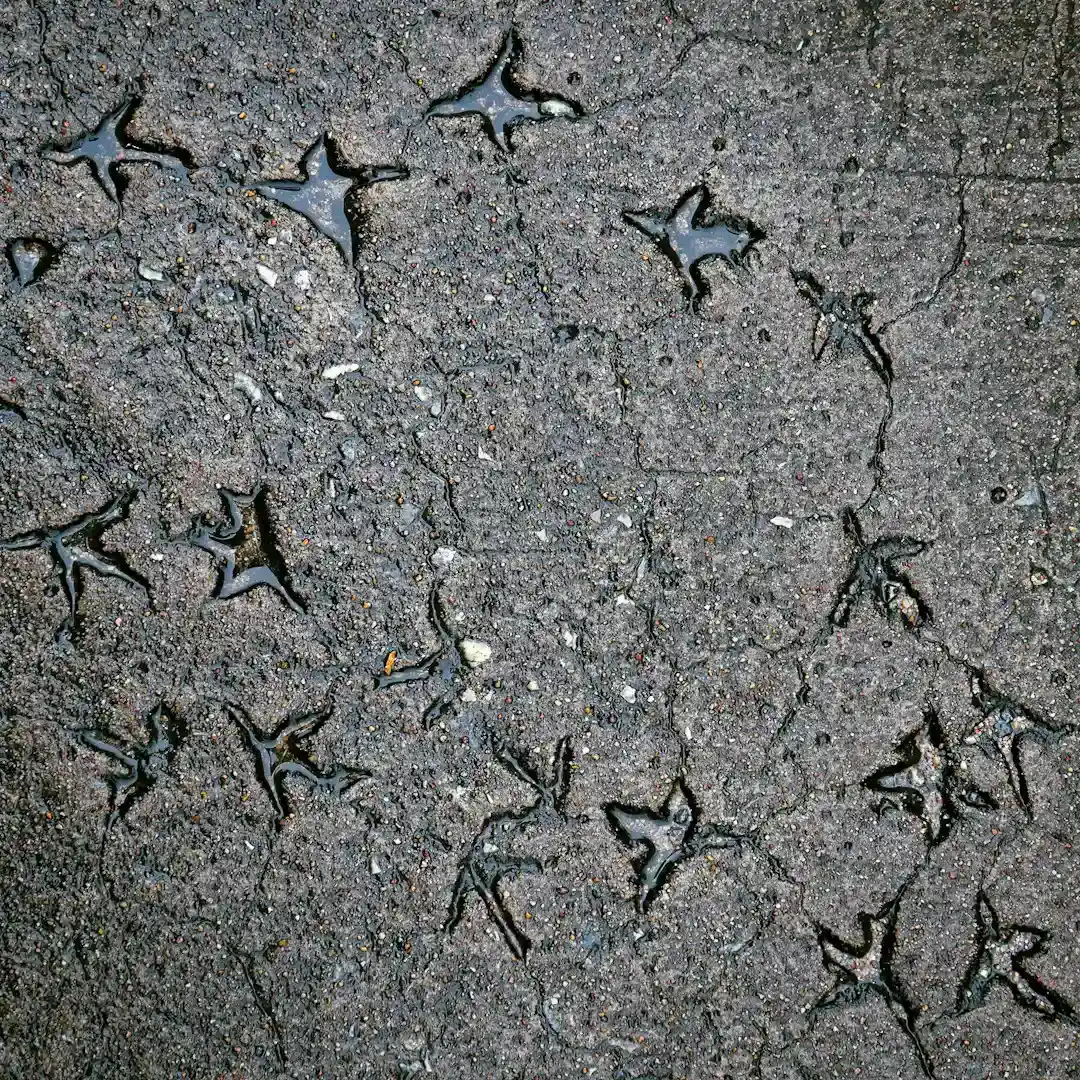
Every so often, dinosaur landscapes were hit by volcanic eruptions that blanketed the ground with fresh ash, like a sudden snowfall made of fine glassy dust. Before or between eruptions, dinosaurs walked across soft, sometimes rain-moistened ash beds, leaving sharp impressions in the powdery surface. Ash can behave a bit like flour mixed with just enough water, capturing detailed shapes when you press into it. When a new ash fall or sediment layer arrived quickly afterward, it covered those prints and kept them from being obliterated by wind or rain.
Volcanic ash has another advantage: it often weathers into fine-grained rock that can preserve subtle details of the original surface. You can sometimes see tracks with clear toe impressions, claw marks, and even signs of slipping or sudden changes in direction. On top of that, ash layers can be dated very precisely using radiometric techniques, so when a track is preserved between two ash beds, you can pin down when that dinosaur walked there with impressive accuracy. For you as a visitor or reader, that means you’re not only seeing where a dinosaur stepped, but also when, within a relatively narrow window of deep time.
Limestone Tidal Platforms: Reef-Fringed Runways in Shallow Seas
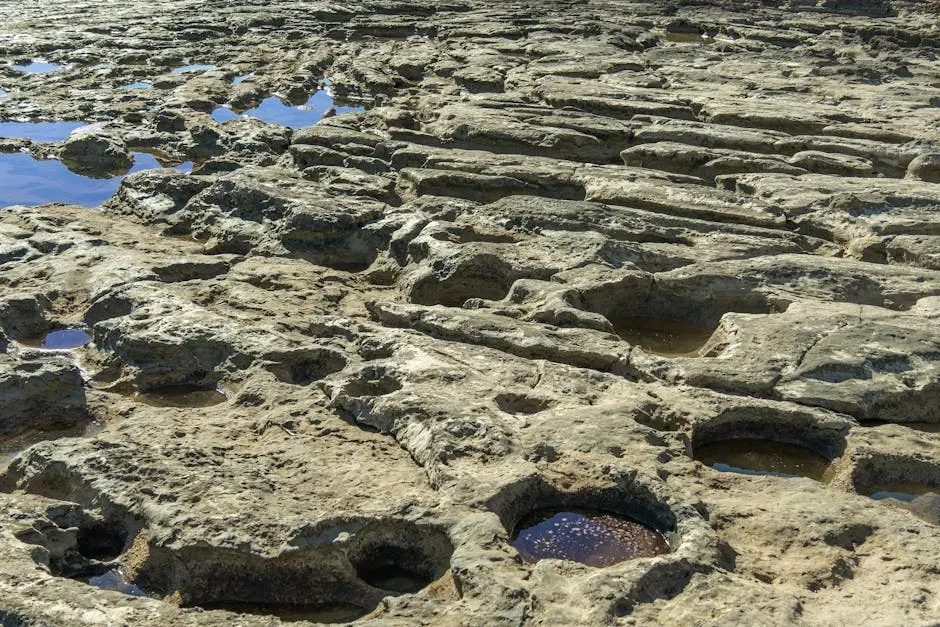
In some warm, shallow seas of the past, you would have seen broad tidal flats forming around reef systems and carbonate platforms. These areas were built mostly from the shells and skeletons of marine organisms, which later turned into limestone. During low tides, parts of these flats were exposed as firm, lime-rich mud or thinly coated surfaces, and dinosaurs walking along coastal margins or island chains took advantage of them. Their weight pressed into the soft carbonate sediment, leaving prints that could later harden like impressions in drying plaster.
Because carbonate environments can cement quickly – sometimes within years or decades – tracks on these tidal platforms could become surprisingly durable in a short time. As more carbonate mud and shallow-water deposits accumulated on top, they locked those footprints into a growing limestone stack. Much later, when plate tectonics lifted and tilted these ancient sea floors, erosion shaved off the overlying layers and revealed exquisitely preserved trackways on broad rock pavements. When you see dinosaur footprints on a limestone plateau today, you are often literally walking on what used to be a sun-baked tidal flat beside a warm, shallow sea.
Lagoonal and Barrier-Island Systems: Sheltered Shores with Layered Stories
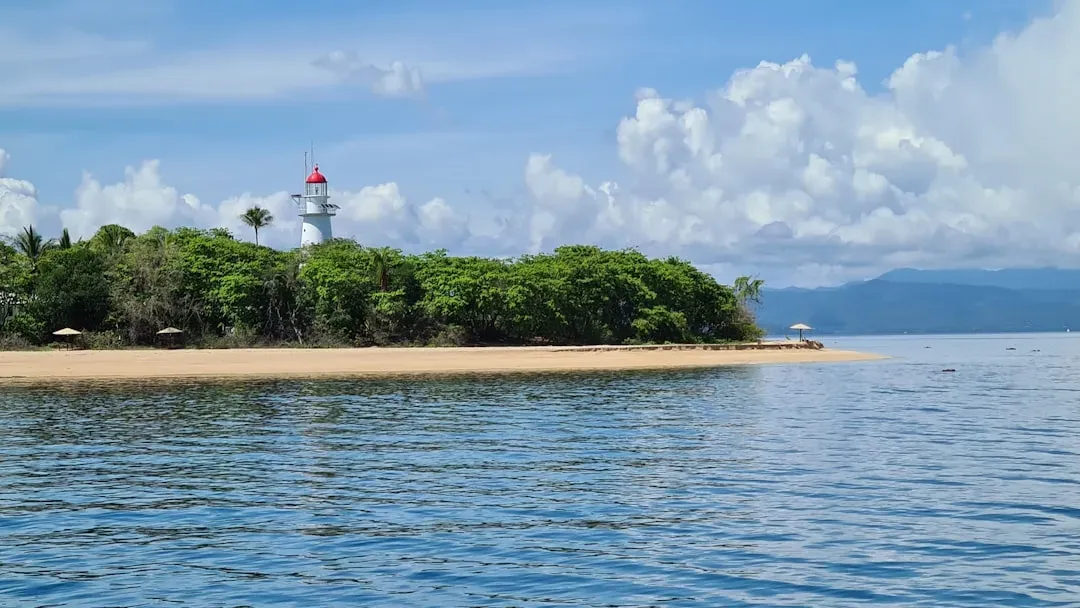
Between open oceans and the mainland, ancient coastlines often featured barrier islands and protected lagoons, similar to what you might see along modern sandy coasts. Behind the noisy surf zones, calmer waters allowed fine sediments to settle and build layered flats and sandbars. Dinosaurs moving along these sheltered shores could leave tracks on firm, slightly moist sand that was not constantly being reshaped by strong waves. Nesting behavior, foraging, and casual travel all left their marks on these quiet back-barrier surfaces.
As storms and shifting sea levels reworked the coast, new sand sheets and mud layers repeatedly buried older surfaces. This created a vertical stack of track-bearing horizons, a bit like a layered cake of ancient shorelines. When those barrier-island systems finally turned to rock and were later exposed, you could find multiple generations of footprints separated by thin bands of sediment. That means a single cliff face or quarry could preserve a kind of time-lapse record, letting you see how dinosaur communities returned to the same coastal spots again and again across thousands or even millions of years.
Cave Roofs and Overturned Beds: Upside-Down Footprints That Trick Your Brain
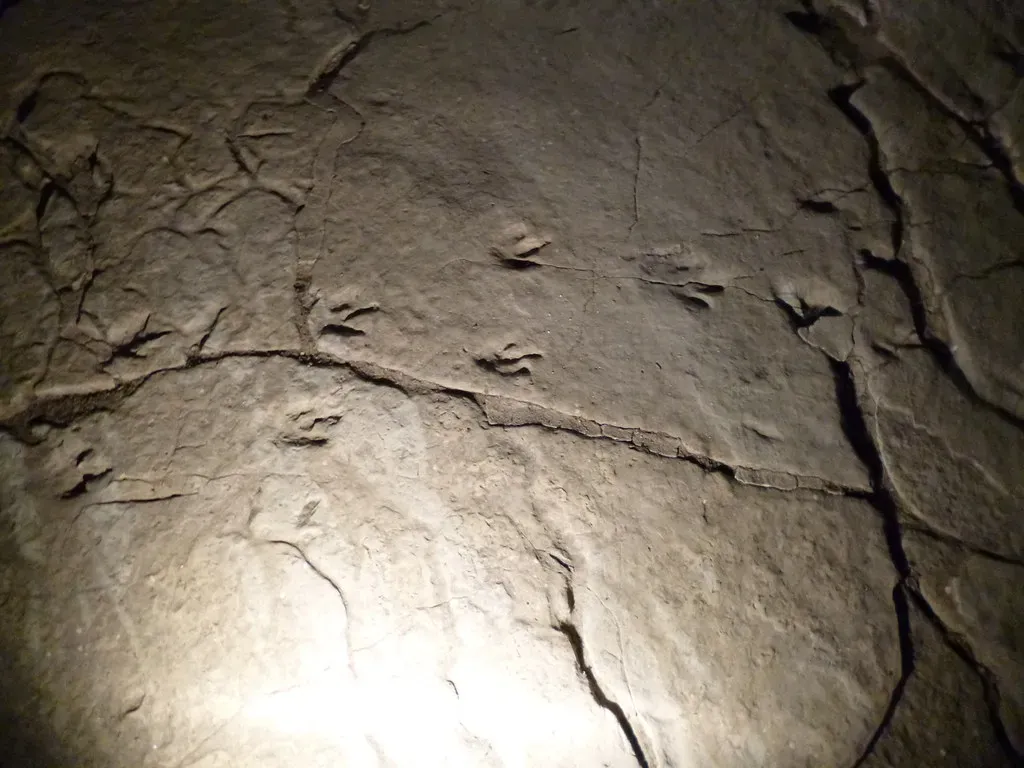
One of the strangest ways you might encounter dinosaur footprints is overhead, on the ceiling of a cave or along an apparently upside-down rock surface. This happens when the track-bearing layer is preserved as a “natural cast” from below. A dinosaur originally walked on soft sediment, which later hardened. Then new sediment filled in those depressions from underneath. Over time, tectonic forces, folding, or erosion could flip or undercut the beds so that the infilled shapes – the casts of the original footprints – are exposed from below, protruding instead of sinking in.
When you see these raised, three-dimensional structures, you’re actually looking at the negative mold of a dinosaur’s foot, preserved as rock. It can be disorienting, like staring at one of those optical illusions where a hollow mask looks like a normal face. These kinds of formations remind you that track preservation is not just about where the dinosaur walked, but also about how layers were stacked, tilted, and eroded afterward. By learning to recognize both true prints and natural casts, you become better at reading deep-time events written not only on the ground beneath your feet, but sometimes above your head.
Conclusion: Walking Beside Ghosts in Stone
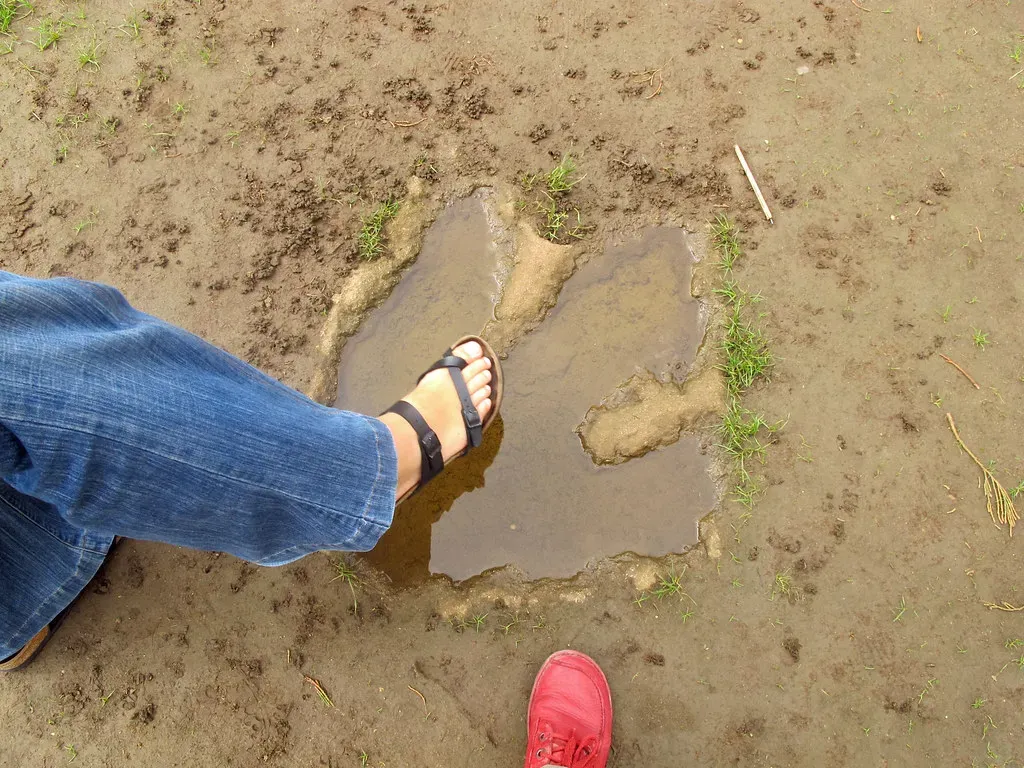
When you put all these environments together – mudflats, rivers, deserts, lakes, swamps, ash beds, tidal platforms, lagoons, and even upside-down layers – you start to see dinosaur footprints as more than just curiosities. They are intersections between living motion and geological chance, moments where the softness of a surface, the timing of burial, and the chemistry of sediment all lined up perfectly. Every track you see is a survivor of ruthless natural editing; for every one that made it into rock, countless others vanished within hours or days. That makes each preserved step feel oddly intimate, like catching a stranger’s reflection in a window from millions of years away.
The next time you come across a dinosaur trackway – whether in a museum slab or out on a rocky trail – you can look past the simple outline of a three-toed foot and picture the world that made it possible. You can imagine the rush of a floodplain river, the sting of volcanic ash, the suck of tidal mud, or the heat of a desert dune under a blazing sun. In a way, reading those rocks lets you walk beside ghosts that never knew you’d be following in their footsteps. Now that you know how those fleeting steps were turned into stone, what kind of ancient ground would you most like to stand on?