You tend to picture the first boats as simple logs drifting down calm rivers, but the real story of early seafaring is far stranger, braver, and more ingenious than that. When you trace the history of boats, you are really tracing the story of how humans refused to stay put, how they stared at an unknown horizon of water and decided to go anyway. That decision changed everything: where people lived, what they ate, how they traded, and even how they imagined the world.
As you follow the trail from hollowed-out tree trunks to daring open-ocean voyages, you start to see patterns: clever improvisation, slow trial and error, and bursts of bold experimentation that would terrify most of us today. The truth is, the earliest boat builders had no maps, no engines, and no guarantees of coming back. Yet they still pushed off the shore. Once you see what they actually did with the tools and knowledge they had, your idea of what counts as “primitive” will probably never be the same.
The Earliest Floating Experiments: From Logs To Simple Rafts
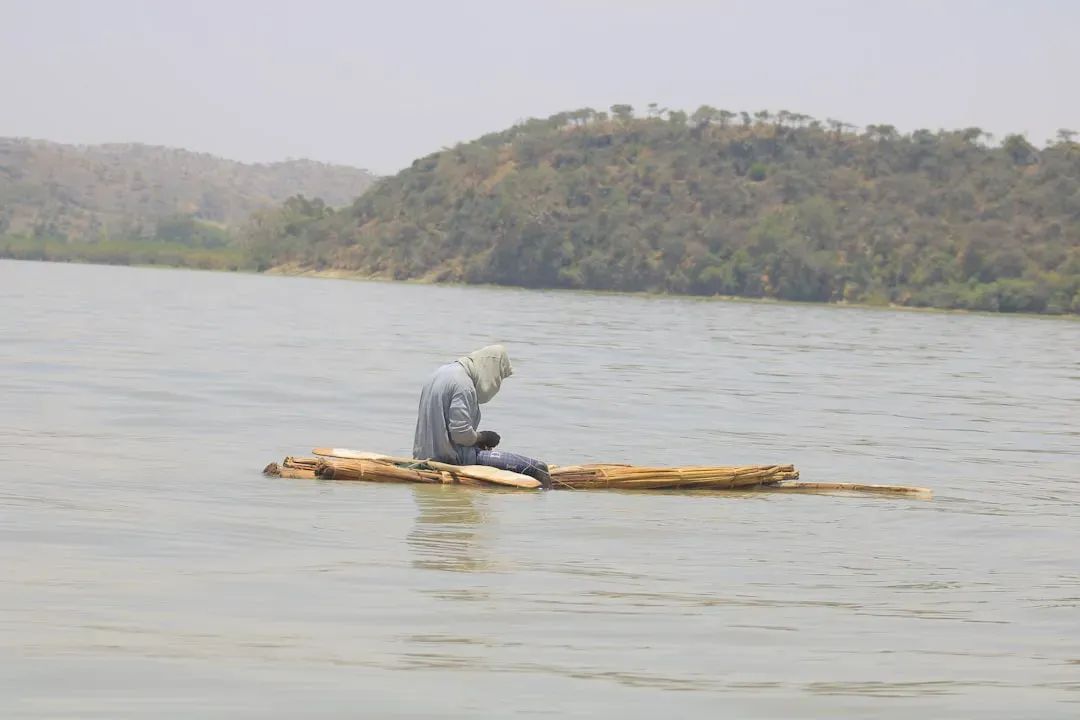
If you strip things down to basics, the first boats were not glamorous at all: they were about one simple problem you still face today – how do you move yourself and your stuff across water without drowning or exhausting yourself? You can imagine your distant ancestors trying out whatever floated: logs, bundles of reeds, even inflated animal skins. From there, the next logical step was tying several logs or reeds together into rafts, which gave you more stability and space to carry food, tools, and maybe another person.
What makes this early stage so fascinating is that you are watching trial and error in its rawest form. You would have learned quickly that a wider raft is steadier, that wet wood behaves differently than dry, and that currents can quietly pull you much farther than you planned. None of this needed writing or formal science; your feedback was instant and sometimes brutal. If you picture yourself clinging to a shaky raft on a strong river, you can feel why people were motivated to keep improving their designs – survival depended on it.
Dugout Canoes: Carving Stability Out Of A Single Tree
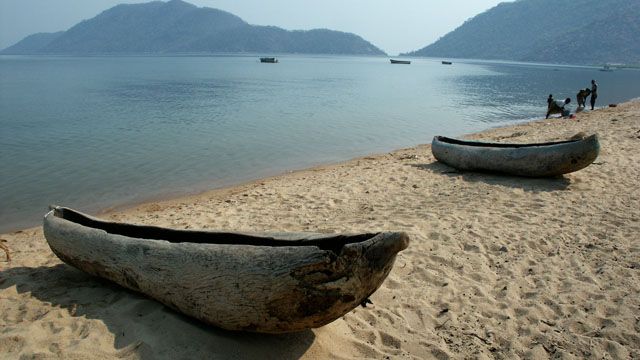
At some point, you or someone like you realized that instead of just sitting on top of a log, you could carve into it and sit inside. That simple insight led to dugout canoes, which show up in archeological finds going back many thousands of years in different parts of the world. When you carve out the center of a trunk, you lower your center of gravity and suddenly get a vessel that is more stable, easier to steer, and better at cutting through water. You are no longer just drifting; you are starting to drive.
Building a dugout with stone tools was not a casual afternoon project. You would burn and scrape, burn and scrape, over and over, shaping the interior slowly while trying not to split the wood you had worked so hard to find. The tree you chose mattered: it had to be straight enough, large enough, and not too rotten. When you finally pushed your new canoe into the water and climbed in, you were standing on a small engineering miracle built entirely from patience, observation, and a single tree. If you have ever fixed something complicated with only a cheap tool and sheer stubbornness, you already understand the mindset behind those early canoes.
Reeds, Skins, And Surprising Boat-Building Materials
Not every place offered you big, straight trees, so you had to improvise with what you did have – reeds, grasses, bark, animal skins, and even bundles of papyrus or bulrush. When you bind reeds tightly enough, they create buoyant, flexible hulls that can carry you across surprisingly rough water. If you were living near wetlands or along great rivers, it would have been natural for you to start tying those reeds together more deliberately, shaping curved ends and learning how to keep everything from soaking through too fast.
In colder or treeless regions, you might have relied on animal skins stretched across wooden frames or even lightweight bone structures. Picture yourself sewing hides carefully, knowing that every seam has to be watertight if you want to come home. These boats were basically floating tents, light enough for you to pull ashore and carry, yet strong enough to handle choppy seas or icy inlets. When you look at these designs with modern eyes, you see creativity under pressure: you used whatever your environment gave you, and somehow turned it into a vehicle.
The Leap To The Sea: When You First Left The Sight Of Land
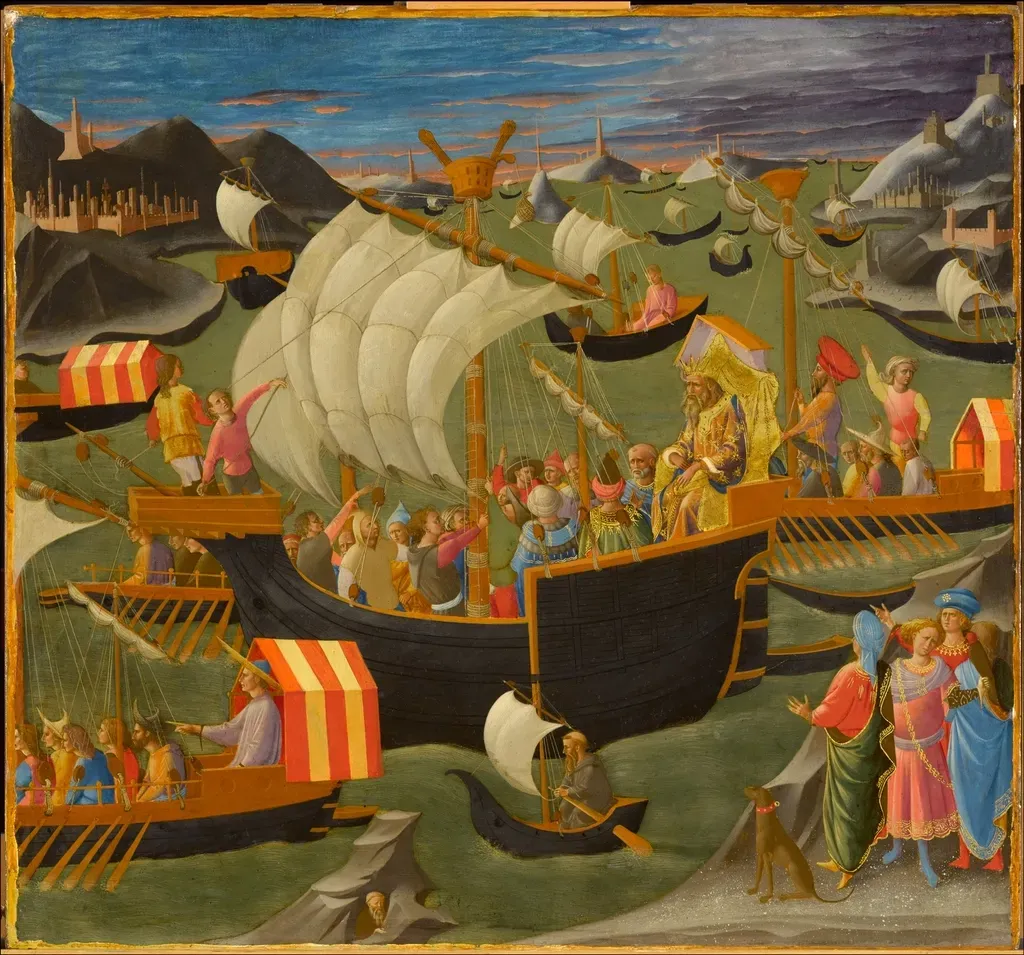
For a long time, you probably hugged the shoreline, where you could still see landmarks and bail out onto land if things went wrong. The truly shocking leap in early seafaring came when people like you started crossing stretches of open water where the opposite shore was invisible. To do that, you needed more than a sturdy hull; you needed courage and some kind of mental map of the world beyond the horizon. You also needed enough confidence in your boat-building skills to believe that wood, plant fiber, and maybe a bit of hide could stand up to waves and wind for days.
You can see the results of this leap in the spread of humans to islands separated from the mainland by deep water. Those journeys did not happen by accident; they required planning, food storage, fire-making gear, and the ability to keep a group alive in a very cramped, exposed space. Imagine sitting in a small craft with no land in sight, relying on the feel of swells, the position of the sun, and the pattern of birds to tell you that you are still on track. The first time you did this, you were betting your life on your reading of nature and the soundness of your boat.
Sails, Wind, And The First Real “Ships”
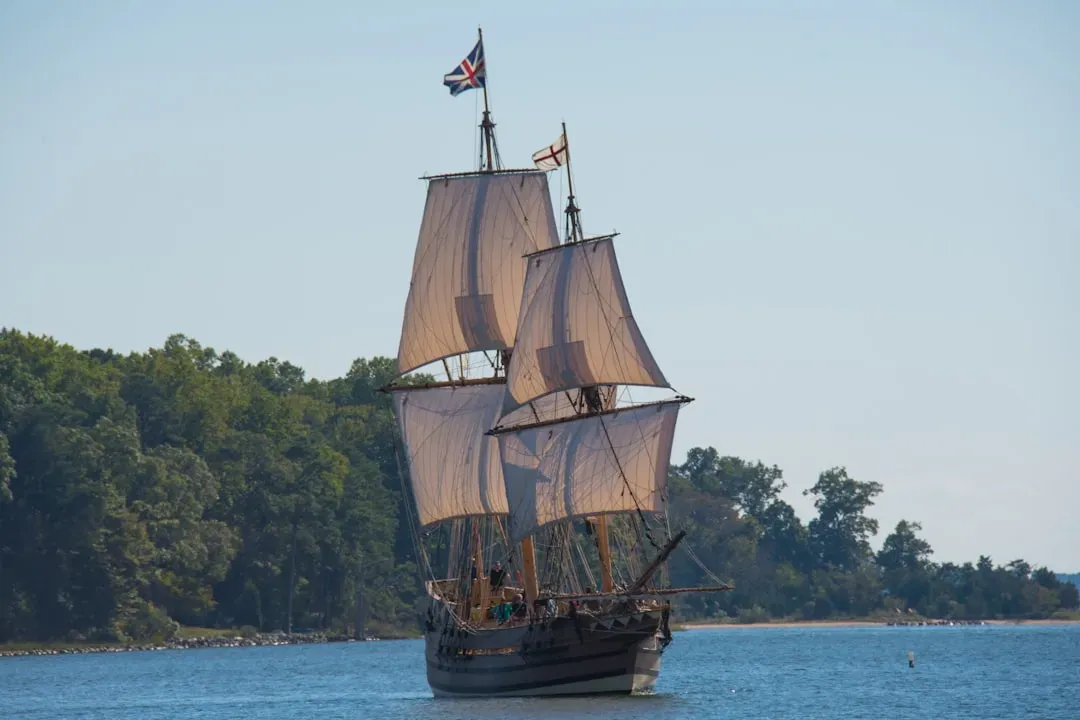
Once you figured out that you could let the wind do the work, your entire relationship with the sea changed. Instead of relying only on paddles or poles driven by human muscle, you could raise a sail and tap into an invisible force that never got tired. That meant you could carry more cargo, travel farther, and stay at sea longer than ever before. If you were a trader, a fisher, or even a raider, a sail turned you into a different kind of power on the water.
Of course, hoisting a scrap of cloth on a pole was only the beginning. You had to learn how to angle the sail, how hull shapes affected speed and stability, and how to balance weight on board so your boat did not capsize in a strong gust. Picture yourself on deck, adjusting ropes as you feel the boat suddenly surge forward when the sail catches the wind just right – that moment would have felt almost magical. In reality, you were performing complex physics without equations, guided by touch, balance, and an accumulation of small experiments every time you set out.
How You Found Your Way: Stars, Swells, And Seabirds
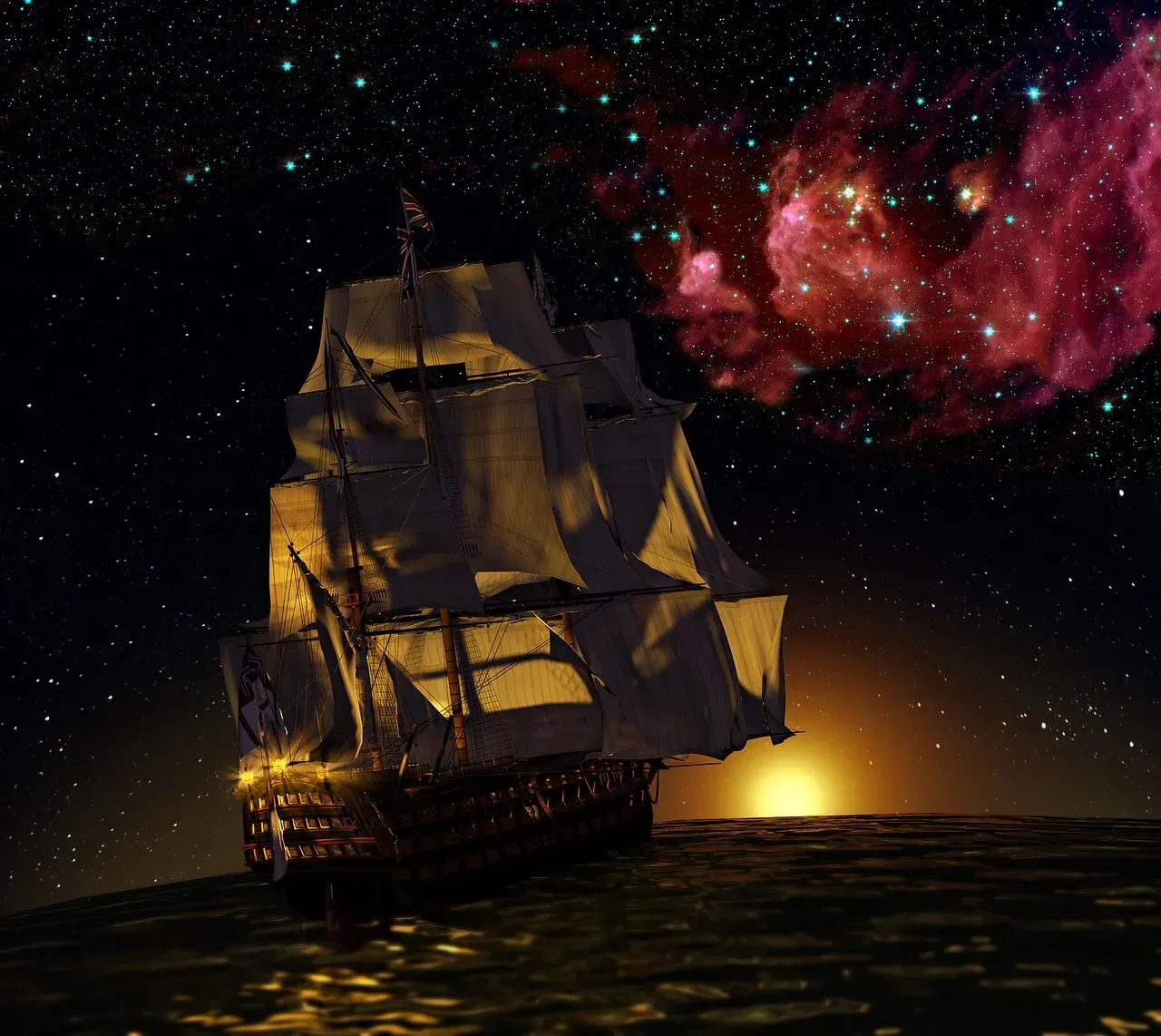
Before compasses and charts, you still had to answer a brutal question: how do you keep from getting lost at sea? If you were an early navigator, you turned the entire sky and ocean into your map. At night, you watched specific stars and star patterns rise and set, learning how their positions lined up with your direction of travel. During the day, you tracked the sun, the shape of clouds, and distant silhouettes on the horizon that hinted at land long before you could see the shore clearly.
You also paid close attention to the water itself. Ocean swells tend to run in consistent patterns, and if you were skilled, you could feel when you were crossing a regular swell versus moving along with it. Birds gave you more clues: certain species did not travel far from land, so if you started seeing them more often, you knew you were getting close. Even changes in water color or bits of floating vegetation could tell you something. Think of it like navigating a city without street signs, using only the smell of bakeries, the sound of traffic, and the angle of shadows – you built an internal compass from tiny signals most people would never notice.
Trade, Migration, And How Boats Reshaped Your World
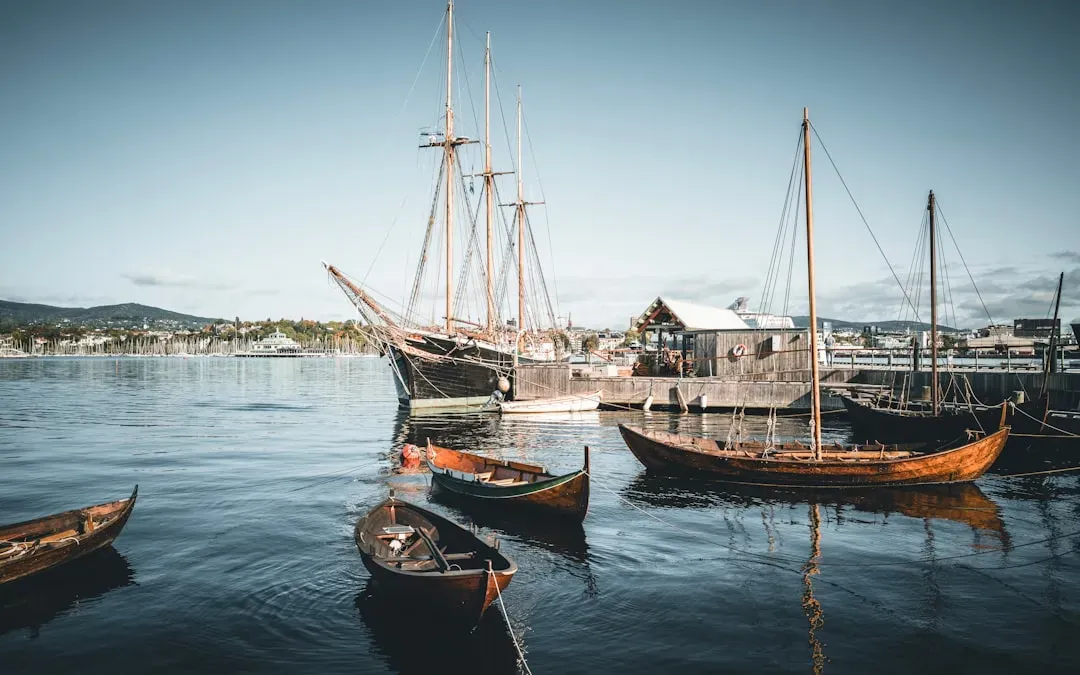
Once boats became reliable enough, they stopped being just survival tools and turned into the engines of trade and migration. With a seaworthy vessel, you could carry grain, pottery, metals, textiles, livestock, and ideas across distances that would have taken you weeks or months on foot. Ports and harbors evolved into bustling crossroads where you, as a traveler, would hear unfamiliar languages, taste new foods, and see materials that did not exist in your homeland. The sea, which once separated you from others, started acting like a highway instead of a wall.
Migration by boat also rewrote the map of where you could live. Islands that once lay empty became settled, and coastal regions grew into powerful centers because they controlled access to maritime routes. If you had political or religious tensions at home, a seaworthy craft offered you an escape route and a fresh start somewhere beyond the horizon. At the same time, these new connections brought risks: disease, conflict, and competition for control over strategic waterways. You can see early boats as the original internet cables of human society – they carried not just goods, but culture, beliefs, and problems from shore to shore.
Myths, Fears, And The Emotional Side Of Early Seafaring
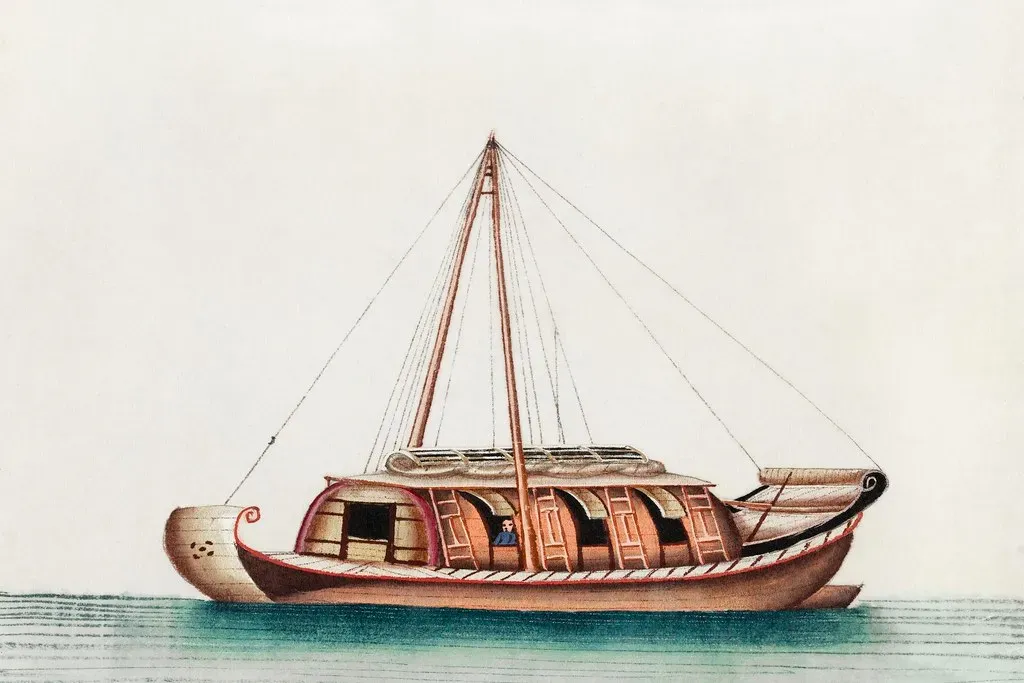
When you read about early exploration, it is easy to focus only on technology and routes, but the emotional side is just as important. If you were stepping into a small boat with no guarantee of return, you probably carried a mix of terror and excitement in your chest. The sea could feel like a living thing to you – unpredictable, moody, sometimes generous and sometimes cruel. You would have told stories about monsters, spirits, and gods that ruled the waves, not because you were foolish, but because those stories helped you cope with forces you could not control.
Even today, if you have ever stood on a dark shoreline with only the sound of crashing surf in front of you, you know how small and vulnerable the sea can make you feel. That same feeling drove early seafarers to perform rituals, make offerings, or follow strict traditions before and during voyages. These practices were not just superstition; they gave you structure, a sense of control, and a shared script for facing danger together. When you understand that, you stop seeing those first sailors as distant, primitive figures, and start seeing them as people wrestling with the same fears and hopes you deal with now – just with far less safety gear.
In the end, when you uncover the truth behind the first boats and sea exploration, you are really uncovering the story of your own species refusing to stay within easy boundaries. With almost no tools and no guarantees, people like you carved trees, tied reeds, stitched skins, and learned to read stars simply because staying on one shore was not enough. Every crossing, no matter how small, was a kind of declaration that the world could be bigger if you were brave enough to push off and see what was out there.
The next time you see a modern ship or a simple canoe on a quiet lake, you are looking at the latest chapter in a very old story that started with someone stepping onto a crude raft and hoping it would float. You might never sail across an ocean in a small wooden boat, but you probably face your own versions of unknown water all the time – new jobs, new places, new relationships. When you think about those first seafarers, maybe you can borrow a bit of their mindset and ask yourself a simple question: what horizon is waiting for you to push away from the shore?