
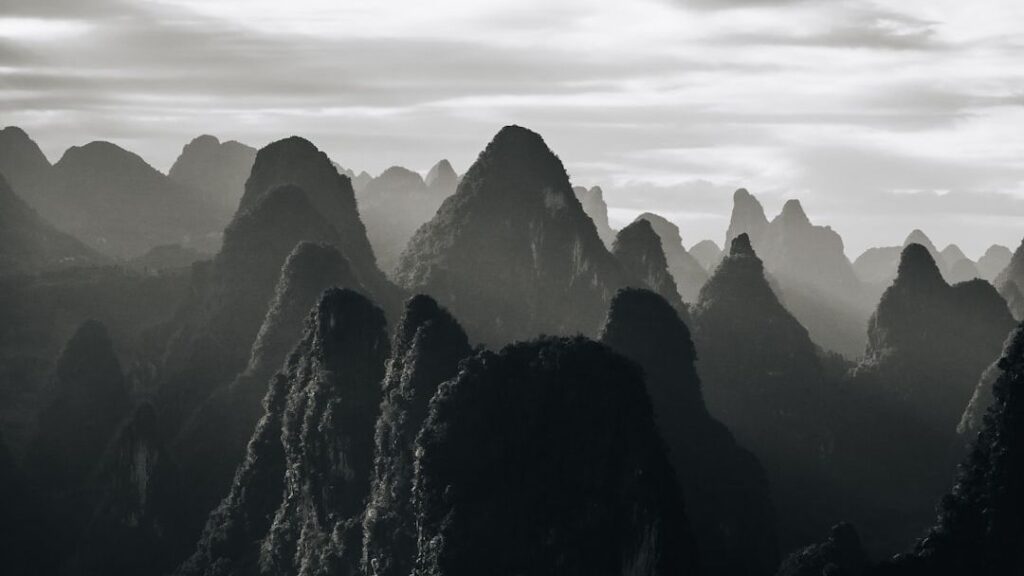
You grow up thinking Mount Everest is the ultimate peak, the undisputed roof of the world. Then you discover that, in Earth’s deep past, entire mountain ranges may have towered far above it, rising to heights that almost sound impossible. Suddenly, Everest starts to feel less like the final word in mountains and more like a latecomer to a very long geological story.
As new techniques let scientists read ancient rocks more precisely, you’re getting a clearer picture of an Earth that was wilder, steeper, and more extreme than anything you see today. You’re not just looking at taller hills; you’re talking about mega-mountain ranges that shaped the chemistry of the oceans, the air you breathe, and possibly even the evolution of complex life. Once you see mountains this way, they stop being just pretty backdrops and start looking like the main characters in the story of your planet.
The Hidden World Of Supermountains
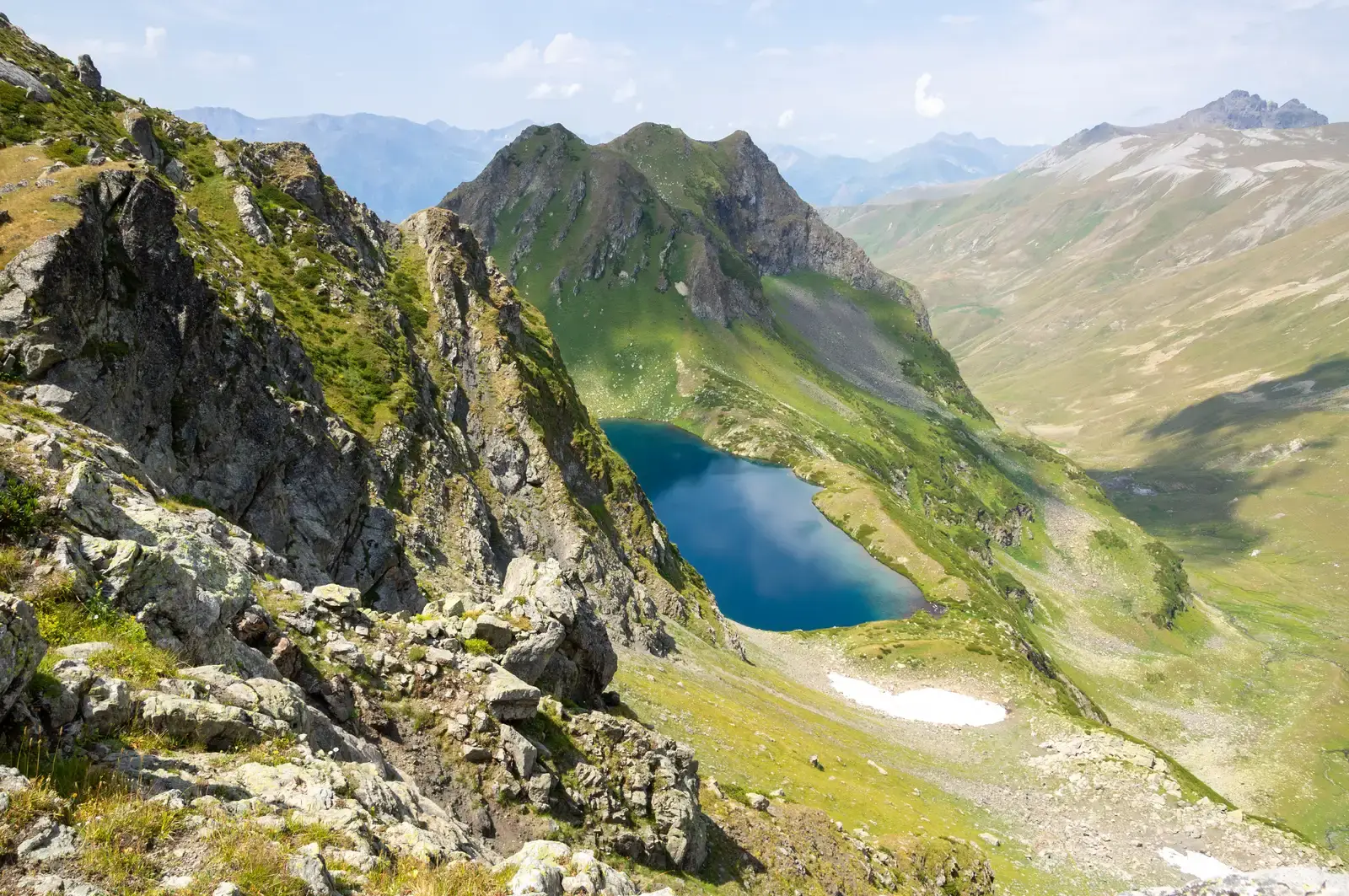
If you could travel back billions of years, you might not even recognize your own planet. Instead of familiar continents, you’d see sprawling belts of rock where colossal “supermountains” once stood, stretching across thousands of miles. You’re not dealing with a slightly higher version of the Himalaya here, but something so huge that it would have reshaped weather patterns, river systems, and even the chemistry of the oceans on a global scale.
Researchers now think there were at least two major periods when these supermountains existed, one roughly in the early Proterozoic and another later, closer to when complex animals appeared. When you picture them, think of the Himalaya but amplified across an entire continent, then living for hundreds of millions of years. You can’t see those peaks today, but you can still trace their ghostly fingerprints in deeply buried rocks, mineral belts, and the strange chemistry locked inside ancient sediments.
Why Ancient Peaks May Have Dwarfed Everest
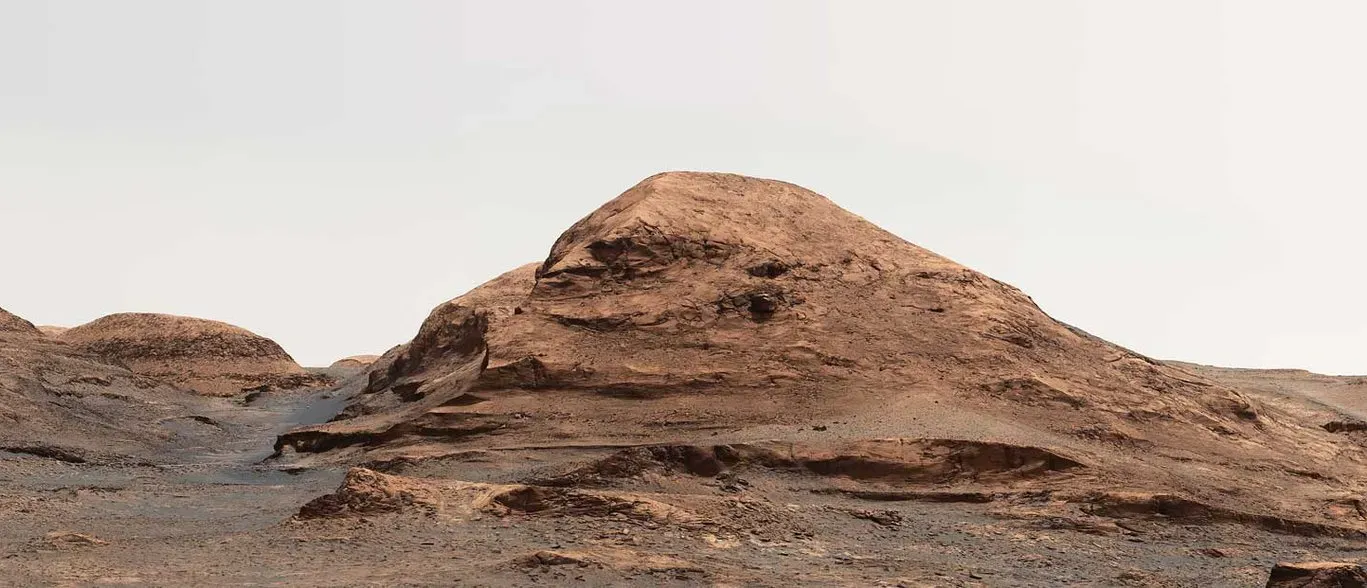
So how do you end up with mountains far taller than Everest when today’s Earth obviously has limits? You start with hotter, more active geology. In Earth’s earlier history, the planet’s interior was hotter, tectonic plates were more buoyant and more vigorous, and collisions between continents could push rock to even greater heights. You can imagine two giant rafts on a churning ocean slamming into each other again and again, each collision piling new layers of rock onto an already towering range.
You also need to think about time. When you give mountain belts tens or even hundreds of millions of years to grow, while erosion slowly battles to grind them down, the balance shifts depending on how strong the crust is and how fast new rock is being pushed up. Evidence from ancient rocks suggests the crust back then could have been thicker and more rigid in places, allowing it to support far taller peaks than you see today. You’re basically looking at mountains that were not just high for a moment, but held their loftiness over incredibly long stretches of time.
Reading The Clues Locked In Ancient Rocks
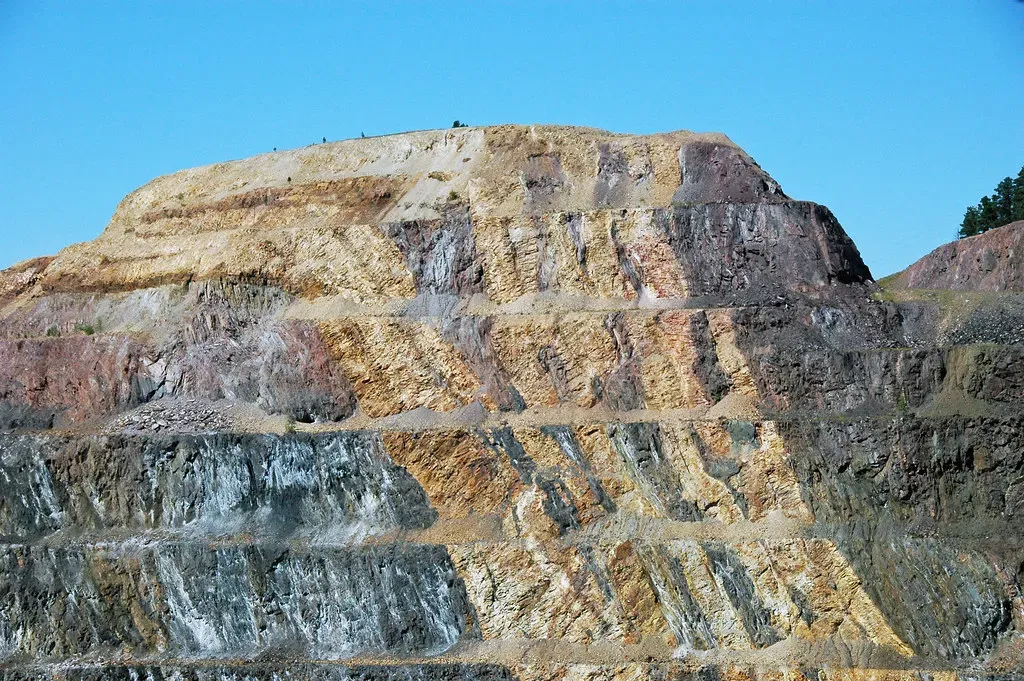
You obviously can’t measure an extinct mountain with a ruler, so you have to work with clues. When you look at high-grade metamorphic rocks – those that formed at great depths and pressures – you’re effectively seeing the roots of once-towering ranges. The minerals inside these rocks act like tiny recorders, capturing the temperatures and pressures they experienced, which lets you estimate how thick the crust above them once was.
On top of that, you can study sediments eroded off those ancient peaks. The size and composition of the grains, the presence of certain minerals, and even the chemistry of the ocean sediments they eventually formed all tell you something about how big and how fast those mountains were being worn down. When you see enormous volumes of eroded material laid down over wide areas, you’re not looking at a modest set of hills – you’re seeing the remains of something much grander, ground down grain by grain over unimaginable spans of time.
The Nuna And Gondwana Supermountains
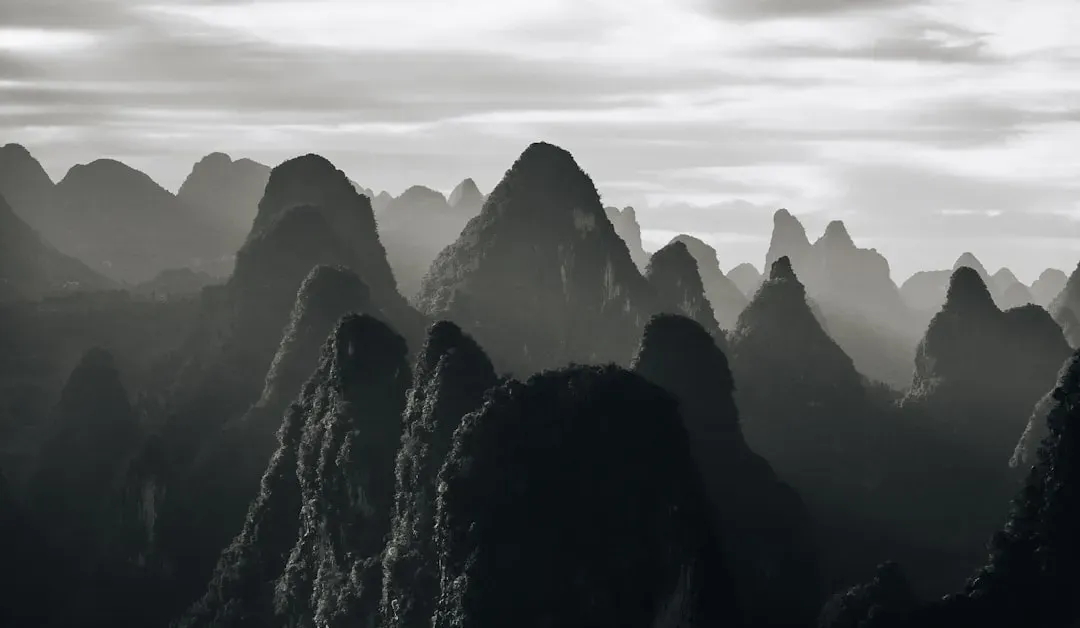
Geological evidence suggests the Nuna supermountain rose during the assembly of an early supercontinent, while the later Gondwana supermountain grew during a time when many of today’s southern continents were welded together. In both cases, continuous belts of deformed and metamorphosed rocks mark the scars of intense continent–continent collisions. When you trace these belts on a map, they stretch for thousands of miles, hinting at mountain chains that, at their peak, could have reached far beyond the height of Everest.
How Supermountains May Have Supercharged Life
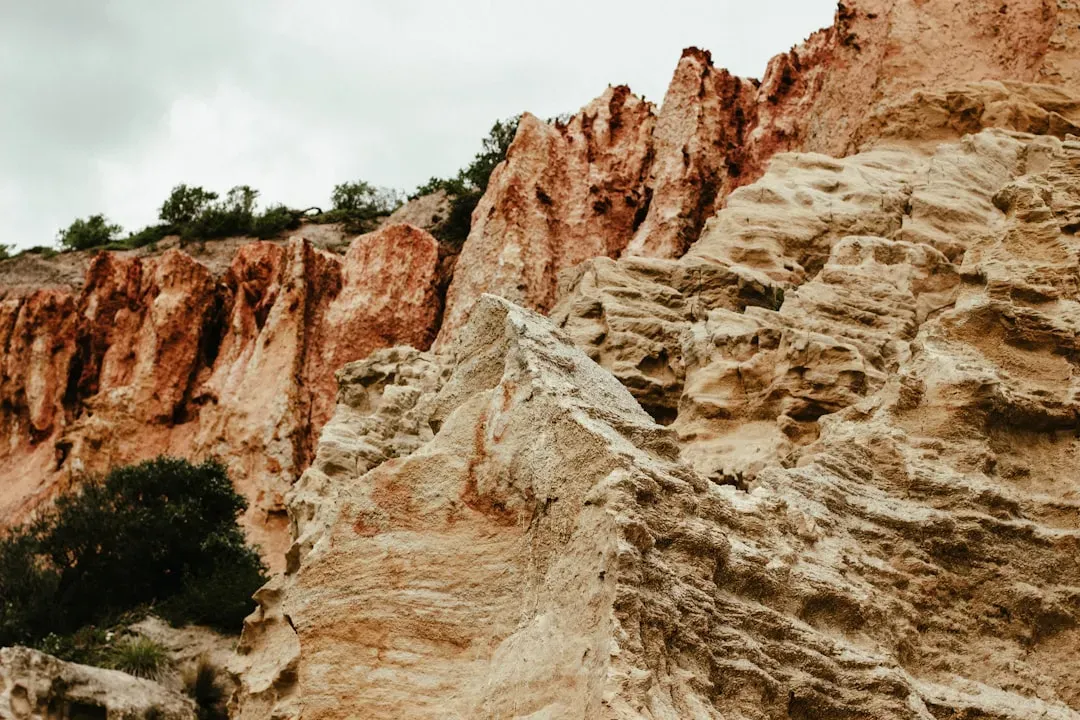
These mountains weren’t just geological showpieces; they may have fed life itself. As massive ranges weather and erode, they pour nutrients like phosphorus, iron, and other key elements into rivers and oceans. When you imagine supermountains dissolving grain by grain, you’re effectively imagining a planetary-scale nutrient drip feeding the seas. That nutrient boost could have fueled algal blooms, higher oxygen production, and richer food webs.
Some researchers link peaks of erosion from supermountain belts with major steps forward in evolution, such as the rise of complex multicellular life and later the explosion of animal diversity. You can think of it as Earth’s way of hitting the accelerator pedal: taller mountains mean more erosion, which means more nutrients, which in turn means more energy available for life to experiment and diversify. When you place yourself in that story, you realize that the breath you take may be partly thanks to mountain ranges that disappeared billions of years ago.
Why You Don’t See These Giants Today
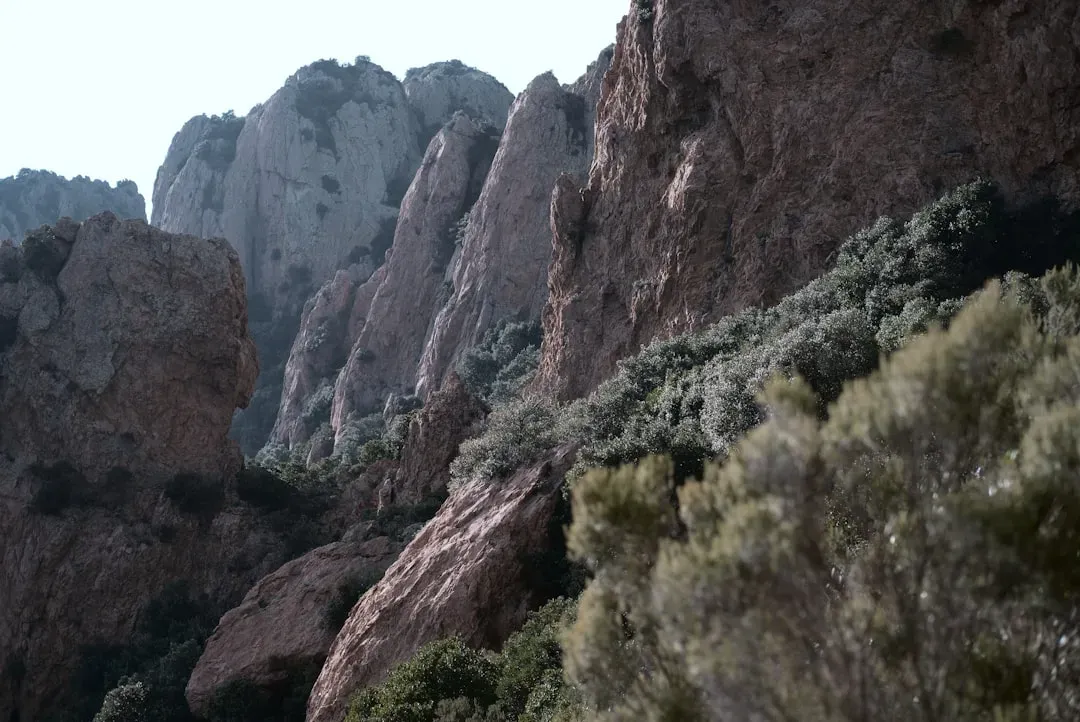
If the first mountains were so enormous, you might wonder where they went. The short answer is: they lost a very slow war with time, water, and gravity. Erosion is relentless. Rivers carve valleys, glaciers bite into ridges, landslides crash down slopes, and every grain of sand carried to the ocean is a tiny subtraction from a once-mighty summit. Given long enough, even the tallest peak is doomed to crumble into sediment.
On top of erosion, plate tectonics constantly recycles Earth’s surface. Parts of those ancient ranges were dragged down into the mantle, melted, or stitched into new crust. Other parts were buried so deeply that the rocks transformed into new types entirely, only to be uplifted again much later as low-lying hills or plateaus. When you look at a quiet landscape of rounded hills today, you might actually be looking at the final, barely recognizable whispers of a mountain chain that once rivaled anything you can imagine.
What This Means For Everest And Modern Mountains
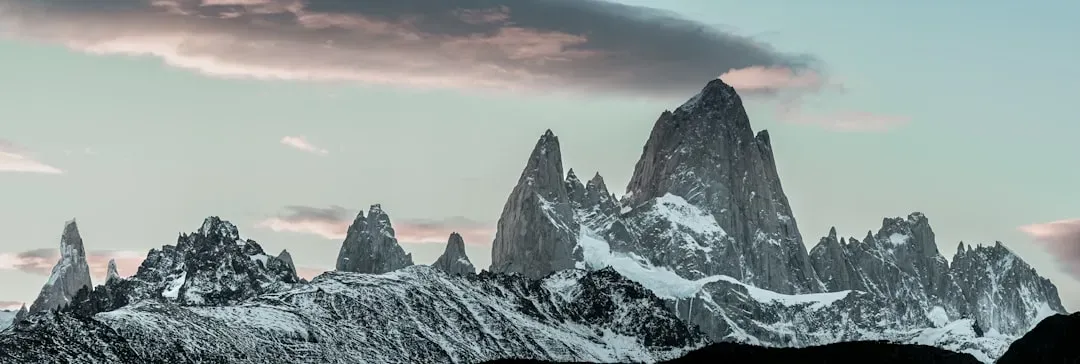
Knowing all this, you start to see Everest differently. It is still astonishingly high by modern standards and a genuine challenge to human endurance, but it is not the peak of what Earth has ever been capable of. You can think of today’s great ranges – the Himalaya, the Andes, the Alps – as the latest chapter in a very long series of mountain-building events. They are impressive, but they sit in the shadow of giants whose time has passed.
This perspective also reminds you that the story is not over. As plates continue to collide, mountains will keep rising and falling, though the planet’s interior is cooler now and may never again build ranges quite as extreme as those early supermountains. Still, the same processes are at work under your feet, quietly reshaping the map over millions of years. When you stand on a modern summit and look out over the landscape, you’re catching just one frame from a movie that has been playing for billions of years and is nowhere near its final scene.
In the end, the idea that is less about dethroning a famous peak and more about changing how you see your planet. Earth stops being a static ball with some random bumps on it and becomes a restless, creative machine, building and destroying skyscraper-sized ranges over and over again. The air you breathe, the minerals in your phone, even some of the nutrients in your body trace back to those ancient, eroding giants.
When you picture those vanished supermountains – towering above anything you could climb today, feeding life as they crumbled away – you get a deeper sense of how small you are in time, but also how closely you’re connected to the deep past. The next time you see a distant ridgeline or a single lonely hill, you might find yourself wondering: how tall did this place used to be?