Imagine diving into an ancient ocean where the shadows passing overhead are not clouds, but predators longer than a bus and heavier than a herd of elephants. When you picture prehistoric life, your mind probably jumps to land dinosaurs first, yet the seas were home to some of the most spectacular giants that ever lived. These were not dinosaurs, but marine reptiles: sleek hunters, deep-diving leviathans, and broad-bodied behemoths that pushed the limits of what life in the water could become.
As you explore these giants, you start to see how different the ancient oceans were from the seas you know today. Instead of whales and great white sharks ruling the food chain, enormous ichthyosaurs, pliosaurs, and mosasaurs patrolled the depths. Their fossilized remains are like puzzle pieces, and scientists are still arguing over exactly how long, how heavy, and how powerful some of them really were. That uncertainty makes their story even more gripping, because with every new fossil, your mental picture of these monsters gets a little clearer – and a little more jaw-dropping.
Shonisaurus sikanniensis: The Whale-Sized Ichthyosaur
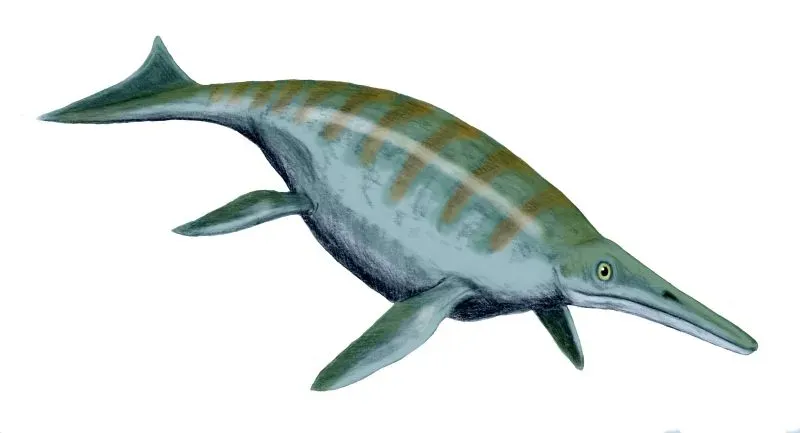
If you could swim alongside Shonisaurus sikanniensis, you might feel like you were gliding beside a strange, reptilian whale. This ichthyosaur, known from fossils found in what is now Canada, is estimated to have reached lengths of more than twenty meters, with some estimates pushing even higher. Its body was long and torpedo-shaped, with a pointed snout and flippers instead of legs, perfectly adapted for fast, powerful swimming in open water.
What makes this animal especially fascinating to you is how it blurs the line between reptile and whale in terms of lifestyle. Like modern whales, it gave birth to live young at sea, which means it never had to haul itself onto land. You can picture it cruising through Triassic oceans, feeding on squid-like animals and fish, its huge size letting it travel long distances and shrug off most predators. When you think of the first true ocean giants, Shonisaurus sikanniensis is one of the earliest and most impressive examples.
Hupehsuchians and Their Record-Breaking Cousins: The Mystery of the Super Ichthyosaurs
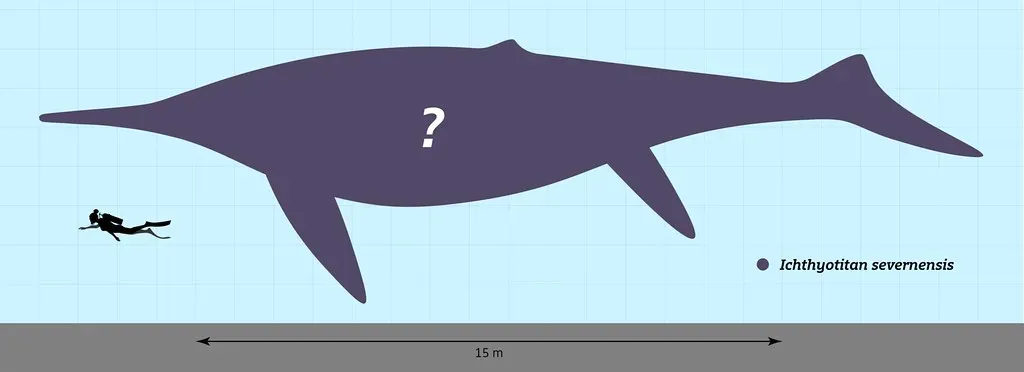
In recent years, you’ve probably seen headlines about ichthyosaurs that might rival, or even surpass, modern blue whales in size. Some fragmentary fossils, including gigantic vertebrae and jaw sections from different parts of the world, have hinted at marine reptiles that could reach more than twenty-five meters in length. These remain controversial, because you’re trying to reconstruct entire animals from only a few bones, a bit like guessing the size of a building from a single brick.
What you can be confident about is that the ichthyosaur lineage produced some of the largest marine reptiles known, and that scientists are still sorting out which species deserve the crown. You might hear names like Shastasaurus and other related forms being tossed around as candidates for record-holders. For you as a curious observer, the key takeaway is not an exact number but the trend: early in the history of marine reptiles, some lineages exploded in size, filling ecological roles that today belong to giant filter-feeding whales. The story is still unfolding, and every new fossil forces you to rethink where the true upper limit of reptile size in the ocean might have been.
Liopleurodon and the Power of the Short, Massive Hunter
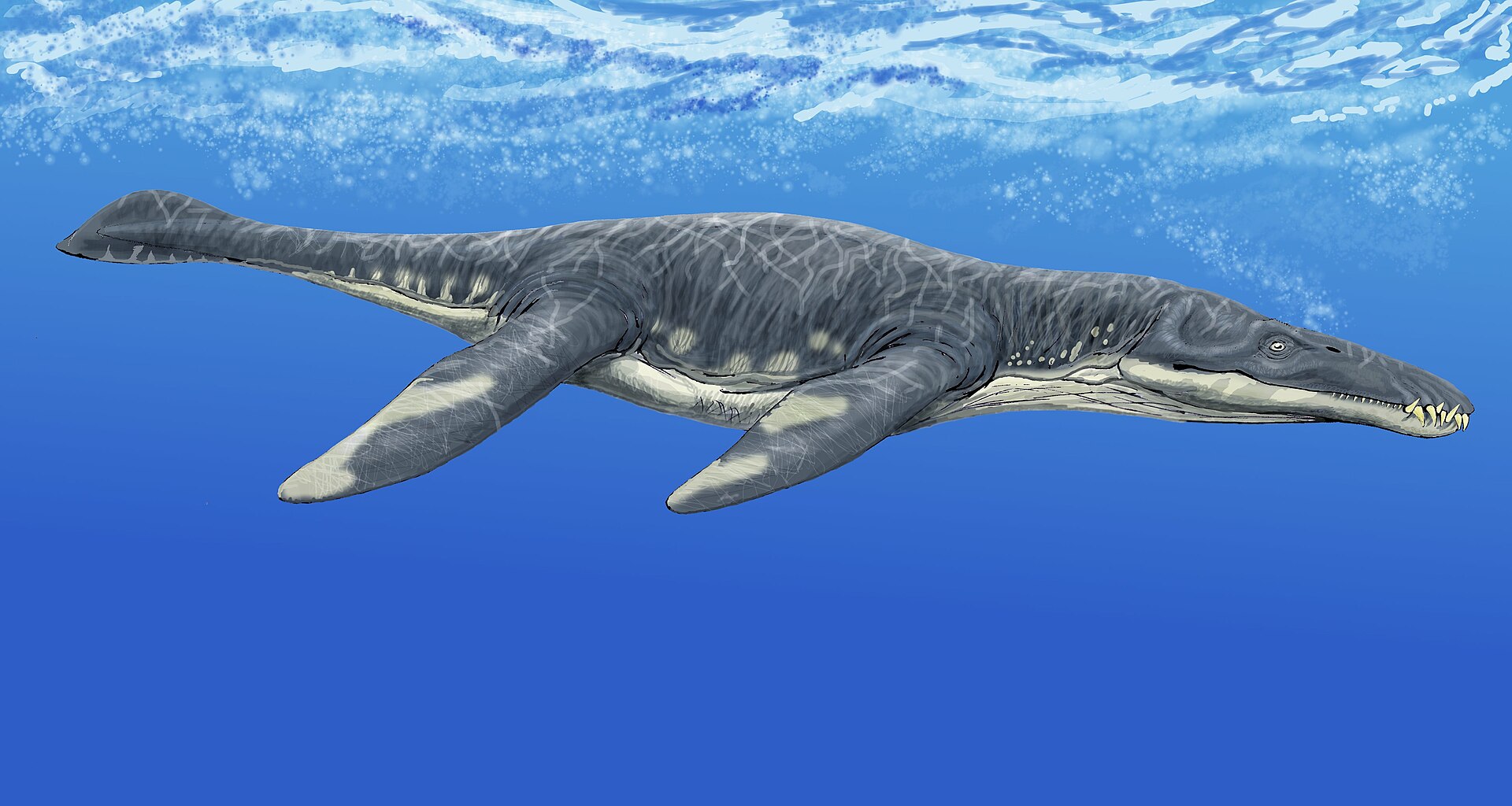
When you picture a monstrous marine reptile lunging from the depths, Liopleurodon is probably close to what you imagine. This pliosaur lived during the Middle to Late Jurassic and had a huge head, a short, powerful neck, and a compact but muscular body driven by four strong flippers. You can think of it less like a long, slender croc and more like a torpedo with teeth. Although early popular portrayals massively exaggerated its length, more careful studies put it at around six to seven meters for typical individuals, with some larger estimates suggesting possible giants over ten meters.
Even if you stick to the more conservative figures, Liopleurodon was still a terrifying predator in its environment. Its jaws were lined with large, conical teeth built to seize slippery prey like fish and other marine reptiles, and its bite force would have been formidable. As you imagine it accelerating through the water, ambushing anything unlucky enough to pass within range, you can see why it has become a pop‑culture icon. For you, it’s a reminder that “biggest” is not just about raw length: concentrated power and maneuverability can be just as awe-inspiring.
Kronosaurus: The Tank of the Cretaceous Seas
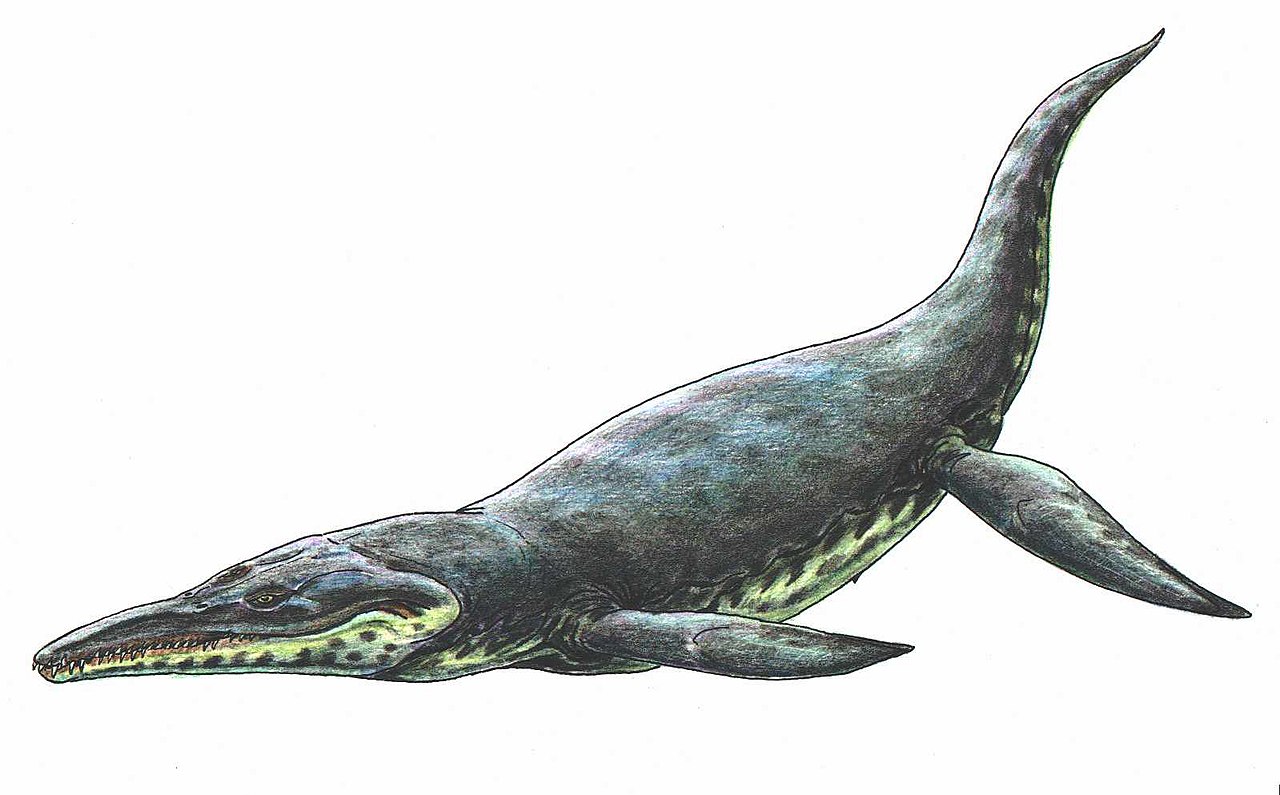
If you prefer your sea monsters built like armored tanks, Kronosaurus is your kind of giant. This Cretaceous pliosaur, known from fossils in Australia and South America, had a massive skull that could measure nearly as long as you are tall, attached to a stout, muscular body. Early reconstructions gave it very inflated sizes, but more modern analyses suggest a length around ten meters, which still makes it a heavyweight predator of its time. You can imagine its silhouette: oversized head, deep chest, and powerful flippers that churned through the water with scary efficiency.
For you, what makes Kronosaurus compelling is the way its entire body seems overbuilt for attack. The jaws housed large, pointed teeth that interlocked when closed, perfect for gripping large prey. Its robust skeleton suggests a powerful swimmer capable of short, brutal bursts of speed, rather than a graceful cruiser. When you think about life in Cretaceous coastal seas, you can picture Kronosaurus as the top enforcer, capable of tackling everything from big fish to other marine reptiles. It shows you how evolution can push body design towards raw, crushing strength rather than sheer length.
Mosasaurus hoffmannii: The Marine Reptile That Took Over After the Pliosaurs
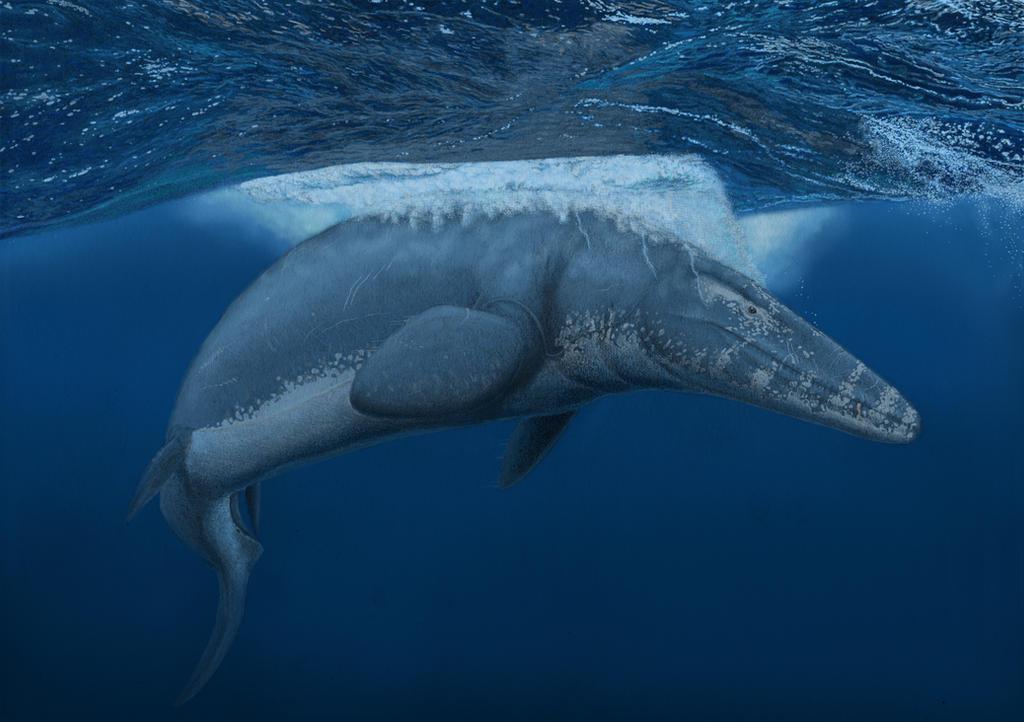
As you move later into the Cretaceous period, the throne of ocean dominance shifts to a new kind of marine reptile: the mosasaurs, with Mosasaurus hoffmannii as one of the largest and best known. This animal looked like a cross between a komodo dragon and a shark, with an elongated body, paddle-like limbs, and a powerful tail adapted into a fin for strong propulsion. Estimates place some individuals in the ballpark of seventeen meters in length, making them among the largest predatory reptiles ever to roam the seas.
For you, Mosasaurus symbolizes the final act of the great marine reptile story before the mass extinction at the end of the Cretaceous. It occupied the role of apex predator, taking down large fish, other marine reptiles, and possibly even smaller mosasaurs. Its skull and jaws were equipped with sharp, backward-curving teeth that could firmly grip struggling prey, and some species of mosasaurs even had a second set of teeth in the throat region to help move food down. When you watch modern depictions of Mosasaurus leaping from the water to snatch prey, you’re seeing an exaggerated but emotionally accurate reflection of how dominating such a creature would have felt in its own time.
Elasmosaurus: The Long-Necked Enigma of the Cretaceous Oceans
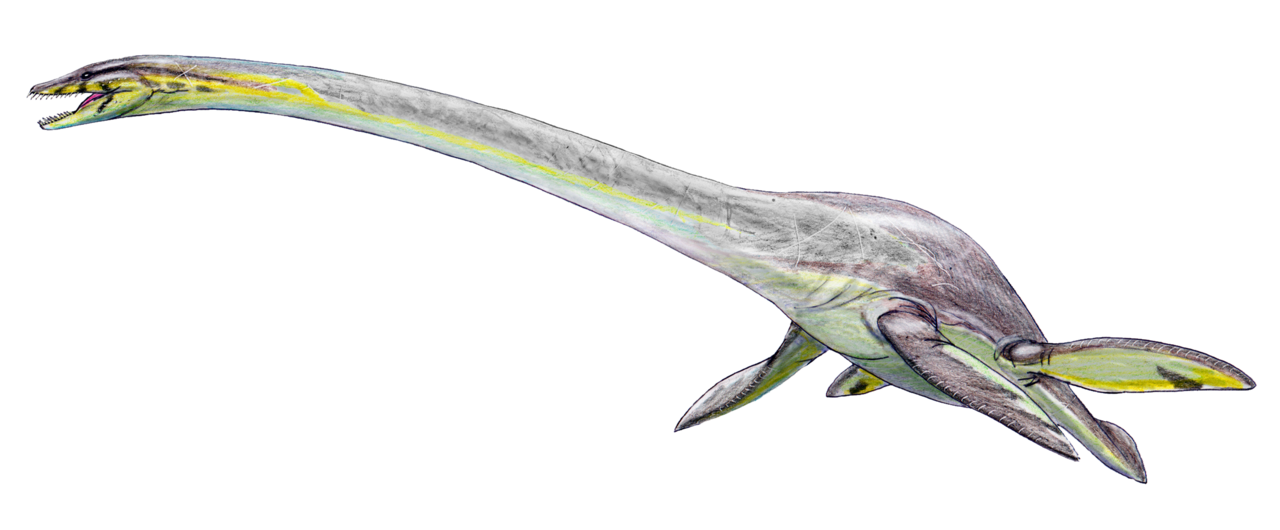
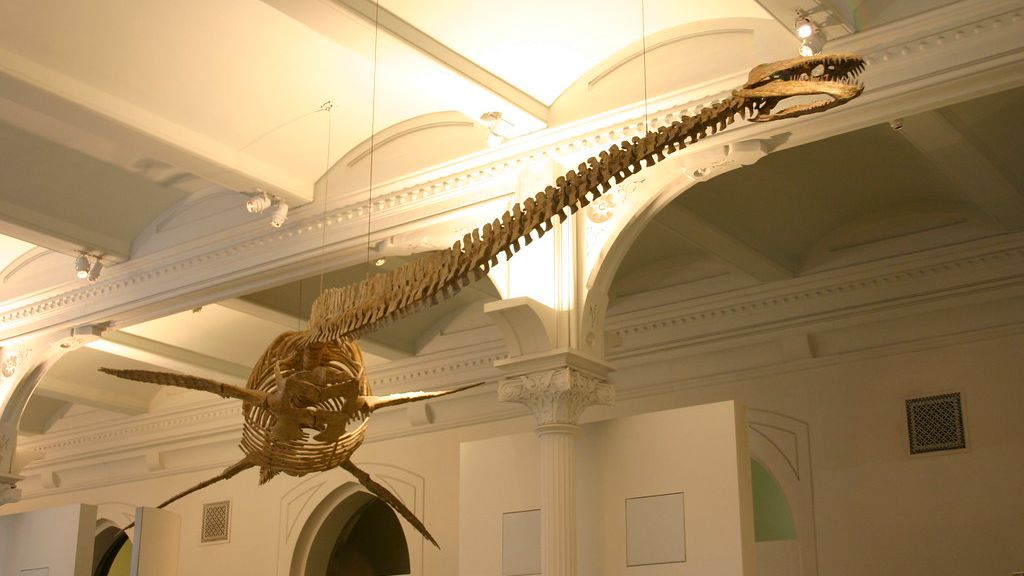
When you first see a reconstruction of Elasmosaurus, your eyes go straight to that astonishing neck. This plesiosaur, living in Late Cretaceous seas, carried a body that was not especially huge by marine reptile standards, but its neck could contain more than seventy vertebrae, stretching to lengths that made up over half its total body size. You can imagine it moving like a living fishing rod, sweeping that neck through schools of fish or sneaking its small head into clusters of unsuspecting prey.
What makes Elasmosaurus especially interesting for you is the way it challenges your assumptions about what “giant” means. In terms of total mass, it may not rival the biggest ichthyosaurs or mosasaurs, but its extreme proportions show another path evolution can take when the ocean becomes a playground for experimentation. Instead of building a bulkier body or a more massive head, this animal invested in reach. As you picture it gliding slowly through shallow seas, using its long neck to pick off small prey while keeping its heavier body at a distance, you get a sense of how diverse these ancient marine ecosystems really were.
Thalattoarchon and the Rise of Apex Predators After the Great Dying
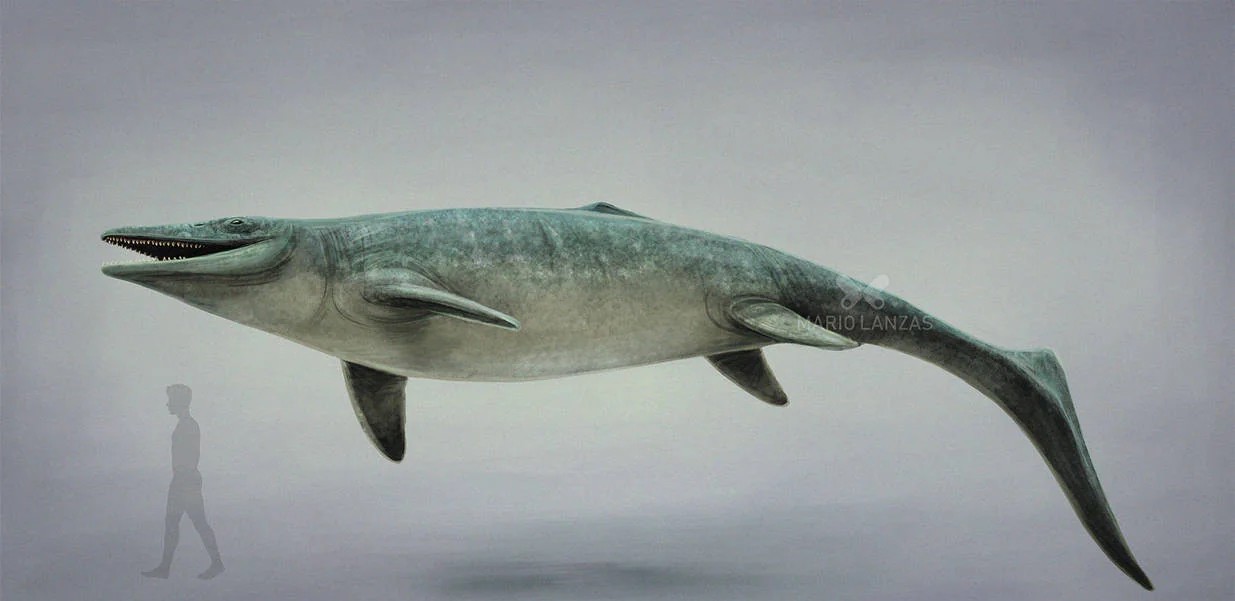
Long before mosasaurs and the largest ichthyosaurs, the oceans had to recover from the greatest mass extinction in Earth’s history at the end of the Permian period. Not long into the Triassic, you see animals like Thalattoarchon emerging as early apex predators in the seas. This ichthyosaur did not reach the extreme sizes of later giants, but it was still large for its time, with a big head and jaws equipped with cutting teeth suited for tackling prey not much smaller than itself. You can think of it as a trailblazer, showing how quickly life in the oceans rebounded with new top hunters.
For you, Thalattoarchon is important because it marks a turning point. Oceans that had been nearly emptied of large predators were soon patrolled again by fast, powerful reptiles adapted for open-water hunting. Its very existence tells you that marine ecosystems can rebuild complexity and restore food chains surprisingly quickly in geological terms. When you trace the history of giant marine reptiles, you see animals like Thalattoarchon as the early steps on a long path that eventually led to whale-sized ichthyosaurs and massive pliosaurs. It’s like watching the first chapters of a story you already know ends with giants.
What These Giants Teach You About Life in Ancient Seas
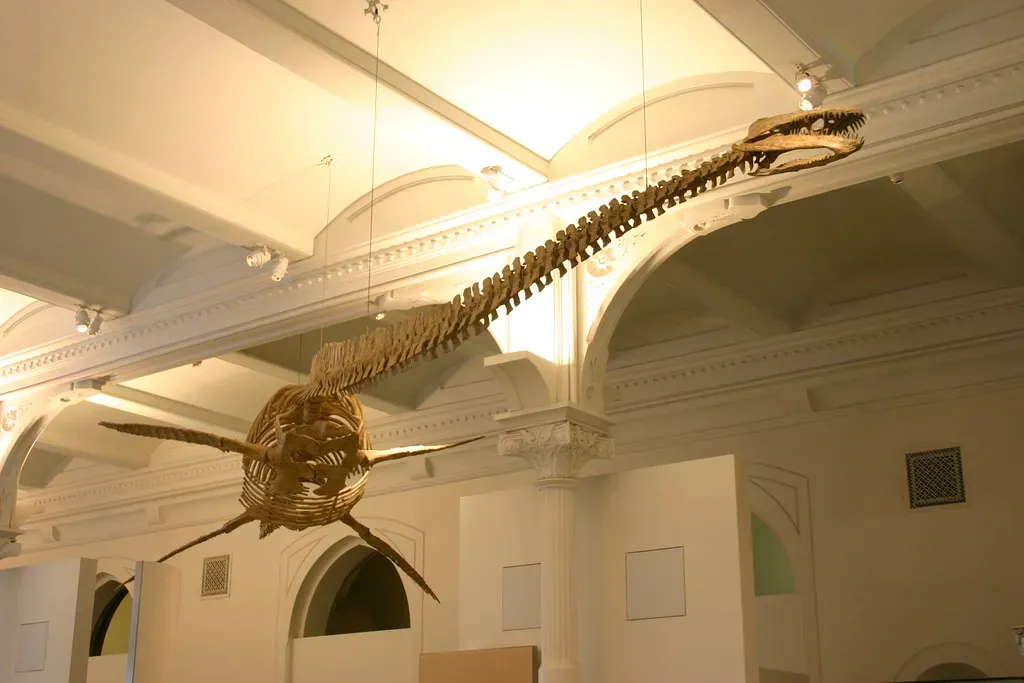
When you zoom out and look at these marine reptiles together, you start to notice patterns that go beyond any single impressive species. Time and again, you see lineages evolving toward huge body sizes, powerful tails, streamlined shapes, and specialized feeding strategies. In that sense, you’re watching a set of experiments repeat with different starting materials: reptiles that once walked on land reshaping themselves into creatures that rival or even surpass modern whales and sharks in size and ecological impact. That convergence tells you something deep about what it takes to be a giant in the ocean.
For you, there’s also a more personal lesson in this ancient drama. These fossils remind you that Earth’s oceans have hosted multiple eras of giants, and the ones you know today are just the latest in a long, shifting cast. The loss of the marine reptiles at the end of the Cretaceous made room for new giants, especially whales, to rise later on. As you think about how quickly things can change in marine ecosystems today, this deep-time perspective can be both unsettling and inspiring. It nudges you to ask what kinds of giants will swim the seas millions of years from now – and whether you’re helping or hurting the oceans that will shape that future.
In the end, unearthing these giants is really about unearthing your own sense of wonder and humility. When you stand in front of a fossilized jaw longer than your car, or a vertebra the size of a suitcase, you’re reminded that your world is just one chapter in a much longer story. These prehistoric marine reptiles walked a tightrope between power and vulnerability, thriving for millions of years and then vanishing as conditions changed. As you walk back out into the sunlight from a museum or finish reading about them, you might find yourself glancing at the nearest stretch of water and imagining what could be hiding just out of sight. If creatures like these ruled the seas before, what else might still be waiting below the waves, beyond what you have yet discovered?