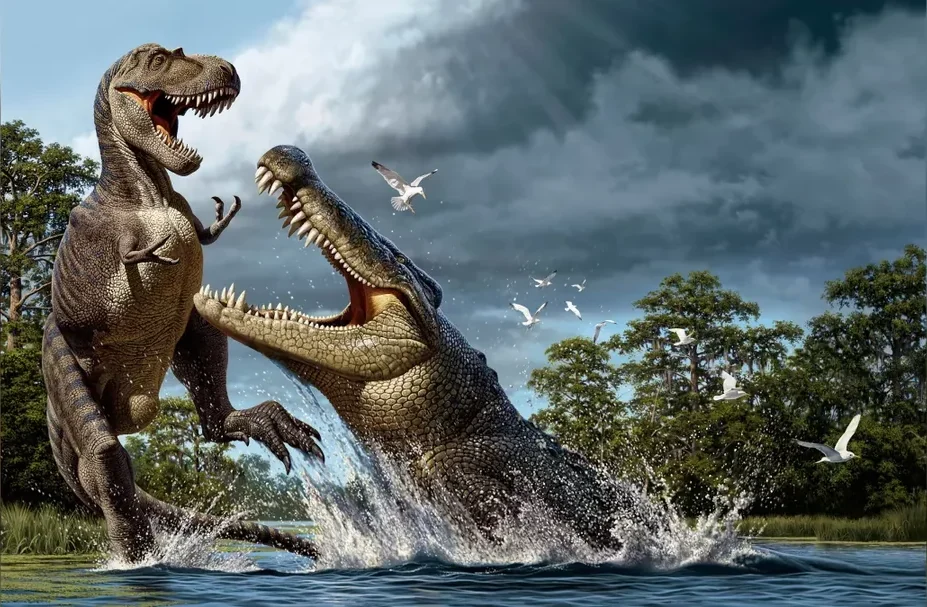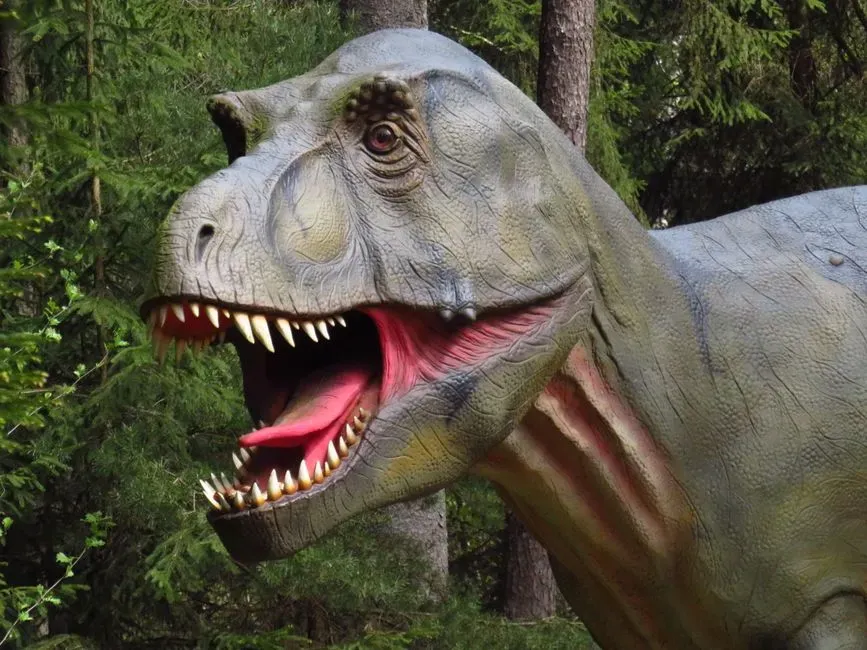
You probably picture Antarctica as nothing but endless white, brutal wind, and ice that seems to go on forever. So it feels almost unreal to imagine huge dinosaurs trudging through forests there, or long-necked giants grazing where glaciers now tower. Yet that’s exactly what modern research is telling you: Antarctica was once a green, dynamic world where dinosaurs lived, hunted, raised young, and migrated just as they did on any other continent. Today, you stand at a strange crossroads of evidence and imagination. You know dinosaur fossils have been pulled from near the tops of Antarctic mountains and remote islands locked in sea ice. You also know the record is still incredibly patchy, leaving room for new theories about how many species lived there, how they survived months of darkness, and how they used this frozen frontier as a bridge between continents. When you lean into the science, you find a story that’s wilder – and more plausible – than you might expect.
How Antarctica Turned From Dinosaur Habitat Into an Icy Desert
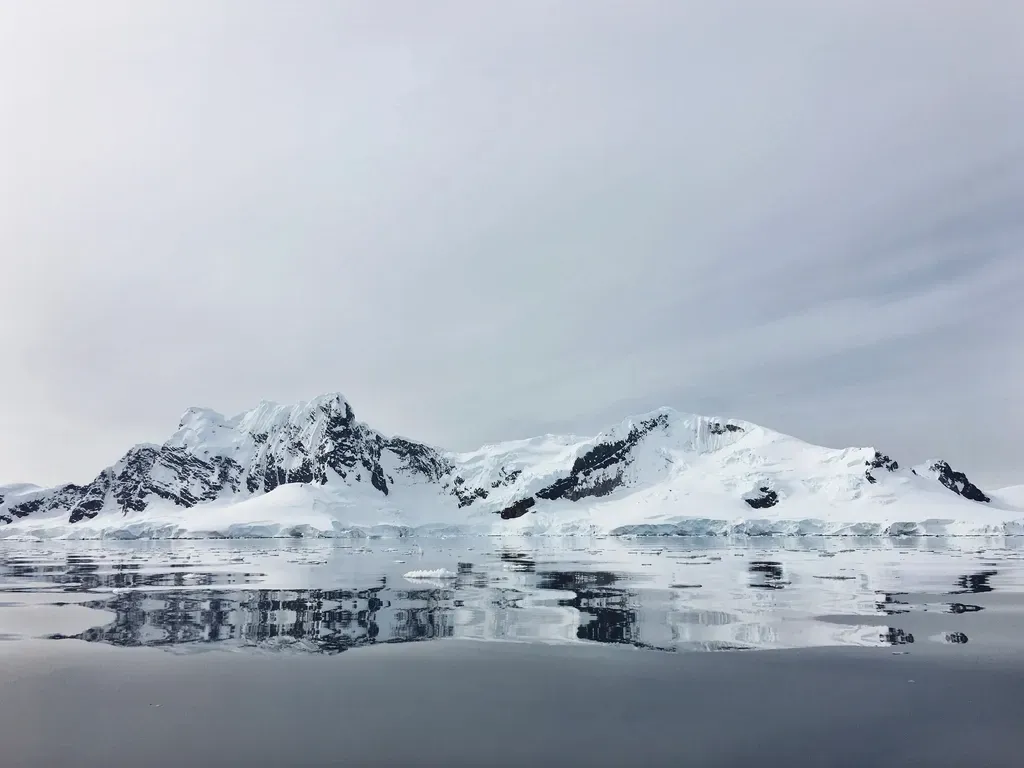
To understand how dinosaurs could have roamed Antarctica, you first have to forget everything you know about the continent today. During the Mesozoic Era, when dinosaurs dominated the planet, Antarctica sat further north as part of the supercontinent Gondwana and enjoyed a much milder, forested climate. You would have walked through conifer and fern forests, not over ice sheets, and the air, while cool at times, was nothing like the deadly cold you see now. Geological evidence shows that lush vegetation grew where modern ice shelves now sprawl, proving that life once thrived in what feels like the most lifeless place on Earth.
Over tens of millions of years, plate tectonics slowly dragged Antarctica southward, isolating it and changing global ocean currents. As the continent settled over the South Pole and circumpolar currents formed, temperatures plummeted and ice began to dominate the landscape. From your perspective, that shift turned a once-busy dinosaur crossroads into a deep-freeze time capsule, locking away fossils under kilometers of ice and rock. The result is a world where you are only just chipping away at a tiny fraction of the buried history, but what little you see is enough to confirm dinosaurs really did call this place home.
The First Big Clues: Cryolophosaurus and Glacialisaurus
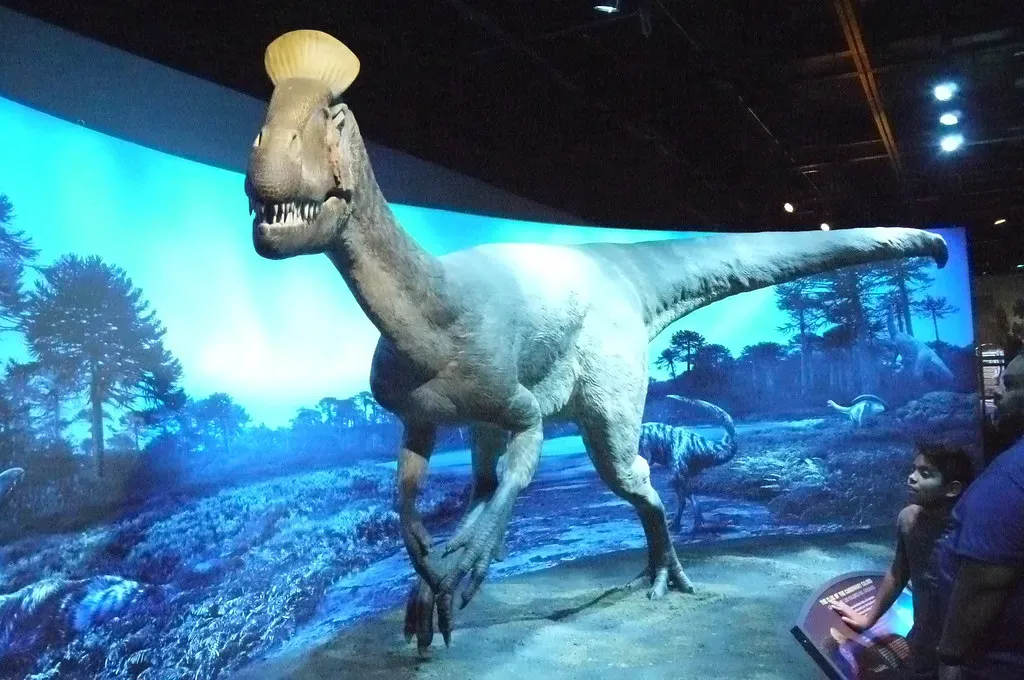
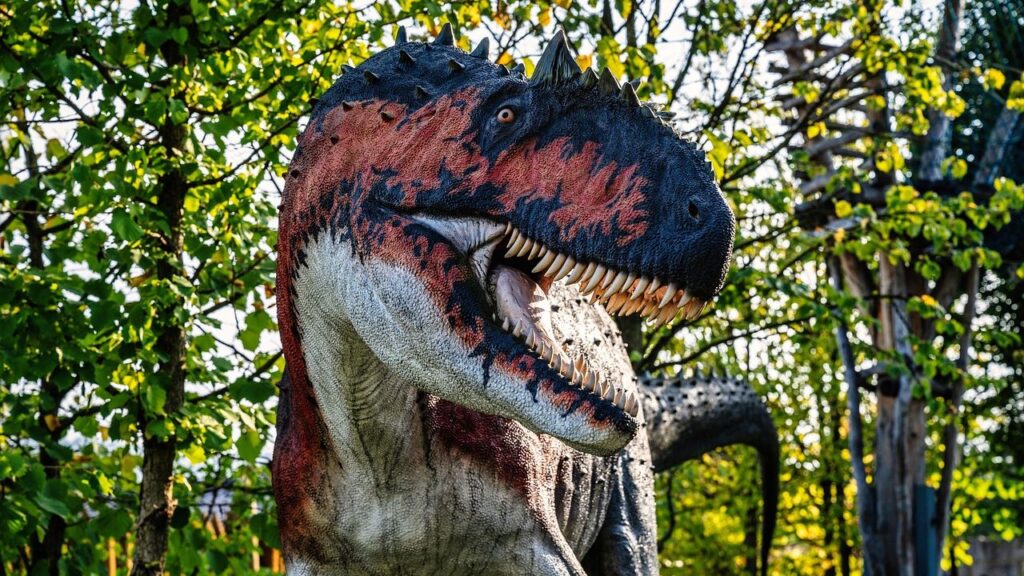
When you hear that dinosaurs lived in Antarctica, you might wonder what actual proof you have. Some of the clearest early evidence comes from the Transantarctic Mountains, especially near Mount Kirkpatrick, where rock layers from the Early Jurassic peek through the ice. Here, researchers uncovered bones of a large theropod now known as Cryolophosaurus, nicknamed the crested lizard of the cold for its distinctive head crest and polar home. Alongside it, you find fossils of Glacialisaurus, a long-necked, early sauropodomorph that hints at the presence of even larger, later giant relatives.
These discoveries do more than just put dinosaurs on the Antarctic map for you; they show that the region was part of a bigger, interconnected ecosystem. The anatomy of these animals carries features that link them to forms in what’s now South America and other Gondwanan lands. When you trace those connections, you start seeing Antarctica not as an isolated oddity but as a crucial piece of the dinosaur puzzle. In your mind, Cryolophosaurus is no longer just a cool fossil; it becomes a messenger, telling you that polar environments were already part of the dinosaur story very early on.
Late Cretaceous Polar Dinosaurs: A Hidden Cast of Characters
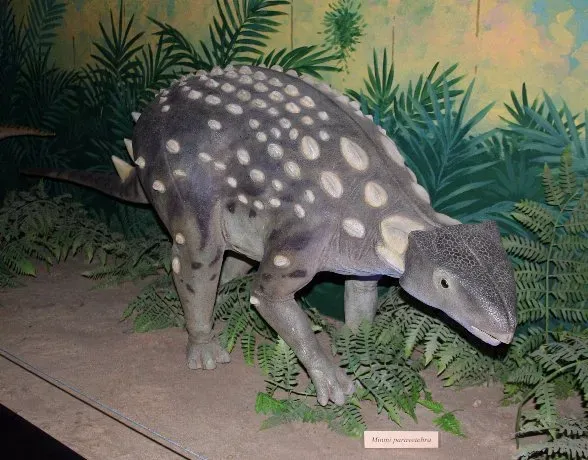
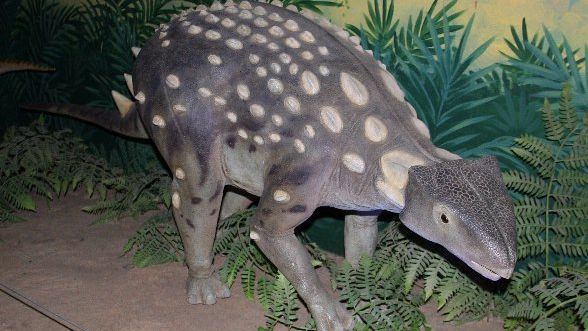
Fast forward in your mental timeline to the Late Cretaceous, and you step into a very different Antarctic cast. Now, the fossil record from areas like James Ross Island and the nearby sub-basin shows you small to medium-sized herbivorous dinosaurs, armored forms, and agile runners adapted to a cooler, seasonal world. Names like Antarctopelta, an armored ankylosaur, and Morrosaurus, a nimble herbivore, give you a hint of the diversity that once navigated coastlines and river valleys there. You also find traces of hadrosaur-like dinosaurs and other ornithopods, even if sometimes the evidence is as small as a single bone or tooth.
What strikes you is how familiar these dinosaurs feel when you compare them to those from South America or Australia. They share many features, suggesting that Antarctica acted as a biological bridge where species spread and mixed while Gondwana was breaking apart. From your vantage point, you see a network of land and shallow seas linking continents, with dinosaurs using the Antarctic region the way migrating animals use corridors today. Even though the fossil record is thin and frustratingly incomplete, each new bone you learn about tells you that the dinosaurs of Antarctica were part of a much larger global story rather than a strange evolutionary side note.
Life in the Dark: How Polar Dinosaurs Might Have Survived Extremes
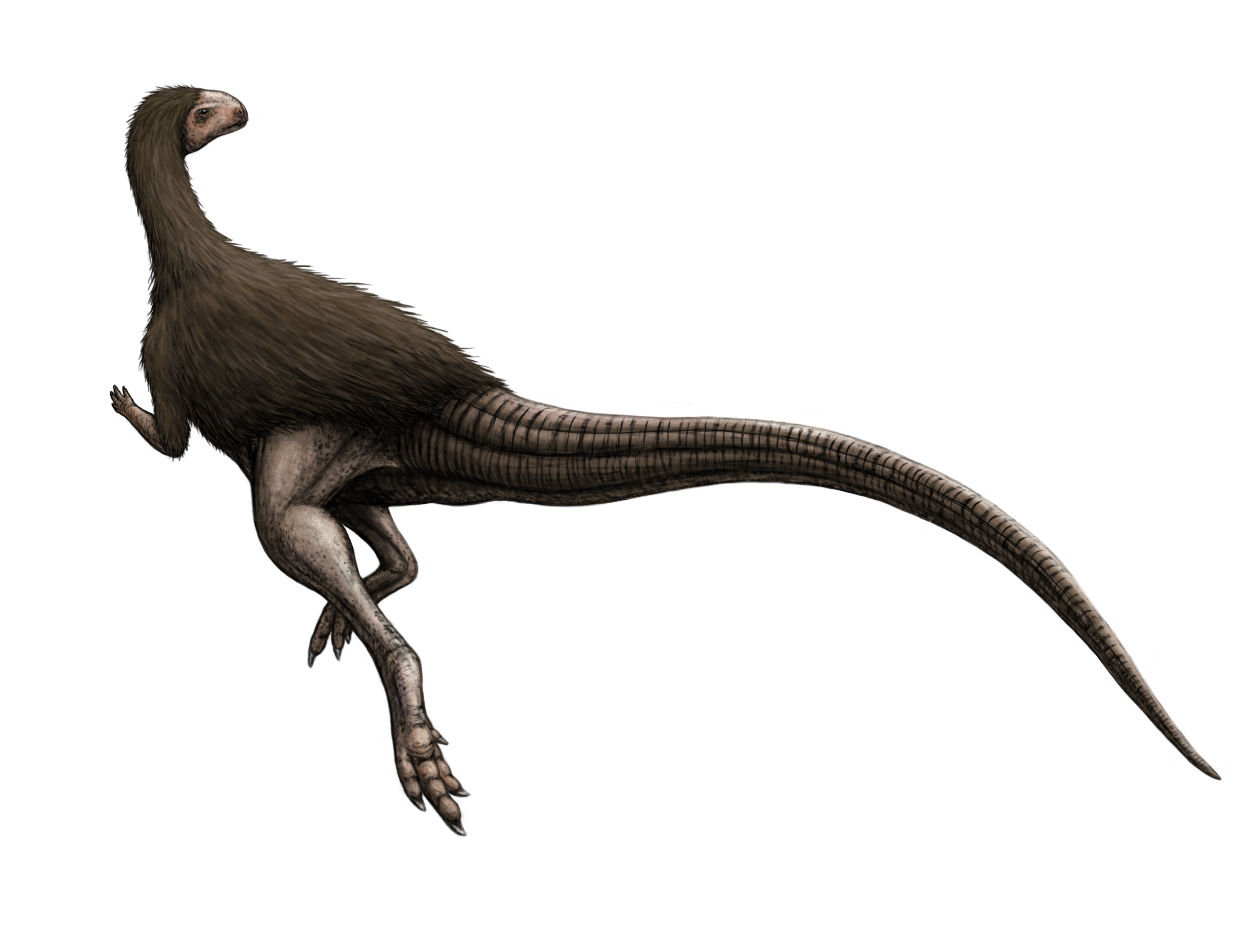
Once you accept that dinosaurs lived in Antarctica, your next question is obvious: how on Earth did they cope with months of darkness and chilly, seasonal climates? While the region was warmer than today, it still lay at polar latitudes, meaning long winter nights and cooler temperatures were part of the deal. Many researchers argue that at least some dinosaurs had high metabolic rates and insulating features like feathers or dense body coverings, which would have helped them stay active in cold conditions. When you think about it that way, a feathered, warm-blooded dinosaur patrolling a dim, snowy forest suddenly feels less like fantasy and more like a logical adaptation.
You also have to consider behavior. Some dinosaurs may have migrated north and south with the seasons, following food the way caribou do now, while others might have stayed put and adapted to low-light conditions. Evidence from polar dinosaur sites in other regions, like Alaska, suggests that smaller herbivores and predators could overwinter, perhaps slowing their growth or changing feeding strategies. You can reasonably extend that thinking to Antarctic dinosaurs, even though direct evidence is limited. The key for you is to recognize that these animals were not fragile tropical lizards; they were resilient survivors capable of thriving at the edges of what you might assume was possible.
New Fossils, New Theories: What Recent Discoveries Are Telling You
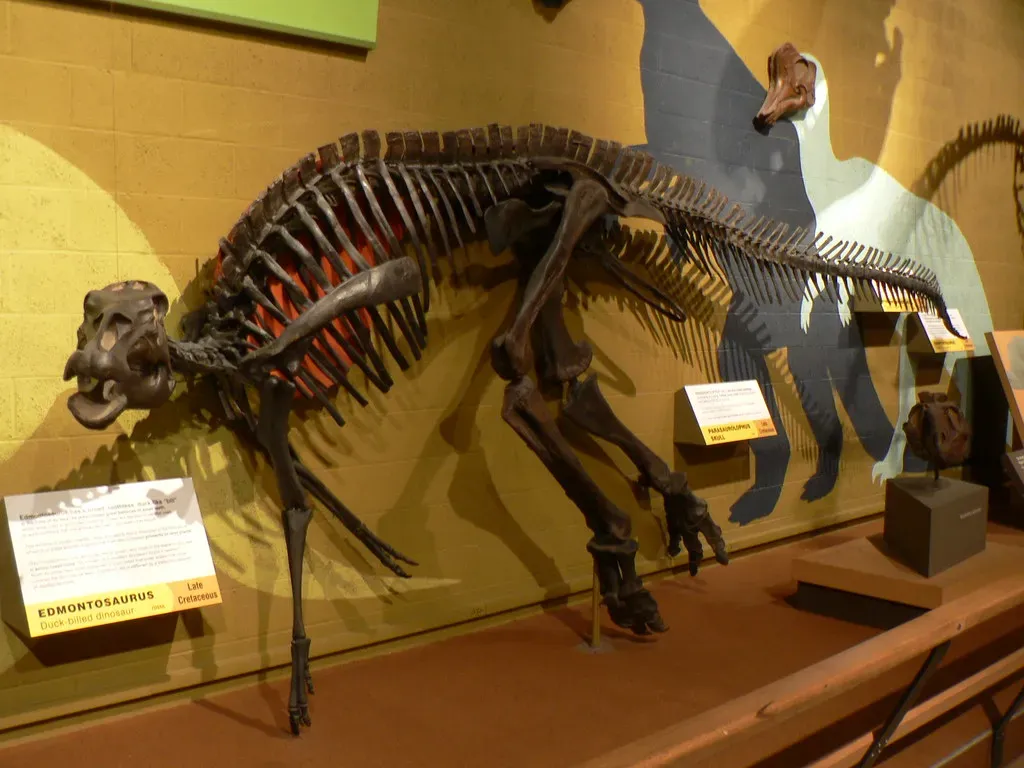
In the past few decades, each Antarctic field season has been like opening a barely cracked book for you. Teams working in exposed rock formations and remote islands have turned up more dinosaur bones, marine reptiles, and ancient birds, slowly fleshing out a picture that once relied on only a handful of specimens. Fresh finds of sauropod remains, new ornithopod species, and diverse marine reptiles such as massive elasmosaurs show you that Antarctica’s ecosystems were complex and vibrant near the end of the age of dinosaurs. You are learning that this was not a marginal wasteland, but a fully functioning part of the global biosphere.
What makes these new discoveries so powerful for you is how they reshape long‑held assumptions. As more fossils emerge, they challenge the old idea that dinosaurs were strictly creatures of warm, equatorial zones. Instead, you see clear evidence that they occupied high-latitude regions and adapted successfully to polar conditions. At the same time, researchers are refining timelines, identifying exactly which rock layers hold which species, and using that information to test theories about climate shifts and continental breakup. You are not looking at wild speculation anymore; you are watching a cautious, evidence-based story grow richer with each season on the ice.
Antarctica as a Dinosaur Highway Linking Ancient Continents
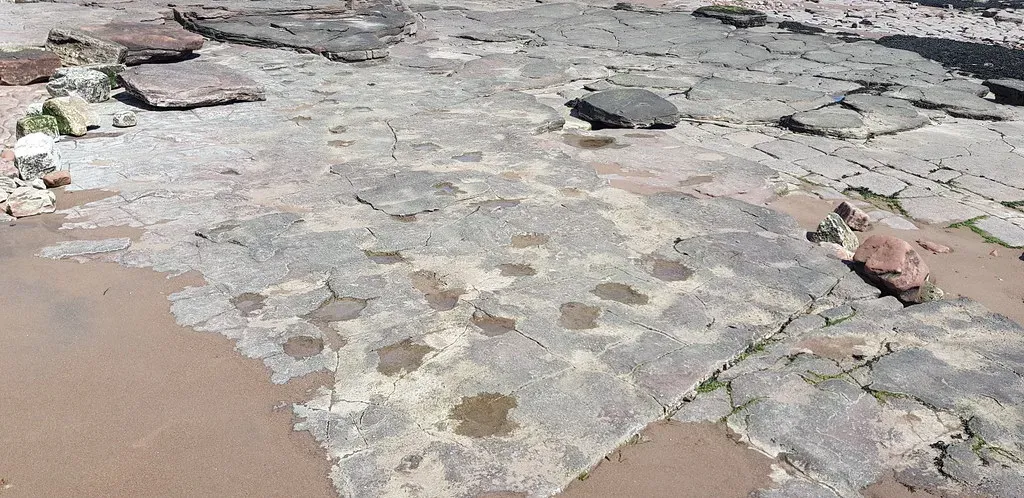
When you zoom out and look at the map of the ancient world, Antarctica stops being just a frozen outlier and turns into a central junction. As Gondwana fragmented, land bridges connected what’s now South America, Antarctica, and Australia far longer than you might expect. Fossils from all three regions show you strikingly similar dinosaur groups, from theropods to ornithopods, hinting that animals moved across these corridors. In your mind, Antarctica becomes a kind of prehistoric highway, where lineages spread, mixed, and evolved before the continents finally drifted apart and climates changed for good.
This idea of Antarctica as a crossroads helps you make sense of why the fossil record there, however scarce, looks the way it does. When you see related species or close relatives appearing in Patagonia and Australia, you can picture their ancestors crossing ancient Antarctic landscapes, feeding in forests and nesting near rivers. That perspective also reminds you that losing access to most of Antarctica’s rocks under ice is like missing a critical chapter from a book you are desperate to finish. Every new fossil you uncover there does double duty, filling in local history and clarifying global patterns of dinosaur evolution and dispersal.
The Harsh Hunt for Fossils Beneath Ice and Mountains
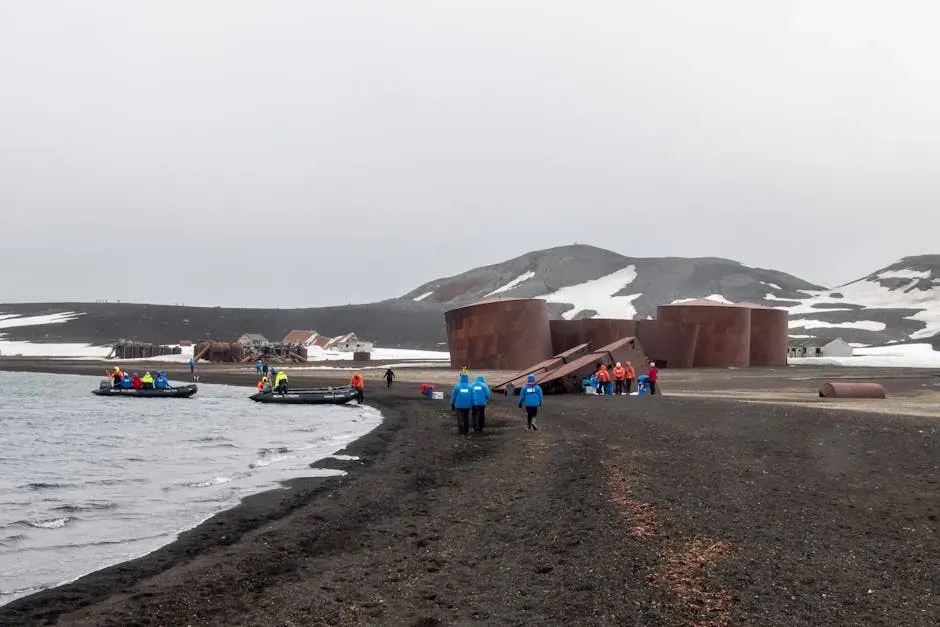
If you ever imagine yourself searching for dinosaur bones in Antarctica, you quickly realize it is nothing like a casual desert dig in a warm climate. Most of the continent is buried under immense ice sheets, so you are limited to rare patches of exposed rock along coastlines and mountain ranges. Even reaching those outcrops can require ship voyages through pack ice, helicopter drops, and days of travel in subzero temperatures. Once you get there, you are working in short summer windows, racing against brutal weather and logistical constraints just to chip away at a few promising layers.
Because of that, the fossil record you see from Antarctica is incredibly biased and incomplete. You know there were definitely more species than the handful you have named so far, but they lie hidden under ice you simply cannot penetrate with current technology. That reality is frustrating, but it also makes each bone you do find feel like a small miracle. When a team pulls a vertebra or a limb bone out of frozen rock, you are not just adding a specimen to a museum; you are rescuing a fragment of deep time from almost impossible odds, and you are reminded that much of Earth’s story is still literally out of reach.
What It All Means for How You Think About Dinosaurs
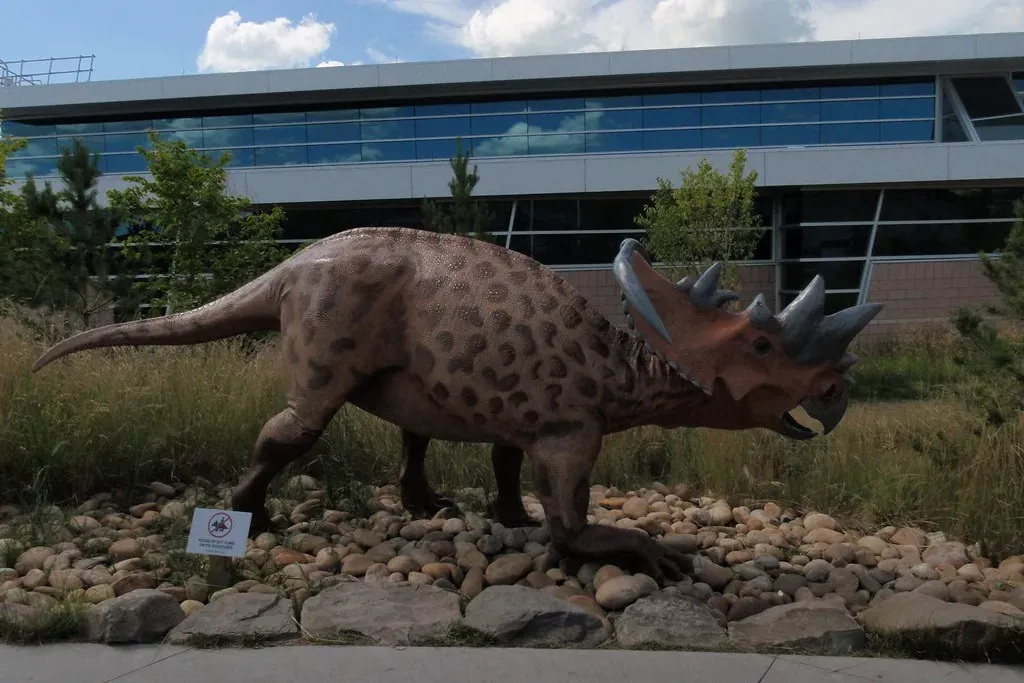
As you piece together this Antarctic evidence, your entire mental picture of dinosaurs starts to shift. Instead of seeing them as creatures confined to lush, tropical valleys, you begin to understand them as adaptable, world‑spanning animals that could handle cold, darkness, and long seasonal swings. Antarctica forces you to admit that your past assumptions were too narrow, and that many dinosaurs were tougher, more flexible, and more ecologically versatile than old textbooks suggested. In that sense, the frozen continent becomes a kind of reality check for you, pushing you to respect just how resilient life can be.
At the same time, you learn a kind of scientific humility. You know that the theories about how many species lived there, how they migrated, or how exactly they coped with polar winters are still being tested and refined. The data is thin, and you have to treat dramatic claims carefully, sticking close to what the rocks and bones can actually support. Yet even with those limits, the story you can tell is thrilling: Antarctica was once green, dinosaurs roamed its valleys and hills, and the continent you now see as a frozen void once pulsed with life. When you picture that contrast – the roar of dinosaurs where only wind howls now – doesn’t it make you wonder what other hidden worlds are still buried beneath the ice?