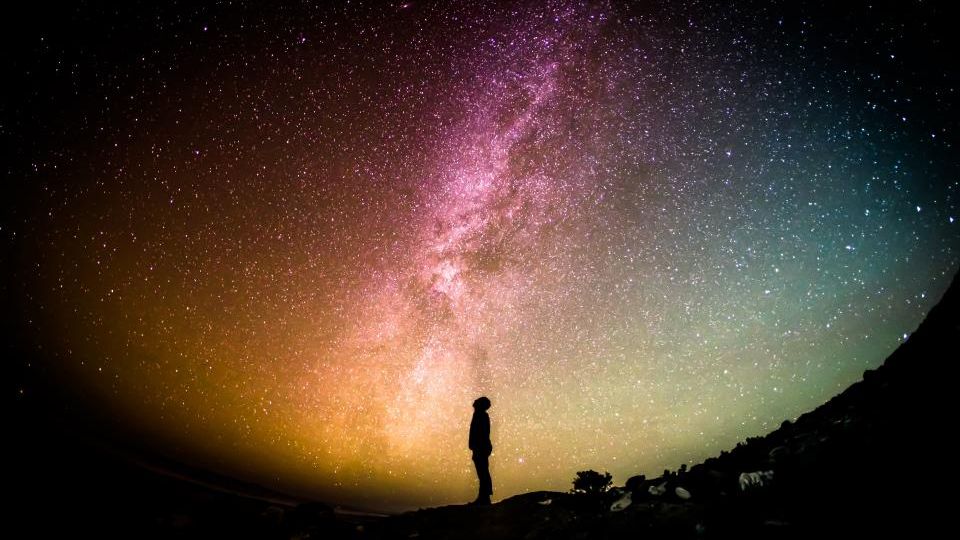
When you step outside on a clear night and look up, it is easy to forget that your ancestors once lived under a sky far darker, sharper, and more overwhelming than anything you see today. No streetlights, no neon, no glowing screens; just the Milky Way burning from horizon to horizon like a river of ice and fire. For early humans, that sky was not background decoration. It was a constant presence, a looming question, and often a terrifying or comforting companion.
You can think of those first stars as the oldest storytellers you will ever meet. Long before you had writing, temples, or telescopes, you had constellations, comets, and the slow crawl of planets across the heavens. The sky gave you patterns to notice, seasons to predict, and mysteries to explain. Out of that mix came myths of creation, gods, monsters, and heroes that still echo in modern religions and legends. When you trace those stories back, you are really tracing your own long, strange relationship with the night.
The Night Sky As Your First Cosmic Ceiling
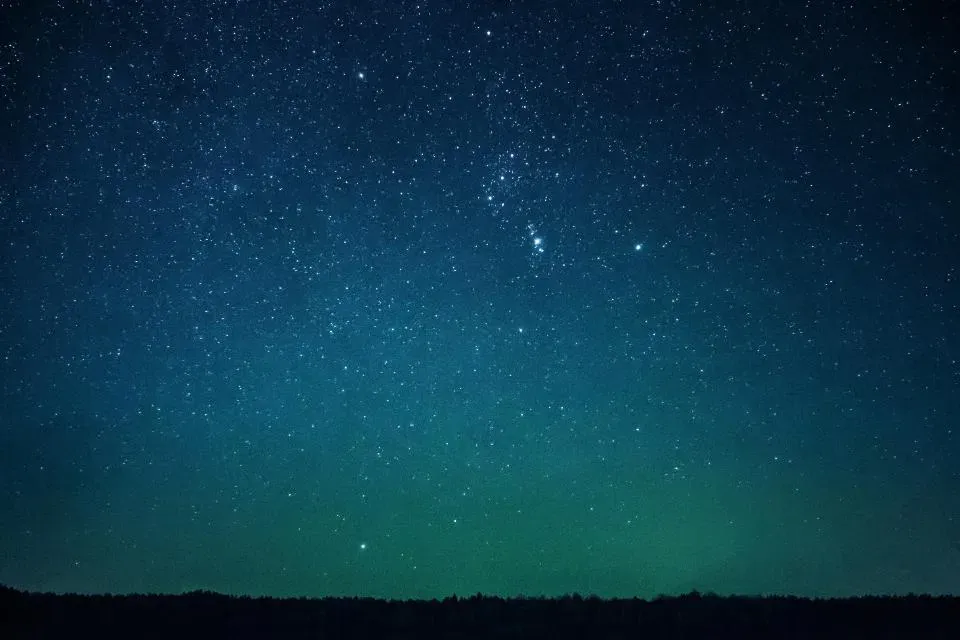
Imagine yourself tens of thousands of years ago, at the edge of a fire, the world around you swallowed by darkness, and above you a sky packed with more stars than you have probably ever seen in your life. Without light pollution, your eyes would adjust and reveal the Milky Way as a bright band, clusters and dark lanes cutting through it like smoke. You would notice that some stars twinkle sharply while others glow steady, and that a few bright wanderers move slowly across the background over many nights.
In that world, you would not treat the sky as a distant, abstract thing. It would feel close, almost like a roof you lived under, full of shimmering shapes that seemed to watch you back. Thunderstorms, shooting stars, and the ghostly light of the Moon would feel charged with meaning, because you had no way to separate weather, fate, and the will of unseen forces. The night sky, for you, would be an endless canvas begging for stories, a place where every strange light might be a sign meant specifically for your small group huddled around the fire.
Why You Turned Random Stars Into Familiar Constellations
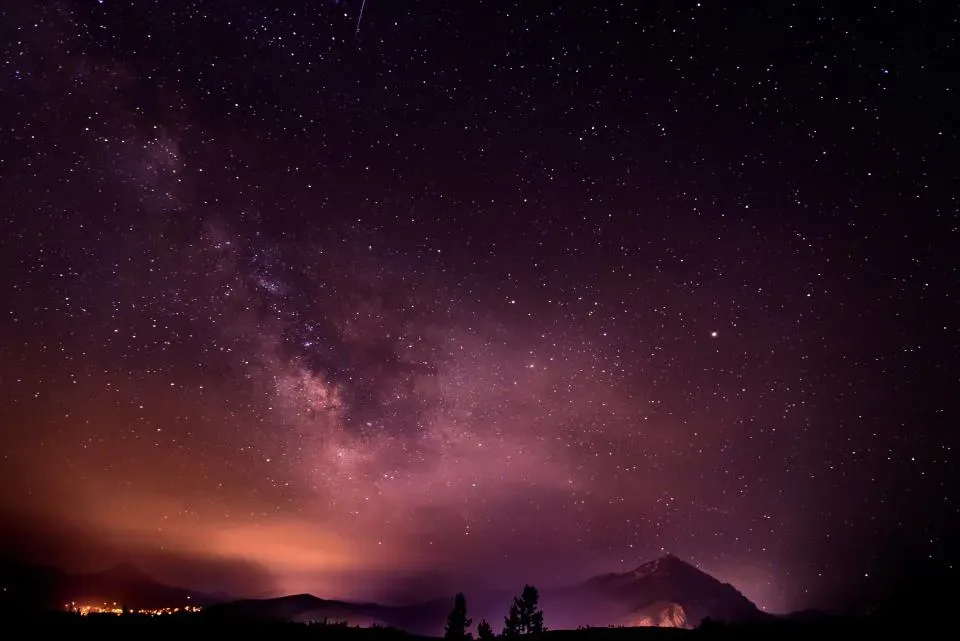
If you stare at random dots on a page long enough, your mind will start connecting them into shapes, and you do the same with stars. Your ancestors did not inherit a fixed set of constellations from the beginning; they made them. When you connect bright stars into lines and figures, you turn chaos into something you can actually talk about: a hunter, a bird, a canoe, a scorpion. That simple act lets you point, name, tell stories, and pass knowledge along to others.
You also use constellations the way you might use street names or landmarks in a city. Once you give a cluster of stars a story, you remember where it rises, where it sets, and what time of year it appears high in the sky. That, in turn, lets you tie practical things like hunting seasons, migrations, or planting times to memorable tales. Instead of memorizing a dry list of dates, you remember that when a certain mythical hero climbs high overhead, it is time to move camp or prepare for a seasonal change. Myth becomes your mental map of the heavens.
The Stars As Your First Calendar And Compass
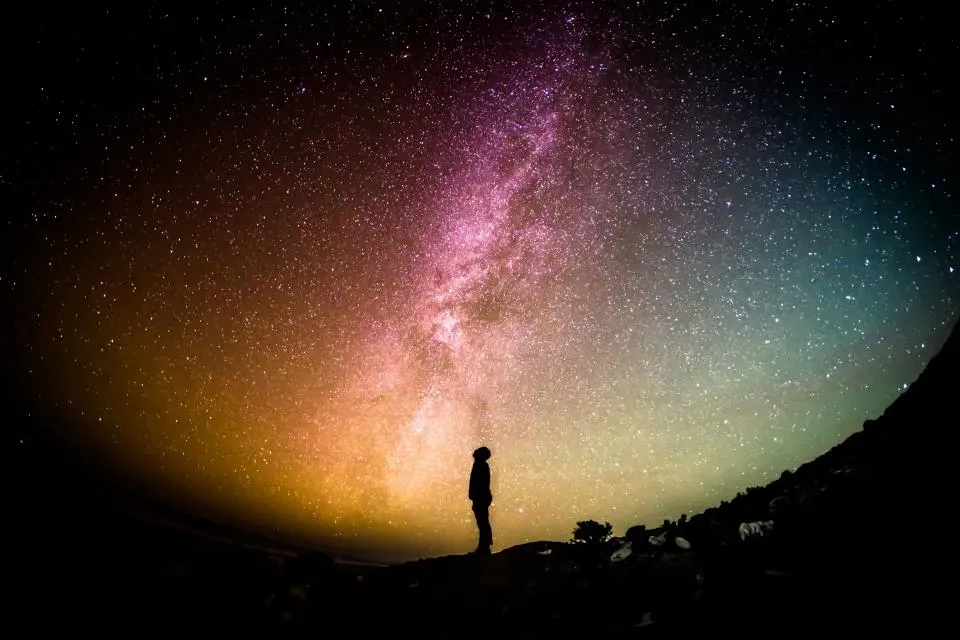
Before you had clocks and calendars, you still needed to know when to move, when to plant, and where you were headed. If you pay attention to the sky, you quickly notice that certain bright stars and constellations return at the same points in the year. One particular cluster might appear just before dawn when the dry season begins, while another marks the time when rains are likely to come. By tying those yearly appearances to stories, you create a living calendar in the sky that tells you what to expect from the Earth beneath your feet.
You also use the stars to find your way. If you live in the Northern Hemisphere, you may learn to spot the star that barely moves, close to the north point of the sky, and that fixed point becomes your silent guide at night. In other regions, you might rely on particular constellations or the overall sweep of the Milky Way to orient yourself. When you wrap those wayfinding tricks inside myths about sky animals, spirit paths, or divine journeys, you are not just navigating terrain; you are walking through a landscape where every direction has a story and every journey is part of a larger cosmic pattern.
How Prehistoric Skies Fed Creation Myths In Your Mind
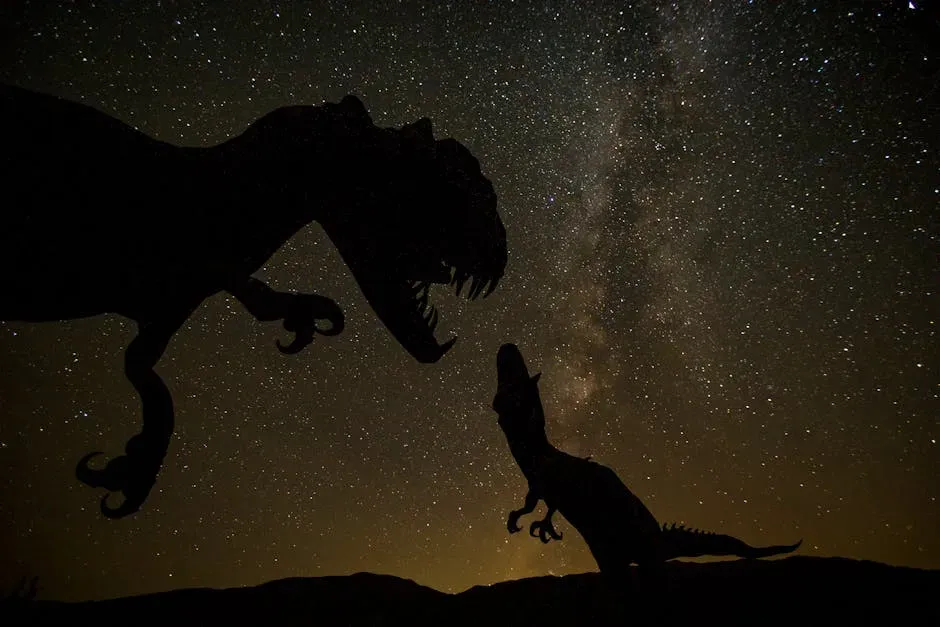
When you try to imagine how everything began, your eyes naturally go upward. The night sky looks ancient, mysterious, and almost too grand to feel accidental. If you are living in a small band of hunter‑gatherers, the idea that the shining arch of the Milky Way is just stars very far away would not even occur to you. What you see instead is a great river, a road, a scar, or the milk of a cosmic animal spilled across the sky. Your mind reaches for familiar images from your daily life to make sense of something overwhelmingly vast.
Out of that instinct come your first creation stories. You may picture beings who lifted the sky away from the Earth, beings who threw sparks that became stars, or animals whose bodies were transformed into constellations as a reward or punishment. These stories do not come from ignorance so much as from a need to turn an impossible question into something you can tell around the fire. The more the sky baffles you, the more powerful your myths become, and the more certain you feel that the story of the heavens and the story of your people are somehow the same story told from different angles.
The Moon, Planets, And Eclipses As Emotional Triggers
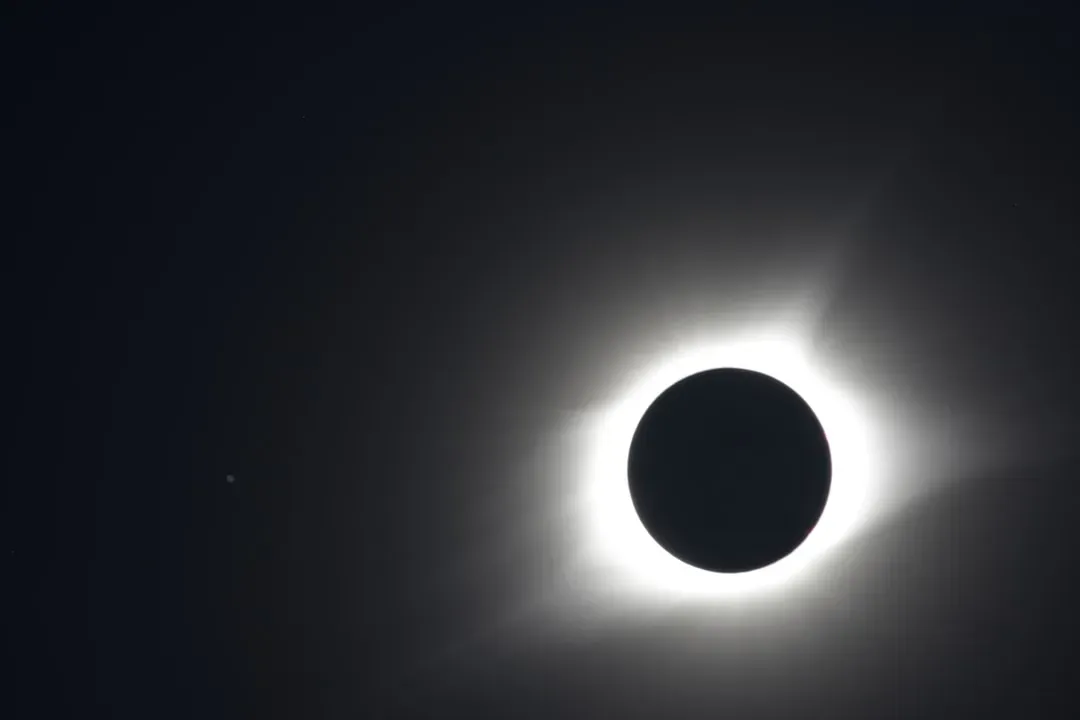
Not all lights in the sky behave the same way, and you notice that quickly. The Moon grows and shrinks in a steady rhythm, brightening the night and then retreating into darkness. A few bright points of light wander through the constellations over weeks and months instead of staying fixed. Sometimes, the Sun darkens in the middle of the day or the Moon turns a deep reddish color. For you, these changes hit hard, because they feel personal and immediate, like mood swings of the sky itself.
As you watch these cycles and surprises, you are likely to give them strong personalities. The Moon might become a fickle, changeable figure whose phases mark women’s cycles or hunting rhythms. The bright wandering lights become powerful gods or ancestral beings, because they move with a deliberate, almost intentional slowness that sets them apart from the other stars. Eclipses, rare and unsettling, can feel like cosmic arguments or warnings that demand rituals, offerings, or collective fear. In your mythology, these events become emotional punctuation marks, moments when the universe seems to speak directly to you.
Sharing Star Stories To Bind Your Group Together
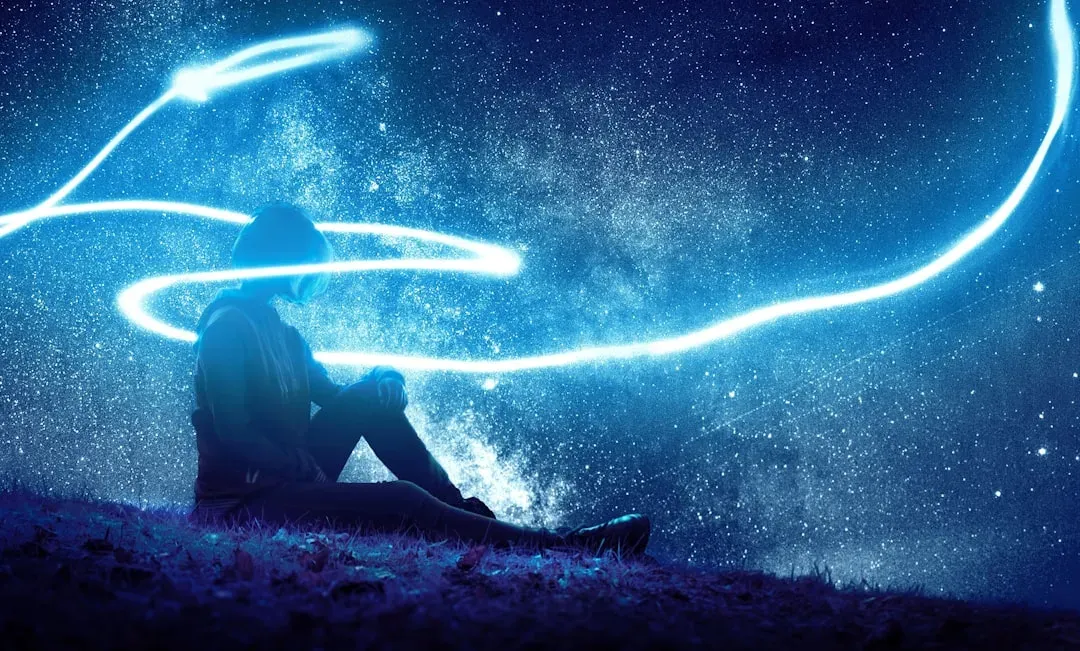
Storytelling is one of the first tools you use to hold your small community together, and the night sky gives you an endless set of prompts. When you lie back and point out a pattern to a child beside you, you are not just explaining where a group of stars sits. You are sharing a tale about a trickster, a hero, or a great hunt that everyone in your group knows. The sky becomes a shared reference point, a kind of cosmic book that you all read together without any writing at all.
Because the sky looks the same to everyone in your group, it becomes a powerful way to define who you are. Your version of a certain constellation, your explanation for a bright planet, or your special name for a dark patch in the Milky Way all mark you as part of a particular people. Outsiders may see the same stars, but they do not see them through your stories. In this way, star myths help draw a line between you and others, building a sense of belonging that stretches across generations every time someone points up and repeats the same old tales in their own voice.
When The Sky Changes, Your Myths Shift With It
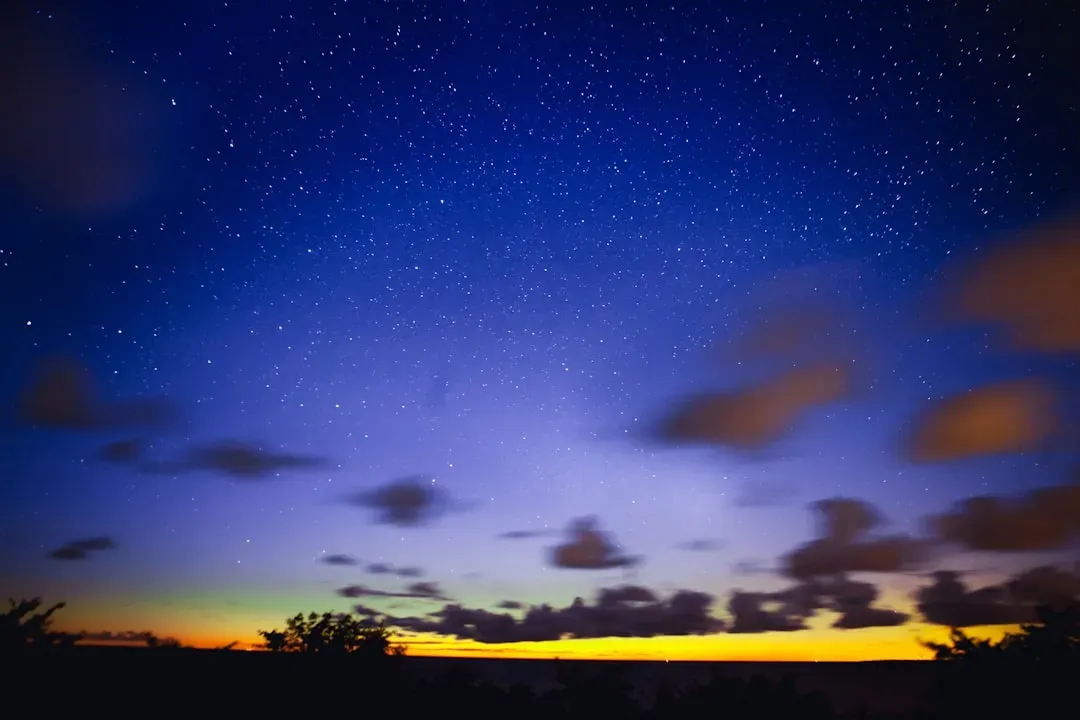
You might think of the sky as permanent, but over long stretches of time it slowly changes. Some bright stars drift into slightly different positions, new comets appear, and rare events like supernovae briefly outshine everything else. If you live through one of those extraordinary sights, it can shake your sense of what is stable and what is fragile. Suddenly, a patch of sky that always looked the same now has a glaring new light in it, and you are pushed to explain what such a dramatic sign could possibly mean.
In response, your stories evolve. You may add new figures to older constellations, weave fresh omens into existing myths, or reinterpret ancient tales to make sense of a new phenomenon. Over thousands of years, this slow editing process means that your sky lore is never truly frozen in time. Instead, it behaves more like a living organism that grows, sheds parts, and adapts to new experiences. Every time the heavens surprise you, your mythology flexes a little, bending to keep the world feeling meaningful under a sky that is not quite as fixed as it looks.
How Those Ancient Skies Still Shape The Way You Look Up Today
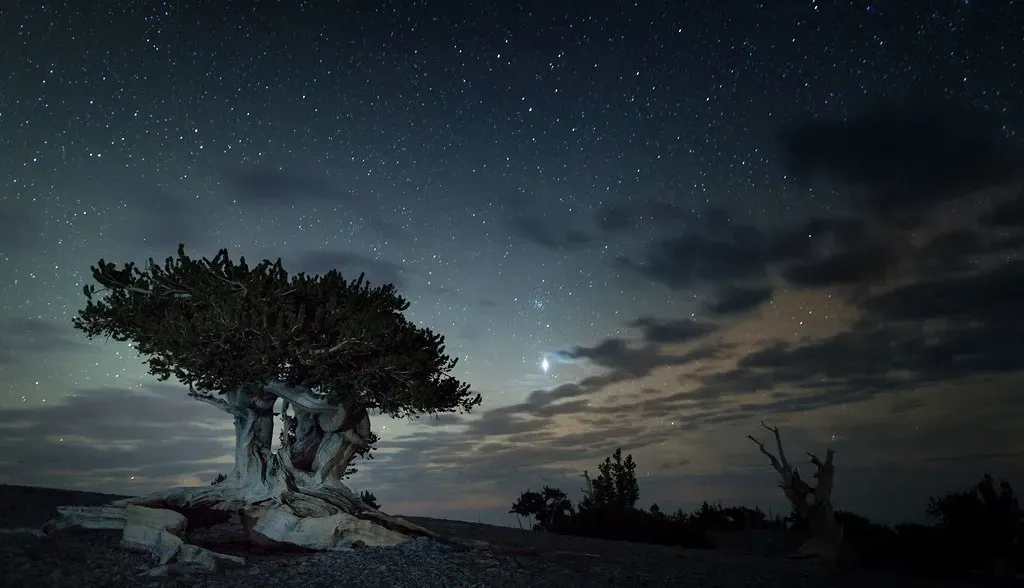
Even now, when you know that stars are nuclear furnaces and planets are worlds of rock and gas, you still feel something older stir in you when you stand under a dark sky. You might catch yourself tracing the same rough shapes that people saw thousands of years ago, or feeling a familiar mix of awe and smallness that numbers and diagrams do not really erase. The language has changed, and the explanations are different, but the basic human response to the stars has not gone away.
When you notice that, you get a glimpse of how deeply those prehistoric skies are woven into your imagination. The very idea of destiny written in the stars, of heroes rising and falling, of heavens above and Earth below, all carry echoes of nights when your ancestors had nothing but their senses and their stories. You may carry a smartphone instead of a spear, but the same brain that once invented sky gods is now trying to understand exoplanets and galaxies. In a way, every time you look up and feel wonder, you step briefly into their world and let the first stars tell their stories again through you.
In the end, those early, untouched skies did more than light the nights of your distant ancestors; they gave shape to the way you still think about meaning, fate, and your place in the universe. When you realize that the myths born under those stars were your first attempts to talk back to the cosmos, it becomes harder to see the night as empty or indifferent. The sky you see tonight is both a physical reality and a long memory of human eyes searching for patterns in the dark. Next time you look up, what stories will you hear whispering between the stars, and which ones will you decide to tell?