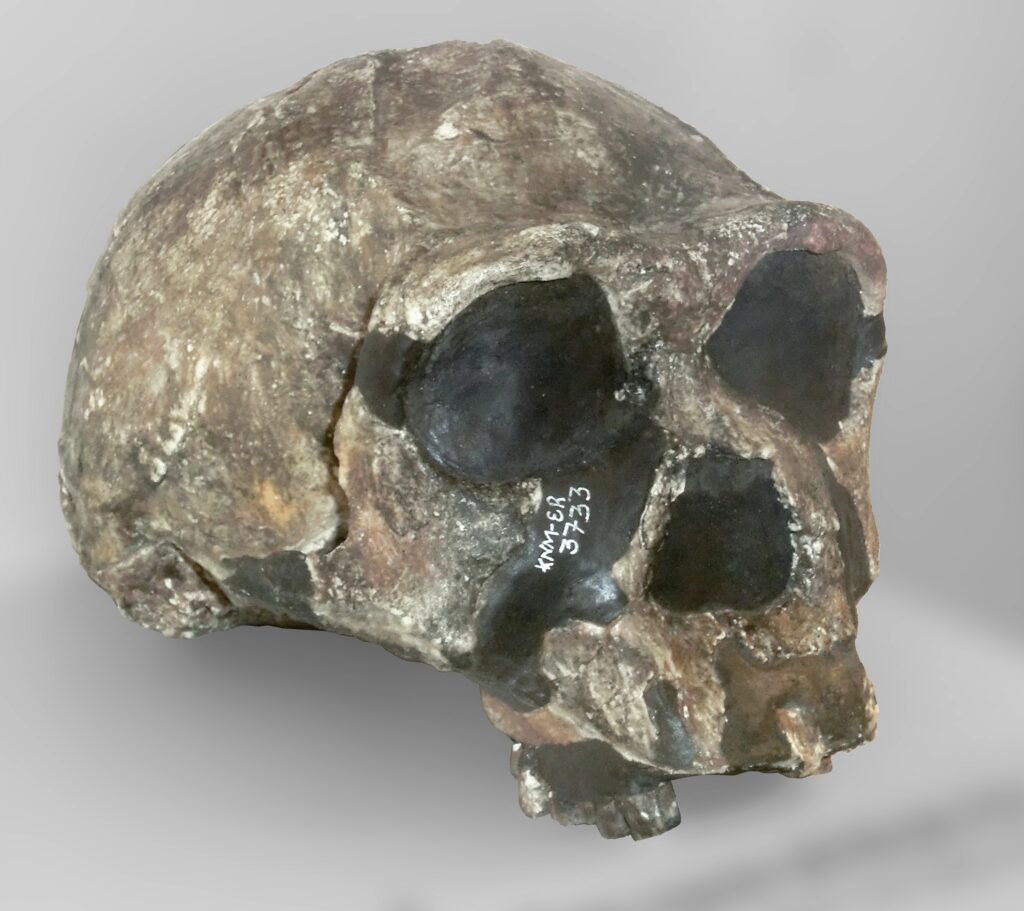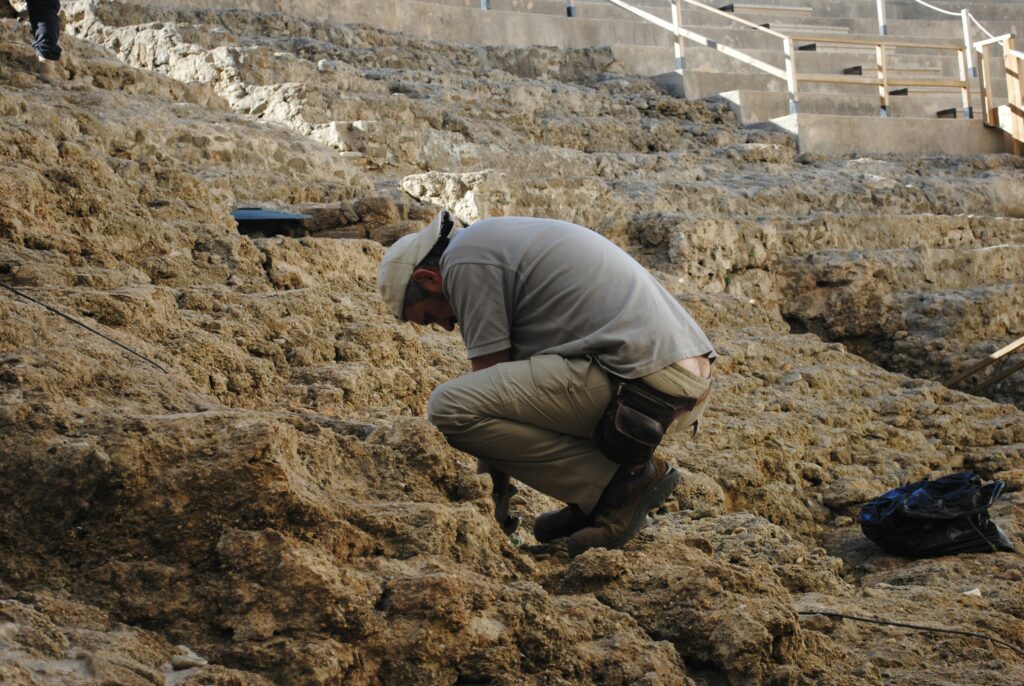
Walk into a modern museum and you’ll see ancient bones lined up like crime-scene evidence: skulls, tools, fire pits, footprints. What you usually do not see is the invisible layer that once wrapped around those lives – fear of death, awe at the sky, love for the dead, whispers about unseen forces. For a long time, early humans were painted as practical survival machines, too busy dodging predators to worry about souls, spirits, or an afterlife. Yet, piece by reluctant piece, science has been revealing a far stranger picture: our ancestors seem to have been quietly haunted by big questions thousands, even hundreds of thousands, of years earlier than we thought.
New discoveries keep nudging us toward one uncomfortable conclusion: the line between “primitive” and “profound” has always been thinner than we assumed. When I first started following this research, I half-expected to find a few carved bones and some vague “maybe this was symbolic” speculation. Instead, I found burial pits that look heartbreakingly intentional, handprints in caves that feel like someone saying “I was here,” and pigments and ornaments that make no sense unless people were reaching for meaning, not just meat. The more we dig, the more it looks like spirituality is not a late add‑on to being human. It might be one of the things that made us human in the first place.
The First Graves: When Death Started To Mean More Than A Body
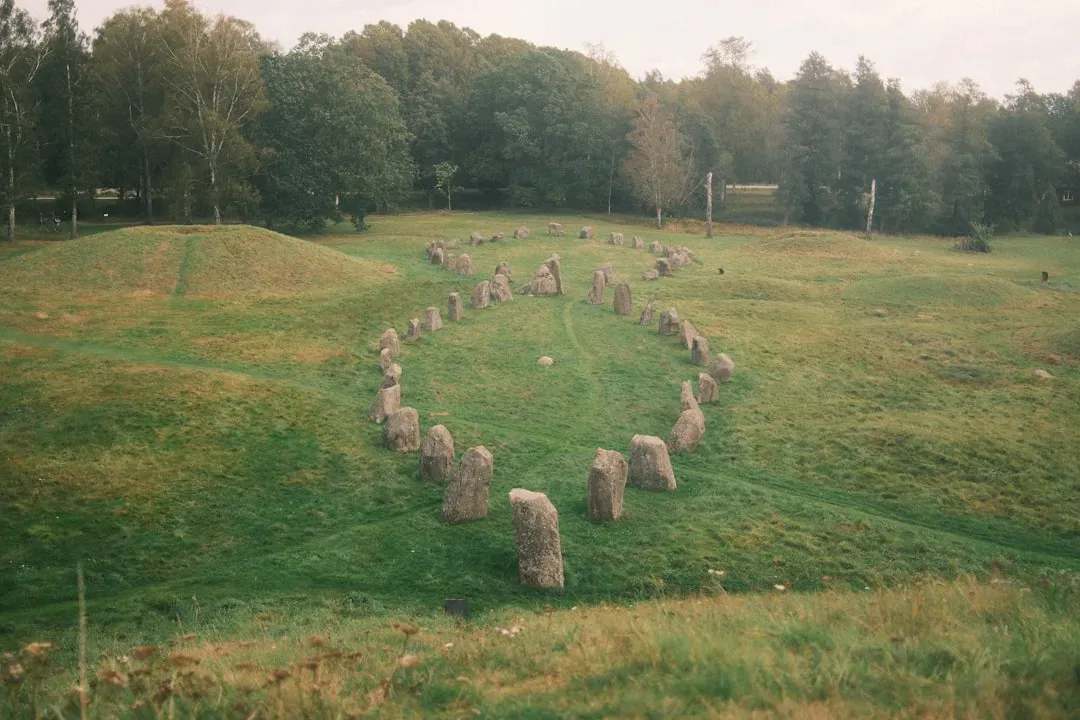
Here’s a startling thought: some of the earliest graves we know of are more than one hundred thousand years old, and they are not just holes in the ground. At sites like Qafzeh and Skhul in the Levant, archaeologists have found skeletons carefully placed in shallow pits, sometimes with red pigment and objects that look suspiciously like offerings. That kind of care is not about raw survival. It suggests people were seeing a dead body and thinking in terms of “someone” rather than “something.” They were treating death as an event that needed a response, not just a disposal problem.
Later Neanderthal burials from places like Shanidar Cave add another emotional punch. Some of these skeletons seem to have been arranged in particular positions, and in one famous case, a severely injured individual appears to have been cared for for years before death, then gently placed in a grave-like depression. There’s debate over the details, but the bigger pattern is hard to ignore: by the time our species and our close cousins were occupying Eurasia, multiple groups were experimenting with the idea that the dead deserved ritual attention. Once you start acting that way, you’re already halfway into spiritual territory, whether you name it that or not.
Cave Art As A Portal, Not Just Prehistoric Wallpaper
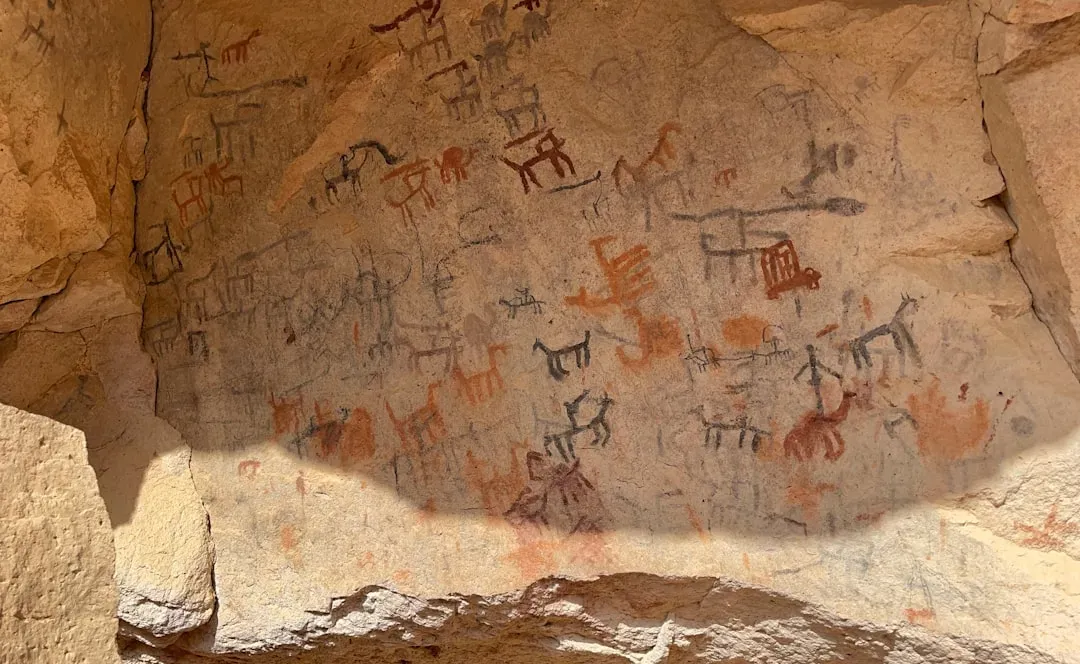
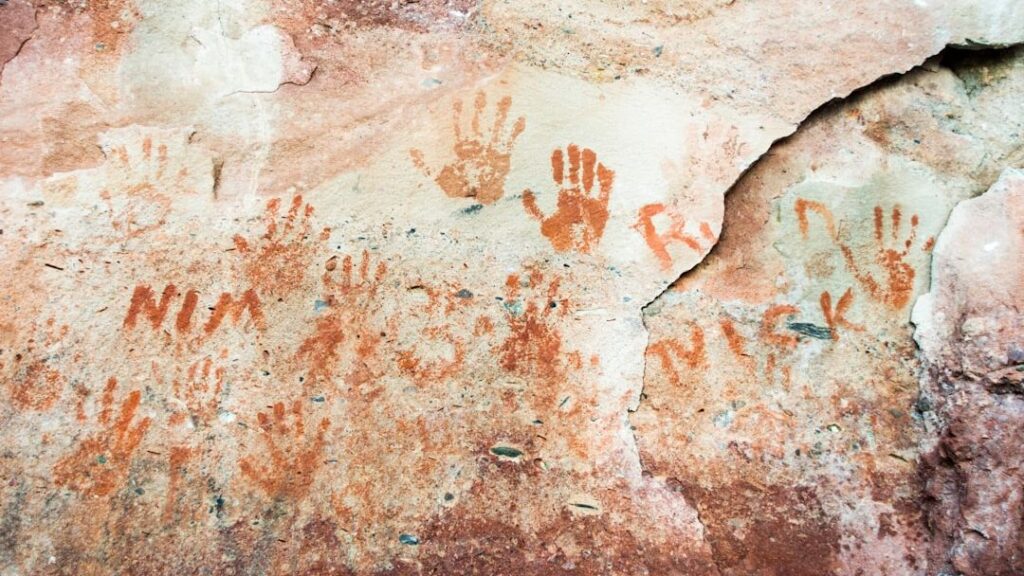
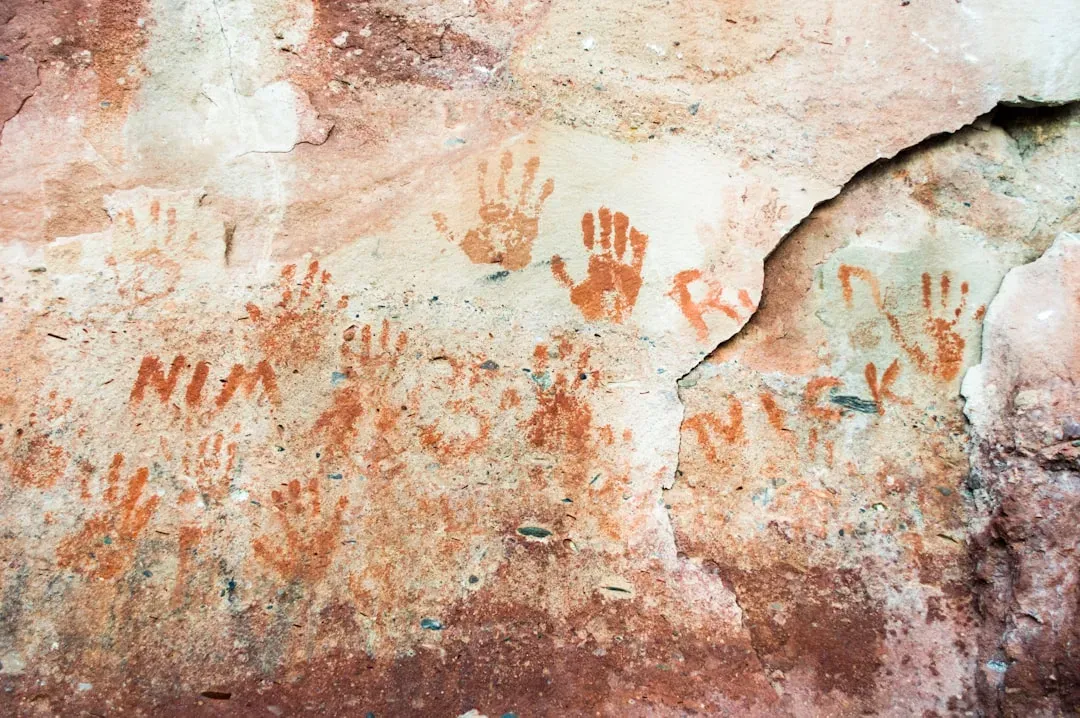
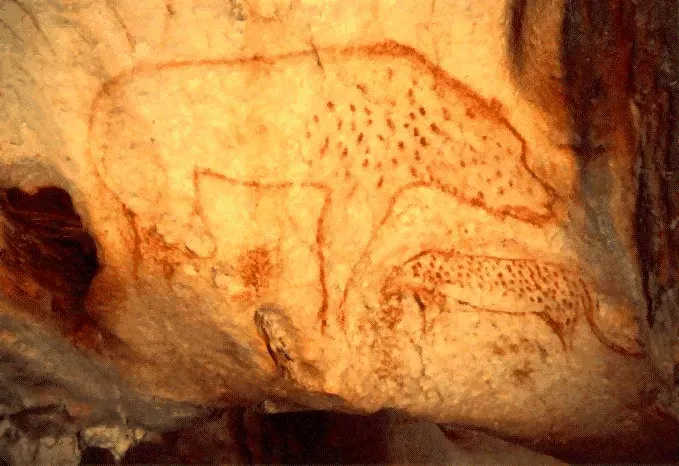
Walk into a painted Ice Age cave – even in photos – and it is hard not to feel something almost eerie. The deep darkness, the flickering light imagined from torches, the huge animals charging across uneven rock surfaces: it all feels more like a ceremony space than a prehistoric art gallery. Sites like Chauvet, Lascaux, and Altamira were not casual doodle walls. People trekked deep underground, often through tight squeezes and dangerous passages, to paint, engrave, and leave handprints far from everyday life. That choice alone is a clue that something more than boredom or decoration was going on.
Researchers have suggested these caves may have functioned a bit like temples or vision chambers, places where the boundary between worlds felt thinner. The way images are layered, repeated, and positioned on bulges and cracks in the rock hints at deliberate storytelling or myth-making. Some scholars see parallels with altered states of consciousness, shamanic traditions, or animal spirits; others are more cautious. Still, there is a growing, reasonable consensus that this was not just about recording hunts. These were immersive, sensory, and likely emotional experiences – the kind of setting where people talk to the unseen, bargain with fate, or try to make sense of forces bigger than themselves.
Red Ochre, Beads, And Body Paint: Symbols Worn On The Skin
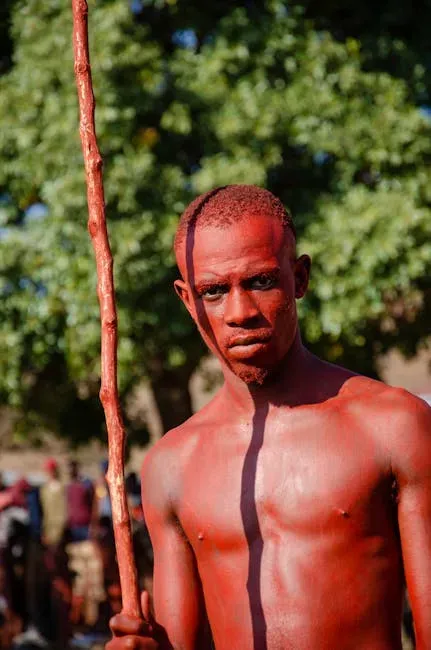
Long before writing, people were already walking around as living billboards of meaning. One of the most persistent clues to this is red ochre, an iron-rich pigment found in astonishingly old archaeological layers across Africa, Europe, and Asia. At sites in southern Africa, for example, pieces of ochre with engraved patterns and signs of grinding suggest it was being used for body painting, object decoration, or both, well over seventy thousand years ago. You do not grind and engrave pigment like that unless it matters to you on some level beyond the purely practical.
Then there are beads: pierced shells and small ornaments that would have been strung onto necklaces, sewn into clothing, or worn in hair. Some of the earliest examples turn up at coastal sites in North and East Africa, and similar traditions pop up later in Europe and the Near East. Adorning the body in this way is about communication – status, identity, group membership, maybe even personal stories or roles. Add pigment and ornaments together, and you get a picture of early humans using their own skin as a symbolic canvas, possibly tied to rituals, rites of passage, or spiritual beliefs about protection and power.
Neanderthals, Denisovans, And The Shocking Idea We Weren’t Alone In Wondering

For decades, the story was simple: Homo sapiens were the imaginative, symbolic, spiritual ones; everyone else was basically an intelligent animal on two legs. That neat picture has been crumbling under the weight of new findings. Neanderthals, once mocked as brutish cavemen, are now linked to pigment use, possible personal ornaments, and those contested but intriguing burials. In some Spanish caves, markings and pigments are dated to times when Homo sapiens were not yet present in the region, forcing us to at least consider that Neanderthals were engaging with symbols in ways we would once have denied them.
Denisovans, known mostly from DNA and a handful of fossils, add another layer of mystery, especially in the context of high-altitude adaptations and possible cultural exchanges with our ancestors. We also know from genetic evidence that our species interbred with both Neanderthals and Denisovans. That means our spiritual story is not a clean, isolated line. It is a braided history, where multiple human kinds may have looked at the same night sky and felt the same inexplicable pull. To me, that is one of the most humbling insights of modern science: the urge to ask why we exist may have been shared across different human branches, not just ours.
Ritual, Rhythm, And The Birth Of Shared Awe
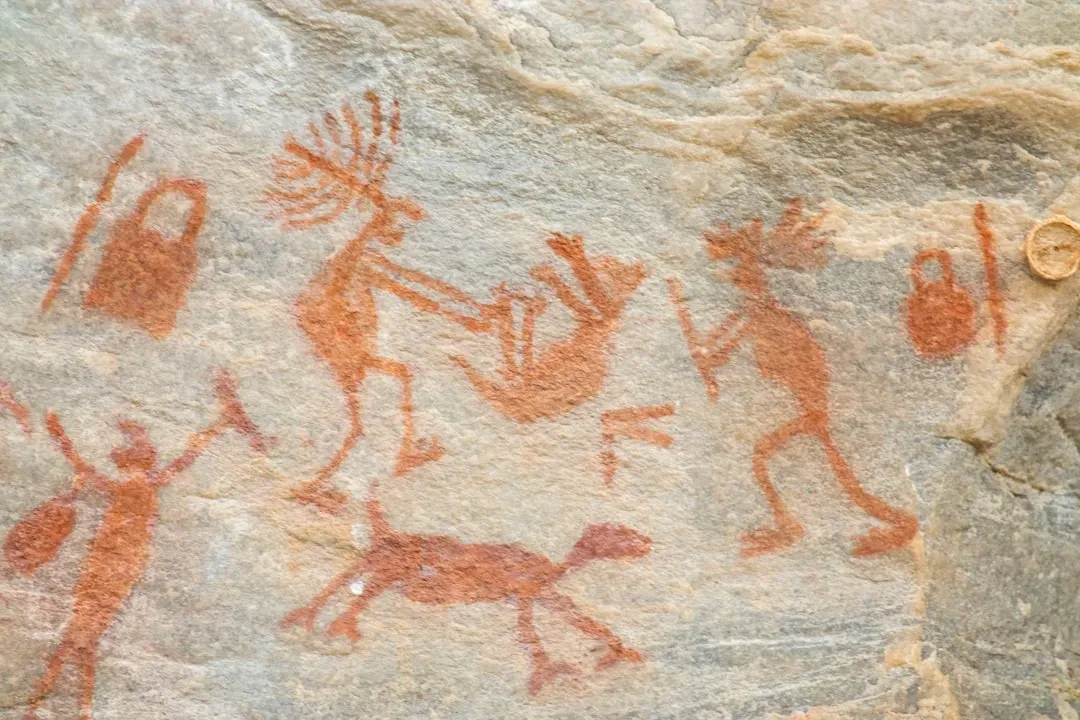
Spirituality is not only about what you believe; it is also about what you do together. While we cannot excavate a ceremony the way we dig up a bone, we can see the residue of ritual in repeated patterns of behavior. Hearths built again and again in the same spots, circles of stones, arrangements of bones, and repeated use of particular caves or open-air sites all hint at places where communities gathered, perhaps to mark seasons, mourn the dead, celebrate births, or face crises. Even without direct proof of specific beliefs, these recurring choices suggest people were synchronizing their emotions through shared acts.
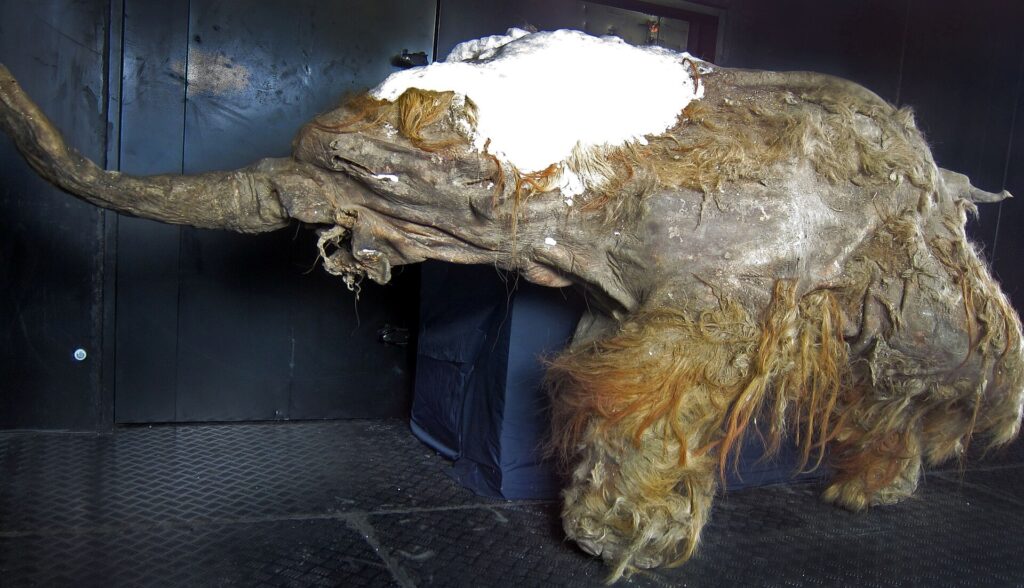
Think about rhythm: clapping, chanting, dancing. These things do not fossilize, but the presence of simple instruments like flutes made from bird bones and mammoth ivory shows that music was a real part of Paleolithic life. Making and playing such instruments takes time and care that go beyond survival, and music is a powerful tool for bonding and trance-like experiences. It is not a stretch to imagine scenes where flickering firelight, drumming, and chanting turned ordinary nights into charged moments of collective awe, the kind of atmosphere where the sacred – however they understood it – felt close enough to touch.
Spirituality As A Survival Tool, Not Just A Nice Extra

It is tempting to treat spirituality as fluff layered on top of the hard business of staying alive, but evolutionary thinking pushes us to ask a tougher question: if spiritual behavior cost time and energy, why did it stick around? One answer emerging from anthropology and psychology is that shared beliefs and rituals can act like social glue. Groups that develop strong common stories about who they are, what matters, and how the world works tend to cooperate better, trust more deeply, and coordinate in dangerous or uncertain situations. That kind of cohesion can mean the difference between making it through a bad winter and scattering in panic.
There is also the psychological side. Humans are painfully aware of things like death, loss, and randomness. Rituals surrounding death, for example, may help people process grief, reduce anxiety, and feel that something – anything – sits above the chaos. That emotional stability is not trivial in small foraging bands where one conflict can tear a group apart. In that sense, early spiritual practices may have functioned like mental health tech baked into the culture. We often imagine our ancestors as at the mercy of nature, but in their own way, they were hacking their minds and relationships using symbols, stories, and sacred acts.
What Modern Science Still Can’t Explain – And Why That Matters
Despite all the breakthroughs, we are still guessing at the inner life of early humans, and that uncertainty can be both frustrating and strangely beautiful. Burned bones and carved stones only tell us so much. We do not know the exact words they spoke over a grave, the specific fears they felt when the sun disappeared in an eclipse, or the details of the myths whispered to children around a fire. That gap sometimes tempts people to fill in the blanks with sweeping claims, but intellectual honesty demands we hold multiple possibilities in mind and accept that some mysteries may stay just that.
At the same time, the very existence of those mysteries says something crucial about who we are. The fact that we can look at a handful of artifacts and feel a kinship with the people who left them suggests a continuity of curiosity stretching back farther than we once imagined. When I see a hand stencil on a cave wall, I cannot help but picture someone pressing their palm against the rock and hoping to be remembered, or maybe to touch something beyond themselves. That urge to reach past the visible world, however you label it, might be one of the most stubborn and defining human traits we have.
Conclusion: Our Ancestors Were Never Just Animals With Spears
If there is one idea we need to let go of, it is the cartoon image of early humans as grunting, dim-witted survivors who only discovered meaning once agriculture and cities arrived. The graves, pigments, ornaments, cave paintings, and musical instruments scattered across the archaeological record point toward a deeper truth: long before we built cathedrals or wrote sacred texts, people were already wrestling with death, identity, community, and the unseen. In my view, the evidence supports a bold claim: spirituality is not a late cultural luxury; it is woven into the very fabric of our species from near the beginning.
That realization should change how we think about both the past and ourselves. When you strip away smartphones and skyscrapers, we are still descendants of those early artists, mourners, singers, and questioners, still haunted by the same basic puzzles about why we are here and what it all means. You do not have to be religious to feel that connection; you just have to admit that the hunger for meaning is as ancient as fire. Maybe the real surprise is not that early man had a spiritual side, but that we ever thought otherwise at all. Knowing that, how far back do you think your own questions really go?