
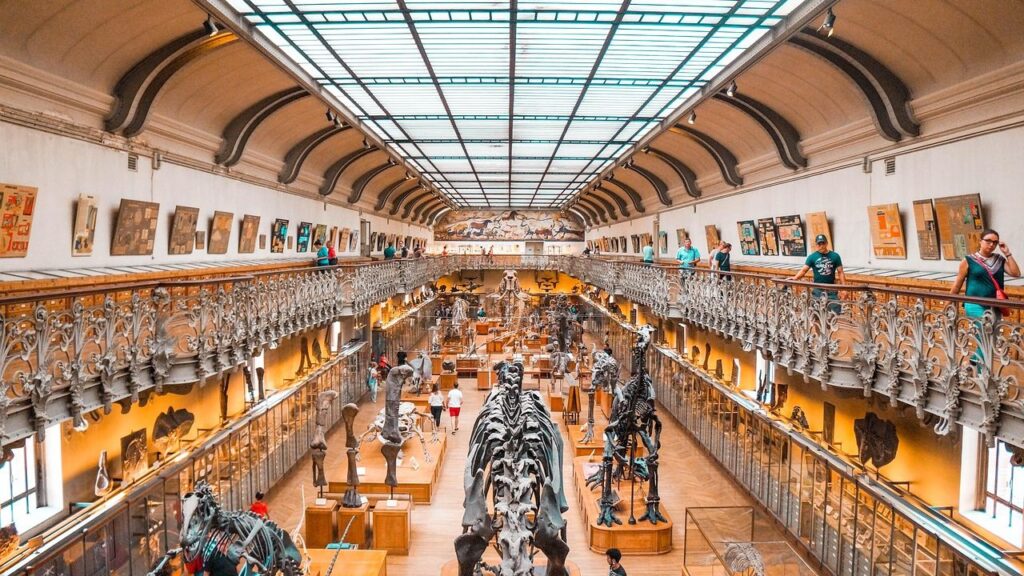
If you’ve ever watched a child stop in their tracks at a dinosaur skeleton or stare wide-eyed at a glowing planetarium ceiling, you know natural history museums are basically time machines wrapped in stone and glass. Add a grandparent into that picture, and suddenly the visit becomes something more: a bridge between eras, where one person remembers rotary phones and the other barely remembers life before tablets.
What makes a natural history museum perfect for a grandparent-grandchild trip in 2026 is not just the size of the dinosaur or how many gemstones are on display. It’s about how easy it is to navigate with different energy levels, how hands-on the exhibits are, and whether there are those quiet corners where you can sit with a snack and talk about the universe. Below are eight stand‑out museums across the United States that hit that sweet spot of wonder, comfort, and shared discovery.
American Museum of Natural History, New York City, New York
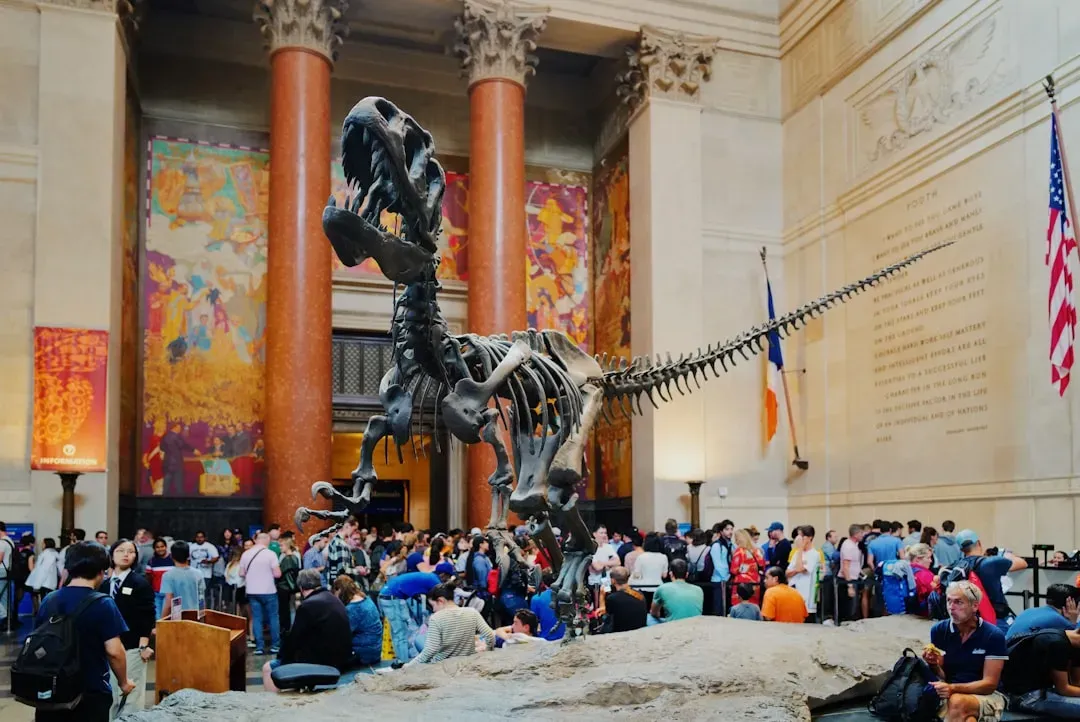
Walk into the American Museum of Natural History and the first thing you feel is scale: towering dinosaur skeletons, an enormous blue whale hanging above you, and entire halls dedicated to everything from meteorites to microbes. For a grandparent and grandchild, this is almost like walking through a gigantic family storybook where each chapter is a different world. The key here is to pick a few sections rather than trying to conquer the whole place in one day, because it really can be overwhelming if you treat it like a checklist.
The museum’s Milstein Hall of Ocean Life, the Hall of Saurischian Dinosaurs, and the Rose Center for Earth and Space are especially good cross‑generational stops. Kids tend to gravitate to the T. rex and the huge blue whale, while grandparents often find themselves telling stories about early space missions under the Hayden Planetarium’s dome. Benches are plentiful, elevators are widely available, and timed-entry shows give you built-in rest breaks. It feels like the rare place where a child can be thrilled by a roaring virtual volcano while a grandparent quietly marvels that they once watched the first moon landing on a fuzzy black‑and‑white TV.
Smithsonian National Museum of Natural History, Washington, DC
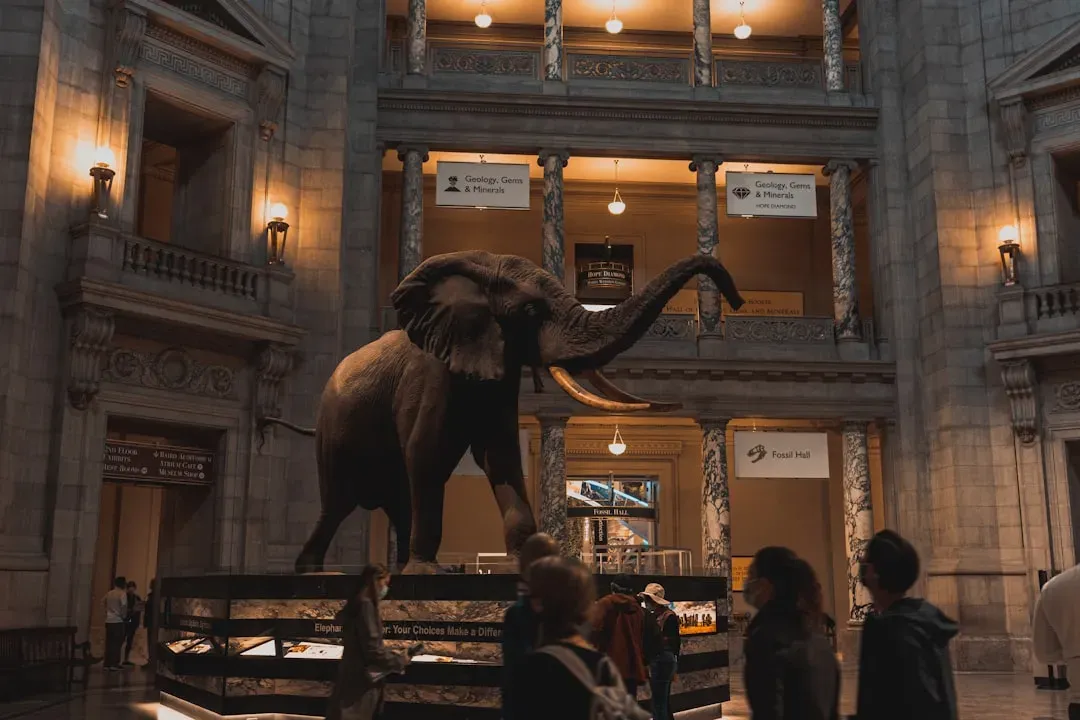
The National Museum of Natural History on the National Mall is one of those classic, almost iconic, American museum experiences, and it is surprisingly friendly to multi‑generational visits. Admission is free, which takes some pressure off and makes it easier to pace the day around everyone’s energy. You can stroll in, spend a little time with the dinosaurs and the gemstones, then duck outside for air on the Mall if the crowds get too intense.
Highlights for a grandparent-grandchild duo usually include the dinosaur and fossil halls, the Hall of Geology, Gems, and Minerals, and the nature-focused discovery areas designed for hands-on learning. Younger kids love spaces where they can touch real specimens, while older grandchildren might get pulled into the science behind climate, evolution, or Earth’s history. Grandparents, meanwhile, often find themselves unexpectedly emotional standing in front of fossils that predate humanity by tens of millions of years. Because the museum can be busy, planning an early arrival and mid‑day break works well, and there are plenty of spots to sit, regroup, and compare favorite exhibits like two explorers comparing notes after a long expedition.
Field Museum, Chicago, Illinois
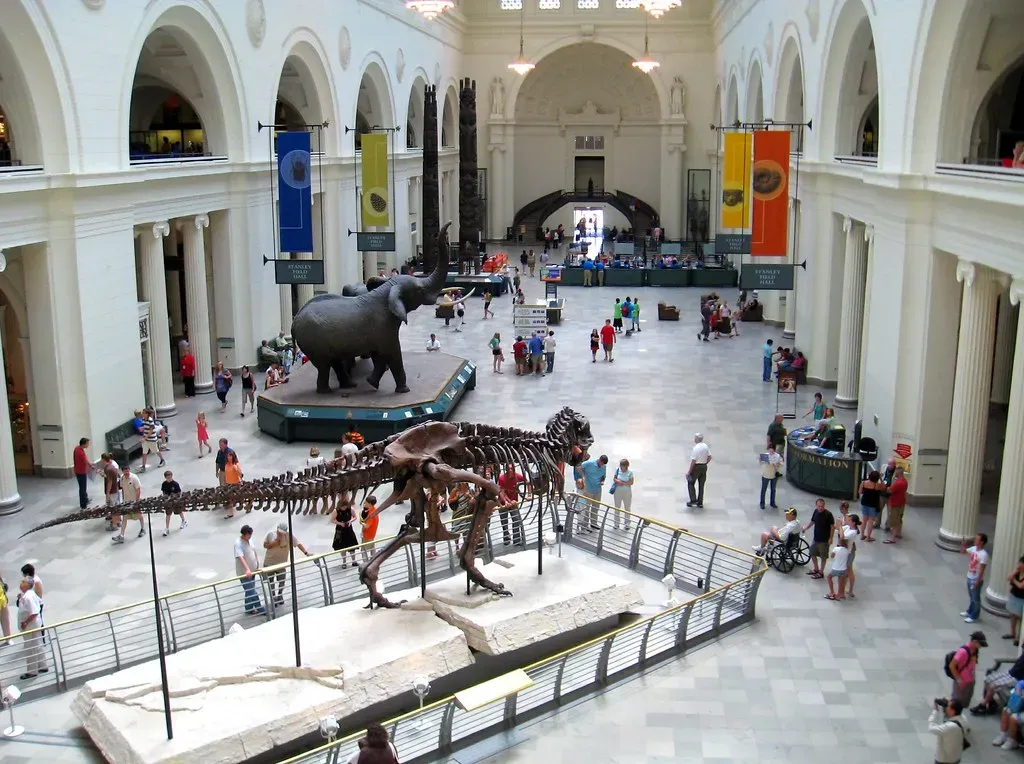
The Field Museum in Chicago sits right on the lakefront, and it balances big “wow” pieces with quieter galleries that reward slower, more thoughtful walks. This is the home of SUE the T. rex, one of the most complete and famous Tyrannosaurus rex skeletons ever found, and that single skeleton can anchor a whole conversation between generations about what life on Earth once looked like. Walk a little farther and you step into recreated ancient civilizations, taxidermy dioramas, and massive geology collections that feel almost like time capsules.
For grandparents and grandchildren traveling together, the Field Museum works particularly well because its layout and signage make it easier to choose your own adventure. Families can spend an hour just in the Evolving Planet exhibit tracking Earth’s story, or duck into specific cultural exhibits that spark family stories or school memories. There are elevators, family-friendly restrooms, and quiet seating spaces that make the day physically manageable, especially for older adults. The museum’s combination of scientific depth and dramatic presentation makes it feel both serious and playful, like listening to a brilliant storyteller who also knows exactly when to throw in a joke.
Natural History Museum of Los Angeles County, Los Angeles, California
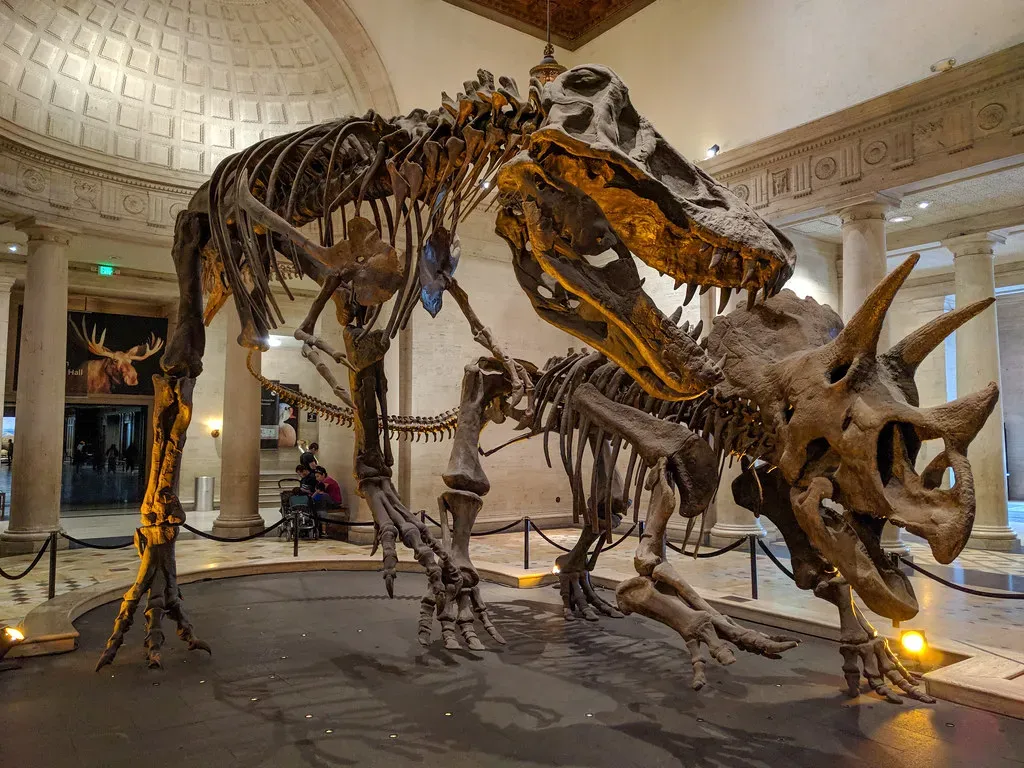
The Natural History Museum of Los Angeles County flies a bit under the radar compared with New York and Washington, but for a grandparent‑grandchild trip it hits a very livable, approachable sweet spot. The museum is large enough to feel like a real adventure but not so enormous that it becomes exhausting. Dinosaur Hall offers impressive skeletons and fossils, while the Nature Gardens outside give everyone a chance to move, breathe, and chase butterflies between galleries.
Los Angeles also brings a certain laid‑back, creative energy to its exhibits, combining showmanship with science in a way that feels current and engaging for kids in 2026. You can go from awe‑inspiring dinosaur fossils to exhibits focused on local biodiversity, earthquakes, and the city’s own evolving ecosystem. Grandparents who lived through earlier generations of museum displays are often struck by how interactive and narrative‑driven the newer exhibits are. It is the kind of place where you might end up talking about deep time and plate tectonics one moment, and then about how the local hummingbirds outside in the gardens are also part of natural history, just in real time.
Denver Museum of Nature & Science, Denver, Colorado
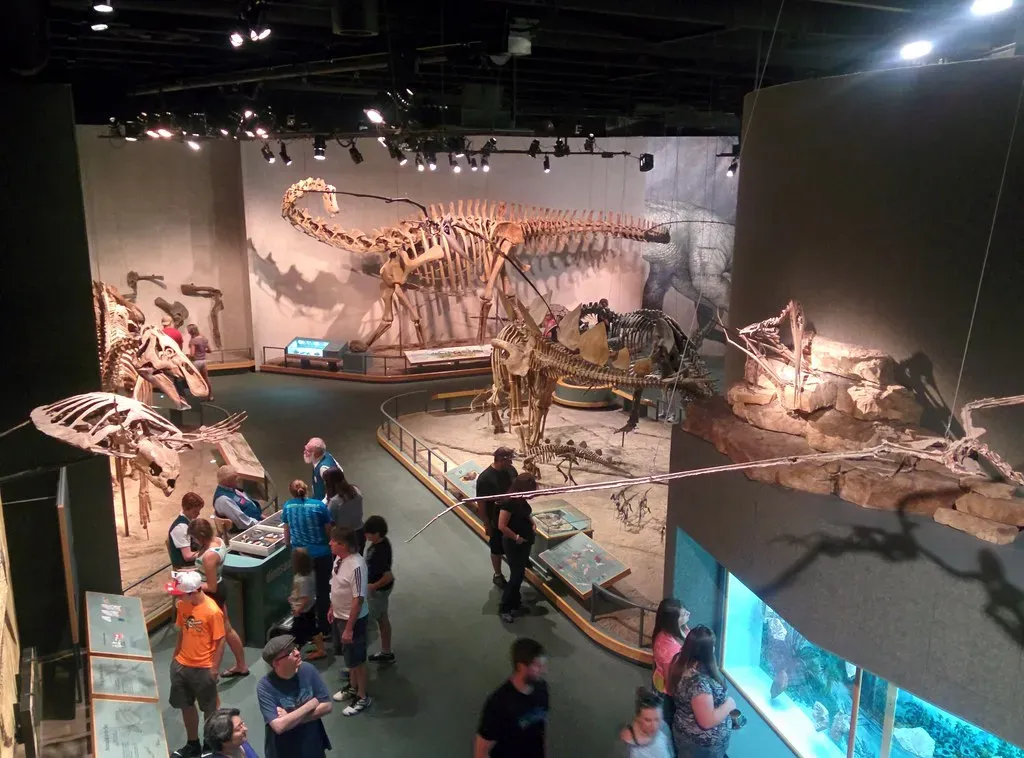
The Denver Museum of Nature & Science is an underrated gem for multi‑generational travel, especially if you like pairing indoor learning with outdoor scenery. Situated near Denver’s City Park, it offers those cinematic Rocky Mountain views right outside its windows, which turns simple pauses on a bench into real “wow” moments. The museum itself is known for approachable, family‑friendly exhibits covering dinosaurs, space, health, and regional natural history.
For grandparents and grandchildren, the charm here is how approachable the science feels. Space exhibits are designed with both wide‑eyed curiosity and clear explanations in mind, and the dinosaur areas have enough fossils and models to impress kids without being overwhelming. There are hands‑on discovery zones where younger children can get their energy out, and more reflective sections where older visitors can linger over geology, anthropology, or wildlife dioramas. The nearby park, lake, and playground make it easy to build a full day that mixes learning, fresh air, and slower walks at whatever pace works best for everyone.
California Academy of Sciences, San Francisco, California
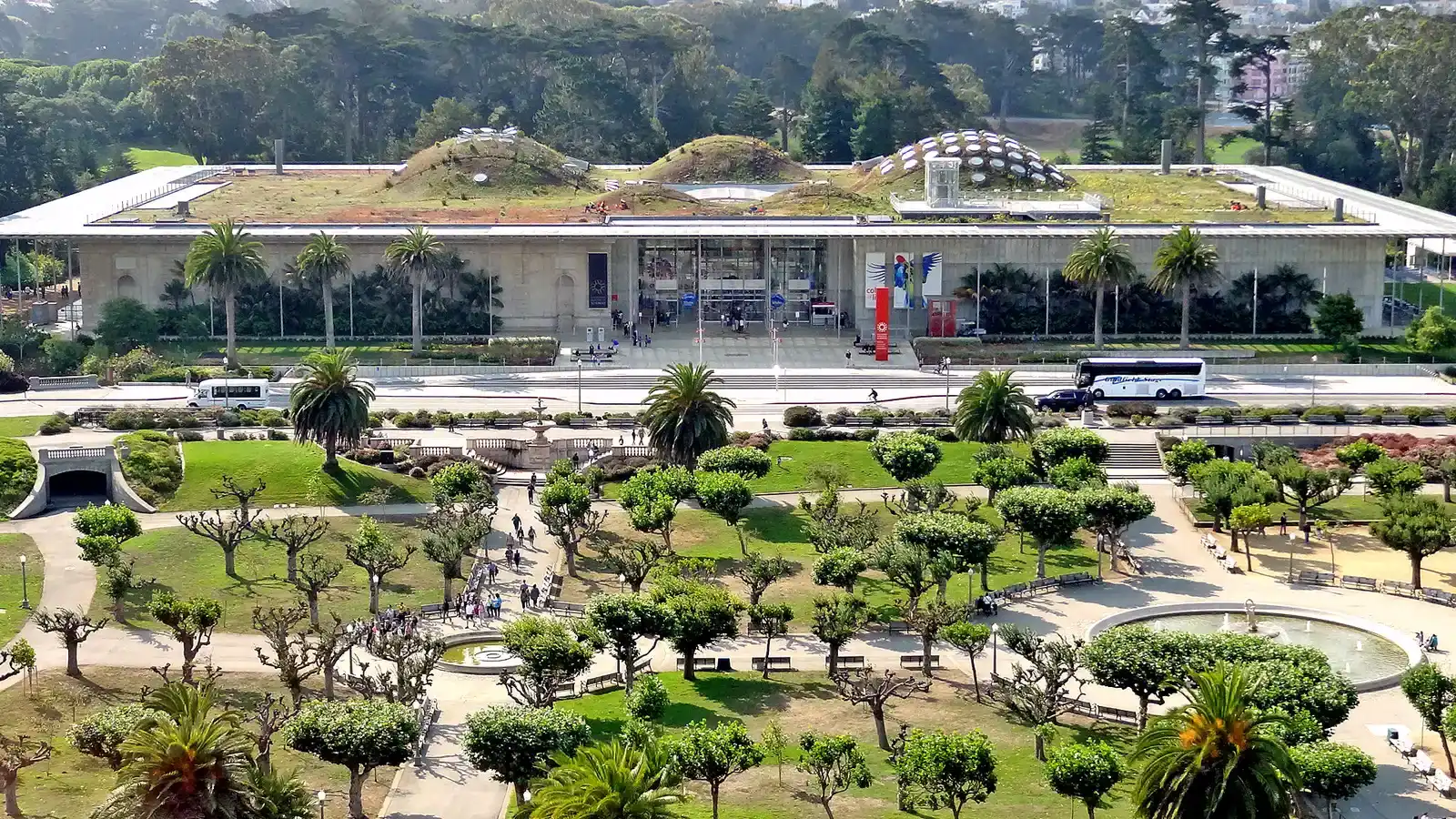
The California Academy of Sciences in San Francisco is technically a science museum, aquarium, planetarium, and indoor rainforest all bundled under one living roof, and that mix makes it especially magical for a grandparent-grandchild trip. Instead of just walking from hall to hall, you move between completely different environments: from watching fish drift through a massive tank to standing under a digital universe to wandering through a warm, humid dome buzzing with butterflies. It feels less like a traditional museum visit and more like hopping between worlds.
This variety is a huge advantage when you are spanning generations with different attention spans and mobility levels. If a grandparent needs a break from standing, they can rest during a planetarium show while a grandchild is mesmerized by the stars. When a child gets restless, you can shift to the rainforest or aquarium, where the movement of animals and the immersive design reset their focus. The building itself is relatively compact compared with some older, sprawling institutions, which keeps walking distances manageable. It is a clear example of how modern museums in 2026 are leaning into multisensory experiences that invite kids and adults to feel science as much as understand it.
Burke Museum of Natural History and Culture, Seattle, Washington
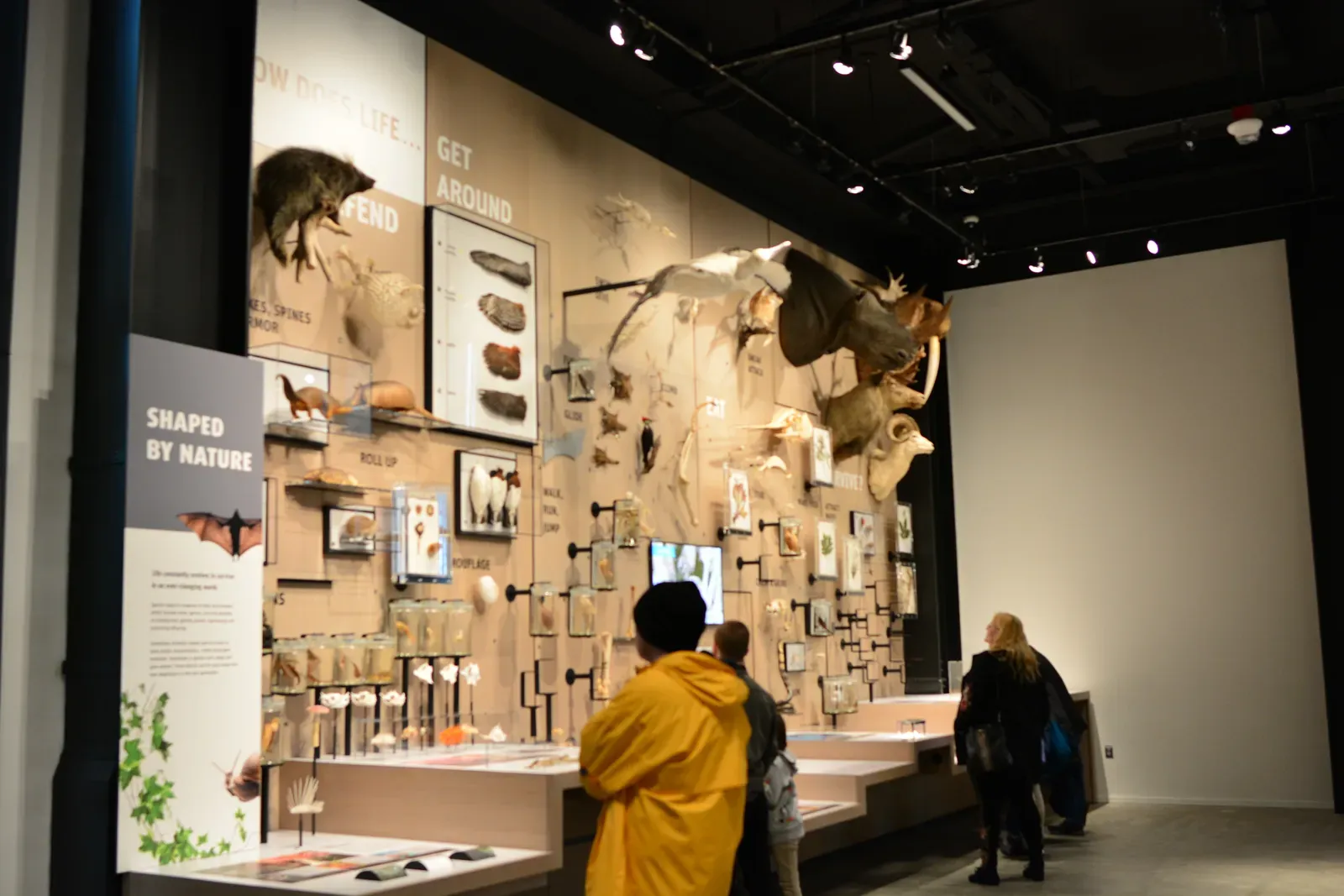
The Burke Museum in Seattle is smaller than the big national names, but it offers something uniquely powerful for a grandparent-grandchild trip: you often see real scientists at work. The museum has embraced the idea of visible labs, where visitors can watch paleontologists cleaning fossils or researchers organizing specimens. For a child, seeing that science is something people are actually doing right now, not just something that happened in the past, can be quietly mind‑blowing.
This focus on active research and regional stories creates rich opportunities for cross‑generational conversations. Grandparents can share their own memories of how science and environmental awareness were understood when they were young, while kids absorb a more current, inclusive view of natural history and culture. The museum combines fossils, cultural artifacts, and local ecology, which is especially meaningful if your family has connections to the Pacific Northwest or an interest in Indigenous histories. Because the Burke is more compact and less crowded than some huge institutions, it can feel calmer and more personal, like visiting a working studio instead of a grand monument.
Yale Peabody Museum, New Haven, Connecticut
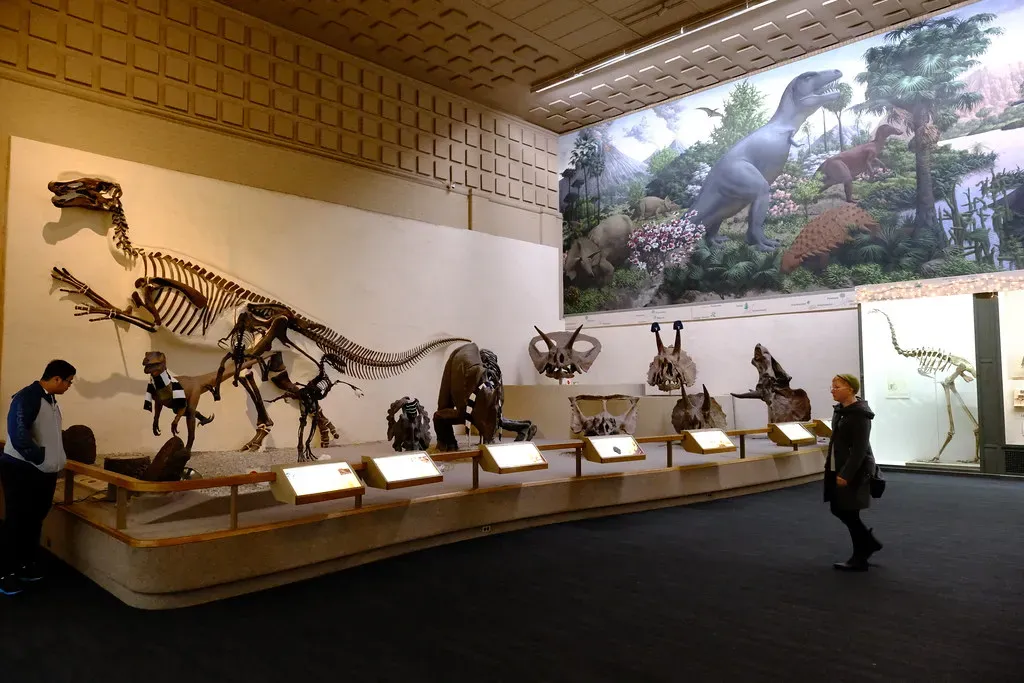
The Yale Peabody Museum has long been famous for its dinosaur fossils and historical dioramas, and its recent renovation has pushed it into a new era right in time for trips in the mid‑2020s. For a grandparent and grandchild, this mix of old legacy and fresh design can be particularly moving. Grandparents might remember classic murals and dioramas from decades ago, while kids experience updated displays that blend storytelling, digital media, and modern science.
The Peabody’s manageable scale is a real advantage for multi‑generational visits. You can cover a good portion of the museum without feeling like you are on a forced march, yet the collections are rich enough to keep curious minds engaged for hours. Fossil galleries, Earth history exhibits, and cultural collections provide natural jumping‑off points for conversations about how both the planet and our understanding of it have changed over time. Because it is closely connected to a major university, there is also a subtle sense that you are walking through both a public museum and a living academic space, which can quietly inspire grandchildren who are just starting to imagine their own futures.
Opinionated Conclusion: The Best Natural History Trip Is the One You Actually Take
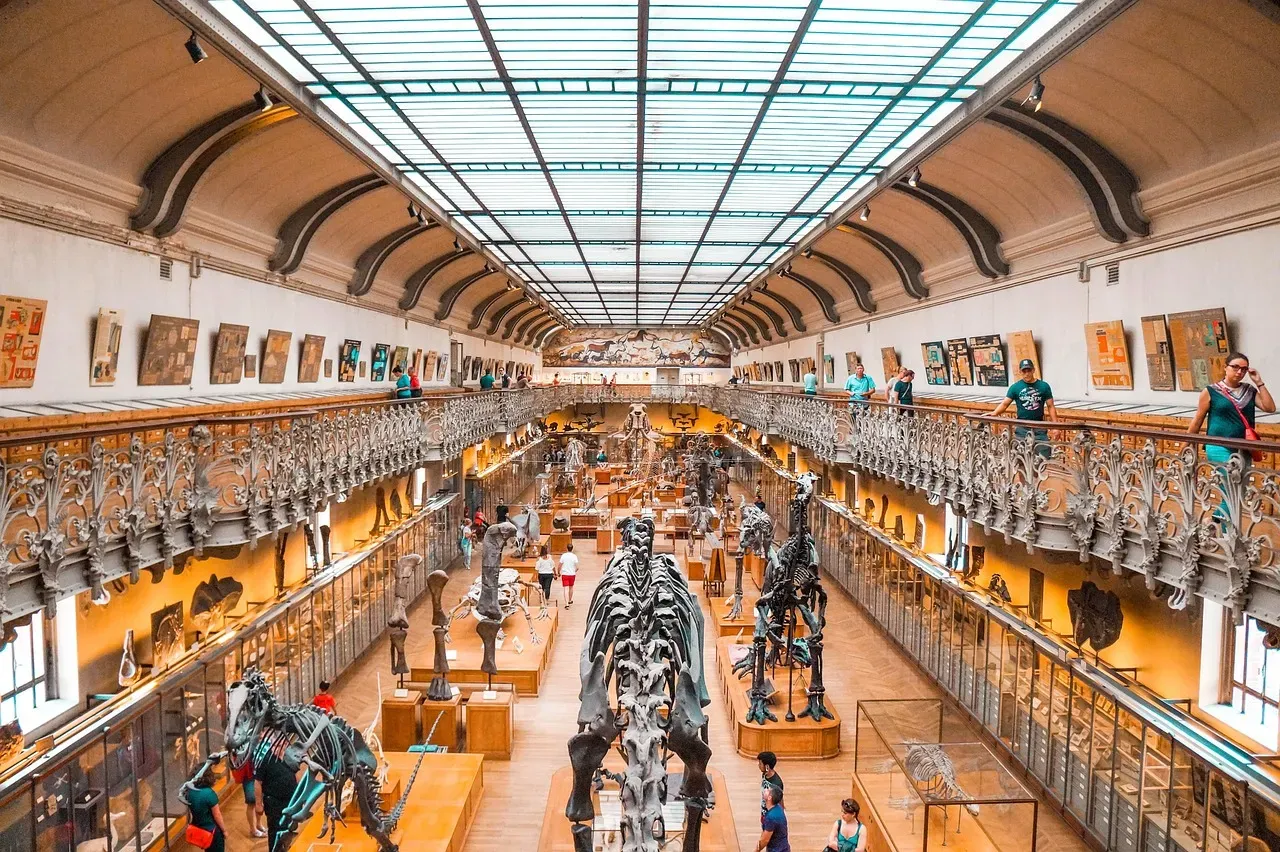
When you line up all these museums side by side, it is tempting to crown one as the ultimate grandparent‑grandchild destination, but that misses the real point. The perfect place is not necessarily the biggest or the most famous; it is the one where both of you can move at your own speed and still feel the same spark of curiosity. A small, thoughtfully designed museum with good benches and clear signage can outshine a mega‑museum if it leaves you with shared stories instead of sore feet and frayed tempers.
If I had to nudge you, I would say this: pick a museum that fits your travel style, then commit to doing less but noticing more. Skip at least a third of what is on the map, double the time you plan for snacks and conversation, and let your grandchild lead you to what fascinates them, even if it is not what you expected. The dinosaur everyone talks about might be impressive, but the moment that really lasts could be the quiet ten minutes you spend together in front of a single fossil or coral reef tank, just talking about how strange and beautiful this planet is. In the end, the real natural history you are making is your own family story – so where are you going to add the next chapter?