
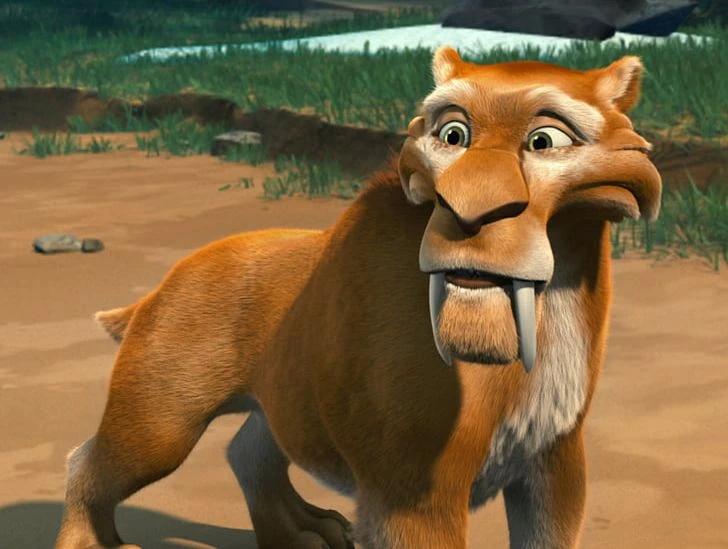
Most of us met sabre-toothed cats thanks to a certain overly dramatic feline stalking through an animated Ice Age. Diego looks tough, sure, but the real animals he’s (loosely) based on would have made him look like a nervous tabby hiding under the couch. The actual sabre-toothed predators that roamed prehistoric landscapes were stranger, heavier, and far more specialized than most people realize.
What makes them so fascinating is not just those famous fangs, but the whole bizarre package: heavyweight bodies, delicate necks, powerful front ends, and a lifestyle that probably felt more like a risky extreme sport than a casual big-cat stroll. Once you see how the real sabre-toothed cats lived, hunted, and died, you’ll never look at cartoon predators the same way again. Let’s dive into twelve surprising truths that make Diego look downright tame.
1. They weren’t tigers at all (and many weren’t even “cats” in the modern sense)
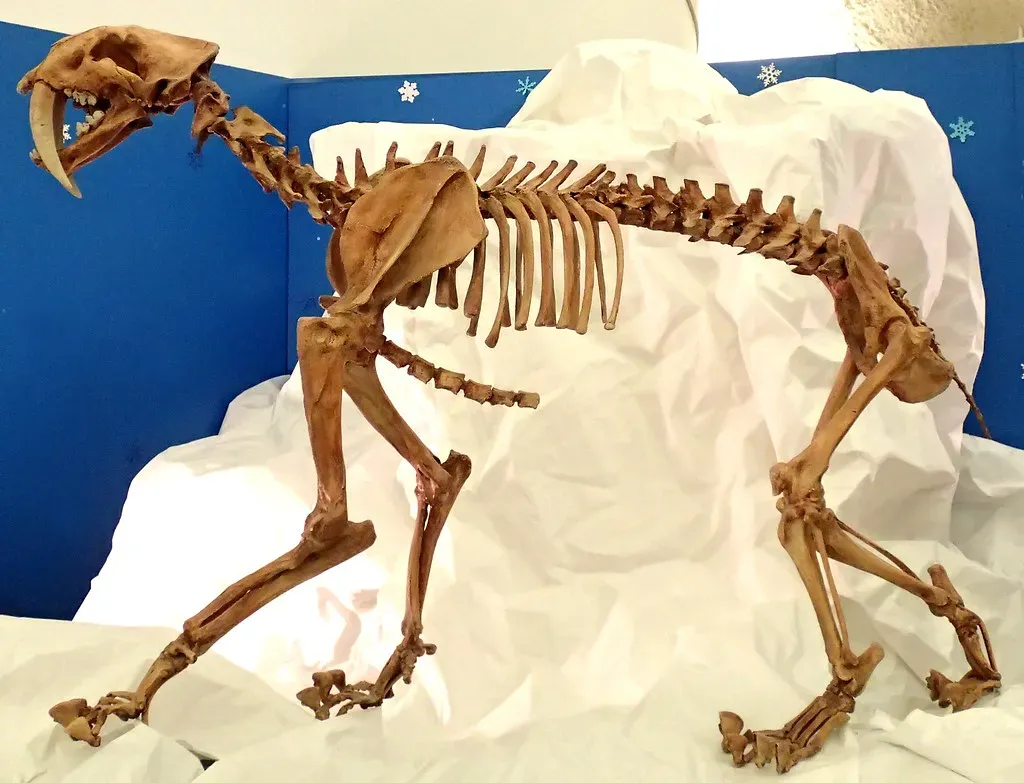
When people say sabre-toothed tiger, they usually picture a giant, striped tiger with oversized fangs, but that label is misleading. The most famous Ice Age sabre-tooth, Smilodon fatalis, was not a tiger, and it was not especially close to any living cat species we know today. It belonged to its own unique branch of the cat family tree, specialized for a very different hunting style than lions, tigers, or leopards.
To complicate things even more, some of the earliest sabre-toothed predators, like the ancient genus Gorgonops or the later nimravids, were not true cats at all. They were more like parallel experiments in tooth-based overkill, distant relatives that independently evolved the same terrifying design. So while Diego is framed as a kind of stylized tiger, the real animals behind the legend were evolutionary oddballs that do not map neatly onto any big cat alive today.
2. They were built like furry tanks, not sleek sprinters
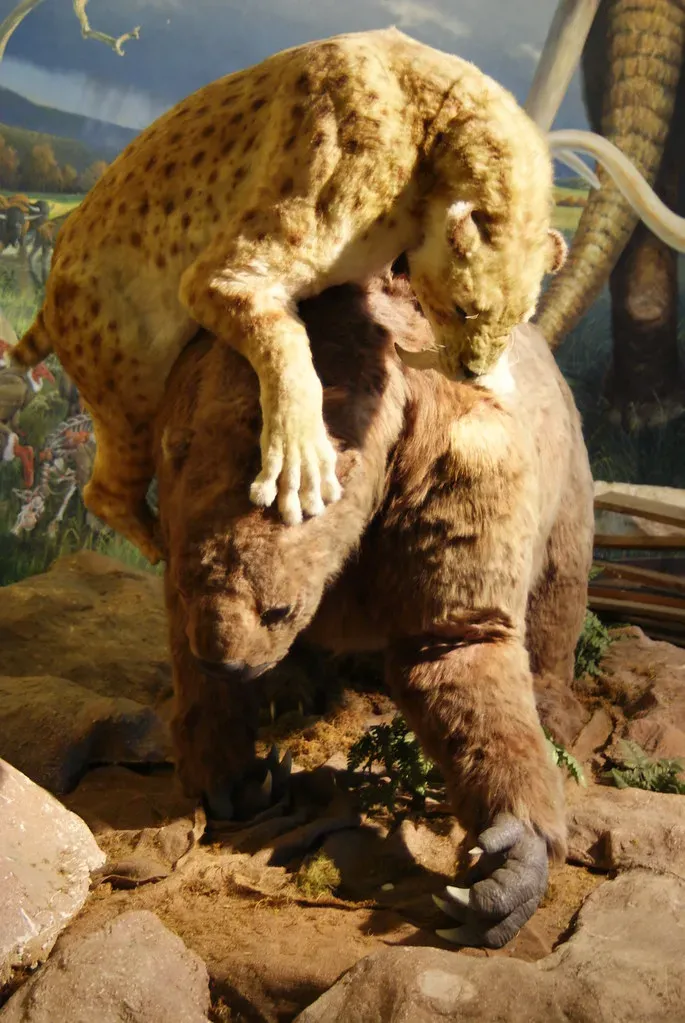
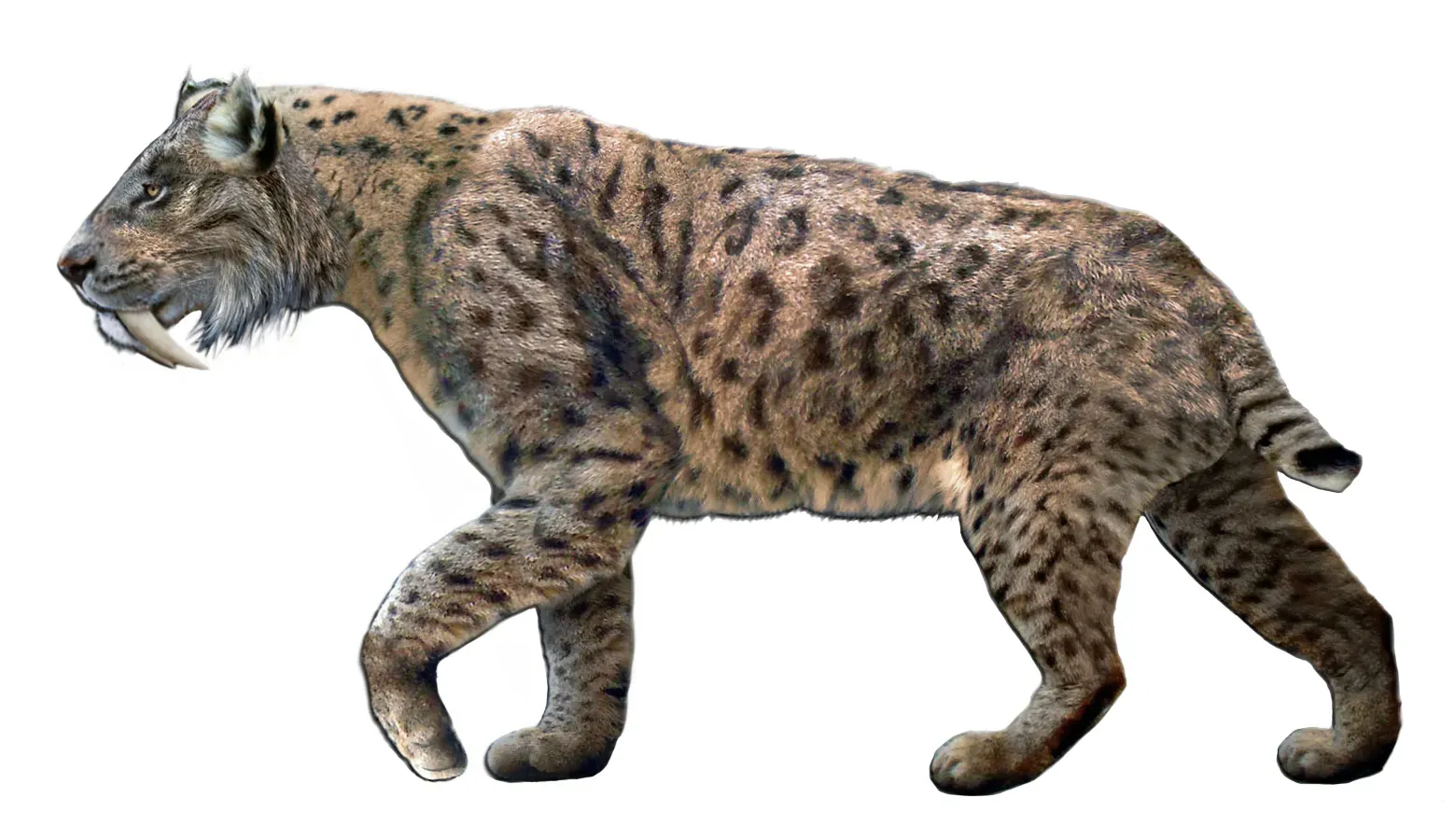
If you imagine a sabre-toothed cat as a stretched-out, cheetah-like sprinter, you’re almost perfectly backwards. Smilodon in particular was short, broad, and incredibly stocky, with a body more like a powerlifter than a track athlete. Its limbs were relatively short but massively muscled, especially in the forequarters, giving it immense pushing and grappling power rather than top speed.
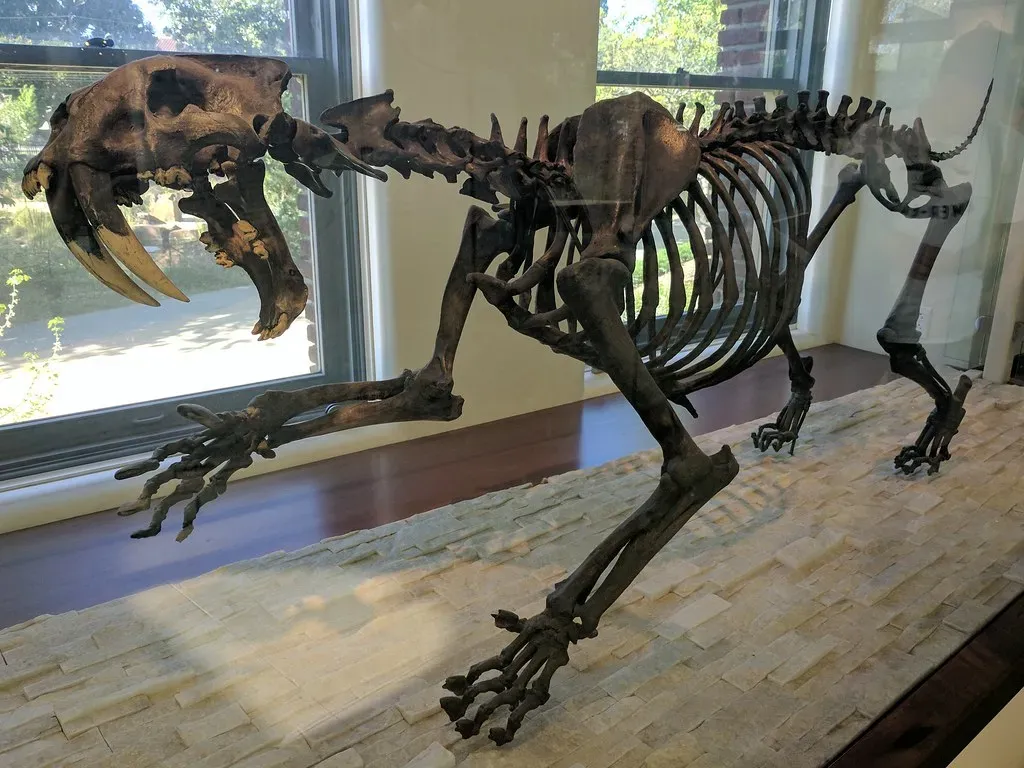
When paleontologists compare their skeletons with modern cats, sabre-tooths look closer in build to a compact bear than a long-legged lion. This suggests they were ambush specialists, using cover and raw strength to overwhelm prey instead of out-running it over long distances. Diego might dart around rocks with cinematic agility, but the real version would be more like getting blindsided by a refrigerator coming out of the bushes.
3. Those famous fangs were surprisingly fragile (and risky to use)
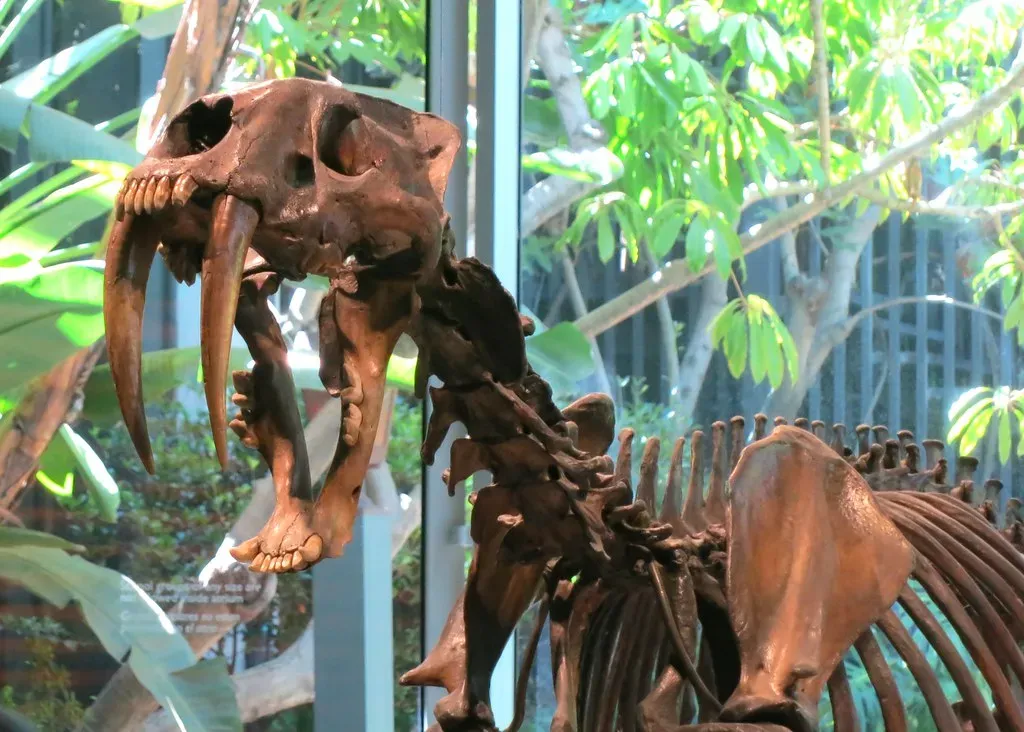
It is tempting to think those massive upper canines were unbreakable superweapons, but the truth is much more nuanced and, honestly, more interesting. The sabre teeth were long and laterally thin, excellent for slicing into soft tissue but not designed to withstand heavy impact. A badly aimed bite into bone could easily chip or break them, which for a predator relying on those teeth could be a life-threatening mistake.
This fragility means sabre-toothed cats probably had to be very precise in how they used their killing bite, focusing on well-controlled attacks to the throat or belly. They likely pinned victims first with muscular limbs and body weight, then delivered a careful, targeted slash rather than a wild chomp. Far from clumsy brutes, they were more like living scalpels that had to avoid hitting the cutting board too hard.
4. They could open their jaws wider than almost any big cat alive today
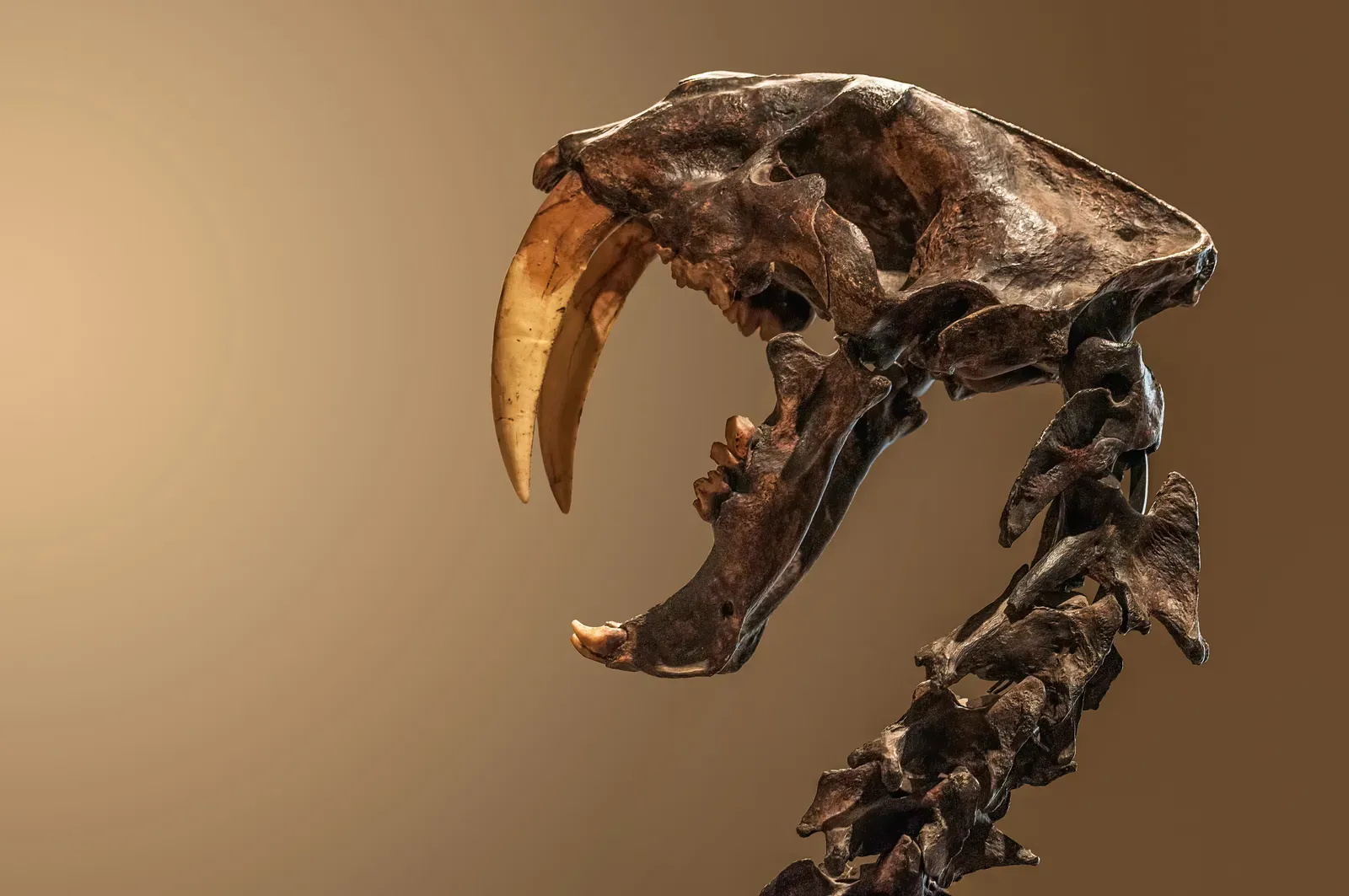
To fit those ridiculous fangs in the first place, sabre-toothed cats evolved jaw joints that could swing open to an astonishing angle. Estimates for Smilodon suggest it could gape its jaws to nearly twice the angle most modern big cats can manage. That extreme opening would have let it position its sabres around thick parts of the neck or into soft regions of the chest with room to spare.
This comes with a tradeoff, though: the muscles that close the jaw were not built for bone-crushing power the way a lion’s or hyena’s are. So while Diego is shown snapping through ice and bone like a furry bolt cutter, the real animals were specialists in wide, careful, high-precision bites. They traded brute jaw strength for range of motion, like a chef swapping a hammer for a razor-sharp carving knife.
5. Their necks and backs were the weak links in an otherwise powerful body
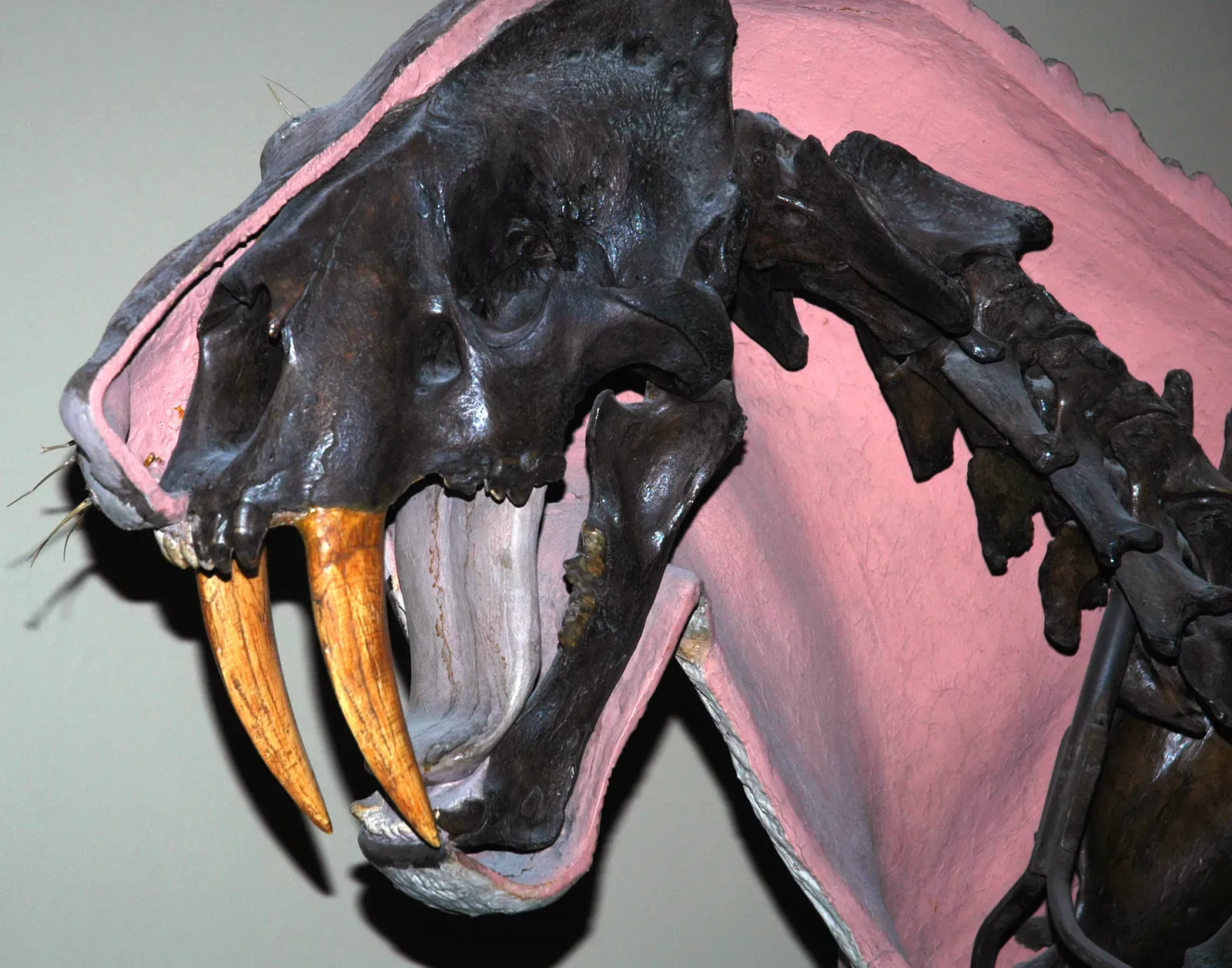
One of the most counterintuitive discoveries about sabre-toothed cats is that their spines, especially in the neck, were not heavily reinforced. In fact, some studies suggest their vertebrae were relatively delicate compared with those of modern big cats, despite the huge forces involved in wrestling large prey. That sounds almost like a design flaw until you realize evolution was optimizing for a very specific style of attack.
Because their jaws were not about crushing force, they did not need the same kind of heavily braced neck used by lions to clamp and hang on indefinitely. Instead, these animals likely relied more on carefully timed, relatively quick stabbing or slashing motions. Their bodies were overbuilt at the front for grappling and underbuilt in ways that made missteps costly, turning every hunt into a tightrope walk between success and catastrophic injury.
6. They hunted like heavyweight grapplers, not nimble solo stalkers
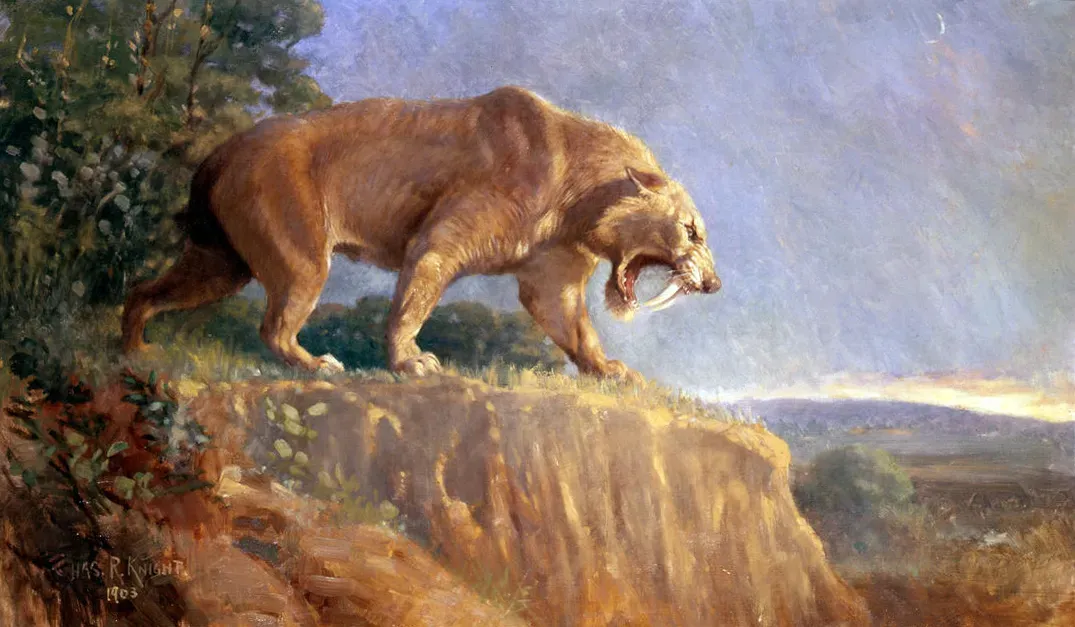
The massive shoulders, stocky limbs, and powerful forearms of sabre-toothed cats suggest a style of hunting that revolved around wrestling prey to the ground. Rather than sprinting after fast herbivores for long distances, they may have hidden in cover near trails or waterholes, exploding outwards and using their entire front half like a living tackle. Once an animal was toppled or pinned, the sabres could be brought into play with chilling efficiency.
Some researchers have even compared their build to that of modern big cats that routinely grapple, such as jaguars, taken to an extreme. Picture a predator that hits you more like a professional wrestler than a sprinter, driving you off balance and then using long upper canines to deliver a measured, fatal wound. It is a far cry from the smooth, almost acrobatic moves we see from Diego, and much closer to a brutal, high-contact brawl.
7. They may have lived and fed in complex social groups
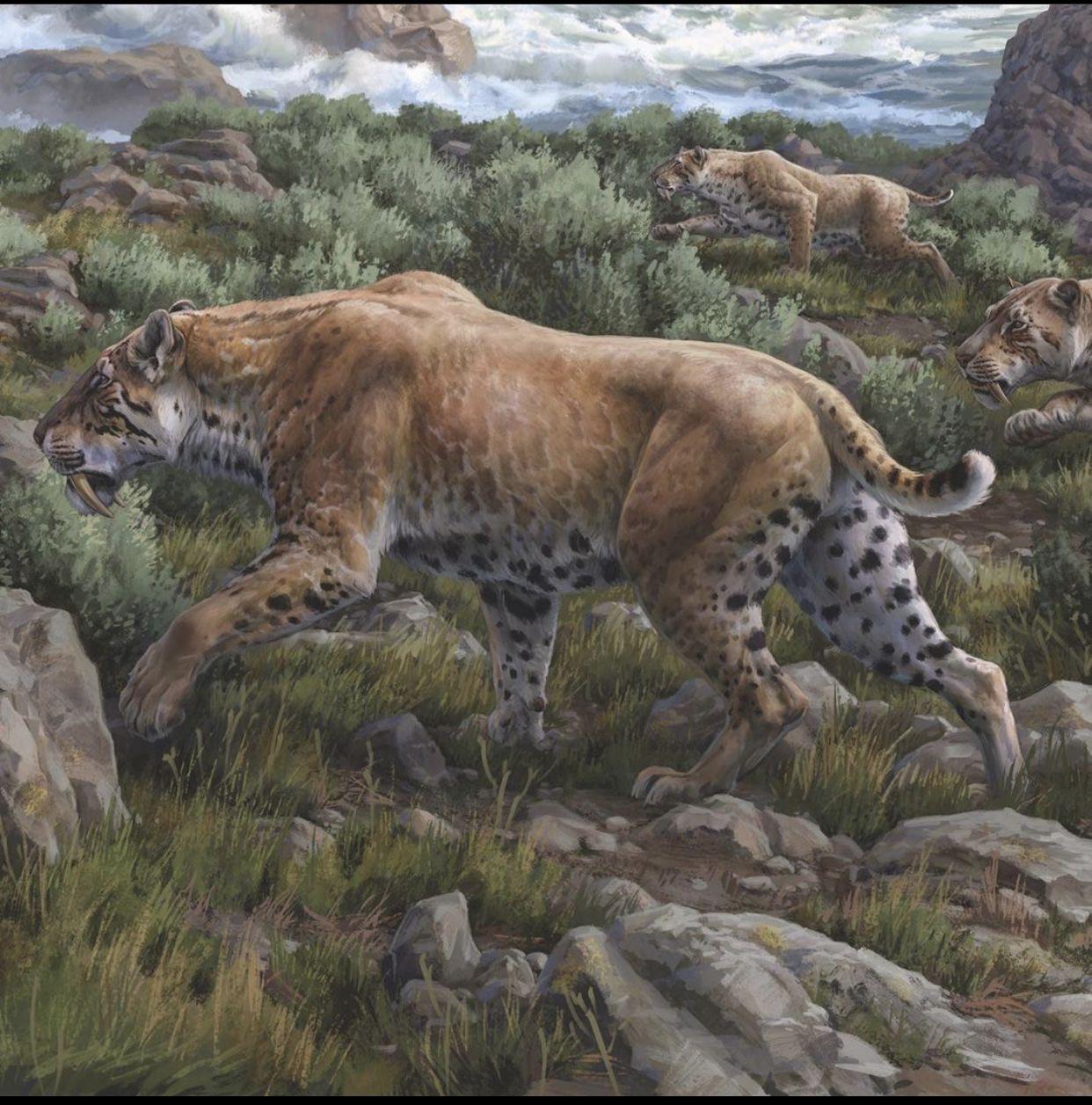
One of the most intriguing debates about sabre-toothed cats centers on whether they were social like lions or solitary like tigers. Evidence from places such as the La Brea Tar Pits in California shows a surprising number of Smilodon remains together, which some paleontologists interpret as a hint of social behavior. Others point to healed injuries in fossils that would have made solo hunting nearly impossible, suggesting group living could have supported injured or older individuals.
If at least some sabre-toothed species hunted or scavenged in groups, their behavior might have been closer to a pride of lions or even a wolf pack than a lone big cat. That would mean cooperative hunts on massive prey and shared feeding at kills, mixed with all the drama that comes from hierarchy and competition. Diego’s ragtag herd feels charming and improvised, but real sabre-toothed cats may have lived in structured, tension-filled societies shaped by scarcity and risk.
8. They faced rivals and enemies just as terrifying as they were
It is easy to imagine sabre-toothed cats as undisputed rulers of their ecosystems, but the truth is they lived alongside an entire cast of giant predators. In some regions, they shared territory with enormous short-faced bears, dire wolves, and large lion-like cats, all competing for the same herds of prey. A kill was not just dinner; it was an open invitation for stronger or more numerous scavengers to show up and try to take it.
This constant competition likely shaped their behavior and even their anatomy. A stocky build helps in both pinning prey and holding onto a carcass when others try to steal it, turning every meal into a physical contest. Compared to the playful rivalry we see in animated films, real sabre-toothed cats lived in a world where losing a fight over food could mean starving a few weeks later.
9. Their extinction is still not fully solved, and it probably was not a simple story
For all the fossils and research, scientists still do not completely agree on why sabre-toothed cats disappeared. The usual suspects are climate change at the end of the last Ice Age, shifts in vegetation, and the loss of large herbivores they depended on. Human hunting and landscape alteration likely added even more pressure in some regions, tipping a fragile balance over the edge.
What seems increasingly clear is that no single neat explanation tells the whole story. These were highly specialized predators, finely tuned to a world of giant mammoths, camels, and ground sloths, and when that web of life unraveled, they could not pivot fast enough. Diego walks off into the animated sunset with his friends, but his real counterparts hit a dead end written by climate, ecology, and perhaps our own species’ expansion.
10. There were many different sabre-toothed lineages, not just one “ultimate” version
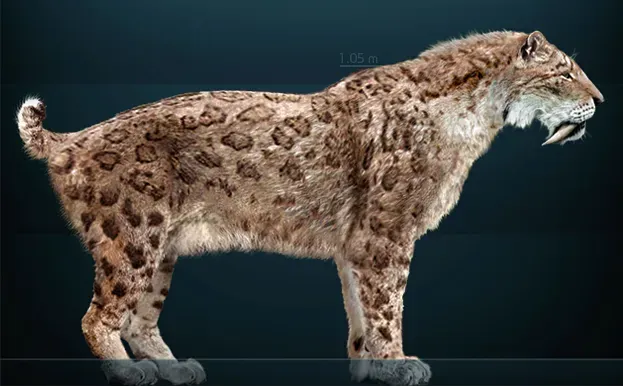
Smilodon tends to hog the spotlight, but it was only one member of a much broader sabre-tooth phenomenon that evolved multiple times. Over tens of millions of years, different groups of carnivores, from nimravids to machairodontine cats, independently developed elongated canines and specialized skulls. Each lineage had its own body proportions, hunting tactics, and preferred prey, showing that this “design” was a repeatable solution to certain ecological challenges.
Some species were longer-legged and more lightly built, others were extreme powerhouses with exaggerated forelimbs, and they ranged from relatively moderate fangs to absurdly elongated sabres. Rather than an inevitable march towards one perfect predator, evolution kept remixing the same basic idea to fit different niches and times. Diego ends up feeling like a single, polished character, but real sabre-toothed predators were more like a whole experimental playlist that nature kept shuffling.
11. They lived in surprisingly diverse habitats, not just frozen Ice Age tundra
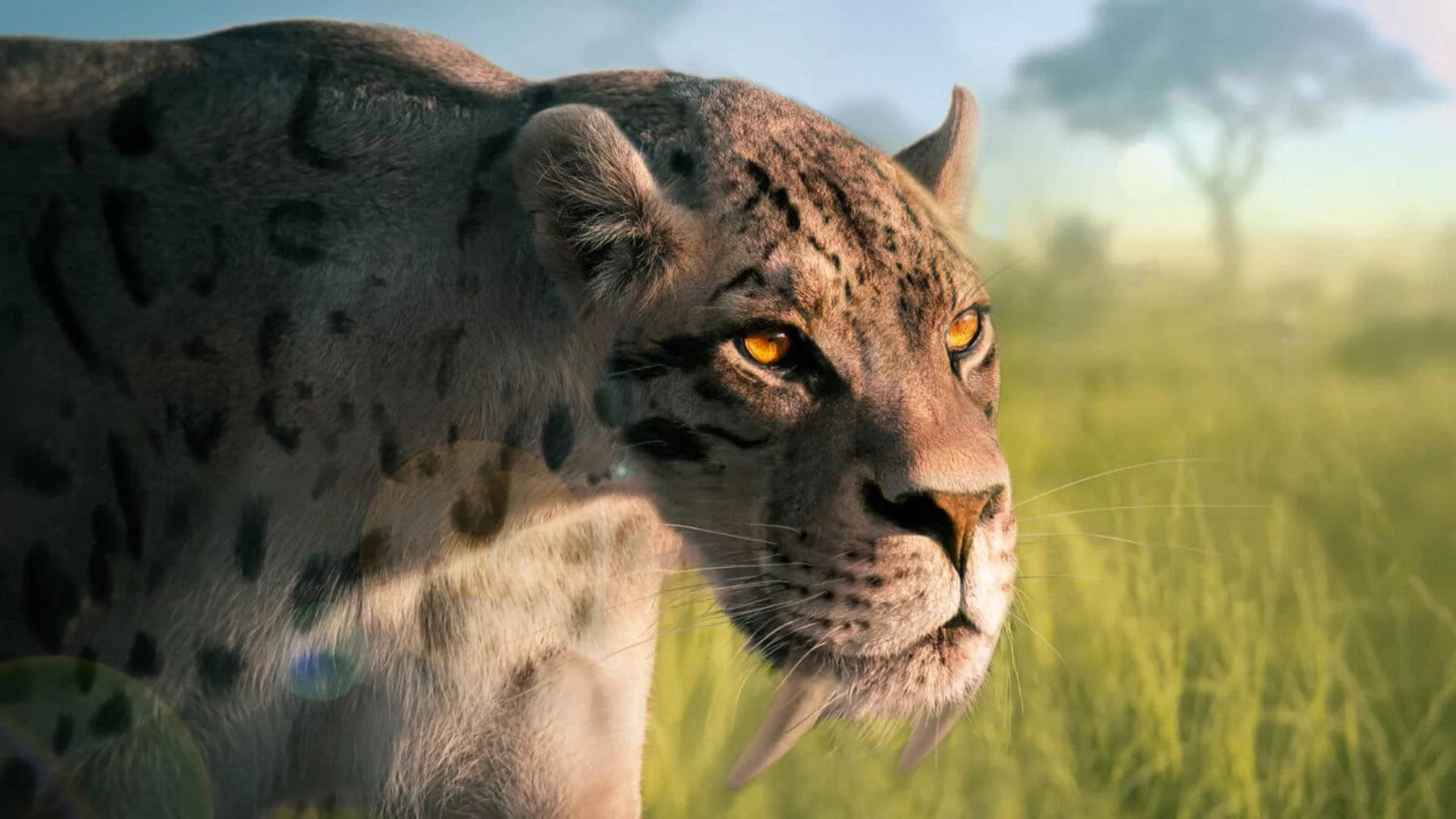
Thanks to movies, a lot of people mentally park sabre-toothed cats on icy plains surrounded by glaciers and snowstorms. The fossil record tells a broader story: different sabre-toothed species lived in environments ranging from open grasslands and woodlands to more mixed, temperate regions. Some inhabited areas with relatively mild climates, hunting animals that would look at home on modern African or American plains.
This variety of habitats meant they had to cope with different prey, different competitors, and different seasonal rhythms. Rather than being locked into one frozen stereotype, sabre-toothed predators were flexible enough to exploit multiple ecosystems for millions of years. Diego’s endless snowfields are visually striking, but they only represent a thin slice of the world these animals actually dominated.
12. Their legacy still shapes how we think about predators and power

There is something about sabre-toothed cats that keeps pulling us back, long after the last one vanished. Those impossible canines and blocky bodies challenge our assumptions about what a “successful” predator looks like, showing that power can be specialized, risky, and short-lived on an evolutionary timescale. They remind us that being the most dramatic animal in the ecosystem is no guarantee of long-term survival.
On a cultural level, sabre-toothed cats have become shorthand for raw, almost exaggerated ferocity, which is exactly why characters like Diego work so well on screen. But once you learn how delicate their teeth were, how narrow their niche was, and how easily their world could fall apart, the story becomes more bittersweet. They were not just monsters; they were complex, vulnerable specialists walking a razor’s edge between dominance and disaster.
Conclusion: The real sabre-tooth makes Diego look tame, but also tragically fragile
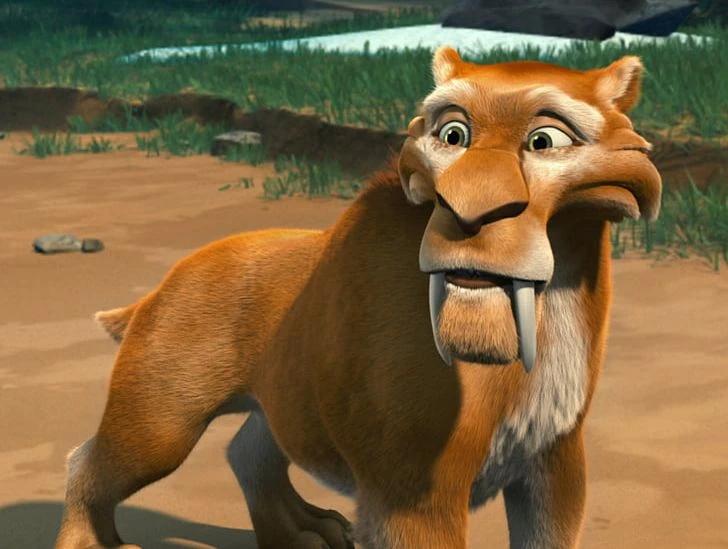
The more you dig into the science, the more it becomes clear that the real sabre-toothed cat would have made Diego look like a pampered pet in almost every physical sense. These were heavy-set grapplers with oversized blades in their mouths, capable of tackling huge prey and facing down terrifying rivals in brutally competitive ecosystems. Yet behind the intimidating skeletons lies an animal that depended on precision, cooperation, and a very specific set of environmental conditions just to get by.
Personally, I find that mix of overwhelming strength and built-in vulnerability far more compelling than any invincible movie predator. Sabre-toothed cats were proof that evolution sometimes bets big on a risky strategy that can dominate for ages, then vanish almost overnight when the rules of the game change. So yes, the real sabre-tooth makes Diego look like a housecat, but it also tells a sharper story about how power, specialization, and extinction are tangled together. Knowing that, do you still see those giant fangs as a symbol of invincibility, or more as a warning that even the fiercest designs come with a hidden cost?