
If you grew up with the Ice Age movies, you probably remember Manny as the grumpy, soft‑hearted woolly mammoth who just wanted a little peace and quiet. On the surface, it’s pure comedy and chaos: a prehistoric road trip with a talking sloth and a very stressed-out mammoth dad. But hidden under the jokes and slapstick, Manny actually ends up giving kids a surprisingly decent crash course in how real mammoths likely lived, moved, and cared for each other.
When I rewatched Ice Age as an adult, I expected to roll my eyes at the science. Instead, I kept having these weird moments of recognition: that’s kind of how we think mammoth herds behaved, that migration pattern actually makes sense, that social bond is closer to reality than most people realize. Of course, it’s still a cartoon and not a documentary, but the writers and animators accidentally smuggled in more real behavior than you’d guess. Let’s dig into eight times Manny, without even trying, taught kids something scientifically honest about mammoths.
1. Manny’s constant grumpiness around strangers hints at real mammoth caution
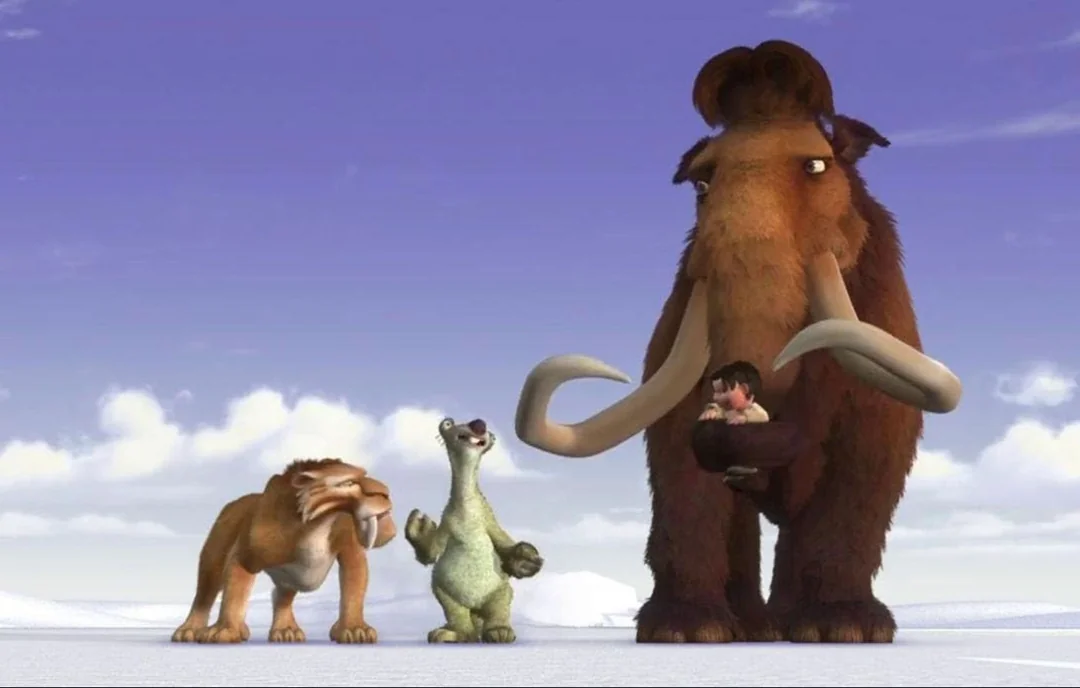
Right from the first movie, Manny is not a people person – or a mammoth person, to be honest. He’s wary, standoffish, and clearly not thrilled about tagging along with a chatty sloth and a sneaky saber-tooth. At first glance, it just looks like a running joke: big guy with a bad mood. But underneath that, it mirrors how large prehistoric herbivores probably reacted to unfamiliar animals and situations: with serious caution, not instant friendship. A giant animal with a long lifespan and big investment in each offspring gains more from being skeptical than from being overly trusting.
Real mammoths, like modern elephants, would’ve needed to constantly weigh risks in their environment. Unknown predators, other herds, and even rival males could be dangerous. Manny’s default mode of suspicion, especially around Diego at first, quietly shows kids a biologically realistic reaction: a large, intelligent animal reading the room before letting anyone get close. It might look like comedy, but the idea that big mammals survive by being cautious, not reckless, is very much rooted in how real animals behave.
2. His deep attachment to herd and “family” reflects true mammoth social bonds
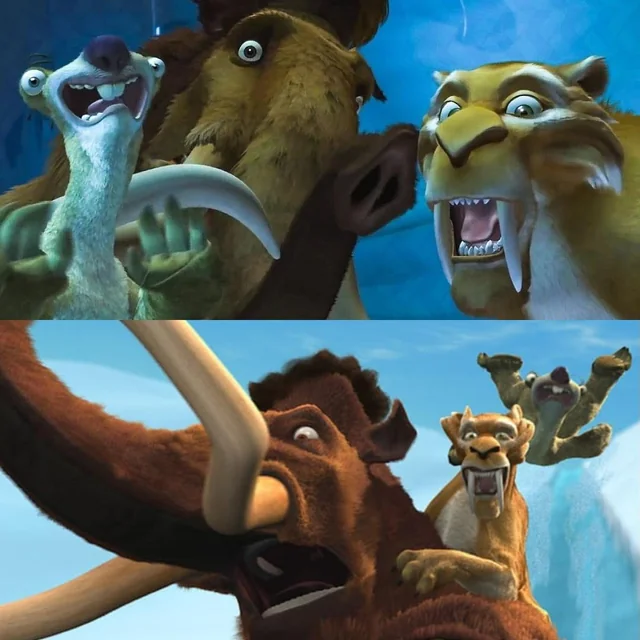
One of the most emotional threads in the series is Manny’s obsession with finding, protecting, or rebuilding a family. Whether he’s mourning the loss of his original herd or adopting a makeshift one with Sid and Diego, the story keeps circling back to the idea that a mammoth without a herd is incomplete. That is strikingly close to what scientists infer from fossil evidence and comparisons with elephants: mammoths were almost certainly deeply social, group-living animals, not solitary giants just wandering around alone. Social bonds would have shaped everything from their movements to their survival.
The movies show Manny acting more like a stressed parent than a random loner, and that fits modern understanding of large herbivores. In many big mammal species, group life provides protection, learning opportunities for the young, and emotional security. Manny’s desperation when he thinks he’ll be left alone is not just drama for children’s entertainment; it echoes how damaging isolation can be for highly social animals. Even though his herd in the movies includes a sloth and a saber-tooth, the emotional truth – that mammoths depended on social ties – is surprisingly on point.
3. The long migrations across ice and open plains line up with how mammoths probably moved
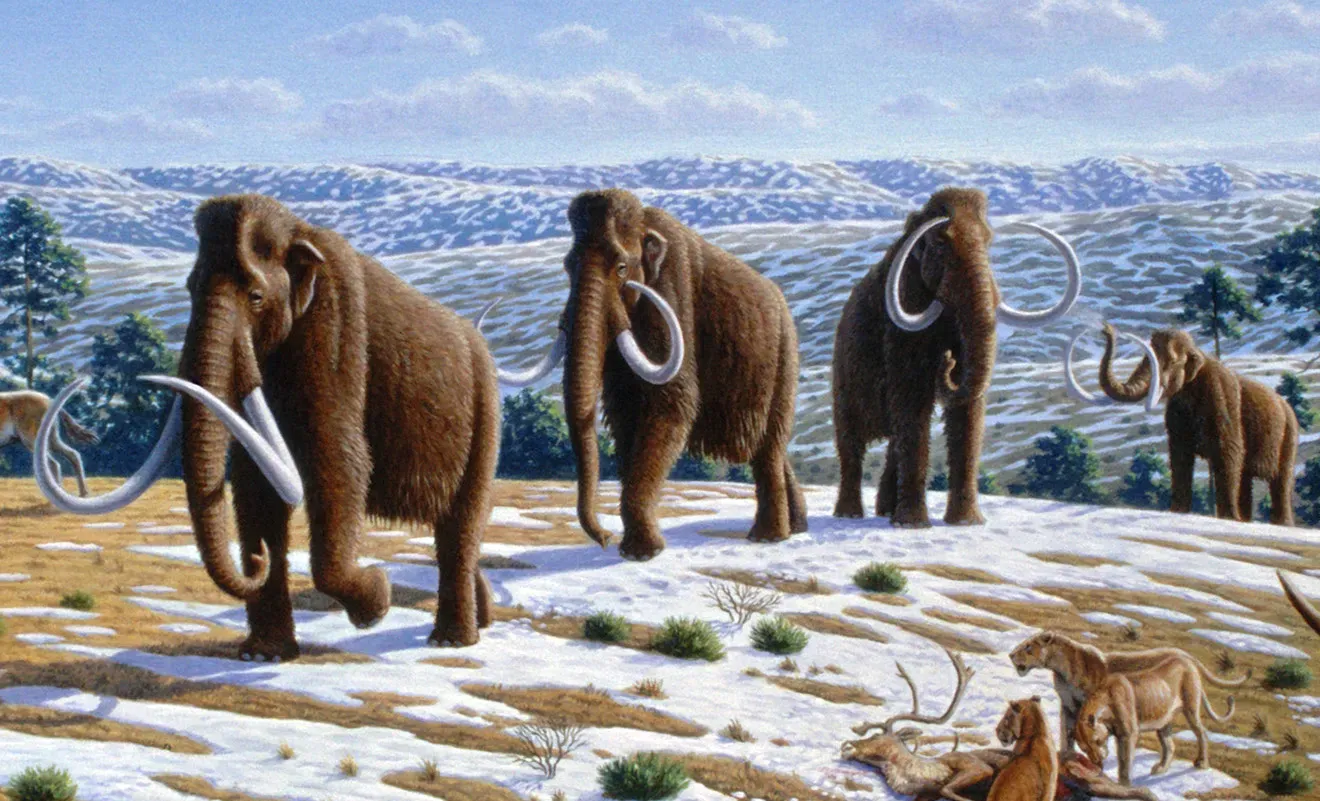
The Ice Age films love a good journey. Manny and the gang are constantly crossing huge snowy valleys, frozen lakes, and steppe‑like landscapes dotted with sparse vegetation. Visually, that’s actually quite close to what scientists think mammoths experienced on the so‑called mammoth steppe: open, windy, grassy plains stretching across large parts of the northern hemisphere. The long, slow treks you see on screen are not that far fetched; large herbivores really do move huge distances in search of food and safe calving areas. Movement is survival when your body is huge and your food is seasonal.
In the movies, Manny often pushes the group forward because food is running low or the environment is changing around them. That matches the idea that mammoths, like today’s elephants and caribou, probably migrated or at least shifted ranges to track better foraging grounds. When kids watch Manny trudging across bare, windswept landscapes to find safety and resources, they are absorbing a realistic principle: for big plant-eaters, staying in one cozy spot is a fantasy. Real mammoths survived by constantly adjusting where they went and what they ate as the climate swung back and forth.
4. Manny’s protective “dad mode” mirrors real parental investment in large mammals
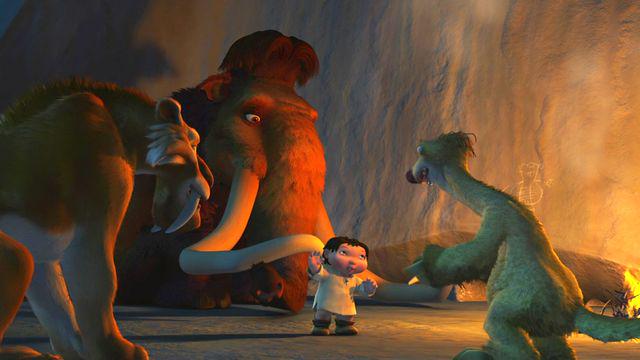
Once Manny settles into the role of a father, especially with his daughter Peaches, he turns into a nervous, overprotective guardian who always expects the worst. While the comedic side is exaggerated, the basic idea that a mammoth parent would invest heavily in each calf is absolutely grounded in biology. Large mammals usually produce few offspring, but each one represents a huge time and energy investment. That means parental protection and teaching are not optional extras, they are essential strategies. Manny’s fussing over Peaches and panicking when she wanders off fits that pattern perfectly.
In nature, a single lost calf can mean a major setback for the mother and the herd, so behaviors that keep young close and safe are strongly favored. The way Manny constantly positions himself between danger and the younger or more vulnerable characters echoes how real adult elephants will shield calves with their bodies or form defensive circles. Even though Ice Age turns some of this into comedy, kids watching Manny learn, sometimes painfully, how to balance freedom and safety are getting a surprisingly decent snapshot of how protective a mammoth parent might really have been.
5. His reliance on memory and past experience reflects real mammoth intelligence
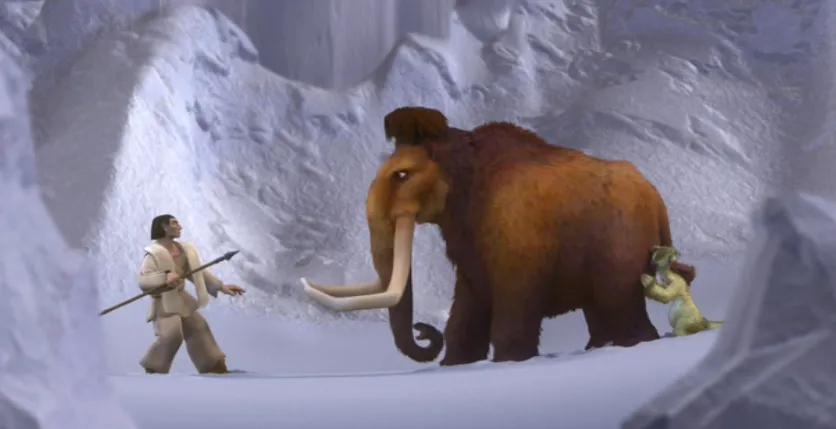
Manny is not just big and strong; he’s portrayed as thoughtful, sometimes stubbornly so, and he often draws on past experiences to decide what to do next. He remembers old routes, past dangers, and emotional losses in a way that shapes his behavior. This is very similar to how scientists think mammoths operated, based on what we know from modern elephants. Memory in long‑lived, social herbivores is not a bonus feature, it’s a critical survival tool. Knowing where water could be found years ago, or where a herd once escaped danger, can make a life‑or‑death difference.
In the films, you often see Manny being the one who recalls migration paths, reads the landscape, or warns others based on something he has seen before. That maps cleanly onto what we see in living elephant matriarchs, who use long-term memory to guide herds through shifting environments. While Manny is not given an official role like “matriarch,” the way he makes decisions as the one with the longest memory and the deepest emotional scars rings true for a large-brained, intelligent proboscidean. Kids learn, almost without noticing, that big animals like mammoths were not just muscle – they were walking libraries of environmental knowledge.
6. His tusk use in defense and display lines up with real mammoth anatomy
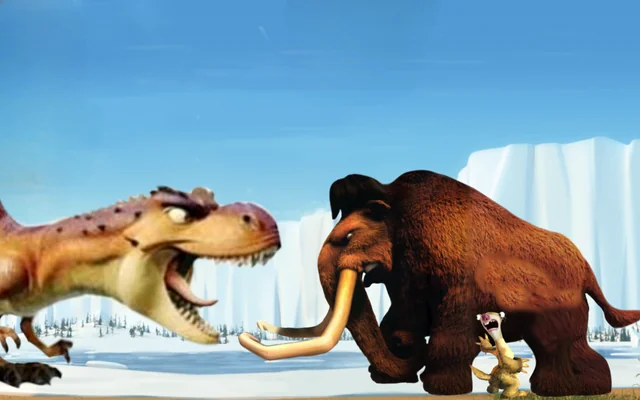
Throughout the Ice Age series, Manny’s tusks are almost like extra limbs: he uses them to push, block, and sometimes to threaten other animals. While the slapstick side is animated fantasy, the basic idea that tusks are multi-purpose tools is scientifically sound. In real mammoths, tusks likely played roles in defense against predators, sparring with rivals, and even manipulating their icy, snowy environment. The curve and length of mammoth tusks, as seen in fossils, suggest they were not just decorative; they could help clear snow, strip bark, or roll logs, much like Manny occasionally does in more dramatic, stylized ways.
When Manny lowers his head and brandishes his tusks to confront danger, kids are seeing a fair approximation of how an adult mammoth might have used that anatomy to appear larger and more intimidating. Large herbivores often rely on bluff, display, and show of strength before any real fight breaks out. The fact that Manny’s tusks are central to his presence and posture on screen gives a reasonably accurate visual message: for mammoths, tusks were not just about age and status, they were practical tools and powerful signals in social and defensive situations.
7. His tight bonds with a small group highlight real herd structure and cooperation
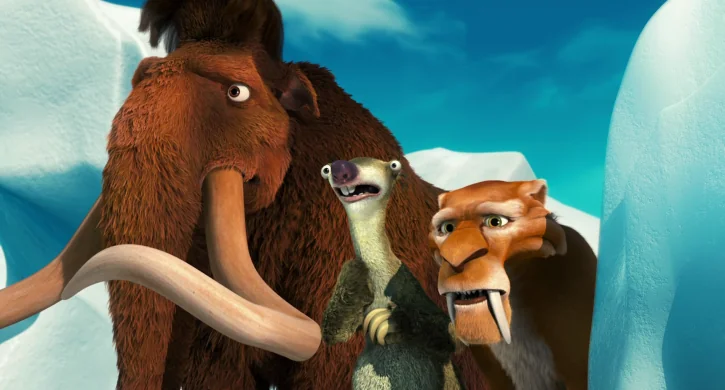
Manny’s “herd” in Ice Age is unconventional, but the pattern is familiar if you know anything about herd mammals: a relatively small, stable core group that sticks together through thick and thin, with a lot of cooperation and shared decision‑making. Even though Sid and Diego are not mammoths, the dynamics still give children a decent model of what a mammoth herd might feel like from the inside. There’s room for conflict, but separation is treated as upsetting and dangerous, not casual. That fits the way many real herd species operate, where the social group is a lifeline, not a convenience.
Coordinated movement, shared vigilance, and group responses to threats are all things you see around Manny, even if it is wrapped in jokes. When he slows down for others, argues about which route is safer, or refuses to leave someone behind, those are cartoon echoes of genuine cooperative strategies in herd animals. For a kid, the takeaway is quietly scientific: survival for a mammoth is not just about being the biggest, it’s about staying with the group, communicating, and sometimes sacrificing speed or comfort for the sake of weaker members. That is far closer to reality than the usual lone‑hero trope.
8. His struggle with changing climate and landscapes mirrors real mammoth challenges

Across the films, Manny and his friends deal with melting ice, shifting continents, flooding, and the steady transformation of their world. While the timeline is wildly compressed for storytelling, the core idea is true to what mammoths actually went through: repeated swings in climate, shrinking habitats, and a landscape that became more and more challenging for big cold‑adapted grazers. Manny’s anxiety about loss – of home, of familiar routes, of entire ways of life – unintentionally hints at what the last real mammoths must have faced as their tundra environments disappeared.
The series does not turn into a lecture about extinction, but the emotional tone around environmental instability is surprisingly honest. Manny is constantly forced to adapt, relocate, and rethink what safety even looks like. For children, that lands as a story about bravery and change, but tucked inside is an accurate biological truth: large species tied to specific climates are vulnerable when those conditions shift too fast. Watching Manny cope with breaking ice shelves and vanishing snowy plains gives kids a stylized, but emotionally faithful, picture of the kind of pressures that likely pushed mammoths to the edge.
Conclusion: A cartoon mammoth that got more right than it had to

Ice Age was never meant to be a science film, yet Manny somehow ended up carrying a lot of genuine mammoth behavior on his oversized shoulders. His wariness around strangers, his need for a herd, his protective parenting, and his constant battles with a changing world all echo what paleontologists infer about real mammoths from bones, sediments, and comparisons with living elephants. It is not perfect, of course, and no one should be citing Manny in a research paper, but as a first impression for millions of kids, the character is a lot more accurate than many live‑action movies about animals. In my opinion, that accidental accuracy is part of why Manny feels so believable, even when he is cracking jokes on a drifting iceberg.
What sticks with me is how the films let children feel the emotional reality behind the science: that big, ancient animals had memories, loyalties, fears, and routines shaped by a harsh, shifting planet. You come for the laughs, but you leave with an intuitive sense that mammoths were complex, social, and deeply tied to their environment. That is a pretty remarkable side effect for a family comedy franchise. The next time Manny trudges across your screen, you might find yourself wondering: how much more did that cartoon mammoth get right than any of us expected?