There is something quietly terrifying about realizing that at some point in our deep past, a human ancestor looked at a lifeless body and understood, maybe for the first time, that one day the same thing would happen to them. That was not just the day we invented grief; it was the day we invented the future. Anthropologists have spent decades trying to trace when that mental switch flipped, digging through caves, bones, and ancient objects that hint at a mind suddenly preoccupied with endings.
What makes this story so gripping is that the evidence is scattered, incomplete, and stubbornly ambiguous. We do not have a single fossil that says, in neat lettering, “Here is the first time someone feared their own death.” Instead, we have clues: carefully buried bodies, red ochre stains, grave goods, and even subtle changes in animal bones that suggest ritual rather than routine butchery. When you put those clues together, a picture emerges of a species slowly waking up to mortality – and trying to do something about it.
The First Corpses That Were More Than Meat
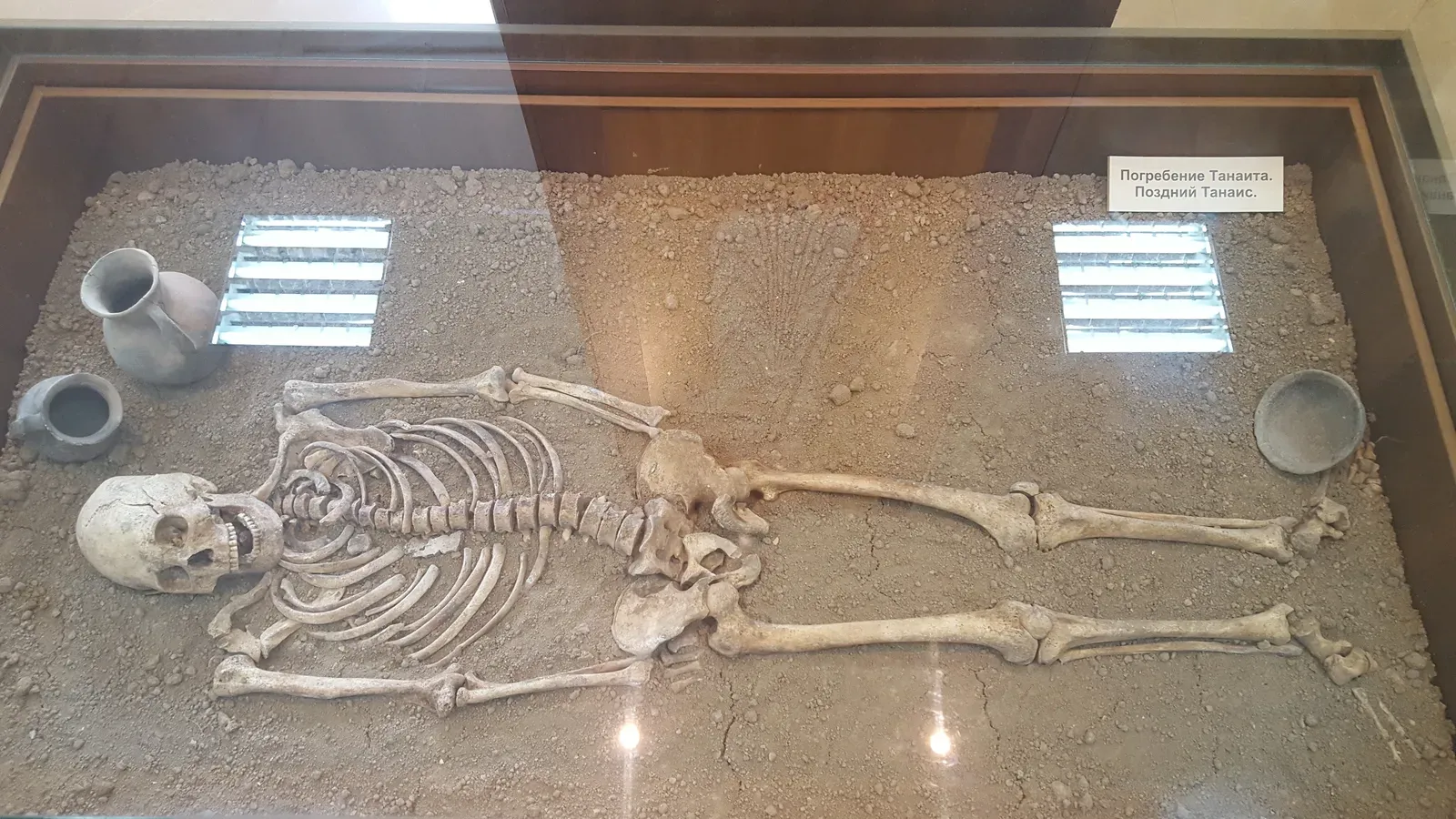
One of the most surprising things anthropologists point to is how early hominins seem to have shifted from treating dead bodies like objects to treating them like something special. For a long stretch of prehistory, bodies were likely just abandoned, scavenged by animals, or casually disposed of. But in a handful of Middle Paleolithic sites, especially associated with Neanderthals and early Homo sapiens, we see what looks like a deliberate effort to protect or position the dead in specific ways, sometimes in small pits, sometimes curled as if sleeping.
This shift matters because it suggests that the body was no longer just a carcass. It had symbolic weight, maybe emotional weight. The care taken to move, arrange, and sometimes even cover the deceased hints that survivors felt obligations toward the dead that went beyond hygiene or practical concerns. When a body stops being simply meat and starts being a story – of who this person was and what their loss means – that is a huge mental leap. It marks the beginning of an inner conversation about what death is and, dangerously, how it will eventually come for each living person too.
Burial Rituals: When Death Became a Problem to Solve
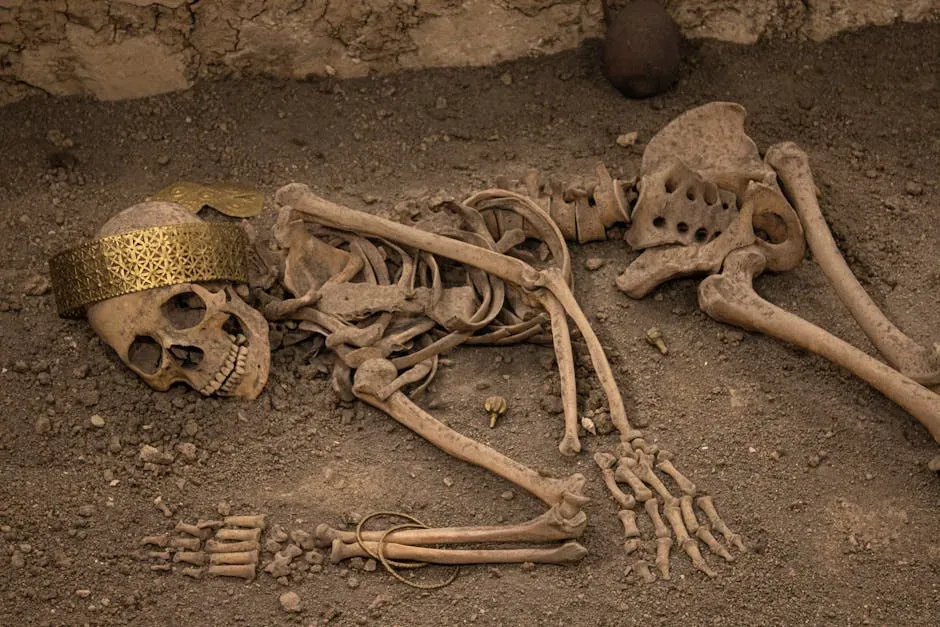
If you ask many anthropologists where awareness of death really becomes visible, they usually point to intentional burials. In places like Qafzeh and Skhul in the Levant, or later in European caves, archaeologists have found skeletons positioned carefully, often on their sides, sometimes with stones placed around them or with traces of red ochre that may have been sprinkled intentionally. These are not the chaotic remains left by scavengers or landslides; they look like planned acts, repeated enough to count as tradition rather than accident.
Ritual burial changes the game because it shows people were not just reacting to death; they were organizing around it. Digging a grave, arranging a body, maybe returning to that spot – all of this requires forethought and shared understanding. It turns death into a social event and a kind of puzzle: How do we send this person off? Where do they belong now? The moment you start asking those questions, you are no longer just experiencing loss; you are inventing culture to cope with it.
Red Ochre, Grave Goods, and the Birth of Symbolic Afterlives
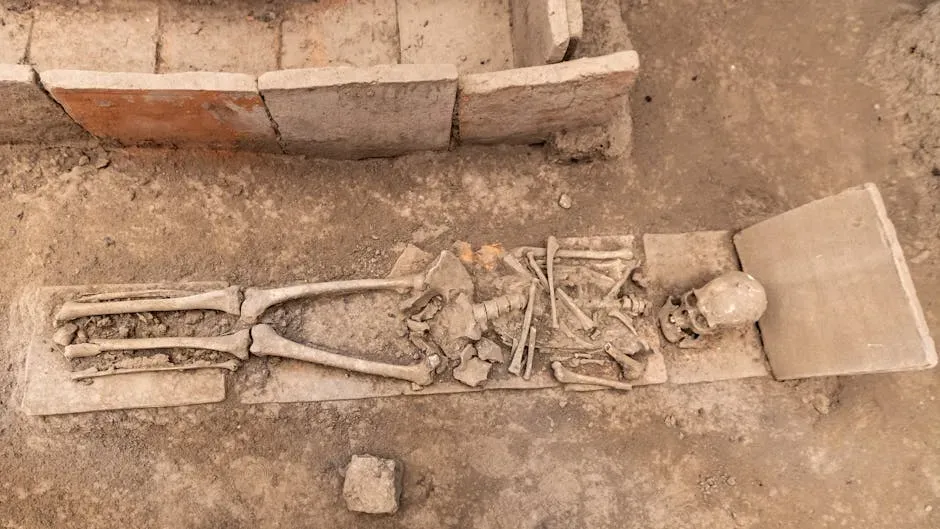
Some of the most arresting finds in early burials are not the bones themselves but the extras: pigments, beads, tools, animal parts, even flowers in a few debated cases. Red ochre, an iron-rich pigment, shows up repeatedly on bones or around graves, as if bodies were painted or dusted during the burial process. To many researchers, this is a sign of symbolic behavior – a kind of language made with color that may have represented blood, life, transformation, or some early idea of a journey beyond death.
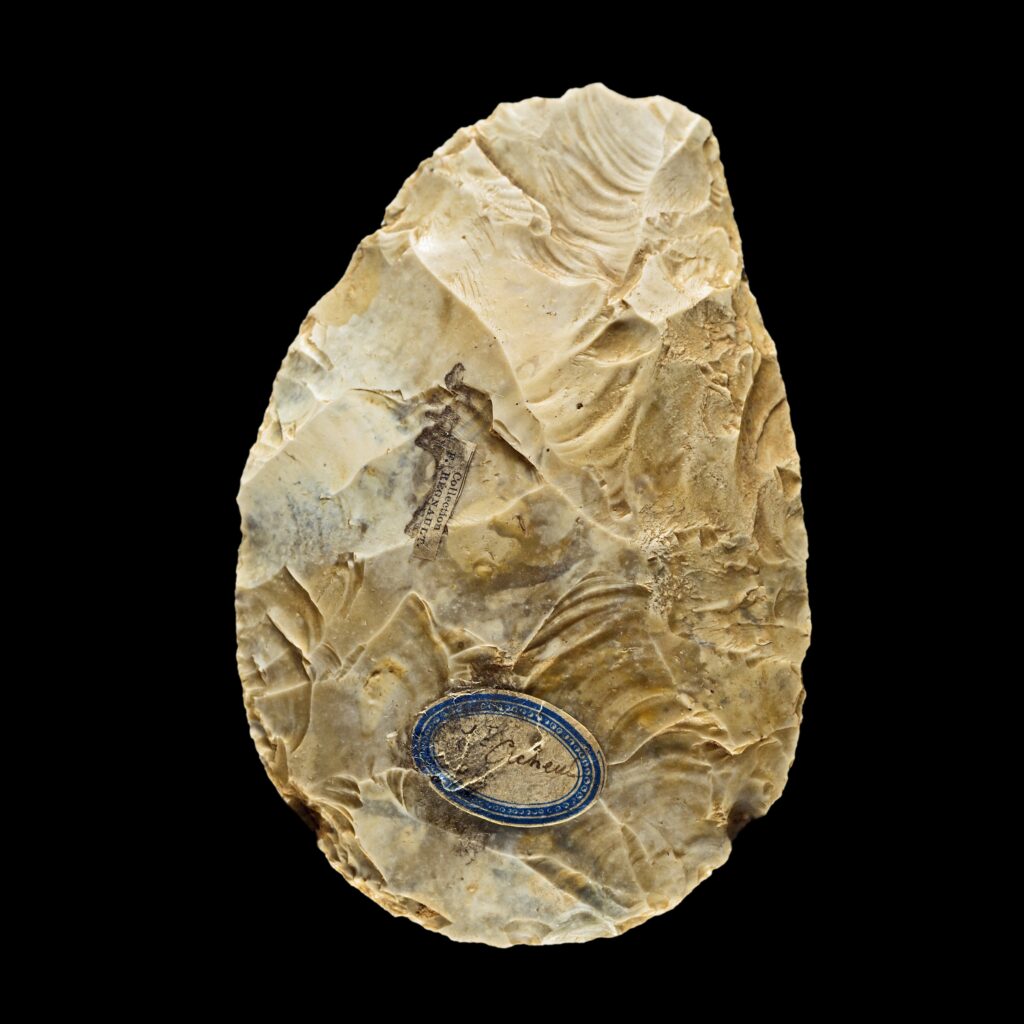
Grave goods like tools, ornaments, or animal bones push the idea even further. You do not send someone off with a spearhead or a necklace unless you think, at some level, that these items matter to them after they are gone, or that the objects themselves carry meaning about their identity. This becomes our strongest hint that humans were not just aware of death as an ending, but were starting to imagine what might come next. Even if their ideas were fuzzy, the act of equipping the dead implies a mental model of continued existence, which is a clever way of softening the hard edge of mortality.
Neanderthals, Early Humans, and the Shared Fear of Not Existing
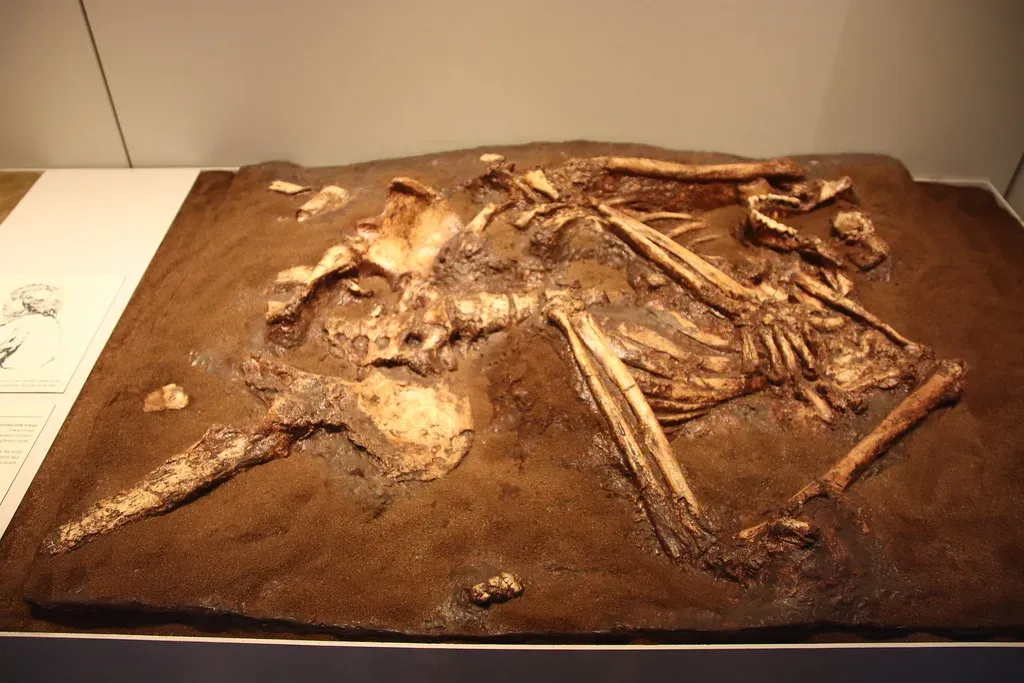
For a long time, the story was told as if Homo sapiens alone had this deep, symbolic relationship with death. But the closer anthropologists look at Neanderthal sites, the more nuanced that story becomes. Some Neanderthal remains appear to have been deliberately buried, with bodies placed in pits and sometimes arranged in ways that suggest care. In a few sites, there are hints of pigment or associated objects, leading some researchers to argue that Neanderthals, too, recognized death as something more than biological shutdown.
This possibility is unsettling and oddly comforting at the same time. If another human species grappled with mortality, then the awareness of death is not just a quirky feature of modern humans; it might be a deeper property of big-brained social primates. It suggests that once a mind becomes capable of imagining tomorrow, it cannot help but imagine the day there is no more tomorrow. In that sense, Neanderthals and early Homo sapiens may have shared not only tools and territories but a heavy, shared burden: the knowledge that everything, including themselves, ends.
Art, Cave Walls, and Skulls on Display
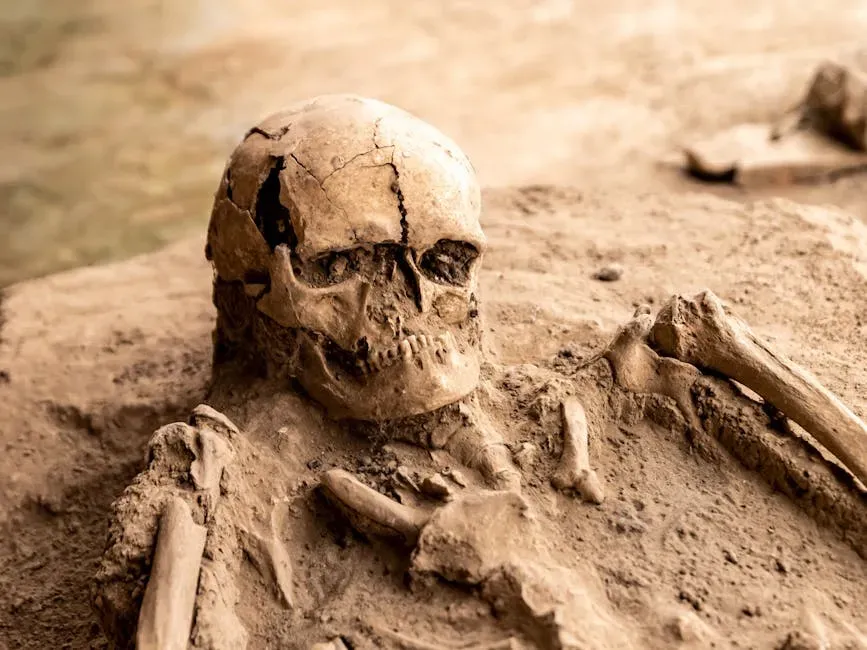
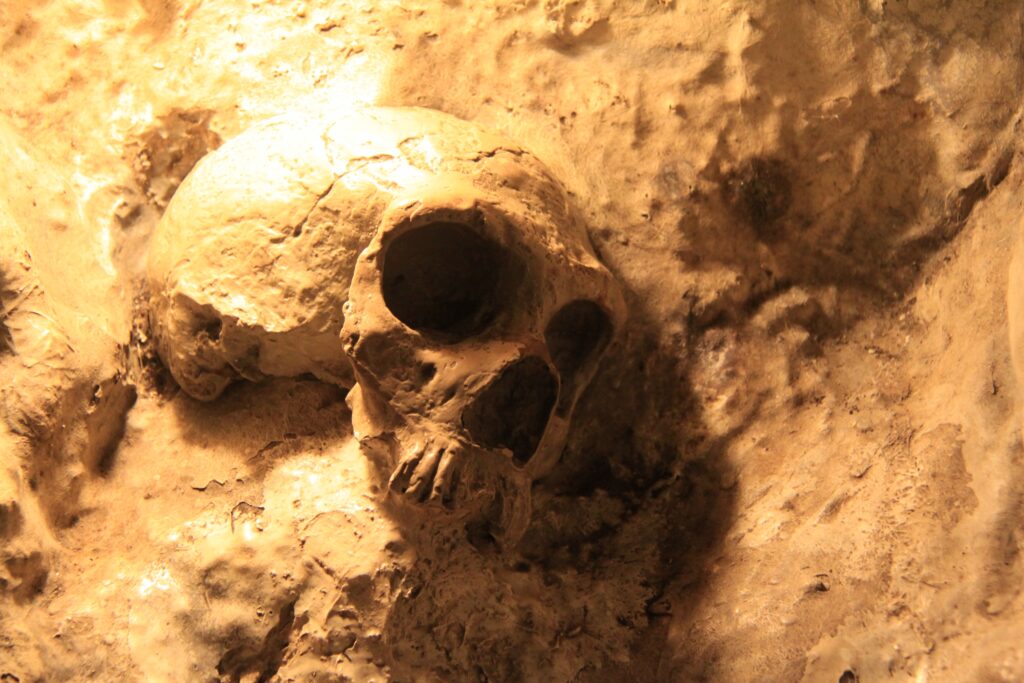
Beyond burials, another powerful clue comes from early art and the unusual treatment of bones, especially skulls. In some ancient communities, skulls were kept, modified, or even displayed separately from the rest of the body. Faces might be reconstructed with plaster, or skulls arranged in groupings that seem more symbolic than practical. This suggests that the dead were not simply put away; they remained present in the living community as objects of attention, memory, or perhaps even reverence.
Early figurative art, including scenes of humans, animals, and sometimes ambiguous hybrid beings, also points to a world where life, death, and something in between were constantly being imagined. Even when the images are not explicitly about death, the very act of freezing a moment of life on a cave wall is a kind of defiance. It says: this animal, this person, this event will not vanish completely. Art becomes a strategy to outsmart impermanence, preserving what the body and the world cannot keep forever.
Children, Storytelling, and the Slow Personal Discovery of Death

Anthropologists do not only look at ancient bones; they also study how children in different cultures today come to understand death. Across societies, kids tend to go through a similar process: first noticing that people can disappear, then realizing that death is irreversible, and finally facing the hardest part – that death is universal and will happen to them personally. That last step is often the most emotionally explosive; it can trigger fear, existential questions, or a sudden fascination with ghosts and afterlives.
Researchers sometimes use this developmental journey as a rough analogy for what might have happened in our species history. Early hominins may have sensed loss and absence long before they fully grasped personal mortality. Over thousands of generations, stories, myths, and rituals emerged to guide people through that brutal realization, just as bedtime tales and cultural traditions help modern children process it today. In a way, every time a child whispers the question about whether they will die, they are replaying a very ancient cognitive turning point.
On a more personal note, I still remember the first time that realization hit me as a child: lying awake, staring at the ceiling, suddenly aware that one day there would be a last breath. It felt like falling through the floor of everyday life. That same vertigo, multiplied across countless individuals and generations, is probably what fueled so many of our species greatest cultural inventions – from myths to monuments.
Religion, Ancestors, and Turning Terror into Meaning
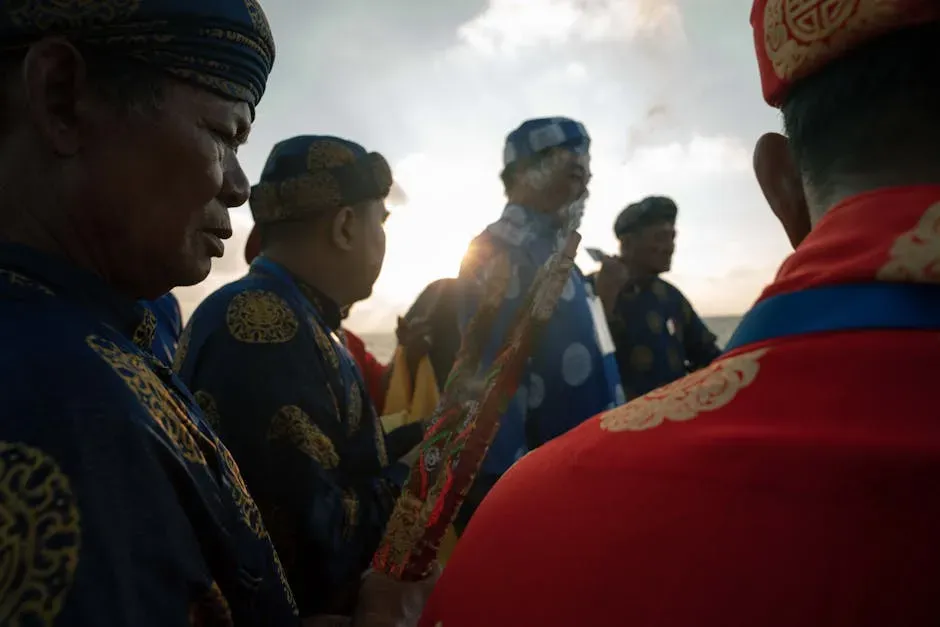
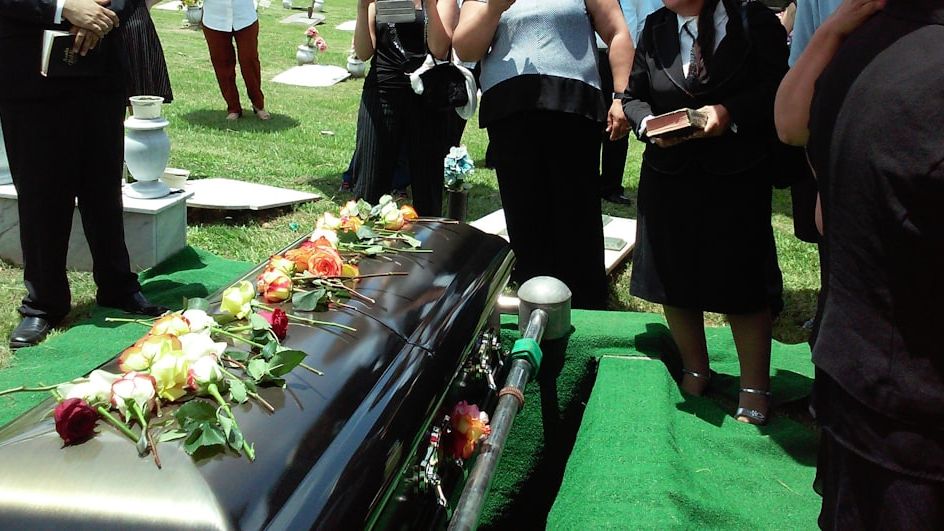
Once humans understood that death was inescapable, they could have stayed paralyzed in fear. Instead, they built entire systems to tame that fear: ancestor worship, spiritual beliefs, elaborate funerals, and eventually full-blown religions. Anthropologists often see these traditions as ways of turning a raw biological fact into a meaningful social script. The dead become protectors, judges, guides, or members of an invisible community that still matters deeply to the living.
This move from terror to meaning is one of the strangest and most impressive things our species has ever done. Rather than deny death, most cultures wrap it in stories that create purpose. Dying for a cause, joining ancestors, or returning in another form all reframe the end as part of a larger pattern. Even if different societies disagree wildly on the details, the underlying task is the same: to live with the knowledge of death without being crushed by it, and to turn that awareness into motivation to love, build, create, and protect.
Did Awareness of Death Make Us More Human – or Just More Anxious?
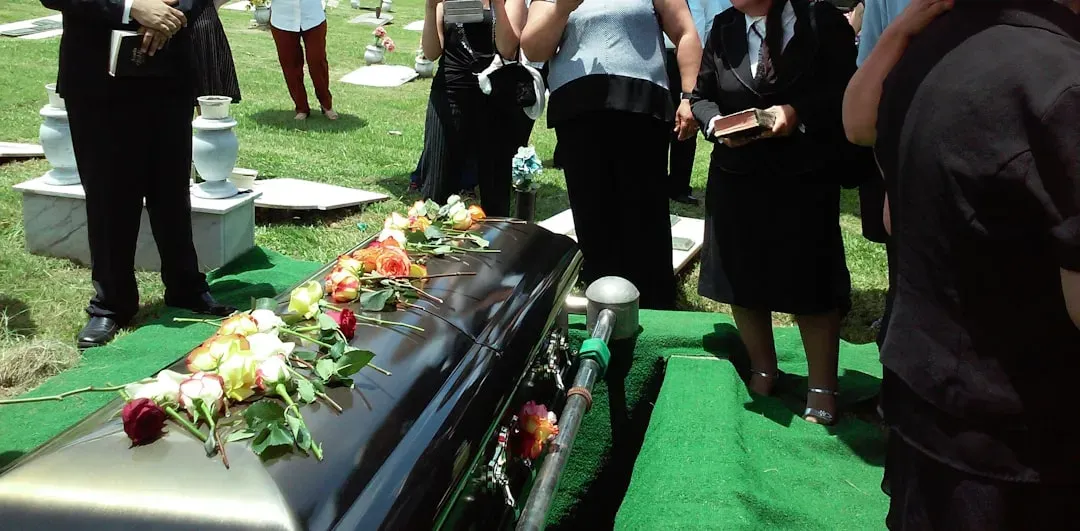
When you look at the evidence together – burials, pigments, grave goods, skulls, art, rituals – it becomes tempting to say that the awareness of death is one of the core things that made us fully human. A creature that knows it will die starts to care about legacy, reputation, offspring, memory, and morality in a different way. It might work harder to cooperate, to be remembered kindly, or to attach itself to something that feels larger and more lasting than one individual life. From that angle, fear of death is also fuel for creativity, generosity, and meaning.
But there is a darker side that we should not romanticize. The same awareness can feed anxiety, denial, violence, and obsessive attempts to escape or outlive others. In my view, the strange moment our ancestors started seeing themselves in the bodies they buried was both a gift and a curse. It gave us art, ritual, and deep love, because you only grieve what matters. It also gave us sleepless nights, nightmares, and the occasional urge to look away from the truth. Maybe the real mark of being human in 2026 is not that we know we will die, but that we keep choosing, again and again, to build meaningful lives under that shadow. If you imagine standing beside one of those first intentional burials, would you feel more haunted by the death in the ground – or more amazed that the living cared enough to kneel there at all?