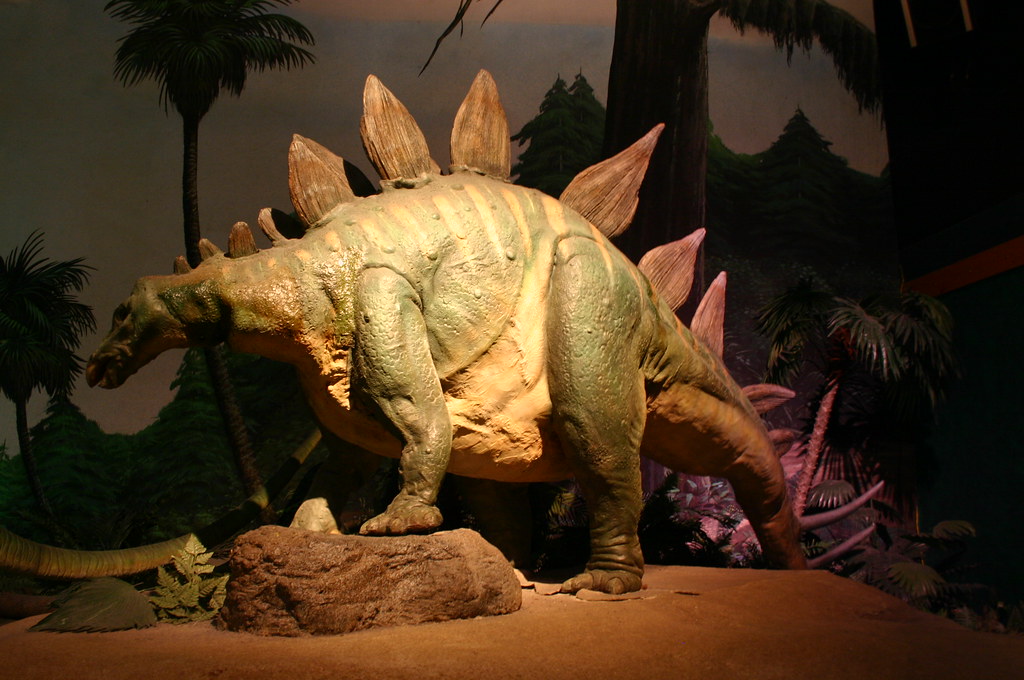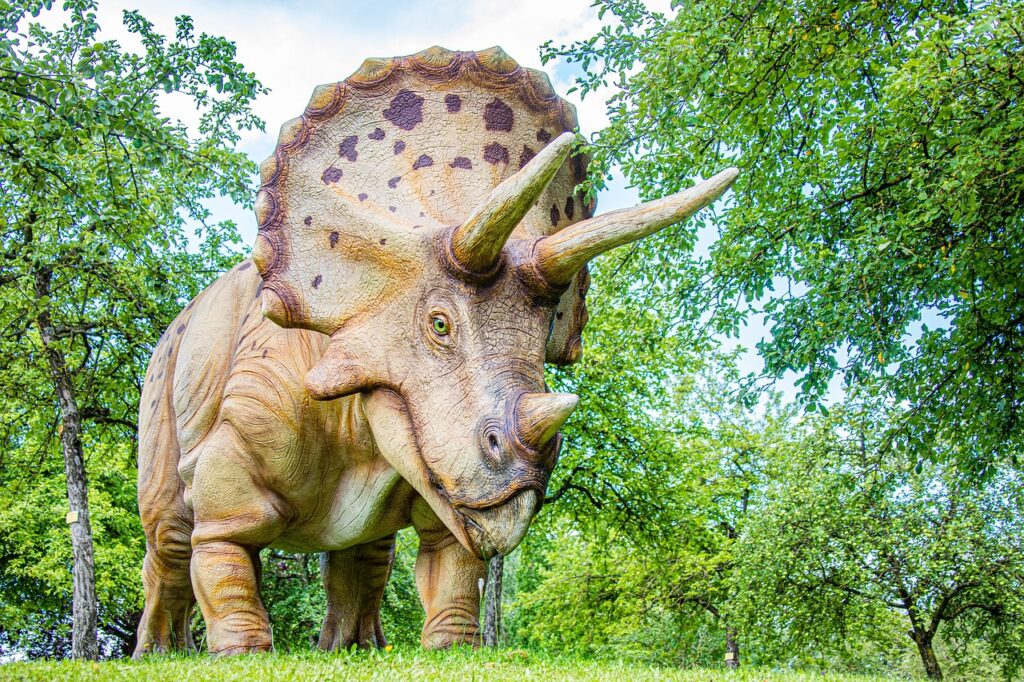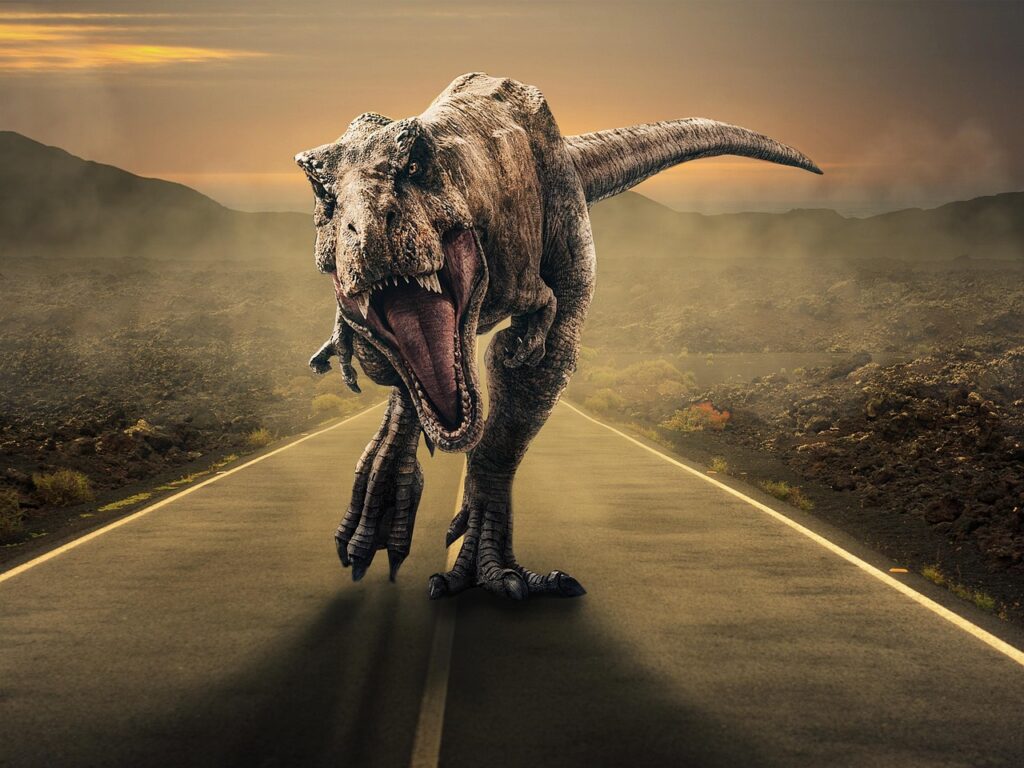
There’s something irresistibly fun about a wildly inaccurate dinosaur fight. You know it’s wrong, science is quietly sobbing in the corner, but your inner twelve‑year‑old is on their feet cheering. Prehistoric showdowns on screen are supposed to be brutal, majestic, and a little bit terrifying – yet again and again, filmmakers give us scenes that feel more like pro‑wrestling in rubber suits than anything grounded in deep time.
I still remember watching some of these battles as a kid, being absolutely blown away in the moment, and then years later discovering that almost every detail – the animals, the era, even the way they bite – was a glorious mess. That gap between what looks cool and what could ever have happened in reality is where the magic (and the comedy) lives. Let’s wade straight into seven of the most hilariously fake “prehistoric” clashes ever put on a screen – and why, from a scientific point of view, they’re completely bonkers.
T. rex vs Spinosaurus in Jurassic Park III: The Clash That Never Was
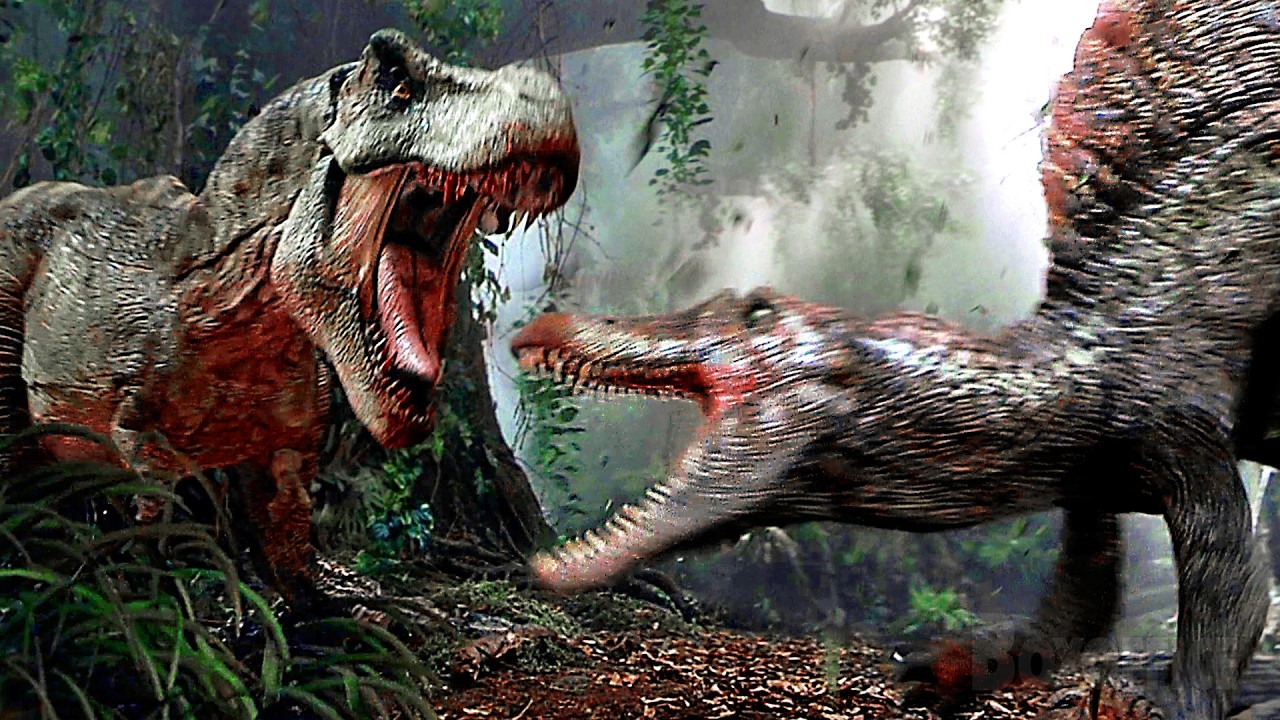
The heavyweight title fight in Jurassic Park III, where Spinosaurus strolls in, body‑slams a Tyrannosaurus rex, and snaps its neck like a breadstick, is burned into a generation’s memory. It is also, paleontologically speaking, an utter fever dream. Spinosaurus and T. rex lived on different continents, separated by millions of years; they were never in the same ecosystem, let alone the same muddy clearing gearing up for a cage match. On top of that, the movie’s Spinosaurus is built like an all‑purpose super‑predator, when fossil evidence suggests a specialized, semi‑aquatic hunter whose jaws and teeth were adapted mainly for catching fish rather than smashing bone in land‑based sumo bouts.
What really makes the scene laughable to anyone who follows the science is the motive: it feels less like an animal interaction and more like a marketing decision to crown a new “king of the dinosaurs.” In reality, a full‑grown tyrannosaur would have been a terrifying rival, and big predators often avoid risky fights that could shatter teeth or break limbs and doom them to slow starvation. Watching Spinosaurus casually drop T. rex in a couple of moves is like watching a swordfish come ashore, knock out a grizzly bear, and then walk off flexing; it is pure spectacle, engineered drama with almost zero biological plausibility.
Velociraptor Pack Attacks: Turkeys Reimagined as Nightclub Bouncers
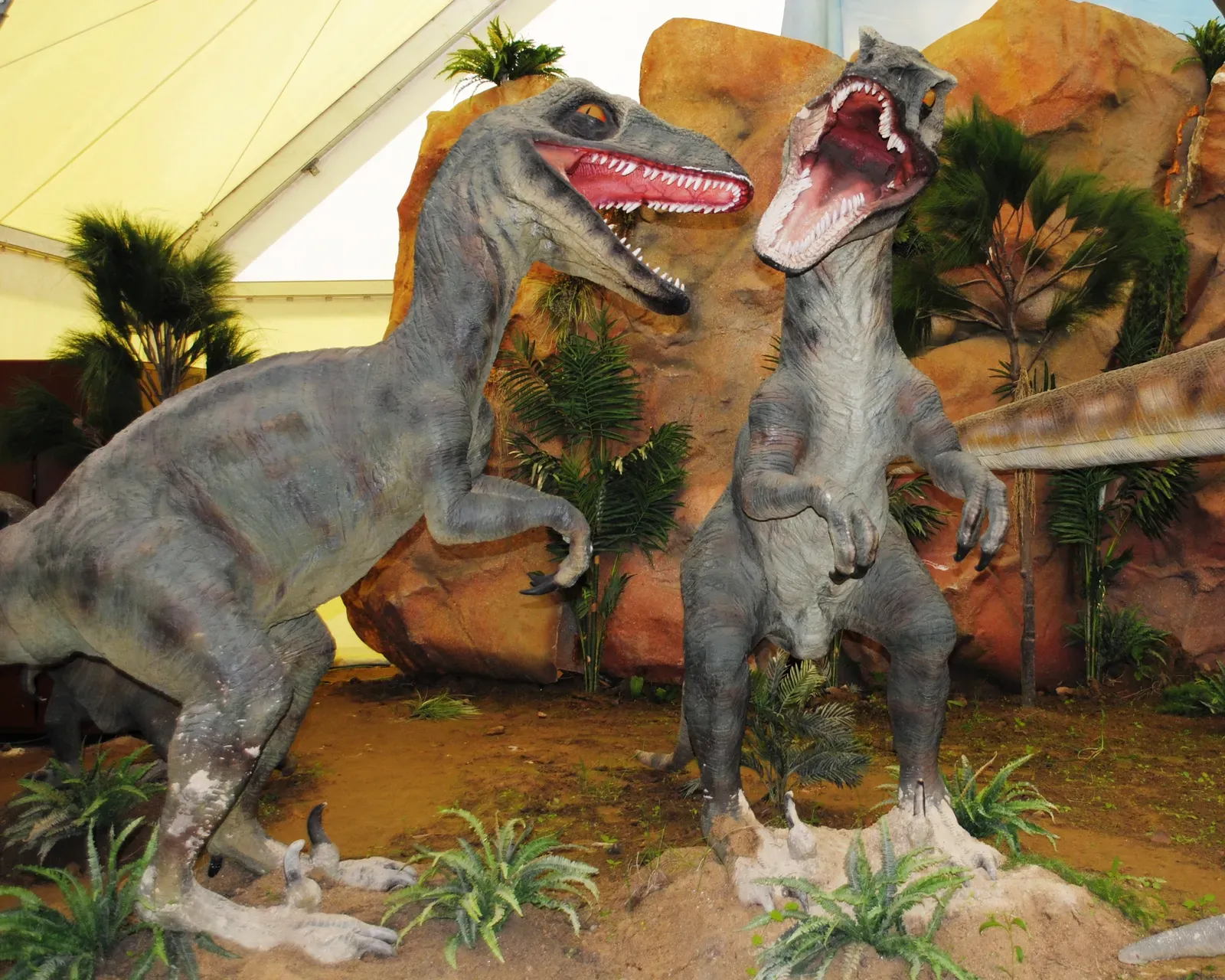
Cinematic Velociraptors, especially in the Jurassic franchise, are iconic: man‑sized, door‑opening, hyper‑intelligent pack hunters that stalk humans like horror movie slashers. The catch is that real Velociraptors were closer in size to a large turkey, and heavily feathered; think dangerous, yes, but not nine‑foot hallway terrors opening kitchen doors with sinister intent. Even the more recent films that add a sprinkle of feathers still mostly cling to the older, sleek reptilian frame that now looks very dated compared with modern reconstructions. When you rewatch those pack attacks knowing this, it starts to feel like a gang of very angry birds has been sized up and reskinned to fit a monster movie template.
The behavior is just as exaggerated as the body plan. Raptors on screen communicate like coordinated special forces units, roar constantly, and seem almost obsessed with hunting humans for sport. In reality, even sophisticated dinosaur hunters were still animals, not supervillains; their lives would have revolved around calories, territory, and avoiding injury, not theatrical showdowns with hairless apes. There is some evidence that close relatives of Velociraptor had complex social behaviors, but nothing that supports the hyper‑intelligent, door‑testing, smugly snarling nightclub‑bouncer energy you see on screen. It makes for great tension – and absolutely ridiculous paleo‑science.
10,000 BC’s Saber‑Tooths, Mammoths, and Pyramid Slaves: A Chronological Train Wreck
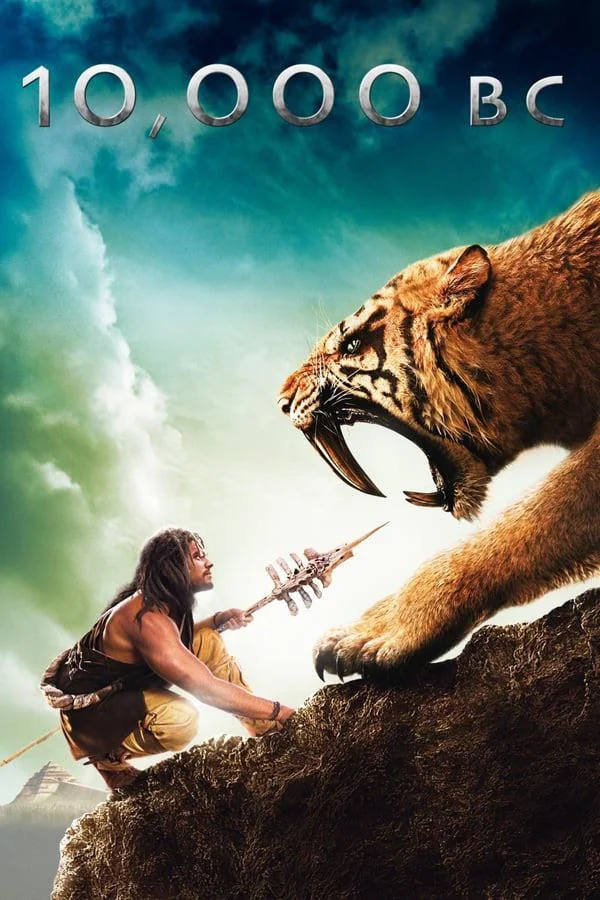
If you ever wanted a single movie that mashes every prehistoric buzzword into one giant blender, 10,000 BC is it. Saber‑toothed cats, woolly mammoths hauling stones for pharaonic mega‑pyramids, Stone Age tribes that look like a scrapbook of random ancient cultures – it is a spectacular coma of anachronisms. The film has been widely noted for its numerous historical and prehistoric inaccuracies, and you can see why the moment mammoths are shown being used as domesticated construction workers in something resembling an early Egyptian state. In reality, the monumental pyramids of Egypt are far younger than the late Ice Age fauna onscreen, and there is no evidence of mammoths ever being harnessed like draft horses in organized slave societies.
What makes the battles in 10,000 BC especially laughable is how seriously the movie wants you to take them. You get melodramatic charges, humans dramatically out‑dueling huge predators with little more than bravado and a spear, and a world where megafauna, early agriculture, and almost Bronze Age‑level architecture are forced into one timeline. As a fantasy romp, sure, you can squint and roll with it. As any kind of depiction of real prehistoric conflict, though, it is pure cosplay – more like someone dumped a museum gift shop into a sandpit and yelled “Fight!” than anything that ever walked this planet.
One Million Years B.C.: Cavemen Fist‑Fighting Dinosaurs

One Million Years B.C. is legendary for its fur bikinis and stop‑motion creatures, but scientifically it might as well open with a title card that says “Time is fake here, don’t ask questions.” Humans and non‑avian dinosaurs missed each other by tens of millions of years, yet the film happily throws cave people and giant reptiles into the same hostile landscape. The result is a string of battles where early humans are dodging, stabbing, and wrestling dinosaur‑like beasts that could never, ever have seen them. Even the director later admitted he was not making this for professors, which is putting it mildly.
Layered on top of the time mash‑up is the creature design itself: some of the “dinosaurs” are actual lizards shot in forced perspective or dressed up to look monstrous, while others are classic movie monsters that only vaguely resemble known species. Watching a caveman leap aside from a giant iguana or flail a spear at a stop‑motion beast looks charming now, but it has the same relationship to actual prehistory as a fairy tale. As a kid, I loved it unironically; as an adult, the sheer wrongness of humans battling dinosaurs is part of the campy joy. It is not just inaccurate – it is practically a parody of accuracy.
Jurassic Fight Club: History Channel Turns Fossils into Pro‑Wrestling
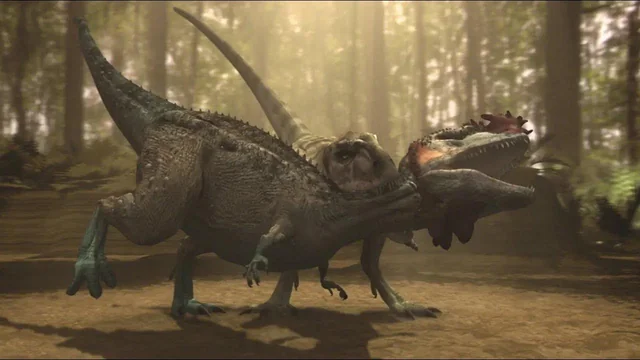
Jurassic Fight Club swaggered onto the History Channel promising forensic science and realistic dino battles… and then cranked everything up to a point where even monster‑movie fans started side‑eyeing the screen. Each episode picks a pair of prehistoric animals and stages their encounter like a mixed martial arts title match, often exaggerating aggression, speed, and body language to near‑cartoon levels. While some confrontations are loosely based on intriguing fossil sites, the series frequently drifts into simply pitting contemporaneous species against each other because it sounds cool rather than because the evidence supports that specific showdown.
The infamous “Bloodiest Battle” episode is a perfect example of spectacle over sense, with predators making baffling tactical choices that real animals probably would avoid, like ignoring easy carrion in favor of launching suicidal attacks on the largest, healthiest prey in sight. Carnivores roar endlessly, herbivores charge like enraged rhinos at any excuse, and every encounter ends in shredding, slow‑motion carnage. Instead of animals navigating complex ecosystems, the show often gives us armored gladiators that exist mainly to fight for our amusement. It is thrilling in a guilty‑pleasure way, but as paleontology it veers into self‑parody.
The Valley of Gwangi and the Stop‑Motion Monster Mash
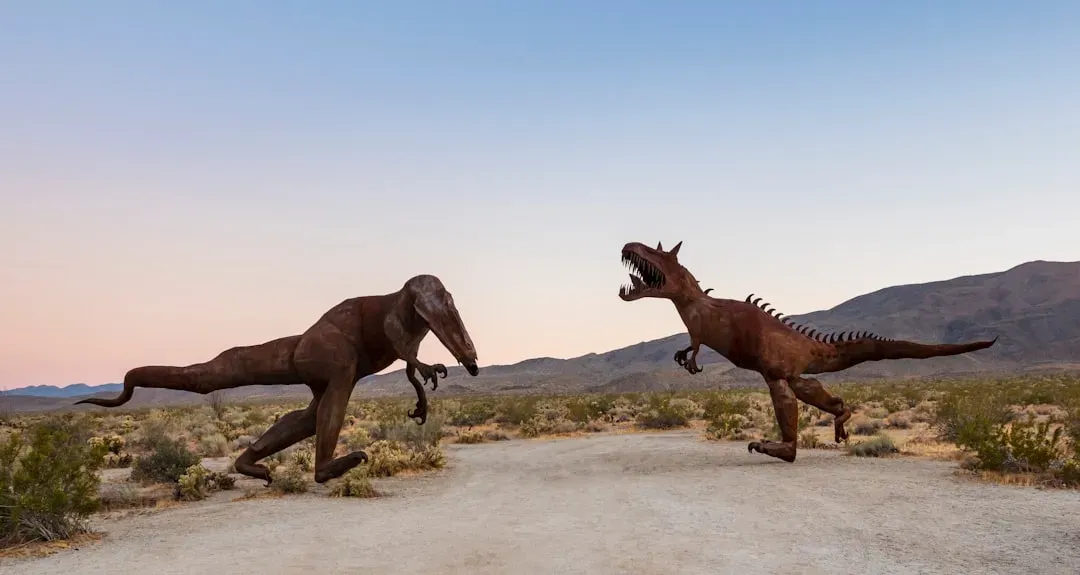
The Valley of Gwangi is one of those films where the craft is so charming you almost forgive how nonsensical the prehistoric battles are. Cowboys lassoing a stop‑motion Allosaurus‑like creature, a horned dinosaur squaring off against a carnivore in a dusty valley, and a mish‑mash of species crammed into the same lost world – it is pure pulp. The battles themselves are structured like choreographed wrestling matches, full of dramatic grappling, butting, pinning, and slow back‑and‑forth lunges that look more like choreographed stunt work than the quick, brutal encounters you would expect from real animals with a lot to lose.
From a scientific perspective, the idea that these various dinosaurs – which in life were separated by time, geography, and environment – would all share a single hidden valley is already a huge stretch. Add in the cinematic insistence on evenly matched one‑on‑one duels, and you have something closer to a monster circus than a prehistoric ecosystem. When the carnivore and the horned dinosaur face off, they trade blows like boxers instead of using the fastest, safest strategies that predators and prey typically evolve. It is beautifully animated for its time, but in terms of realism the battles land firmly in the “mythic monster mash” category.
Generic “Mixed‑Era Menageries”: Everything Fighting Everything, All at Once
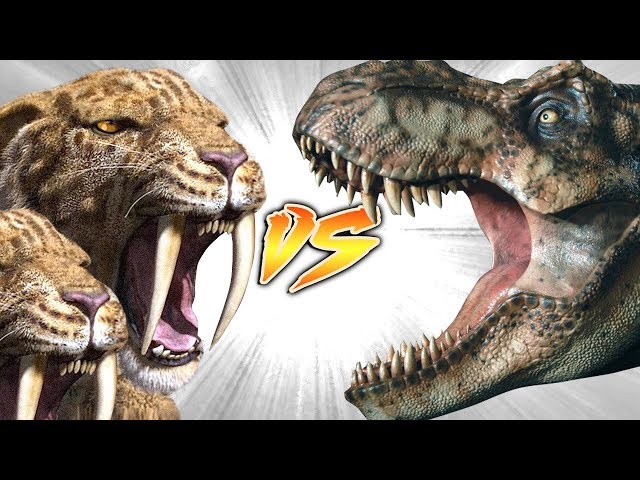
Beyond the big franchise examples, there is a whole unofficial subgenre of low‑budget dinosaur movies and prehistoric monster flicks that toss chronology straight into the trash. You get marine reptiles lunging out of forests, Cenozoic mammals tangling with Jurassic carnivores, and cavemen sprinting past random grab‑bag creatures that never shared a continent, let alone a habitat. The battles in these films are usually built around whatever model or CG asset the production could afford, so you end up with absurd matchups where the only real logic is “these two things look cool biting each other.” It is junk food cinema at its purest – fun to consume, nutritionally empty from a scientific point of view.
The funny part is how confidently these movies sometimes present their nonsense, complete with serious voice‑overs or faux‑educational marketing. You might see a saber‑toothed cat squaring off against a T. rex, or a pterosaur dive‑bombing Ice Age humans, as if this is just another day in Earth’s past. In reality, Earth’s history is a long, branching, staggeringly specific story where species come and go in a precise order; mixing them all into one battlefield is like staging a war movie where medieval knights ride into a dogfight between World War II planes and modern drones. It looks wild, but it tells you absolutely nothing true about how these animals actually lived or fought.
Conclusion: Why We Keep Loving Battles That Get Everything Wrong
So where does that leave us, stuck between the awful realism of a real predator breaking a limb and the glorious nonsense of a Spinosaurus suplexing a tyrannosaur? Honestly, I think these laughably fake prehistoric battles tell us more about ourselves than about dinosaurs or mammoths. We want simple, dramatic stories: heroes and villains, champions and challengers, clear winners in bloody showdowns. Real ecosystems are much messier and quieter, full of animals weighing risks, avoiding fights, scavenging, and mostly trying not to die. That does not always fit neatly into a three‑act structure, so Hollywood grabs the fossils and bends them until they scream.
My own view is that the older I get, the less patience I have for movies that claim to be realistic while serving up pseudo‑scientific nonsense – but I still have a massive soft spot for the shamelessly pulpy stuff that wears its unreality on its sleeve. Let the cowboys lasso their impossible dinosaurs, but do not pretend it is a documentary. The good news is that we are finally seeing more projects that try to balance spectacle with up‑to‑date science, proving you do not have to choose between accurate and awesome. Until that balance becomes the norm, though, these hilariously wrong prehistoric battles will keep stomping across our screens – and maybe the real question is: are we laughing at them, or at how easily we still fall for them?