Imagine stepping out of a cave at sunrise and seeing not a quiet forest or a modern city, but a towering sauropod blocking the sky like a living skyscraper. The ground vibrates as a predator the size of a bus crashes through the undergrowth, and somewhere in the distance, a pterosaur glides over an inland sea. Now picture trying to build a village, raise children, or invent writing in the middle of all that. The idea sounds like a mash‑up of a nature documentary and a survival horror game, but it’s a fun way to ask some serious questions about evolution, ecology, and what it really took for humans to get their start.
We tend to treat the dinosaur era and the human era as completely separate chapters, as if they were never allowed to overlap. But what if they had? If a human‑like species had somehow evolved tens of millions of years earlier, in the shadow of T. rex and its cousins, our bodies, brains, cultures, and technologies might have looked wildly different. This thought experiment is less about rewriting history and more about reverse‑engineering why things turned out the way they did for us in the first place.
Living in a World Built for Dinosaurs, Not for Us
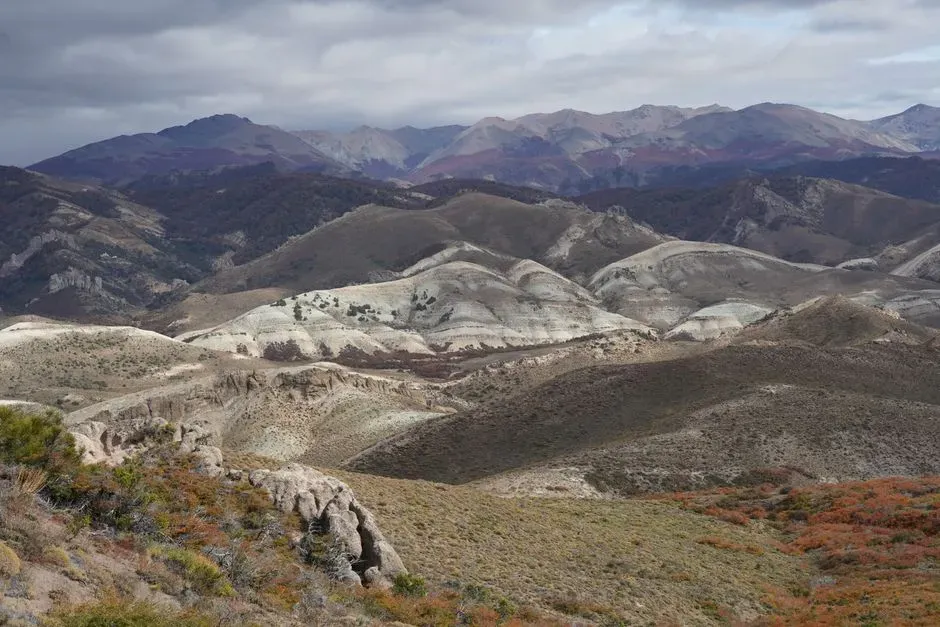
The first shock is simple: the Mesozoic world was not built for fragile, slow, mostly hairless primates. Global temperatures were generally warmer, sea levels were higher, and forests, swamps, and shallow seas covered land that’s now dry. Plant life was dominated by conifers, cycads, and ferns for much of the era, with flowering plants only becoming common toward the very end. In many regions, this meant dense, tangled vegetation mixed with open floodplains, and habitats where giant herbivores could thrive but small ground‑dwelling primates might struggle just to find safe pathways and reliable food.
On top of that, the oxygen and carbon dioxide levels during much of the dinosaur age were different from today’s, with some intervals likely having higher CO₂ and possibly somewhat different oxygen availability. That kind of atmosphere shifts how plants grow and how animals’ bodies handle breathing, heat, and activity. A human‑like creature dropped into that world without any evolutionary preparation would probably overheat faster, tire more easily, and be constantly pushed to the edge of its physical limits. To really belong there, our whole physiology – from lungs to sweat glands to metabolism – would have had to tune itself to a climate that nearly feels like a greenhouse compared with the one we evolved in.
Could a Primate Even Evolve Alongside Dinosaurs?
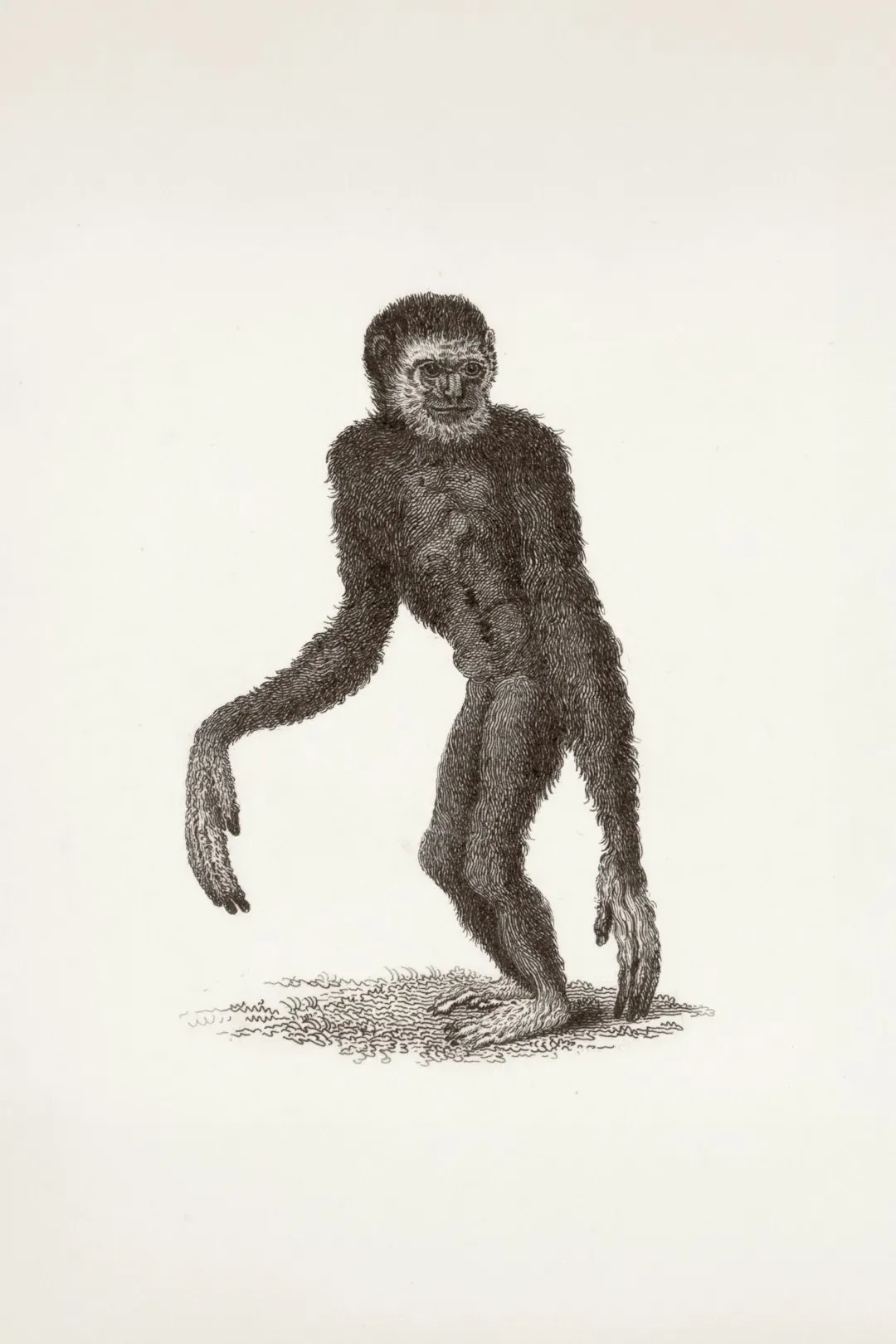
There’s a big biological snag in this scenario: the ancestors of modern primates only really started to diversify after non‑bird dinosaurs went extinct. During the dinosaur era, early mammals mostly stayed small, nocturnal, and tucked away in the ecological gaps dinosaurs weren’t using. Giant reptilian herbivores and predators had locked up many of the big, daylight niches, simply outcompeting anything mammal‑like that tried to go large. If something like a human had evolved then, it would have meant mammals breaking this long‑standing pattern way earlier than they actually did.
That early breakout would have required a very unusual set of pressures, like a regional extinction of certain dinosaur groups that opened up free real estate in the ecosystem. A clever, agile mammal might then have crept into daytime living, gradually growing bigger, more social, and more brainy. But it would be a risky move; every step up in size and boldness would paint a bigger target on its back for predators. So if “Mesozoic humans” had appeared, they would almost certainly have been shaped by a constant arms race with dinosaurs – more sprinting, more climbing, more camouflage, and maybe a little less time to sit around making art on cave walls.
Predator, Prey, or Something in Between?
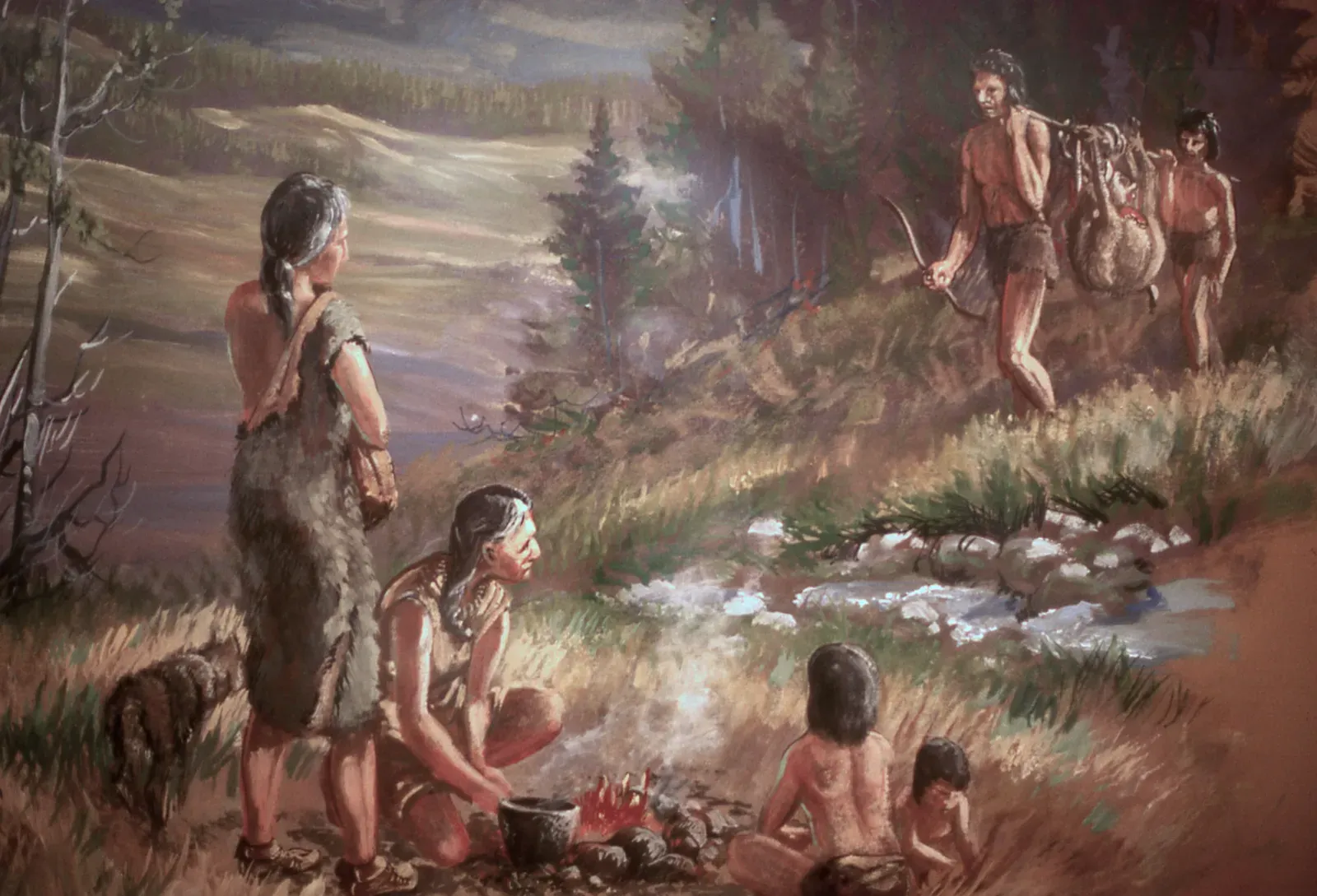
Even today, humans are only physically average as predators; we win thanks to tools, teamwork, and planning. In a world of tyrannosaurs, raptors, and crocodile‑like monsters lurking in rivers, a human‑level intelligence would be more prey than threat at the beginning. A single bite from a large theropod could end the story fast, and many of these hunters were fast, sharp‑sensed, and already very good at tracking and ambushing. That means early human‑like groups would probably have been hyper‑vigilant, even more risk‑averse than we are now, and almost obsessively focused on safety.
Over time, if they survived long enough, intelligence could flip the script. Coordinated hunting parties armed with sharpened stakes, thrown projectiles, or even simple traps could potentially bring down smaller dinosaurs or at least drive them away from nesting grounds. Still, there’s a ceiling to what unassisted muscle can do against a multi‑ton predator. Instead of trying to dominate the entire food chain, Mesozoic humans might have specialized as sneaky, opportunistic omnivores – scavenging kills, raiding eggs, and using brains not to become kings of the world, but to avoid becoming lunch.
How Dinosaurs Might Have Reshaped Our Bodies and Brains
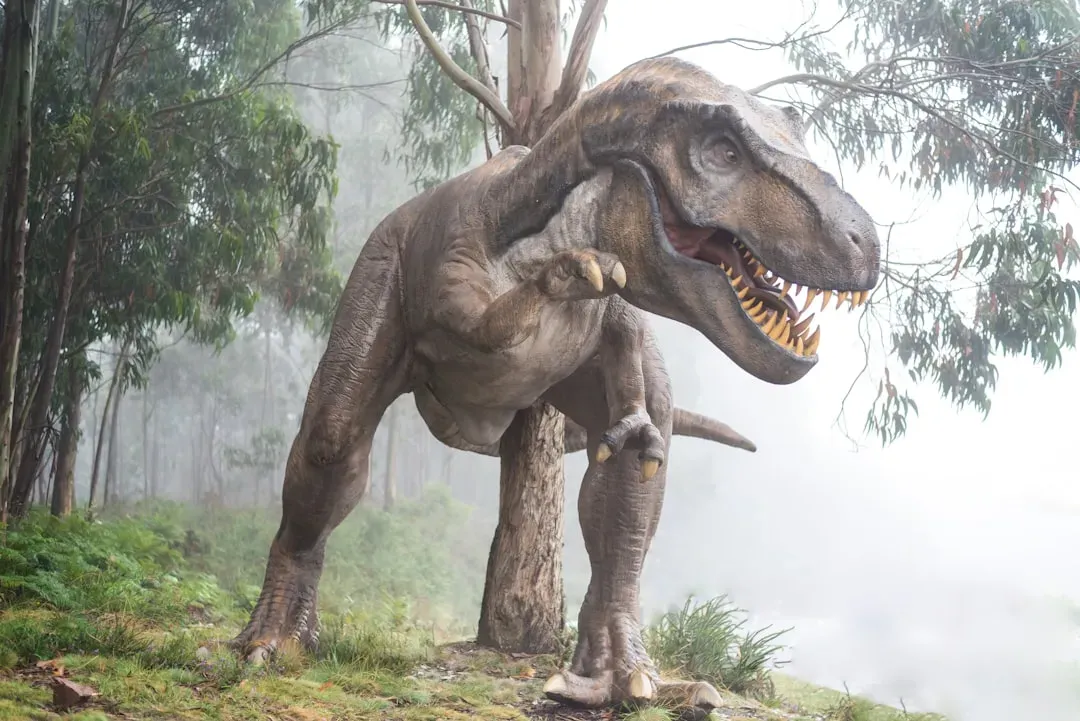
The dinosaur‑filled environment would not just change behavior; it would sculpt our bodies in ways that feel almost alien compared to modern humans. Constant sprinting from predators and scrambling up trees or rock faces could favor slightly shorter, more muscular limbs, stronger gripping hands, and maybe even greater joint flexibility for rapid climbing. Height might trend lower on average, because a lower center of gravity and smaller body mass can be handy for darting into narrow hideouts. You could imagine something halfway between a human and a parkour‑obsessed athlete as the baseline, not the exception.
Brains would be under competing pressures. On one hand, solving survival problems in such a dangerous world would reward sharper memory, faster decision making, and better social coordination. On the other hand, big brains are expensive; they demand constant energy and longer childhoods. When you live under the daily threat of giant predators, it’s hard to justify a long, vulnerable upbringing. That tension could have kept intelligence at a high but not extravagant level – smart enough for planning and language, but maybe not as strongly tilted toward abstract science and art as we see today. Emotional traits might skew toward higher anxiety and stronger in‑group bonding, because paranoia and mutual trust would pay off every single day.
Technology Under the Shadow of Giant Reptiles
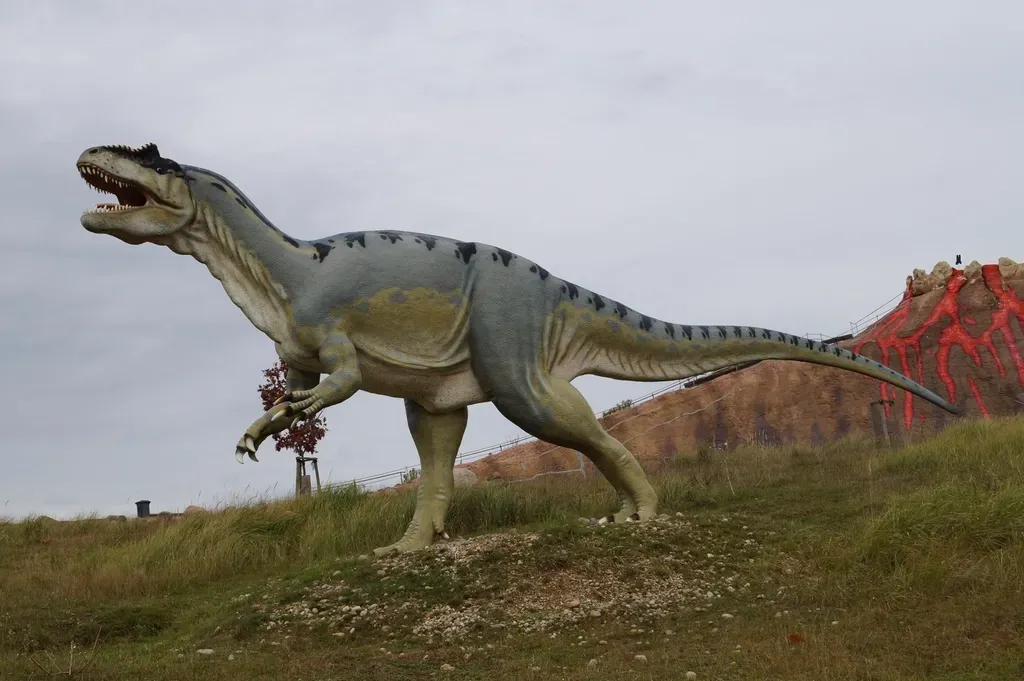
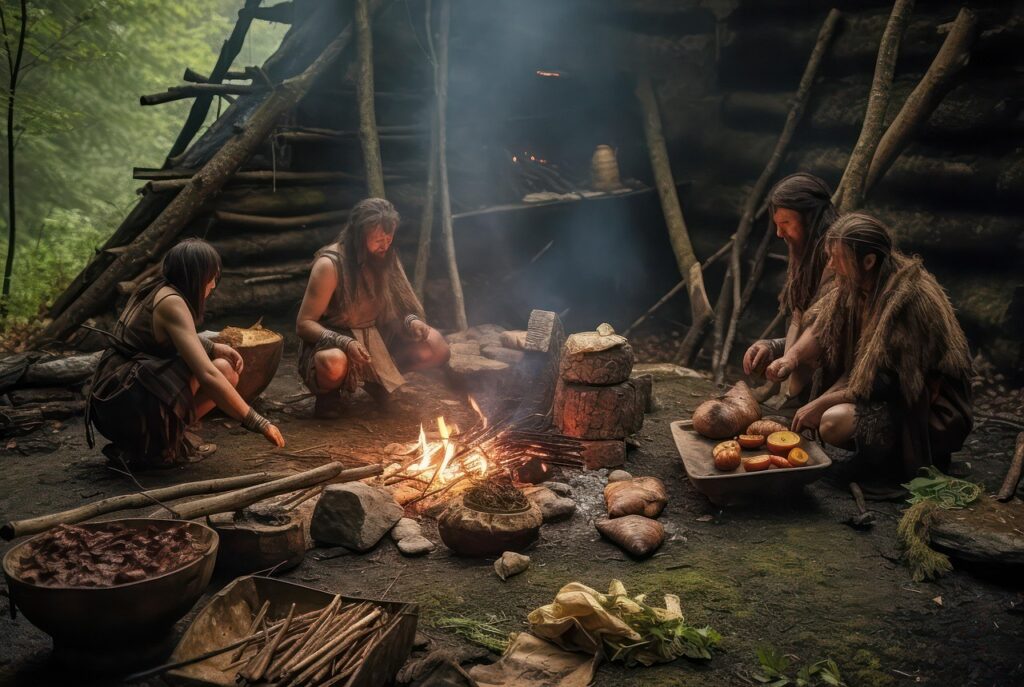
Technology starts small: sharp stones, sticks, fire. But every step forward depends on having the breathing room to experiment, fail, and try again. Imagine trying to control fire in a forest that can go up like a tinderbox and is patrolled by hungry dinosaurs drawn to light and noise. Early camps would need to be well hidden, maybe in caves, along cliffs, or even on islands where big predators rarely reach. This could slow down the spread of new ideas, because isolated groups share less and see fewer outsiders to learn from or trade with.
On the flip side, the constant danger might accelerate certain kinds of innovation. You do not need sophisticated philosophy to figure out that a spear with a sharpened stone tip works better than a bare branch when something toothy charges at you. Early armor, noise‑making alarms, decoy fires, or even primitive observation towers could show up surprisingly early. But heavy industry – smelting large amounts of metal, intensive agriculture on open plains, or the construction of big exposed settlements – would likely hit a hard limit until humans found safe zones, perhaps in harsh regions where large dinosaurs simply struggled to survive.
Society, Culture, and Spiritual Life in a Dinosaur World

Culture is partly a mirror of what people fear and love. In a world where colossal animals routinely shake the ground, it’s hard to imagine religions, myths, and stories that do not feature them at the center. Giant predators might be seen as embodiments of chaos or punishment, while massive herbivores could become symbols of stubborn endurance or even living mountains. Rituals might form around the migration patterns of dinosaur herds, with festivals or taboos tied to their passing, much like how some farming communities today still anchor their traditions to the seasons.
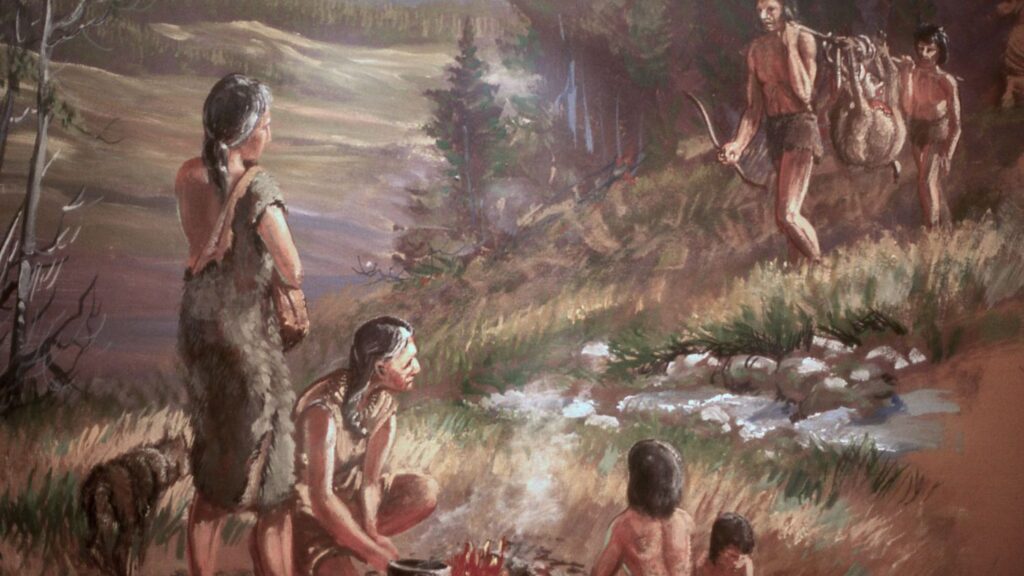
Social structures could skew toward tight‑knit, highly cooperative groups, because solo living would be almost suicidal in many regions. Villages might look more like fortified colonies, nestled into cliffsides or forest canopies, with multiple escape routes and lookouts. Music and storytelling would still emerge, but perhaps with a stronger emphasis on practical lessons and warnings, using tales of foolish ancestors who ignored the rumble of approaching footsteps. Art might lean heavily on tracks, silhouettes, and motion – trying to capture, and perhaps symbolically control, the terrifying beauty of the giant animals around them.
Would an Advanced Civilization Ever Have a Chance?
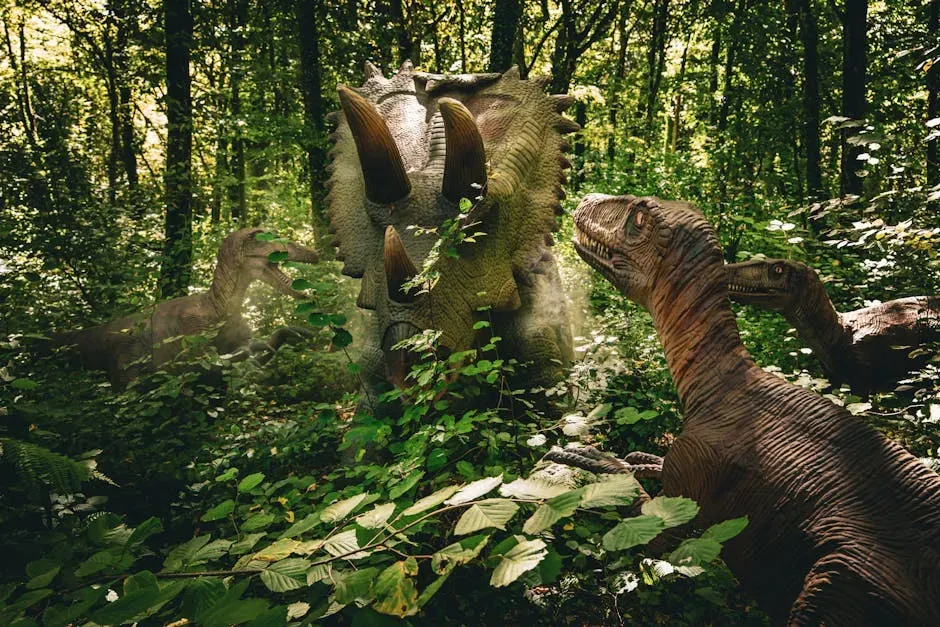
All of this leads to the big question: could a truly advanced, city‑building, technology‑driven civilization ever arise before the dinosaurs’ mass extinction event? The honest answer is that it would be an uphill battle. Large‑scale agriculture, which is the backbone of most complex civilizations, needs stable fields, predictable seasons, and manageable threats. Fields trampled by multi‑ton herbivores or periodically invaded by predators would push societies toward more mobile or hidden lifestyles. Grain storage, irrigation systems, and permanent cities would be hard to defend against creatures that can tear down walls and knock over structures simply by walking through them.
Still, in sheltered corners of the planet – high plateaus, island chains, or harsh climates where dinosaurs were smaller or less numerous – it’s not impossible to imagine pockets of remarkable development. These could be places where metallurgy, astronomy, even written language slowly take shape, always with an eye on the horizon for the next migration of giant animals. But the scale and speed of innovation would almost certainly be slower, more patchy, and more fragile than in the post‑dinosaur world we actually inherited. Civilization might flash into existence in pockets, then be snuffed out by climate shifts or ecological changes long before it can spread.
Conclusion: A Human Story That Needed an Empty Stage
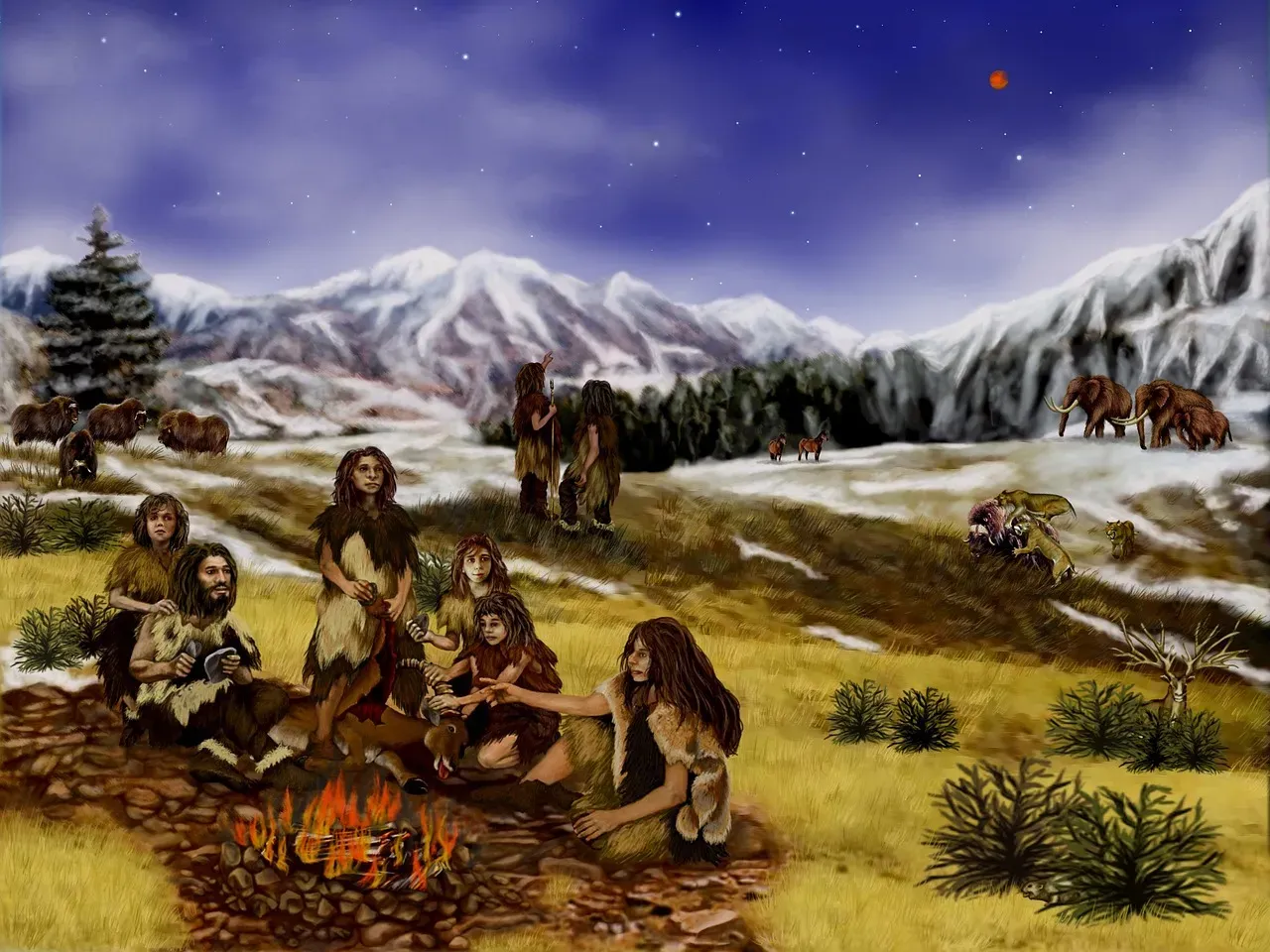
When you play out this alternate history, the uncomfortable but fascinating takeaway is that our species may have needed the dinosaurs to be gone for our story to truly unfold. The asteroid impact that ended their reign opened up ecological space, giving mammals room to experiment with body sizes, behaviors, and eventually the kind of long, sheltered childhoods that big brains require. In a world still full of giant reptiles, a human‑like species could exist, but it would likely be tougher, more anxious, and more constrained – a survivor, not a global architect. That makes our real timeline feel less inevitable and more like a strange, lucky accident stacked on top of many others.
Personally, I find that humbling rather than disappointing. It suggests that our intelligence is not some guaranteed endpoint of evolution, but a risky evolutionary bet that only works under very specific conditions. If even one piece of the puzzle – like the dinosaurs’ dominance – had stayed in place, we might have remained an interesting footnote in the fossil record instead of rewriting the planet. So when you imagine standing under the shadow of a sauropod and trying to light a fire, it’s worth asking: would you still bet on humans becoming who we are today, or does our actual history suddenly seem far more precarious than you ever guessed?