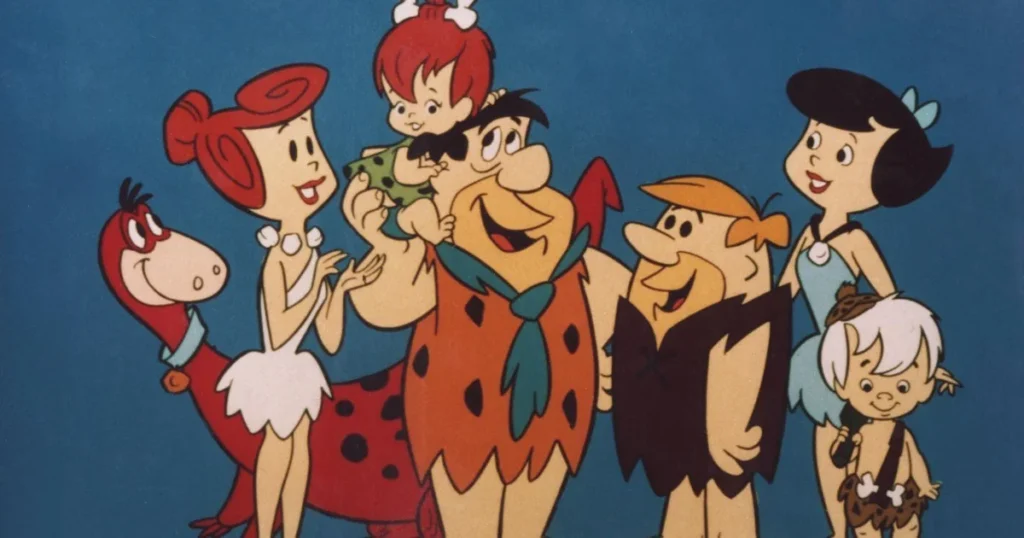
If you showed a real paleontologist an episode of The Flintstones, they’d probably wince at how wrong everything is. Humans and dinosaurs did not walk the Earth together, prehistoric families did not use brontosaur ribs as drive‑in snacks, and pet sauropods most definitely did not fetch newspapers. And yet, Dino, the goofy purple “snorkasaurus” who bounds into every scene wagging his whole body, is one of the most affectionately remembered cartoon characters of all time. Somehow, this scientifically impossible creature feels more emotionally real than many so‑called realistic characters.
That tension is exactly what makes Dino so fascinating. He is a walking contradiction: a dinosaur that never could have existed, living in a timeline that never happened, inside a world where stone‑age technology somehow acts like mid‑century suburbs. And still, kids and adults treat him like a genuine family pet they once had. When you dig a little deeper, Dino becomes the perfect case study in how cartoons cheerfully break science, and why our hearts are completely fine with it.
The joyful lie: why we forgive Dino’s impossible timeline
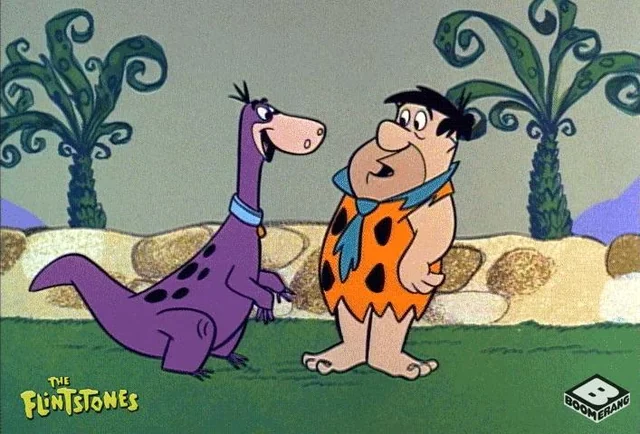
On paper, Dino should annoy anyone who cares even slightly about science. Dinosaurs died out tens of millions of years before humans appeared, yet The Flintstones tosses Dino into a domestic 1960s-style household like it is no big deal. The show casually ignores basic paleontology, geological time scales, and evolutionary history, folding everything into a single slapstick neighborhood. From a factual standpoint, Dino is about as realistic as a T‑rex hosting a cooking show on Mars.
But here is the twist: audiences not only forgive this blatant inaccuracy, they barely even notice it once the story starts. The reason is that Dino is engineered less as a dinosaur and more as a pure emotional device. He rushes to the door, tackles Fred with slobbery affection, whimpers when scolded, and sulks when ignored. The show invites us to recognize our own pets in him, and the human brain happily prioritizes that recognition over scientific consistency. In other words, Dino is a joyful lie we all agree to believe because the feeling he creates is true, even if the facts are not.
The perfect pet: how Dino mirrors real dogs more than real dinosaurs
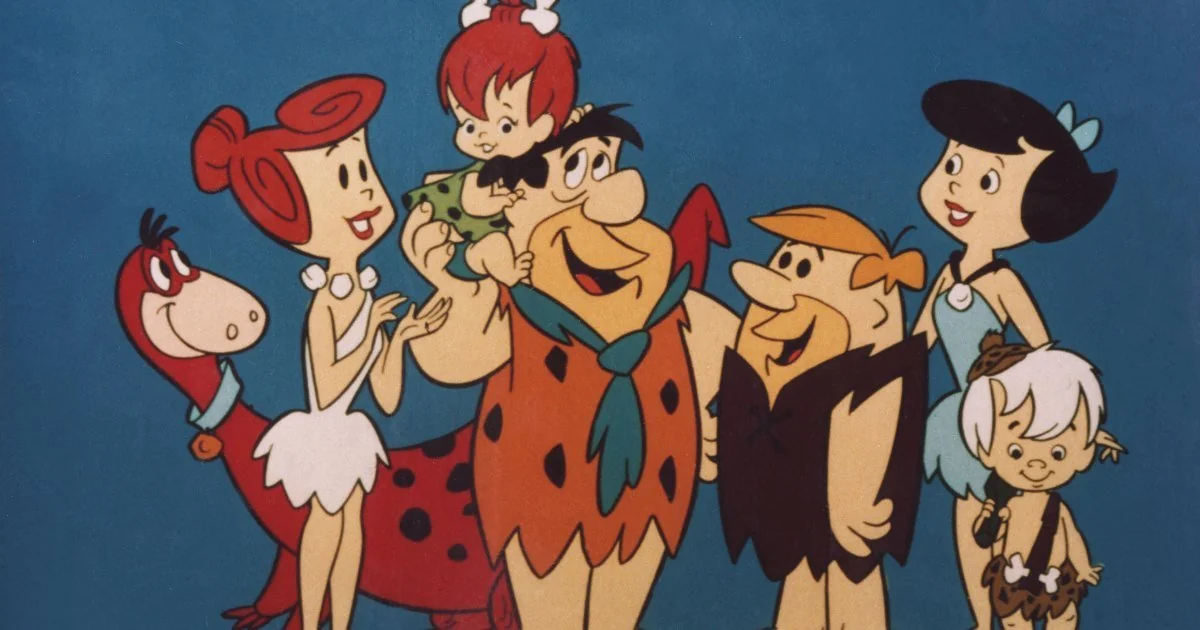
Watch Dino closely, and you will realize he behaves almost exactly like an overexcited dog. He bounces, pounces, wiggles, and practically vibrates whenever Fred or Wilma comes home. His vocalizations are closer to yips and whines than to any kind of reptilian hiss or roar. The animators clearly borrowed more from household pets than from fossil records, turning Dino into a scaly Labrador with a tail and a snout built for sight gags.
This is where Dino’s “scientific impossibility” becomes his biggest strength. By refusing to follow realistic dinosaur behavior, the character slips into a universal emotional template: the loyal, slightly chaotic family dog. Viewers do not need a paleontology degree to decode what Dino is feeling; they just map their memories of a beloved pet onto him. That familiar pattern of unconditional love instantly bonds us to a creature that never existed, making this impossible dinosaur feel like the most believable part of the entire prehistoric world.
A mash-up of eras: why Stone Age suburbia needs a purple dinosaur
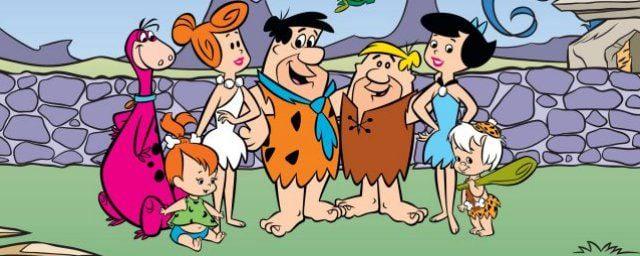
The Flintstones themselves live in a bizarre hybrid of Stone Age aesthetics and 1960s American suburbia. There are stone cars without floors, bird-powered record players, and mastodons serving as living vacuum cleaners. In that setting, Dino is not just a side character; he is a visual anchor that signals the show’s entire mission. He is a dinosaur rendered in bright, playful colors, shaped and animated like a clown, dropped right into an otherwise ordinary family routine.
Think of Dino as the show’s thesis statement in creature form. His presence tells the audience that historical accuracy is not the point here; the point is to take the familiar rhythms of mid‑century life and dress them in prehistoric costumes. Without Dino bouncing across the yard, the world of Bedrock might feel like a slightly odd period piece. With him, it becomes proudly surreal, a place where it is perfectly normal to have a dinosaur licking your face while you complain about your boss. Dino makes it clear that the Stone Age fantasy is just a costume party for modern life, and we are invited to enjoy the absurdity.
The science we ignore: what Dino gets hilariously wrong about dinosaurs
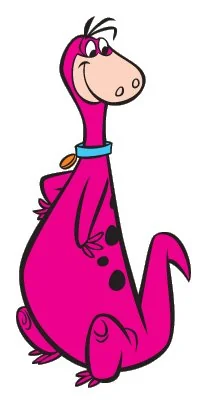
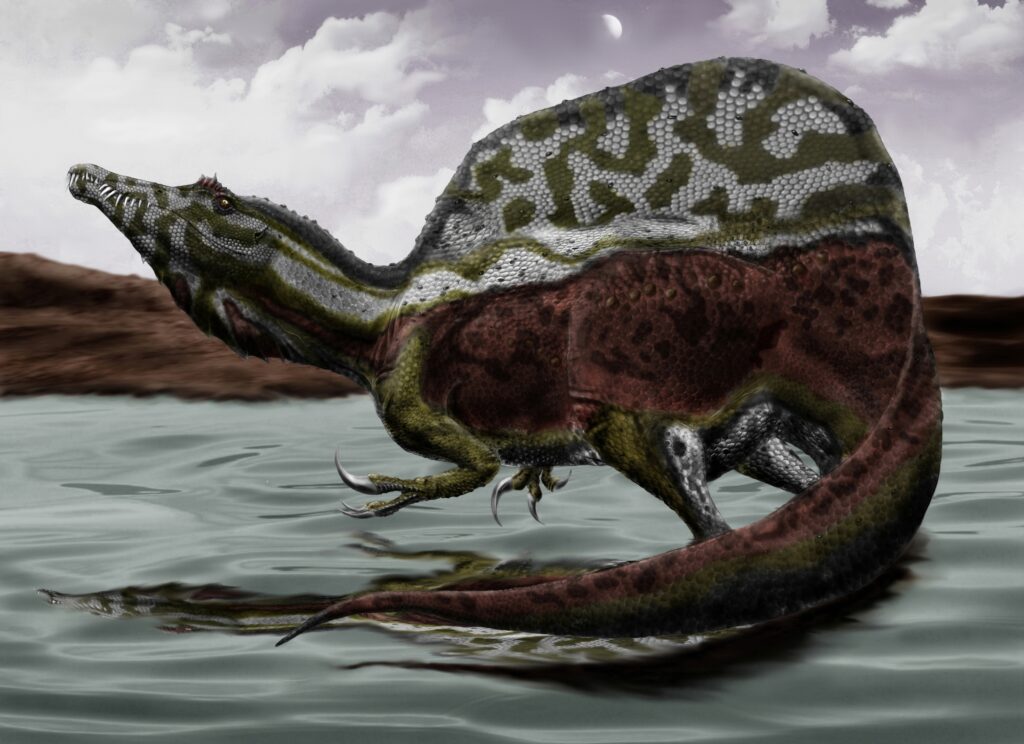
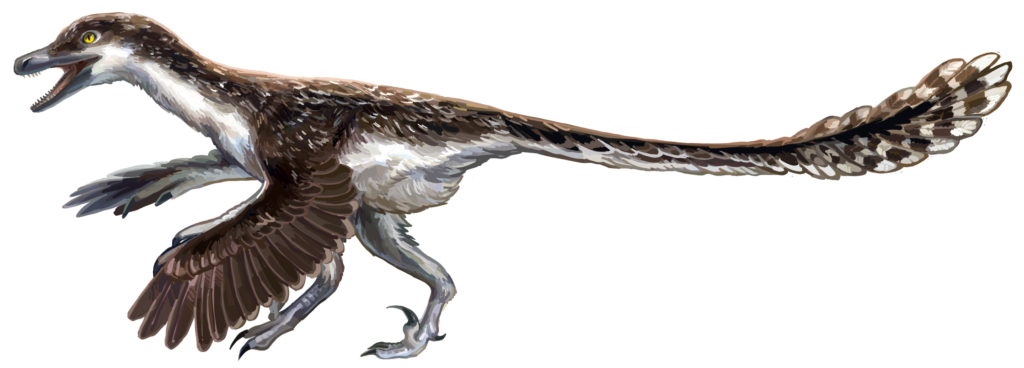
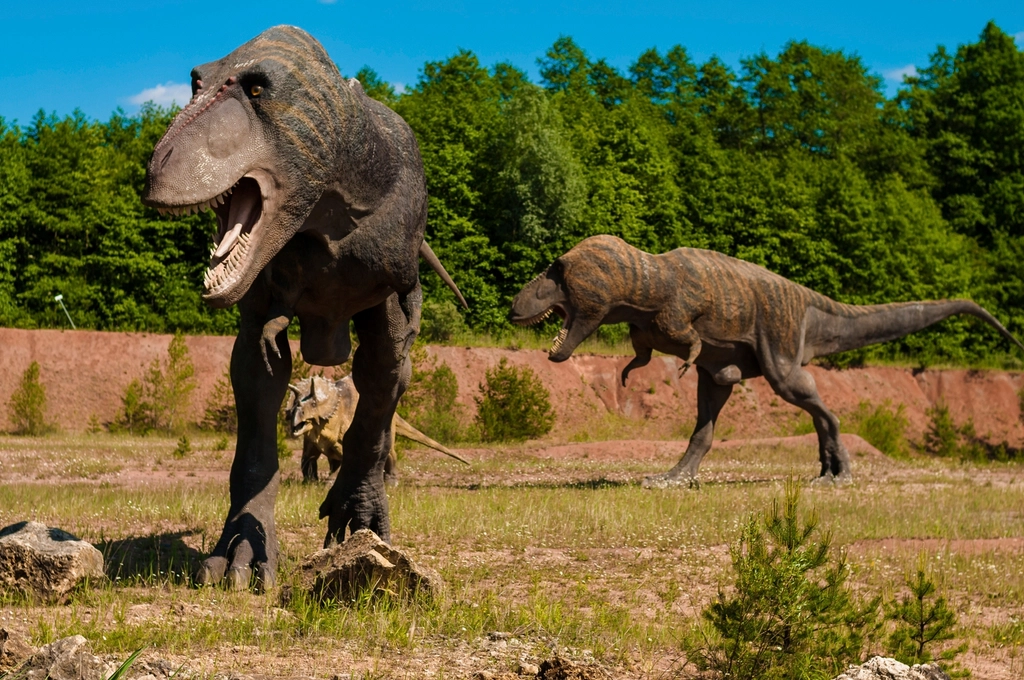
If we strip away nostalgia for a second, Dino is a scientific train wreck in the funniest possible way. Real dinosaurs were not small, floppy, purple house pets with doglike expressions and rubbery limbs. They occupied distinct ecological niches, followed complex evolutionary paths, and lived in ecosystems nothing like the driveway and living room where Dino spends his time. Even his vaguely sauropod shape is more a cartoon silhouette than any specific species, almost like the artists built him from childhood impressions rather than paleontology textbooks.
Yet the show’s open disregard for detail probably helped Dino age better than more “serious” dinosaur depictions from the same era. Instead of trying and failing to be accurate, it sprints in the opposite direction, exaggerating everything until there is no pretense of realism left. Dino’s anatomy, colors, and behaviors are so obviously made up that they sidestep the trap of becoming outdated science. He is not a fossil on-screen; he is a caricature of the very idea of a dinosaur, and that gives him a weird sort of timelessness that more careful portrayals often lose.
The psychology of attachment: why Dino feels like family
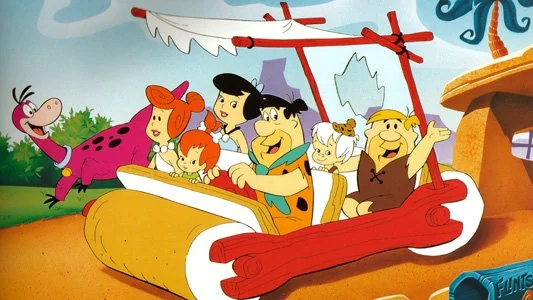
Even though Dino breaks almost every scientific rule, he follows nearly all the emotional ones. Humans tend to bond with anything that shows clear signs of dependence, loyalty, and recognizable emotion. Dino checks those boxes constantly: he needs Fred’s approval, he loves his family unconditionally, and he telegraphs his joy and sadness with exaggerated, readable body language. That emotional transparency makes him feel vulnerable and therefore lovable, the same way a clumsy puppy can melt a room in seconds.
On a deeper level, Dino offers a safe, simplified version of the wild. He looks like a dinosaur, but he never truly threatens anyone; even his chaos is comic, not dangerous. It is as if the show is saying that the scary unknown past can be tamed into something we can hug and laugh with. For children especially, that is a powerful message: the monstrous becomes cuddly, the ancient becomes domestic, and the world feels just a little less frightening. Dino is the wild reduced to a friend who jumps into your lap and knocks you over, and that emotional reassurance tends to matter far more than his impossible biology.
From Bedrock to now: Dino’s legacy as the ultimate lovable impossibility
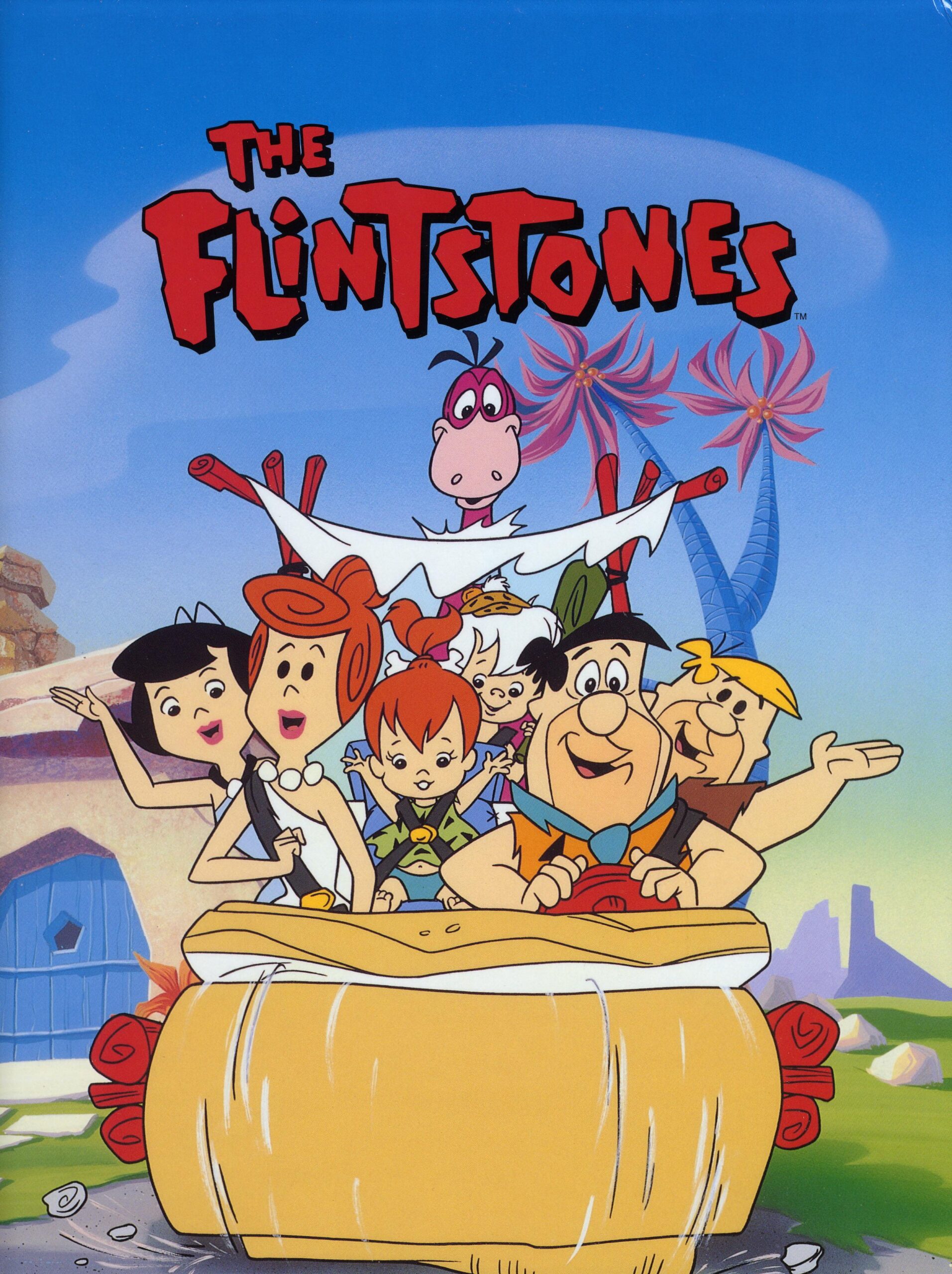
Decades after The Flintstones first aired, Dino still shows up in merchandise, nostalgia conversations, and pop‑culture references. Newer generations might not watch the show regularly, but they recognize the purple dinosaur who acts like a dog and lives in a stone house. In a media landscape packed with far more realistic CGI creatures and carefully researched dinosaur documentaries, it is striking that this blatantly wrong character still holds a quiet but persistent place in people’s memories. That alone says a lot about what we really value in fictional creatures.
In my view, Dino earns the title of the most beloved scientific impossibility in cartoon history precisely because he never pretends to be anything else. He is cheerfully wrong, emotionally honest, and utterly unapologetic about breaking every rule of time, evolution, and biology. More accurate dinosaurs will come and go as scientific understanding evolves, but Dino lives in a different category: the category of characters who feel like family. When you think about it, would you really trade that ridiculous, impossible purple “dog‑dinosaur” for a more realistic model that never jumps into Fred’s arms?