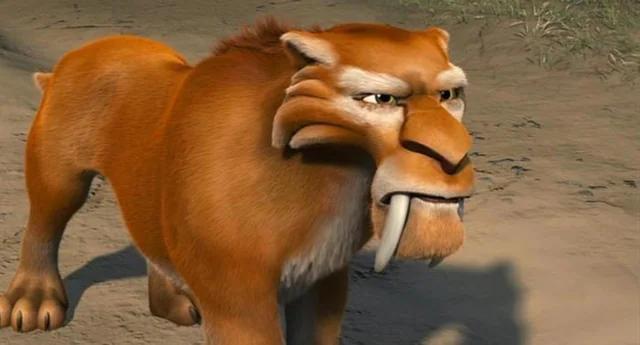
There’s something almost unsettling about watching Diego from the Ice Age movies once you know what real sabre-toothed cats were like. On screen, he’s a grumpy-but-lovable badass who eventually melts into the role of loyal friend, cracking jokes and tagging along behind a mammoth and a sloth. In the fossil record, though, the animal he’s based on – Smilodon – was one of the most specialized predators that ever walked the planet, with anatomy tuned less for punchlines and more for brutally efficient killing. That gap between the cartoon and the creature is exactly where things get fascinating.
When I first saw Ice Age, I remember thinking Diego was obviously dangerous, but still very… domesticated. Like a big, sarcastic house cat with murder potential. Years later, looking at reconstructions of Smilodon’s skeleton, the tone shifts completely: these were deep-chested, heavily muscled ambush hunters with teeth so extreme they look fake until you realize they evolved multiple times in different lineages. Hollywood turned an apex predator into comic relief and emotional support, and in doing so, it quietly rewrote our gut-level sense of what this animal really was.
The real Smilodon: a tank with knives for teeth
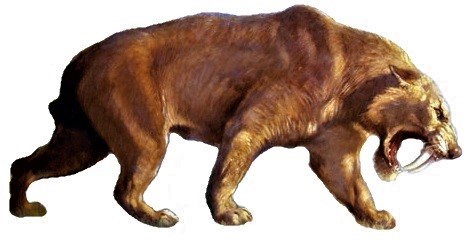
If you stripped away Diego’s fur and personality and replaced him with a real Smilodon, the first thing you’d notice is the body. Smilodon was not built like a modern lion on stilts; it was more like a squat, muscular powerlifter. Its limbs were relatively short but incredibly robust, its shoulders bulked up by massive muscle attachments, and its chest was deep and barrel-like, giving it the engine to wrestle prey to the ground rather than just chase it over long distances. Think less sprinter, more wrestler who lives in the gym.
Then there are the teeth – those famous upper canines that could reach roughly the length of a human hand. They were flattened side to side, sharp along the edges, and paired with a jaw that could open to a shockingly wide angle. This was not overkill for style; it was a highly specialized weapon system. Smilodon likely used its body strength to pin big animals and then deliver precise, catastrophic bites to soft areas like the throat. In other words, this cat lived closer to the edge of a biological knife’s blade than almost any predator alive today.
Pack-hunter or lone assassin? What the fossils really suggest
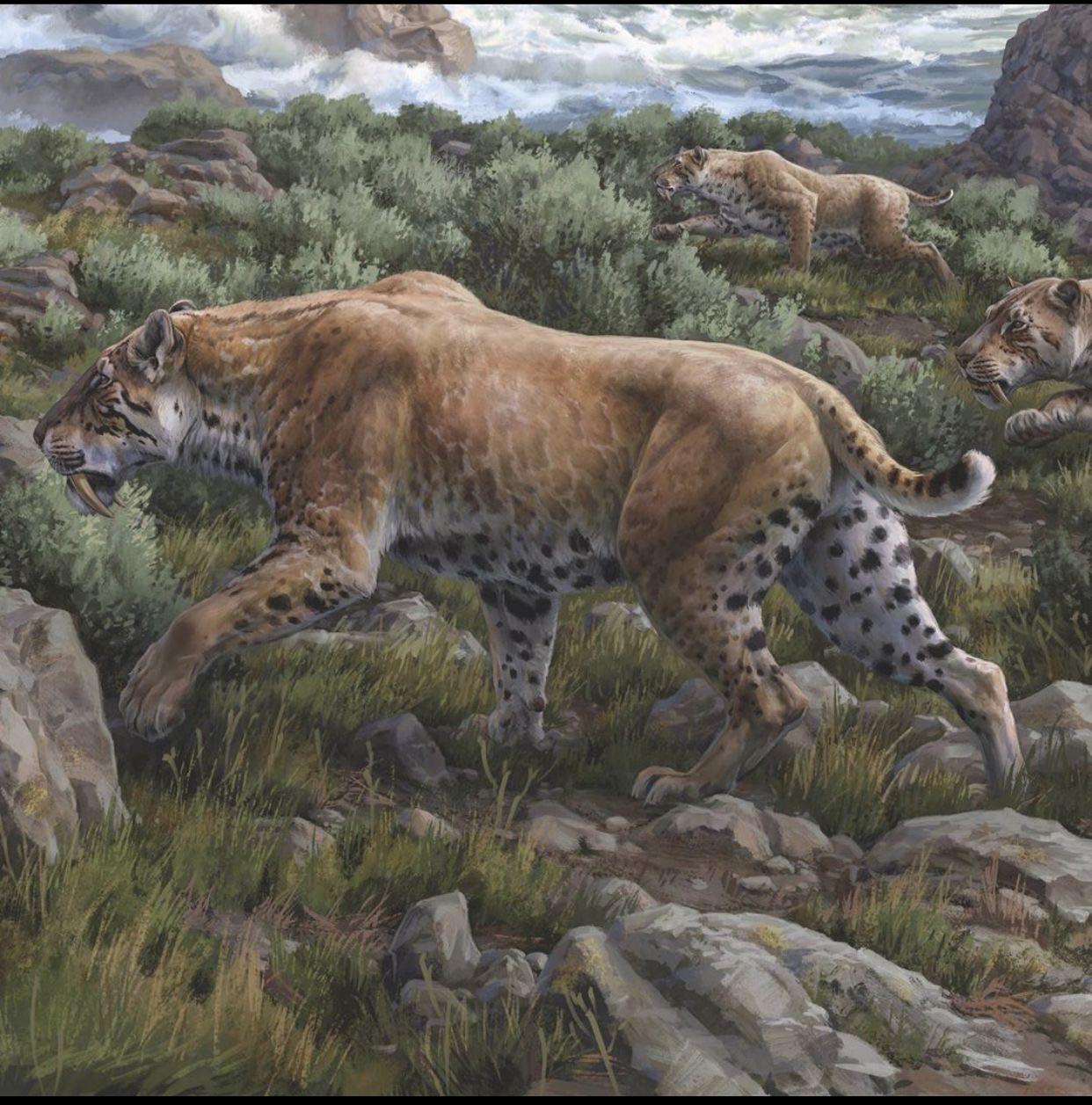
Ice Age gives Diego a pack, and that fits an intuitive picture: big predators working together to bring down giant prey. But the question of whether Smilodon hunted in groups is still genuinely debated. Some paleontologists point to sites with lots of Smilodon fossils alongside large herbivores and suggest social behavior, maybe similar to lions. Others argue that the evidence can also be explained by solitary predators being drawn repeatedly to the same killing grounds or traps. The truth is, fossils rarely come with behavioral instructions stamped on them.
One intriguing clue, though, comes from healed injuries. Many Smilodon skeletons show severe damage – broken limbs, spinal issues, injuries that would have made solo hunting nearly impossible – yet these animals lived long enough for bones to heal. That has led to the idea that at least some Smilodon might have lived in groups where injured individuals were tolerated and could still feed. To me, that paints a much more complex picture than either the lone assassin stereotype or the neat lion-style pride. Whatever their social structure was, it probably wasn’t as sitcom-simple as Diego’s dysfunctional but basically wholesome sabre-tooth crew.
Diego’s design: what Ice Age gets right (and wildly wrong)
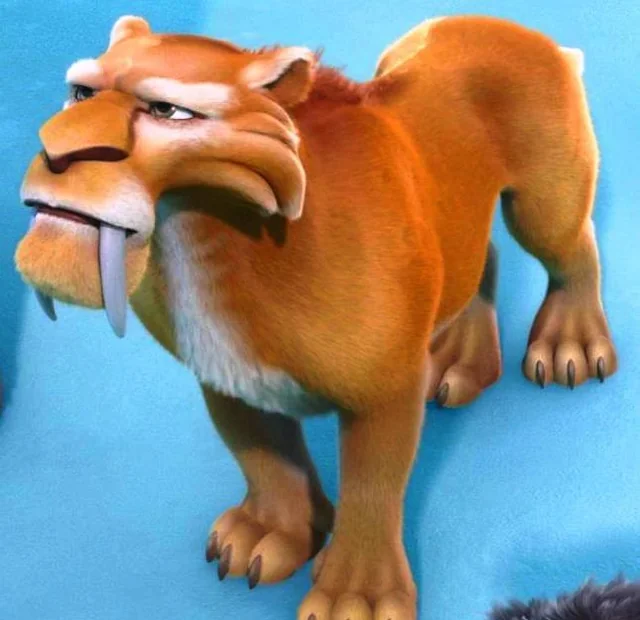
Visually, Diego feels like a sabre-tooth remix rather than a faithful reconstruction. The animators gave him enlarged canines, sure, but toned down to avoid looking grotesque or impractical on a talking character. His body is longer-legged and more streamlined than a real Smilodon, closer to a modern big cat silhouette audiences are used to seeing. If they had stuck faithfully to the squat, power-packed build from the fossils, Diego probably would have read more like a bulldog crossed with a panther, which might not scream agile action hero to a family audience.
On the plus side, his facial structure and heavy jaw hint just enough at the underlying anatomy to feel vaguely plausible, especially if you are not comparing him side by side with a museum mount. But a real sabre-toothed cat’s famous teeth were delicate in some ways and likely required protection; they were not casual props to swing around in slapstick fights. Diego chomping ice blocks and shrugging off impacts is basically a physics error with fur. Hollywood shrinks, smooths, and softens the weirdness until the result is less scientific reconstruction and more prehistoric fashion filter.
From apex predator to comic relief: the Hollywood personality flip
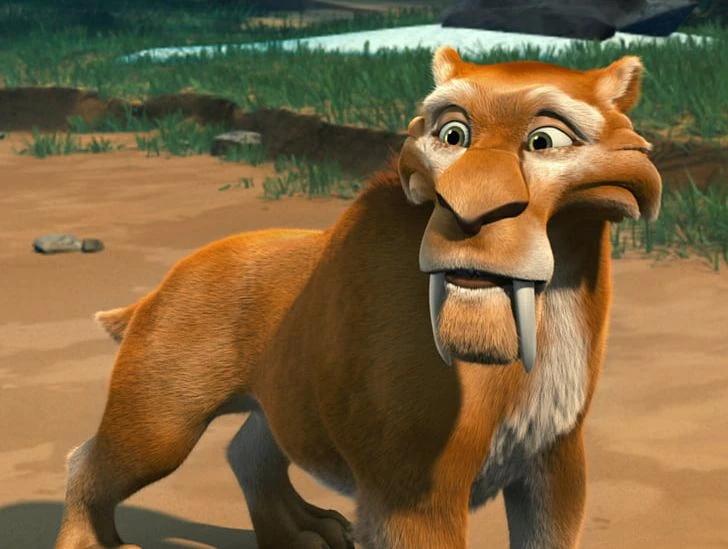
The biggest transformation is not in Diego’s bones but in his personality arc. Sabre-toothed cats in the fossil record were apex or near-apex predators in their ecosystems; they lived in a world where failure to kill meant starving, not gentle character development. Diego starts as a villain-adjacent threat, but very quickly he’s a reluctant ally, then a loyal friend, then essentially a gentle bruiser with a soft center. His danger becomes a narrative seasoning rather than the core of who he is. That shift makes sense for a family movie, but it quietly rewrites the emotional truth of the animal behind him.
Storytelling loves the trope of the scary creature that turns out to have a heart of gold, and Diego fits cleanly into that. He is allowed sarcasm, remorse, affection, and ultimately a kind of emotional vulnerability that keeps him relatable. Real Smilodon had its own vulnerabilities – climate shifts, prey changes, competition – but those played out across populations and millennia, not as cozy redemption arcs. By turning a hyper-specialized killer into a wisecracking sidekick, Hollywood domesticated the sabre-tooth not just visually, but morally, making it safe for us to root for it without ever confronting what it really did to survive.
Ice Age’s Pleistocene mash-up: what era was Diego even living in?
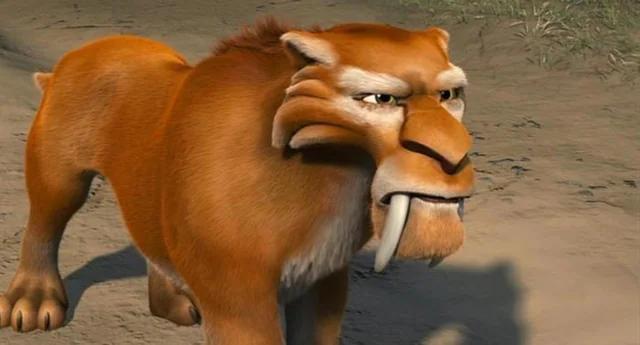
Another subtle distortion comes from the time-blending in the Ice Age universe. The movies casually mix mammoths, ground sloths, humans, and sabre-toothed cats into one chaotic road trip ensemble. In reality, these animals overlapped in complicated ways across different regions and times, and not every iconic Ice Age creature marched around together like an all-star cast. Smilodon itself had several species living in different parts of the Americas, and their timelines do not always line up neatly with the scenarios we see on screen.
The result is a kind of greatest-hits playlist of the Pleistocene, compressed for maximum entertainment. That is fun to watch, but it encourages a mental image of prehistory as a single, frozen moment where mammoths, sabre-tooths, and humans all wrestled for survival in the same valley at once. While Diego’s world feels emotionally coherent, it is scientifically hazy. You walk away with a vibe of “everything big and furry lived together,” when the reality is that ecosystems and faunas shifted over tens of thousands of years in ways far messier and more interesting than a single animated snapshot suggests.
Why we soften monsters: the psychology behind Diego’s glow-up
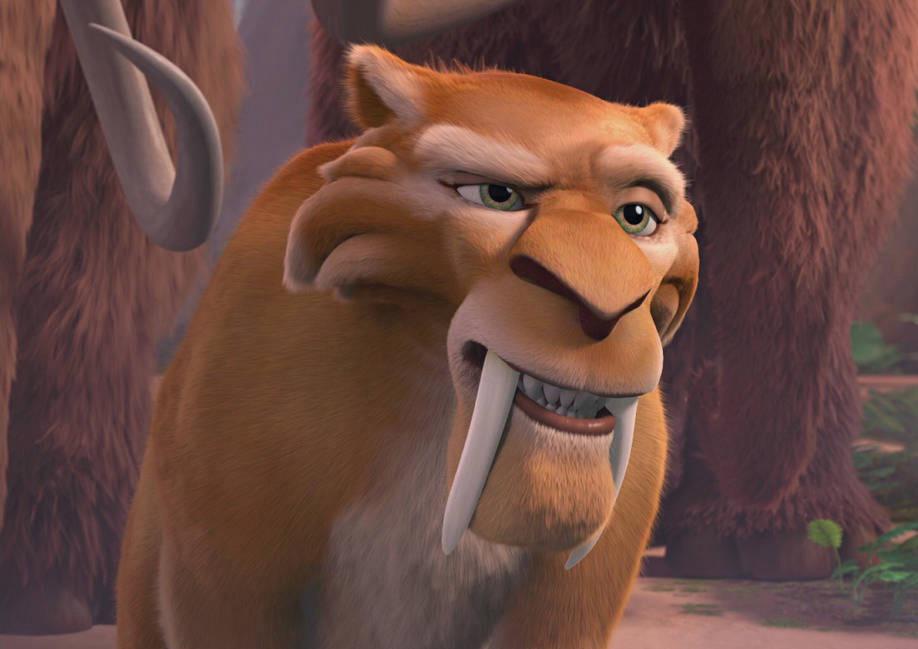
There’s a reason we keep turning deadly prehistoric animals into roommates and best friends: it lets us emotionally defang the past. A real Smilodon was a creature whose day-to-day “job” was killing large mammals in brutal, bloody ways. That is hard to put directly in front of kids without either lying or traumatizing them. Turning that predator into Diego – gruff but ultimately protective – lets us enjoy the thrill of danger without the cost of genuinely facing it. It is the same instinct that makes sharks into slightly goofy mascots on T-shirts, despite what they are actually capable of.
On another level, we seem to crave the story where the feared thing chooses us, accepts us, or even protects us. Having Diego side with Manny and Sid scratches that itch: if even a sabre-tooth can become your friend, then maybe the world is not as hostile as it looks. The downside is that we quietly lose respect for how specialized, fragile, and uncompromising real ecosystems are. When top predators are rewritten as harmless sidekicks, the message drifts from “this animal is extraordinary” to “this animal is basically a funny cat with a few accessories.” That might be emotionally comforting, but it is scientifically flattening.
So did Hollywood ruin Smilodon, or make it unforgettable?
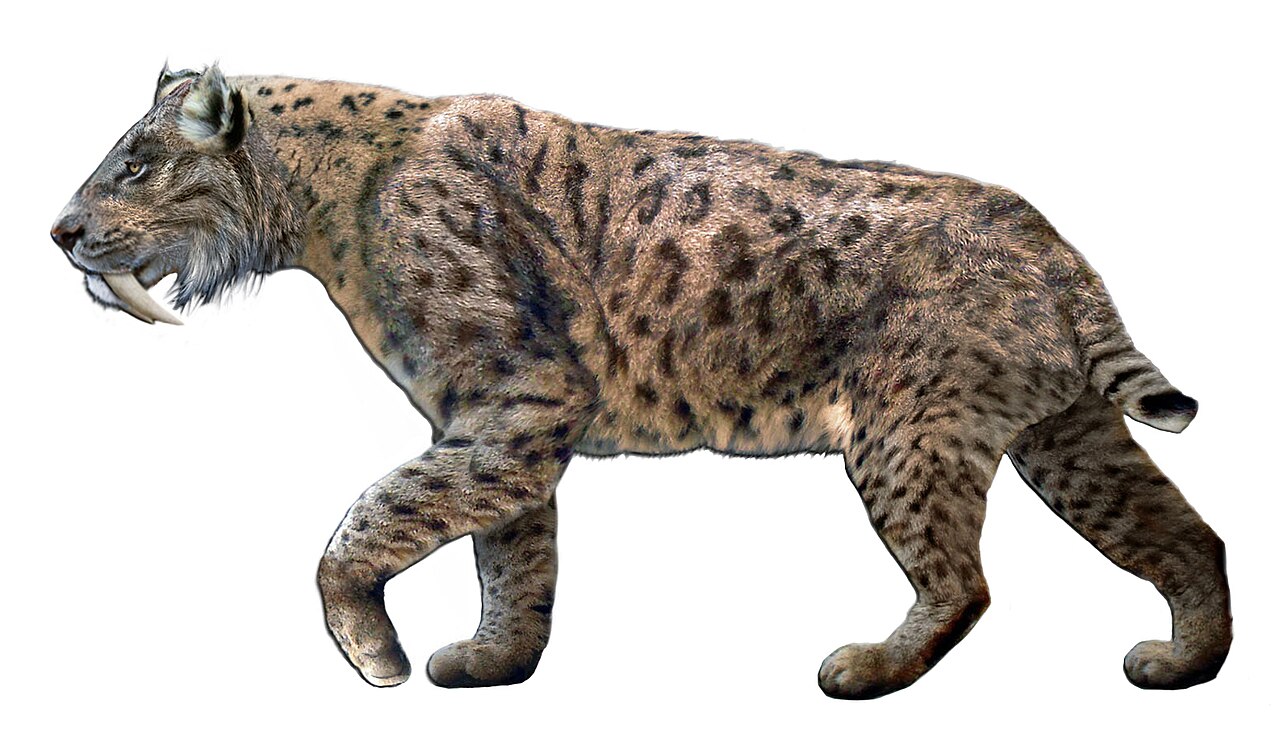
Here’s my honest take: Ice Age absolutely distorted Smilodon, but it also made millions of people care that sabre-toothed cats existed in the first place. Without Diego, a lot of kids (and adults) might never even learn the word. The trade-off is that they come in with a mental image that is more character sheet than field guide. If all you know is Diego, you are missing the sheer physical intensity of the real animal: the muscle, the anatomical weirdness, the razor-fine evolutionary gamble of those massive canines. Pop culture opens the door, but it rarely takes you into the actual room.
I think the real problem is not that Hollywood turns monsters into sidekicks; it is when we stop there and never look further. Diego can be a gateway, not the final word. If anything, the contrast between his jokey charm and the fossil evidence should make us more curious, not less. We should be able to enjoy the movie and still admit that the real Smilodon was far stranger, harsher, and more impressive than any animated script allowed. In the end, the question isn’t whether Diego betrayed history, but whether we’re willing to let his fiction push us toward learning what really stalked the Ice Age night. Did you expect the gap between them to be this wide?