When people think of something truly ancient, they usually jump straight to pyramids, pharaohs, and golden tombs. The Egyptian Empire feels impossibly old, stretching back thousands of years into the dust of history. But here’s the twist: some living creatures on Earth have been quietly shuffling, scuttling, and swimming around for far longer than that entire civilization even existed. They were here before the first pyramid stone was laid and are still here now, scrolling alongside you in the twenty‑first century.
One of the most fascinating examples is the horseshoe crab, a creature that looks like it crawled straight out of a science fiction movie and then refused to leave. It has outlived mass extinctions, shifting continents, and the rise and fall of countless empires, including ancient Egypt. Once you realize that this armored, helmet‑shaped animal has been on the planet for hundreds of millions of years, suddenly our entire human story feels shockingly short and fragile by comparison.
A Timeline That Makes Pharaohs Look Like Newcomers
The Egyptian civilization, even if you include its earliest dynasties and later revivals, spanned a few thousand years at most. That is impressive by human standards, but horseshoe crabs have been around for hundreds of millions of years, with fossils dating back roughly to the late Ordovician and early Silurian periods. In other words, they were already well established long before dinosaurs appeared, flourished, and disappeared again. When you put those timescales side by side, the Egyptian Empire starts to look like a brief experiment.
Imagine a timeline laid out as a long beach: the entire age of ancient Egypt might be a single footprint in the sand, while the age of horseshoe crabs is the entire shoreline, stretching beyond the horizon. They survived multiple mass extinctions that wiped out most of life on Earth, including the one that ended the reign of the dinosaurs. So while humans were still figuring out how to stack stones into pyramids, these creatures had already been here for hundreds of millions of years, just calmly doing their thing in the shallows.
Meet the Horseshoe Crab: The “Helmet” From Deep Time
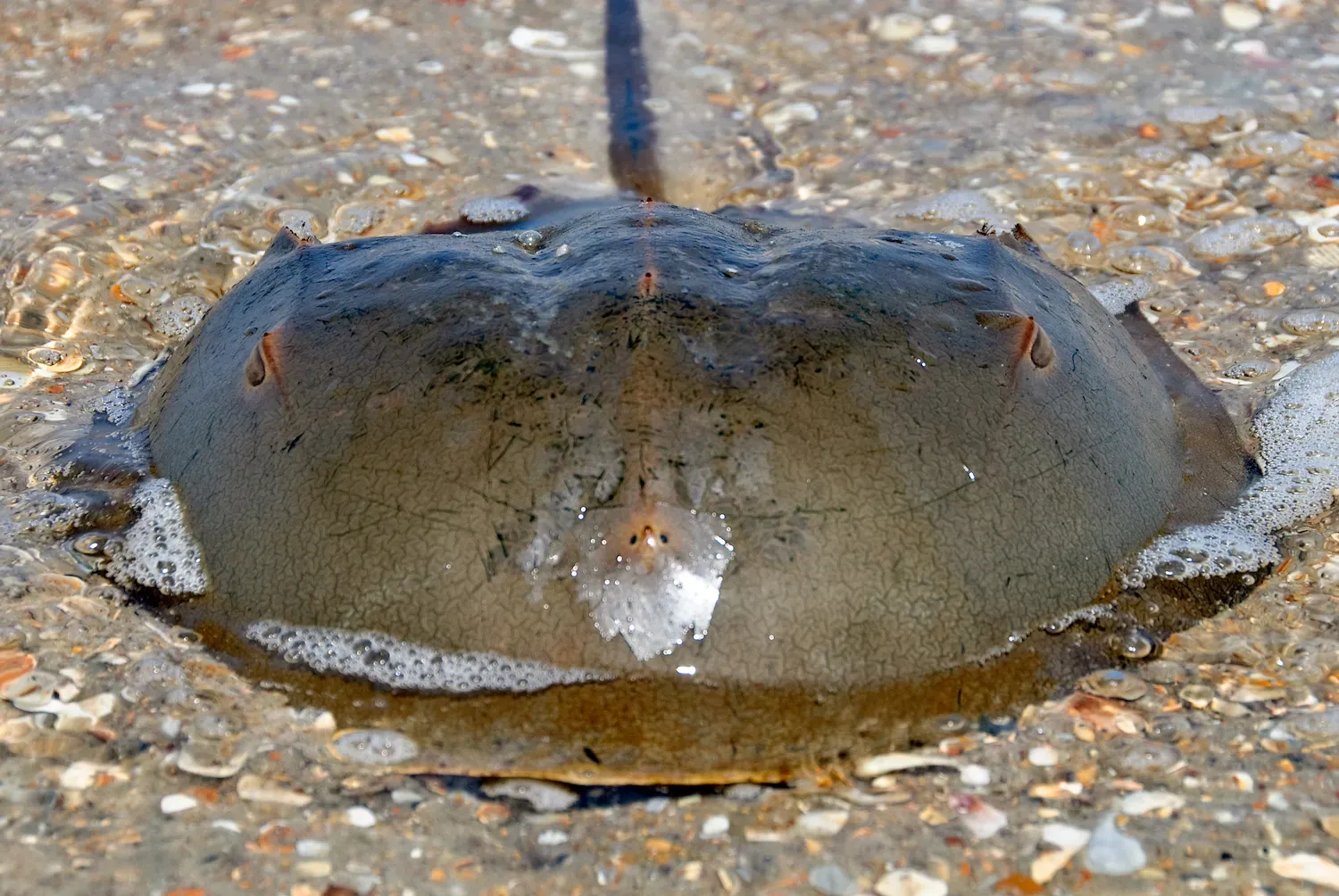
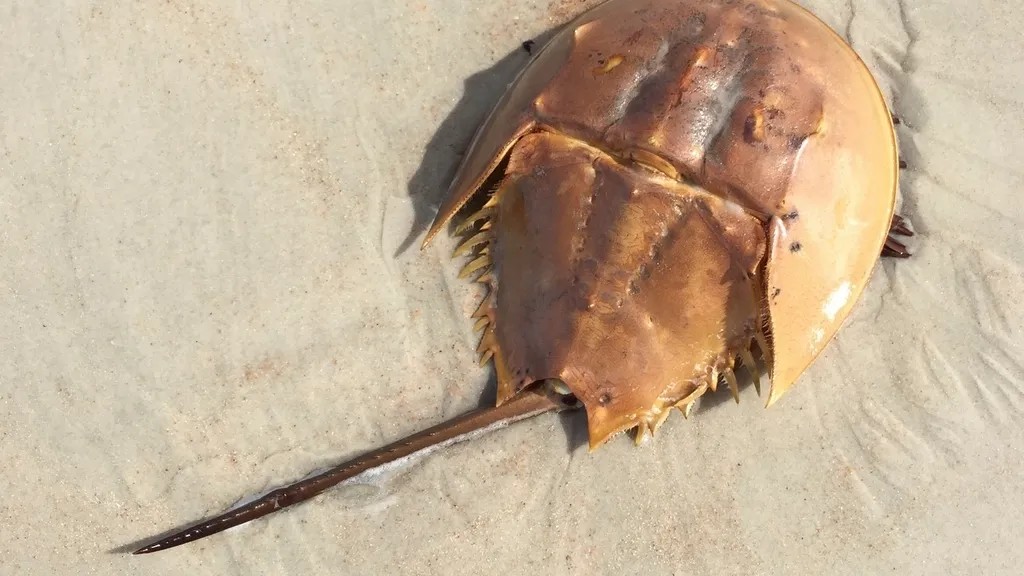
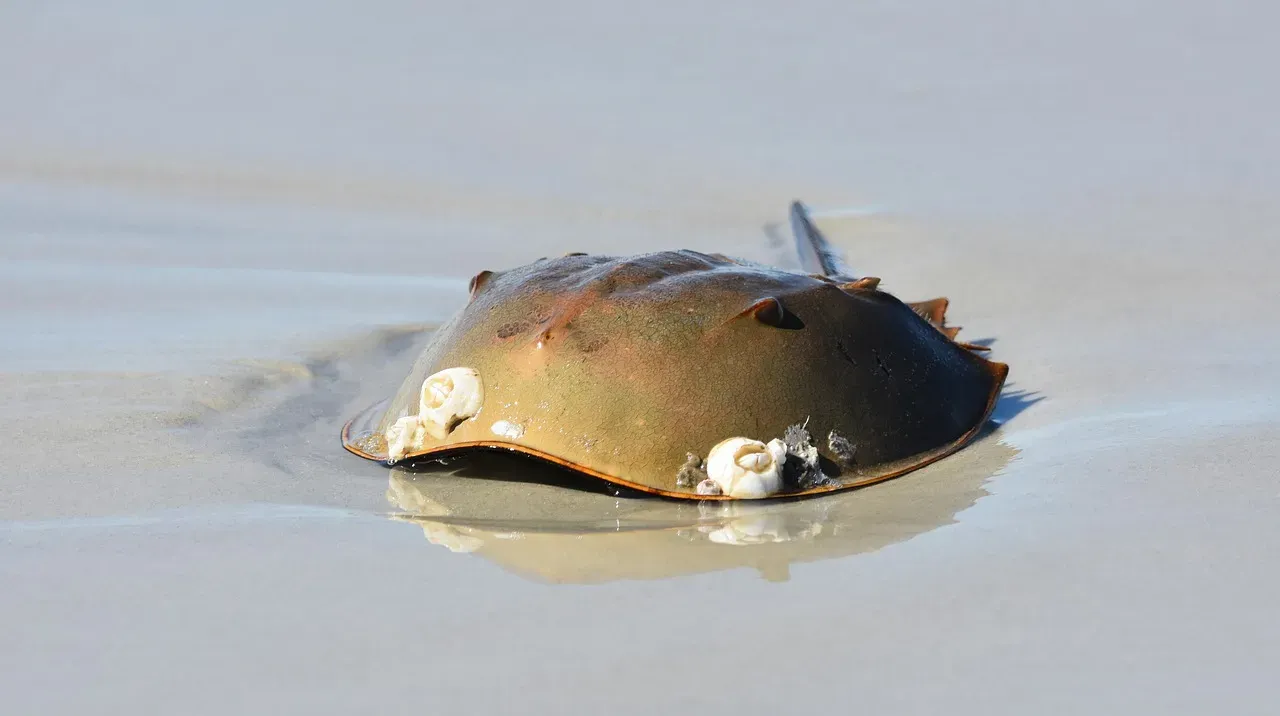
At first glance, a horseshoe crab looks like a cross between a military helmet and a small alien spacecraft. Its hard, domed shell curves over the body like a shield, with a long, pointed tail spine called a telson trailing out behind it. Despite the name, it isn’t actually a crab at all but more closely related to spiders and scorpions. Its body is split into sections, with little legs tucked underneath that you do not see unless you flip it over, which people are always surprised by the first time.
There is something quietly eerie about looking at a horseshoe crab and knowing that its ancestors looked very similar hundreds of millions of years ago. The basic design has hardly changed, which is why biologists sometimes call it a “living fossil.” That phrase does not mean it is primitive or stuck in the past; it means its body plan has been so successful that evolution has not needed to radically overhaul it. When you encounter one on a beach today, you are staring at a living echo from a world so old it almost feels imaginary.
How Do You Stay Almost the Same for Hundreds of Millions of Years?
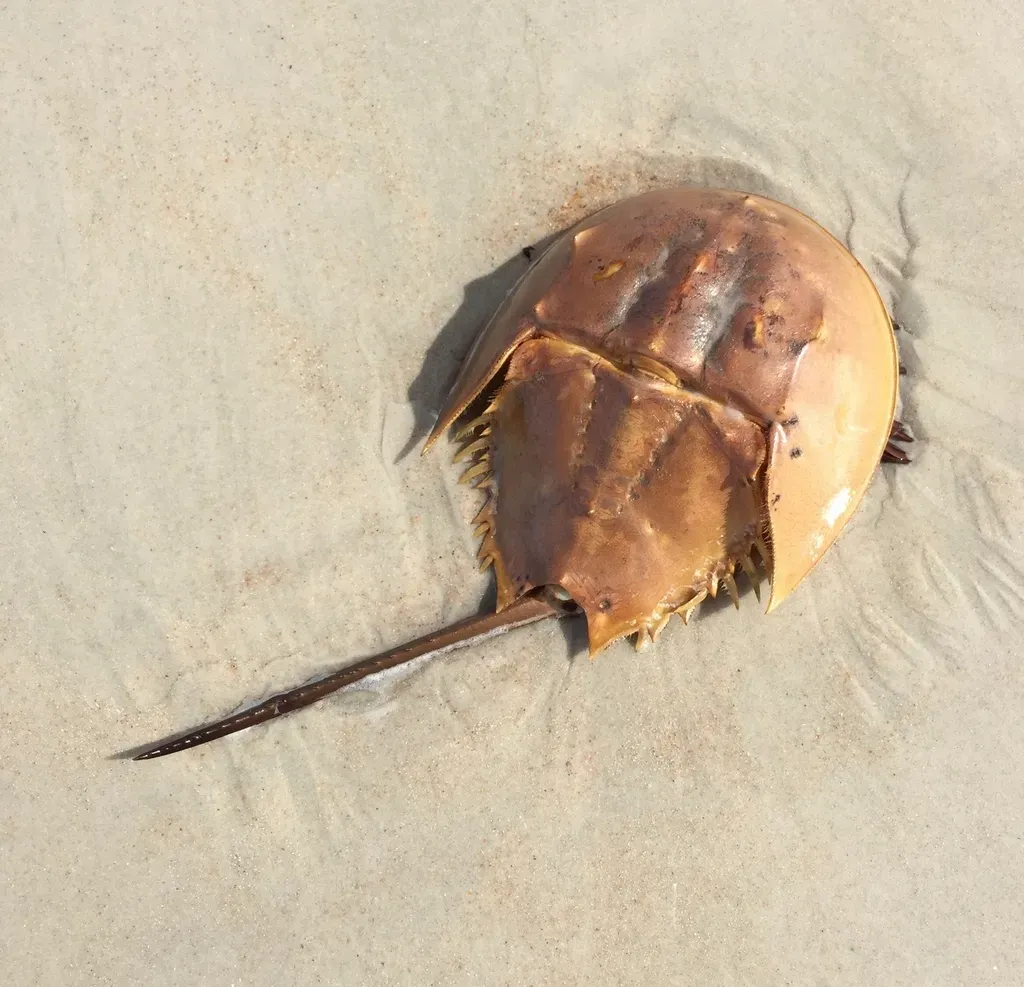
One of the biggest questions scientists ask about animals like horseshoe crabs is simple but profound: how do you last this long with such a similar body? The answer, as far as researchers can tell, comes down to a combination of ecological stability and evolutionary success. Horseshoe crabs occupy a niche that has remained relatively constant over geological time: shallow coastal waters where they scavenge, burrow, and feed on worms and small invertebrates. If the world keeps offering you the same job and you are great at it, you do not need a complete redesign.
Another factor is their resilience to change. They have handled enormous shifts in climate, ocean chemistry, and sea levels that would have annihilated more delicate species. Their tough exoskeleton offers protection, and their generalist feeding habits allow them to survive in changing conditions. It is a bit like owning an old, simple, reliable tool that works in almost any situation; while more complicated gadgets break or become obsolete, the sturdy original just keeps going. Their “if it is not broken, do not fix it” body plan turns out to be an excellent long‑term survival strategy.
Ancient Armor and Alien Eyes: Inside the Design
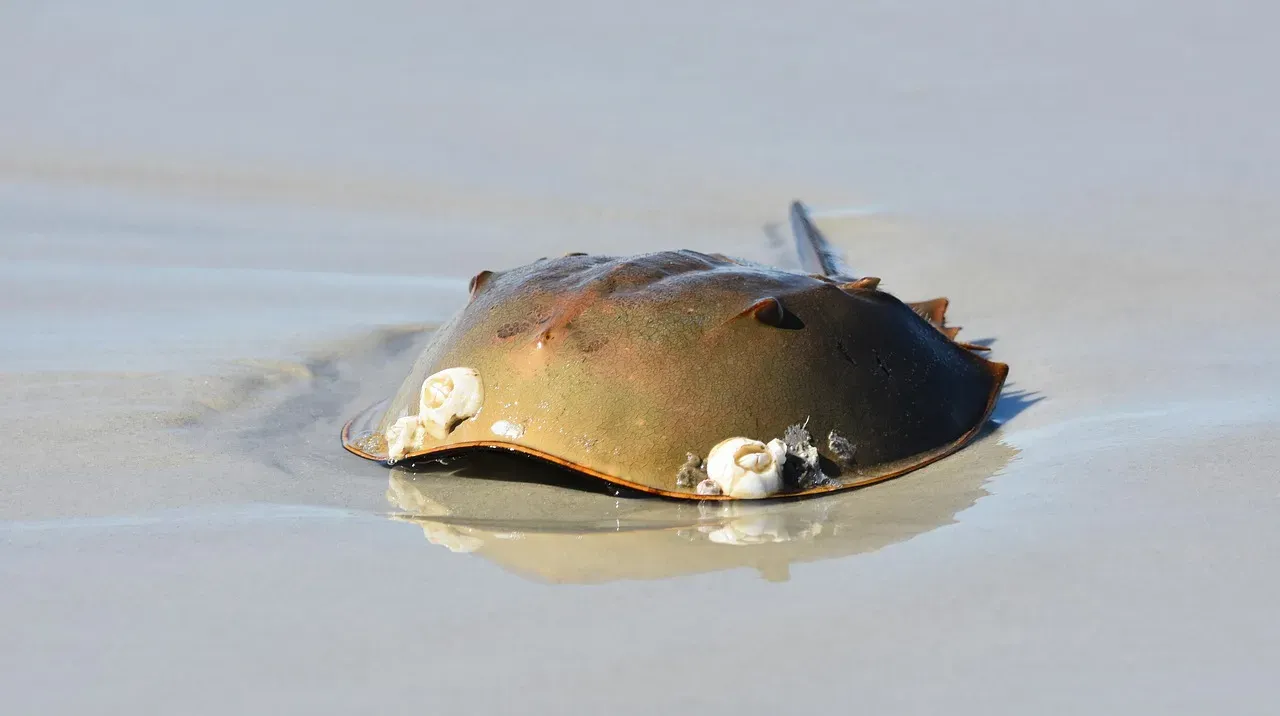
Horseshoe crabs look simple from the top, but underneath that shell is a surprisingly sophisticated design. Their exoskeleton is like natural armor, protecting them from predators and rough environments. On the underside, they have multiple pairs of legs for walking and feeding, plus small appendages that help move food toward the mouth. Each time they grow, they need to molt, shedding their old shell in a process that leaves behind ghostly, empty casings scattered on beaches.
Their eyes are one of the more surprising features. They have compound eyes on the sides of their shell, similar in spirit to those of insects, along with several smaller light‑sensitive structures spread across the body. This visual system helps them navigate, find mates, and orient themselves in murky water. It is not flashy in the way we usually imagine ancient monsters, but it is quietly efficient. The combination of robust armor and distributed sensory systems makes them tough to kill and well adapted to the unpredictable coastal world.
From Pharaohs to Pharma: Their Blue Blood and Modern Medicine
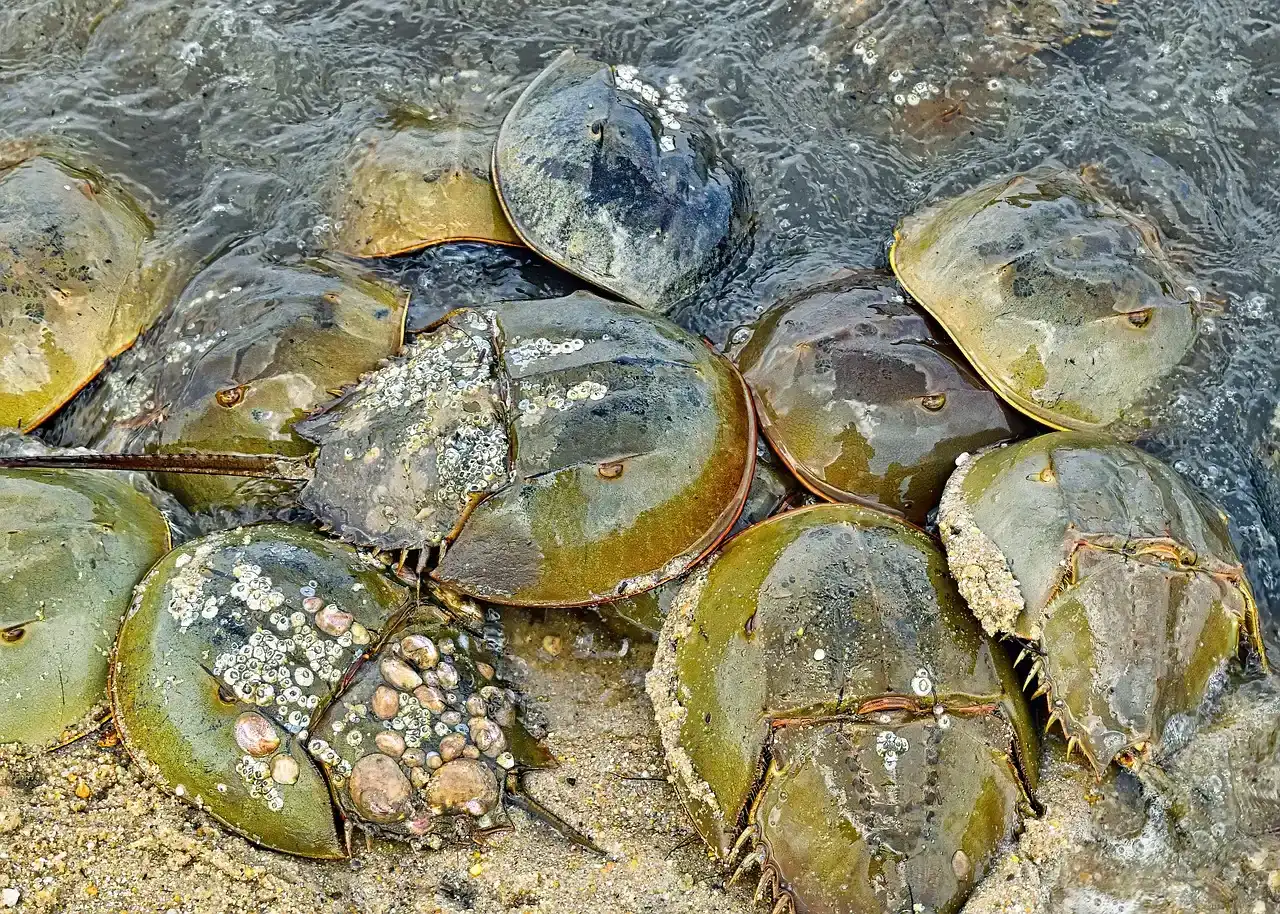
Here is where the story takes an unexpectedly modern turn: horseshoe crabs have played a major role in human medicine. Their blood is bright blue due to a copper‑based molecule that carries oxygen, and inside that blood are special cells that react strongly to bacterial toxins. Scientists learned to use an extract from this blood to test medical equipment, vaccines, and drugs for dangerous contamination. For decades, nearly every injectable medication and many medical devices around the world were checked using this ancient creature’s blood.
This connection between a prehistoric animal and hospital safety is almost poetic. A species that predates the pyramids by hundreds of millions of years ended up helping safeguard some of our most advanced medical technologies. In recent years, synthetic alternatives have been developed and are slowly being adopted, which could help reduce the pressure on wild populations. But the fact that an animal that looks like a fossil has quietly underpinned so much of modern healthcare is one of those scientific twists that feels almost too strange to be real.
Why Their Survival Story Is Under Threat Today
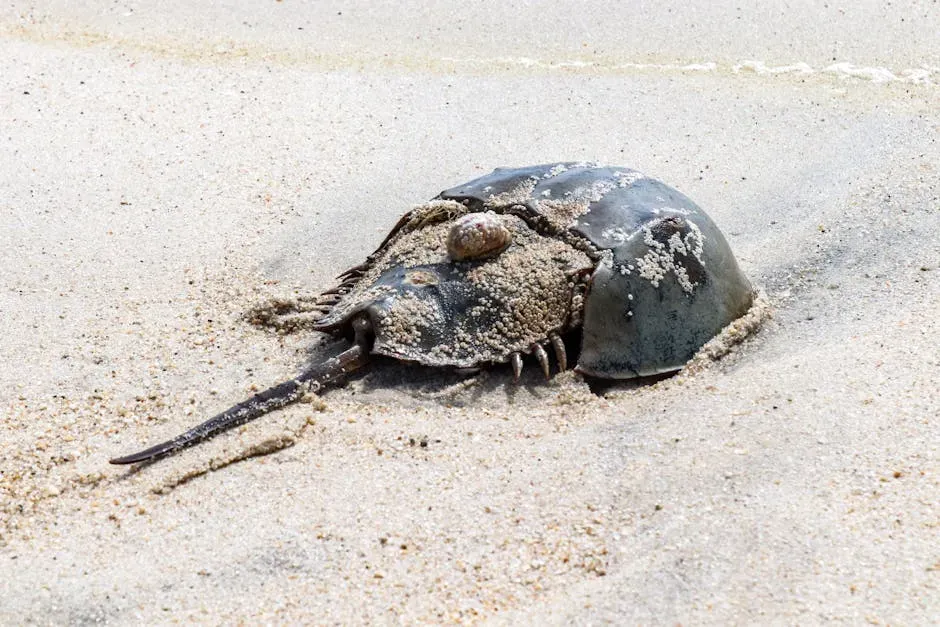
For a creature that has shrugged off asteroid impacts and mass extinctions, you would think modern life would be easy. Unfortunately, human activity is presenting new kinds of threats that even a veteran survivor struggles with. Coastal development, pollution, and habitat loss are eroding the shallow shorelines they rely on for spawning. In some regions, they are also harvested for bait and for their blood, which, even when the animals are returned to the sea, can still be stressful or deadly in large numbers.
This is where the contrast between their ancient endurance and modern vulnerability becomes painfully clear. The Egyptian Empire came and went without making the slightest dent in horseshoe crab populations. Yet in just a few human generations, we have managed to alter coastlines, fishing practices, and demand for medical testing in ways that place them at risk. It is hard not to feel a little embarrassed that a creature tough enough to survive the end‑Cretaceous extinction might stumble because we wanted beachfront properties and more convenient bait.
What an Ancient Creature Teaches Us About Our Future
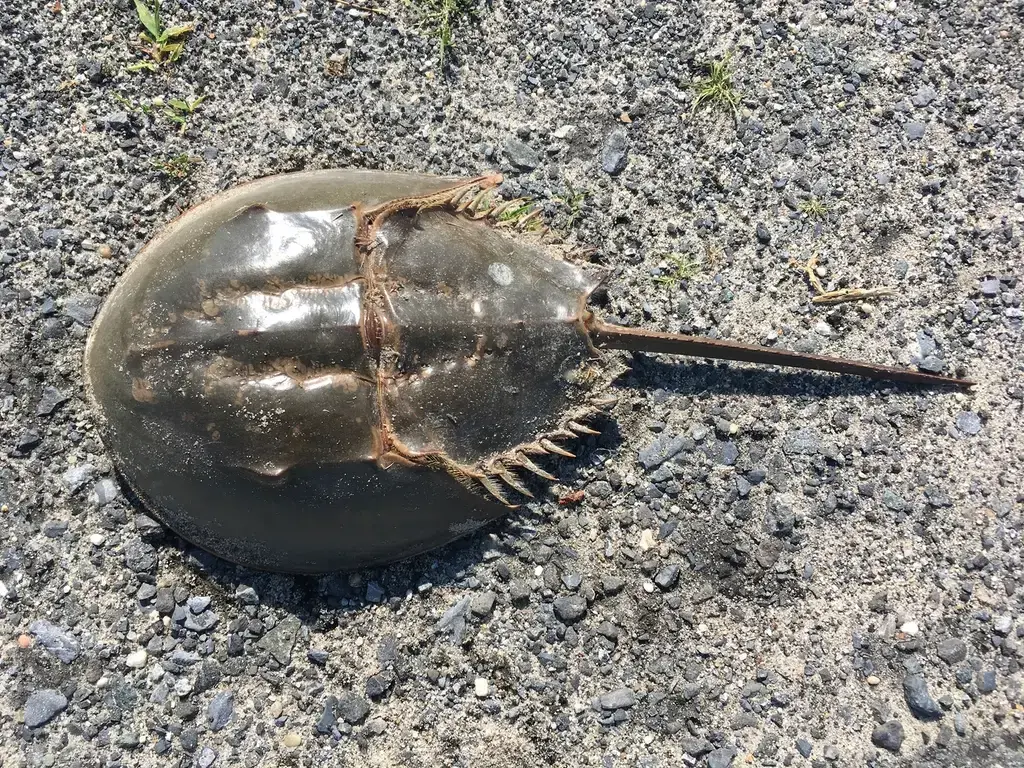
Standing on a beach next to a horseshoe crab, you are looking at an animal that has watched oceans rise and fall, continents drift, and entire branches of life appear and vanish. To me, that puts our own timeline in perspective. The Egyptian Empire, for all its grandeur, is just a brief chapter next to the saga written in the shells of these animals. They quietly prove that survival is less about glory and more about resilience, adaptability, and fitting into your environment in a way that is sustainable over absurd amounts of time.
My personal opinion is that if we cannot find a way to coexist with something this ancient and harmless, then we are not as advanced as we like to think. Protecting horseshoe crabs is not just about saving a quirky relic; it is about deciding what kind of species we want to be. Do we want to be a fast, bright flare that burns out quickly, or a patient presence that learns from the survivors of deep time? The next time you hear about some empire’s fall or some new technological breakthrough, it might be worth asking yourself whose story will last longer. In a hundred million years, which side of history would you rather be on?