
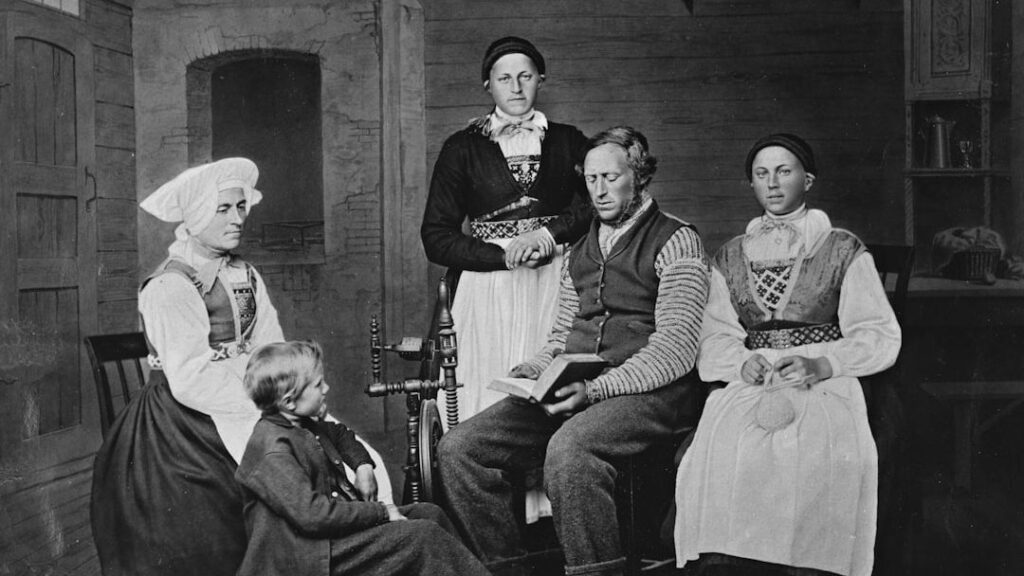
Open almost any history book and you’ll see a familiar pattern: kings and presidents, wars and treaties, inventions and empires. It makes the past feel like a highlight reel of powerful people and dramatic events. But there’s a quieter, deeper story running underneath all of that – a story about ordinary bodies, daily emotions, forgotten labor, and small acts of care that actually kept humanity alive. That’s glide past, and once you notice the gap, you can’t unsee it.
When I first realized how absent real, messy, everyday human lives were from the history I’d learned, it honestly felt like finding out a favorite movie had a missing hour. Where are the mothers awake at 3 a.m., the kids playing in the dust, the arguments at the dinner table, the silent fears before a battle, the quiet rebellions of people who never made it into the records? This article is about that missing hour – the hidden, deeply human story that runs beneath the official timelines, and why we desperately need to bring it back into focus.
The Silent Majority: Ordinary Lives That Kept Everything Running
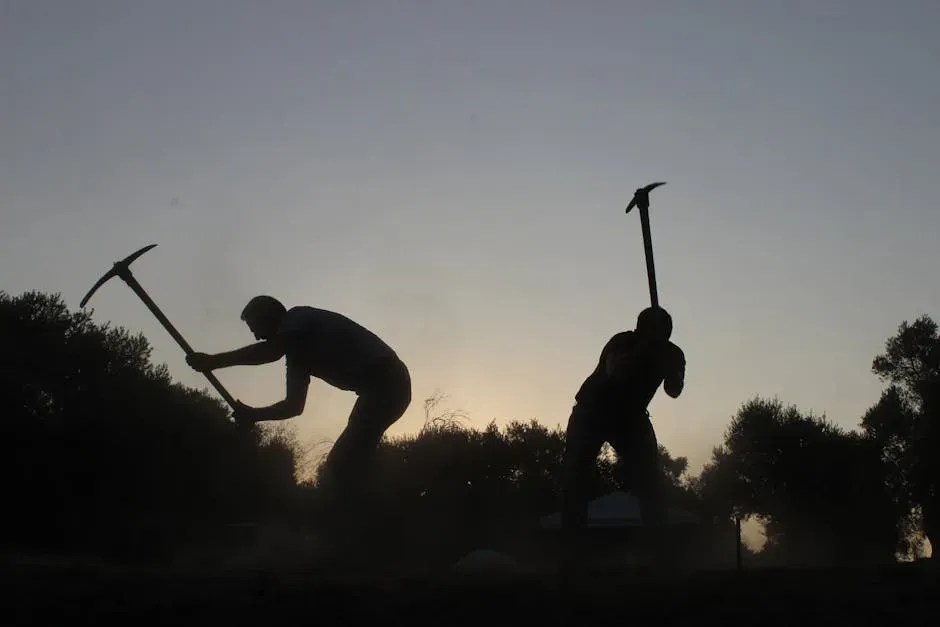
Here’s the uncomfortable truth: the vast majority of humans who ever lived never appear in written history at all. Most people across time were farmers, caregivers, craftspeople, traders, enslaved workers, or migrants whose names were never recorded or whose records have long since disappeared. Yet they were the ones who planted and harvested the food, carried water, raised children, patched clothes, built roads, and kept fragile communities from collapsing. Without this invisible labor, no empire, revolution, or golden age would have lasted more than a season.
Think about one random year, say in the Roman Empire or medieval China or pre-colonial West Africa. On the same day a political decree was issued or a battle fought, tens of millions of people were just…living. Someone burned bread. Someone fell in love. Someone buried a parent. Someone secretly taught a child to read. Those unrecorded days are the real fabric of history. Our textbooks focus on the embroidery on top – the banners and signatures – but the cloth underneath was woven by people who never got credit. That erasure shapes how we see ourselves today, often tricking us into thinking that only the loudest and most powerful matter.
The History of Feelings: Fear, Love, Shame, and Joy Across Centuries
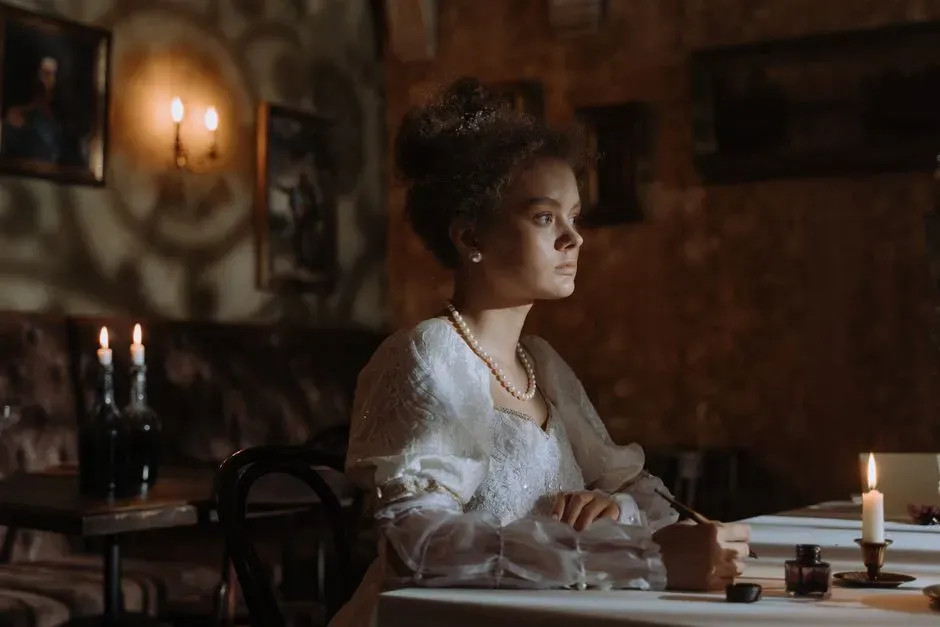
Most history timelines read like emotions never existed: a war begins, a treaty is signed, a law is passed – end of story. But behind each of those milestones were bodies with racing hearts, trembling hands, sweaty palms, and sleepless nights. Imagine the terror of a conscripted teenager before their first battle, the quiet pride of a woman teaching forbidden knowledge in secret, or the numbness of a family forced to leave their home after an invasion. These emotional realities rarely show up in the record, yet they shaped decisions, loyalties, and even revolts.
Researchers in fields like the history of emotions and anthropology have been piecing together how people in different eras felt about love, honor, sexuality, grief, and shame. Diaries, court records, letters, and even religious texts offer scattered clues that the inner lives of people in the past were both familiar and shockingly different. A broken engagement might have felt like social death in one culture; in another, it was a quiet relief. By skipping this emotional history, we tell an oddly flat story, as if humans were chess pieces moved by “forces” rather than frightened, hopeful, stubborn people trying to make sense of their small corner of the world.
Bodies in the Shadows: Pain, Illness, Birth, and Aging
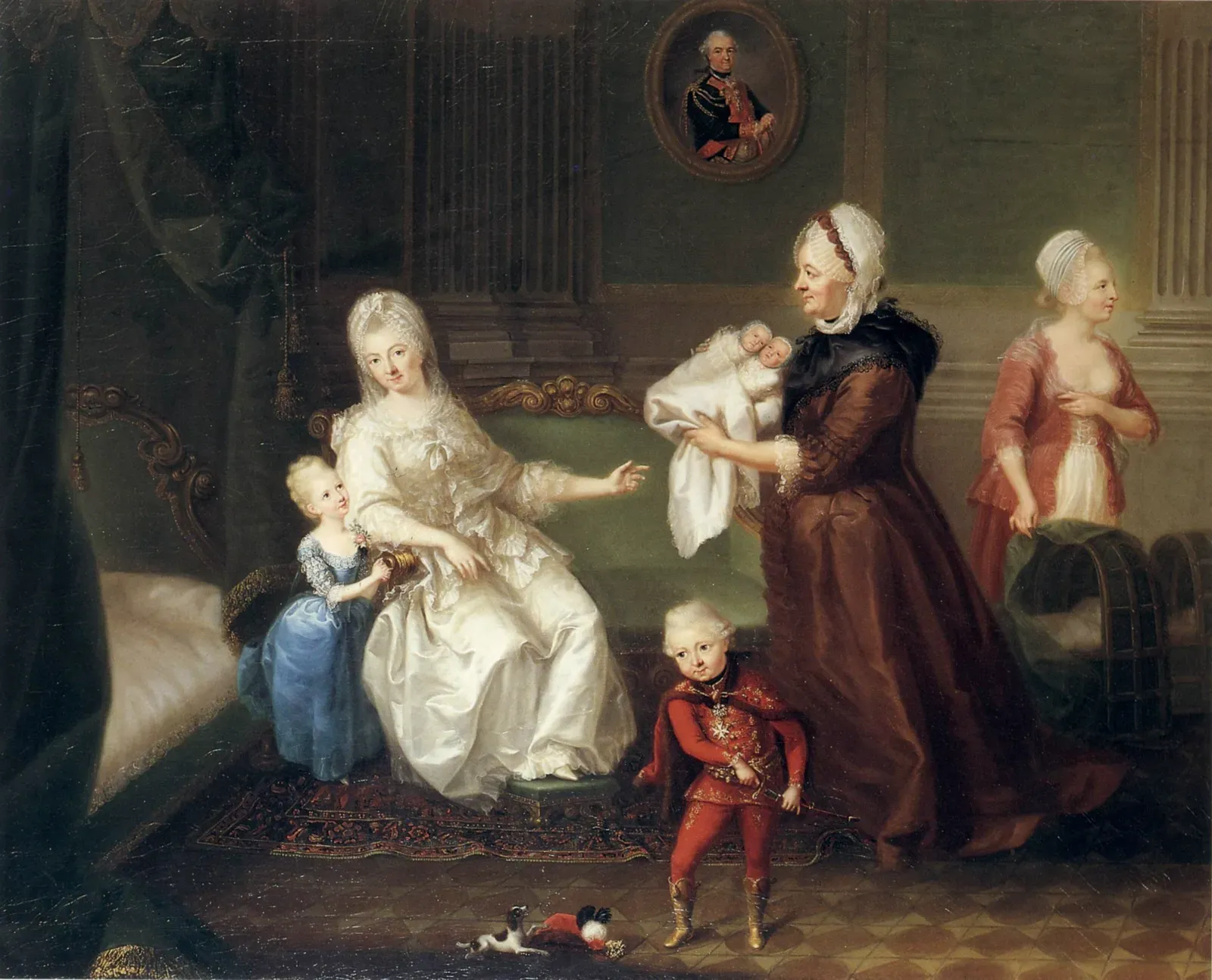
If you try to picture a famous historical scene, you probably do not imagine anyone needing a bathroom break, menstruating, losing a tooth, or trying to hide a chronic cough. Yet every person in every era had a body that hurt, aged, desired, leaked, bled, and eventually failed. For most of human history, childbirth was life-threatening, injuries were often permanent, and infections could destroy a community in a month. Those experiences shaped how people organized families, believed in gods, and made choices about risk and safety.
There’s a growing field sometimes called “history from below” and “the history of the body” that tries to reconstruct how it actually felt to live in another time: the constant back pain of field labor, the hunger between harvests, the relief of a healing wound, the exhaustion of caregiving without medicine. These stories are hard to recover because they weren’t considered “important” enough to write down, especially when poor people, women, and enslaved people were rarely seen as full historical subjects. When textbooks skip this, we get the illusion that history is all ideas and battles, instead of something experienced in tired muscles and aching joints.
The Invisible Work of Care: Mothers, Grandparents, and Quiet Heroes
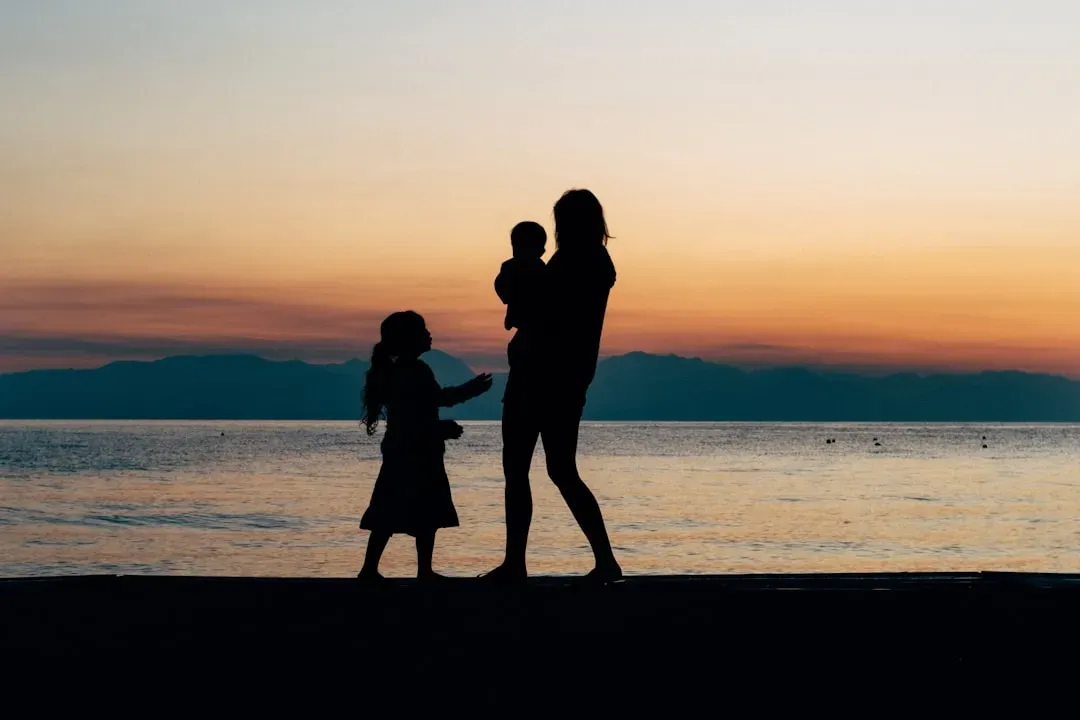
Care work – raising children, tending to the sick, comforting the dying, cooking, cleaning, teaching basic skills – has always been the backbone of human survival. Yet in many historical narratives, this work appears only as a blurry background, if at all. We focus on the general who wins the war, not the grandmother who kept three generations alive through famine by knowing which wild plants were still safe to eat. We praise the inventor of a machine, but rarely ask who changed the diapers and fetched water so that inventor could focus on their “genius.”
This is not just a moral issue; it’s an analytical one. When we erase care work, we misunderstand what actually kept societies stable or allowed them to collapse. Every child who grew up to become a ruler, soldier, artist, or rebel spent years being fed, cleaned, soothed, and taught – mostly by people whose names we never know. In my own family stories, the people who never got formal recognition are often the ones who quietly held everything together. Multiply that by thousands of years and billions of lives, and you begin to see how absurd it is that most formal histories give caregiving about as much space as a footnote.
Whose Story Gets Told: Power, Archives, and Systematic Forgetting
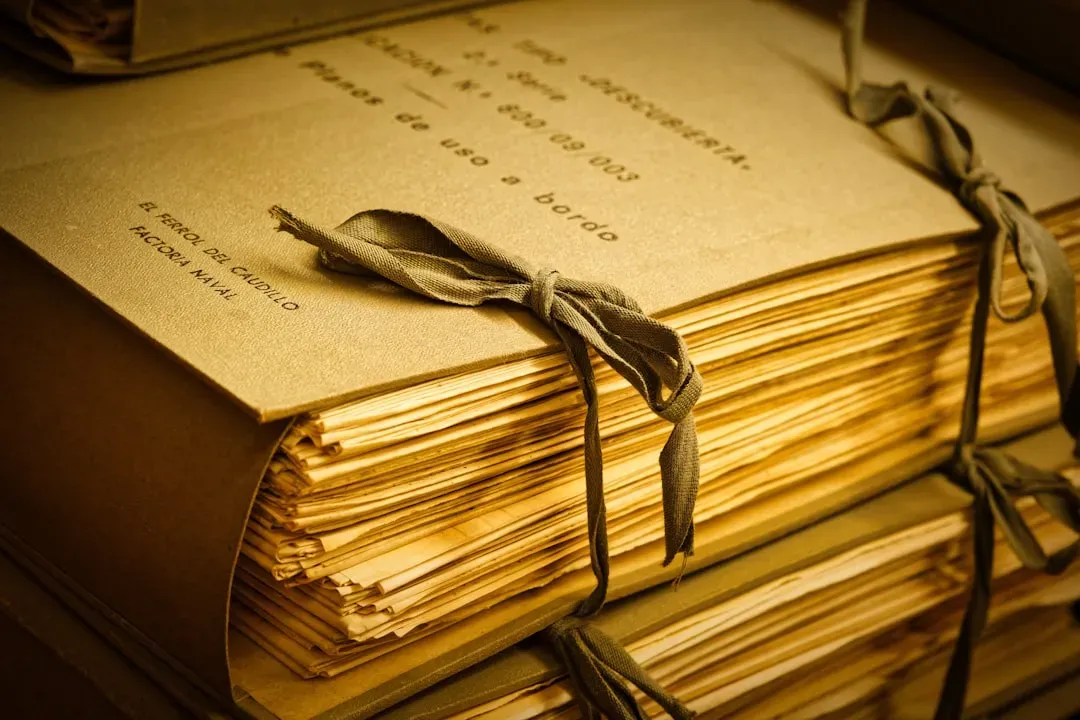
One big reason the human story is missing from history books is brutally simple: people with power had better tools to record their side of the story. Written records, official archives, monuments, and state-sponsored histories were usually created by elites for elites. Laws, taxes, land deeds, royal decrees, and diplomatic letters survive because governments had an interest in preserving them. The gossip of servants, the knowledge of midwives, the songs of workers, the strategies of enslaved people resisting in small ways – those often vanished because no institution thought they were worth preserving.
This skewed archive means our view of the past is massively biased toward the literate, the wealthy, the male, the victorious, and the colonizing. Even when we do get glimpses of ordinary people, it’s often through the lens of courts, churches, or colonial administrators who saw them as problems to manage rather than humans to understand. So when a textbook calmly announces that a “territory was pacified” or “labor was imported,” what it usually means is that living, breathing people experienced violence, coercion, and upheaval that never made it onto the official record. The forgetting is not accidental; it is built into how history has been collected and curated.
How New Tools Are Rescuing the Lost Majority
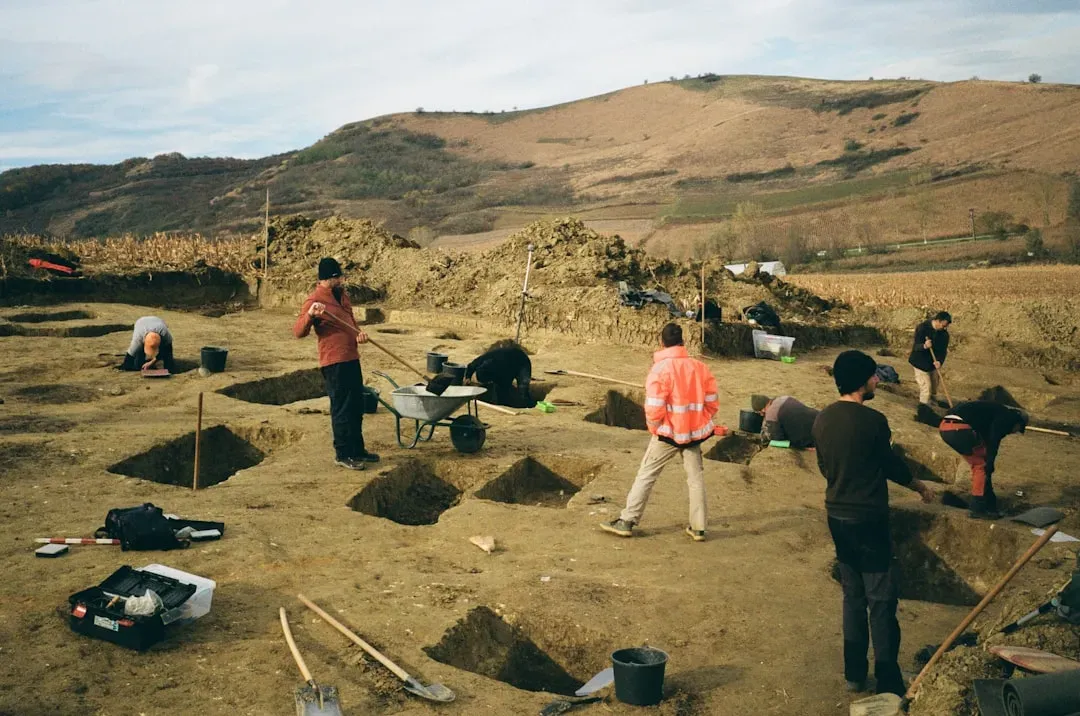
The good news is that historians, archaeologists, and social scientists have been getting a lot more creative about rescuing these missing human stories. Instead of relying only on written records, they analyze trash heaps, soil samples, teeth, bones, abandoned villages, and even traces of pollen and parasites. From these clues, they can reconstruct diets, migration patterns, disease burdens, and daily routines of people who never wrote anything down. It is like trying to rebuild a demolished house from the nails, dust, and broken tiles – slow, imperfect work, but astonishing when it succeeds.
Digital tools and big datasets are also helping. Scholars can now scan massive archives of newspapers, court records, and parish registers to track patterns like changing baby names, causes of death, price spikes, and marriage ages across centuries. Oral histories, once dismissed as unreliable, are increasingly recognized as vital sources for communities whose voices were deliberately excluded from written records. It does not magically fix the imbalance, but it pushes us closer to a history that feels more like life as it is lived: messy, uneven, full of conflicting memories and small choices that quietly shape the future.
Why the Missing Human Story Matters Right Now
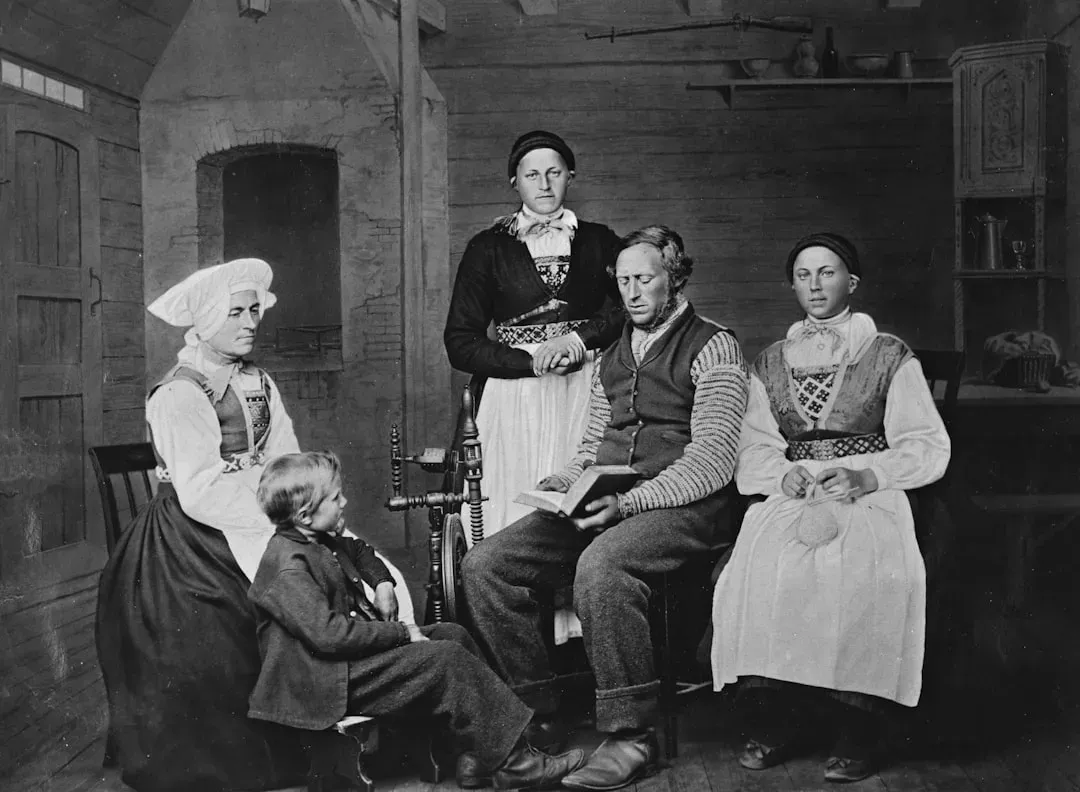
You might wonder why any of this matters when you are just trying to get through another workweek in 2026. But the way we tell history is really a way of saying whose lives matter and whose do not. When we grow up on stories that center only conquerors, presidents, CEOs, and “great men,” it sends a quiet message that regular people are just background noise. That message seeps into how we value our own lives, our own communities, and our own work. If all the textbooks tell you that history moves only when powerful people act, it becomes easy to feel small and interchangeable – like nothing you do will ever matter.
I think that view is not just wrong; it is dangerous. The human story most history books skip – the story of ordinary bodies, emotions, care work, small acts of resistance, and daily survival – is actually the main story. Power shifts because millions of people nudge it, withdraw from it, comply reluctantly, or quietly refuse. Families survive because someone keeps showing up to cook, nurse, repair, and teach even when no one is watching. If we wrote history with that reality at the center, instead of at the margins, we might see our own era differently too: less as spectators in a drama starring a handful of loud figures, and more as co-authors of a very long, very human story. What part of that story do you think you are writing today?