You already know the image: a six-foot lizard-skinned nightmare sprinting through a kitchen, clever enough to work a door handle, terrifying enough to hunt in coordinated packs like wolves with scales. The Jurassic Park franchise burned that creature into a generation’s nightmares so effectively that most people still picture it when they hear the word “raptor.” Here’s the uncomfortable truth: almost none of it is real. The actual animal that inspired those scenes was so different that paleontologists sometimes joke the films accidentally made a different dinosaur famous.
The gap between Hollywood’s Velociraptor and the fossil record isn’t a matter of minor artistic license. It’s a full-body replacement – wrong size, wrong skin, wrong continent, wrong behavior, wrong era. And the science didn’t just quietly correct the record. Over the last three decades, discovery after discovery has made the movie version look increasingly cartoonish. What follows are the nine findings that hit hardest – and a few of them will genuinely change the animal you picture in your head.
#9 – They Didn’t Even Roam the Jurassic
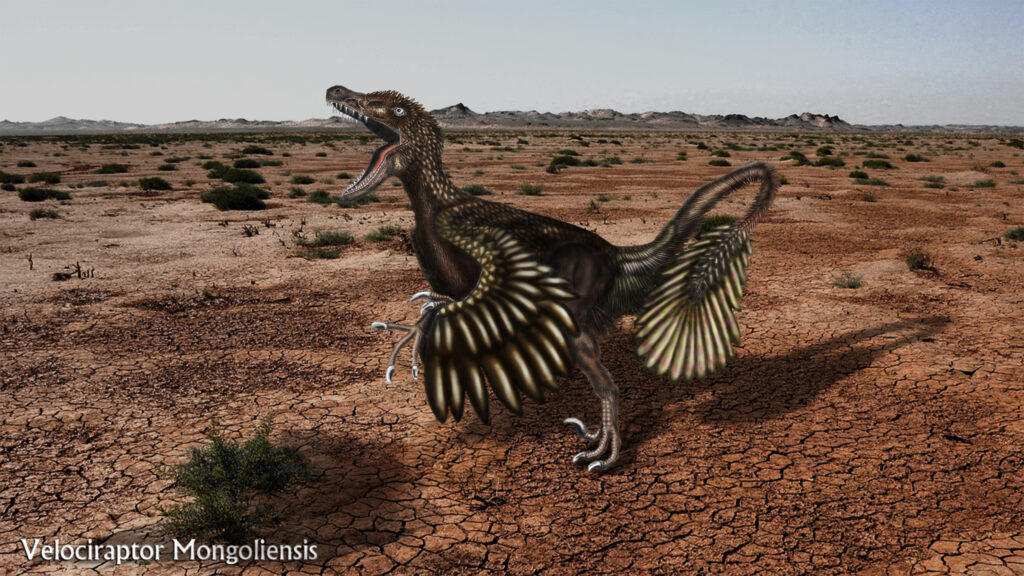
The franchise put “Jurassic” in its title and let everyone assume the animals matched. Real Velociraptors lived during the Late Cretaceous, roughly 74 to 70 million years ago – appearing long after the Jurassic period had already closed. Paleontologists have dated their fossils precisely from Mongolian rock layers that formed in a completely different world than the one the movies suggest. The name was always a branding choice, not a scientific one.
That timeline shift matters more than it sounds. By the time Velociraptors existed, flowering plants had transformed entire ecosystems, and the prehistoric landscape bore almost no resemblance to the earlier Jurassic scenes baked into the franchise’s visual identity. These were Late Cretaceous animals navigating a world far more complex than the films ever bothered to depict. The “Jurassic” label was the first fiction. It wasn’t the last.
Fast Facts
- Velociraptor lived approximately 75 to 71 million years ago – well into the Late Cretaceous, not the Jurassic
- The Jurassic Period ended roughly 145 million years ago – about 70 million years before Velociraptor appeared
- All confirmed fossils come from the Djadochta Formation in Mongolia’s Gobi Desert
- The first Velociraptor fossil was discovered on August 11, 1923 by American Museum of Natural History paleontologist Peter Kaisen
- Henry Fairfield Osborn officially named the genus in 1924 – “Velociraptor” means “swift seizer” in Latin
#8 – Adults Were Roughly the Size of a Turkey
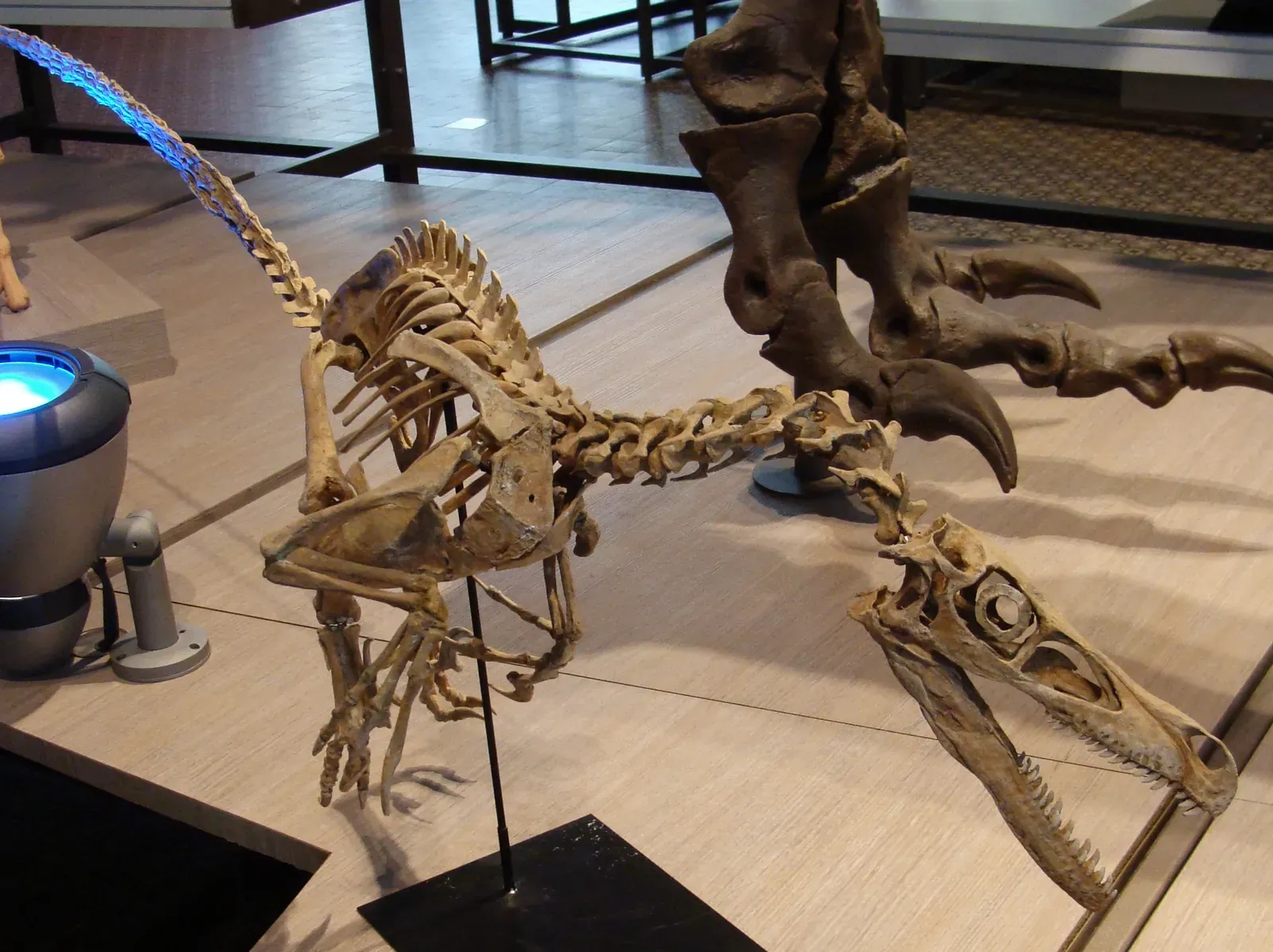
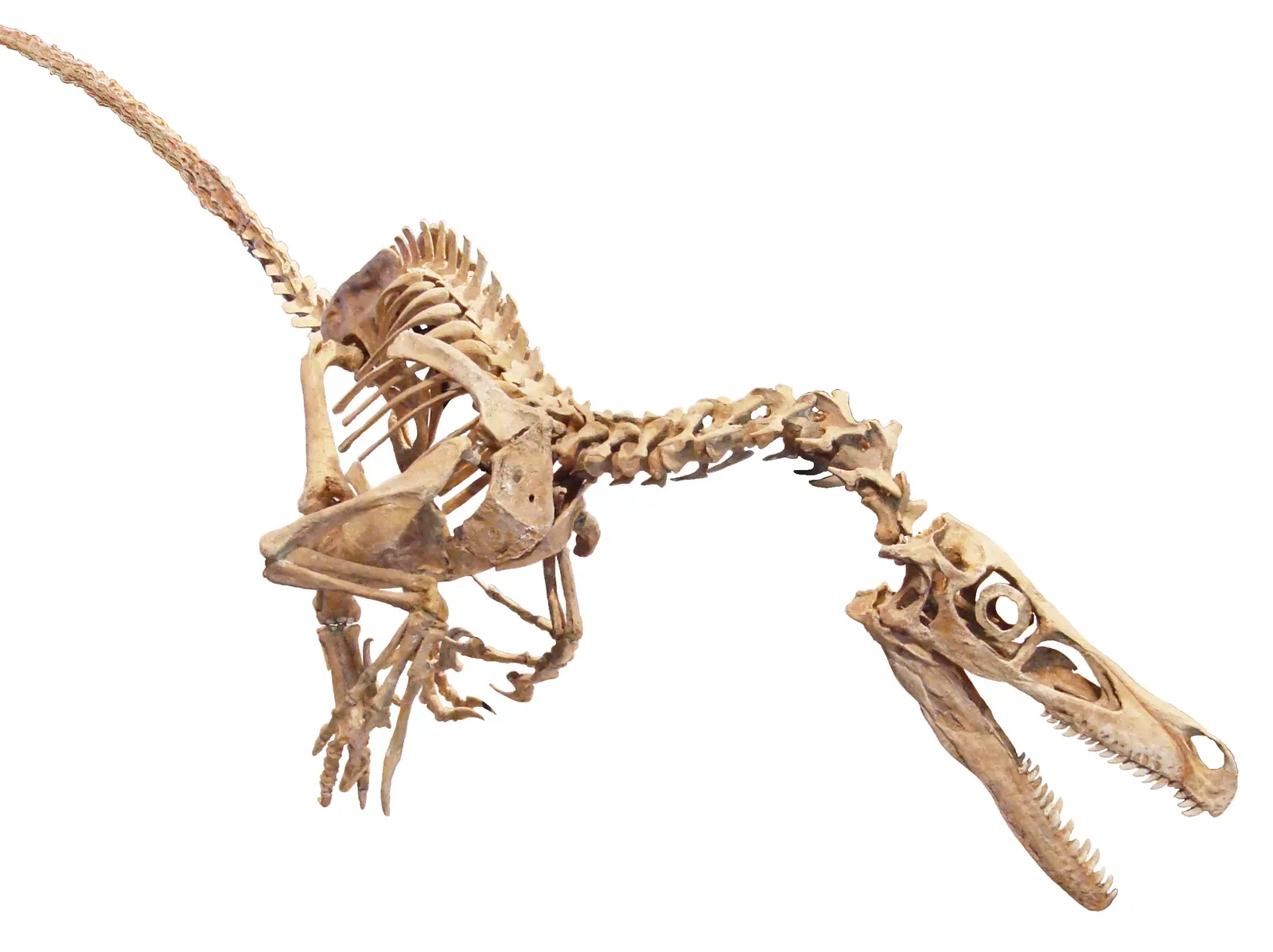
This is the one that stops people cold. Real Velociraptors measured about 1.5 to 2 meters long and stood only half a meter at the hip. They weighed somewhere between 14 and 20 kilograms – roughly the size of a large dog, not a creature that could pin a grown adult against a wall. Scientists have recovered over a dozen skeletons, and every one of them confirms this compact, lean frame built for quick bursts rather than sustained power. A real Velociraptor could have fit inside a large dog crate with room to spare.
The movie versions ballooned to six feet tall and hundreds of pounds by borrowing bulk from a different species entirely – Deinonychus, a larger North American relative that paleontologist John Ostrom had made famous years before the films released. The name “Velociraptor” just sounded better, so it stuck, and the size came along for the ride. Every chase scene, every kitchen ambush, every terrifying leap – all of it belongs to an animal that never actually existed. The real one was closer to an angry, fanged turkey.
Quick Compare
| Feature | Real Velociraptor | Movie Velociraptor |
|---|---|---|
| Length | ~1.5–2 m (5–6.5 ft) | ~2–2.5 m (6.5–8 ft) |
| Hip height | ~0.5 m (1.6 ft) | ~1.5 m (5 ft) |
| Weight | 14–20 kg (31–44 lbs) | Implied 90+ kg (200+ lbs) |
| Actual inspiration | Velociraptor mongoliensis | Deinonychus antirrhopus |
| Skin covering | Feathered | Scaly lizard skin |
#7 – Feathers Covered Their Entire Bodies
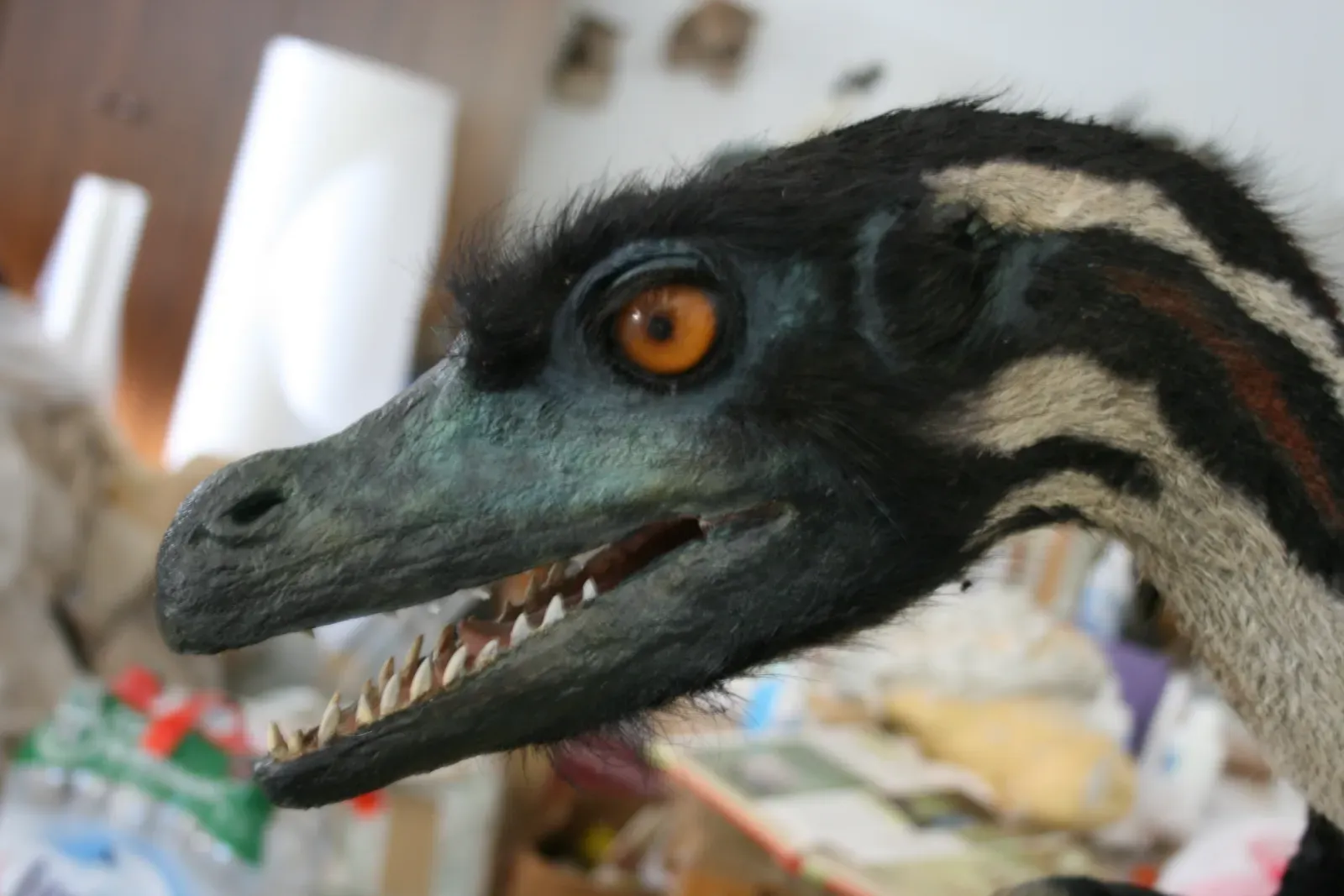
Forget the sleek, scaly predator. The real Velociraptor looked more like an aggressive, flightless hawk than anything that crawled out of a reptile’s nightmare. Fossil evidence – specifically quill knobs preserved on forearm bones – proves these animals grew proper, large-vaned feathers similar to those found on modern birds. Not just fuzzy proto-feather fuzz, but the real thing, anchored directly to bone the same way flight feathers attach in birds today. Multiple close relatives in the same family show identical traits, locking in the evidence across the entire group.
Those feathers likely served several purposes: insulation against cold desert nights, visual display during mating season, possibly even shielding eggs the way brooding birds do today. What they did not do was make the animal look like the scaly monster on screen. The movie design ignored all of this in favor of a lizard aesthetic that was already scientifically outdated by the time the first film released. By 1993, researchers had strong enough evidence from related species to suspect feathering. The films just chose the scarier-looking option instead.
#6 – Pack Hunting Looks Like Pure Hollywood Fiction
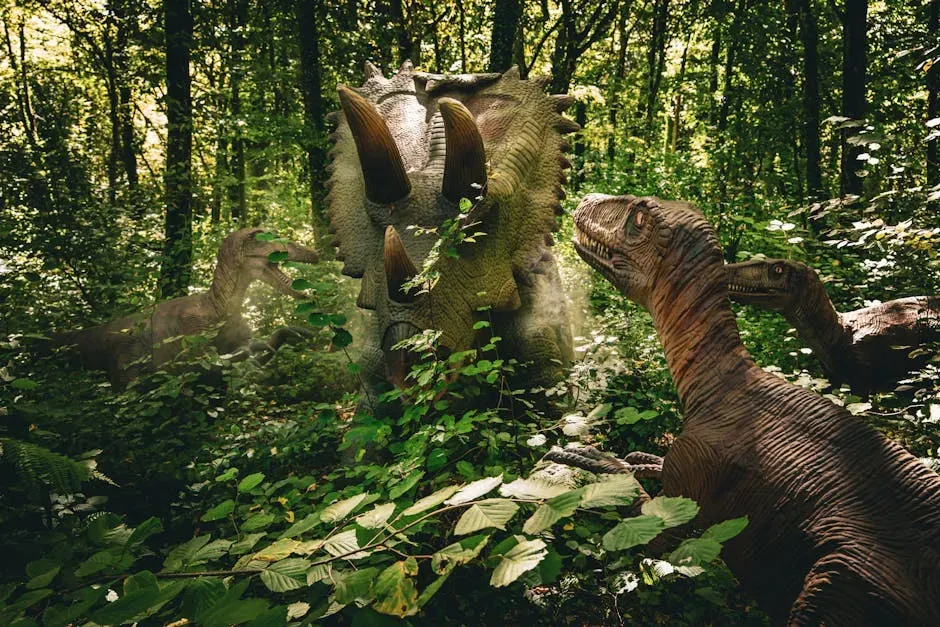
The coordinated pack attacks – raptors flanking prey from multiple angles, one distracting while others strike – make for incredible cinema. They also have virtually no support in the fossil record. Dig sites rarely produce multiple Velociraptors together in any configuration that suggests cooperative behavior. The current scientific consensus leans toward solitary or opportunistic hunting: an animal that ambushed smaller prey alone, relying on speed and surprise rather than group strategy. The famous kitchen scene, with its chess-match coordination, has zero backing in actual bone evidence.
The single most famous Velociraptor fossil in existence actually reinforces the opposite story. The “Fighting Dinosaurs” specimen – discovered in Mongolia’s Gobi Desert – preserves one Velociraptor locked in one-on-one combat with a Protoceratops, claws embedded, jaws clamped, both animals frozen mid-struggle by what was likely a sudden sandstorm. No pack. No backup. Just one predator taking a serious risk alone. Scientists treat the pack-hunting idea today as cinematic license that got mistaken for science – and it’s been mistaken long enough that most people still believe it.
“Despite the common depiction of raptors as cooperative pack hunters, there’s very little evidence for such behaviour.”
Natural History Museum, London
#5 – Their Intelligence Was Hawk-Level, Not Dolphin-Level
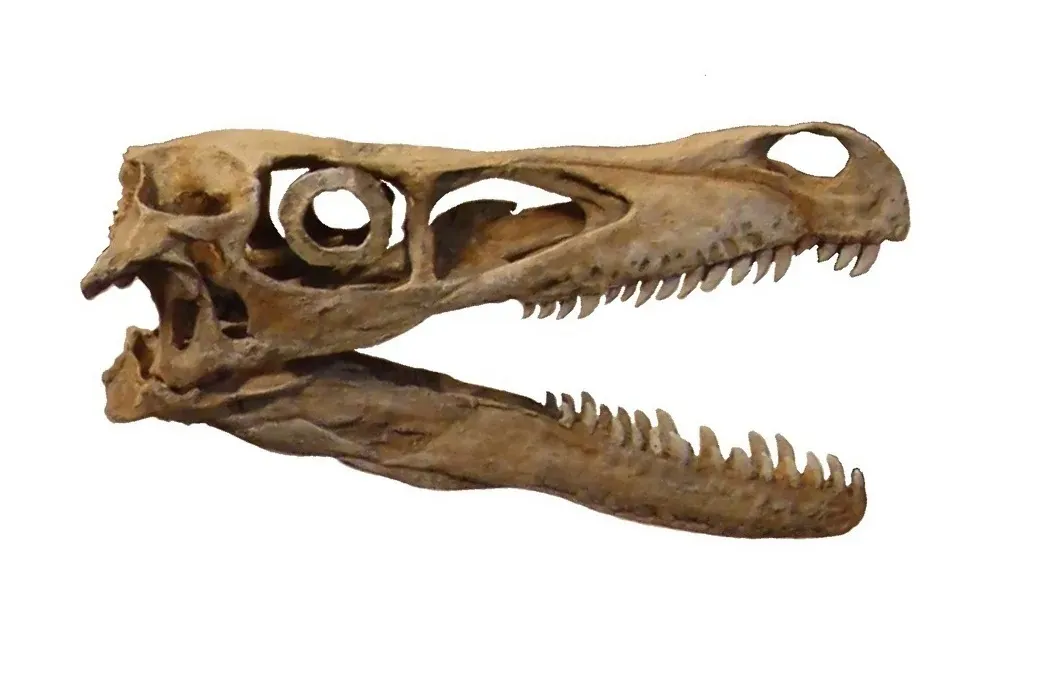
The films gave Velociraptors a nearly sinister cunning – animals that could problem-solve, communicate complex strategies, and apparently figure out door handles. The actual brain-to-body ratio tells a more grounded story. Velociraptors did have relatively large brains for dinosaurs, but the comparison point isn’t dolphins or primates. It’s hawks. Average, perfectly capable birds of prey. Sharp enough for quick reactions, tracking moving targets, and basic problem-solving. Not sharp enough for anything approaching the strategic behavior the movies portray.
Skull endocasts – casts of the brain cavity that reveal the brain’s shape and structure – show regions well-suited for acute vision and fast physical coordination. What they don’t show is the kind of expanded forebrain associated with complex planning or social intelligence. The “near-human cunning” narrative came from early enthusiasm around Ostrom’s work on dromaeosaurids in the 1960s and 70s, then got dramatically amplified for dramatic effect. Real Velociraptors were quick, dangerous, and perceptive. They were not running tactical operations.
Worth Knowing
- A 2011 study suggested Velociraptor may have been nocturnal, based on the relative size of its large sclerotic eye ring – the bony structure inside the eye
- Its teeth were recurved and serrated, replaced continuously throughout its life – similar to modern lizards and crocodiles
- Velociraptor’s bite force has been estimated at roughly 304 Newtons – notably lower than related species like Deinonychus (~706 N) or Dromaeosaurus (~885 N)
- The long, stiffened tail acted as a dynamic stabilizer, helping it maintain balance during rapid turns and strikes
- At least one specimen preserved pterosaur bones in its gut, suggesting it scavenged or targeted flying reptiles opportunistically
#4 – That Famous Sickle Claw Was a Grappling Hook, Not a Slashing Blade
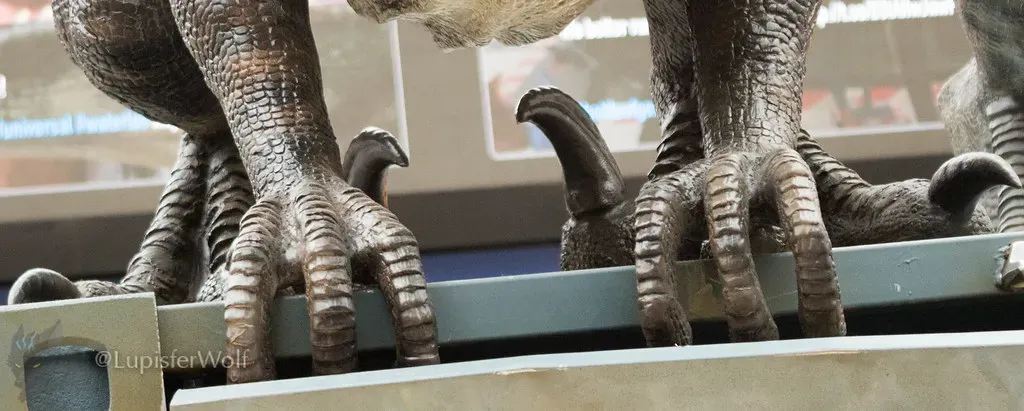
The enlarged, curved claw on the second toe is the Velociraptor’s most iconic feature – and the movies used it exactly the way a horror film would: as a slashing, disemboweling weapon. The biomechanics don’t support that picture. Studies show the claw was kept retracted off the ground during walking to preserve its edge, and when it made contact with prey, its function was almost certainly gripping and pinning rather than slicing open abdomens. Direct fossil analysis of prey bones shows damage patterns consistent with holding and puncturing, not dramatic raking cuts.
The claw reached about 6.5 centimeters – impressive, but not the foot-long instrument the films imply. Its closest functional analogy is probably a hawk’s talon, designed to lock onto struggling prey and maintain control while the animal delivers bites or waits for exhaustion. The slashing attacks that became iconic in the first film? Biomechanically, they wouldn’t have worked the way they were shown. The real killing method was far less cinematic and arguably more unsettling – a patient, gripping hold while the prey wore itself out.
#3 – They Belonged to Asian Deserts, Not American Jungles
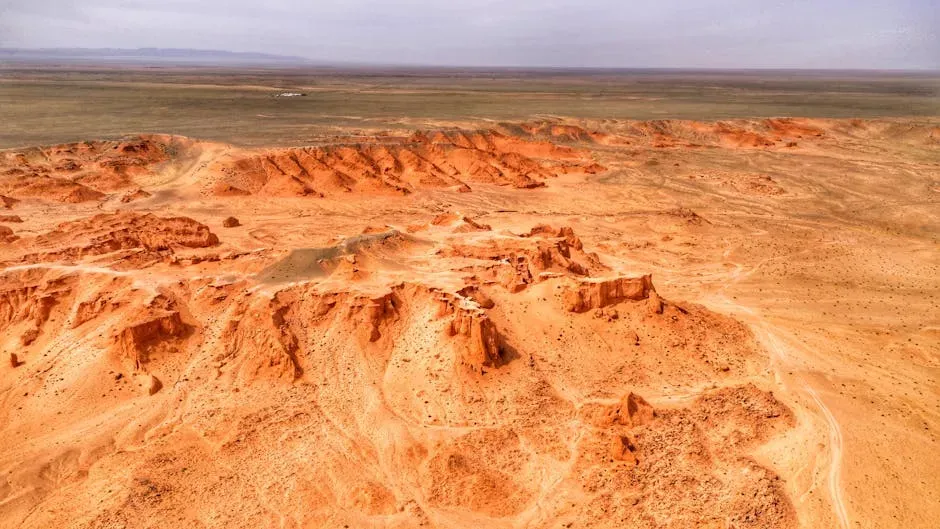
Every confirmed Velociraptor fossil has come from Mongolia and nearby regions of China. These were animals of arid Central Asian landscapes – semi-desert environments with seasonal extremes, sparse vegetation, and prey species that look almost nothing like the fauna depicted in the films. The franchise placed its raptors in lush tropical island settings that the real animals never inhabited and couldn’t have reached. The geographic mismatch isn’t a minor detail. It’s a completely different world.
The North American settings in the films actually hosted different – and in some ways more formidable – relatives like Deinonychus and Utahraptor. No evidence puts Velociraptor mongoliensis anywhere near that continent. The American backdrop was storytelling convenience dressed up in a real animal’s name. It’s a small irony that the creature Hollywood chose for its desert-island thriller actually lived in a real desert – just on the other side of the planet, 70 million years earlier, looking nothing like what ended up on screen.
At a Glance
- Where it actually lived: Semi-arid Gobi Desert, Mongolia and Inner Mongolia, China
- Key fossil sites: Djadochta Formation and Bayan Mandahu Formation
- Nearest real-world relatives in North America: Deinonychus (up to 4.8 m long) and Utahraptor (up to 7 m long, 500 kg)
- Typical prey: Small mammals, lizards, and juvenile dinosaurs – not adult humans or large herbivores
- Habitat conditions: Sandy, dry terrain – many specimens were buried alive in sudden sandstorms
#2 – A Single Fossil Proved the Feathers Beyond Any Doubt
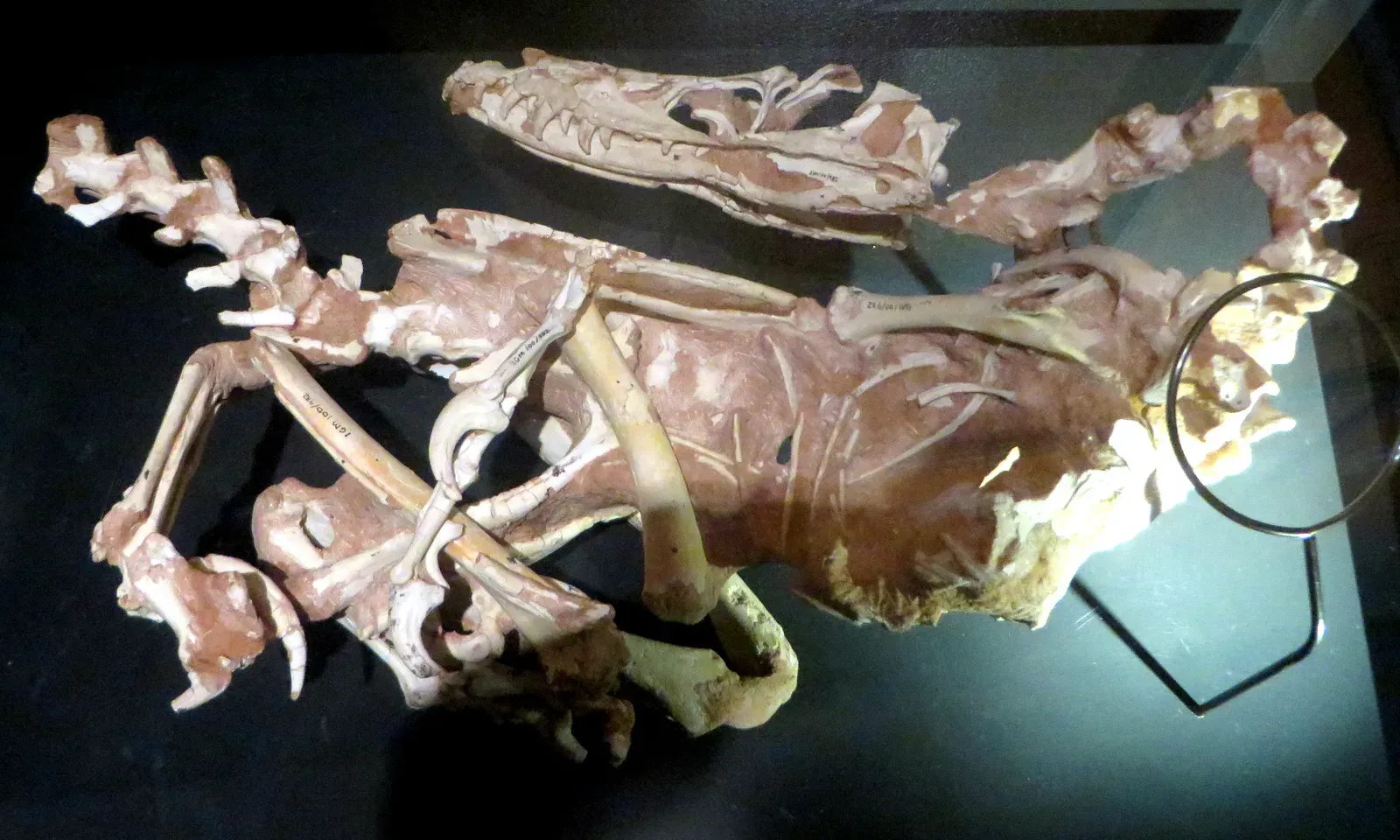
For years, the feathering argument rested on relatives – closely related species from China that showed clear feather impressions in exquisite detail. Compelling, but technically circumstantial for Velociraptor itself. Then in 2007, a specific forearm fossil changed everything. Six distinct quill knobs were identified on the ulna – the exact same structures that anchor secondary flight feathers in modern birds. This wasn’t a related species or an inference. This was Velociraptor’s own bone, bearing direct physical evidence of large, vaned feathers.
The spacing of those quill knobs suggests a full set of secondary feathers running along the forearm, similar in layout to a large flightless bird’s wing. Not useful for flight – the arms were too short – but unambiguously bird-like in structure and coverage. The 2007 discovery, published in the journal Science by paleontologists Alan Turner, Mark Norell, and Peter Makovicky, made the movie’s scaly aesthetic instantly obsolete in scientific circles. Any reconstruction produced after that date showing a scale-covered Velociraptor is working from outdated information. The real animal had feathers. Full stop. The image needs to be retired.
#1 – The Fighting Dinosaurs Fossil Rewrites Everything About How They Hunted
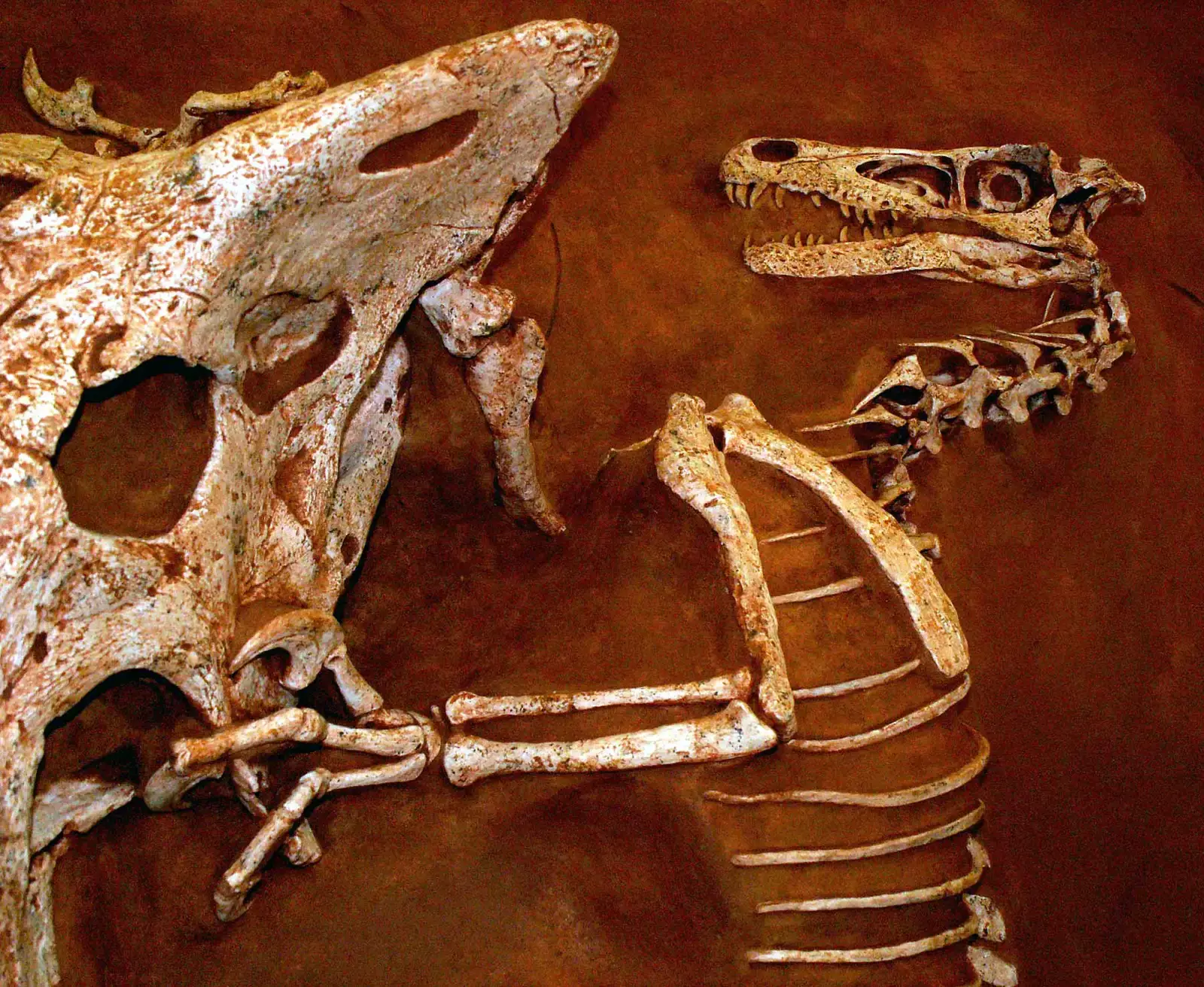
Of all the Velociraptor fossils ever found, none tells a more visceral story than the Fighting Dinosaurs specimen from Mongolia’s Djadochta Formation. Preserved in extraordinary three-dimensional detail, it shows a Velociraptor and a Protoceratops – a sheep-sized horned dinosaur – locked in what was clearly the last moment of both their lives. The raptor’s sickle claw is embedded in the Protoceratops’s throat. The Protoceratops has the raptor’s arm clamped in its beak. They died together, mid-struggle, almost certainly buried alive by a collapsing sand dune during a storm.
The fossil is breathtaking as a scientific document and as a window into raw prehistoric reality. But its most important contribution to the raptor debate is what’s missing from the scene: any other Velociraptor. This was a solo hunt against dangerous prey – prey that fought back hard enough to take the predator down with it. The image of calculating pack hunters coordinating complex ambushes crumbles against this single frame of desperate, solitary violence. The real Velociraptor wasn’t a chess player. It was a lone predator taking lethal risks, feathered and turkey-sized, 70 million years from the nearest film studio.
Why It Stands Out
- Discovered in 1971 by a Polish-Mongolian expedition at the Tugriken Shire locality of the Djadochta Formation
- The Velociraptor’s preserved S-curved neck indicates it was buried alive, not dead before burial
- The Protoceratops broke the Velociraptor’s right arm mid-struggle – confirming the prey fought back hard enough to injure the predator
- The specimen is now considered a national treasure of Mongolia and was loaned to the American Museum of Natural History in 2000
- Kenneth Carpenter’s 1998 analysis confirmed the sickle claw was a piercing weapon, not a slashing one – later vindicated by biomechanical studies
The Verdict
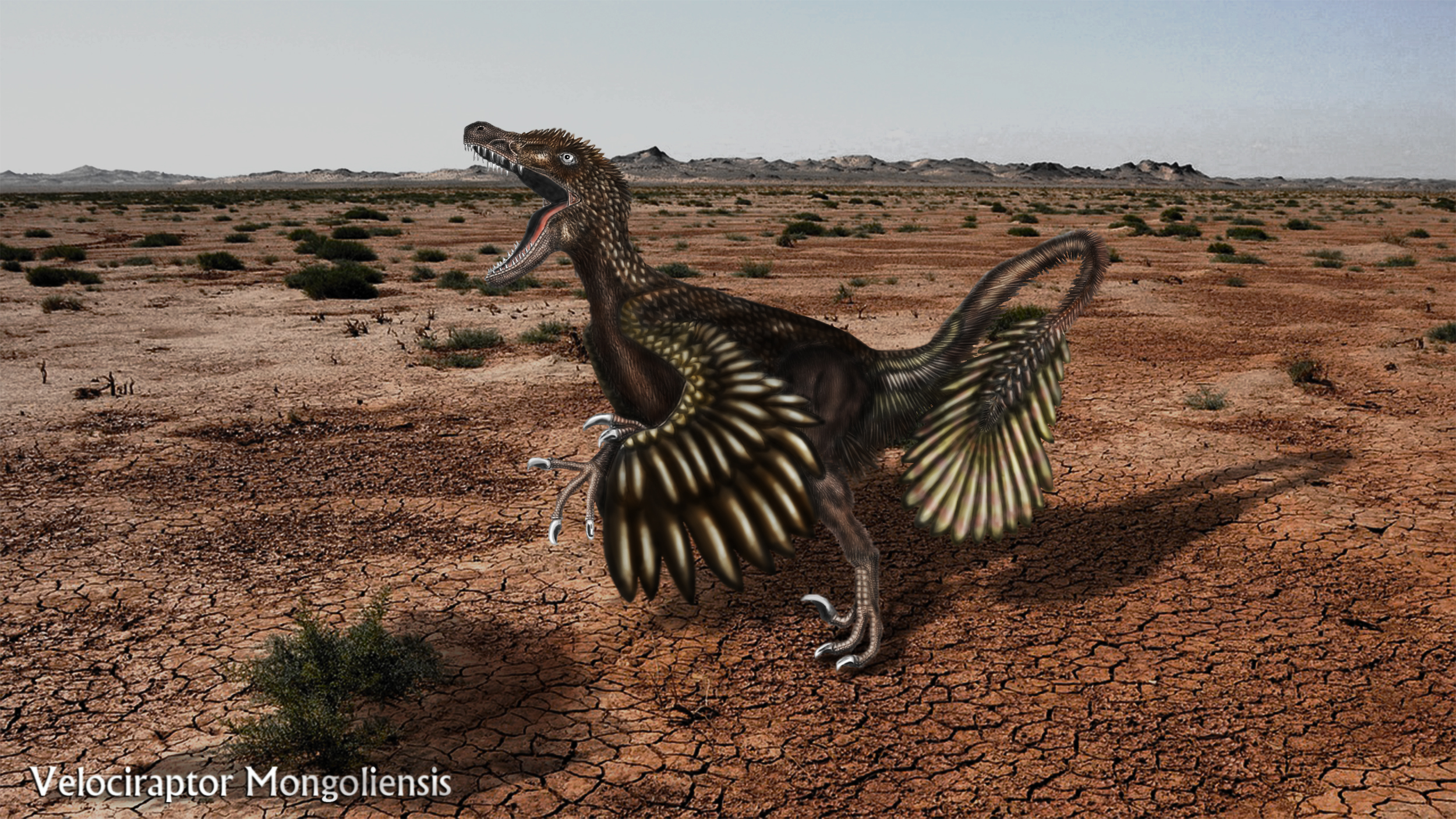
Here’s the uncomfortable opinion: Hollywood didn’t just take creative liberties with Velociraptors. It replaced them entirely. The creature in those films – large, scaly, pack-hunting, American, Jurassic – shares almost nothing with the actual fossil record beyond a name and a curved claw. The real Velociraptor was a feathered, hawk-brained, desert-dwelling Central Asian predator barely bigger than a border collie, and it was arguably more fascinating for all of that. A feathered dinosaur pinning prey with talon-like claws in the Mongolian desert, hunting alone against animals that could kill it – that’s a genuinely compelling animal. It just doesn’t sell as many action figures.
The films deserve credit for making paleontology exciting for millions of people. But three decades of discoveries have quietly dismantled almost every detail the franchise got wrong, and popular culture hasn’t caught up. At some point, the pop-culture raptor becomes more mythology than science – and mythology, however entertaining, shouldn’t be mistaken for the real thing. The actual Velociraptor earned its reputation on its own terms. It deserves a better portrayal than the one it got.