If you grew up picturing dinosaurs as slow, swamp-dwelling brutes, Deinonychus is the animal that blows that image to pieces. This mid‑sized predator from the Early Cretaceous never became as famous as Tyrannosaurus, but behind the scenes it quietly launched a scientific revolution. It forced paleontologists to admit something many had resisted for decades: dinosaurs were not just big lizards, they were active, clever, and in many ways startlingly bird‑like.
What fascinates me about Deinonychus is that it changed minds more than it changed museum labels. One fossil species helped flip an entire field from lumbering cold‑blooded monsters to agile, dynamic animals racing through complex ecosystems. Once you see how much evidence is packed into these bones, it is almost impossible to go back to the old view. By the time you reach the end of this story, you may never look at a “raptor” the same way again.
The Discovery That Shook the Dinosaur World
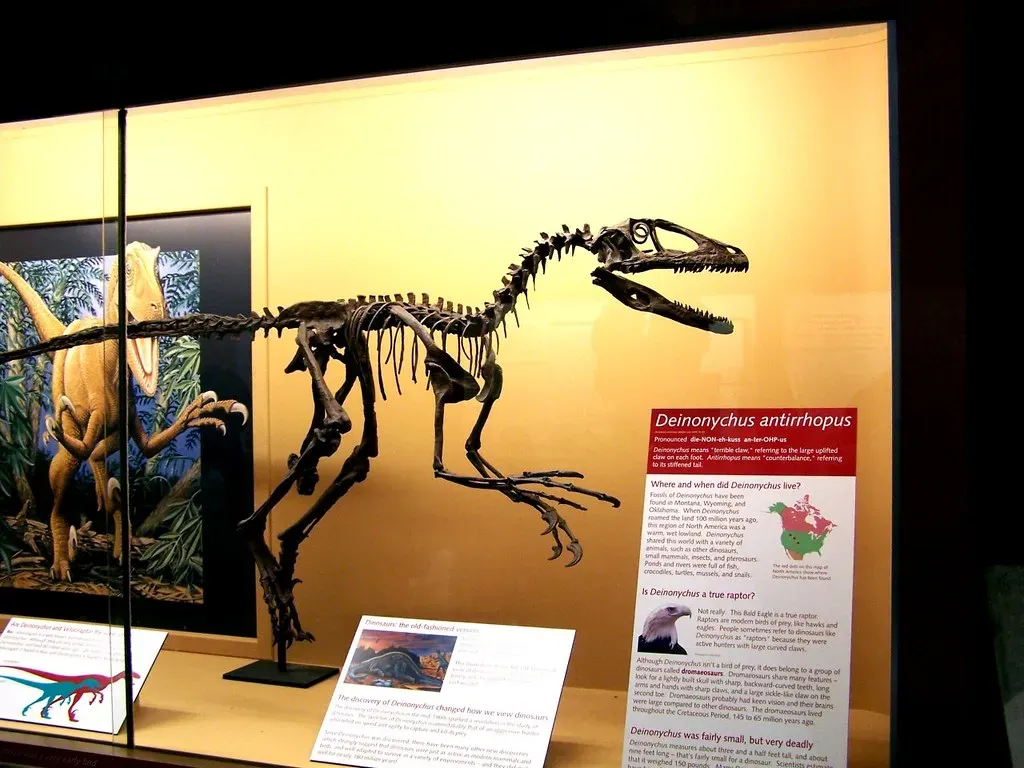
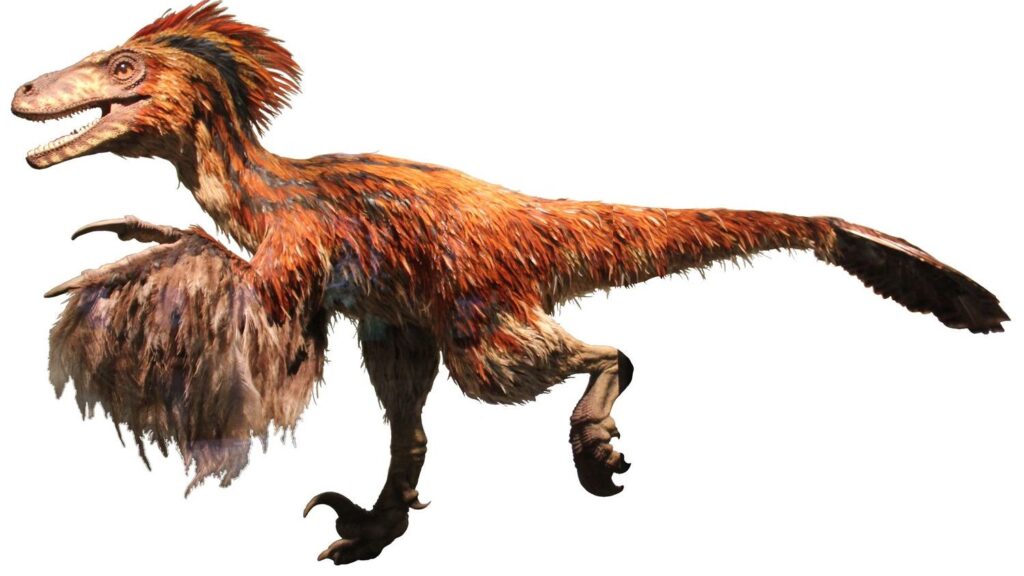
The story really starts in the 1960s, when American paleontologist John Ostrom studied strange fossils from Montana that did not fit the old stereotypes. These fossils belonged to a predator about the size of a large dog, with long legs, grasping hands, and that famous sickle‑shaped claw on the second toe. Instead of a sprawling, crocodile‑like posture, the limb bones screamed agility and balance, like a fast‑moving hunter built for quick, precise attacks. It was like someone had slipped a big predatory bird into a box labeled “reptiles.”
When Ostrom named it Deinonychus, meaning “terrible claw,” he was not just describing a weapon; he was hinting at a whole new lifestyle. The skeleton suggested an alert, active animal holding its body horizontally, tail stiffened as a counterbalance, with those sickle claws retracted off the ground and ready to strike. That single reinterpretation – the idea of a dynamic, upright, energetic dinosaur – began to unravel decades of assumptions. Many scientists were skeptical at first, but the fossils were stubborn, and they forced a slow, unavoidable change in thinking.
From Sluggish Reptiles to the Dinosaur Renaissance
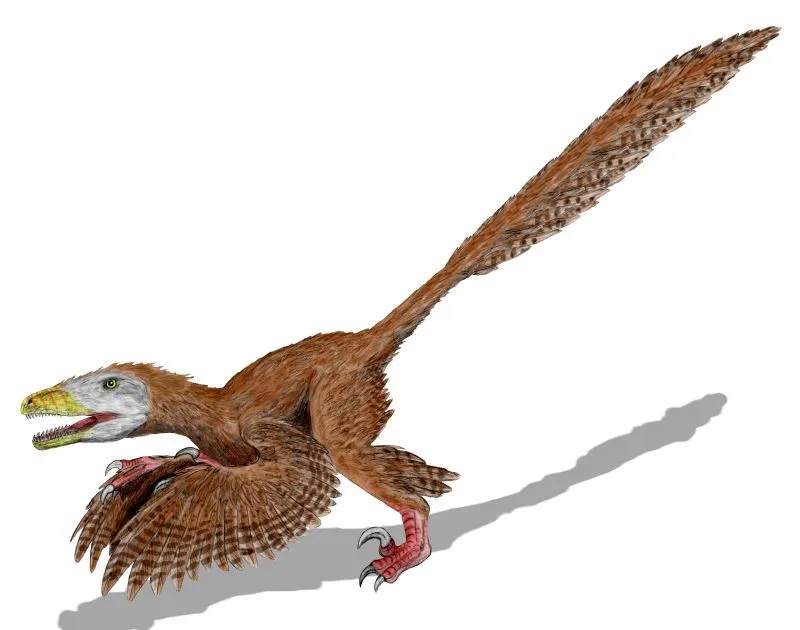
Before Deinonychus, many textbooks portrayed dinosaurs as evolutionary dead ends: big, clumsy, and ultimately doomed. They were often described as barely more advanced than giant lizards, lumbering around swamps and collapsing under their own weight. Deinonychus made that picture look embarrassingly outdated. Its anatomy implied quick reflexes, strong leg muscles, and a body built for sudden bursts of speed, not a life spent wallowing in the mud. It was more athlete than relic.
This shift helped spark what people now call the “dinosaur renaissance,” a period from the late twentieth century onward when scientists began reexamining nearly everything about dinosaur biology. Ideas that had once been fringe – like warm‑blooded metabolism, sophisticated behavior, and complex social lives – suddenly seemed reasonable. Deinonychus was not the only piece of evidence, but it was like the match that lit the pile of dry kindling. Once researchers accepted that one dinosaur could be so active and bird‑like, it opened the door to asking whether many others were the same.
The Terrible Claw and the Athlete’s Body
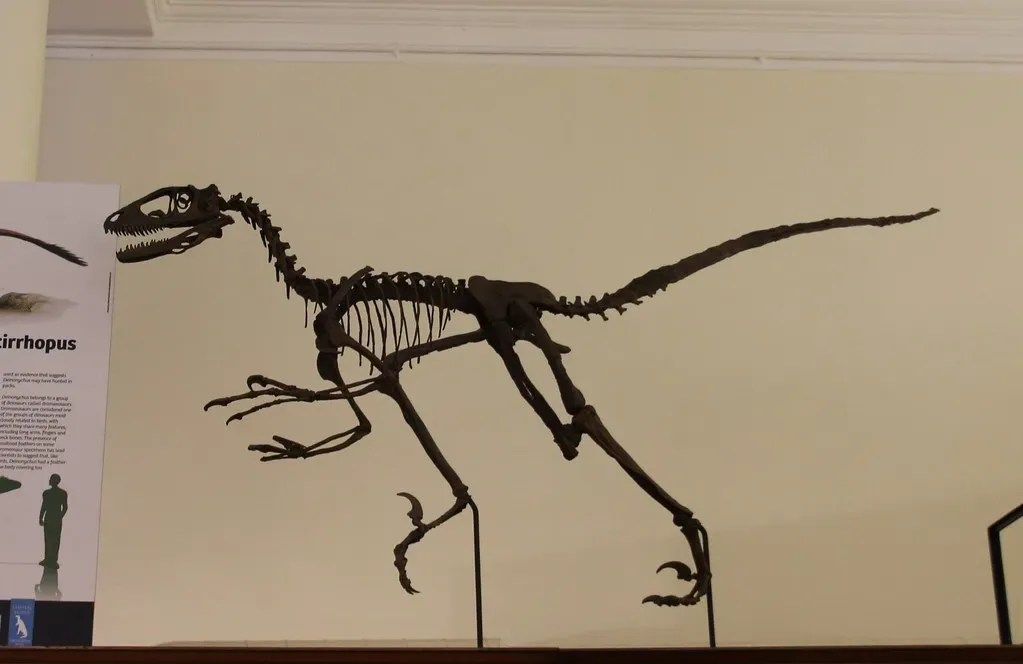
That single enlarged claw on each foot is the celebrity feature, but if you only focus on the weapon, you miss the rest of the story. The foot bones show that the sickle claw was held off the ground, probably to keep it sharp, while the animal ran on the other toes. This suggests a very specific style of attack, more like a precise stabbing tool than a general‑purpose talon. The leg proportions point to a fast runner, and the hip structure supports a narrow, upright, bird‑like gait rather than a sprawling stance.
Even the tail, often ignored in casual discussions, plays a crucial role in understanding how Deinonychus lived. Stiffened by long bony rods, it functioned like a built‑in balancing pole, stabilizing the body during fast turns or leaps, much like a tightrope walker using a long staff. Combine that with flexible arms and grasping hands and you get a predator that could coordinate its body in three dimensions, not just charge straight ahead like a bulldozer. The more you look at the skeleton, the more it looks like a carefully tuned athlete instead of a generic carnivore.
Bird‑Like Bones and the Dinosaur–Bird Connection
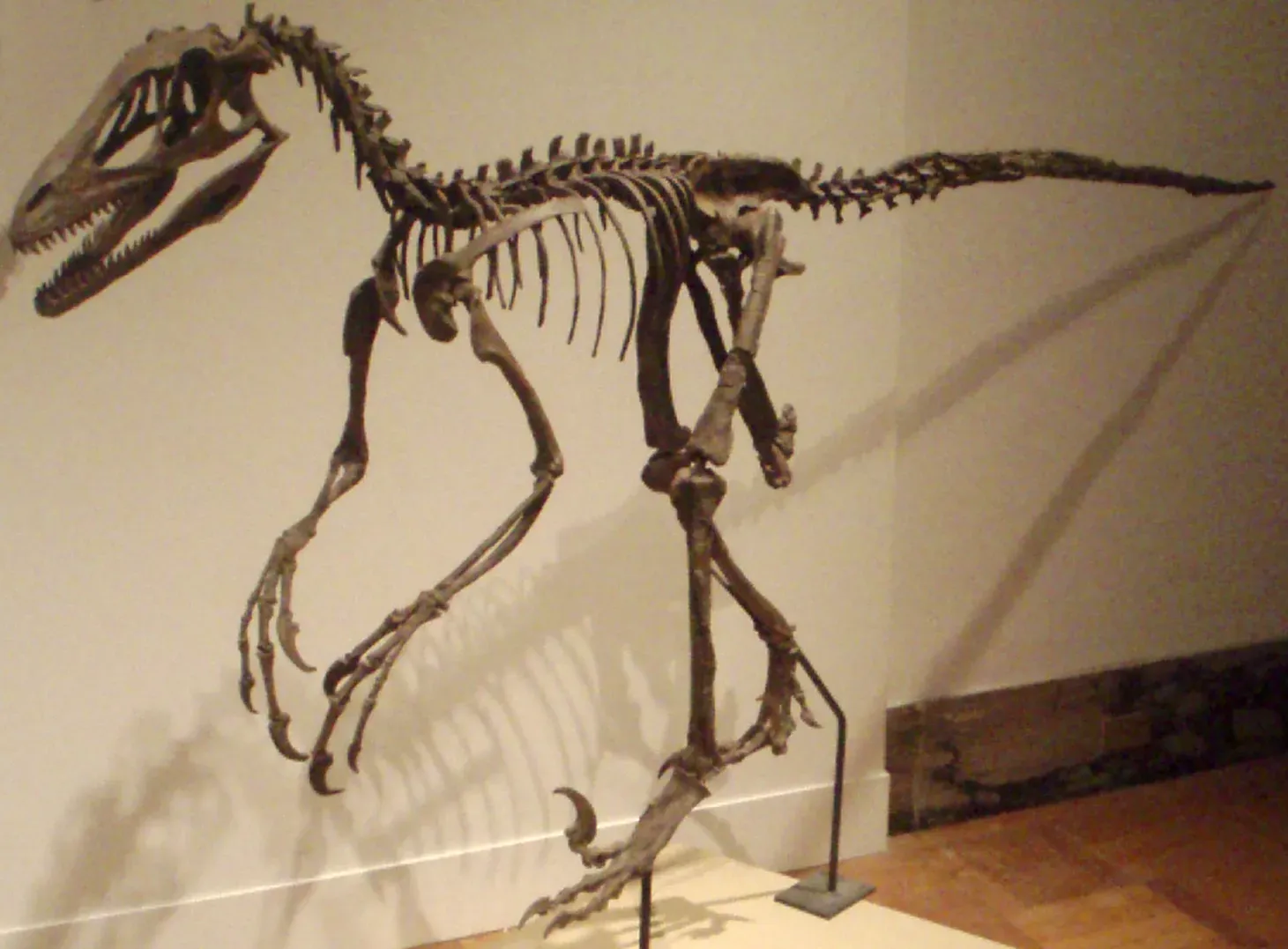
For me, the most mind‑bending impact of Deinonychus is how decisively it strengthened the link between dinosaurs and birds. Before this, the idea that birds were living dinosaurs floated around, but many researchers treated it as speculative. Deinonychus changed that mood. Its hands had three functional fingers with curved claws, its wrists allowed the kind of motion you see in the wings of birds, and its overall limb structure felt eerily familiar if you have ever looked closely at a bird skeleton. It was as if someone had taken a hawk and dialed certain features back to an earlier, more primitive setting.
These anatomical echoes helped convince a growing number of scientists that birds did not just “descend from” dinosaurs in a vague way – they actually are small, feathered dinosaurs that survived a mass extinction. Later discoveries of feathered relatives in China and elsewhere reinforced this picture, but Deinonychus was one of the first fossils to make the connection feel undeniable. Once you accept that, everything shifts: birds are no longer a separate, delicate branch of life; they are the surviving raptor clan, still darting around our backyards and city streets.
Warm‑Blooded, Fast‑Thinking Predators?
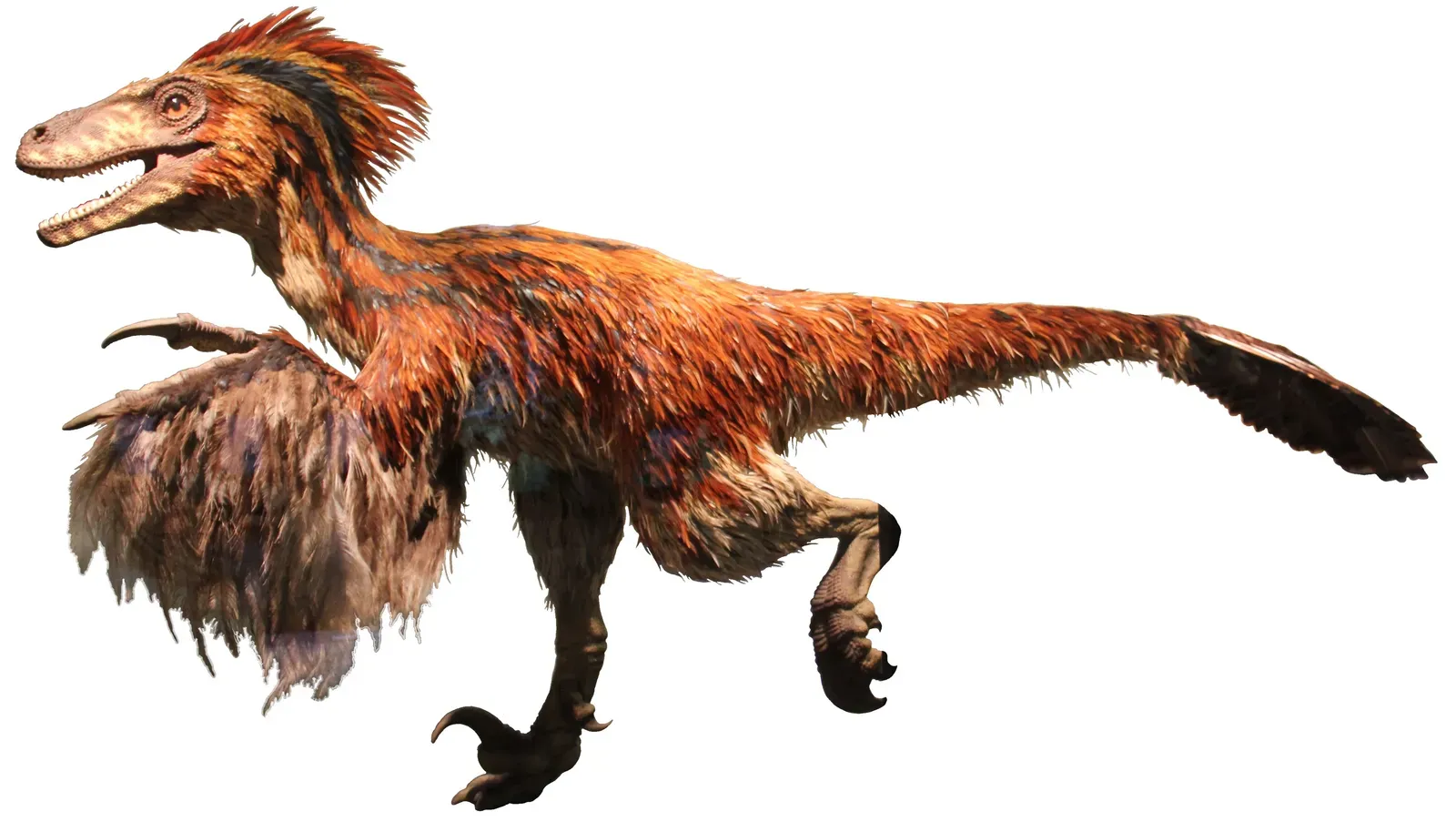
Deinonychus also pushed scientists to reconsider dinosaur metabolism and behavior. Its body plan did not make much sense if you assumed a slow, cold‑blooded lifestyle similar to modern reptiles. Long legs built for speed, strong thigh muscles, and a big chest region for powerful breathing all line up more naturally with an active, warm‑blooded animal. The skull houses relatively large eye sockets and space for a decent‑sized brain compared with many other dinosaurs, which hints at sharp senses and more complex behavior.
Of course, we still cannot put a fossil on a treadmill or attach a heart monitor, so some details remain debated, and they probably always will. But Deinonychus nudged the conversation away from “dinosaurs as oversized lizards” toward something closer to “dinosaurs as land‑roaming versions of large predatory birds and mammals.” Even the idea of coordinated hunting – the possibility that these animals sometimes worked together – grew partly from the way multiple skeletons have been found near the same herbivorous prey species. While that specific behavior remains controversial, the fact that it was on the table at all shows how dramatically our expectations had changed.
Pop Culture Raptors vs. the Real Animal
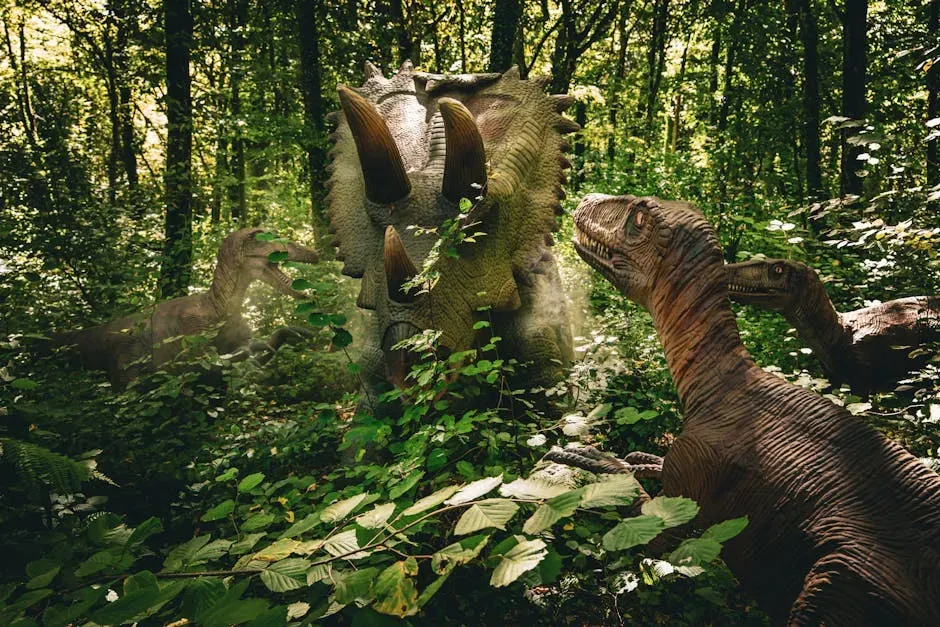
Most people meet a version of Deinonychus through movies and games, even if they do not realize it. The so‑called “Velociraptors” in many films are, in reality, closer in size and build to Deinonychus, just with a more marketable name. On screen, they are portrayed as hyper‑intelligent, pack‑hunting monsters with an almost human sense of strategy. The real animal was probably not quite that theatrical, but it was still impressive enough without any Hollywood enhancement. It just operated by the rules of real ecosystems instead of action‑movie scripts.
Personally, I do not mind that pop culture exaggerates some traits, as long as we remember that the science underneath is already fascinating. The idea of a feathered, fast‑moving predator with lethal toe claws and a bird‑like body plan is compelling all by itself. Recognizing that the movie version is a stylized cousin of an animal that once stalked real Cretaceous floodplains actually makes it more awe‑inspiring to me, not less. The truth is weird and wild in its own way, and Deinonychus shows that we do not have to invent new monsters when nature has already done such a good job.
How Deinonychus Rewired Our Imagination of Dinosaurs
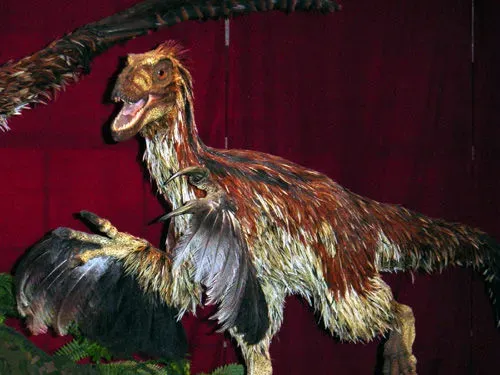
When you step back, the biggest legacy of Deinonychus is not just in technical debates about anatomy; it is in how we picture dinosaurs in our heads. Before, they were cinematic slow‑motion beasts; after, they became sharp‑eyed, agile, and in many cases feathered animals living fast, complex lives. This one species helped drag an entire image of prehistory into the modern world, turning dinosaurs from distant, almost mythical creatures into something that feels connected to the animals we see today. It did not just correct details; it rewrote the vibe.
That shift matters because imagination drives curiosity. Kids who see dinosaurs as dynamic and bird‑like are more likely to ask deeper questions about evolution, ecosystems, and how life responds to catastrophe. Deinonychus sits right at that crossroads between old myth and new understanding, between “giant reptiles” and “living dinosaurs in the sky.” In a way, you can draw a straight line from those Montana fossils to the way we now talk about climate, extinction, and survival. Once you realize that a sparrow and a raptor share an ancient family tree, the world outside your window never looks quite the same again.
Conclusion: The Dinosaur That Refused to Stay in Its Box
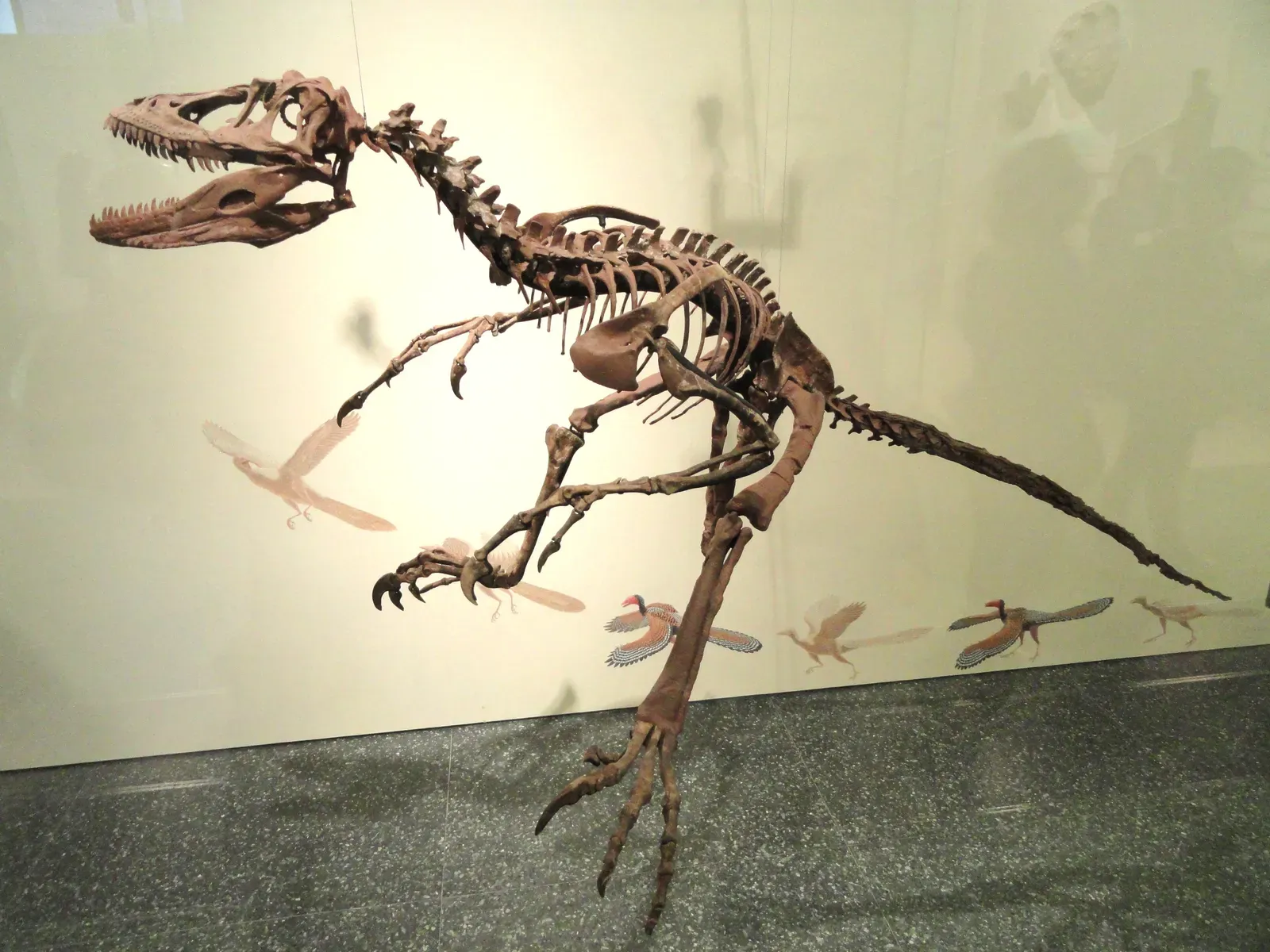
I think the reason is simple: it refused to fit into the box we had built for it. Its bones contradicted the lazy, swamp‑dweller stereotype at every turn, forcing scientists to admit that their mental picture was wrong. From there, the dominoes fell one by one – activity levels, warm‑blooded possibilities, bird connections, behavior, all of it. In my view, few fossils have done more to drag a whole field forward than this wiry predator with a knife on each foot.
To me, Deinonychus is a reminder that nature does not care about our categories; it just is what it is, and our job is to catch up. The same way this animal shattered the “big dumb reptile” story, future discoveries will probably overturn some of our current certainties. That is exactly why its legacy matters so much: it taught us that dinosaurs are not symbols of failure but of adaptation, energy, and surprising continuity with the living world. When you watch a hawk dive or a crow solve a puzzle, you are seeing a little echo of that old Cretaceous hunter – did you ever imagine that the most important dinosaur revolution might be perched on a telephone wire, staring right back at you?