If you picture a “raptor” dinosaur, your mind probably jumps straight to the classic, sickle-clawed Velociraptor racing across a desert or leaping through a jungle. But tucked away in the fossil beds of Patagonia is a predator that quietly rewrites that mental image: Austroraptor, a strange, long-snouted hunter that looks more like a mash-up between a dromaeosaur and a small prehistoric crocodile. It is one of those dinosaurs that almost no one outside paleontology circles talks about, yet it might be one of the most fascinating carnivores South America ever produced.
What makes Austroraptor so captivating is not just what we know, but also how much we still do not fully understand. It sits at this perfect crossroads between familiar and alien: a “raptor” with stubby arms, a long low skull, and teeth that look more like they belong in a fish eater than a movie monster. The more you look at it, the more questions pop up. How did it hunt? What did it really look like in life? And why has this bizarre predator been so overshadowed in popular culture by its northern cousins?
A Long-Snouted Raptor That Defied Expectations
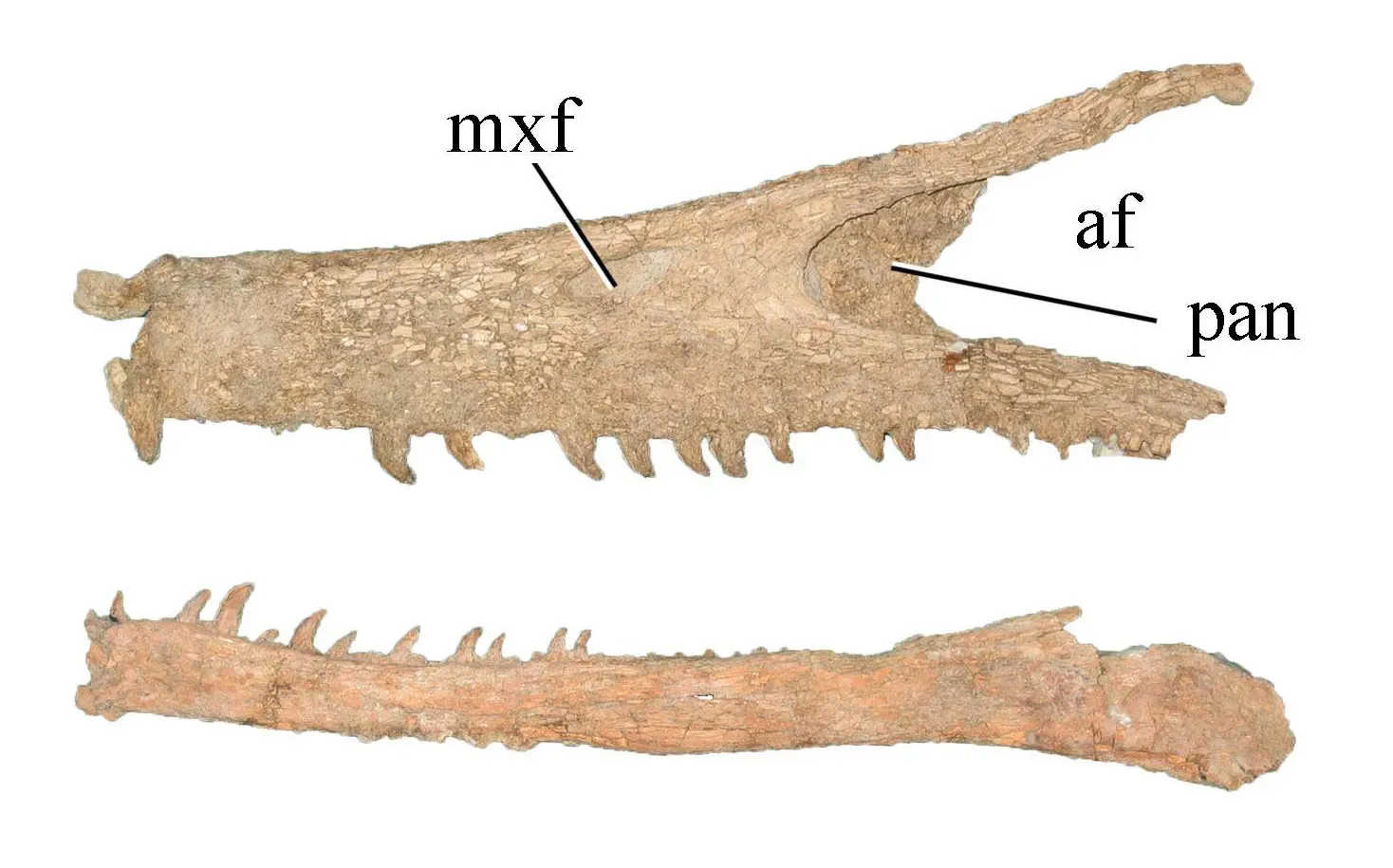
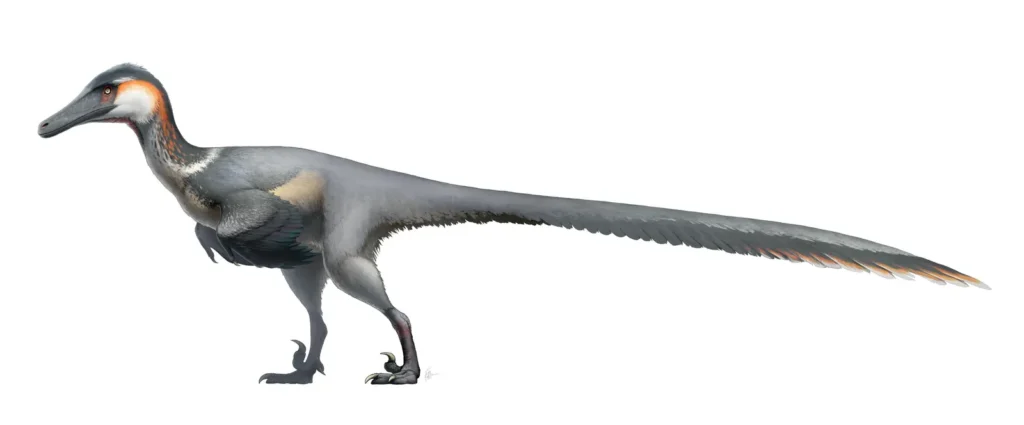
Austroraptor cabazai was first described from Late Cretaceous rocks in Patagonia, Argentina, and right away it shook up what scientists thought a raptor “should” look like. Instead of a short, high skull like the classic Velociraptor type, Austroraptor’s head was long, low, and narrow, closer in profile to some fish-eating theropods or even to a scaled-down spinosaurid. Add to that a mouth lined with small, conical, relatively smooth-sided teeth rather than the blade-like, serrated killers you see in many other theropods, and you get an animal that looks like it was built for a different kind of lifestyle.
On top of the strange skull, its arms were surprisingly short for a dromaeosaur, a group usually associated with big, grasping forelimbs. This is one of those details that makes you slow down and rethink the stereotype of all “raptors” as the same basic template with minor tweaks. Austroraptor had the classic dromaeosaur sickle claw on its foot, sure, but the rest of the body plan shows that evolution was happily experimenting with new combinations. For me, that alone makes it more interesting than yet another clone of the North American versions we see in every documentary and toy aisle.
Patagonia’s Mysterious Late Cretaceous Ecosystem
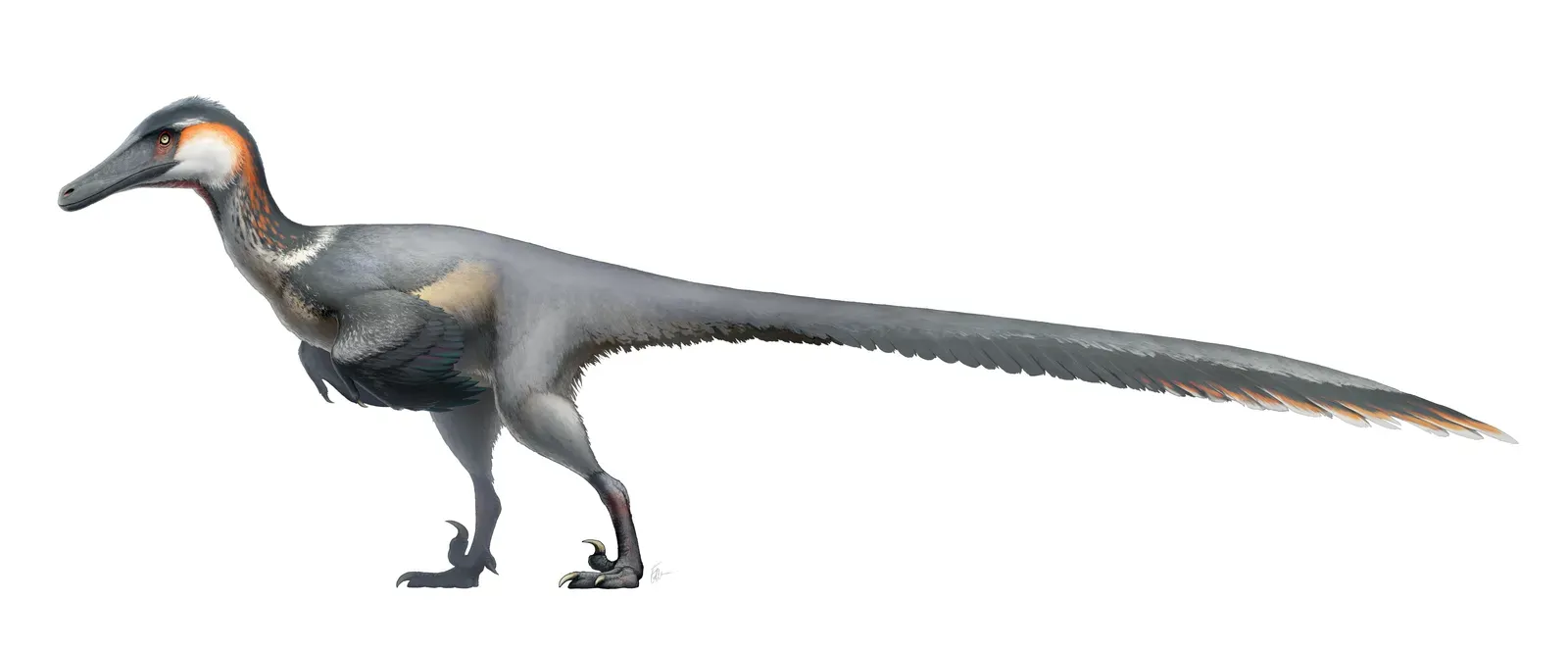
Austroraptor lived in what is now Patagonia during the very end of the Cretaceous Period, roughly the same slice of time when Tyrannosaurus was ruling North America. But South America was its own world then, an island continent with its own evolutionary experiments. Instead of tyrannosaur apex predators, you had abelisaurids with blunt skulls and bizarre proportions, and mixed among them, this long-snouted raptor quietly carving out its niche. That alone makes Austroraptor feel like a reminder that there was never a single “default” dinosaur ecosystem.
Picture broad floodplains, river channels, and coastal lowlands full of titanosaurs, small ornithopods, and all sorts of crocodyliforms and flying reptiles. In that crowded scene, a medium to large dromaeosaur like Austroraptor would not have been some unstoppable movie monster, but one more player in a tangled food web. I like to imagine it weaving through coastal forests or riverbanks, maybe targeting smaller dinosaurs, juveniles of larger species, or even fish and other aquatic animals along the water’s edge. The frustrating truth is that the fossil record gives us only fragments of that world, but those fragments are enough to suggest a complex ecosystem that was far more than just a southern echo of North America.
Built for Speed: Body Shape and Hunting Style
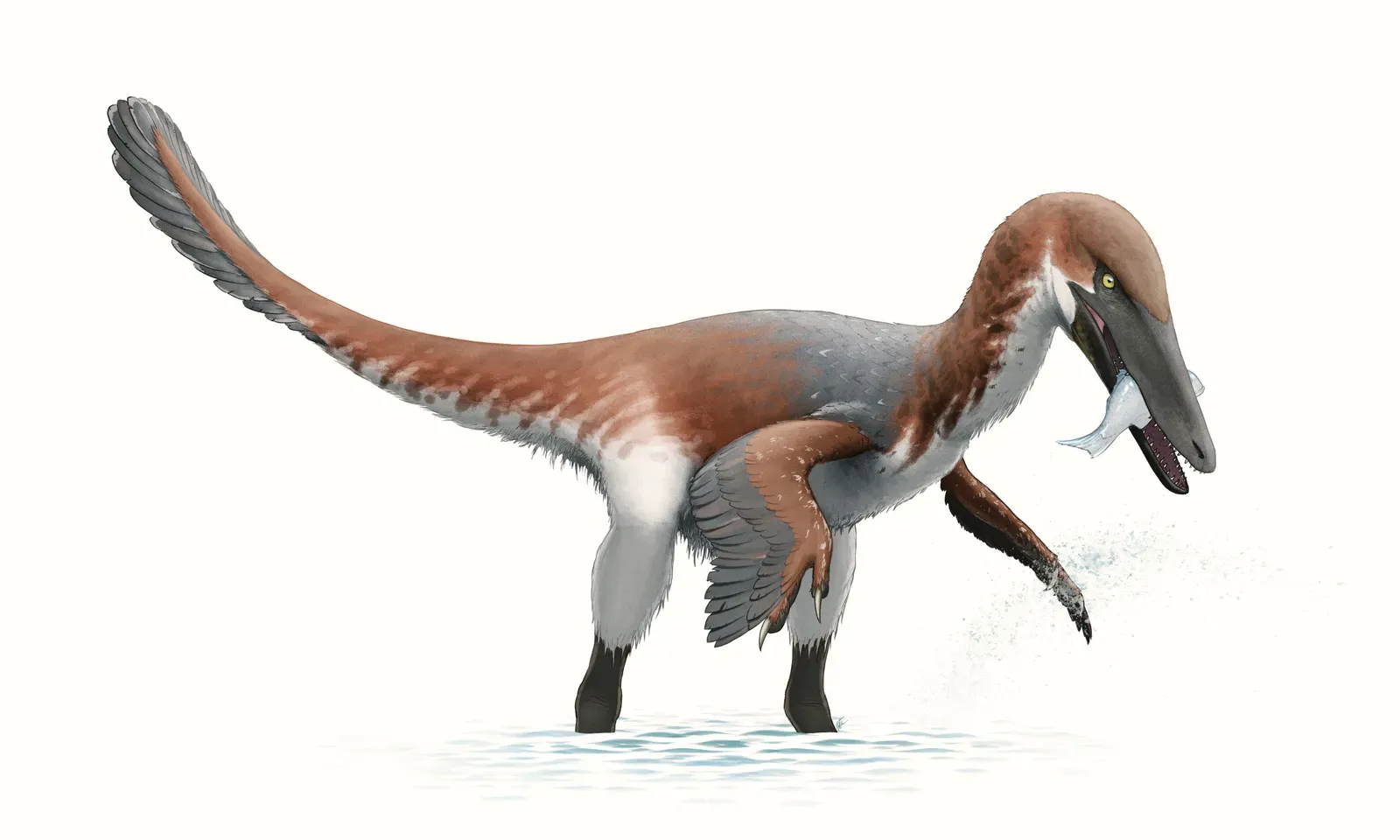
Even though Austroraptor is not known from a perfectly complete skeleton, what we have strongly hints at an animal built for movement. It was a relatively large dromaeosaur, likely several meters long, with a long tail for balance and hindlimbs that look like they belonged to a fast runner. Combine that with a low, aerodynamic skull and you start to see a predator that might have favored quick pursuits or sudden dashes rather than brute-force grappling, especially since its forelimbs were not as robust and grasping as those of some other raptors.
When I try to mentally reconstruct how it hunted, I do not see the dramatic leaping throat attacks we have been trained to imagine from movies. Instead, I picture something more like a ground cheetah mixed with a heron: speed across open patches, sudden bursts to snatch smaller prey, and a head that could dart sideways to grab something along a riverbank or shallow water. That is speculation, of course, but it fits the anatomical hints we have. In my opinion, this makes Austroraptor more interesting, not less, because it forces us to think beyond the same old “pack-hunting super-raptors” trope and instead consider a whole spectrum of predatory styles.
Short Arms, Big Questions: Why So Stumpy for a Raptor?
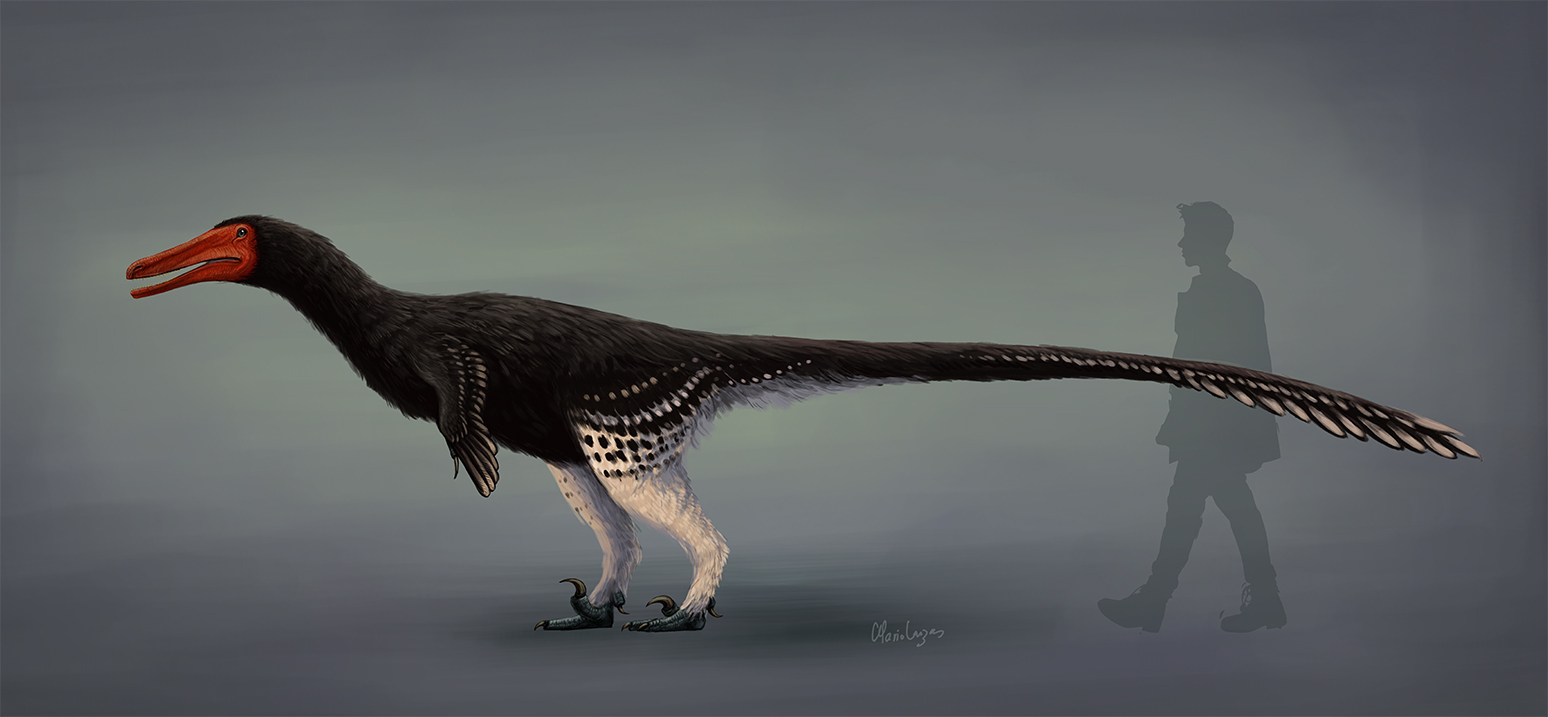
One of the most striking things about Austroraptor is those oddly reduced forelimbs. In a group famous for long, grasping arms that likely grabbed and pinned prey, this animal shows limb proportions that look more like something from the tyrannosaur playbook. This is a huge red flag that its hunting strategy and behavior might have diverged in a meaningful way from the usual dromaeosaur model. When a lineage starts changing a major feature like forelimb length, it is usually chasing a different ecological role.
There are a few ways to interpret this, and none of them are proven beyond doubt. Maybe Austroraptor leaned more heavily on its jaws and feet, using the sickle claw and powerful legs to subdue prey while the arms took a back seat. Maybe those short arms were still useful in close-quarters maneuvering or holding struggling animals close to its body, just not to the dramatic degree we tend to imagine. I personally think this is one of the best reminders in dinosaur science that we should not assume all members of a group behave the same way. Anatomy is messy, evolution is creative, and Austroraptor is a poster child for that chaos.
Feathers, Appearance, and the Limits of What We Know
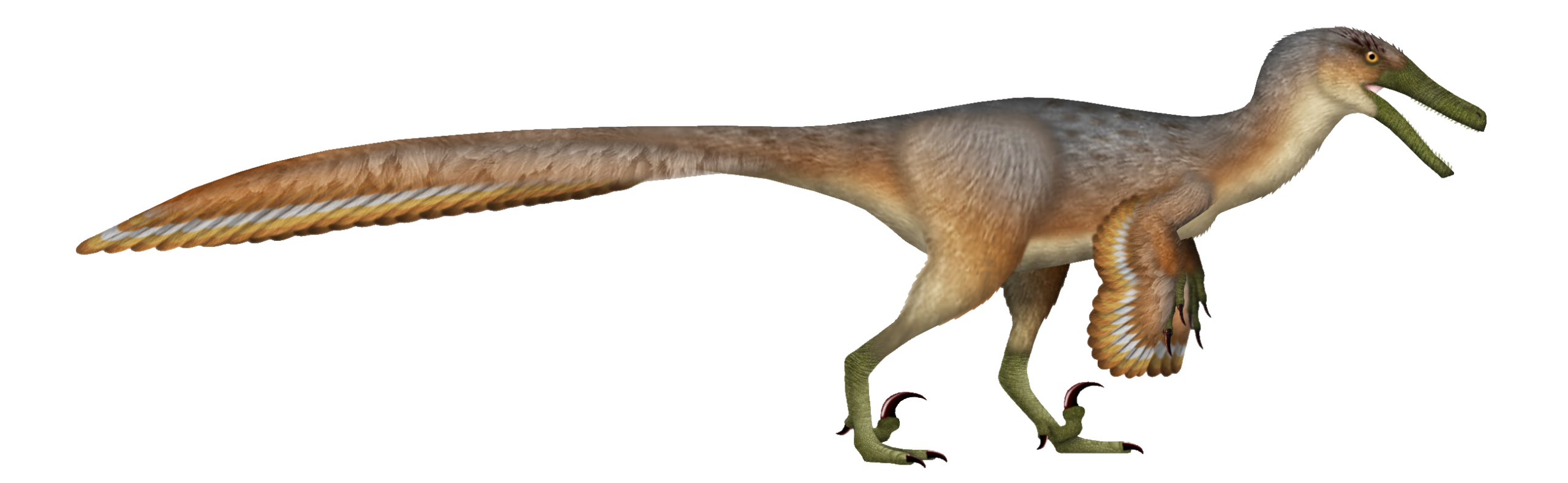
Whenever any raptor dinosaur comes up, the feather question is not far behind, and Austroraptor is no exception. We do not have direct feather impressions from this animal, which is a bit of a heartbreak, but its placement within Dromaeosauridae and the broader group of birdlike theropods makes it very likely that it had at least some kind of feather covering. That does not mean it looked like a modern bird in every detail, but the idea of a completely naked, scaly Austroraptor is getting harder and harder to defend scientifically.
In my mind, that gives it a far more striking visual presence than the usual bare-skinned movie raptors. Imagine a long, low-skulled predator with a sleek coat of feathers, maybe darker along the back and lighter along the underside, stalking through Cretaceous wetlands. Maybe it had display feathers on its tail or arms that helped it communicate or intimidate rivals. We do not know the patterns or colors, and this is where we have to be very honest about the limits of evidence. Still, based on related species and the broader trend in feathered theropods, betting against at least some plumage on Austroraptor seems like wishful thinking.
Why Austroraptor Deserves More Fame Than It Gets
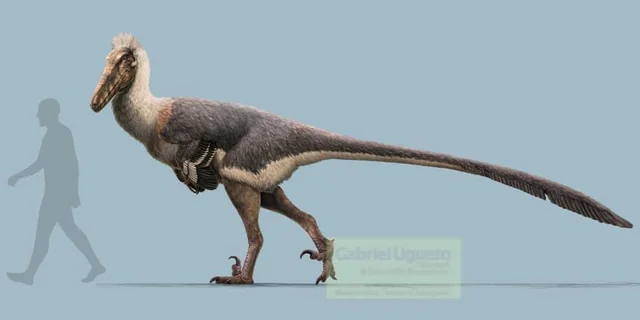
The strange thing about Austroraptor is how little space it occupies in the public imagination compared to its northern relatives. Names like Velociraptor and Deinonychus show up in movies, video games, and kids’ books constantly, while this long-snouted Patagonian cousin is usually left in the footnotes. Part of that is simple exposure: fossils from South America historically got less global media attention, and pop culture has been heavily tilted toward North America and Asia for decades. But part of it, I think, is that Austroraptor does not fit the familiar mental template of what a “raptor” is supposed to look like.
Personally, I find that misfit status exactly why it deserves more hype. It is an animal that forces us to admit just how narrow our popular dinosaur stories have been. A long-snouted, likely feathered, fast-running predator with short arms and conical teeth does not slide neatly into the standard villain or hero roles we have written for its relatives. And maybe that is a good thing. Remembering Austroraptor means remembering that evolution did not build dinosaurs to match our movie scripts. It built them to survive in real, messy ecosystems that varied from continent to continent, and South America’s forgotten hunter is one of the clearest reminders of that.
Conclusion: A Misfit Predator That Rewrites the Raptor Story
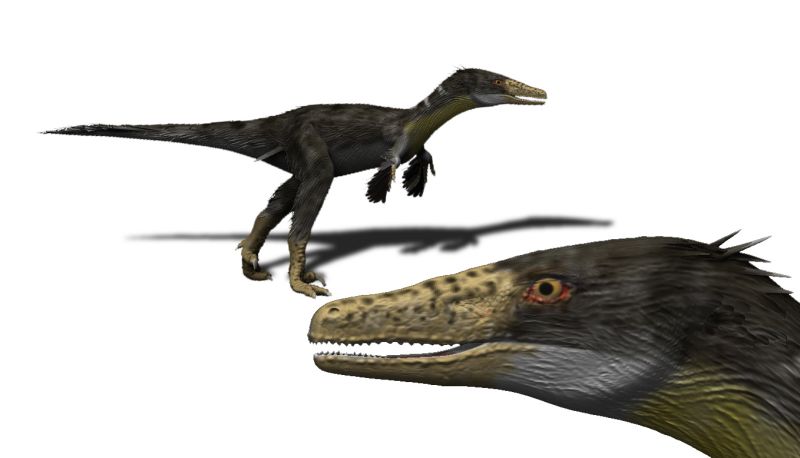
When you put all the pieces together, Austroraptor feels less like a background character and more like a key test of how seriously we take dinosaur science. It breaks the rules that movies and toys taught us about what a raptor should look like, with its long snout, stubby arms, and likely feathered body. To me, that is not a disappointment, it is a gift: a reminder that the real prehistoric world was stranger, more varied, and more creative than any franchise universe we could invent. If your idea of a “proper” dinosaur does not have room for Austroraptor, then maybe it is the idea that needs changing, not the fossil.
In my opinion, Austroraptor deserves to sit right alongside the big celebrity carnivores in our mental museum, not because it was the biggest or deadliest, but because it shows how flexible evolution can be with a basic predatory blueprint. It is a misfit that forces us to ask better questions: How many other lineages experimented with unexpected body plans? How many more long-snouted, feathered hunters are still waiting in unexcavated rock? The next time you hear the word “raptor,” will you still only picture the movie version, or will this odd, southern hunter elbow its way into that mental image too?