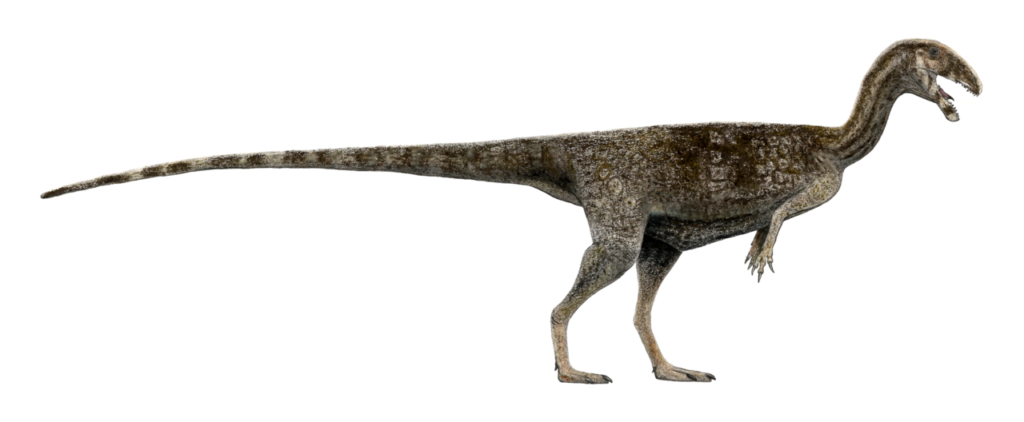
Imagine walking along a Late Cretaceous shoreline and spotting a small predatory dinosaur whose front teeth stick out of its jaw like a handful of crooked fishing hooks. That is basically what Masiakasaurus looked like, and its bizarre dental setup has puzzled paleontologists ever since it was first described. Most meat‑eating dinosaurs had blade‑like teeth that pointed straight down, built for slashing through flesh, not jutting forward at odd angles like this strange little hunter from Madagascar.
Those forward‑pointing teeth are not just a visual gimmick; they are a clue to a completely different way of feeding and living compared to the classic big predators people usually picture. When you look closely at the jaws and teeth of Masiakasaurus, you start to see a story about niche specialization, weird diets, and how evolution will happily bend the “rules” of dinosaur design if it opens up a new food source. Let’s dig into why this animal ended up with such an unconventional smile – and what that tells us about the world it lived in.
A Predator With A Backward (Actually Forward) Smile
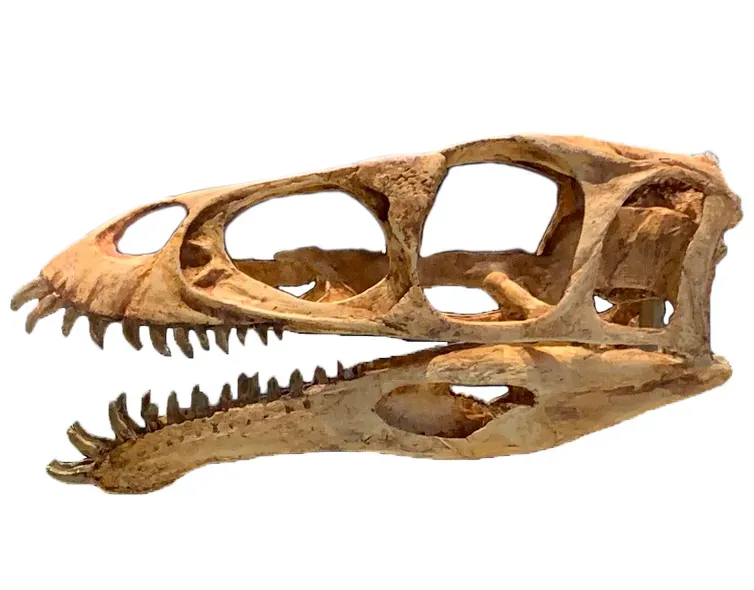
At first glance, the skull of Masiakasaurus looks almost cartoonishly wrong, as if someone grabbed the front teeth and tugged them outward. The anterior teeth in the lower jaw angle forward rather than straight up, giving the dinosaur a kind of snaggle‑toothed grin when the mouth is partly open. Further back in the jaws, the teeth look more “normal,” with sharper, more typical theropod shapes that point upward and are suited for slicing. This combination immediately signals that the front and back of the jaw were doing different jobs.
In a typical theropod like Allosaurus or even a smaller predator, the entire tooth row tends to be variations on the same basic theme: recurved, blade‑like teeth for gripping and tearing into relatively large prey. Masiakasaurus breaks that pattern completely. When I first saw a reconstruction, my gut reaction was that it looked more like a reptilian version of a snaggle‑toothed fish than a classic dinosaur hunter. That odd front‑loaded arrangement tells us evolution was responding to a very specific feeding challenge, reshaping the skull in a way that looks awkward to us but clearly worked well enough for the animal to thrive.
Built To Grab Slippery, Small, And Awkward Prey
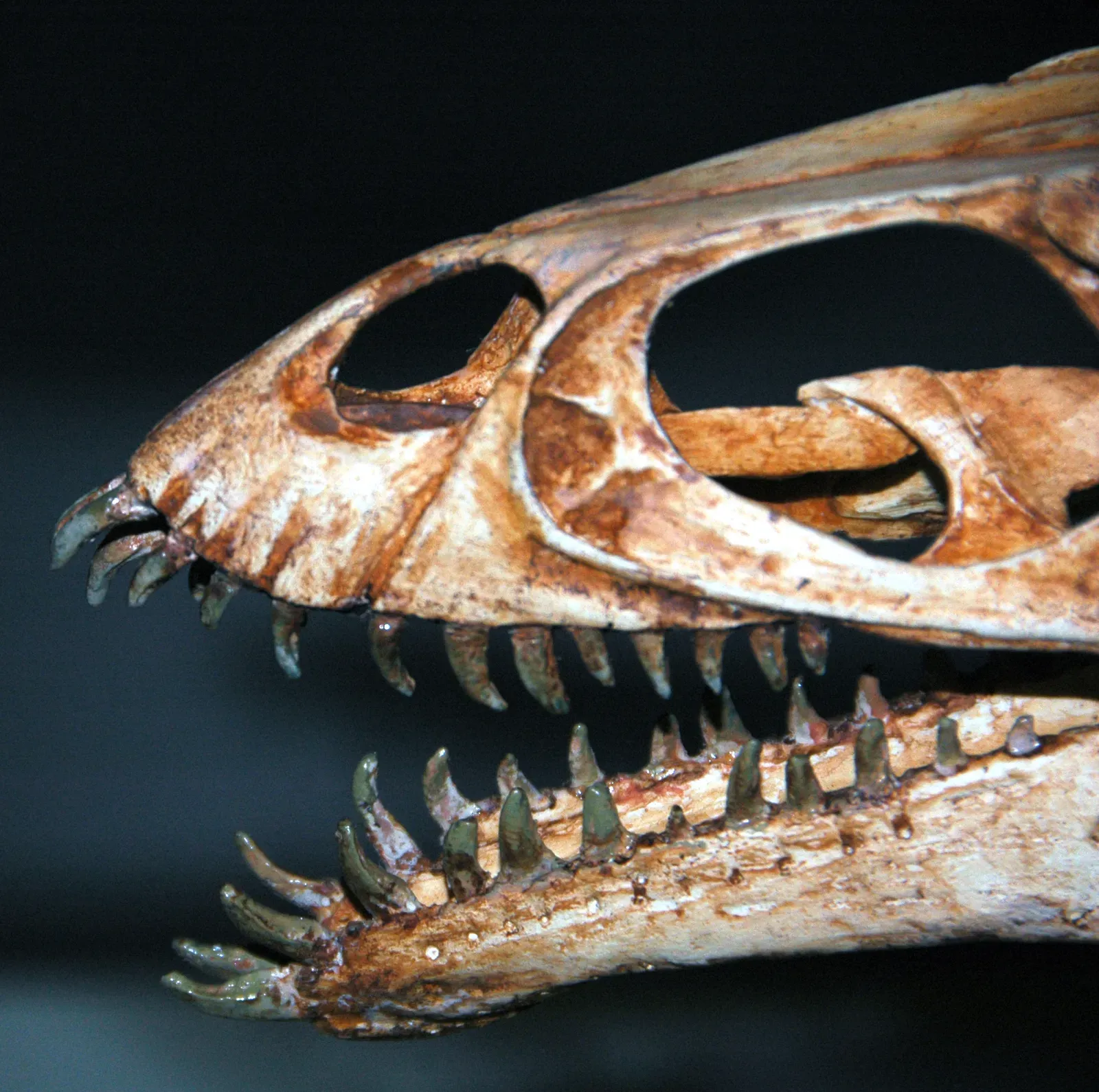
The leading idea among paleontologists is that those forward‑angled front teeth were an adaptation for catching and holding small, slippery prey rather than tackling large herbivores. Think fish, small reptiles, amphibians, or soft‑bodied animals that are hard to pin down with standard slicing teeth. The projecting teeth at the front could act almost like the tines of a fork or the barbs on a fishing spear, snagging prey as the jaw snapped shut instead of just biting straight down and hoping for friction. Once the animal had the victim pinned, the more traditional teeth further back could crush or slice it up.
This feeding strategy makes a lot of ecological sense. In a complex Late Cretaceous ecosystem, there would already have been larger predators dealing with big game. A smaller theropod that specialized in quick, hard‑to‑catch prey would avoid direct competition and carve out its own niche. If you have ever tried to grab a wet, wriggling fish with your bare hands, you know how easy it is for it to slip away; Masiakasaurus basically evolved a dental toolkit to solve that problem on a prehistoric shoreline or riverbank. Those teeth look strange to us, but they are exactly what you would engineer if your survival depended on nothing getting out of your bite once you made contact.
Front Teeth As Precision Tools, Not Just Weapons
What really stands out about Masiakasaurus is how specialized its front teeth are compared to the rest of the jaw. The anterior teeth are narrower, more peg‑like, and angle outward, while the teeth farther back are broader and more curved, closer to what you see in other small theropods. That contrast suggests a division of labor: the front teeth as precision graspers and the back teeth as the real processing machinery. Rather than being a generalist biter, this dinosaur seems to have used its mouth more like a multitool, with specific parts designed to do specific things.
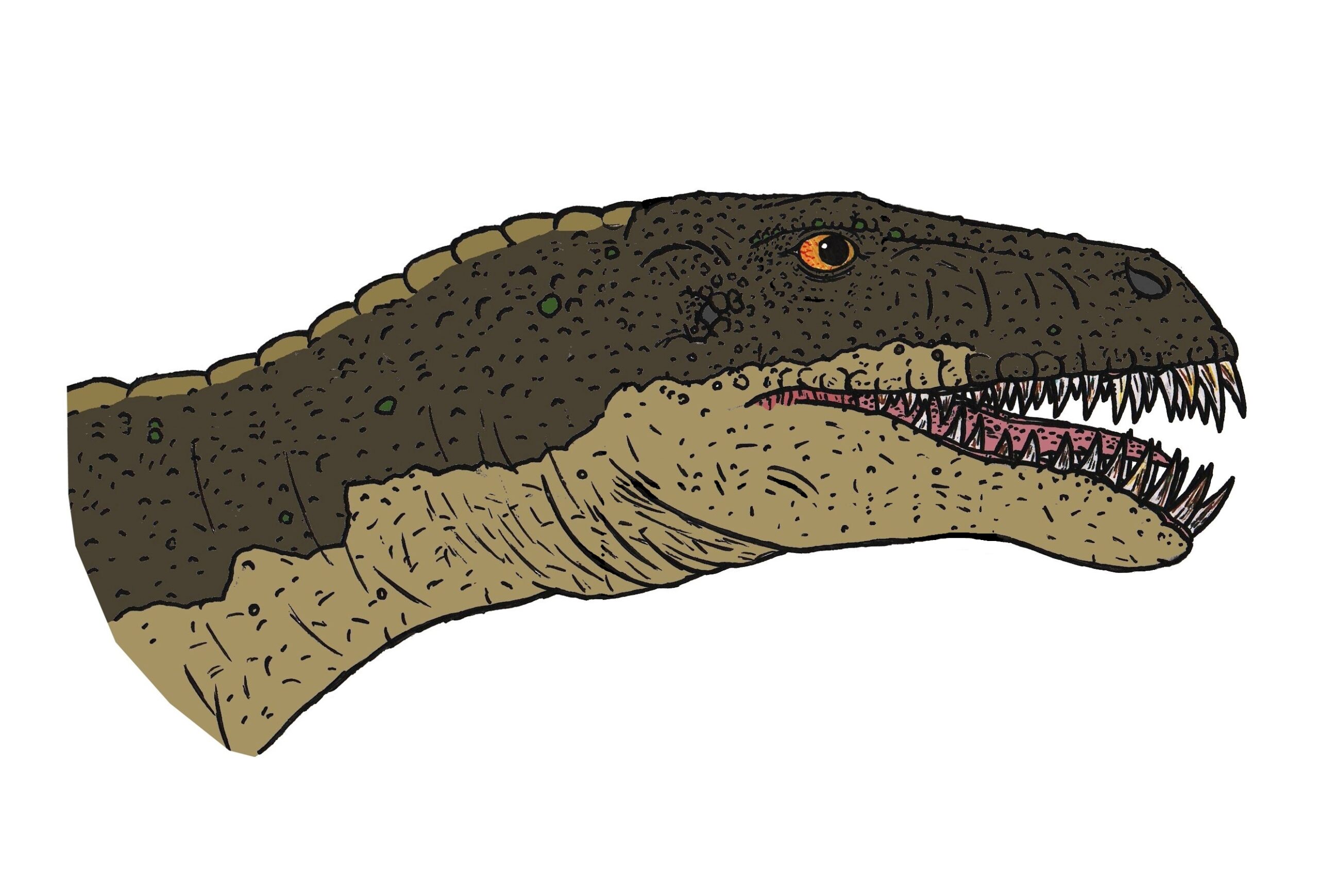
When you visualize Masiakasaurus feeding, it is easy to imagine it nipping quickly at small prey, hooking it with those projecting front teeth, and then shifting the animal deeper into the jaws to be crushed or torn apart. This is a very different picture from the dramatic lunging and huge bites we associate with giant carnivores like Tyrannosaurus. In a way, Masiakasaurus feels more like a specialist bird or small mammal today that has a quirky beak or teeth tuned to its favorite food. The forward‑pointing teeth are not a deformity; they are a finely tuned set of tweezers built into the front of the skull.
An Adaptation To Madagascar’s Unique Cretaceous Ecosystem
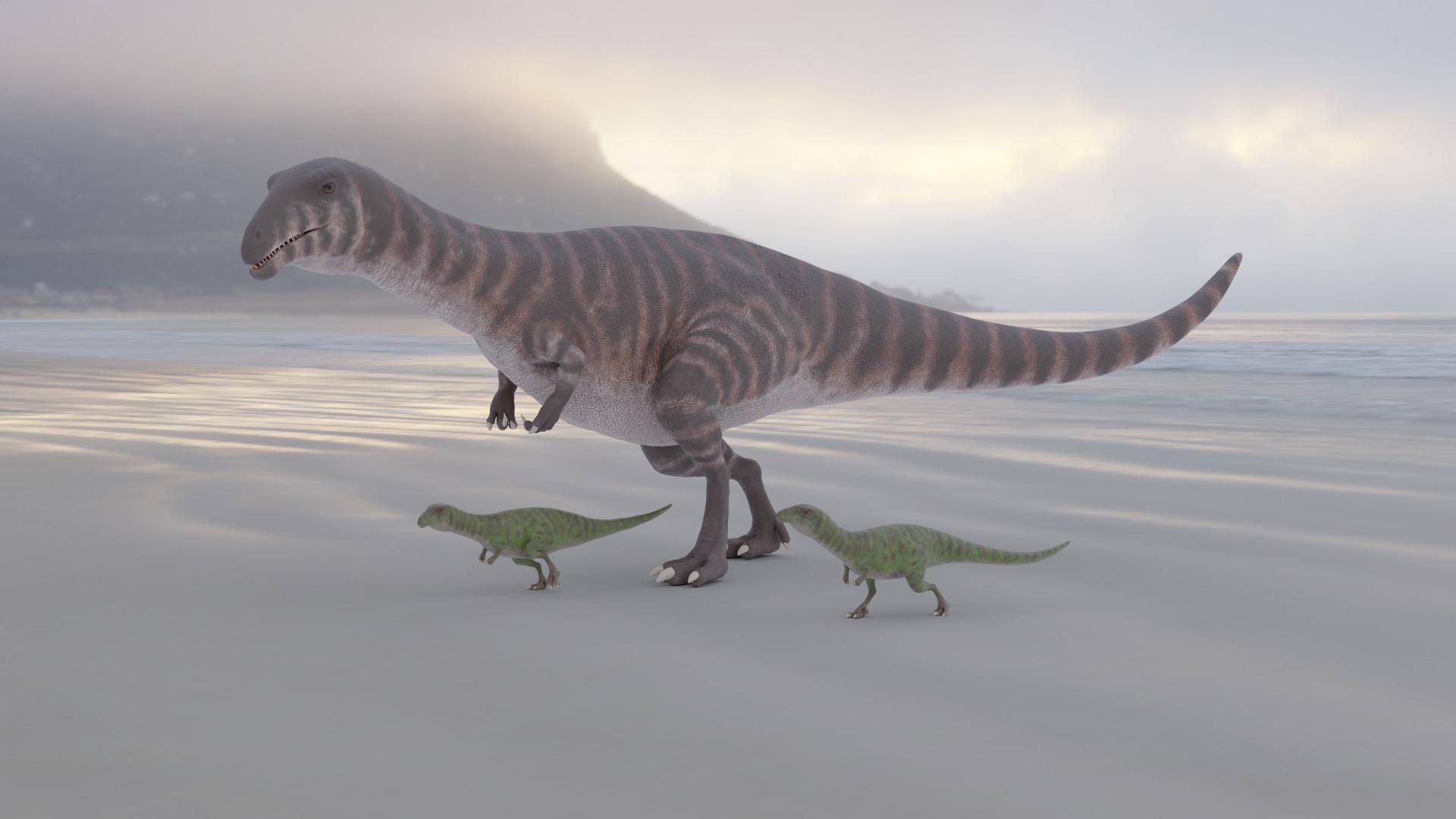
Masiakasaurus lived in what is now Madagascar during the Late Cretaceous, a place that was already geographically isolated and developing its own distinct communities of animals. That kind of isolation often leads to highly specialized species filling unusual roles, because there is a limited cast of characters to divide up resources. In such a setting, a dinosaur that could exploit small vertebrates, fish, or other marginal prey could do very well without running into constant conflict with larger hunters. The forward‑pointing teeth would have been a clever solution in an environment where every ecological niche counted.
When you think of Madagascar today, you probably picture lemurs and other unique creatures that evolved on an island with its own rules. Masiakasaurus is a reminder that this pattern of oddball specialization goes back tens of millions of years. Its teeth tell us that ancient Madagascar likely had rich waterways, shorelines, or floodplains where small aquatic and semi‑aquatic animals were abundant. Instead of fighting for a share of big herbivores, this dinosaur seems to have leaned into a more opportunistic, maybe even semi‑piscivorous lifestyle, using its hooked front teeth like a living fishing tool kit shaped by the island’s constraints.
Why It Was Not Just A Deformed Or “Failed” Dinosaur
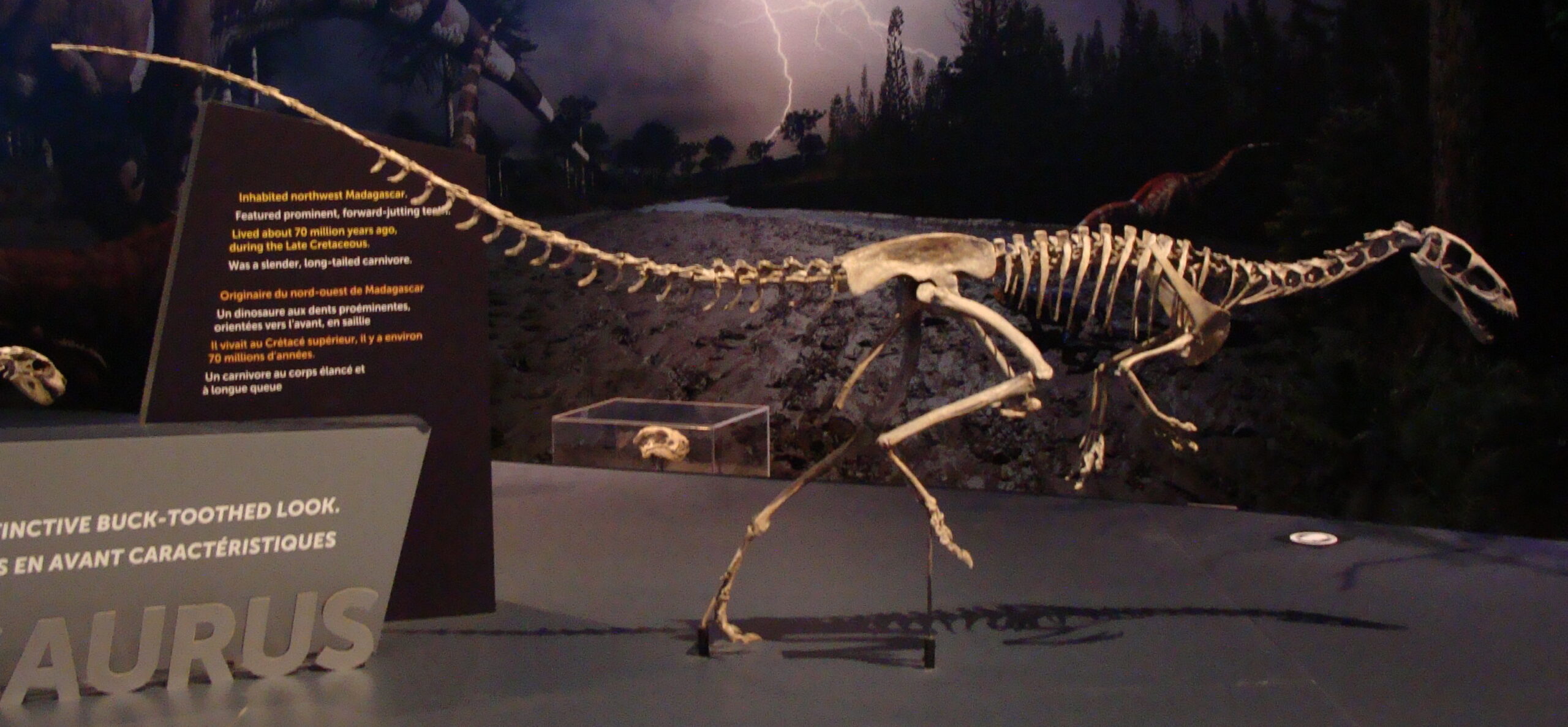
It is tempting, when we see an animal with such unconventional anatomy, to assume it was some kind of evolutionary misstep or that it must have been weaker than more “normal” predators. But the repeated patterns in the fossil material and the consistent shape of the teeth show that this was a stable, evolved trait, not a one‑off deformity. If forward‑pointing teeth were a serious disadvantage, natural selection would have removed them very quickly. Instead, Masiakasaurus clearly persisted long enough for its features to be well established, meaning that this dental design was working just fine in its world.
I think this is one of those fossils that forces us to drop our bias about what a successful dinosaur is supposed to look like. In our heads, the ideal predator is all big claws, huge jaws, and menacing teeth facing the way we expect. Masiakasaurus quietly contradicts that image, showing that a smaller, specialized animal with odd teeth could be every bit as effective in its niche. Forward‑pointing teeth might look like a flaw to us, but in the mudflats, streams, or coastal zones of Late Cretaceous Madagascar, they were likely a winning strategy. Evolution measures success in survival and reproduction, not in how intimidating a skull looks in a museum case.
What Its Teeth Reveal About Dinosaur Diversity And Evolution
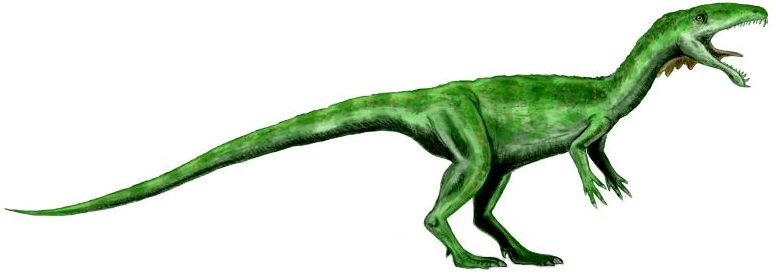
Once you accept that Masiakasaurus was well adapted rather than defective, its teeth become a powerful data point in a bigger story: dinosaurs were far more varied in their diets and lifestyles than the old stereotype of nothing but giant meat‑eaters and plant‑eaters. Forward‑projecting teeth hint at fine‑tuned feeding strategies, subtle ecological roles, and surprisingly flexible evolutionary pathways. This small predator suggests that even within one group of theropods, you could get both classic big‑prey hunters and oddball specialists focused on tiny, agile animals that others ignored. The fossil record is still patchy, but every time we add a creature like this, the picture gets more complex.
To me, that is the most exciting thing about Masiakasaurus: it is a reminder that dinosaurs were not just a handful of famous monsters but a whole spectrum of creatures experimenting with different ways to survive. The forward‑facing teeth are not just a curiosity; they are a visible symbol of evolutionary creativity. In a sense, this dinosaur is like a weirdly customized tool in a crowded workshop, shaped precisely for a job most other tools cannot do. When you step back and see how many such “custom tools” show up in the fossil record, it becomes clear that dinosaur evolution was less about a few big stars and more about countless strange specialists quietly doing what they did best.
Conclusion: A Strange Smile That Makes Perfect Sense
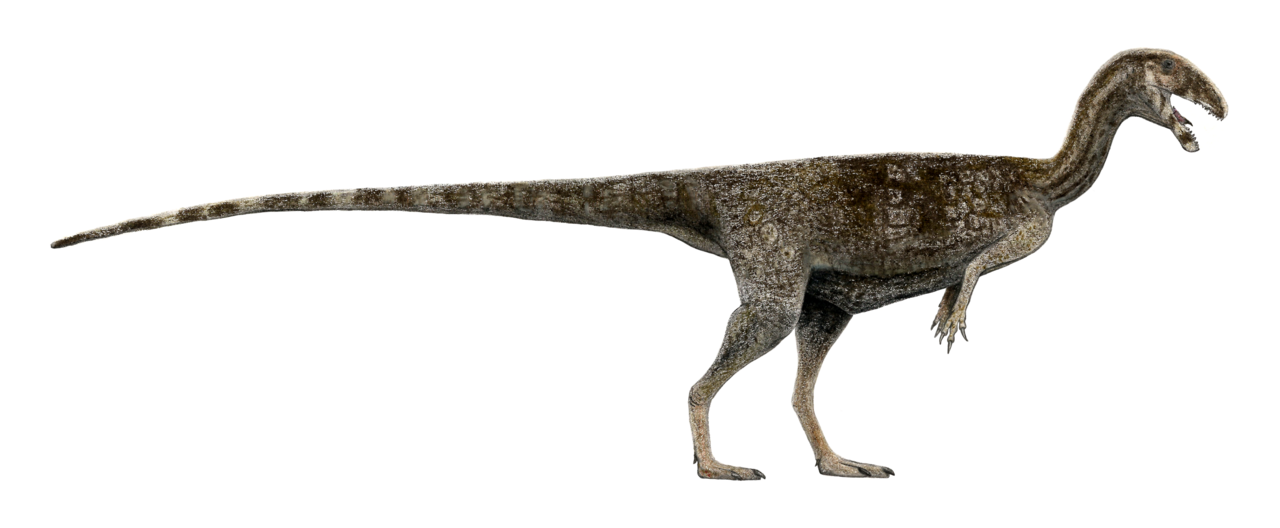
In my view, the forward‑pointing teeth of Masiakasaurus are not a mystery so much as a message: when ecosystems get crowded and resources are sliced thin, evolution rewards the weird. This little predator appears to have turned its face into a specialized grabbing device, perfect for snagging small, elusive prey in an environment where bigger carnivores were probably chasing larger animals. What looks wrong by our standards was almost certainly just right for the world it actually lived in. I find that far more compelling than trying to force it into a familiar “standard dinosaur” box.
If anything, Masiakasaurus deserves to be a poster child for how strange and inventive dinosaur evolution could be, especially on isolated landmasses like ancient Madagascar. Its teeth point forward, but they also point us toward a more nuanced, less Hollywood view of these animals as complex parts of complex ecosystems. Instead of asking why this dinosaur was so odd, maybe we should flip the question and wonder why we ever assumed dinosaurs were simple in the first place. The real shock is not that , but that we are still surprised when evolution colors so far outside the lines – would you have guessed that from the word “theropod” alone?