Every few years, a new giant monster stomps into cinemas or games, and suddenly everyone is talking about skyscraper‑sized lizards, cosmic bugs, or city‑crushing apes. We know they aren’t real, but the obsession feels real enough: trailers rack up millions of views, merch sells out, and people argue passionately online about who would win in a fight. It is oddly moving that, in an age of quantum computing and gene editing, we still lose our minds over a big creature smashing buildings.
That obsession is not just nostalgia or simple escapism. It taps into something old and stubborn in the human brain: our fear of being small, our fascination with power, our need for myths in a world that claims it has outgrown them. When you look closely, giant monsters are like X‑rays of our culture, showing what we secretly worry about and what we secretly want. Once you see that, the appeal stops being silly and starts to look uncomfortably honest.
The Deep Brain: Fear, Awe, And The Scale Of Threat
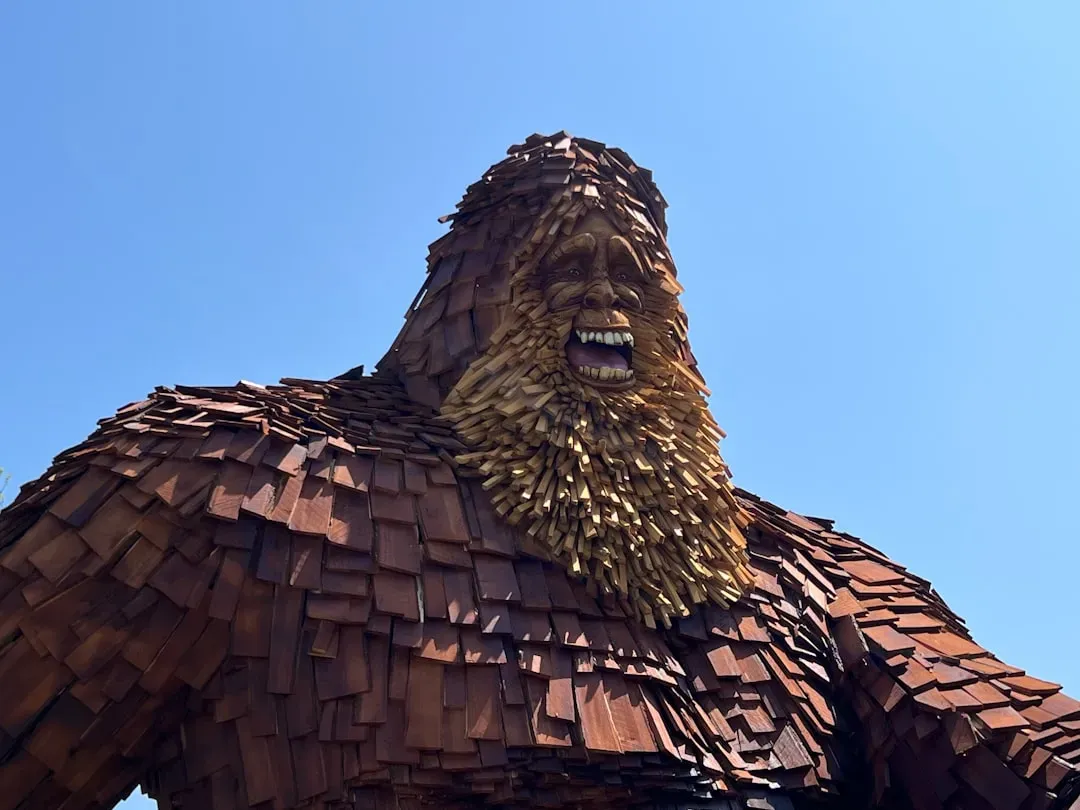
Here’s a wild thought: your brain is basically built to be impressed by big, dangerous things. From an evolutionary point of view, creatures that paid attention to enormous shapes on the horizon tended to survive longer than the ones who shrugged and looked away. Neuroscience research suggests that when we see something massive and potentially threatening, our attention locks in, our heart rate shifts, and our fight‑or‑flight systems flicker into a low hum of readiness. Giant monsters are like a carefully tuned trigger for that ancient circuitry.
At the same time, they do something subtler: they mix fear with awe. Awe usually shows up when we encounter something vast that we struggle to fully process, like a night sky full of stars or a massive waterfall. Giant monsters hack that same sense of vastness but give it teeth and claws. That blend is addictive, because it lets us flirt with a huge threat while safe in a theater seat or on the couch, the emotional equivalent of standing at the edge of a cliff with a really solid fence in front of you.
Modern Myths In A Scientific World
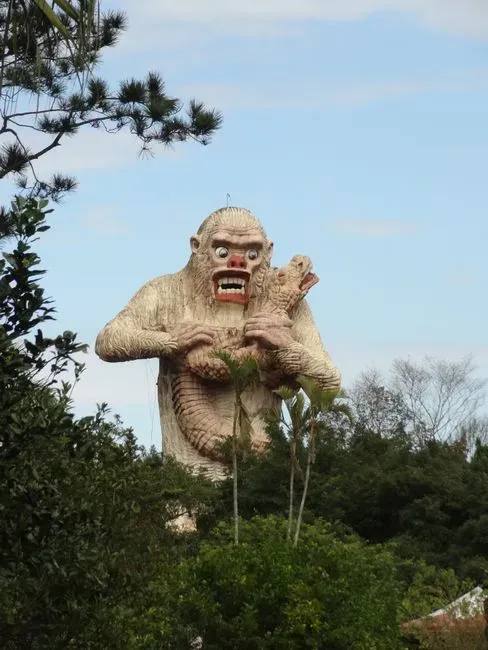
We like to tell ourselves we live in a rational age, but our brains still run on stories, symbols, and myths. In older cultures, dragons, titans, sea serpents, and other colossal beasts explained natural disasters or divine anger. Today, we have geologists and meteorologists, yet we still return to the same narrative shapes. Giant monsters have basically stepped into the old role of gods and demons – big, mysterious forces that crash into human life and demand a response.
What has changed is the wrapping paper. Instead of gods fighting on mountaintops, we get monsters born from nuclear tests, deep‑sea ecosystems, rogue AI, or alien planets. The underlying purpose is similar: to take abstract anxieties, like environmental collapse or technological overreach, and give them a body we can see, hear, and argue about. In that sense, giant monsters are myth machines for a scientific world, translating complicated realities into something our storytelling instincts can latch onto.
Giant Monsters As Mirrors Of Our Anxieties
One reason giant monsters never go out of style is that they keep evolving to match whatever we are most afraid of at the time. In the mid‑twentieth century, many towering creatures were clearly shaped by fears of nuclear weapons and radiation, turning bombs and fallout into claws and scales. Later waves of monster stories leaned into pollution, genetic engineering, pandemics, and even climate change. The monsters did not just attack cities; they symbolically attacked our sense of control.
That mirroring effect is weirdly comforting. It is easier to imagine fighting a visible beast than wrestling with invisible, systemic problems like global warming or runaway technology. A monster becomes a stand‑in for everything that feels too large, too complex, or too depressing to think about directly. Even if the story ends badly, the simple fact that someone tries to resist the creature offers a small fantasy of agency, a sense that maybe our biggest problems are not entirely hopeless.
The Thrill Of Destruction Without Real Consequences
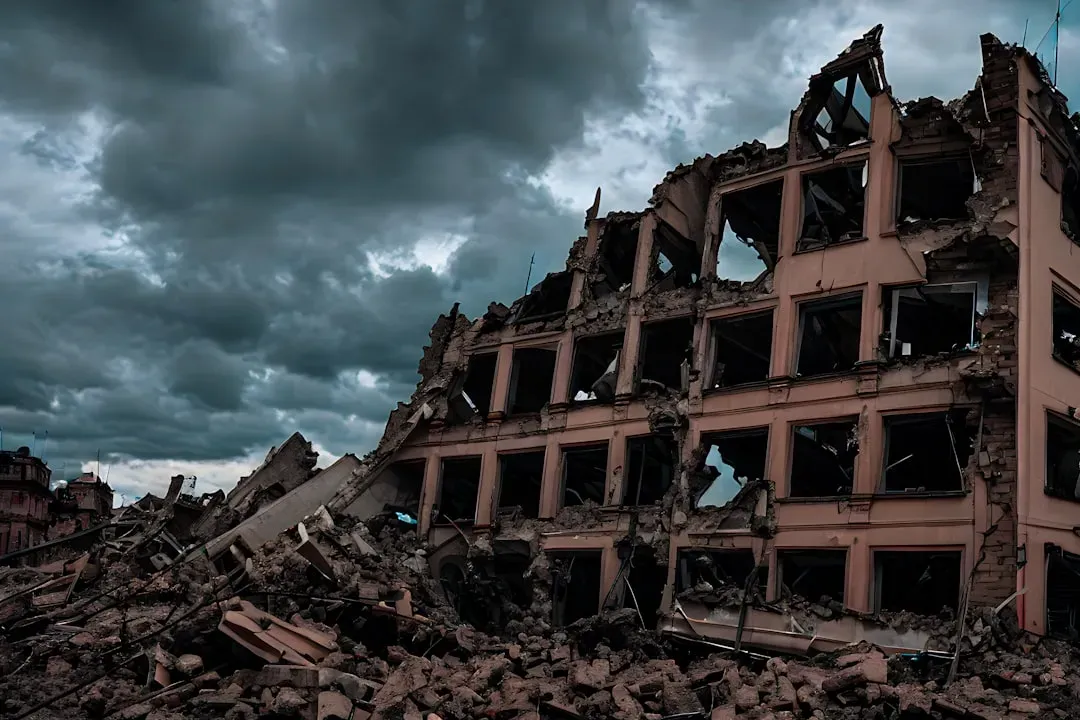
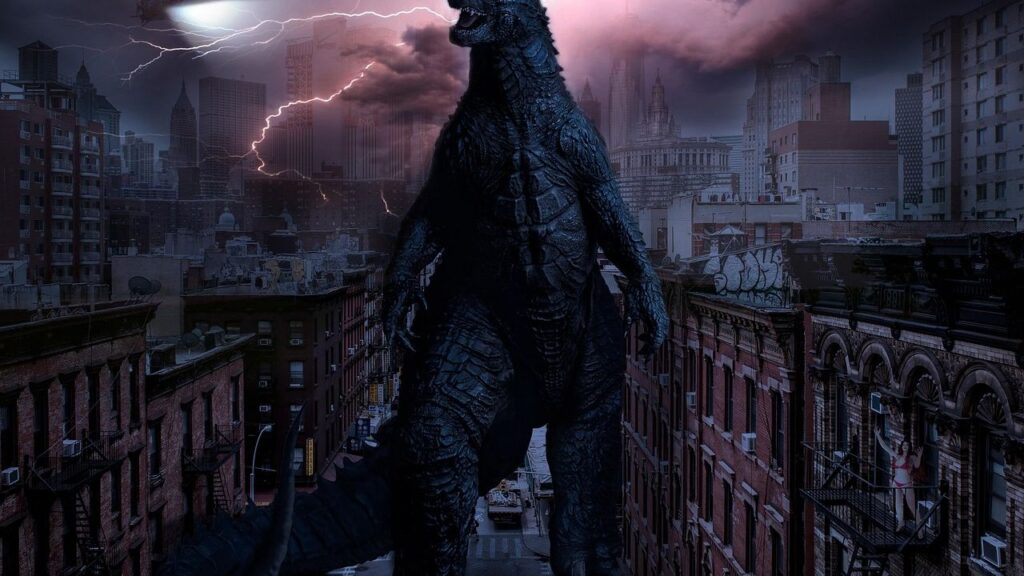
Let’s be honest: part of the fun is pure spectacle. Watching a skyscraper crumble, a bridge snap, or a warship tossed aside like a toy is visually intoxicating in a way that is hard to admit out loud. Our brains are fascinated by large‑scale pattern breaks – the sudden rearrangement of a familiar city skyline, the shock of seeing everyday objects turned into fragile props. Giant monsters create a sandbox for destruction, where we get to see the world redesigned by chaos.
The crucial ingredient is safety. We know, at some level, that no one is actually being crushed on the other side of the screen. That psychological distance lets us enjoy the rush of mass destruction without the grief and horror that would come with real disasters. It becomes a kind of pressure valve, a way to experience chaos vicariously when our daily lives feel over‑managed, predictable, or claustrophobic. It is like watching a thunderstorm roll in after weeks of still, heavy air: something in us unclenches.
The Pleasure Of Feeling Small (In A Good Way)
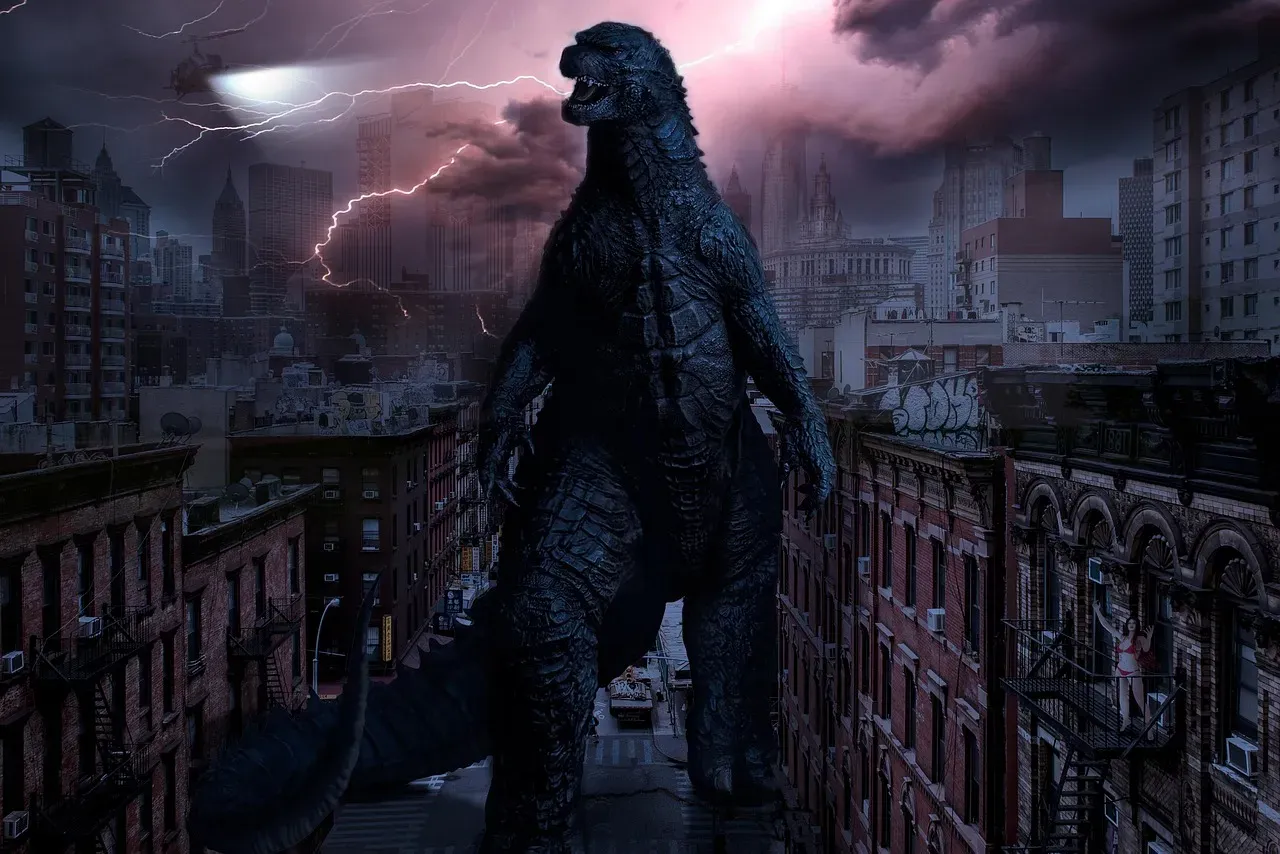
It sounds strange, but feeling tiny can actually be soothing. Many people describe a sense of relief when they stand under huge mountains, look at the ocean, or stare up at a night sky. Psychologists sometimes link this to experiences of awe, where our sense of self shrinks a bit and we remember we are just one small piece of a massive universe. Giant monsters tap into that same emotion, but give it a dramatic, fictional twist.
Instead of a quiet forest or an open desert, the monster is the thing that makes us feel small. That can be scary, of course, but there is also a hidden comfort in realizing we are not the center of everything. For a moment, our personal worries – emails, bills, awkward conversations – look comically minor compared to a hundred‑meter‑tall creature. The story says, in its loud, crashing way, that the world is bigger than your problems. Being dwarfed by something enormous can paradoxically make your own life feel lighter.
Power Fantasies And Identification With The Monster
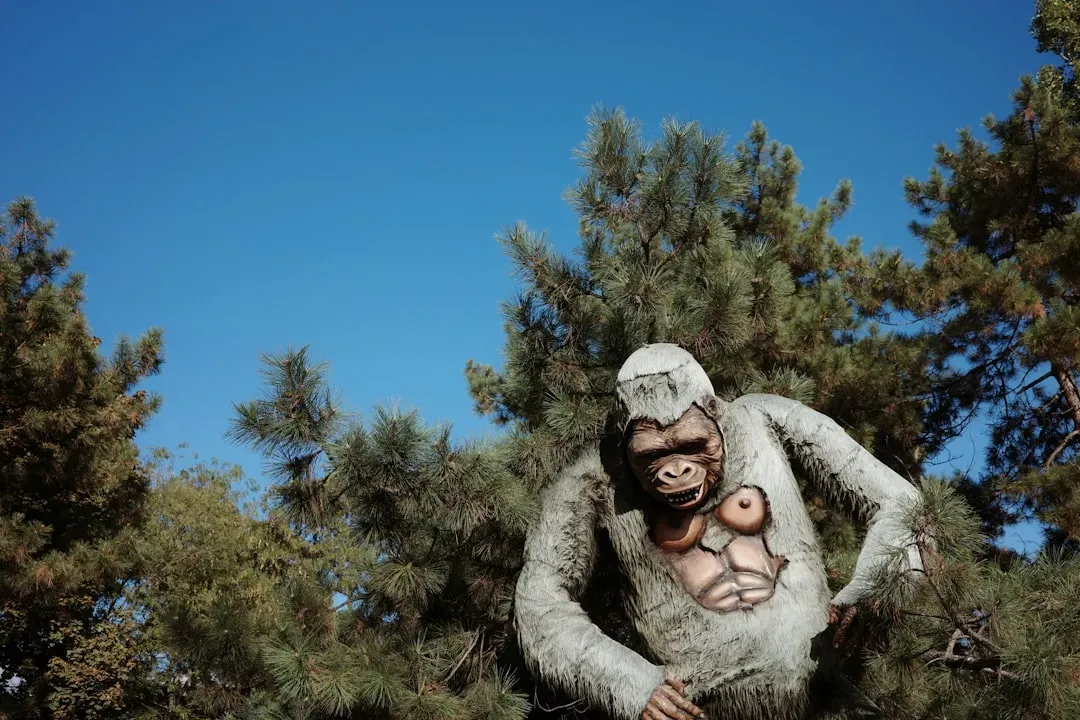
Here’s the twist that people do not always admit: we do not just fear giant monsters; we often want to be them. There is a certain guilty thrill in imagining what it would feel like to move through the world completely unbothered by traffic lights, office politics, or social expectations. The monster does not ask for permission. It does not worry about being polite, productive, or relatable. It simply exists at full volume, and that raw freedom can be deeply appealing.
That fantasy can get oddly specific. You can see it when fans debate which monster is the strongest, fastest, or most “badass,” as if picking an avatar. People buy toys, posters, video game skins, and even clothing to align themselves with one favorite creature. On some level, they are borrowing that monster’s power as armor against their own feelings of weakness or invisibility. In a world where many people feel small and unheard, the idea of stomping through your problems like a colossal beast has clear emotional traction.
Community, Fandom, And The Ritual Of Spectacle
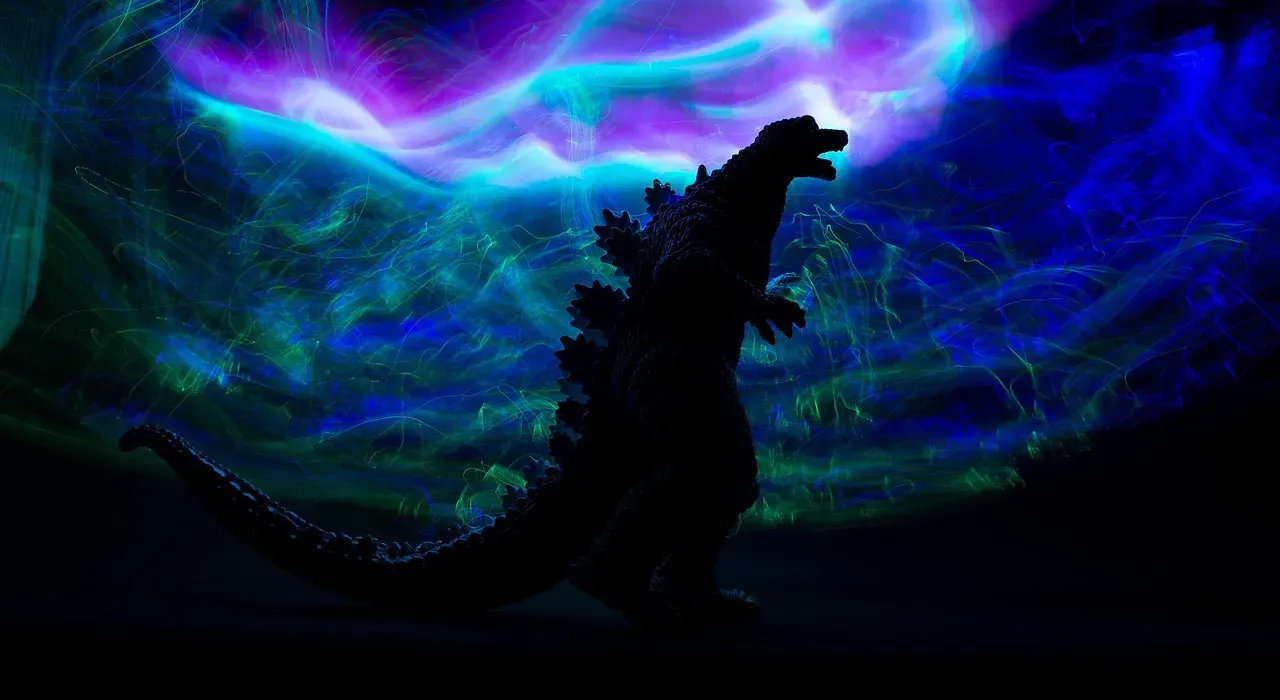
The obsession with giant monsters is not just personal; it is social. Big releases become events that pull people together, whether it is lining up at midnight screenings, streaming premieres with friends, or flooding social media with reactions and memes. The monster itself becomes a kind of shared landmark, a cultural mountain everyone has seen from a slightly different angle. Talking about it is a way of talking to each other, testing values, and negotiating what we find scary or admirable.
Fandom adds another layer of ritual. People argue in detail about lore, scale charts, abilities, and backstories, almost like sports fans debating statistics. Conventions, fan art, cosplay, and elaborate online theories turn the simple act of watching a monster fight into an ongoing hobby and identity marker. There is something deeply human about gathering around a modern campfire – the glowing screen – and telling each other larger‑than‑life stories. The monsters give us a shared language for wonder and fear that cuts across age, nationality, and background.
Why Giant Monsters Are Not Going Anywhere
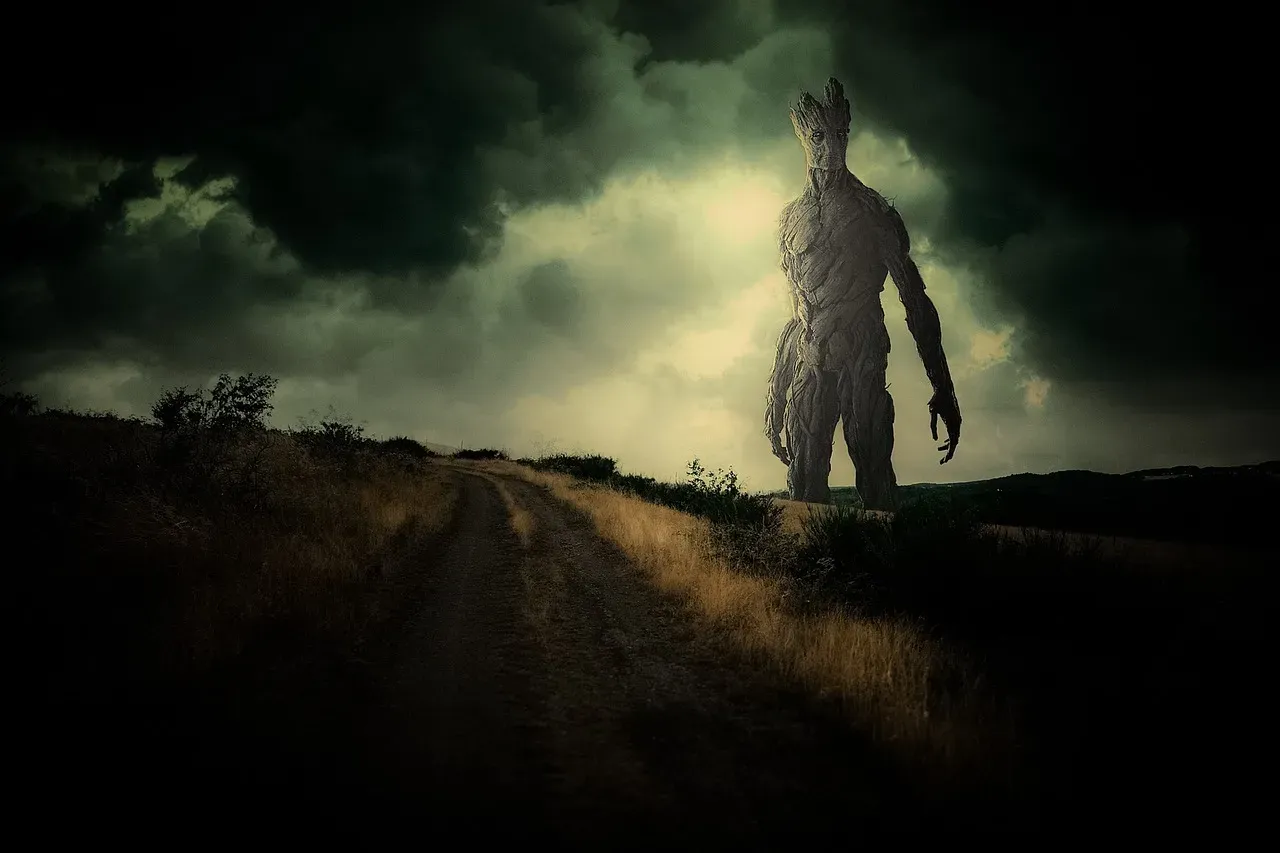
Looking at all this, I do not think our obsession with giant monsters is a phase we will grow out of. As long as we have big, messy fears and a need for spectacle, there will be room for something enormous to crash through our stories. Technology will keep changing how they look – more realistic effects, immersive games, maybe even full‑body VR experiences – but the emotional core will stay the same. We will still be that ancient brain, staring at something huge on the horizon, trying to decide whether to run, worship, or cheer.
Personally, I see giant monsters as honest, if slightly embarrassing, expressions of who we are: scared, curious, hungry for power, and desperate for meaning in a chaotic world. They let us feel tiny and powerful at the same time, terrified and thrilled in the same breath. That contradiction is exactly what makes them stick. The real question is not why we are , but what today’s favorite beast quietly says about us right now – if you had to pick one creature to represent your own fears and wishes, which towering shape would you choose?