

Imagine walking through a landscape a hundred thousand years ago and finding a small pile of ochre, a neatly arranged shell, or a piece of food left in a place where no one lives. It is not a random mess; it is intentional, carefully placed, meant for someone else. Long before written language, before cities, and even before many of the tools we think of as “advanced,” humans may already have been doing something deeply familiar: leaving little gifts. That simple gesture, which today might look like a surprise coffee on a coworker’s desk or a snack left for a neighbor, could be one of the oldest social habits our species has.
This idea can feel almost eerie, like finding your own reflection looking back at you from the deep past. The more archaeologists look, the more evidence they see that early humans were not just surviving; they were signaling, sharing, and building relationships in subtle ways. The story of small gifts is not really about objects at all. It is about how we quietly say, “I see you, I remember you, I care” – and how that simple message may have helped our ancestors thrive in a brutal world where isolation usually meant death.
The Deep-Time Evidence: What Archaeology Actually Shows
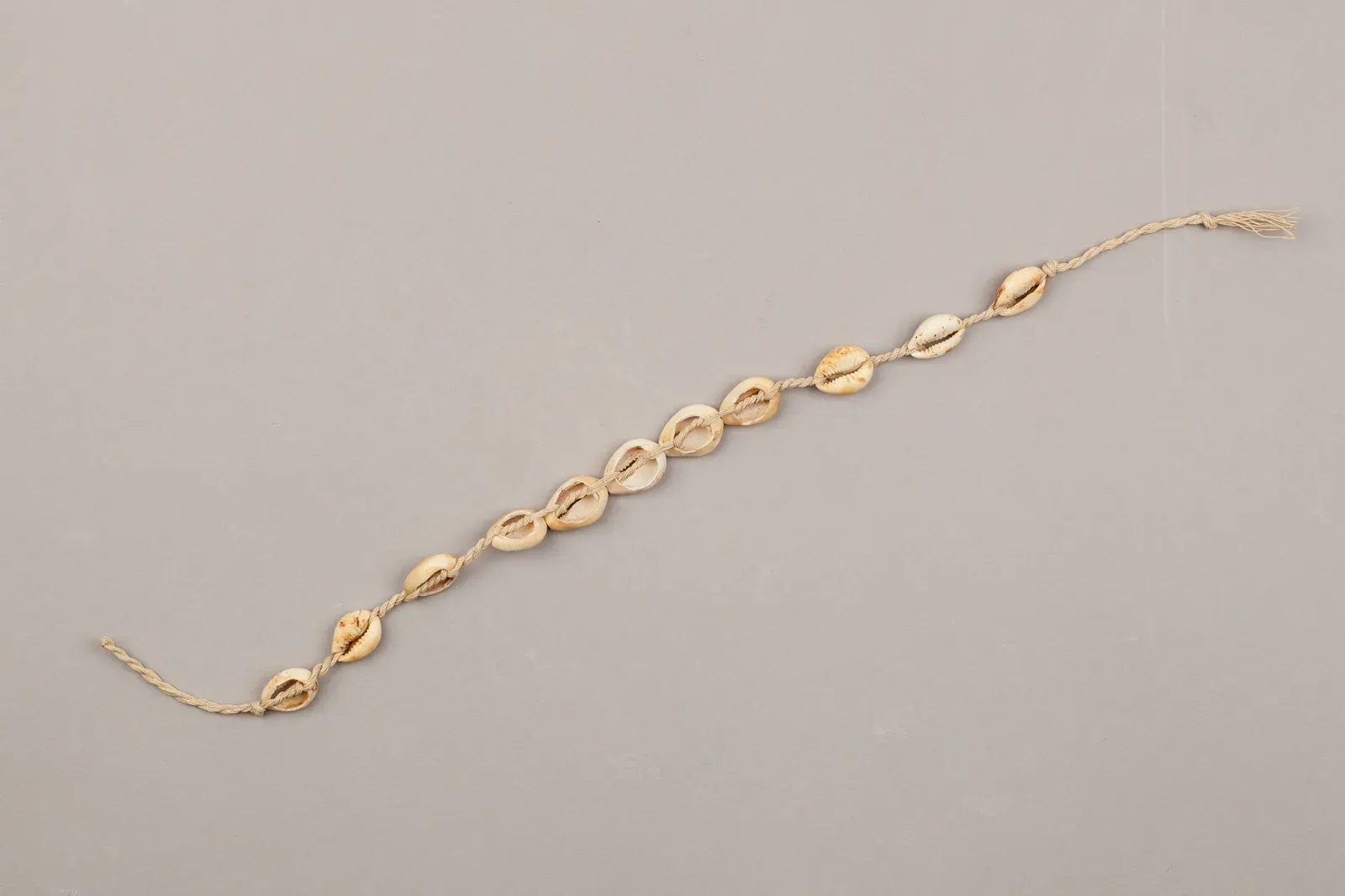
When scientists say behaviors might go back a hundred thousand years or more, they are not guessing wildly; they are reading clues from sites scattered across Africa, the Middle East, and Eurasia. Archaeologists have found carefully placed shells, beads, pigments like red ochre, and animal remains arranged in ways that do not look accidental. At some early Homo sapiens and Neanderthal sites, certain items appear where people did not live permanently, suggesting that they were deposited deliberately and left behind, not just dropped as trash. These are not obvious “wrapped gifts,” but they are traces of people putting meaningful things in meaningful places.
The tricky part is that stone and shell preserve well, but intention does not. No artifact comes with a label saying “this was a present for my cousin.” So researchers look for patterns: objects transported long distances from their source, materials that carry symbolic weight, or items left in repeated spots like caves, rock shelters, or specific parts of a landscape. When the same unusual items show up again and again where no everyday activity happened, one reasonable interpretation is that someone was leaving something for someone else. It is a cautious reading, but it fits with what we know about how human groups work.
From Survival to Symbolism: Why Gifts Make Evolutionary Sense
On the surface, giving something away in a harsh prehistoric environment sounds foolish. Food was scarce, tools were precious, and you needed almost everything you had to stay alive. Yet evolution often rewards what looks generous in the short term, because cooperation pays off over a lifetime. Leaving a little food, a tool, or a crafted trinket can be a way of investing in relationships, building trust, and signaling commitment to others in your group or even to neighboring bands. In small, vulnerable communities, knowing that someone would share with you tomorrow made it easier to share today.
Anthropologists describe this as reciprocal altruism or cooperative signaling, but in everyday language, it is basically “I’ve got your back, and I want you to know it.” Small gifts help smooth over tensions, patch up conflicts, and mark alliances without requiring big speeches. They are a kind of social glue. Over tens of thousands of years, groups that were better at holding together, sharing resources, and caring for each other were more likely to survive crises like droughts, predators, or illness. Seen this way, a tiny offering left in a special place is not just sweet; it is a survival strategy dressed up as kindness.
Measuring the Invisible: How Anthropologists Study Ancient Gift-Giving
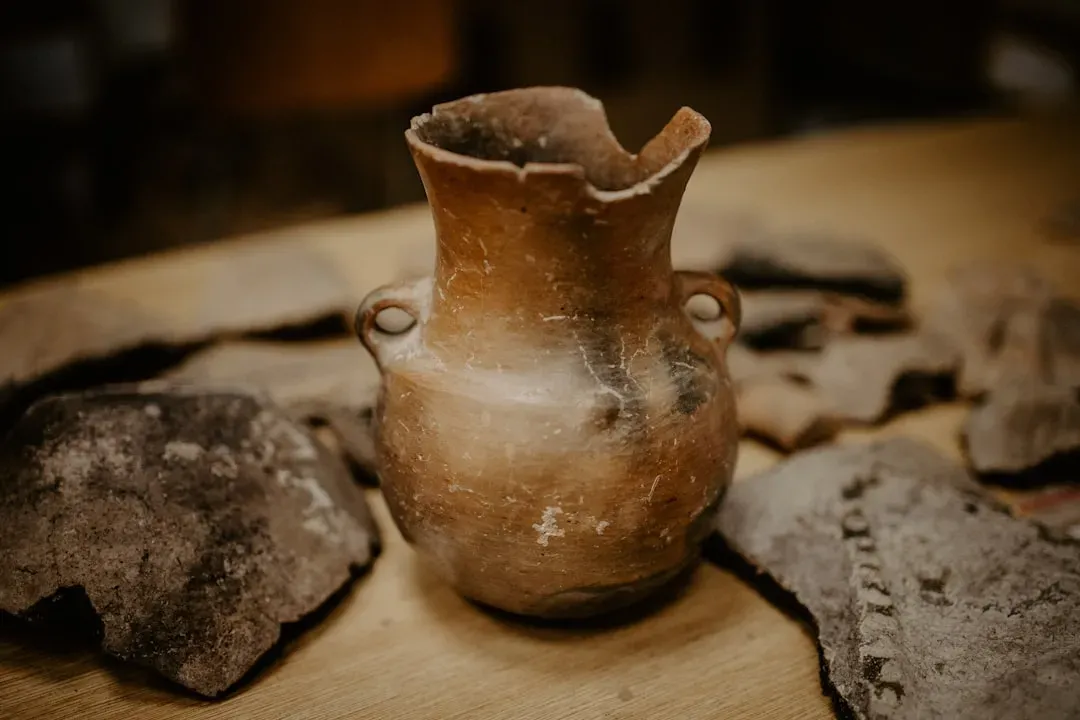
One of the hardest parts of this topic is that nobody can time-travel to watch a hundred-thousand-year-old gift exchange. Instead, anthropologists have to blend archaeology, genetics, primate behavior, and studies of modern hunter-gatherer societies. They might look at how present-day foragers share meat, or how small items circulate between families as tokens of goodwill, and then use that knowledge to interpret ancient finds. When archaeologists uncover caches of objects in places that show little sign of everyday living, they start asking: was this storage, an offering to spirits, a memorial, or maybe a gift meant for someone who would come later?
Nothing about this is simple or neat. Good researchers are careful; they talk in terms of possibilities and probabilities, not absolute certainties. Still, when multiple lines of evidence point the same way – symbolic objects, repeated deposits, similarities to known gift practices in small-scale societies – the idea that people were leaving gifts starts to look less like a stretch and more like a reasonable explanation. It is a little like piecing together a mystery from smudged fingerprints and half-erased notes. You never get the full picture, but the outline is strong enough to take seriously.
Gifts, Rituals, and the Birth of “Us”
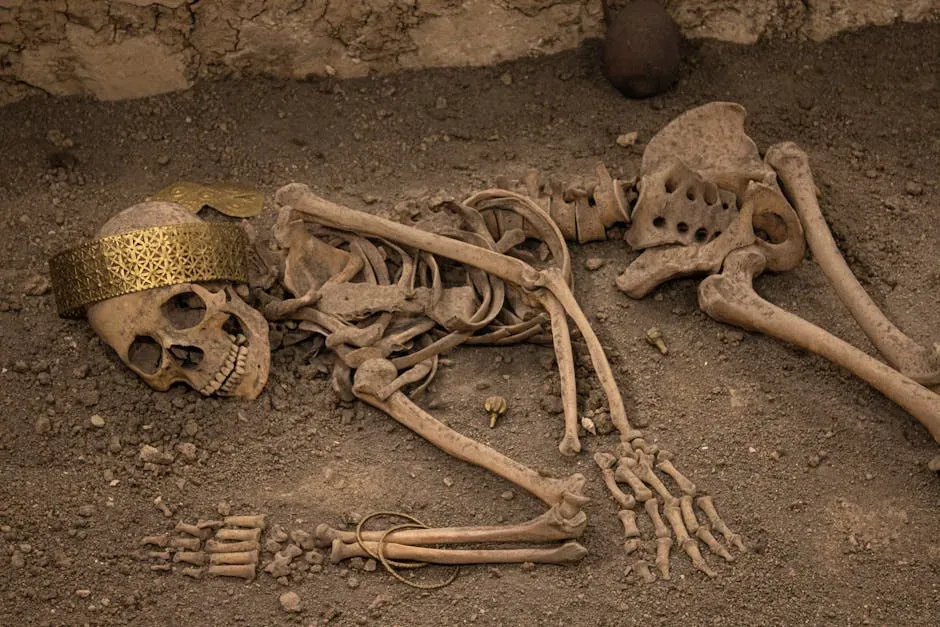
Small gifts are rarely just about the object itself; they are wrapped up in ritual, memory, and identity. When early humans left beads or ochre in burials, or placed certain stones in specific spots in caves, they were not just stashing random items. These acts probably connected to stories, shared beliefs, or group traditions that told people who they were and how they were linked. A simple offering might honor the dead, mark a special place, or ask for protection or luck. Even if we cannot decode every meaning, the consistency of such acts hints at shared understandings passed down across generations.
Over time, repeated gestures like this help draw a boundary between “us” and “them.” If your group always left a small shell at a water source after a successful hunt, that custom became part of your identity. Strangers who did not recognize or respect that pattern would feel like outsiders. In that sense, tiny gifts and offerings helped build the first human cultures, making social life thicker and more emotionally rich. They turned landscapes into memory maps and everyday objects into carriers of meaning, much like a friendship bracelet or a ring might do today.
Modern Echoes: How Ancient Habits Show Up in Everyday Life

Once you start thinking about it, you see ancient gift instincts everywhere in modern life. That snack left in the office kitchen “for anyone,” the neighbor who drops off extra tomatoes, the little souvenir you bring back from a trip – none of these are big, formal presents. They are small, casual offerings, the kind that flow through relationships almost invisibly. We barely think about them, but they matter. They say, “I remembered you when you were not there,” which is a powerful message for social animals like us. In a way, every time you do this, you are reenacting a very old script.
I still remember a friend who used to leave surprise sticky notes and candy in people’s bags during exam week, never signing her name. It was silly and small, but everyone felt mysteriously supported. That experience stuck with me because it felt oddly ancient, like a modern version of leaving a little food at a shared path or a painted stone at a meeting spot. You do not need a ceremony or a holiday for it; you just need the impulse to make someone’s world a bit less harsh for a moment. That instinct feels less like a cultural add-on and more like something baked into our social wiring.
Small Gifts, Big Emotions: Why Our Brains Are Wired for This

Psychology backs up what anthropology hints at: our brains light up not just when we receive gifts, but also when we give them, especially when the act feels voluntary and thoughtful. People often underestimate how much small gestures will mean to others, which is why we hesitate and then regret it later. Yet again and again, experiments and everyday life show that tiny acts of generosity boost mood, strengthen connection, and reduce stress. It is as if evolution quietly rewarded the urge to give, nudging us toward behaviors that kept groups emotionally bonded.
This emotional payoff makes sense if you picture the dangers faced by early humans. An anxious, lonely, mistrustful group would fracture under pressure, while a group that knew it was cared for would be more resilient. Little gifts are like emotional first aid kits scattered through social life. They soothe, surprise, and remind people they are not alone. In a world now crowded with digital interactions and algorithms, that basic, low-tech burst of warmth from a small, unexpected gift might be one of the few things that still cuts through the noise directly to our older, deeper selves.
The Limits of the Evidence – and Why the Story Still Matters
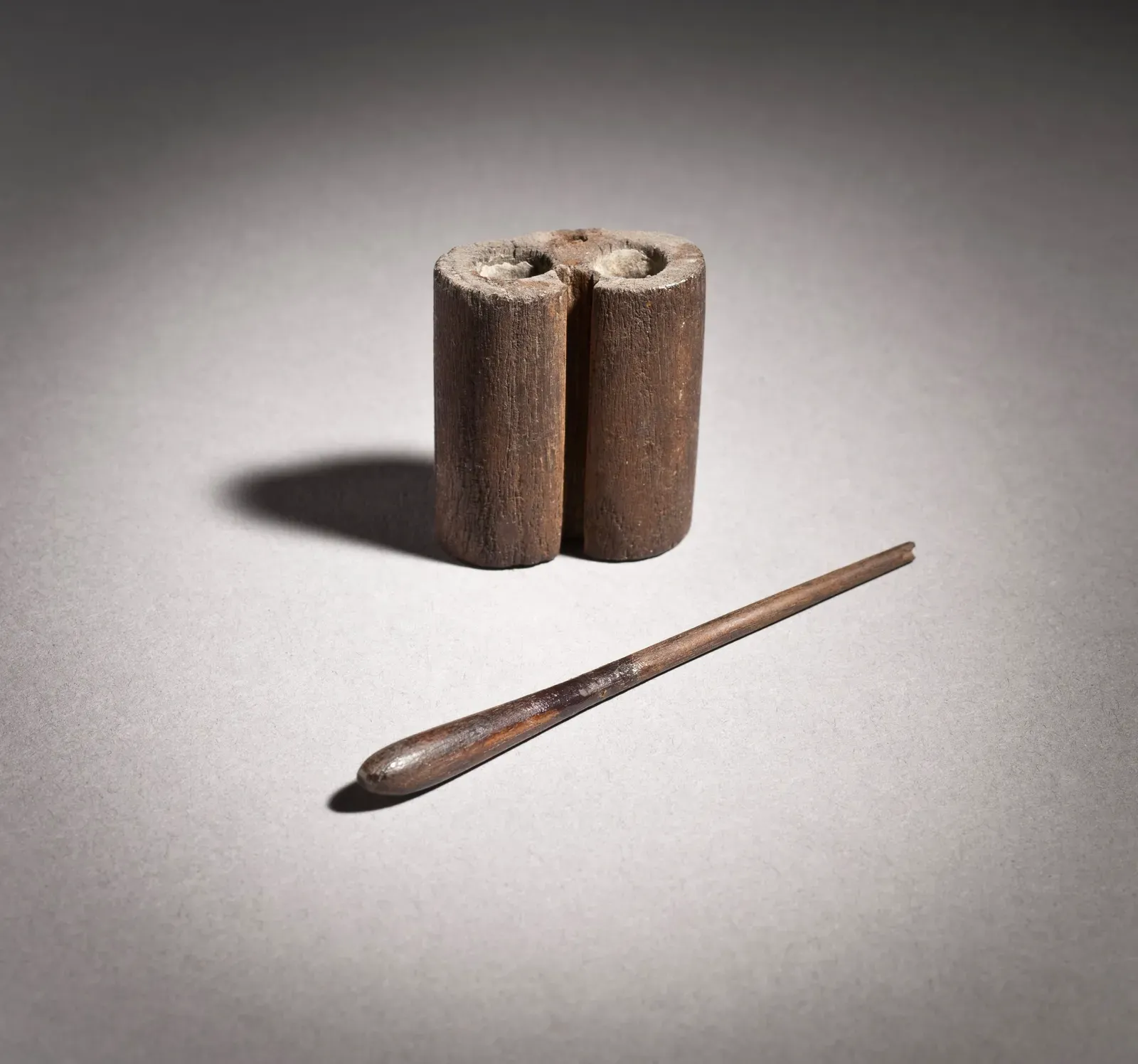
To be fair, no honest anthropologist would claim we can draw a straight, unbroken line from a specific cache of shells a hundred thousand years ago to the snack you leave on your friend’s doorstep today. The deep past is always blurry, and new discoveries can change the picture overnight. Some deposits that look like gifts might turn out to be storage, ritual offerings to unseen forces, or even just unusual trash heaps. The further back we go, the more careful we have to be about reading motives into the archaeological record. Humility is part of doing this work well.
But even with those caveats, there is a strong, reasonable case that intentionally leaving meaningful objects for others is very old, and probably emerged alongside other symbolic behaviors like body decoration, ritual, and long-distance trade. Seen together, these patterns point toward a species obsessed with relationship and meaning, not just survival. I think the most important takeaway is not the exact date, but the continuity: for as long as we have been recognizably human, we have been turning objects into messages. Whether those messages were “thank you,” “remember me,” or “you belong here,” they carved deep grooves into our collective behavior that we are still following today.
Conclusion: Why Small Gifts Might Be One of Our Truest Human Signatures
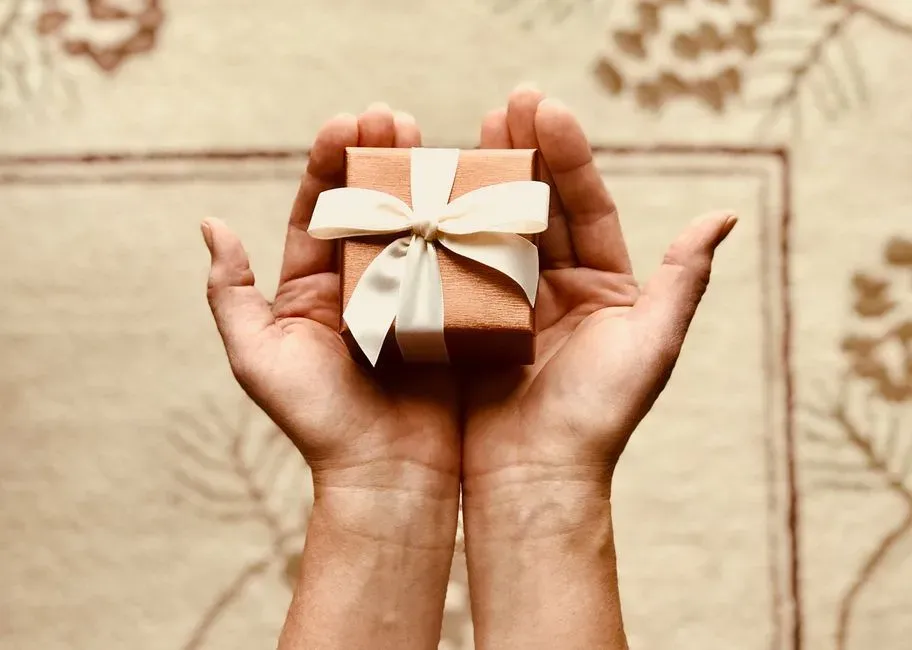
If you strip away the romance, the idea that leaving small gifts is one of humanity’s oldest social behaviors is not just charming; it is almost brutally logical. Social species survive by cooperation, and cooperation thrives on trust, memory, and visible acts of care. Tiny offerings are the perfect tool for that job: low-cost, high-impact, flexible across cultures and time. I lean strongly toward the view that once our ancestors could think symbolically and plan ahead, leaving things for others – even unseen others – would have been nearly inevitable. It is exactly the kind of quiet, persistent habit that leaves faint fingerprints in the archaeological record and deep grooves in our psychology.
In a way, this makes every casual gift you give a small act of time travel. When you slip a snack into someone’s bag, leave flowers at a roadside memorial, or drop a little extra into a community pantry, you are walking in very old footsteps. You are betting, just like your ancestors did, that generosity will come back around in ways you cannot predict. That is not naive; it is one of the smartest long-term strategies our species ever stumbled into. So the next time you hesitate over a small gesture, maybe lean toward yes – after all, you might just be honoring one of the oldest, most human traditions we have.