
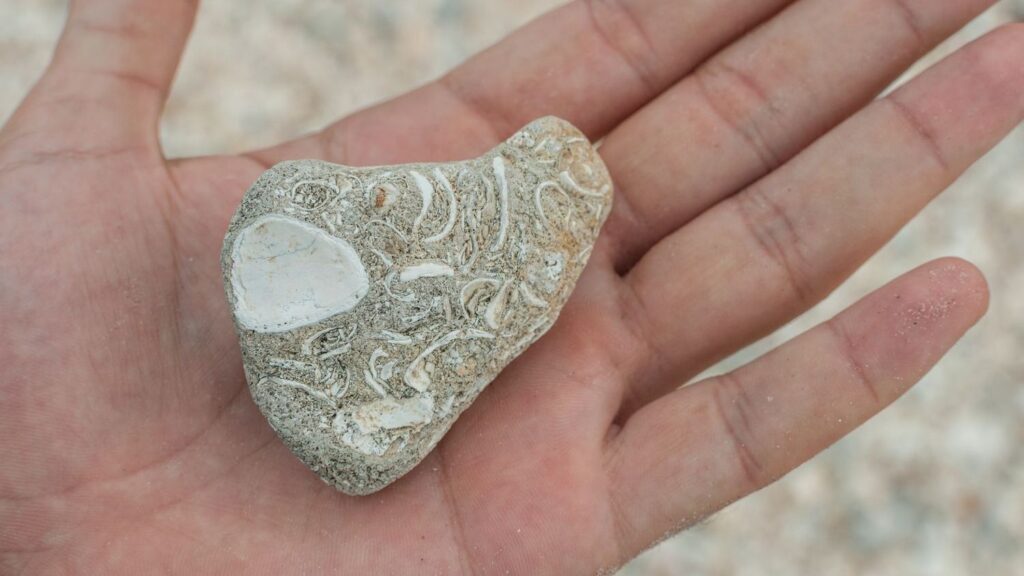
Most people think of fossils as dusty museum pieces, but for some, a trilobite or ammonite can feel almost electric in their hands. If you have ever stared at a fossil and felt a strange shiver of awe, as if you were briefly stepping outside of ordinary life, you are not alone. There is growing psychological interest in why certain people are so drawn to deep time, ancient bones, and the vanished worlds buried beneath our feet.
What is especially intriguing is that this fascination is not only about rocks or dinosaurs; it is also about how people mentally travel through time. The minds that light up at the sight of a fossil often seem to imagine the past, present, and future in unusually vivid, layered ways. They do not just see a stone; they see a story across millions of years. That difference might quietly shape how they make decisions, plan their lives, handle stress, and even define what “important” means.
The Deep-Time Mindset: Seeing Millions of Years at Once
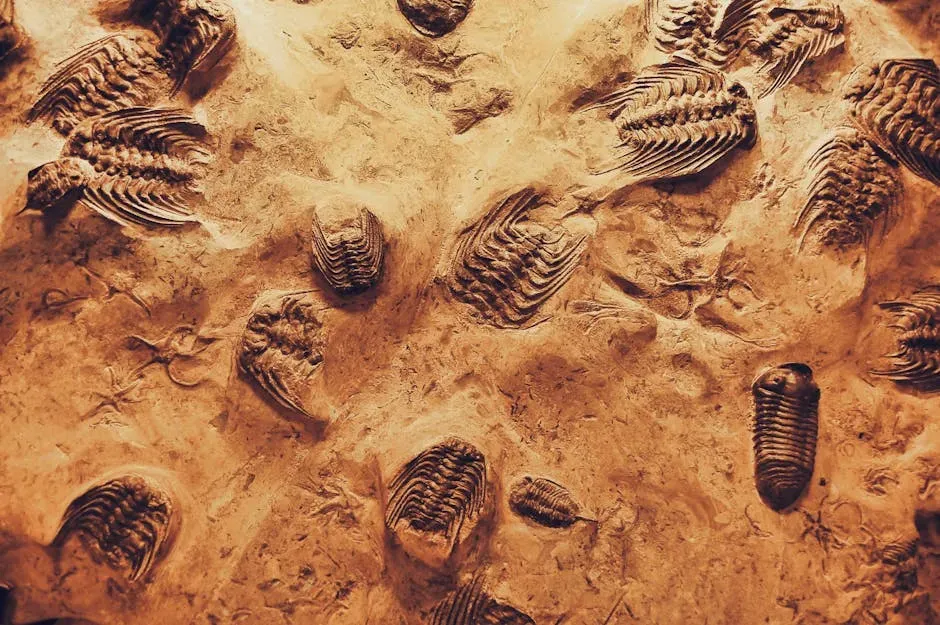
Imagine looking at a fossilized shell and instinctively thinking not just “cool shape,” but “this once lived in a shallow sea a hundred million years ago.” People captivated by fossils tend to slip into this kind of deep-time thinking automatically. Instead of seeing time as just a calendar or schedule, they sense it as a vast landscape stretching far behind and far ahead of them. Daily annoyances, like a late train or a frustrating email, can feel oddly small compared with the idea of entire species rising and disappearing.
Psychologists sometimes describe this as having a long “temporal horizon” – being able to think beyond this week or this year and into grander timescales. A fossil fan might drift from imagining ancient ecosystems to wondering what will be left of our cities in ten thousand years. That mental habit matters. It shifts priorities. When your mind keeps returning to geological time, it becomes harder to believe that today’s drama is the whole story of your life, or of humanity.
Chronesthesia and Mental Time Travel
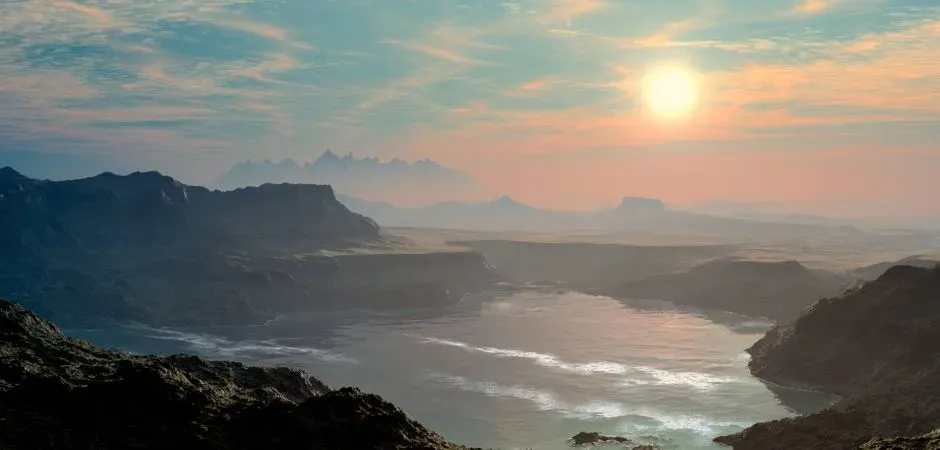
There is a psychological term for our ability to jump mentally through time: “mental time travel,” sometimes called chronesthesia. It is what lets you replay a childhood memory in detail or picture yourself in old age sitting on a porch somewhere. People who love fossils often practice a very particular kind of mental time travel, one that stretches far beyond their personal lifespan. They do not just imagine themselves at age eighty; they imagine oceans where their city now stands, or forests where their highway runs.
This extended mental range can make the past feel less like a static backdrop and more like a living dimension they can visit in their minds. That same skill can spill over into future-oriented thinking as well. Someone who can vividly reconstruct an ancient landscape from a fragment of bone is often also skilled at building detailed future scenarios from small clues today. In a sense, fossils offer them a training ground for imagining worlds that are dramatically different from the familiar present.
Perspective, Humility, and Existential Calm
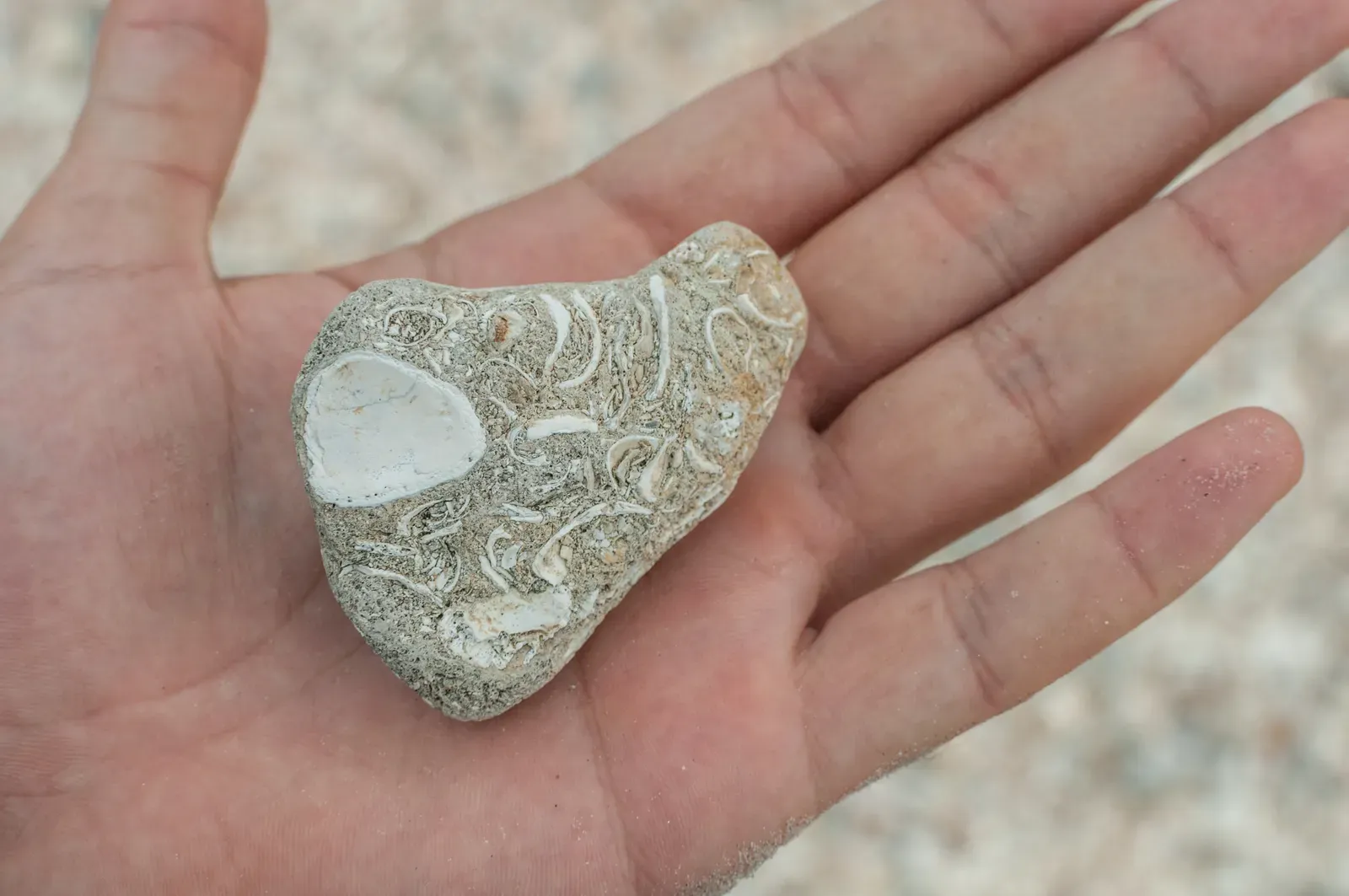
There is something quietly humbling about holding a fossil that is older than every human culture combined. For many fossil enthusiasts, this is not a passing thought; it becomes a recurring emotional experience. You can feel small without feeling insignificant, like noticing you are one tiny note in a massive symphony. That perspective can make personal setbacks feel less crushing. A failed project or awkward moment at a party becomes just one flicker in an ocean of time, not the defining moment of existence.
This does not mean fossil lovers do not care about their own lives, but they often weigh events differently. Knowing that species, climates, and continents have constantly changed can soften the fear that any single loss is permanent or absolute. Some people describe a kind of existential calm that grows from this awareness. When you internalize that change is the only constant across millions of years, change in your own life feels slightly more natural and less like a personal betrayal by the universe.
Time Perception and Patience in Everyday Life
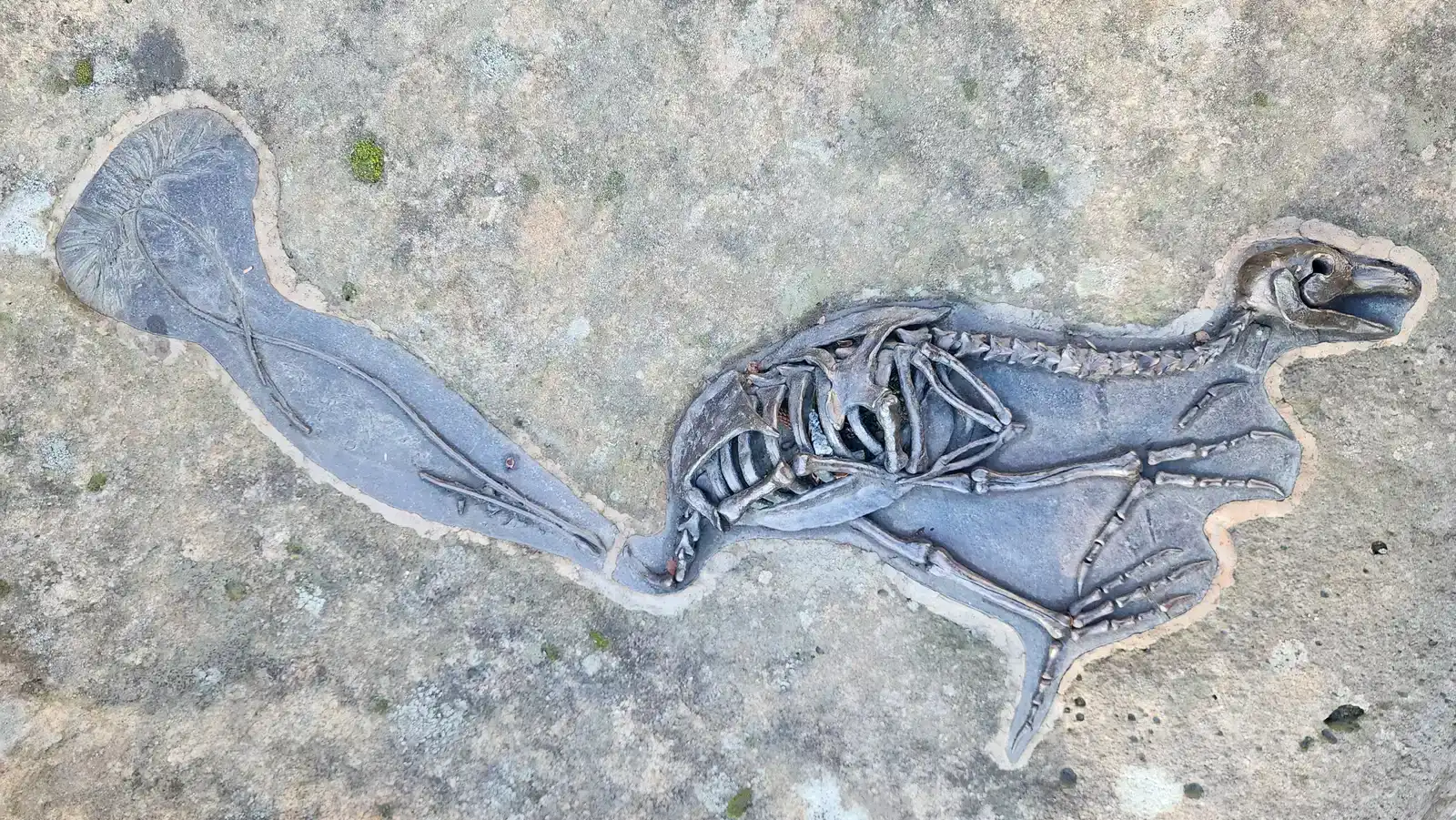
Interest in fossils is not just about abstract philosophy; it can shape everyday time perception. If you spend your free time thinking about processes that take millions of years – sediment building up grain by grain, pressure slowly turning mud into rock – you get used to the idea that meaningful change can be slow. That can feed into a more patient attitude toward long projects, whether it is learning a language, building a career, or recovering from a setback. You know, almost instinctively, that real transformation rarely happens overnight.
At the same time, people deeply into fossils often develop a keen eye for small changes, because paleontology depends on tiny clues. The faintest imprint in stone can signal a whole vanished ecosystem. This double awareness – of both glacial-scale time and microscopic details – can make their sense of time unusually flexible. They may be better at enduring boredom or repetition if they see it as part of a larger arc, and yet they may also notice the subtle shifts that tell them when something is beginning to matter.
From Dinosaurs to Deadlines: Planning for the Far Future

Thinking about extinction events, mass die‑offs, and planetary shifts changes how you think about the future. People fascinated by fossils often picture future centuries and millennia more vividly than others do. Instead of imagining only next year’s vacation, they find themselves wondering what a future geologist might dig up from our landfills or skyscrapers. That curiosity can nudge them toward decisions that consider long-term consequences, such as environmental impact, sustainable habits, or how their work might outlast them.
This is not always dramatic, and it does not automatically turn fossil fans into environmental saints, but it tilts their mental lens. If you often imagine the far future, you are more likely to notice when a choice today carries a long shadow. The same mental muscles used to reconstruct a Jurassic coastline may be used to picture what your hometown will feel like in a hundred years. Deadlines and short-term goals still matter, yet they sit inside a larger story that stretches well beyond a single lifetime.
Awe, Curiosity, and the Joy of Being a Tiny Part of a Huge Story
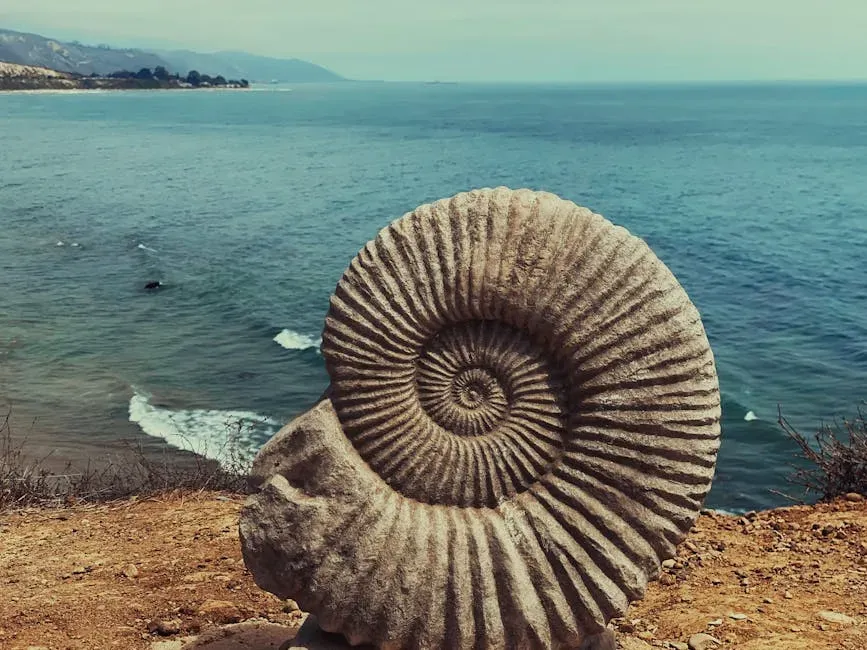
One of the strongest emotions that fossils evoke is awe – that mix of surprise, wonder, and a little bit of fear that comes from realizing you are touching something unimaginably old. Psychological research has linked feelings of awe with a greater sense of connection to something larger than oneself and a slightly “expanded” feeling of time. People who experience awe often report that time seems to slow down, at least subjectively, and that their personal worries fade into the background for a while.
For fossil lovers, this sense of awe is not a rare event; it is part of why they keep coming back to the same rocks and bones. That repeated exposure to awe can subtly reshape their emotional relationship with time. Instead of feeling chased by the clock, they may have more moments where time feels rich, deep, and spacious. It is a different way of living inside time – less about racing through it and more about marveling that we get a brief cameo in such a long-running story.
Identity Across Millennia: Who Am I in the Long Run?
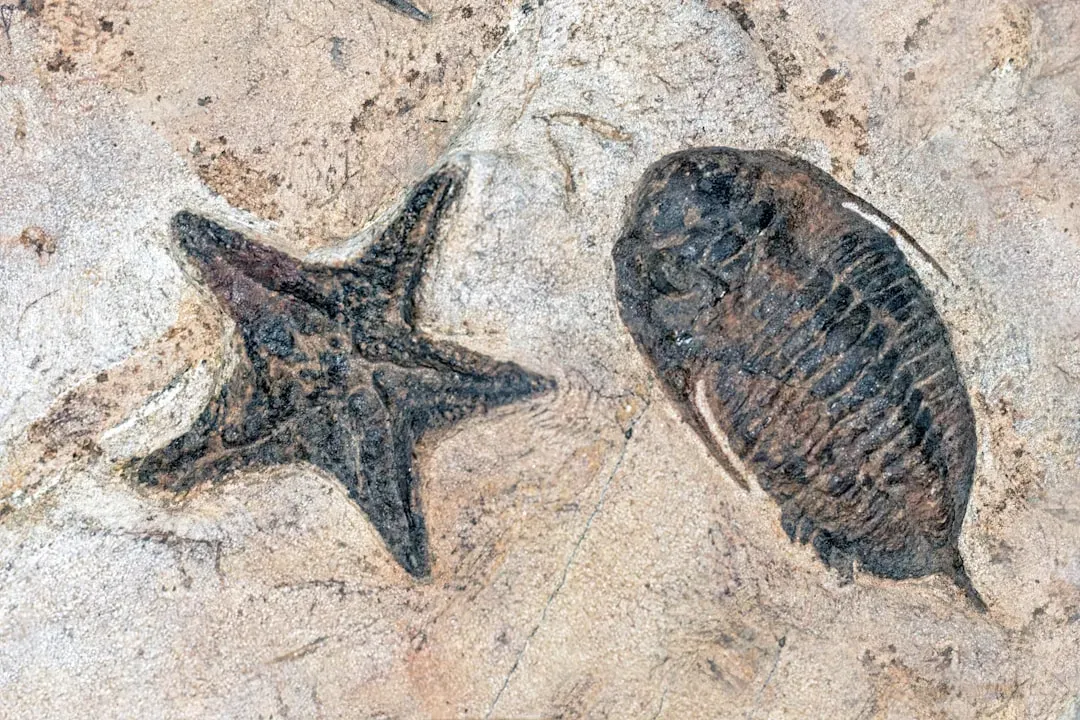
When you regularly think about creatures that lived and died long before humans existed, you cannot help wondering where you fit in the grand scheme. Many fossil enthusiasts end up with a sense of identity that is anchored not only in family or culture, but in the entire history of life. They may feel a surprising kinship with ancient animals, not in a mystical way, but in the grounded sense that we share a planet, a lineage, and the same basic struggle to survive long enough to reproduce.
That identity can make them think about time less as a straight line and more as a tangled family tree stretching through eras. Their personal story becomes one branch of a very old trunk. This way of seeing themselves can be both comforting and challenging. Comforting, because it means they are never fully alone; challenging, because it forces them to admit that their branch will end someday too. People who sit with that reality do not always become gloomy. Sometimes, they become more intentional, determined to live in a way that feels worthy of the immense history behind them.
Why Fossil Minds Might Be Exactly What Our Age Needs
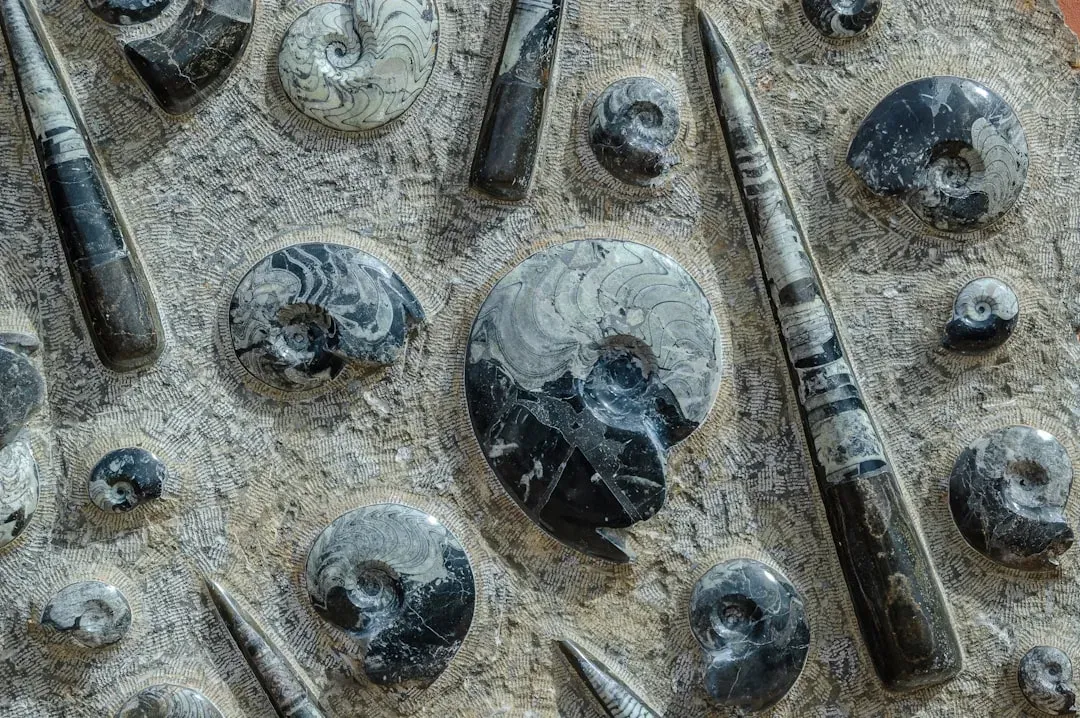
In my view, people who are fascinated by fossils carry a kind of psychological superpower that our impatient age desperately lacks. In a world obsessed with instant responses, short videos, and quarterly results, they quietly remember that the planet runs on timescales that make our deadlines look ridiculous. Their habit of stretching their minds across millions of years could be a healthy antidote to the frantic sense that everything is urgent and nothing can wait. It is not that they ignore the present; they just refuse to pretend it is the whole story.
Of course, not every fossil lover is automatically wiser or more grounded, and not everyone needs to collect ammonites to think clearly about time. But there is something undeniably valuable in the way they link curiosity, patience, and perspective. By holding in their hands the remnants of lives long gone, they practice seeing beyond their own moment, their own news cycle, their own lifespan. In a culture that often behaves as if history started last week and will end next Tuesday, that way of thinking about time is not just quirky – it is quietly radical. When you look at your own life against the backdrop of fossils, what suddenly feels bigger, and what finally feels small enough to let go?