
You know that split second when the hairs on the back of your neck rise, your shoulders tense, and you just know someone is standing behind you, even before you turn around? It feels almost supernatural, like a sixth sense that kicks in without your permission. Neuroscience is increasingly suggesting that this eerie little jolt is not magic at all, but a deeply wired survival reflex that may be older than the modern human brain itself.
Instead of being some quirky modern anxiety symptom, that “someone’s right behind me” shiver looks a lot like a leftover from a time when not noticing eyes on your back could get you killed. What’s wild is that the brain systems involved are some of the oldest structures we carry around in our skulls, shared in various forms with other mammals and even more distant relatives. When you feel that chill, you’re not just being paranoid; you’re tapping into a defense system that has been quietly running in the background for millions of years.
The Ancient Hardware Hidden Under Your Modern Brain
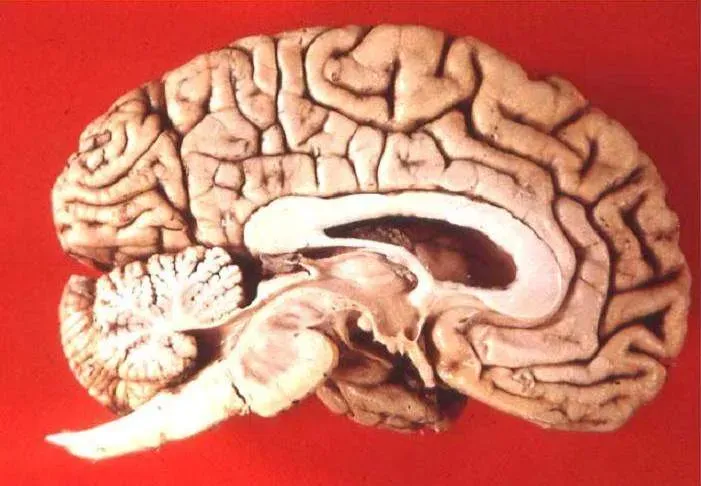
Modern neuroscience paints the human brain less like a sleek, single machine and more like a messy, layered house that has been renovated again and again over evolutionary time. Under your thoughtful, language-loving cortex sits a collection of older structures sometimes called the “reptilian” and “paleomammalian” brains, including the brainstem and parts of the limbic system. These regions handle the blunt, life-or-death basics: heart rate, breathing, startle responses, basic fear and arousal, and lightning-fast reflexes that do not wait for conscious approval.
That neck-prickling sense that something is behind you lines up neatly with this older hardware. The reflex is fast, often vague, and hard to put into words, which is exactly what you’d expect if it’s being driven by primitive circuits that care about survival more than precise storytelling. Long before humans were crafting complex tools or posting about anxiety online, our ancestors relied on these ancient layers to instantly flag potential threats behind them, in the dark, in the brush, or just outside the line of sight. In a way, your “gut feeling” in those moments is not poetic language; it’s literal old-brain processing bubbling up into awareness.
Vision, Noticing “Behind You,” and the Brain’s Shadow Zone
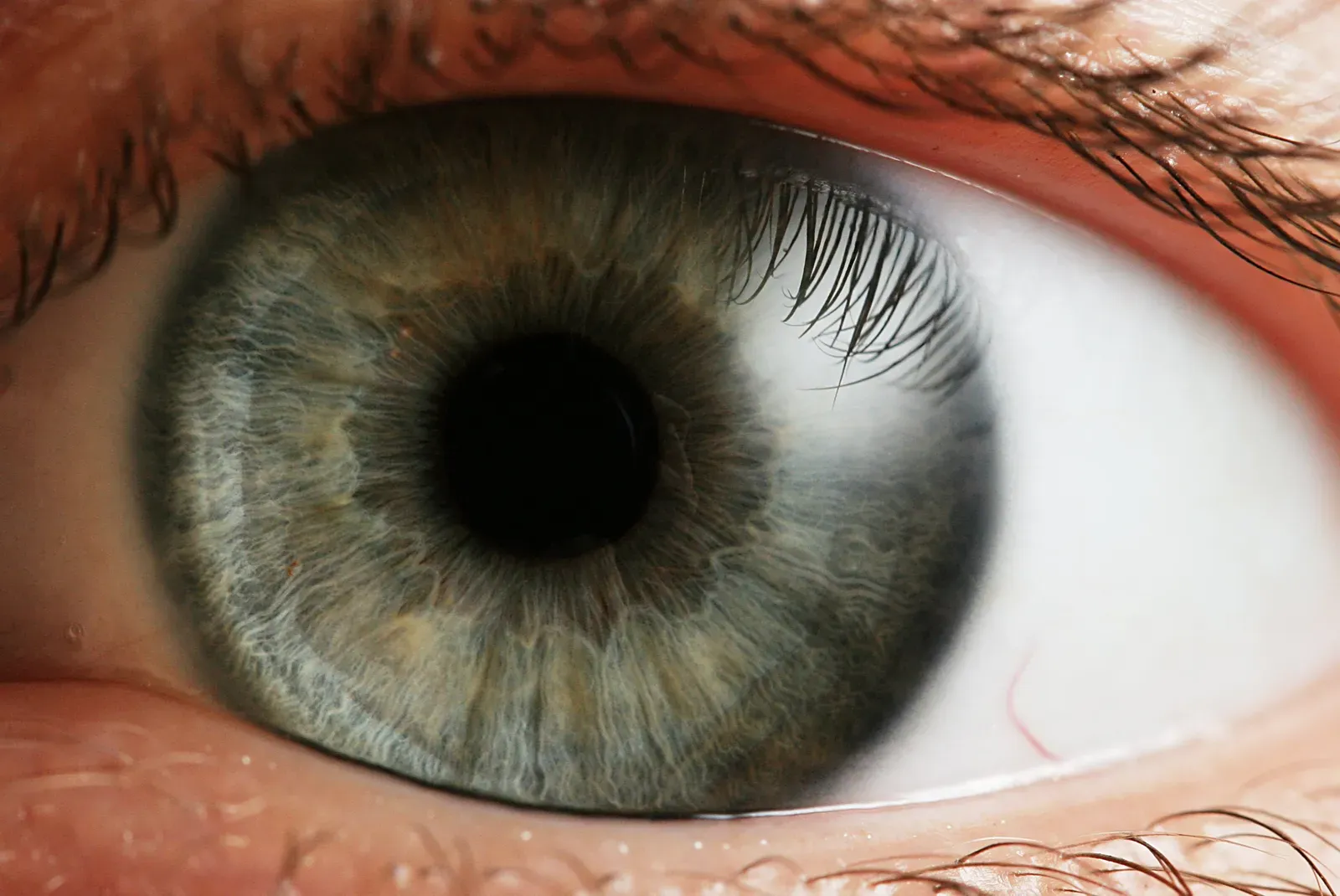
Technically, you cannot see behind you. But your visual system is not a simple camera; it is more like a prediction engine that constantly fills in gaps, extends the scene beyond the edge of your eyes, and tracks movement in your periphery. The neural pathways carrying visual information from your eyes split into multiple routes, and one of the most relevant here is a fast, low-detail pathway to evolutionarily older brain areas that specialize in rapid reactions to looming threats and sudden motion.
This fast-but-blurry pathway passes through structures like the superior colliculus and the pulvinar, which help orient your head and eyes toward movement even before you are fully aware of what you saw. When something or someone moves just outside your field of view, these systems can flag it as important, boosting arousal and triggering muscle tension. You might not consciously register a figure stepping into your peripheral vision, but your older circuits already have. By the time you feel that shiver and think “something’s behind me,” your brain has probably been adjusting your muscles and heart rate for a second or two, operating in the brain’s shadow zone before your conscious mind catches up.
The Startle Reflex: Your Nervous System’s Emergency Flinch

That instinctive jump you make when you hear an unexpected sound from behind is not just you being jumpy; it is a classic startle reflex that is conserved across many species. This reflex is driven heavily by the brainstem, especially nuclei in the pons and medulla, which can fire off muscle contractions within fractions of a second after a sudden stimulus. The cortex, the part of your brain that reasons and reflects, often gets the full story only after your body has already flinched, tensed, or turned.
What makes this so relevant to the “behind you” feeling is that the startle system is tuned not only by what actually happens, but also by context and expectation. If you already feel vulnerable or watched, your brainstem circuits are more easily triggered by tiny sounds or subtle cues from behind. The reflex becomes like a hair-trigger emergency switch: small inputs, big outputs. This may be why the sensation can feel out of proportion to the situation; the ancient survival system is calibrated to err on the side of overreacting, because from an evolutionary perspective, a false alarm is cheap, but a missed predator is fatal.
The Amygdala’s Role in Fear, Threat, and That Creepy Feeling

If the brainstem is the body’s rapid flinch center, the amygdala is the emotional amplifier that decides how important a possible threat might be. The amygdala is an almond-shaped structure deep in the temporal lobe that evaluates stimuli for emotional salience, especially fear-related signals. It can be activated by rough, incomplete information from sensory systems and older pathways, well before detailed conscious analysis is available.
When something shifts behind you, even just a slight rustle or the sense of a looming presence, the amygdala can boost your alertness, narrow your focus, and produce bodily changes like that familiar cold shiver or tightening in the chest. Importantly, the amygdala connects heavily to both the brainstem and the hypothalamus, meaning it can kick off stress hormone release and fight-or-flight responses without waiting for your logical brain to approve. This is why the “someone’s behind me” sensation can feel so emotionally loaded: it’s not a calm observation, it is an alarm state driven by one of the brain’s oldest threat detectors.
Sensory Noise, Pattern Detection, and Why Your Brain Prefers False Positives
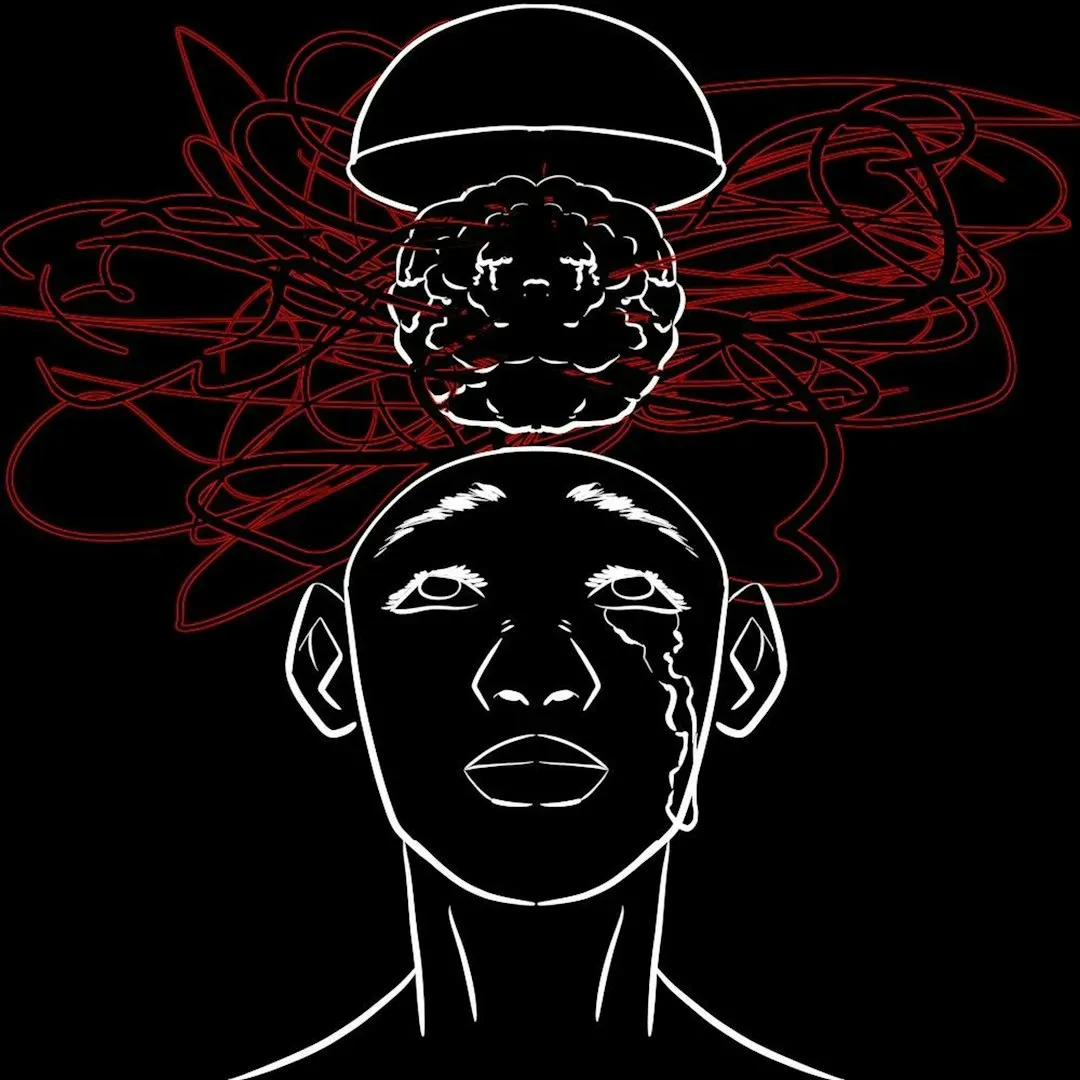
The human brain is obsessed with patterns. It constantly tries to interpret messy, noisy sensory input and turn it into meaningful stories about what is happening around you. From an evolutionary standpoint, it has been far safer for your brain to over-detect threats than to under-detect them. That means these ancient circuits are biased toward false positives: sensing a watcher in the shadows when it is just a coat on a chair, or feeling someone behind you when it is only the hum of a refrigerator and a passing draft.
This bias helps explain why the feeling that something is behind you is so common, especially in dim light, unfamiliar places, or when you are already a bit anxious. Your nervous system constantly fuses tiny cues: a change in air pressure, a faint sound, a flicker at the edge of your vision, a memory of a scary movie. Put together, these may not form a clear picture, but they are enough to tilt old survival circuits into “better safe than sorry” mode. The shiver is your body’s way of saying: I am not sure, but if there is even a small chance of danger back there, we should take it seriously.
Why This Reflex Feels So Personal in the Age of Anxiety
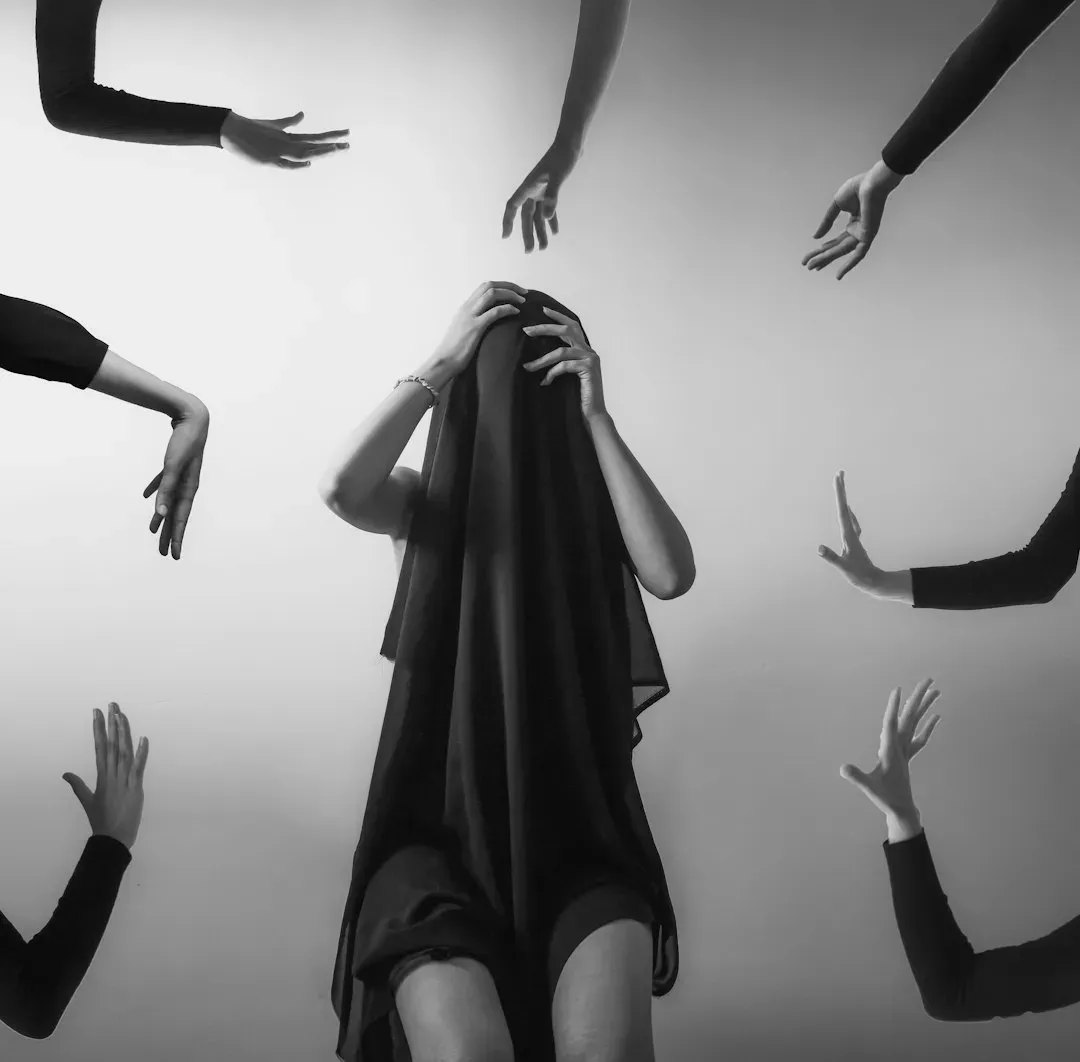
In a modern context, this deeply ancient reflex often shows up in places that are physically safe but psychologically loaded, like walking alone at night, sitting with headphones on, or scrolling in a dark room after watching suspenseful content. Our modern worries – about crime, social judgment, or even online harassment – can prime the same old circuits that once reacted to predators or hostile rivals in the wild. The brain does not care whether the threat is a tiger in the bushes or a stranger in a parking garage; it runs many of the same early warning routines.
What can be confusing is how intensely personal it feels. You might think, “Why am I like this? Why am I so paranoid?” when in reality you are experiencing a standard human reflex that most people never talk about in detail. I remember walking down a quiet hallway late at night in an old building, feeling absolutely certain there was someone right at my back, only to turn and find nothing. Instead of reading that as a personal failing, it makes more sense to see it as your brain’s ancient security system doing its job a little too enthusiastically in a world where the alarms now mostly go off over worries instead of wolves.
When the System Misfires: From Helpful Reflex to Chronic Hypervigilance

As powerful as this reflex is, it is not always helpful. In people who have experienced trauma or chronic stress, these ancient circuits can become hypersensitive, firing constantly even in objectively safe situations. The sense that someone is behind you, watching you, or about to do something can turn from an occasional eerie moment into a constant background hum of dread. This is one way hypervigilance shows up: the nervous system is stuck in a high-alert mode that once made sense in danger but now just wears you down.
Neuroscientific research on anxiety disorders and post-traumatic stress suggests that the amygdala and related threat networks can remain overactive, while regulatory systems in the prefrontal cortex struggle to dial things back. In plain terms, the old survival brain is flooring the gas pedal, and the newer rational brain has a hard time finding the brakes. Understanding that the shiver you feel is part of an ancient reflex can be strangely comforting. It reframes the experience not as evidence that you are broken, but as proof that your nervous system is doing what it was built to do, even if it sometimes overshoots in the modern world.
Making Peace With an Ancient Alarm: A Modern Takeaway

To me, the most striking thing about this research is how it reframes that creepy, almost paranormal sensation of someone being right behind you. Instead of treating it as a weird quirk or a sign of irrational fear, we can see it as a ghost from our evolutionary past: a reflex so old that it was here long before our modern, chattering thoughts evolved. It is not perfect, and it often gets things wrong, but its core job is to keep you alive in a world that once had far fewer safety nets than we enjoy today.
In a culture that constantly tells us to be calm, rational, and endlessly chill, I think there is something honest and even admirable about a nervous system that refuses to let its guard down entirely. That shiver is like a distant echo of your ancestors turning toward rustling grass or shifting shadows, choosing to look foolish rather than die surprised. You do not have to obey every alarm it rings, but you also do not need to hate it. Next time you feel that subtle jolt that something is right behind you, maybe pause and ask yourself: is this just my old brain doing its ancient job, and what does it say that it still cares this much about keeping me alive?