If you could stand in the middle of Kansas about eighty million years ago, you would not see endless fields of corn and wheat. You would be treading water in a warm, shallow sea, with predators longer than a school bus gliding silently beneath you. The state that many people now dismiss as flat, calm, and predictable was once the stage for some of the most dramatic undersea battles in Earth’s history.
That ancient body of water, called the Western Interior Seaway, cut North America in half from the Arctic to the Gulf of Mexico. Where highways, farmhouses, and small towns sit today, enormous reptiles with serrated teeth hunted giant fish, squid-like animals, and each other. Let’s dive into eight of the most astonishing “sea monsters” whose bones have been dug out of Kansas rock, and see why this landlocked state might be one of the last places you’d actually want to swim if you had a time machine.
1. Mosasaurus: The Apex Lizard of the Kansas Sea
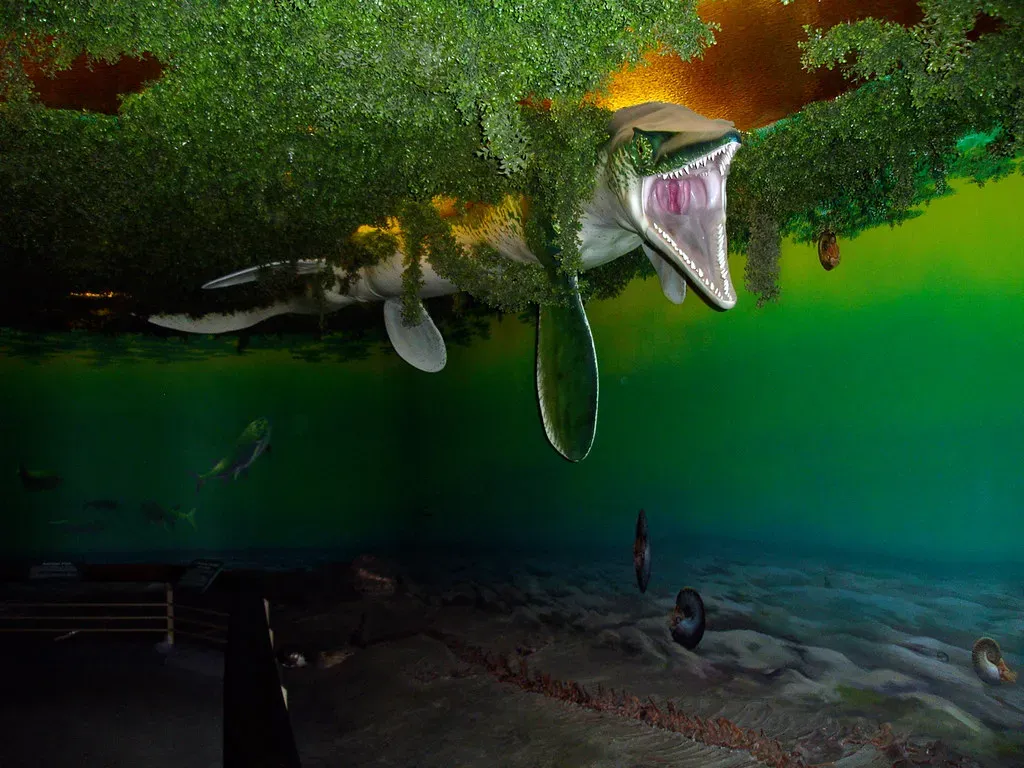
Mosasaurus is the poster child for Kansas sea monsters, even though its fame today often comes from movies rather than the fossils locked in chalky cliffs. Imagine something shaped a bit like a crocodile crossed with a monitor lizard, stretched to the length of a bus, and armed with a jawful of conical, bone-crushing teeth. These were not dinosaurs, but giant marine lizards related to modern-day monitor lizards and snakes, and they ruled the Western Interior Seaway like tyrants.
In Kansas, Mosasaurus remains suggest a powerful predator built for open-water hunting, with paddle-like limbs and a long, muscular tail that worked more like a shark’s fin than a typical reptile tail. Their jaws were hinged in a way that let them swallow large prey, from fish and squid to other reptiles, in big, devastating gulps. When you hear that Kansas used to be underwater, Mosasaurus is the creature that really drives the point home: this quiet, landlocked state once hosted a top predator that could have taken a serious bite out of almost anything that moved.
2. Tylosaurus: The Long-Skulled Missile of the Seaway
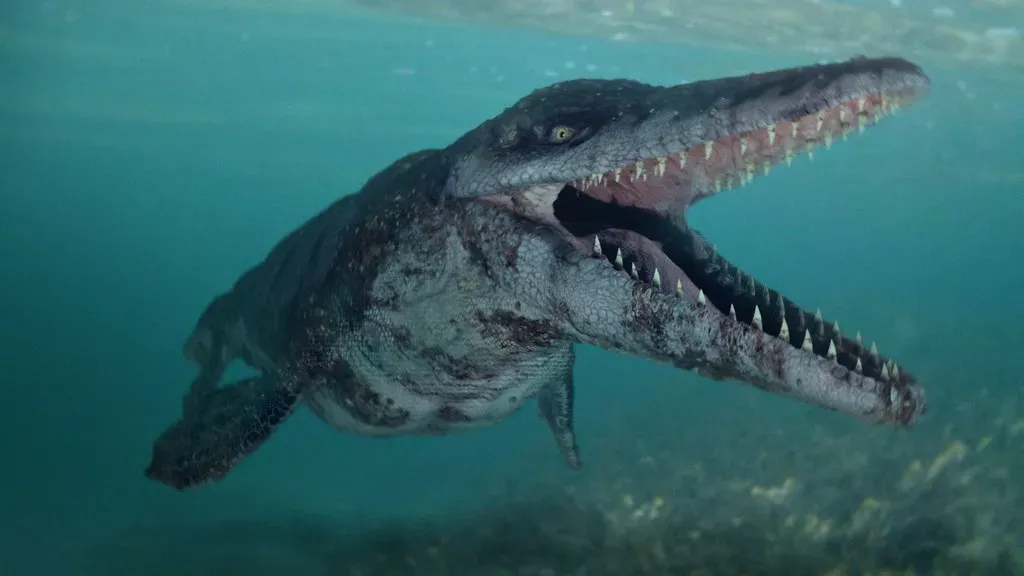
Tylosaurus is another mosasaur, but it deserves its own spotlight because it may have been even more terrifying than Mosasaurus in some ways. Its skull was long and narrow with a solid, bony snout, like a built-in battering ram. That design suggests a predator that did not just bite, but rammed and stunned prey before tearing into it, more like a torpedo than a typical ambush hunter. Some of the best Tylosaurus skeletons ever found came from Kansas, preserved in the soft chalk that was once seafloor mud.
Fossils of Tylosaurus have been found with stomach contents still inside, including fish, other marine reptiles, and even birds that had fallen into the water. That brutal menu hints at a hunter that treated everything in its environment as potential food, blurring the line between specialist and opportunist. To me, Tylosaurus feels like the ultimate Kansas sea villain: sleek, fast, confident, and not remotely picky about what it demolished. If Mosasaurus was the heavy-hitting king, Tylosaurus was the ruthless assassin gliding just beneath the waves.
3. Platecarpus: The Sleek Mid-Sized Marine Lizard
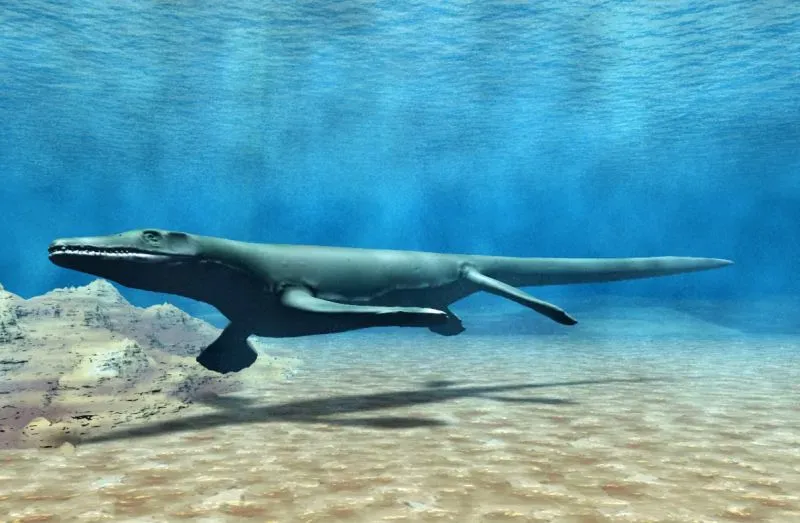
Not every mosasaur in the Kansas sea was a massive, hulking beast. Platecarpus, while still big by human standards, was more of a mid-sized hunter that probably relied on speed and agility rather than brute force. Its body was streamlined, with a shorter snout and large eyes that suggest it hunted visually in relatively clear water. In a way, Platecarpus was the “sports car” of the mosasaur world compared to the heavier “trucks” like Mosasaurus and Tylosaurus.
The Kansas fossils of Platecarpus have provided surprisingly detailed information about how these animals looked and moved, including evidence of a tail fluke and soft tissue outlines. That kind of preservation lets scientists reconstruct them not as stiff, dragon-like creatures, but as dynamic, swimming reptiles that curved and flexed through the water like powerful eels. It is a reminder that the ancient Kansas sea was not just a place of giant monsters crashing into each other, but also of sleek predators darting between shoals of fish in a complex, living ecosystem.
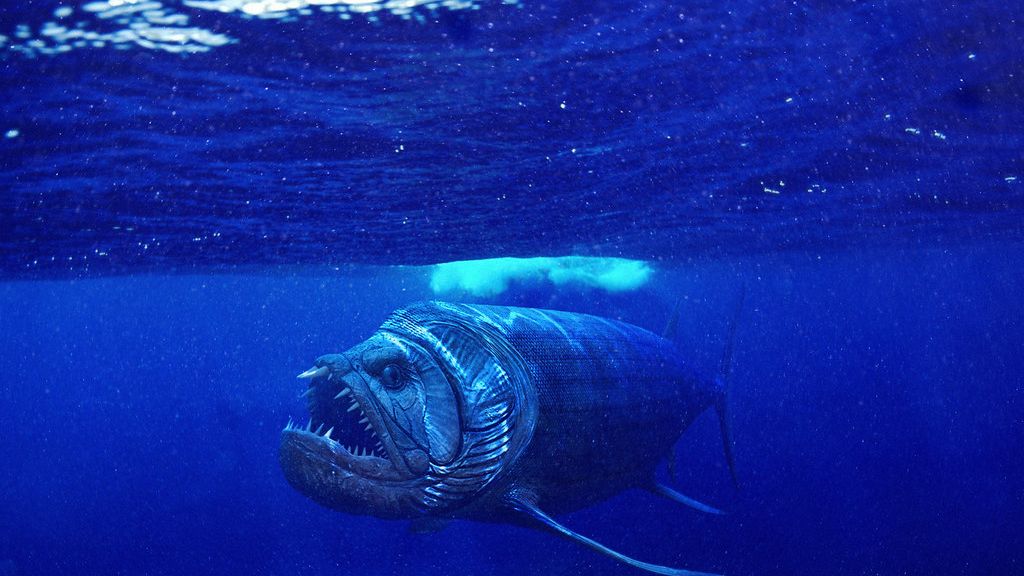
4. Xiphactinus: The Nightmare Fish With a Mouth Full of Knives
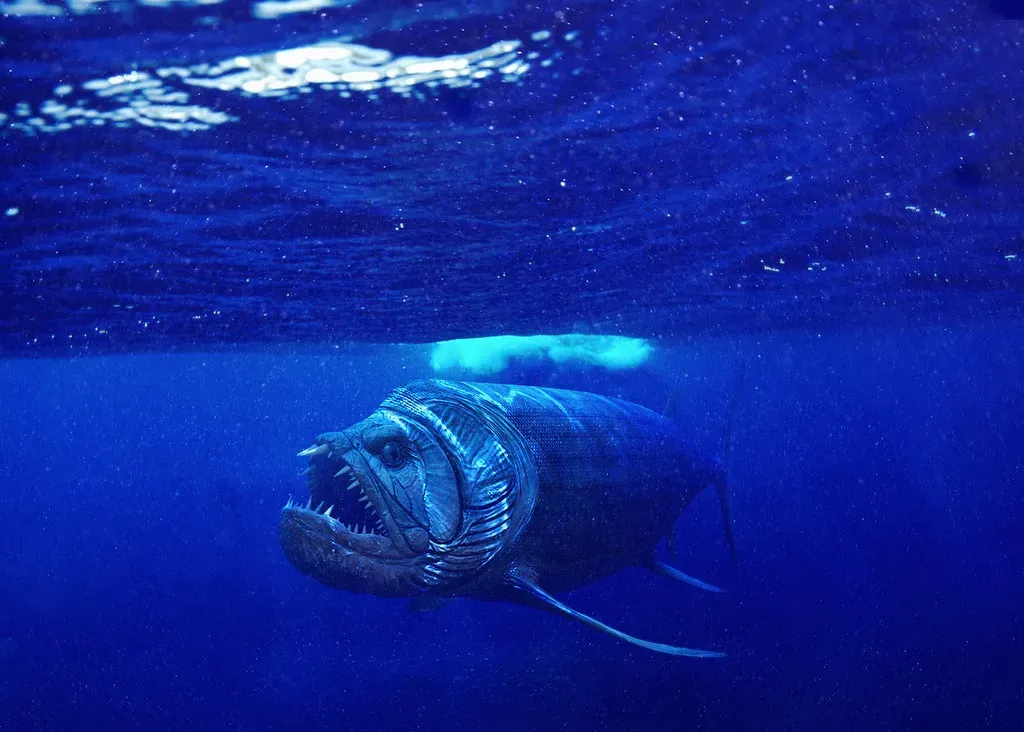
Reptiles get most of the attention, but the fish of the Kansas sea deserve serious respect, and Xiphactinus might be the most alarming of all. Picture a fish longer than a grown adult, with a toothy grin that looks more like a horror movie prop than something from real life. Its mouth was packed with large, needle-like teeth that could snare slippery prey, and its streamlined body suggests it was built for speed, not lazy cruising. This was not the kind of fish you would want nibbling your toes.
One of the most famous fossils from Kansas is a Xiphactinus skeleton containing another large fish swallowed almost whole inside its ribcage. That single, almost unbelievable fossil tells you everything about its attitude: Xiphactinus was an aggressive predator that pushed the limits of what it could eat, sometimes fatally. I find it oddly relatable that greed may have been its downfall in at least one case, like someone trying to swallow an entire sandwich in one bite and regretting it instantly. In a sea full of mosasaurs, Xiphactinus still managed to be terrifying all on its own.
5. Cretoxyrhina: The “Ginsu” Shark of the Cretaceous Plains
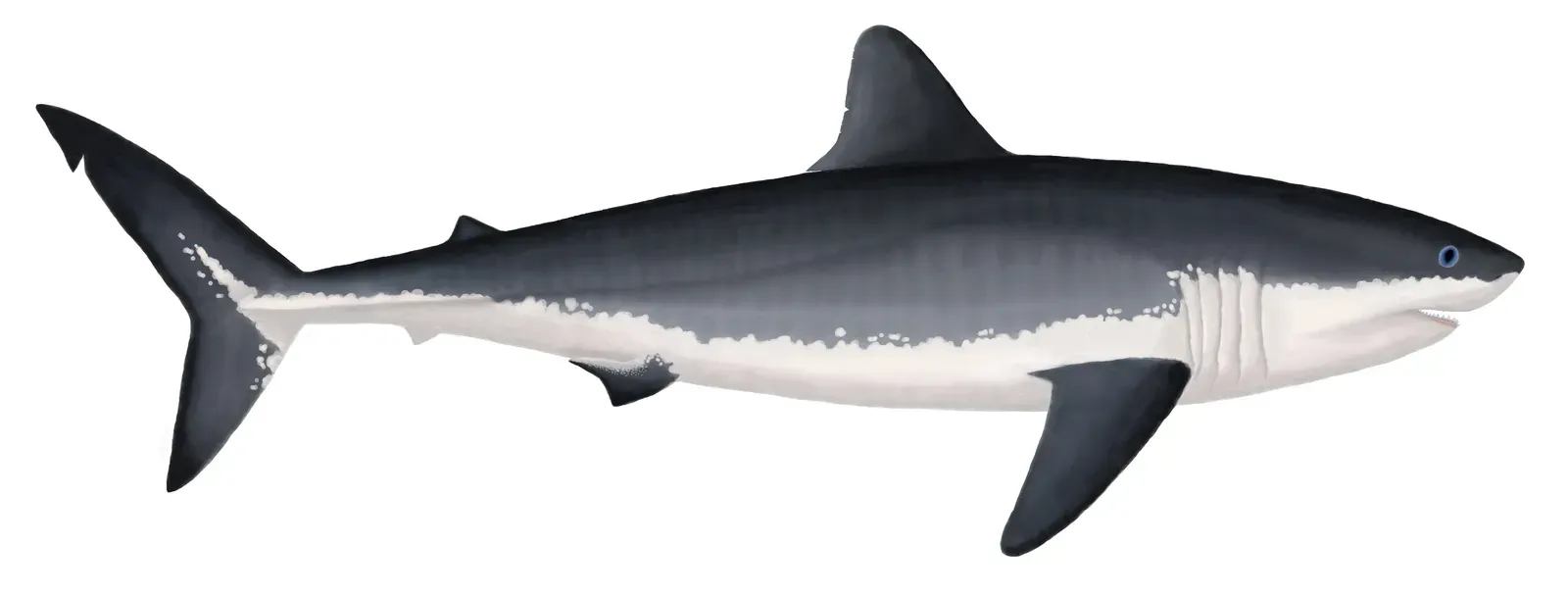
It should not surprise anyone that sharks were also patrolling the Western Interior Seaway, and Cretoxyrhina has earned the unofficial nickname of the “Ginsu shark” thanks to its razor-sharp slicing teeth. This large shark was roughly comparable to modern great white sharks in size and ecological role. Its teeth were wide, blade-like, and perfect for chopping chunks out of large prey, whether that prey was fish, turtles, or even young marine reptiles. Kansas fossils have yielded plenty of these teeth, scattered like dropped knives through the ancient seafloor.
Unlike mosasaurs, which were air-breathing reptiles, Cretoxyrhina was a true fish, continuously swimming to push water over its gills. It likely cruised the open seaway, following schools of prey and scavenging carcasses when the opportunity arose. In my opinion, it is easy to underestimate sharks like Cretoxyrhina because they look somewhat familiar compared to bizarre reptiles and giant toothed birds, but that familiarity almost makes them more chilling. You could argue that out of all the Kansas sea monsters, this is the one modern humans would recognize instantly as dangerous without needing a paleontology degree.
6. Plesiosaurs: Long-Necked Ghosts of the Kansas Seaway
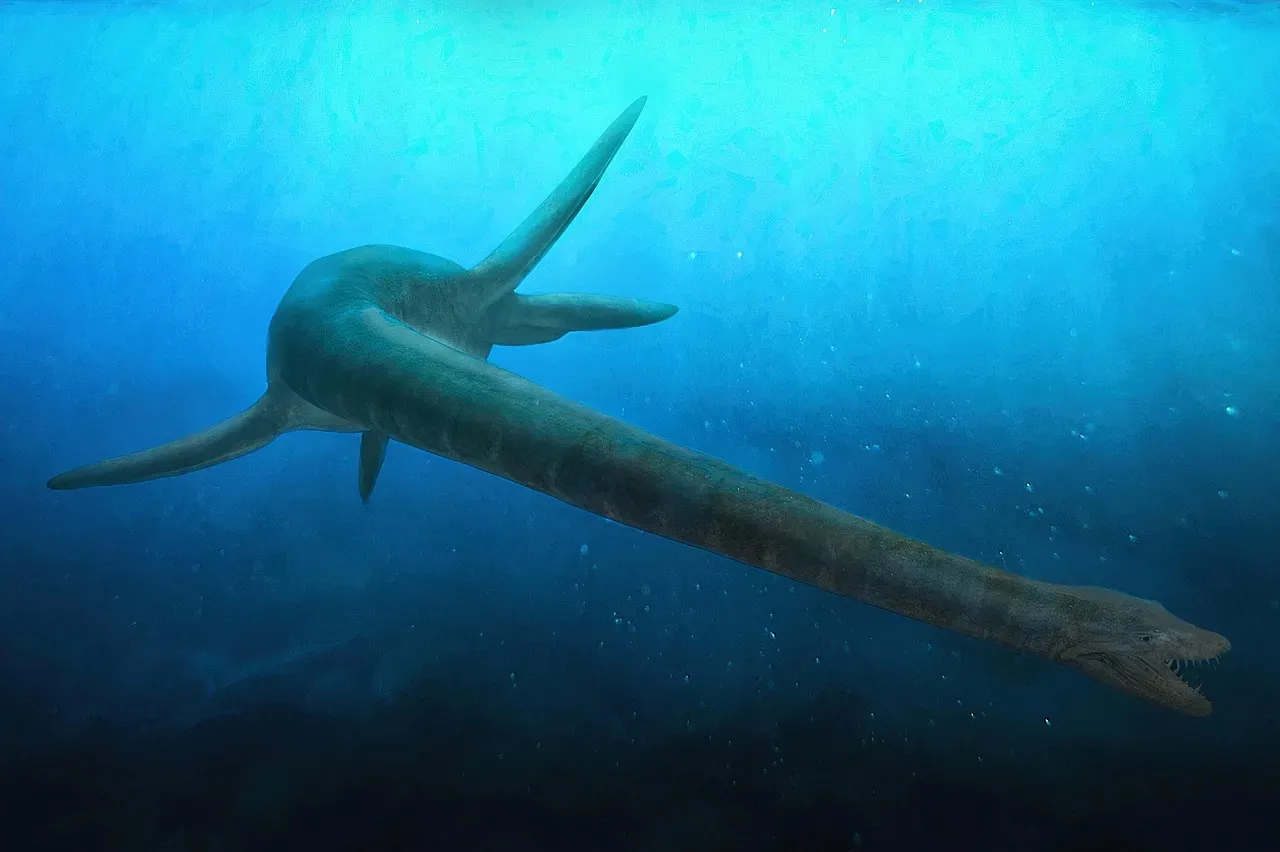
When people imagine ancient sea monsters, plesiosaurs with their long necks and small heads are often what come to mind, even if they mix them up with dinosaurs. In the Western Interior Seaway, Kansas played host to several kinds of plesiosaurs, including long-necked forms that looked almost delicate until you remember how big they actually were. Their bodies were broad and flat, with four powerful flippers that let them “fly” underwater like marine acrobats. The neck, made of many vertebrae, gave them a strangely graceful, almost eerie silhouette.
These animals probably hunted smaller prey like fish and squid, using their flexible necks to snap sideways and grab food without moving their whole body, a bit like a stalking bird striking from the reeds. I have always found plesiosaurs from Kansas oddly haunting, maybe because they feel so unlike anything alive today. They are not quite like whales, not like seals, not like turtles, and certainly not like fish. Standing in Kansas and picturing them gliding silently through the ancient water feels like watching ghosts swim through rock and time.
7. Dolichorhynchops: The Short-Necked Power Swimmer
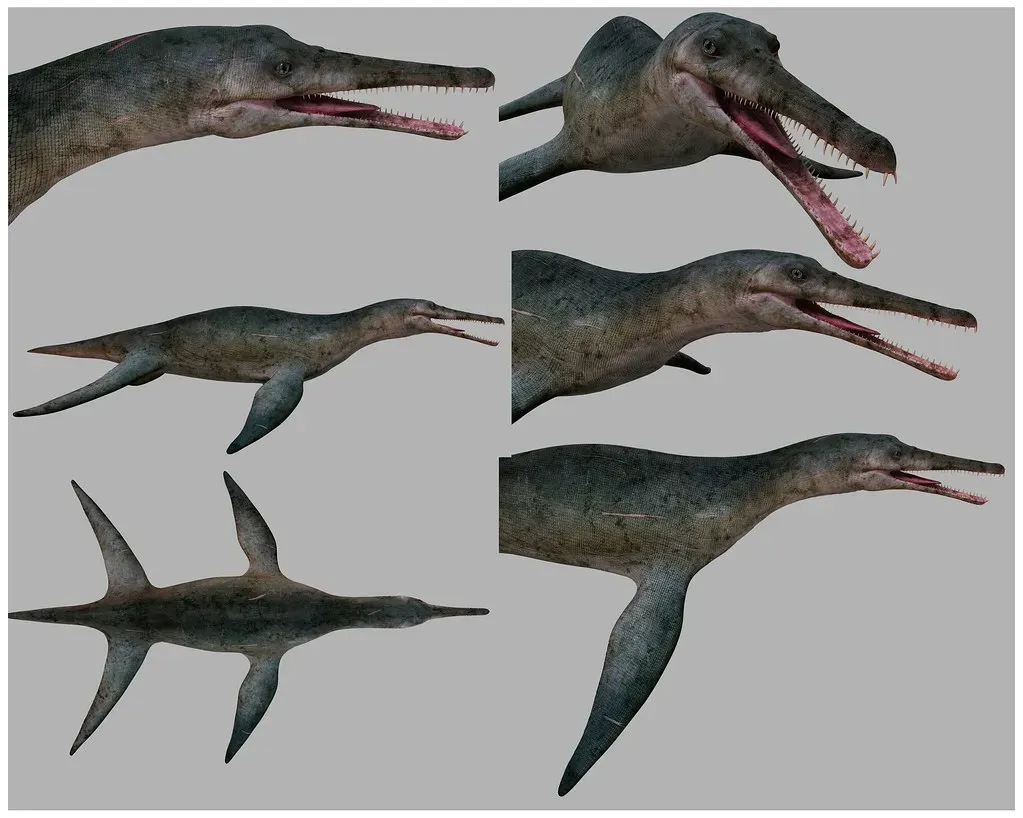
While some plesiosaurs went the long-necked route, others did the exact opposite, and Dolichorhynchops is a prime example of the short-necked, big-headed variety often called pliosauroids. Its neck was relatively short, its skull large and armed with conical teeth, and its body compact and muscular. That build suggests a predator that relied less on reach and more on raw power and quick bursts of speed, ambushing prey rather than slowly snaking through the water. Kansas has yielded beautifully preserved skeletons of Dolichorhynchops, helping scientists understand how these animals moved.
With four large flippers working together, Dolichorhynchops might have swum in a way that feels surprisingly similar to how sea turtles move today, but with a more aggressive, predatory twist. I like to think of it as the “attack submarine” of the Kansas sea: shorter, stockier, and ready to explode toward prey in sudden, devastating lunges. In a landscape now known for long, open horizons, it is almost ironic that one of its ancient residents was all about compact power and close-quarters hunting beneath the waves.
8. Hesperornis: The Tooth-Billed Diving Bird
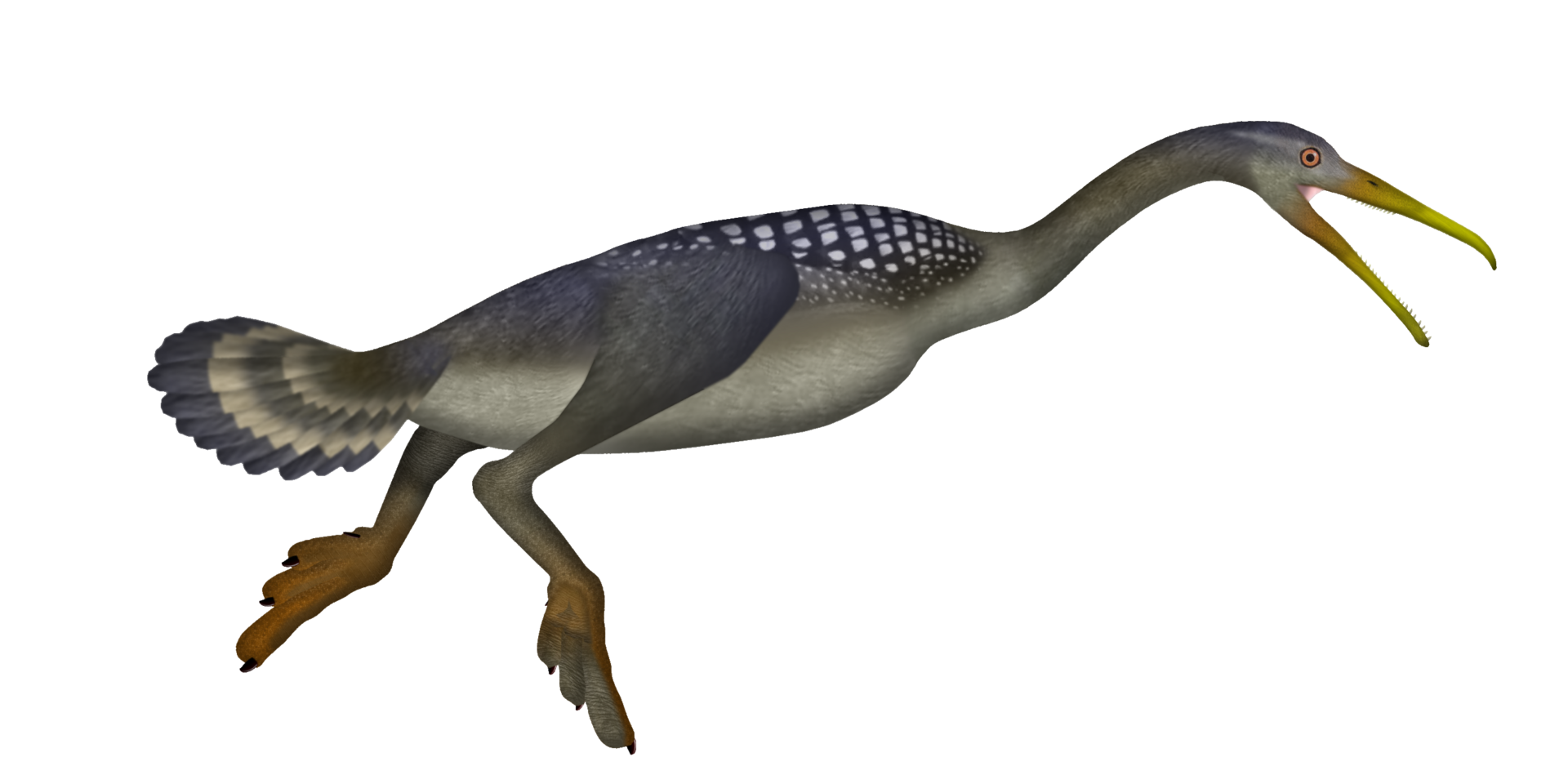
Not every Kansas sea monster had a reptilian body plan; some had feathers in their evolutionary history and beaks full of surprises. Hesperornis was a flightless diving bird that spent most of its life in the water, using powerful hind limbs to swim after fish like a prehistoric, overbuilt loon. Unlike modern birds, it had teeth set into a long beak, giving it a slightly unsettling, almost reptile-meets-bird look that fits perfectly with its Cretaceous neighbors. Its fossils in Kansas show that the seaway surface and shallows were just as busy as the deep, predator-filled waters below.
On land, Hesperornis would have been awkward, shuffling rather than walking gracefully, but in the water it was a sleek, specialized hunter. To me, Hesperornis is a strong reminder that the Kansas seaway was not simply a reptile kingdom. It was a full ecosystem with birds, fish, invertebrates, plankton, and countless other forms of life interacting in complicated ways. If you picture a modern coastal scene full of gulls, cormorants, and diving birds, then mentally swap in toothy, diving Hesperornis, you start to feel how deeply alien and yet strangely familiar ancient Kansas really was.
Conclusion: The Most Terrifying Thing About Kansas Is Its Past
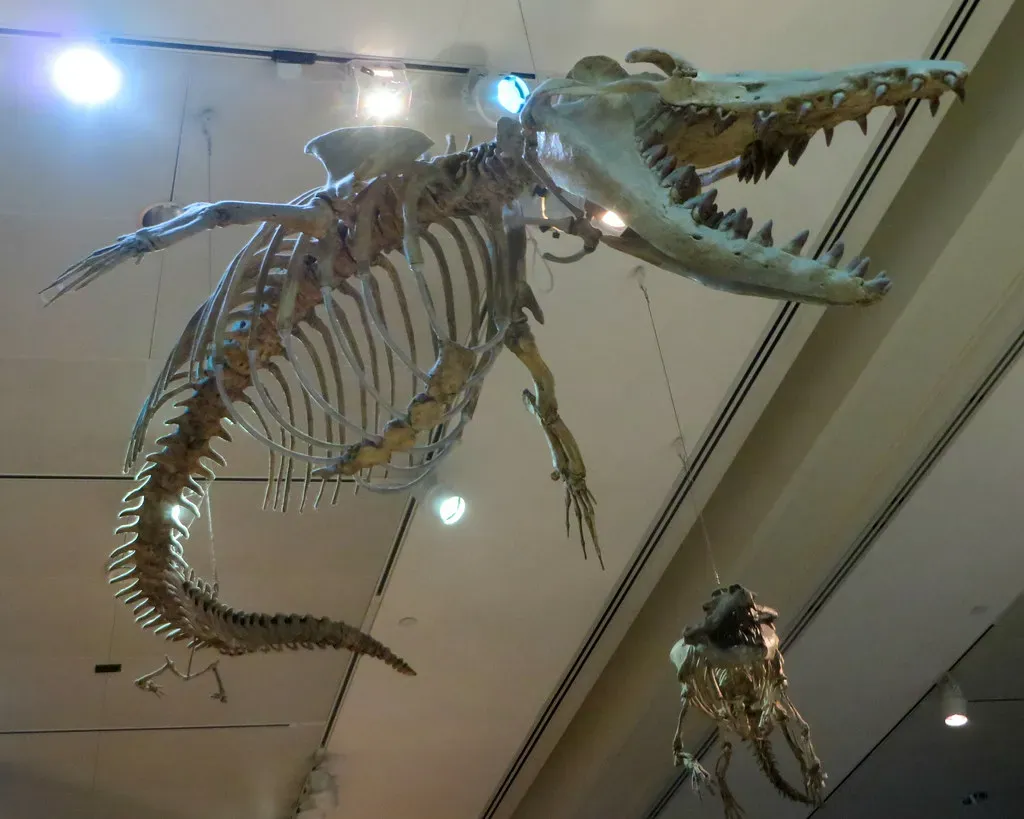
When we talk about Kansas today, the conversation usually revolves around weather, agriculture, or long stretches of highway, not bus-sized lizards and knife-jawed fish. Yet the rocks beneath those quiet fields document a time when this region was nothing less than an open-ocean battlefield. Mosasaurs, giant sharks, plesiosaurs, monster fish, and toothed diving birds turned the Western Interior Seaway into one of the most dramatic marine environments Earth has ever seen. In my view, the idea that a place so often stereotyped as dull once hosted such a wild cast of creatures is not just surprising, it is humbling.
There is something powerful about standing in the middle of modern Kansas and realizing that every layer of chalk, every fossil bone, is a receipt from an ocean that should not exist in our mental map of North America. It forces us to admit that our sense of what is “normal” on Earth is based on a brief snapshot in a very long story. Personally, I think that makes Kansas one of the most secretly spectacular states in the country, a place where you can drive past a wheat field and know that, deep below, the ghosts of sea monsters are still sleeping in stone. The next time you cross the plains, will you be able to look at that flat horizon without imagining a Tylosaurus passing silently overhead, just a few dozen million years too late?