If you grew up in the 1980s, dinosaurs probably lived rent‑free in your imagination. They were giant, cold‑blooded, swamp‑dwelling monsters that dragged their tails, roared at the sky, and vanished overnight when a single rock from space hit the Earth. The plastic toys, TV documentaries, and school posters all told the same simple story, and most of us never questioned it.
Then the science changed. Fossil discoveries exploded, new technology rewrote old assumptions, and paleontologists quietly shattered much of what an entire generation took for granted. What is wild is not just that details changed, but that the whole vibe of dinosaurs shifted – from lumbering lizards to dynamic, complex animals that feel far more alive and surprising. Let’s walk back through some of the biggest “facts” we all believed as kids that turned out to be completely wrong.
1. Dinosaurs Were Basically Just Giant Lizards

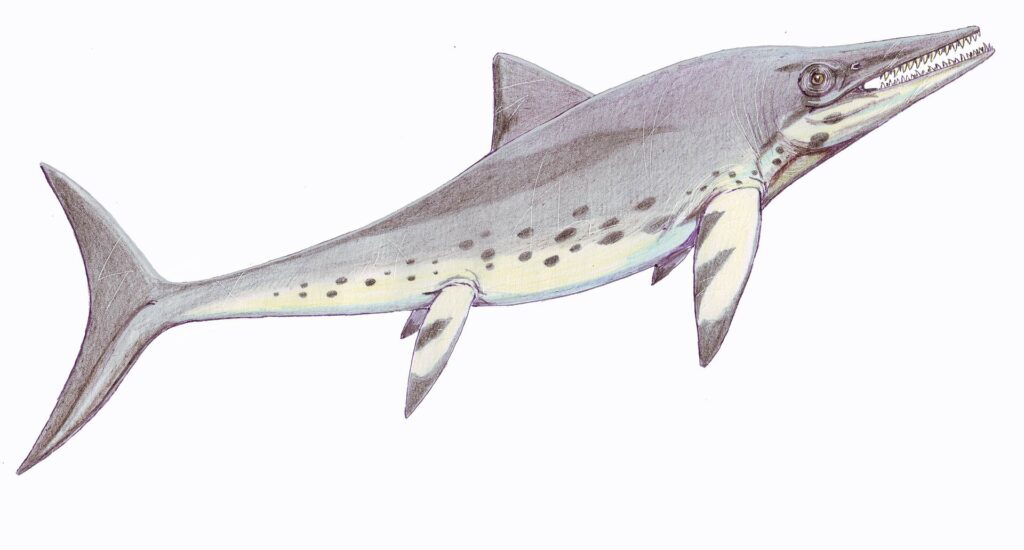
In the 80s, most kids’ books described dinosaurs as oversized lizards, almost like Godzilla clones that just happened to be real once. The artwork usually showed them with scaly green or brown skin, blank reptile eyes, and slow, clumsy movements. The word “dinosaur” itself was thrown around as if it literally meant giant lizard, which made it easy to lump them mentally with crocodiles and iguanas.
Today, we know dinosaurs are not “just big lizards” at all. They belong to their own distinct group of reptiles, and, even more importantly, birds are actually living dinosaurs. That means the creatures at your backyard bird feeder are closer relatives of Tyrannosaurus rex than any lizard ever was. Instead of picturing dinosaurs as scaly crocodiles on legs, it is far more accurate to picture a weird, turbo‑charged spectrum between alligators and birds – something that feels much more alien and much more alive than the 80s version.
2. All Dinosaurs Were Cold‑Blooded, Slow, And Sluggish
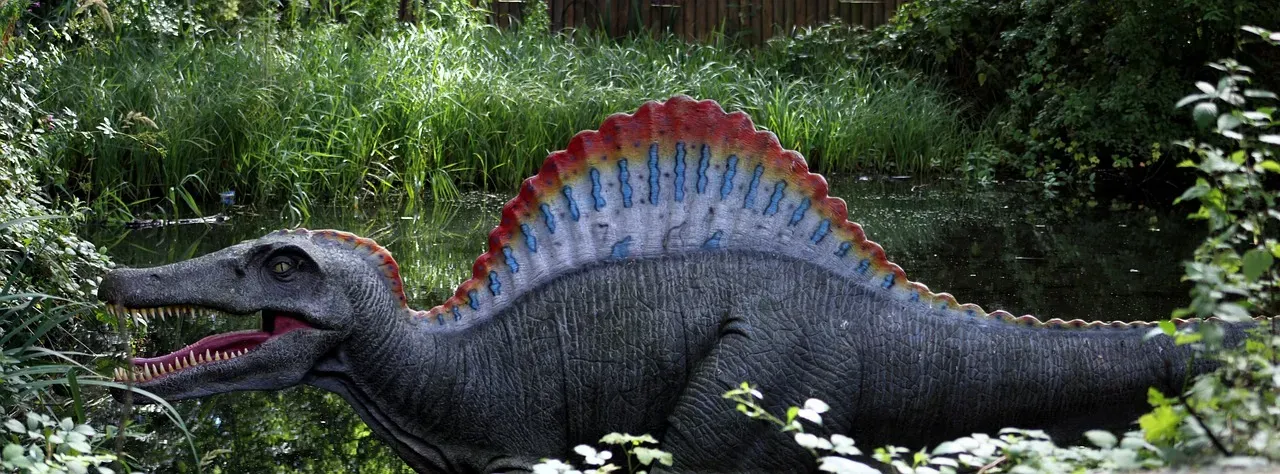
One of the most common childhood “facts” was that dinosaurs were cold‑blooded, just like snakes and modern reptiles. The logic seemed simple: reptiles are cold‑blooded, dinosaurs were reptiles, therefore dinosaurs had to be cold‑blooded and sluggish. Kids’ books showed them basking in the sun like huge komodo dragons, barely moving unless they absolutely had to.
Modern research paints a radically different picture. Bone growth rings, oxygen isotopes, and other clues suggest many dinosaurs had high metabolisms closer to birds or mammals than to slow reptiles. Some scientists now argue that many species were something in between classical warm‑blooded and cold‑blooded, more like “warm‑ish blooded” with sustained activity and fast growth. That means the real Jurassic landscape would have been full of fast, alert, constantly moving animals – not a lazy swamp full of oversized couch‑potato lizards.
3. Dinosaurs Were Drab Green Or Brown, Never Brightly Colored Or Feathered
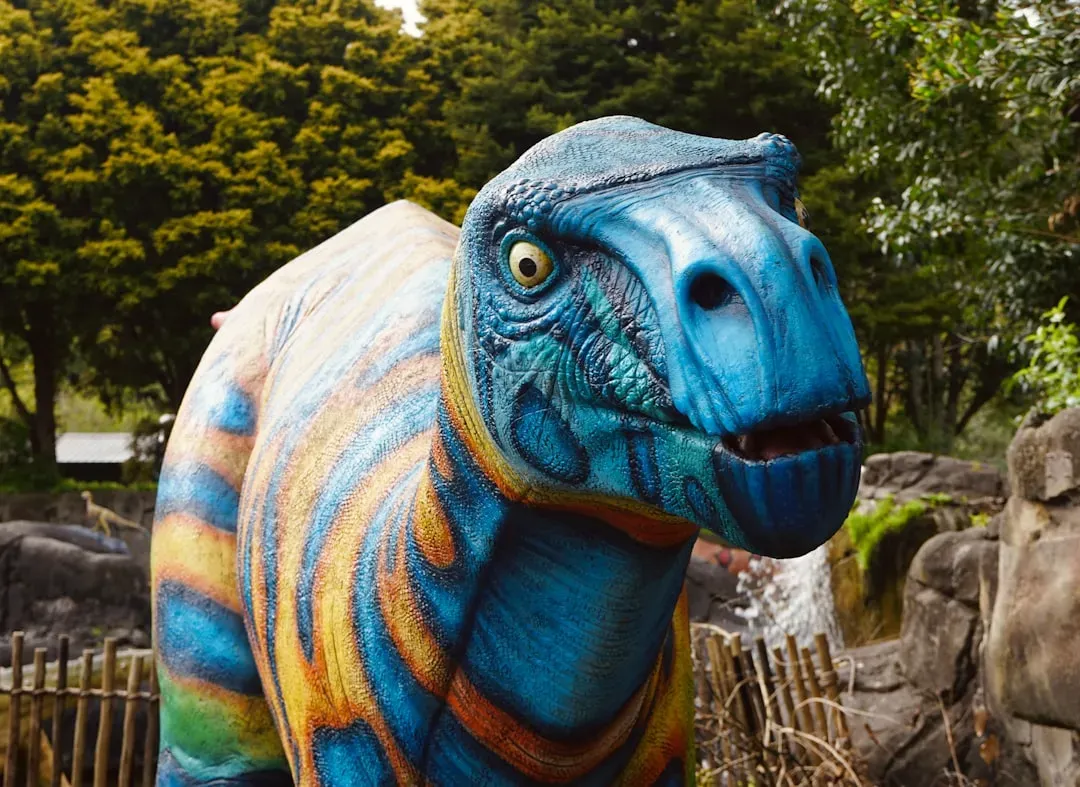
If you flip through an 80s dinosaur book, almost every creature is the same color: muddy green, dull brown, maybe gray if the illustrator felt adventurous. The idea of a bright red or iridescent dinosaur would have sounded like a joke or a toy designer gone wild. Feathers on a dinosaur, especially a big predator, would have been laughed off as childish fantasy.
Then paleontologists started finding spectacularly preserved fossils, especially from sites in China, that clearly showed feather impressions on animals that were unmistakably dinosaurs. In some cases, microscopic pigment structures in those feathers even hint at specific patterns and shades, including dark bands and possibly iridescent sheens. While not every dinosaur had feathers, we now know many of them, especially among theropods (the group that includes T. rex and birds), sported plumage ranging from simple fuzz to full, complex feathers. So the bland green monsters of the 80s were probably closer to black‑and‑white TV versions of a world that was, in reality, far more colorful and strange.
4. Tyrannosaurus Rex Was Just A Roaring, Tail‑Dragging, Two‑Ton Bulldozer
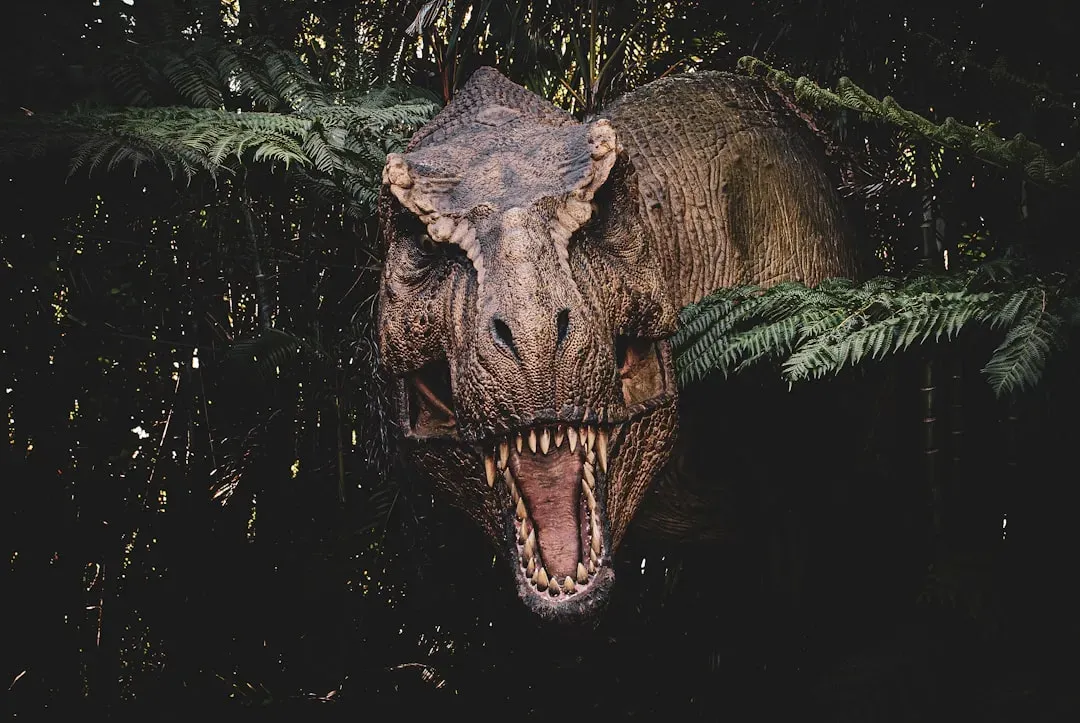
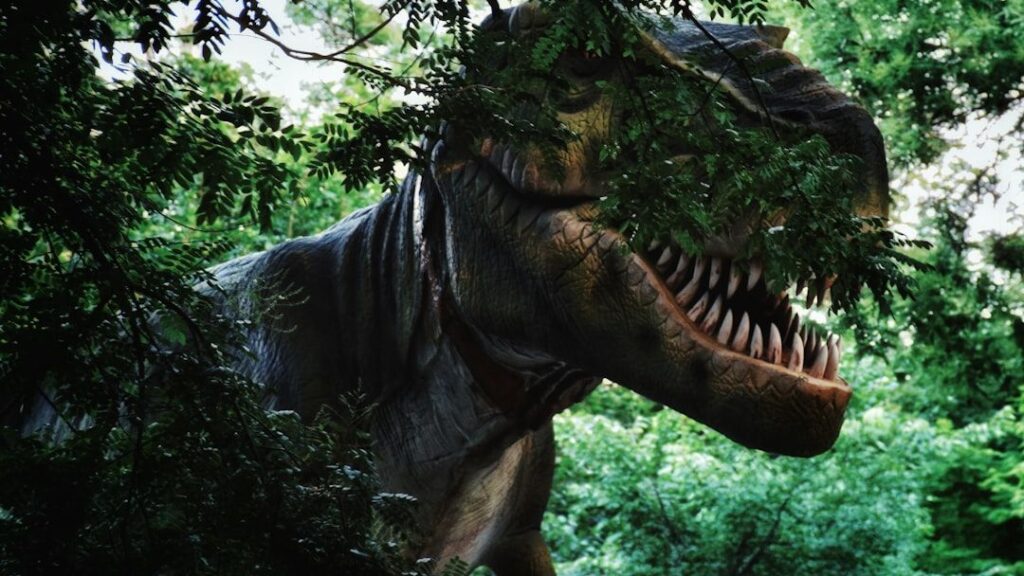
Ask an 80s kid to draw T. rex and you get the same image: upright like a kangaroo, tail scraping the ground, tiny arms dangling, and a mouth permanently open in a movie‑style roar. The popular pose came from very early reconstructions and stuck in pop culture long after scientists had moved on, because it just looked dramatic and menacing. It made T. rex feel like a living battering ram, stomping around with little regard for physics or posture.
Modern biomechanics and trackway evidence show that T. rex held its body horizontally, with the tail held straight out as a counterbalance, not dragged along the ground. Its spine lined up more like a bird than a kangaroo, and its movements, while still massive, were surprisingly agile for an animal that large. There is also a serious debate about how much it actually roared, and it might have produced deeper, less cinematic sounds closer to low rumbles. The real animal was less cartoon villain and more terrifyingly efficient predator or scavenger with a carefully tuned body plan.
5. Brontosaurus Was A Real, Separate Dinosaur That Lived In Swamps
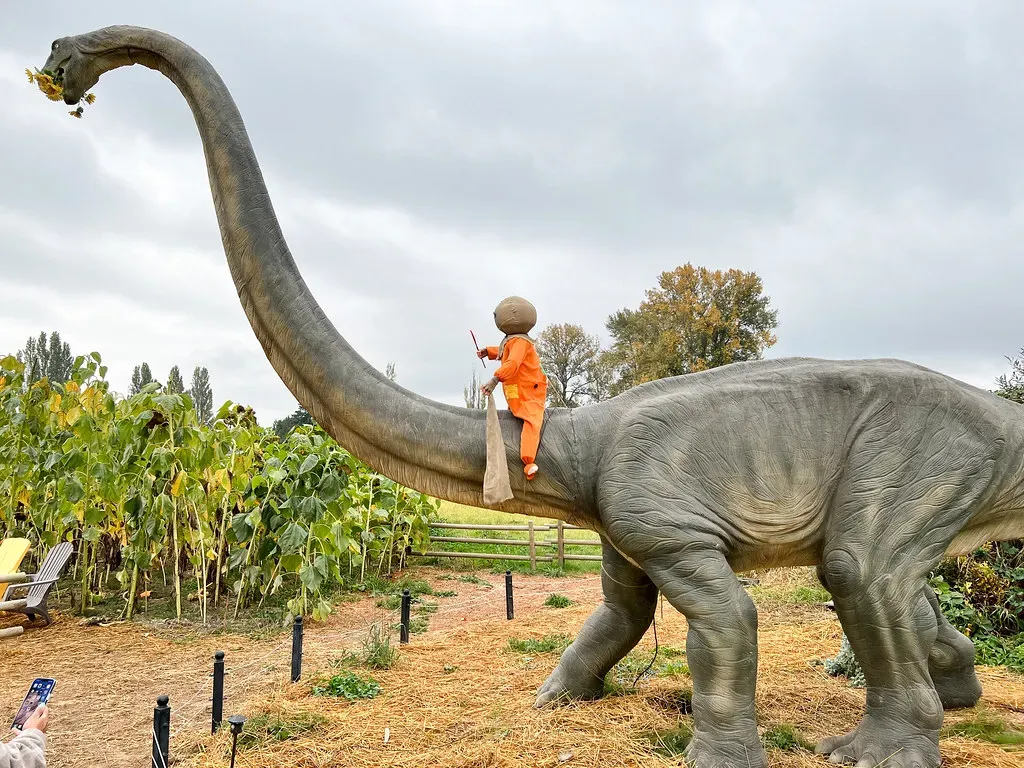
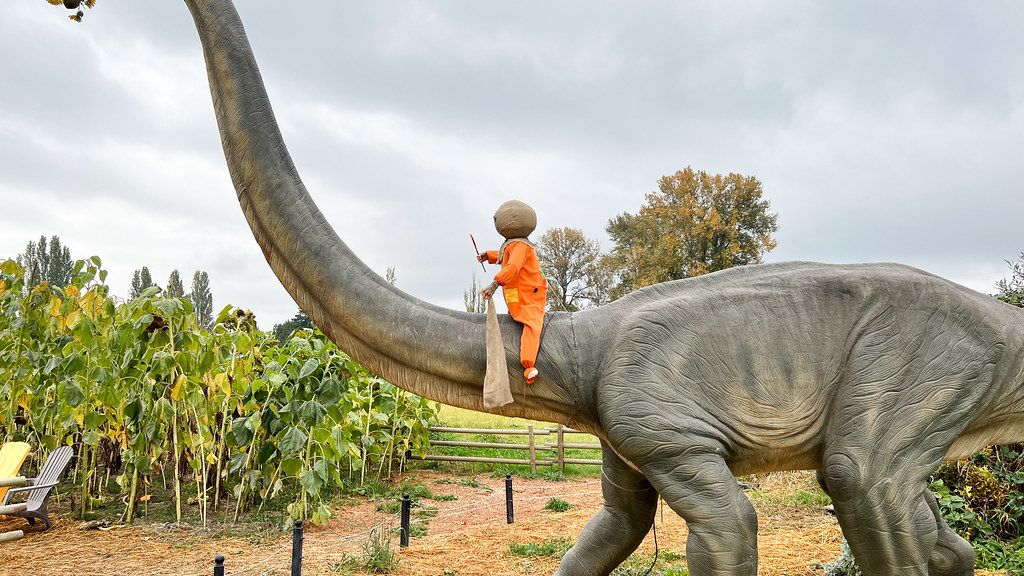
If you had a dinosaur poster in your room as a kid, there was almost definitely a Brontosaurus on it, standing in waist‑deep water, neck held high like a living crane. The story went that the giant body was too heavy to walk on land comfortably, so it basically lived in lakes and swamps to support its weight. Brontosaurus felt like the dinosaur equivalent of a beached whale that never quite left the water.
By the 80s, scientists had already argued that “Brontosaurus” was actually the same animal as Apatosaurus, and that it did just fine on land, but that news traveled slowly to kids’ books and toy companies. Later work on skeletons and footprints confirmed that sauropods were land animals with strong, column‑like legs capable of handling their bulk on solid ground. They may have visited water, of course, but they were not permanently half‑submerged giants hiding from gravity. Interestingly, some recent research has revived Brontosaurus as a valid genus again, but now it is firmly understood as a fully terrestrial walker, not the swamp monster you might remember from old posters.
6. Dinosaurs All Lived At The Same Time, Like One Big Prehistoric Mash‑Up
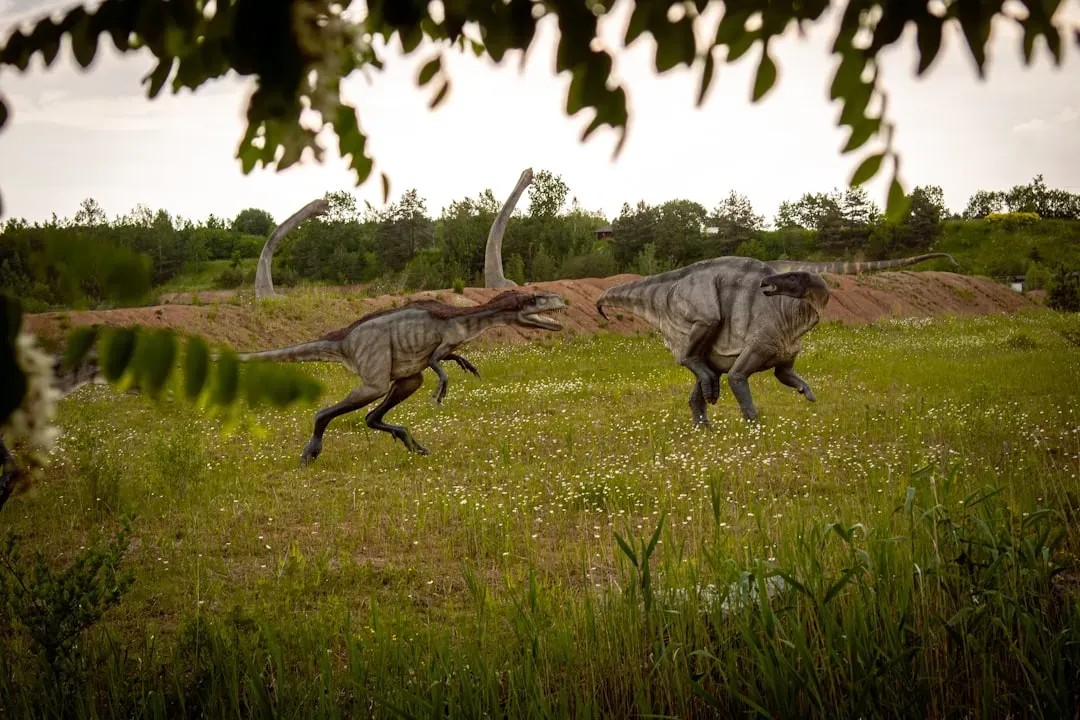
The 80s view of prehistory mashed everything together into one chaotic era where Stegosaurus, T. rex, Triceratops, and every other dinosaur strolled around together. Cartoons did crossover episodes in the same landscape, and the idea that some dinosaurs might actually be separated by tens of millions of years almost never came up. To a kid, the “dinosaur age” was just one long afternoon where everybody showed up.
In reality, dinosaurs lived over an enormous stretch of time – roughly more than 160 million years – and many of the species we imagine side by side were separated by longer gaps than those between dinosaurs and humans. Stegosaurus, for example, went extinct long before T. rex ever existed, so they never met in real life. Thinking about it is a bit like imagining ancient Egyptians hanging out with medieval knights – fun in movies, absolutely wrong in history. Once you grasp that, the dinosaur world stops being a single scene and turns into a long, evolving saga with entirely different casts at different times.
7. Dinosaurs Were Doomed Misfits That Deserved To Go Extinct
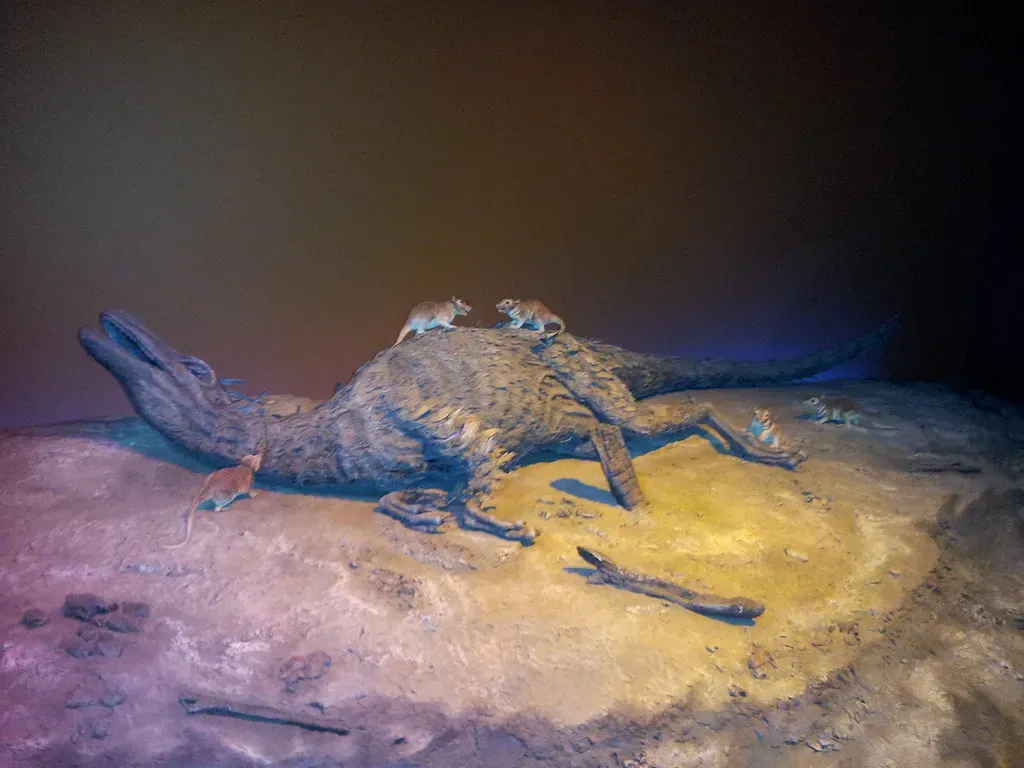
A subtle but powerful 80s message was that dinosaurs were somehow “failures” of evolution. They were portrayed as overgrown, over‑specialized, not very smart, and badly adapted to a changing world, so when the big asteroid struck, it felt almost like the universe cleaning house. In that version of the story, mammals, and eventually humans, were the “better” design finally getting their chance.
Modern paleontology flips that story on its head. Dinosaurs dominated the planet for well over a hundred million years, which is far longer than humans have existed, and they adapted to a huge range of environments and lifestyles. Far from being evolutionary dead ends, they were wildly successful and would likely have continued to thrive if not for a freak combination of catastrophic events. Even then, one branch of dinosaurs – birds – survived and diversified into the thousands of species we see today. Calling dinosaurs failures says more about our old biases than about the animals themselves.
8. The Asteroid Instantly Wiped Out Every Dinosaur Overnight
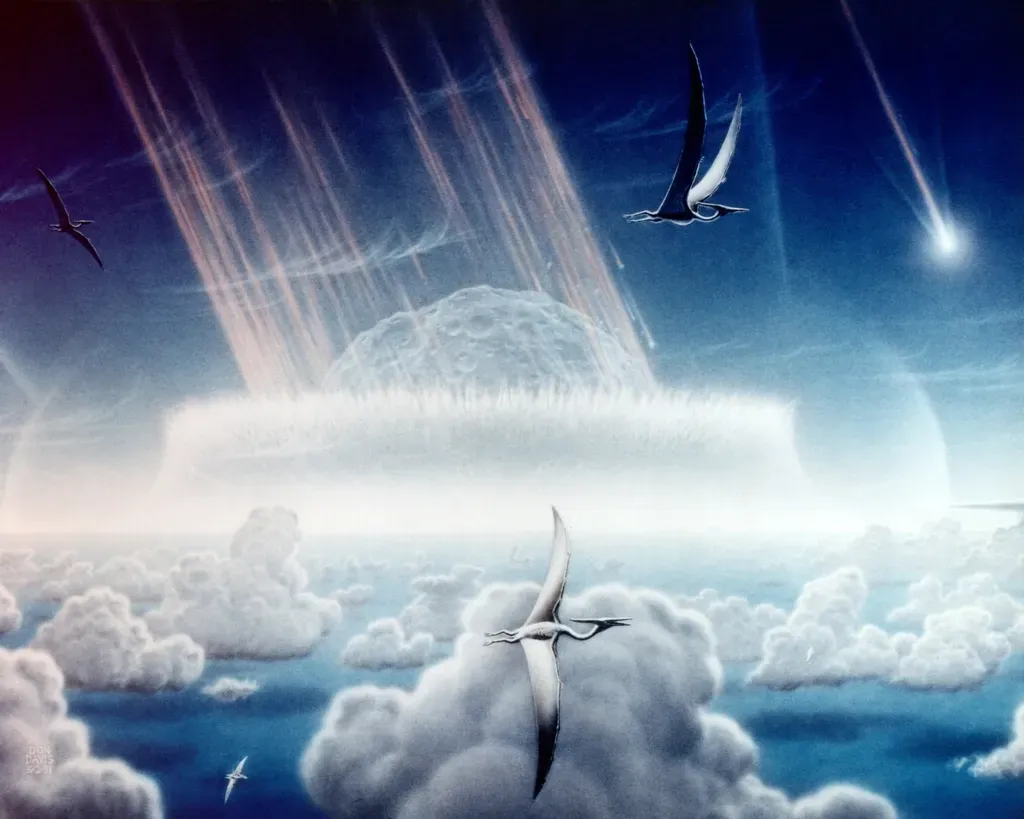
The kid‑friendly version of the extinction story goes something like this: an asteroid hits, there is a gigantic explosion, and every dinosaur keels over like someone flipped a switch. That sudden‑death image is easy to draw in a picture book, and it lines up with the dramatic taste of 80s disaster movies. It makes extinction feel like a single terrible day rather than a complex, drawn‑out crisis.
Current evidence suggests the asteroid strike was indeed catastrophic, but the actual extinction played out over thousands to possibly hundreds of thousands of years as ecosystems collapsed. There were massive wildfires, blocked sunlight, climate swings, acidified oceans, and cascading food web failures. Some dinosaur groups may have disappeared quickly, while others hung on in shrinking pockets before finally dying out. That long, grim unraveling is less cinematic than a single boom, but it matches the messy, gradual way that life usually responds to massive shocks.
9. Dinosaurs Were Dumb, Emotionless Brutes With No Complex Behavior

In the 80s, the stereotype was clear: dinosaurs were big but dumb, driven by nothing deeper than hunger and instinct. Posters and books rarely hinted at parental care, social structures, or anything that might make them feel emotionally complex. Intelligence and behavior were reserved for mammals and, in particular, for primates and early humans, leaving dinosaurs as background monsters.
New fossil evidence, trackways, nesting sites, and comparisons with birds and crocodiles have slowly dismantled that view. We now have good reason to think many dinosaurs built nests, protected their eggs, and cared for their young, at least for a while, much like some birds do today. Trackways showing groups moving together suggest herding and coordinated behavior in some species. While they were not secret geniuses plotting philosophy under the ferns, the idea that dinosaurs were mindless brutes has aged badly. They were animals with instincts, behaviors, and probably a range of responses to their world that would feel surprisingly familiar if we could watch them for a day.
Conclusion: The Dinosaurs In Our Heads Needed To Go Extinct Too
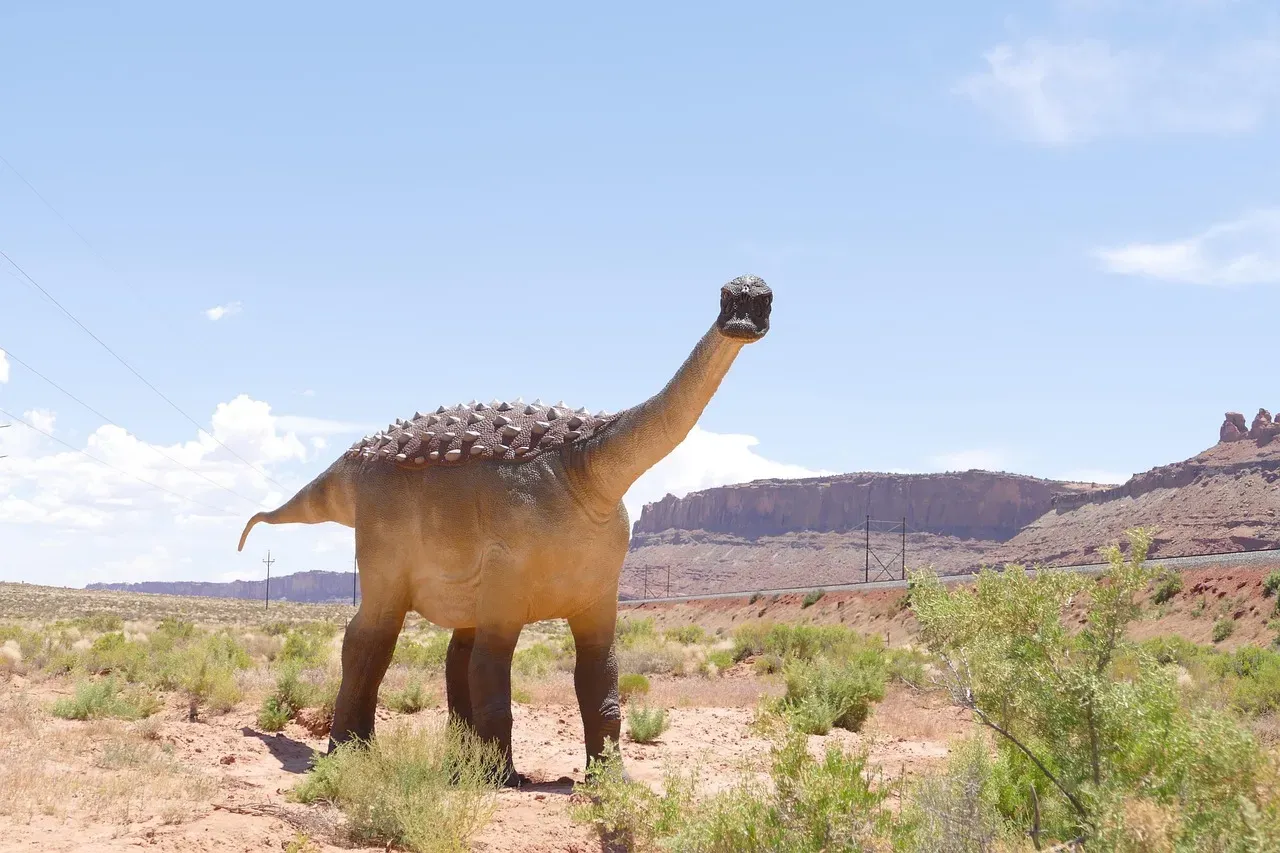
Looking back, the dinosaurs many of us grew up with were almost like a shared childhood myth: simple, dramatic, and mostly wrong. They dragged their tails, lurked in swamps, lived all at once, and vanished in a single bad afternoon because they just could not keep up. The real story that has emerged since then is messier, stranger, and much more satisfying – dinosaurs as dynamic, diverse, often feathered animals that ruled the planet with staggering success and left behind living descendants in the sky.
Personally, I think losing the old 80s version was a trade well worth making, even if it means admitting that the books and toys we adored were wildly outdated. The updated picture makes the past feel more alive, more unpredictable, and honestly more humbling, because it reminds us how quickly our “obvious facts” can crumble under new evidence. Dinosaurs did not just change in science; they forced us to accept that knowledge itself evolves. When you imagine them now, do you still see the clumsy giants from your childhood – or the vibrant, complex creatures that modern science has revealed?