
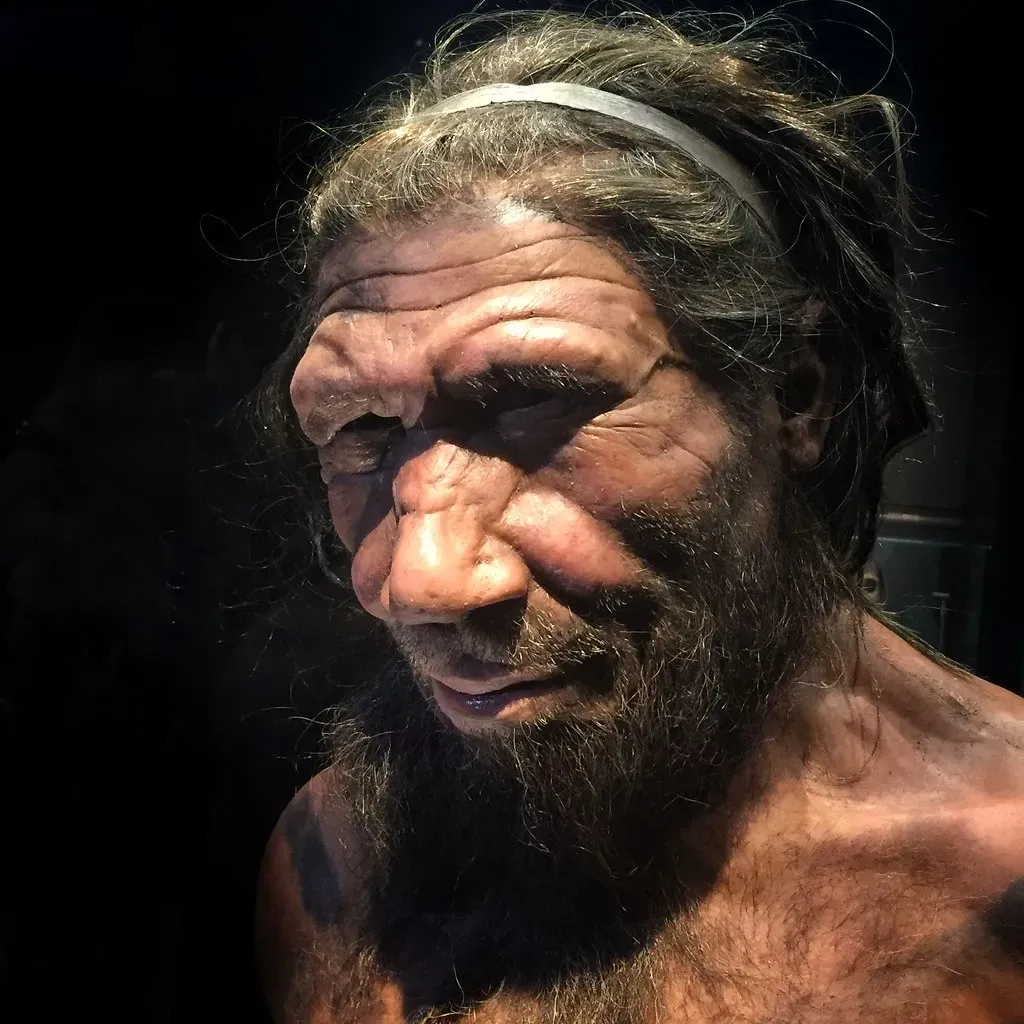
Not that long ago, Neanderthals were treated as the clumsy punchline of human evolution: heavy brows, no brains, and definitely not “like us.” Then scientists started pulling actual DNA out of their bones, and the story flipped in a way no one saw coming. Instead of a dead-end species, Neanderthals suddenly turned into something uncomfortably close to family, with echoes of their genes still living quietly inside our bodies today.
I still remember the first time I saw the headline that living people outside Africa carry Neanderthal DNA. It felt almost science‑fiction, like discovering you’re part character from an ancient lost tribe. The more geneticists dig into Neanderthal genomes, the more that sci‑fi feeling becomes everyday reality. We have their genes in our immune system, our skin, maybe even our sleep cycles and pain sensitivity. The real twist? DNA is showing that the question is no longer “how different were Neanderthals from us?” but “how much of them is still here, shaping who we are?”
We Didn’t Replace Neanderthals – We Interbred With Them
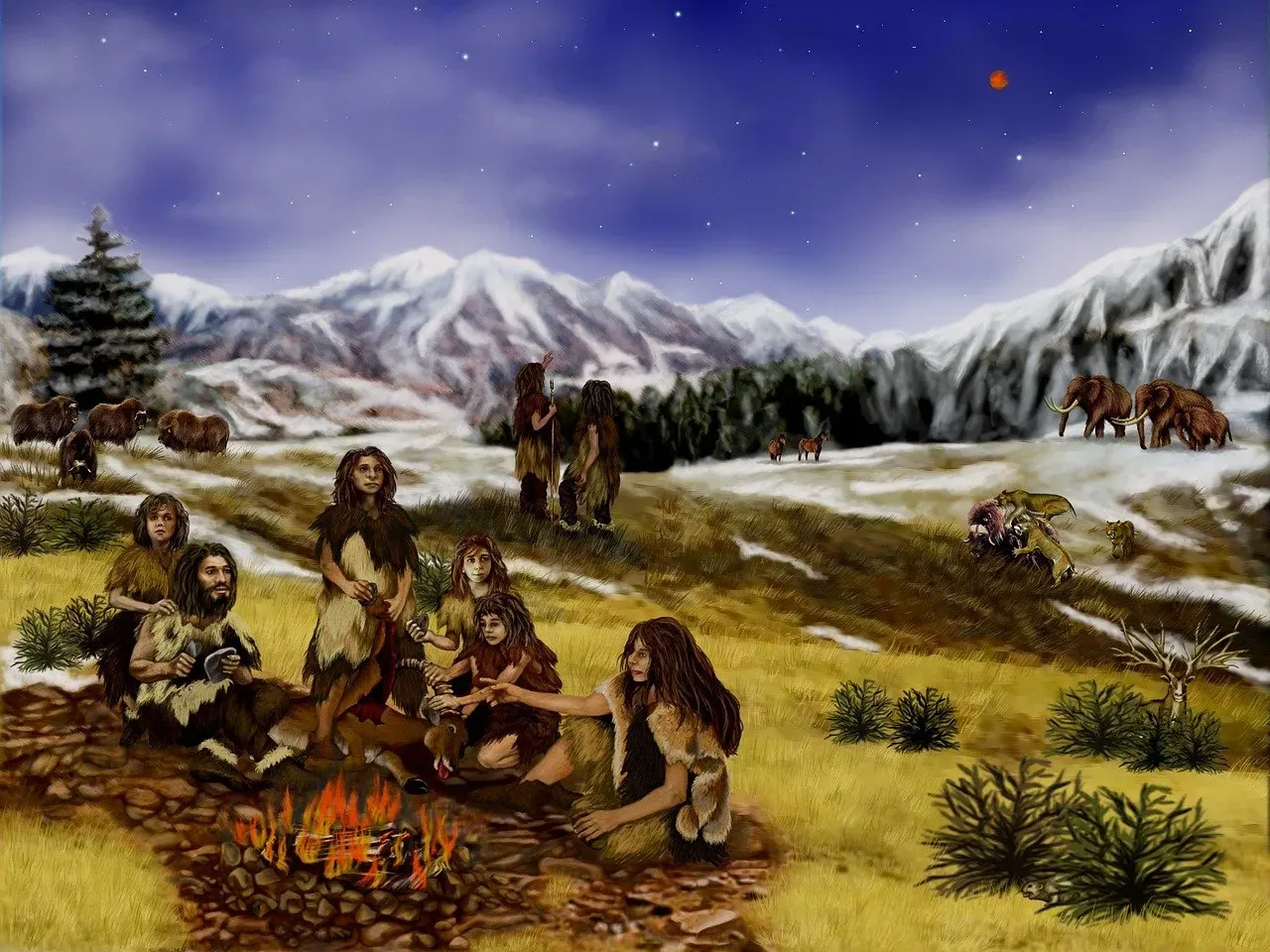
If you grew up with the old story that modern humans simply outcompeted and replaced Neanderthals, DNA has buried that narrative. When scientists first sequenced the Neanderthal genome, they compared it with the genomes of living people from different regions. The shock was clear: people today whose ancestry traces largely outside Africa carry a small but measurable percentage of Neanderthal DNA. That means our ancestors did not just pass them by; they met, lived near them, and had children together.
This interbreeding likely happened multiple times, in different regions of Eurasia, as modern humans spread out of Africa and encountered long‑established Neanderthal groups. Instead of a sharp line between “us” and “them,” the DNA picture looks more like a gradient with blurry edges. Personally, I find that deeply grounding. It turns human evolution from a ladder into a messy, entangled family tree where branches tangle, reconnect, and leave traces long after individual species vanish from the fossil record.
Neanderthal DNA Lives On in Our Bodies Today
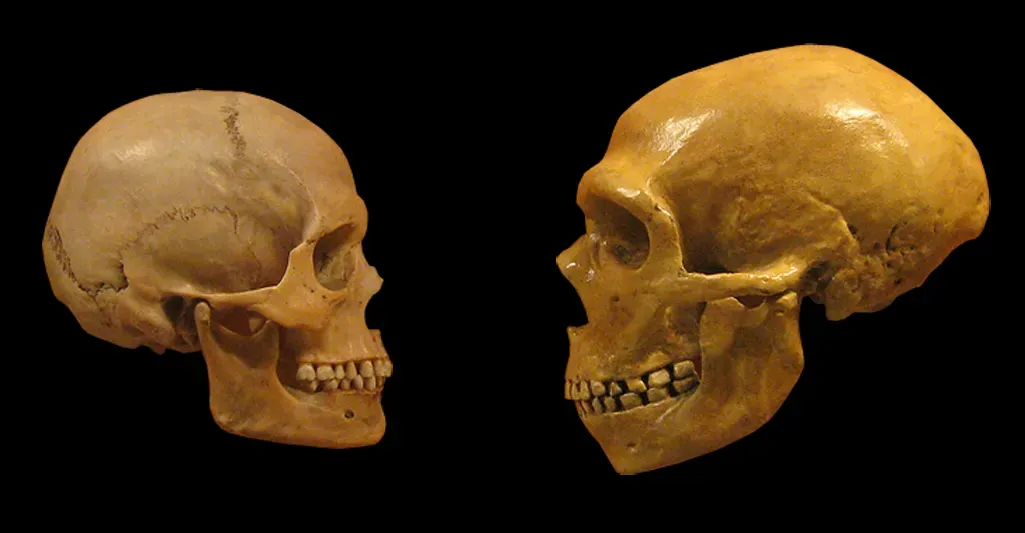
That Neanderthal DNA is not just some dusty statistic; it is literally part of how many of us function day to day. Genetic studies have linked certain Neanderthal-derived variants to traits like skin and hair characteristics, immune responses, and even how we process fats and sugars. For many people of European or Asian ancestry, roughly a small fraction of the genome can be traced back to Neanderthal ancestors. It is a tiny proportion overall, but it is scattered through functionally important parts of the genome.
Some of these inherited genes seem to have been beneficial in Eurasian environments, helping early modern humans adapt more quickly to new climates, diets, and pathogens. Others may be double‑edged swords, possibly nudging risk for conditions like certain autoimmune issues or mood-related traits. To me, that mix of helpful and problematic effects sounds exactly like family inheritance: you get your grandmother’s strong bones and your uncle’s lousy knees in the same genetic package. Neanderthals, in that sense, are one more branch of the extended family whose quirks we still carry.
They Had Big Brains, Complex Lives, and Probably Sophisticated Minds
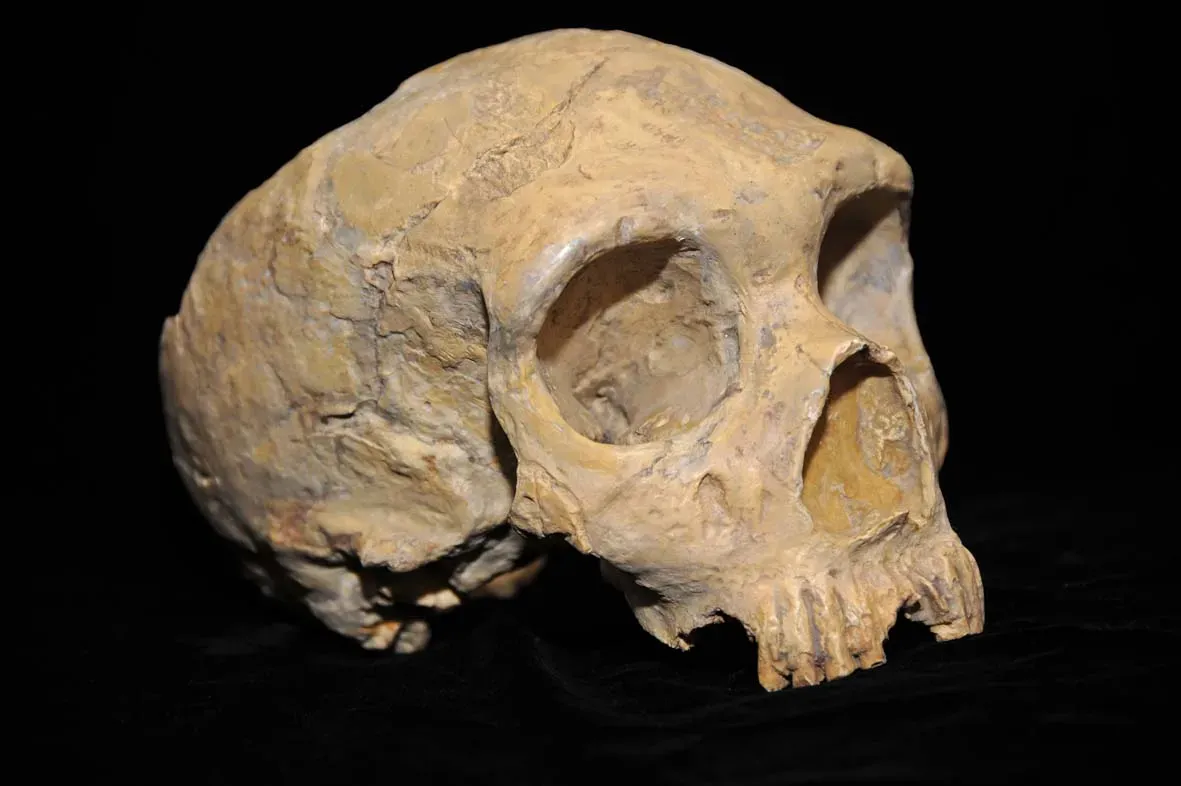
Before DNA, it was easy for some researchers to shrug and say: big brains or not, Neanderthals just were not like us. Genetic analysis has complicated that view. Their genomes show similar sets of genes involved in brain development and neural wiring, suggesting that their mental capacities were not fundamentally primitive. There are differences, of course, but they look more like subtle shifts in timing and regulation rather than a giant gulf in intelligence. Combine that with archaeology that shows tool variation, use of fire, possible symbolic objects, and you get a very different feeling about how they lived.
When I look at the emerging picture, I think of Neanderthals less as caveman caricatures and more as a neighboring human culture that never got to tell its own story. DNA cannot show us their myths, jokes, or fears, but it does show us they had the biological hardware for rich inner lives. That realization changes the moral tone of the conversation: instead of congratulating ourselves for being the “smart ones who survived,” we are forced to ask how much of their disappearance was bad luck, climate swings, epidemics, or simply being the smaller population when two human lineages overlapped.
They Were Adapted Powerhouses for Ice Age Eurasia
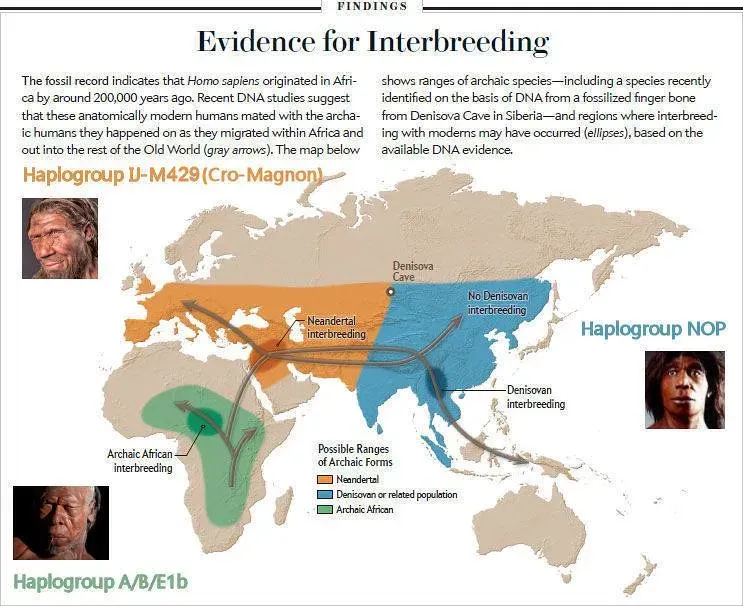
One of the most striking things that DNA analysis has made clear is how deeply Neanderthals were adapted to the harsh environments of Ice Age Eurasia. Their genomes contain signatures of selection in genes related to skin, hair, and metabolism that make sense for surviving long, dark winters with limited plant resources. Some of these same genes appear to have been passed on to modern humans in northern latitudes, where they may have helped our ancestors cope with cold, low sunlight, and new disease pressures.
In a way, Neanderthals were the original locals of Ice Age Europe and western Asia, and modern humans arriving from Africa were the newcomers. The fact that our ancestors ended up carrying some of their genes looks a lot like a transfer of local know‑how, but written in DNA instead of language. I find that image incredibly powerful: it is as if our species, landing in a foreign land, quietly borrowed the genetic “clothing” already tested by another human group over hundreds of thousands of years.
Neanderthal Genes Shape Immunity, Disease Risk, and Even Sleep
As large genomic studies have grown, scientists have been able to connect specific Neanderthal-derived variants to health and behavior in present-day people. Some of these variants affect how our immune systems recognize and respond to pathogens, which may have been lifesaving when early modern humans first encountered new Eurasian microbes. In modern settings, though, that same heightened responsiveness might sometimes contribute to inflammatory or autoimmune conditions, depending on lifestyle and environment. It is a reminder that what counts as “good” or “bad” in evolution always depends on context.
There are also links between Neanderthal DNA and traits like sleep patterns, pain sensitivity, and adaptation to different levels of daylight. For instance, some variants appear to be associated with whether people tend to be more morning‑oriented or evening‑oriented, or how they respond to seasonal changes in light. Thinking about it that way, the ancient nights Neanderthals spent under dim Ice Age skies might still echo faintly in how some of us feel during winter or how easily we wake before dawn. That is not myth or poetic license; it is our biology quietly remembering an ancient world.
They Were Fewer, More Isolated, and Genetically Vulnerable
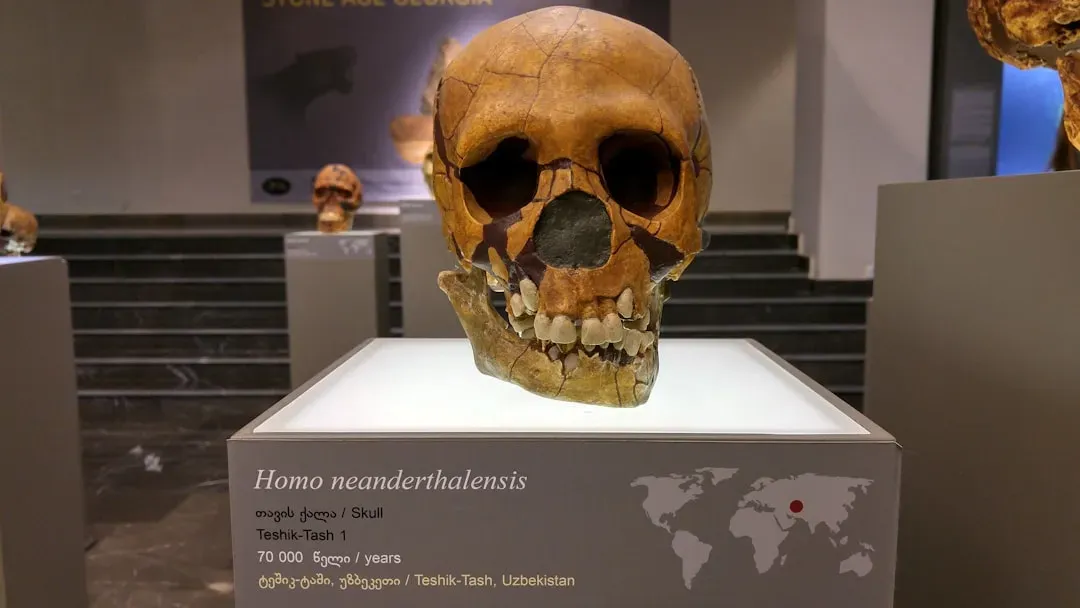
DNA has also revealed a sobering side to Neanderthal history: they often lived in relatively small, scattered groups with signs of inbreeding and limited gene flow. Their genomes show patterns consistent with long-term small population sizes, which can make a species more vulnerable to random disasters, diseases, and environmental changes. When modern humans arrived in large, expanding populations, Neanderthals may already have been on fragile genetic footing. That does not mean they were doomed no matter what, but it suggests they were playing evolutionary life on “hard mode.”
This perspective makes their extinction feel less like a simple story of superior and inferior species and more like a collision between unequal demographic forces. One lineage expanding rapidly, the other hanging on in patchy refuges, both fully human in their own ways. We sometimes like neat stories where the winner deserves to win, but genetics pushes us into a more uncomfortable truth: survival is often about numbers, chance, and timing as much as talent. Neanderthals might have been just as clever and capable in many respects, yet they were the smaller player in a rapidly changing world.
Neanderthals Force Us to Redefine What It Means to Be Human
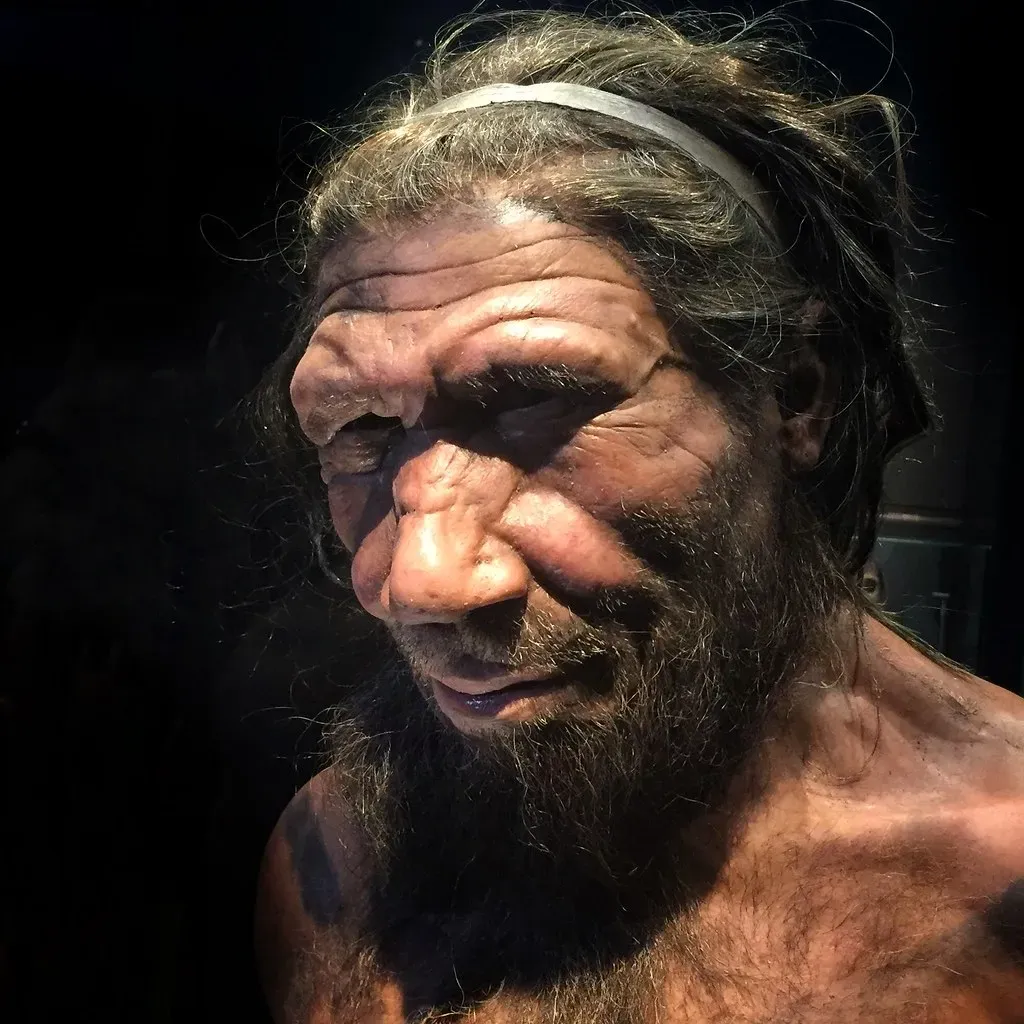
When you put all these DNA findings together, the old boundaries around “us” and “them” start to fall apart. If many of us carry Neanderthal genes that affect our immune system, skin, sleep, and maybe even behavior, then the idea of a pure, neatly separated modern human species is basically a myth. Our story is one of mixing, overlapping, and borrowing – of being shaped not just by our direct ancestors, but by parallel human lineages that no longer exist in visible form. That challenges some deep instincts about identity and difference.
My own opinion is that this is one of the healthiest scientific shocks we have faced in recent decades. It pulls the rug out from under any notion that evolution was waiting specifically for us, polishing a single chosen lineage while others were just practice runs. Instead, Neanderthals stand beside us as another valid version of being human, one that blended into our own line rather than simply failing. The real revelation from DNA is not just that we share genes; it is that the category “human” has always been wider, messier, and more interconnected than we were comfortable admitting.
Conclusion: The Ghosts in Our Genes Deserve Respect, Not Mockery
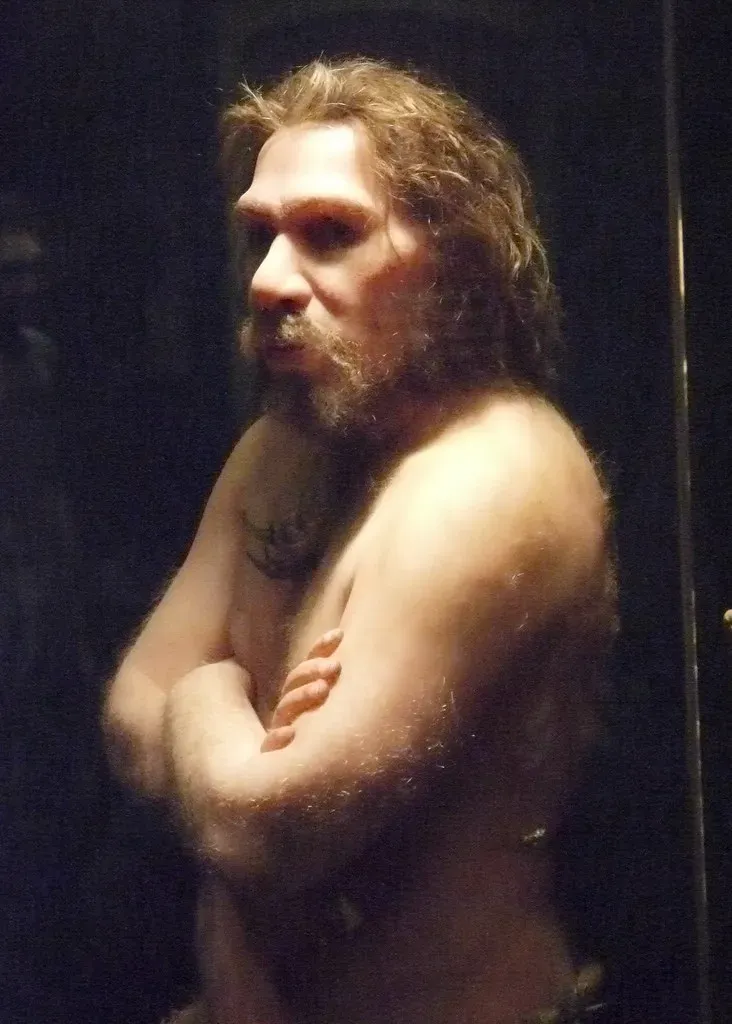
Neanderthal DNA has done something that museum dioramas and old skulls never could: it has made their presence in our story personal. Knowing that fragments of their genome help shape how our immune systems fight infection, how our skin responds to sunlight, or how we sleep in winter turns them from fossil curiosities into quiet participants in our lives. It is no longer honest to talk about Neanderthals as brutish failures when parts of their biology helped our ancestors survive and still help some of us cope with the modern world today.
My own take is blunt: the caricature of Neanderthals as stupid cavemen belongs in the trash heap of bad ideas. DNA has revealed them as close cousins, occasional partners, and unwilling genetic donors to our lineage. Their extinction looks less like a moral verdict and more like the ruthless roll of evolutionary dice in a changing climate with uneven populations. If anything, their story should make us a bit humbler about our own permanence. After all, if one highly capable human species can disappear while still living on as genetic echoes, what makes us think we are so different?