Imagine stepping out of a time machine, expecting forests, blue skies, and maybe a dinosaur or two, only to feel like you’ve landed on an alien planet instead. Prehistoric Earth was not just today’s world with different animals; it was, in many eras, a completely different system of oceans, air, light, sounds, and even gravity-like sensations. A modern human, with a 2026 brain and body, would be overwhelmed long before any T. rex had a chance to say hello.
What would hit you first? The air that burns your lungs, the sky that looks wrong, or the sheer scale of life forms that make elephants seem like house pets. Let’s walk through eight specific things about ancient Earth that would instantly disorient a time‑traveler, and why each one would completely scramble your sense of “normal.”
1. The Air Itself: Too Little Oxygen, Too Much… Everything Else
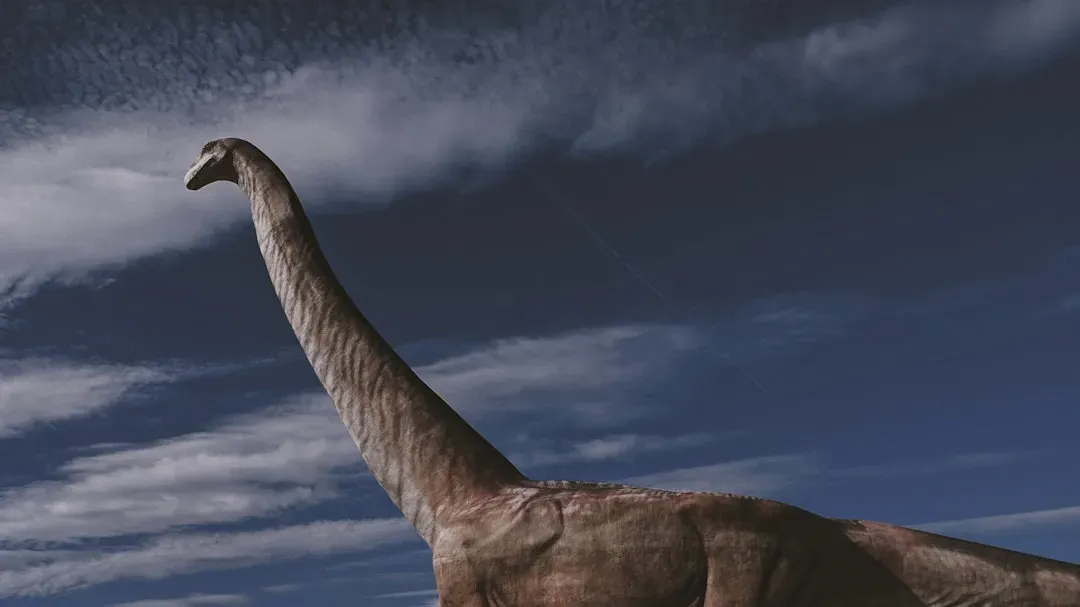
The first shock would not be what you see, but what you breathe. Modern humans are tuned to an atmosphere with roughly one fifth oxygen and relatively low levels of carbon dioxide. Go far enough back in time, especially into the early Paleozoic or before complex life took off, and you’d find air with much less oxygen and higher greenhouse gases, making every breath feel like trying to jog at the top of a high mountain while inhaling a stuffy greenhouse. Your chest would tighten, your brain would fuzz, and simple movement would feel strangely exhausting.
Even in later eras, when oxygen sometimes climbed higher than today, like in parts of the Carboniferous period, the air would still feel foreign. Higher oxygen might make fires terrifyingly easy to start and more intense, and smells from vast swamps, volcanic regions, or shallow seas would be overpowering. The chemical cocktail of prehistoric air, especially before plants fully reshaped the atmosphere, would make just standing outside feel like being in a slightly toxic, miscalibrated version of reality.
2. Skies and Light That Just Look Wrong
A modern human is so used to how sunlight looks that you probably do not even notice it, but change the atmosphere and the planet’s geography and the sky changes too. Earlier in Earth’s history, when volcanic activity was more intense or there were huge shallow seas and different cloud patterns, the quality of light could be hazier, more scattered, or tinted differently. You might see sunrises that glow in unsettling colors, with long-lasting dust veils or widespread haze creating a dim, filtered daylight that feels like permanent wildfire smoke or a sci‑fi movie filter.
Even at night, the scene would be disorienting. The constellations you know would not exist because continental drift and the movement of the solar system through the galaxy change what stars are visible and where. Familiar patterns like Orion or the Big Dipper simply would not be there. Instead, you’d look up and see a sky full of unfamiliar star arrangements, possibly a brighter Milky Way, and depending on the era, a slightly closer or more distant Moon, which would subtly alter its size in the sky and the strength of the tides. It would feel like you are on Earth’s counterfeit version, not the real thing.
3. Continents in the Wrong Places (Or Only One Giant Supercontinent)
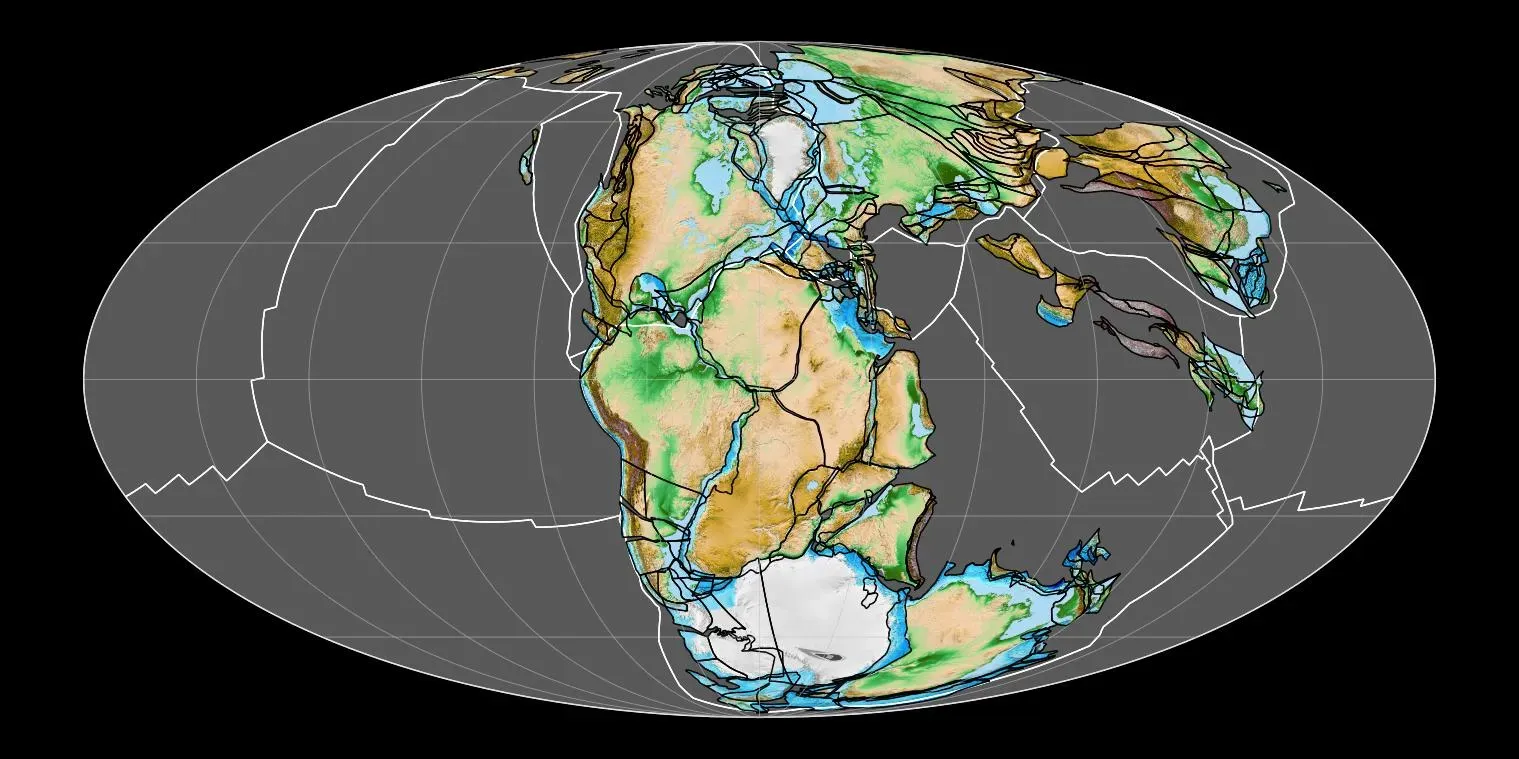
If you could rise above the prehistoric landscape and look at a map, your sense of direction would snap in half. Modern humans are used to a world with six or seven continents roughly where they are now, but for most of Earth’s past, the continents have been wandering. In some eras, like during Pangaea, there was essentially one gigantic landmass stretching across much of the globe, surrounded by a huge ocean. Europe, North America, Africa, and Asia would all be crammed together in unfamiliar positions, with coastlines that bear almost no resemblance to current maps.
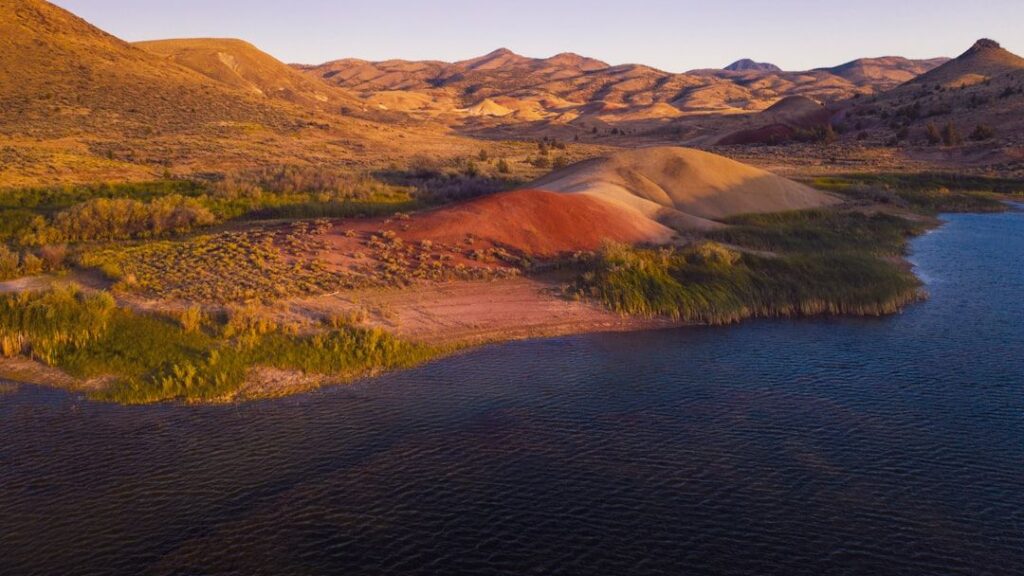
Even in times without a single supercontinent, recognizable land would be in the wrong place. Antarctica might be lush and green instead of icy white, continental interiors that are now temperate could be deserts or tropical swamps, and entire mountain ranges you rely on as geographic anchors simply would not exist yet. If you tried to orient yourself with a mental globe from school, you would fail instantly. The ground beneath your feet would technically be the same planet, but the geography would feel like you’ve been teleported to a misprinted version of Earth.
4. Heat, Humidity, and Climate Extremes That Break Your Thermostat Brain
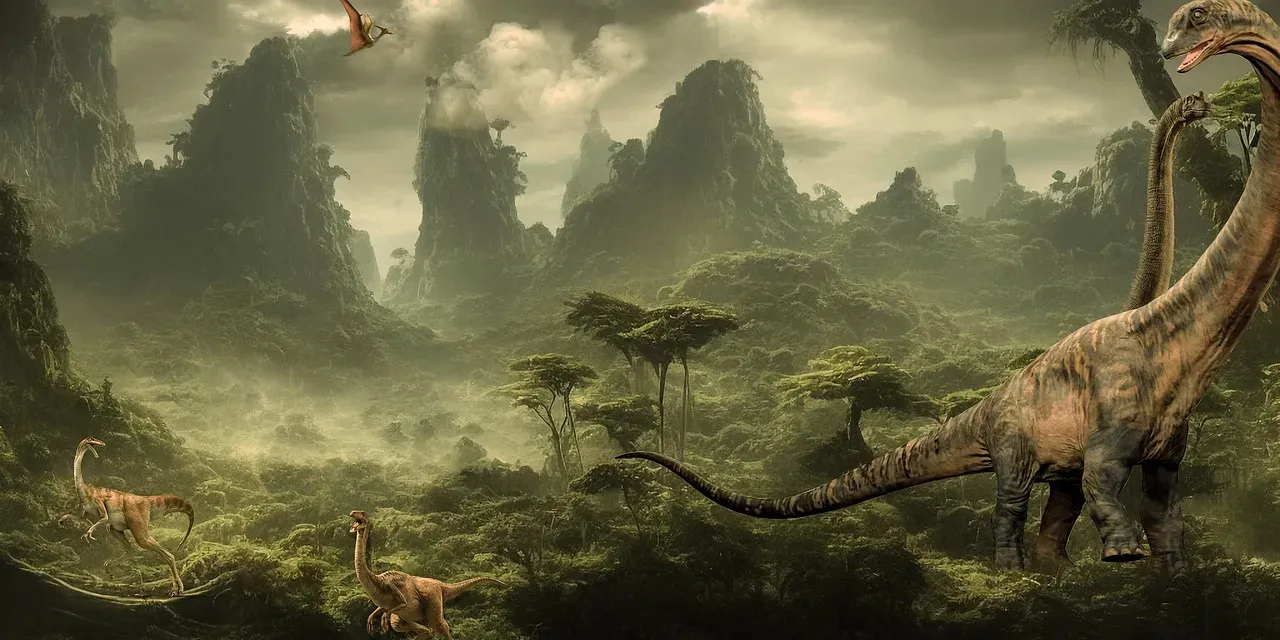
The climate of prehistoric Earth has swung more wildly than most people realize, and many eras would feel brutally alien to a modern human used to cities, air conditioning, and relatively mild temperature ranges. During so‑called hothouse periods, polar regions could be warm and largely ice‑free, with tropical conditions stretching much farther toward the poles. You might step out of your time machine into an atmosphere so hot and humid that just standing still drenches you in sweat, like walking into a sauna built inside a jungle.
On the flip side, some ice ages covered vast regions with kilometers-thick ice sheets, plunging temperatures far below anything most people experience today. Even outside the extremes, the pattern of seasons and storms could be completely unfamiliar, driven by different continental configurations and ocean currents. Monsoon-like rains might drench regions that are now dry, while calm, dry conditions may rule areas that today are stormy. Your inner sense of weather expectations, built from years of noticing “typical” days, would fail you almost immediately.
5. Colossal Insects and Other Creatures That Break Your Size Expectations
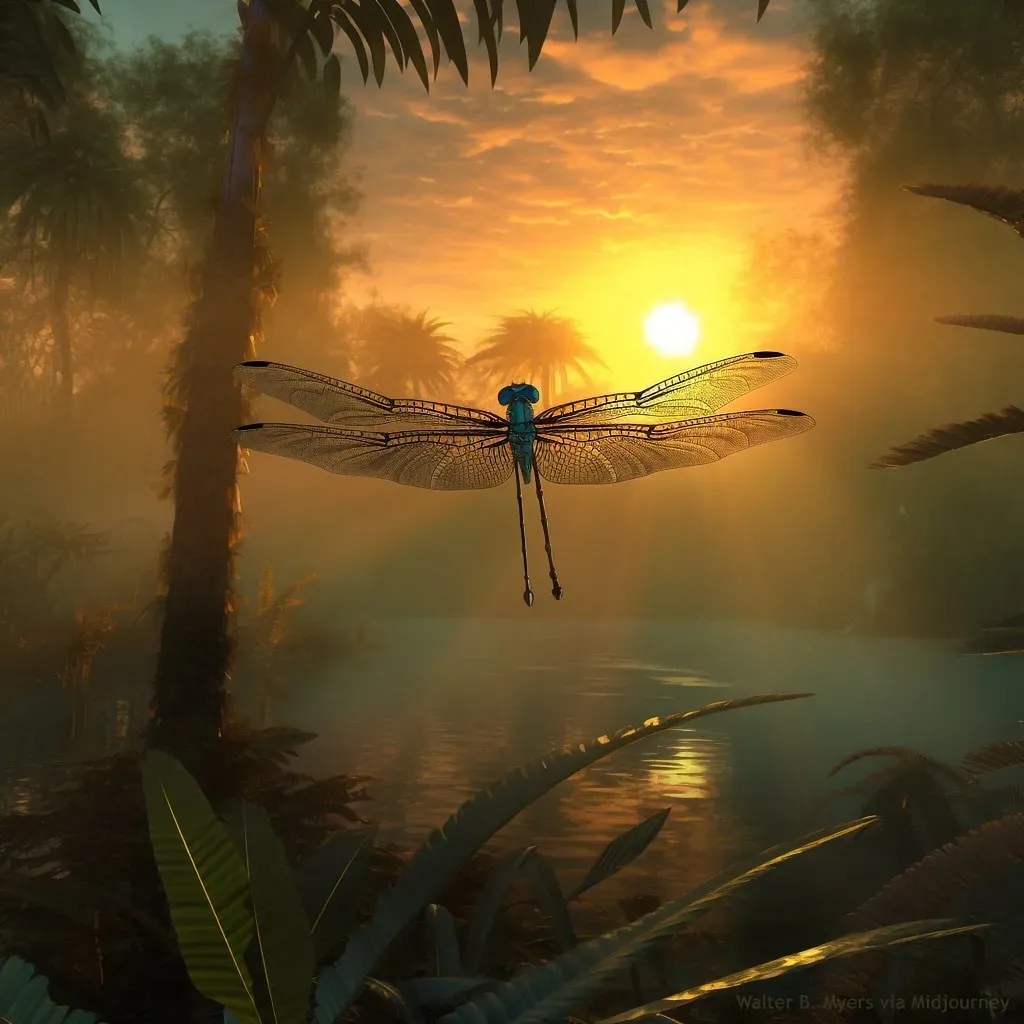
One of the most instantly unsettling sights would be animals that are simply the wrong size for the roles your brain expects. In certain prehistoric periods, especially when oxygen levels were higher than today, some arthropods grew to astonishing dimensions: dragonfly relatives with wingspans as wide as a modern seagull, millipede‑like creatures longer than a person, and other crawling and flying forms that look like horror movie props made real. Seeing an insect‑like creature buzz past you the size of a small bird would trigger a very primal alarm.
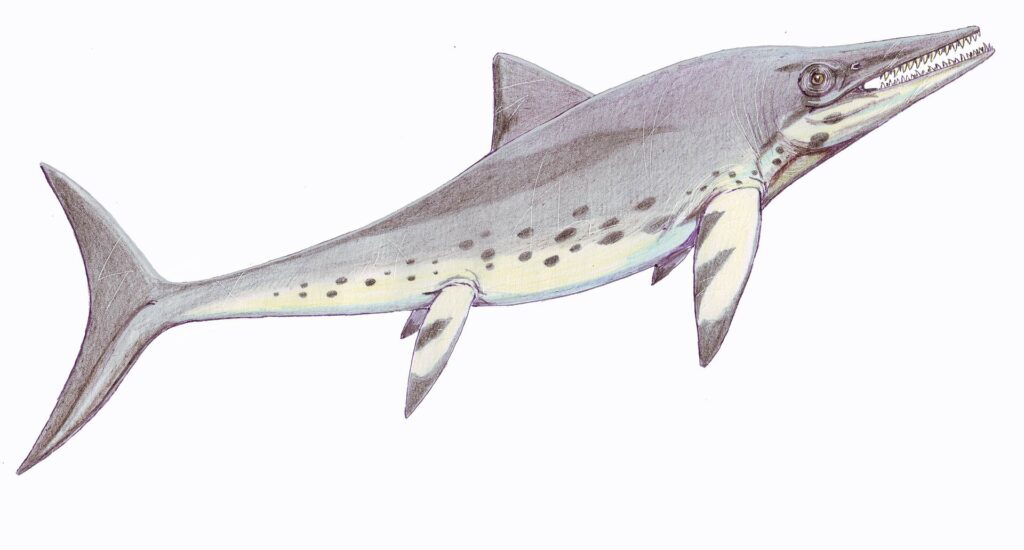
It is not just the arthropods. Even many “normal” animals in some eras would appear exaggeratedly large or structurally unfamiliar. Imagine fish with armored plates instead of scales, amphibians the size of crocodiles wandering swampy forests, or early mammal relatives whose posture and skull shape sit somewhere between reptile and dog, but not quite either. Our brains love categories – this is a bird, this is a reptile, this is a mammal – and prehistoric ecosystems were full of creatures that slice right through those mental boxes. That categorical confusion is its own kind of disorientation.
6. A World That Sounds Completely Different
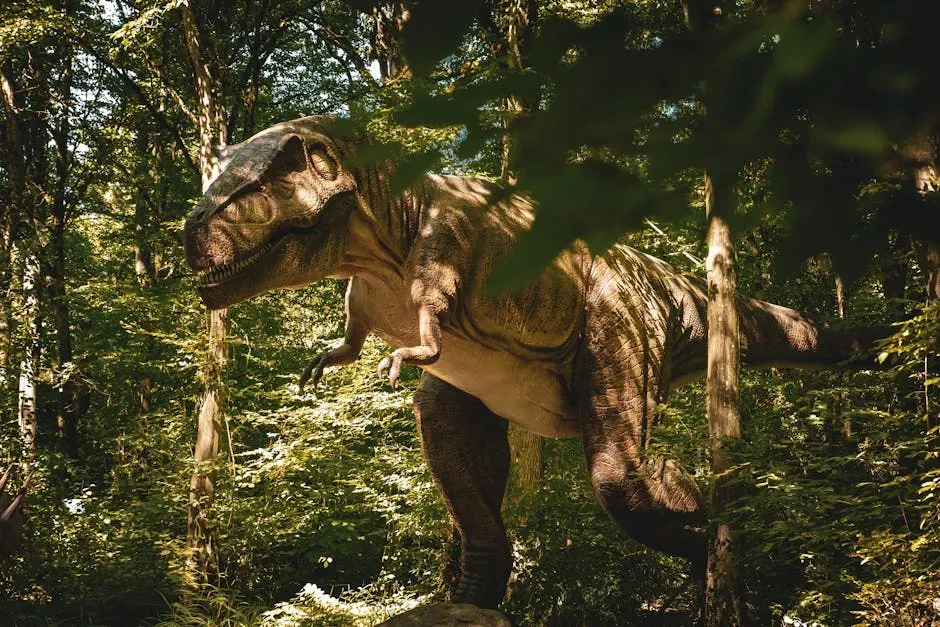
We rarely think about it, but modern life has a soundtrack: traffic, electrical hums, airplanes overhead, distant human voices. Strip all that away and then overlay the calls, roars, and insect choruses of prehistoric Earth, and you get something that feels deeply eerie. In densely vegetated swamps or forests, the sound of giant insects, amphibians, and unknown reptiles would create a constant, layered noise that is both too loud and too unfamiliar. At night, with no engines or electronics, the darkness would be almost painfully quiet between animal calls, making every rustle sound dramatic.
Even the nonliving world would sound different. Massive waves crashing on unfamiliar coastlines, powerful winds sweeping over broad, treeless plains, and distant volcanic rumblings would replace the dull background of modern civilization. Without familiar human-made sounds to anchor you, your brain would latch onto every natural noise, trying and failing to interpret what is dangerous and what is not. That constant guessing game would make simply listening to the environment surprisingly stressful, as if the entire soundscape is a language you do not yet speak.
7. Day Length, Tides, and Gravity-Like Effects That Feel “Off”
Here is a deeply unsettling detail: the length of an Earth day has not always been what it is now. In the deep past, the planet rotated faster, which means days were shorter, with more days in a year. You would not consciously count the minutes, but your body is tuned to a roughly twenty four‑hour rhythm. Being in a world where sunrise, noon, and night arrive on a slightly different schedule would quietly pull you out of sync, leaving you feeling jet‑lagged even if you never move from your camp.
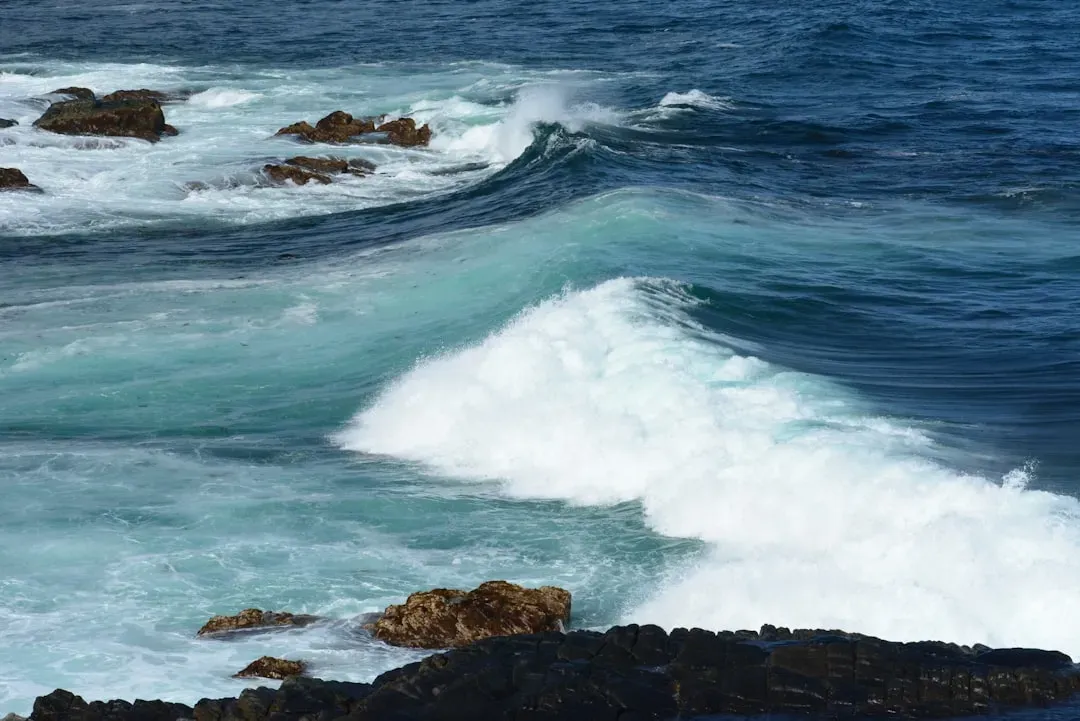
The Moon used to be closer to Earth as well, which means tides in many periods would be stronger and more extreme than you are used to. Standing on a prehistoric coastline, you might watch the water race in and out in a way that feels almost violent, reshaping beaches and tidal flats faster than your instincts think is normal. That combination of a subtly shorter day and more aggressive tides would not change gravity enough for you to float, but it would make the rhythm of time and motion feel uncannily wrong, like living inside a world whose clock has been tampered with.
8. Ecosystems With No Familiar Anchors: No Grass, No Flowers, No Humans
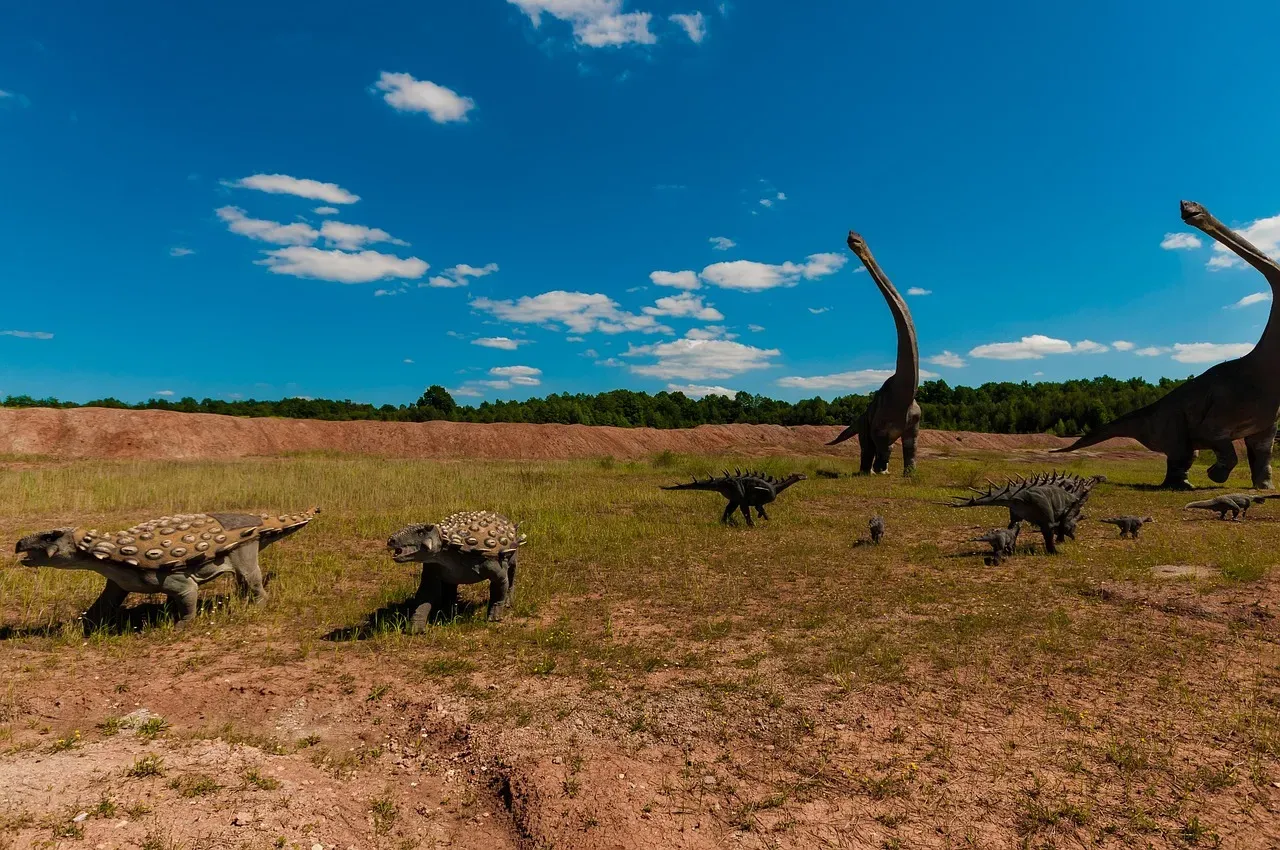
Perhaps the most emotionally jarring shift is not a single animal or climate, but the total absence of things your brain considers basic parts of “nature.” For long stretches of Earth’s history, there was no grass at all, meaning no grassy fields, lawns, or savannas. Flowering plants arrived surprisingly late, so go far enough back and the landscape is dominated by ferns, conifers, and other seed plants without the colorful blooms we now take for granted. You could walk for miles and never see a single flower or blade of grass, which would make the scenery feel empty and wrong, even if it is actually lush.
And of course, there are no cities, no roads, no farms, no airplanes, no distant highway glow on the horizon. There are no human voices anywhere. The silence of that absence is hard to describe until you feel it: a planet that is fully alive, but with none of your own species anywhere. It is humbling, a bit terrifying, and weirdly lonely. You are not just out of your time; you are an intruder in a world that never evolved expecting you at all.
Conclusion: Prehistoric Earth Was Not Made for Us, and That’s the Point
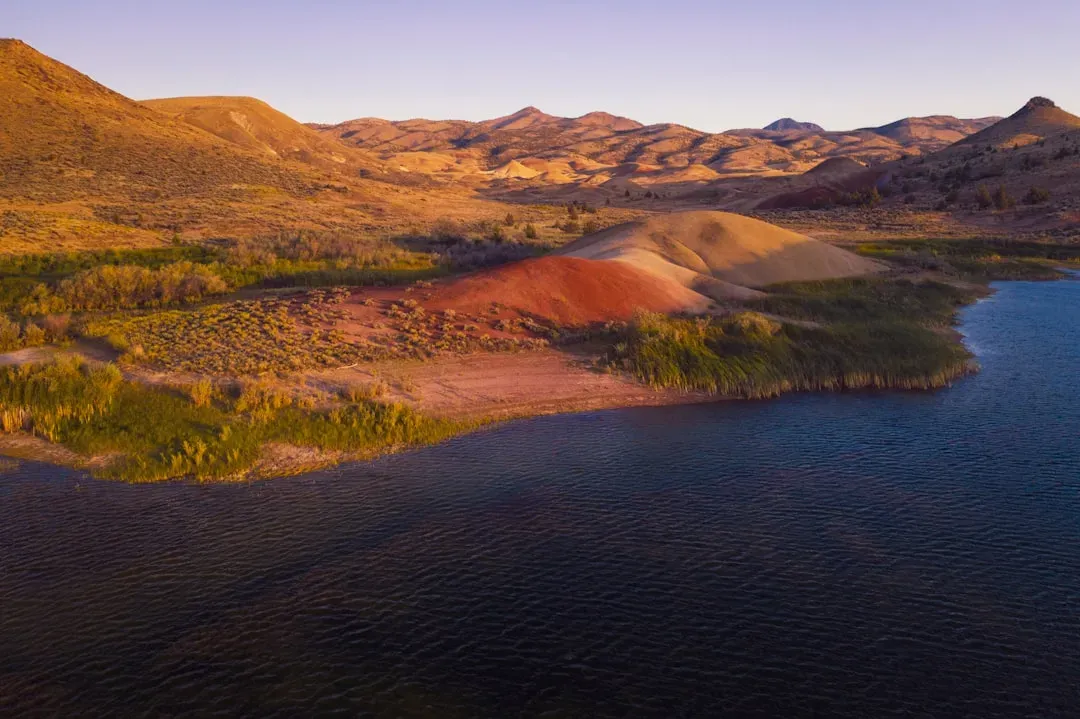
If a modern human really did step onto prehistoric Earth, the biggest shock would not be a single dinosaur chase scene, but the relentless, layered feeling that nothing lines up with your expectations. The air tastes wrong, the light falls wrong, the land is in the wrong place, the days are the wrong length, and the living world refuses to fit into any mental category you have. Our entire sense of “normal Earth” is based on one thin slice of geological time, and we quietly assume the rest of history looked like a rough draft of today. It did not.
To me, that is the most important lesson buried in the rocks and fossils: this planet is not designed around human comfort, and it never was. We just happen to live in a brief window where the conditions suit us, and even small changes can throw off that balance. Thinking about how brutally disoriented we would feel in many past eras should probably make us more cautious about how quickly we are changing the present one. If even our own world can feel that alien when you move in time, how fragile is the version we depend on right now?