If you’ve ever watched a child roar their way across the living room with a plastic T. rex, you know dinosaur toys can feel almost magical. They promise a tiny time machine to a lost world: sharp teeth, swishing tails, and the thrill of creatures that really did exist. But here’s the uncomfortable twist most of us never think about: a lot of those toys are teaching kids things about science and nature that are flat-out wrong.
To a paleontologist, many of the most popular dinosaur toys are not just a bit “off”; they’re completely upside down from what we know about these animals. This is not about nitpicking tiny details only an expert would notice. It’s about how we build kids’ understanding of science, evolution, danger, and even what it means to be “strong” or “scary.” Once you see what’s hiding in plain sight on your toy shelf, it’s hard to unsee it.
1. The Featherless Velociraptor That Looks Like a Scaly Movie Monster
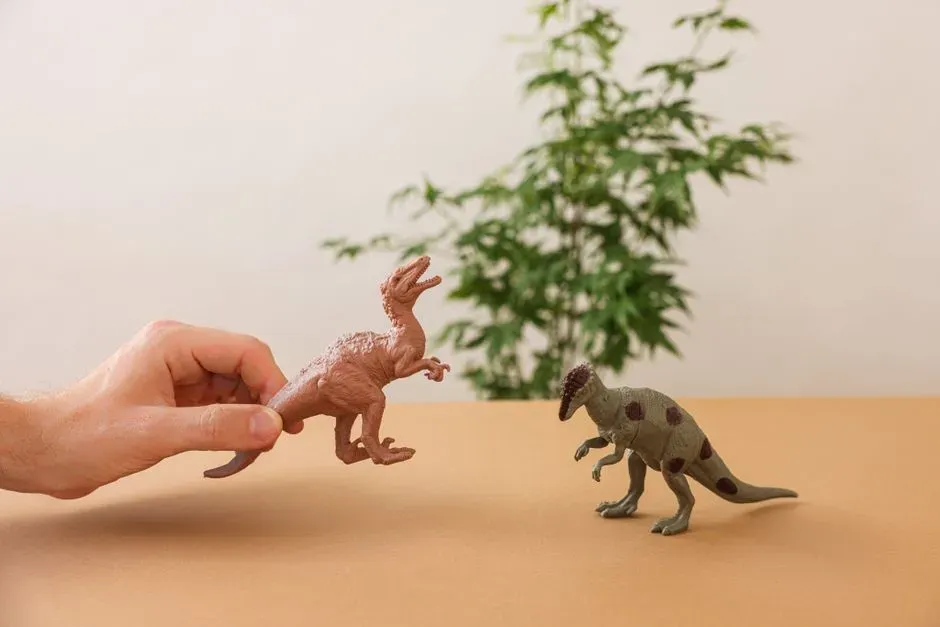
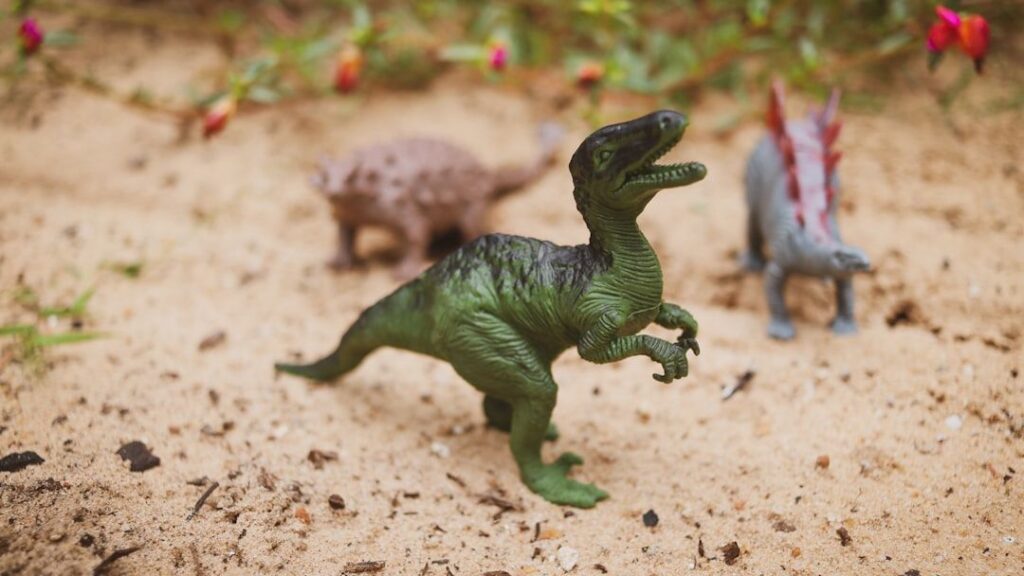
Let’s start with the classic: the sleek, scaly Velociraptor toy with clawed hands held out like a horror villain. Paleontologists now have excellent evidence that real Velociraptors were covered in feathers, more like a nightmare turkey than a lizard on legs. Their arms were not little grabbing hands but more like wings, and their bodies were smaller than a grown human, closer to a big dog in size. When your kid is clutching a completely naked, reptile-skinned raptor, they are basically holding a scientifically outdated guess from the 1980s.
Why does that matter? Because this one toy quietly tells kids that dinosaurs and birds are totally different things, when in reality birds are living dinosaurs. A featherless raptor reinforces the idea that dinosaurs were just giant lizards that vanished, instead of relatives of the sparrows outside your window. It turns a mind-blowing scientific story about evolution into a monster-movie fantasy, and that’s exactly the kind of thing that makes a paleontologist want to gently, but firmly, bury that toy in the nearest sandbox.
2. The Standing-Upright T. rex With Tail Dragging on the Ground
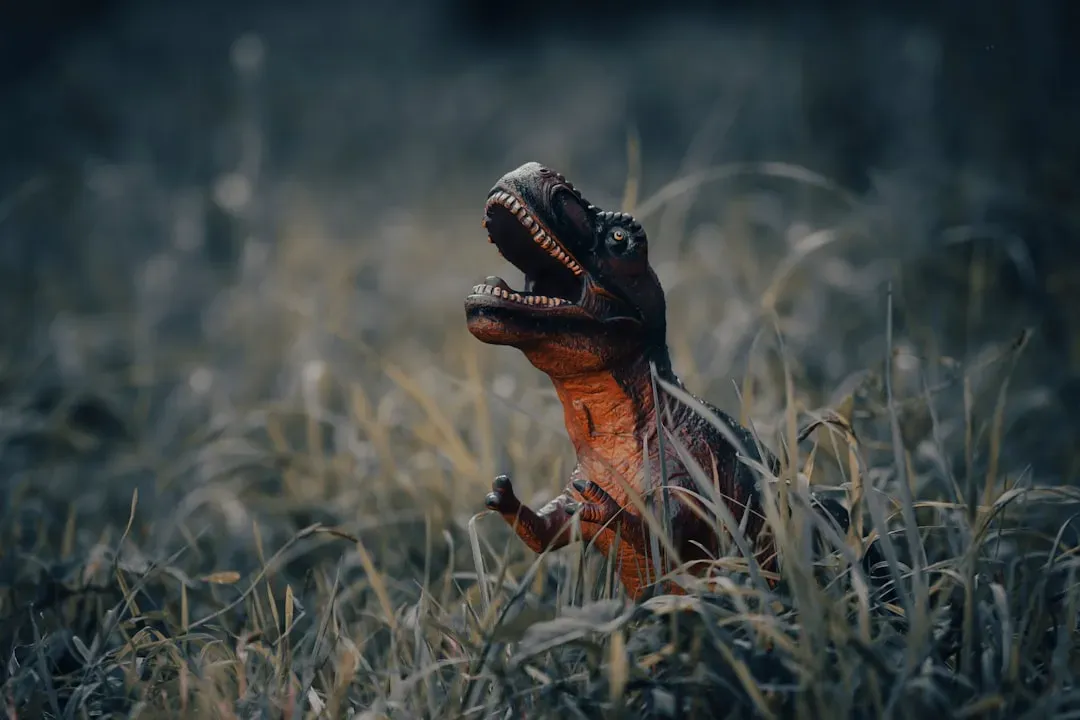
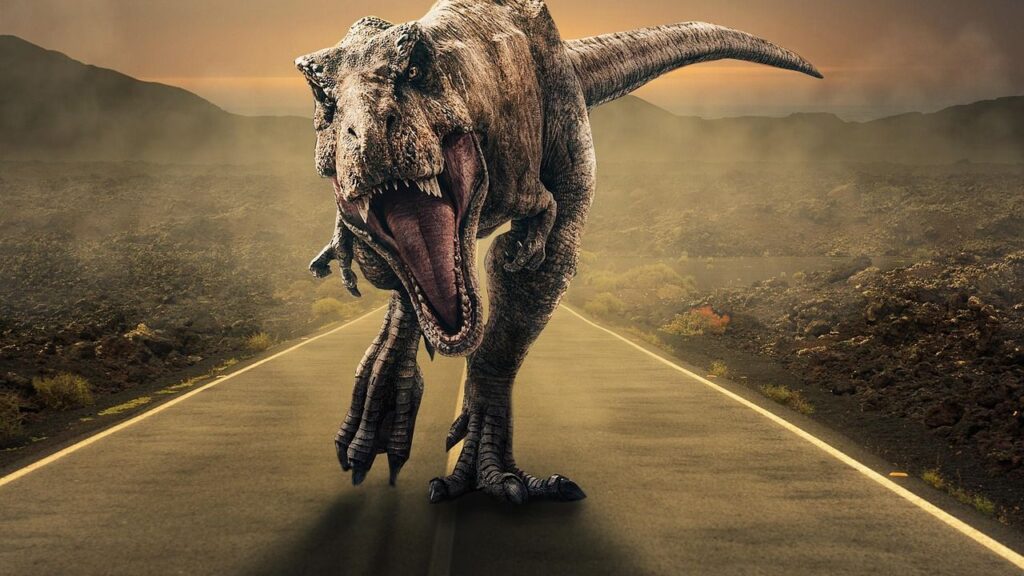
For a lot of us, the “real” Tyrannosaurus rex from childhood stood straight up like a man in a rubber suit, tail dragging behind it like a broom. Modern research paints a very different picture: T. rex held its body horizontally, balancing a huge head with a long, stiff tail off the ground like a seesaw. Yet, you can still walk into plenty of toy aisles and find the old-school, upright, tail-dragging T. rex, which is basically a walking museum meme at this point.
This posture mistake is more than just aesthetics; it quietly mis-teaches basic animal anatomy and biomechanics. The old pose suggests dinosaurs moved like people in costumes, which subtly encourages the idea that they were clumsy, slow, and almost cartoonish. For scientists, that’s painful, because the real T. rex was a highly adapted, dynamic predator with a carefully balanced skeleton. To them, the upright toy is like a children’s globe that still shows continents in the wrong places: familiar and nostalgic, but embarrassingly wrong.
3. The “Everything Lived Together” Playset Mixing Jurassic and Cretaceous Like a Soup
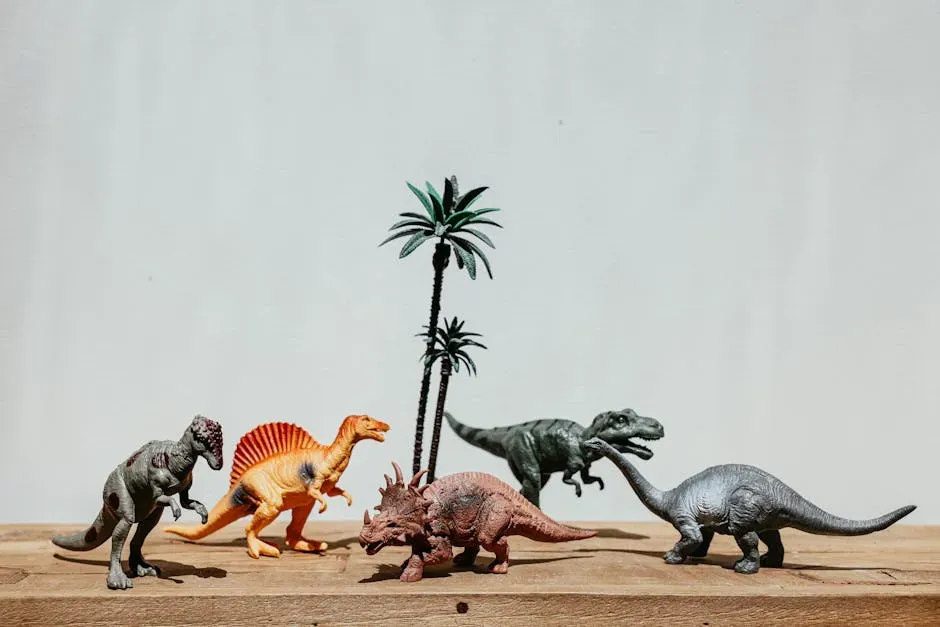
Many dinosaur playsets cheerfully pack Stegosaurus, T. rex, Triceratops, Velociraptor, and even marine reptiles into one plastic paradise, all stomping around together. The trouble is, a lot of these animals were separated by tens of millions of years and sometimes even by oceans or continents. Stegosaurus, for example, lived long before T. rex ever existed, yet they often share the same neon-green plastic meadow. For a paleontologist, that’s like watching a toy set where woolly mammoths are hanging out next to modern lions and kangaroos.
When all these creatures are tossed together, kids lose any sense that deep time is real – that Earth’s history is unimaginably long and constantly changing. It turns the story of evolution and extinction into a single chaotic moment instead of a slow, fascinating unfolding. The result is that “dinosaur times” becomes one big blurry era where everything cool roamed at once. That might be fun on the floor, but it completely erases one of the most important ideas in science: things change, and they change over a very, very long time.
4. The Constantly Roaring, Aggressive Carnivore Toys
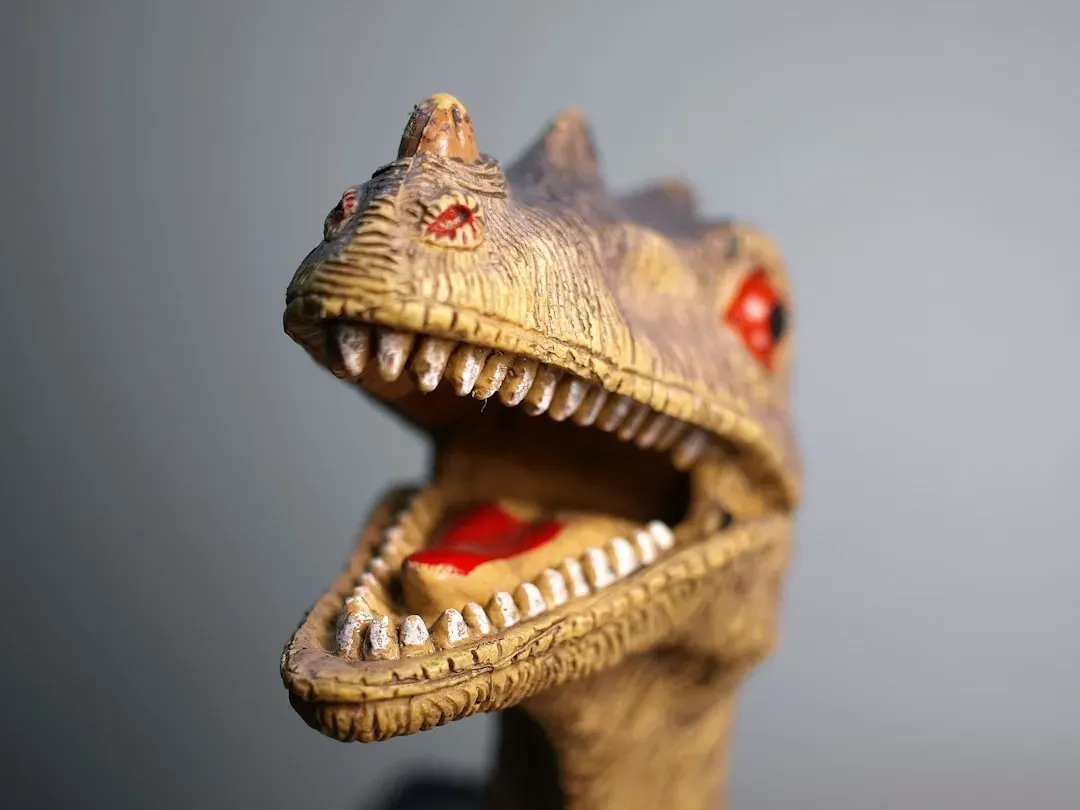
Have you noticed how many carnivorous dinosaur toys look like they are screaming in eternal rage? Open mouths, bared teeth, claws spread, eyes narrowed – every second is a jump-scare. While yes, these were predators with serious weapons, they did not spend every moment of their existence in full attack mode. Real animals, including big predators today, rest, groom, play, and do plenty of very ordinary things like scavenging or just walking around not eating anything at all.
To a paleontologist, the endlessly roaring toys flatten a complex animal into a one-note villain. Worse, they reinforce the idea that “meat-eater equals monster,” which is not how ecosystems work. In nature, predators keep systems balanced; they are not just chaos machines. For kids, a world where every carnivore is framed as pure evil quietly teaches a harsh, skewed view of animals and power. Scientists know these creatures had complex lives we will never fully understand, and it can be frustrating to see them reduced to nothing but plastic anger.
5. The Herbivores Built Like Armored Tanks With No Vulnerabilities
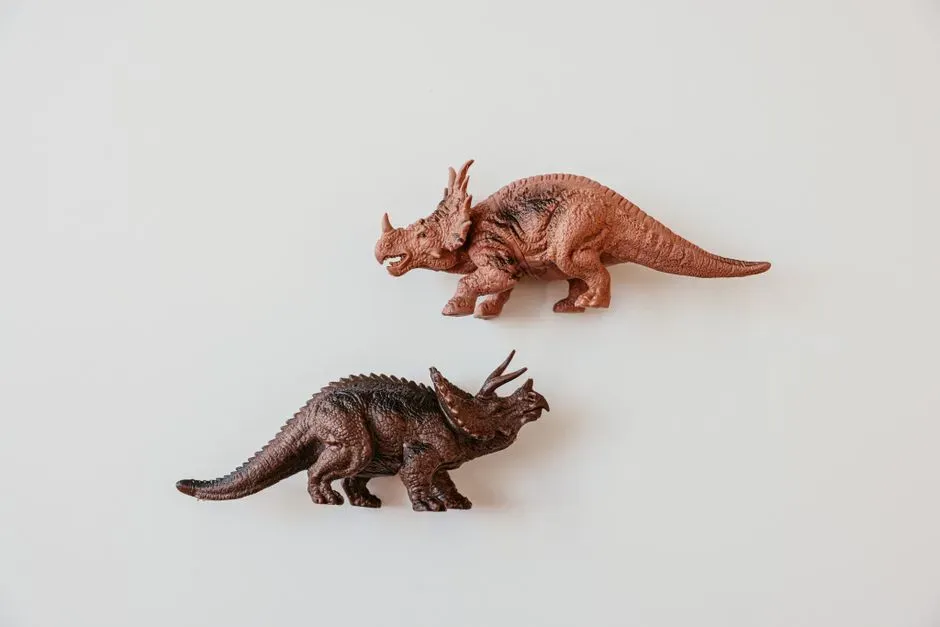
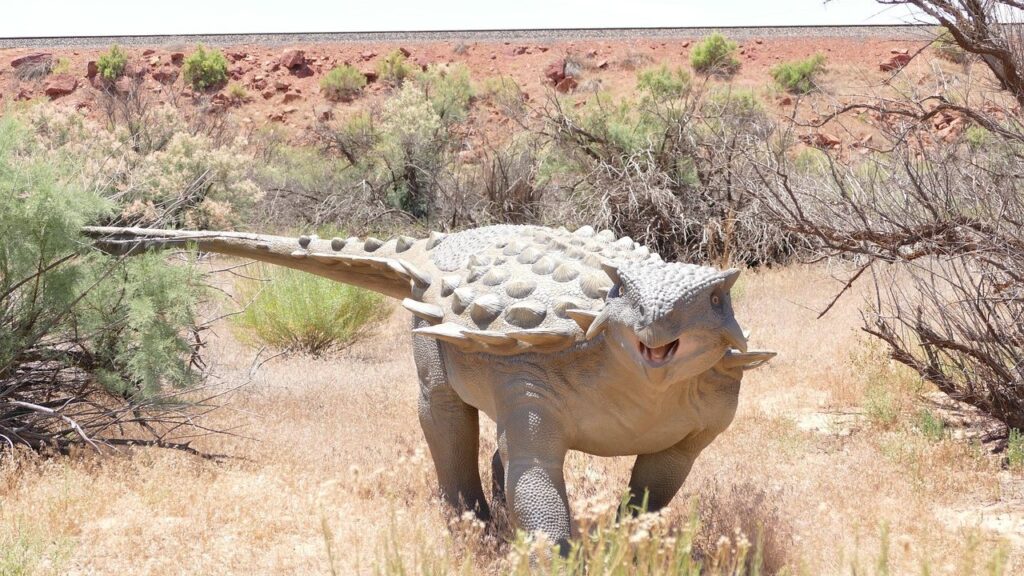
On the flip side, many plant-eating dinosaurs are turned into overpowered, invincible tanks. You see Stegosaurus with plates like bulletproof shields, Ankylosaurus with tails that look like superhero weapons, and giant, muscle-bound Triceratops that seem capable of beating anything. While these animals did have incredible defenses, they were still prey in dangerous ecosystems, and they were not unstoppable beasts living without fear or risk.
Paleontologists know that every adaptation comes with trade-offs: heavy armor is costly, big horns require energy, and no defense works all the time. When toys present herbivores as flawless, invulnerable warriors, kids miss the deeper lesson that survival is about balance and compromise. Instead of seeing evolution as a constant, imperfect tug-of-war, they get a cartoon where “good” dinosaurs wear armor and “bad” ones just attack. For scientists who study the fragile reality behind those bones, that kind of oversimplification is almost painful to watch.
6. The Rainbow-Colored, Biome-Nonsense Dinosaurs
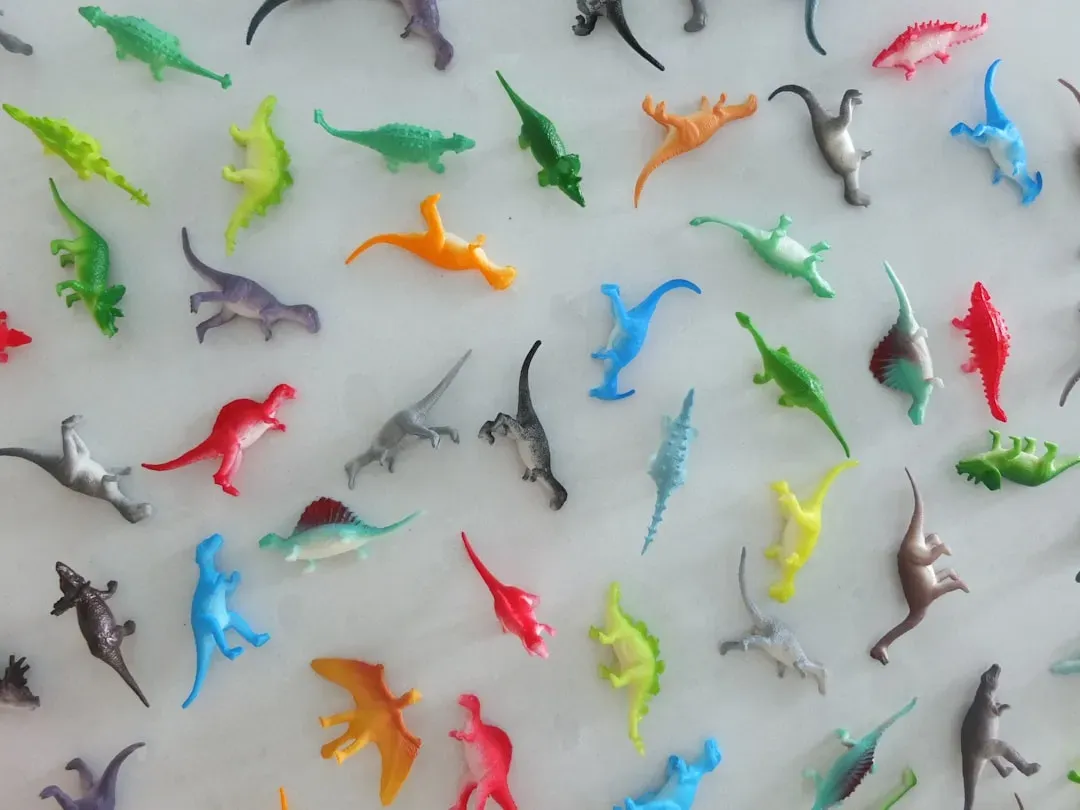
Bright purple T. rex, neon-blue sauropods, and desert species standing ankle-deep in tropical swamp plastic: it’s a riot of color and scenery that looks great on a shelf and terrible to anyone who studies habitats. To be fair, we do not know exact color patterns for most dinosaurs, and some may well have been strikingly patterned. But many toys take that uncertainty and sprint off a cliff, turning every species into a walking highlighter with zero regard for realistic environments or behavior.
For paleontologists, the problem is not playful color; it is context. A desert-living dinosaur standing among palm trees or a polar species under blazing tropical sun teaches kids that environment and adaptation do not really matter. The real story of dinosaurs is how different groups evolved for very specific climates and ecosystems, from lush coastal plains to cold polar forests. When toys ignore that, they erase the connection between an animal and its world, which is exactly what paleontology is trying to piece back together.
7. The Oversized “Velociraptors” That Are Really Just Generic Movie Predators
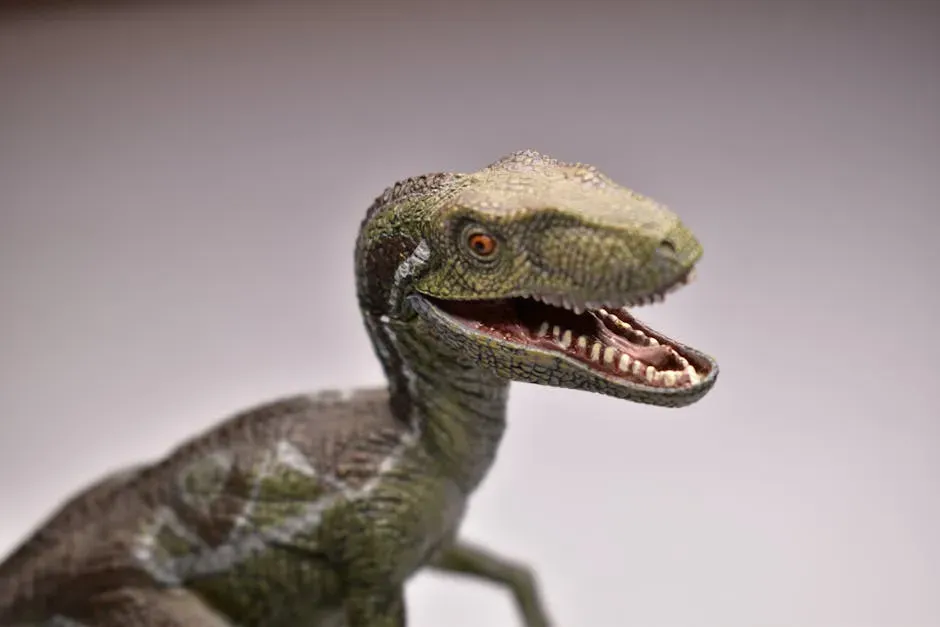
One of the quietest lies in the toy aisle is the “Velociraptor” that is nearly as big as a human figure and built like a sleek, long-legged sprinter. In reality, the Velociraptor species known from fossils was much smaller, closer to a large turkey or medium dog, and lived in a very different setting than these toys usually suggest. Many of these figures actually resemble a mix of other dromaeosaurid dinosaurs or are clearly inspired by famous movie designs more than actual fossil evidence.
To a paleontologist, slapping the Velociraptor label on an oversized, featherless, generic predator is like selling a toy labeled “penguin” that obviously looks more like an eagle. It muddies the waters for anyone trying to connect specific names with real scientific knowledge. Kids absorb those mismatches without realizing it, which makes it harder later on to correct the record. The tragedy is that the real Velociraptor, small, likely feathered, and cunning, is already fascinating on its own – no inflation necessary.
8. The “Baby Dinosaur Pet” Toys That Erase Wild Animal Reality
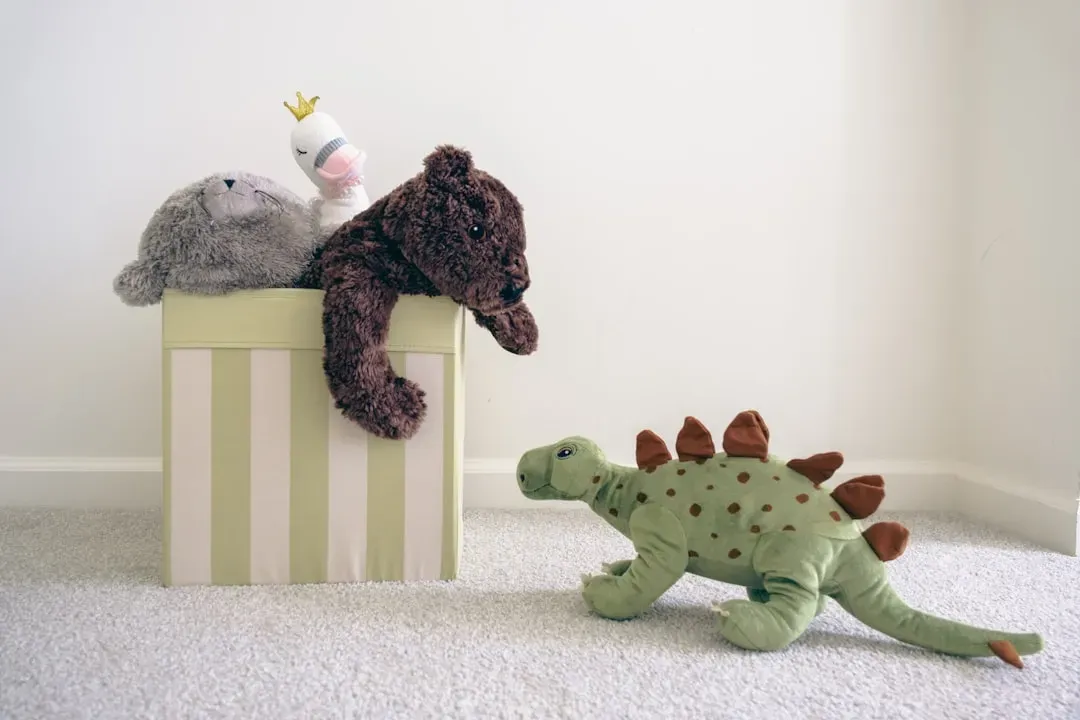
In the last few years, a wave of animatronic or plush “baby dinosaur” pets has hit the market, complete with blinking eyes, cooing sounds, and gentle purrs when you pet them. They are adorable, but they also quietly suggest that a dinosaur would have been a kind of prehistoric puppy, tame and emotionally tuned to humans. For scientists, that warm, fuzzy fantasy cuts directly against what we know about wild animals and their complex, sometimes dangerous behavior.
Real dinosaurs, like wild animals today, would have had their own instincts, fears, and survival priorities that did not include cuddling with primates that would not evolve for many millions of years. Paleontologists do not object to cute toys; they object to the way these toys flatten dangerous, independent creatures into safe, obedient companions. It sends kids a subtle message that wild nature can always be domesticated and made gentle, when in reality, the natural world is powerful, unpredictable, and not built for our comfort.
9. The Weaponized Dino-Hybrids That Turn Evolution Into a Comic Book
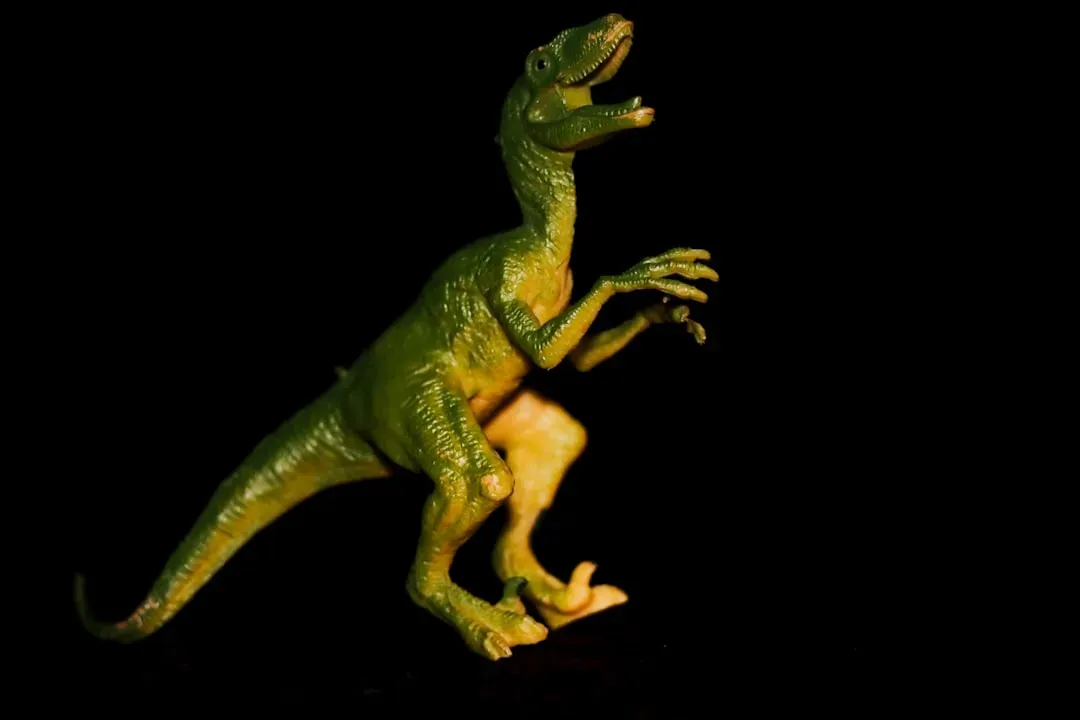
Then there are the “hybrid” dinosaur toys with extra horns, bonus claws, and spikes on top of spikes, all designed to look as lethal and over-the-top as possible. These toys often mash together traits from different species into impossible creatures that could never survive in a real ecosystem. From a paleontologist’s point of view, they turn evolution from a patient, trial-and-error process into a chaotic design contest where the goal is to be as deadly as possible.
The problem here is not creativity; it is the message that nature simply stacks on weapons without cost or consequence. In reality, every feature has to be worth its energy price tag; otherwise, that animal does not thrive. When kids get used to hybrid monsters as “better” or “cooler” than real dinosaurs, the exquisite logic of natural selection gets drowned out by pure spectacle. To scientists who spend their lives tracing how a single claw or tooth shape evolved, that feels like watching a beautiful, intricate novel turned into a loud, shallow comic with most of the pages ripped out.
Conclusion: Why These Toys Matter More Than We Want to Admit
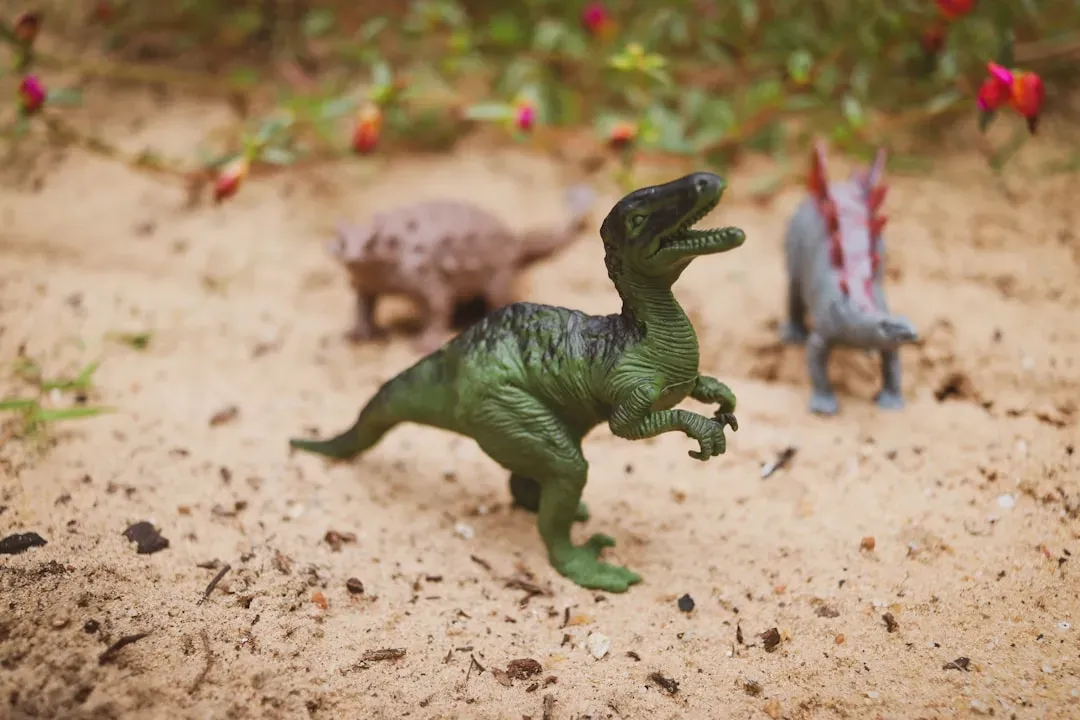
On the surface, all of these toys are just plastic, paint, and batteries, scattered across bedroom floors and piled into toy bins. But look a little closer, and they are also tiny, powerful stories about how life on Earth works. When dinosaurs are shown with the wrong bodies, in the wrong time, in the wrong habitats, doing only one exaggerated thing, they quietly rewrite reality for the youngest minds. Paleontologists are horrified not because a plate is the wrong shape, but because the big, beautiful, messy truth is being replaced by something simpler, louder, and less honest.
As a parent, I get the pull of whatever makes a kid’s eyes light up, but I also think we underestimate how much these details shape their sense of science and nature. The good news is you do not have to ban every inaccurate toy; you can turn them into conversation starters. You can say, “Actually, this guy should have feathers,” or “These two never met in real life,” and suddenly your living room becomes a mini science lab. In the end, the real dinosaurs were stranger, smarter, and more surprising than most of the plastic versions – and that might be the most thrilling story of all. If you lined up the toys on your shelf right now, how many of them would pass even the most basic prehistoric reality check?