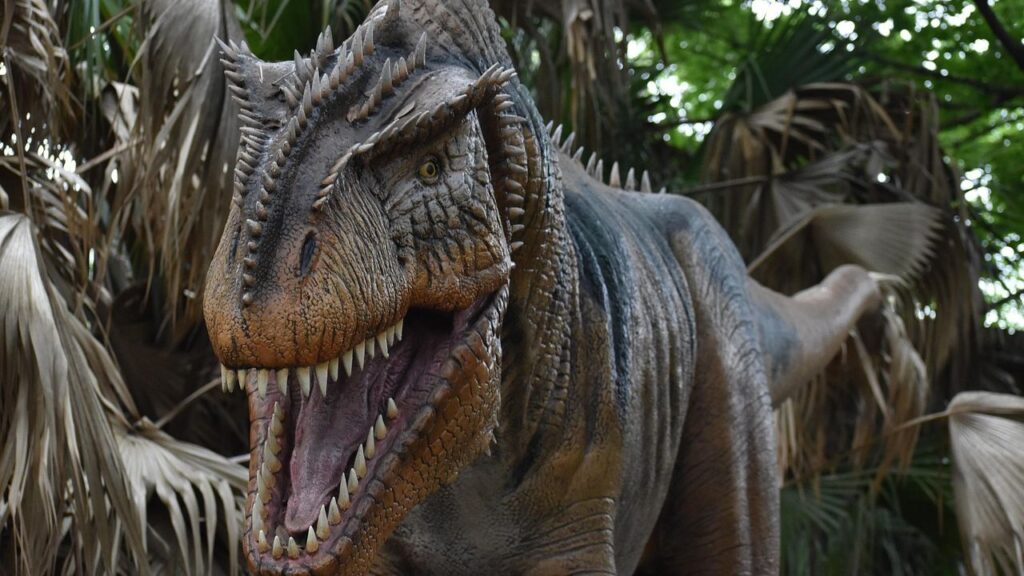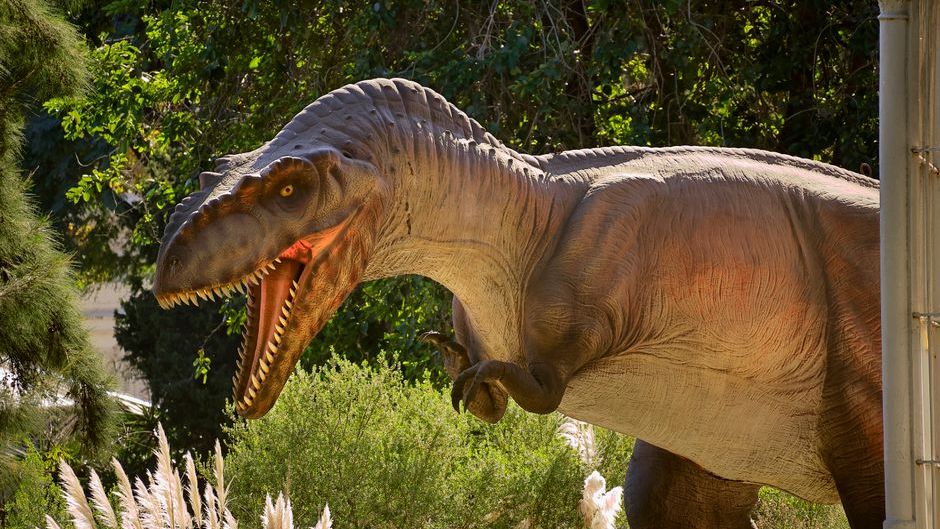
If you grew up with textbooks from the 1970s or 80s, your mental picture of dinosaurs is probably way off from what scientists now think they were actually like. Back then, classrooms were filled with images of swamp-dwelling brutes, cold-blooded and dim-witted, basically oversized lizards stumbling toward extinction. Today, that picture has been ripped up, rearranged, and repainted in colors no one would have dared put in a children’s book forty years ago. The science has not just nudged the old view; it has bulldozed it.
What changed is simple: evidence, and a lot of it. New fossils, new technologies, and new ways of asking questions have turned dinosaurs from flat illustrations into vivid, complex animals that feel almost startlingly real. Honestly, the first time I saw a modern reconstruction of a feathery, bright-eyed raptor, I felt like my childhood had been gently called into question. So let’s walk through what scientists now believe about dinosaurs, and how it completely contradicts what schools taught just a few decades ago.
From Swamp Lizards to Dynamic Land Animals
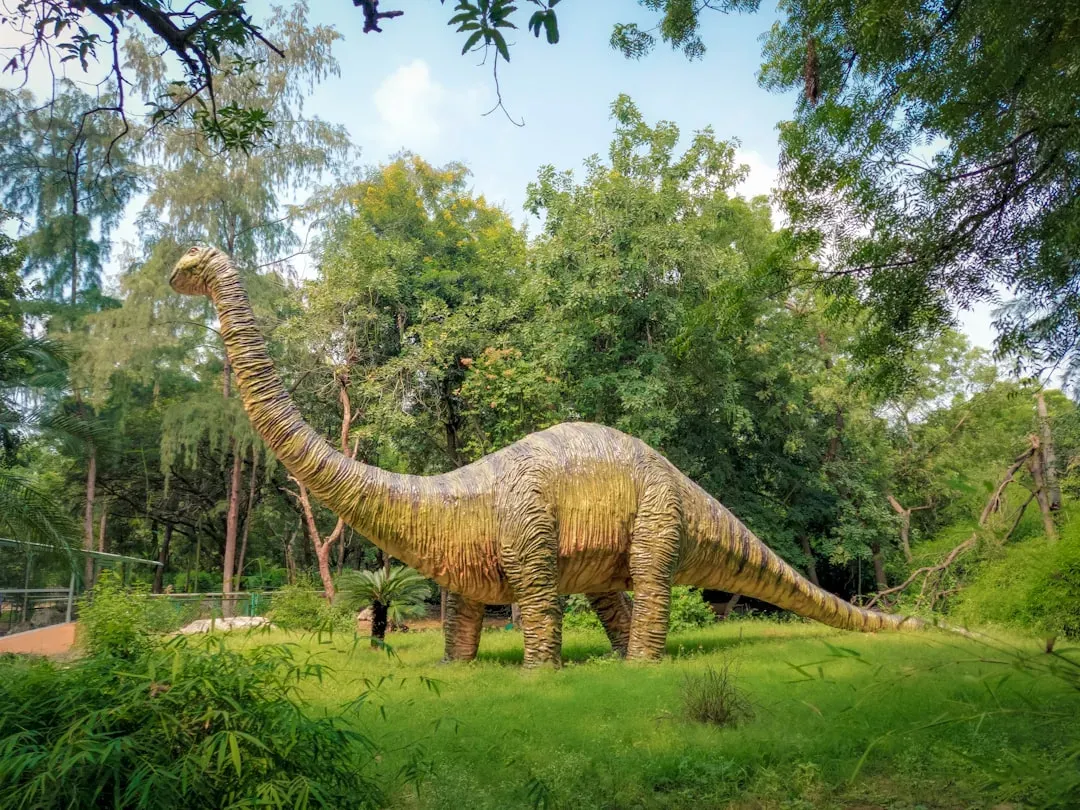
One of the biggest myths from mid‑20th‑century textbooks was the idea that large dinosaurs, especially the big sauropods like Brontosaurus (now generally called Apatosaurus in that classic example of name chaos), had to live in deep water to support their enormous weight. Old illustrations showed them half-submerged in murky swamps, barely able to haul themselves onto land. That vision has been thoroughly dismantled. Bone structure, trackways, and biomechanical modeling now show that these animals were fully terrestrial, with strong, column-like limbs capable of carrying their weight on solid ground.
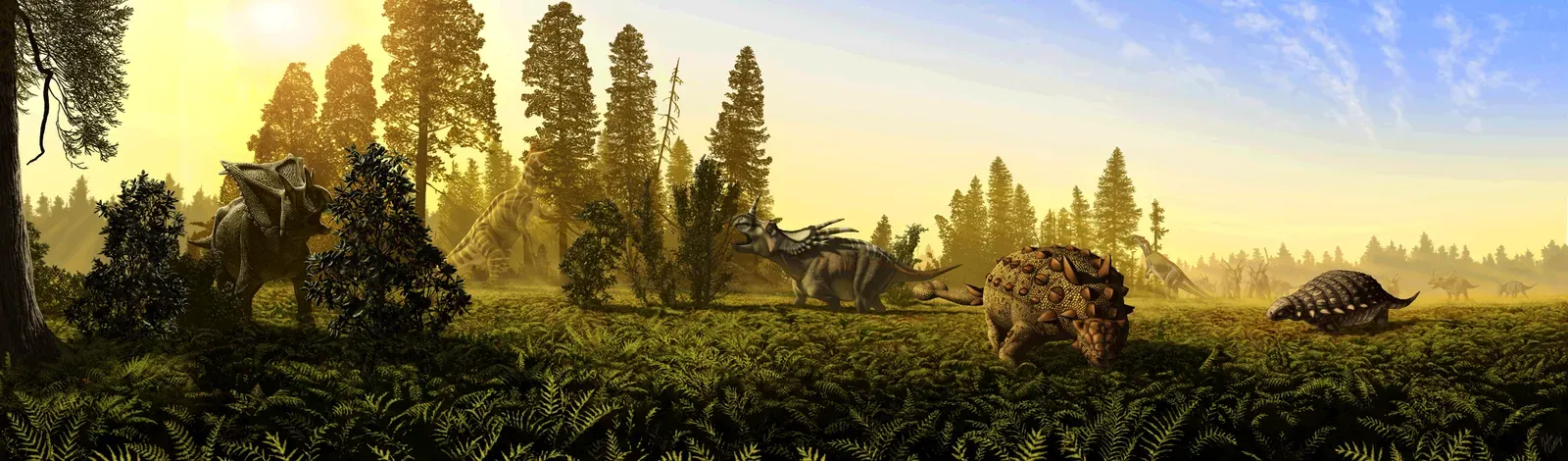
Even the environments we imagine them in have shifted. Earlier depictions leaned hard into steamy, unbroken jungles and stagnant marshes, partly because that felt suitably prehistoric and partly because of how some fossils were found. Current research paints a far more varied landscape: open floodplains, forests, semi-arid regions, even polar environments with seasonal darkness. Dinosaurs were not just swamp creatures; they were widespread land animals occupying almost every type of habitat their planet offered. That alone makes the old school posters feel like they came from another planet.
Cold-Blooded Monsters? Think High-Energy, Warm-Running Animals
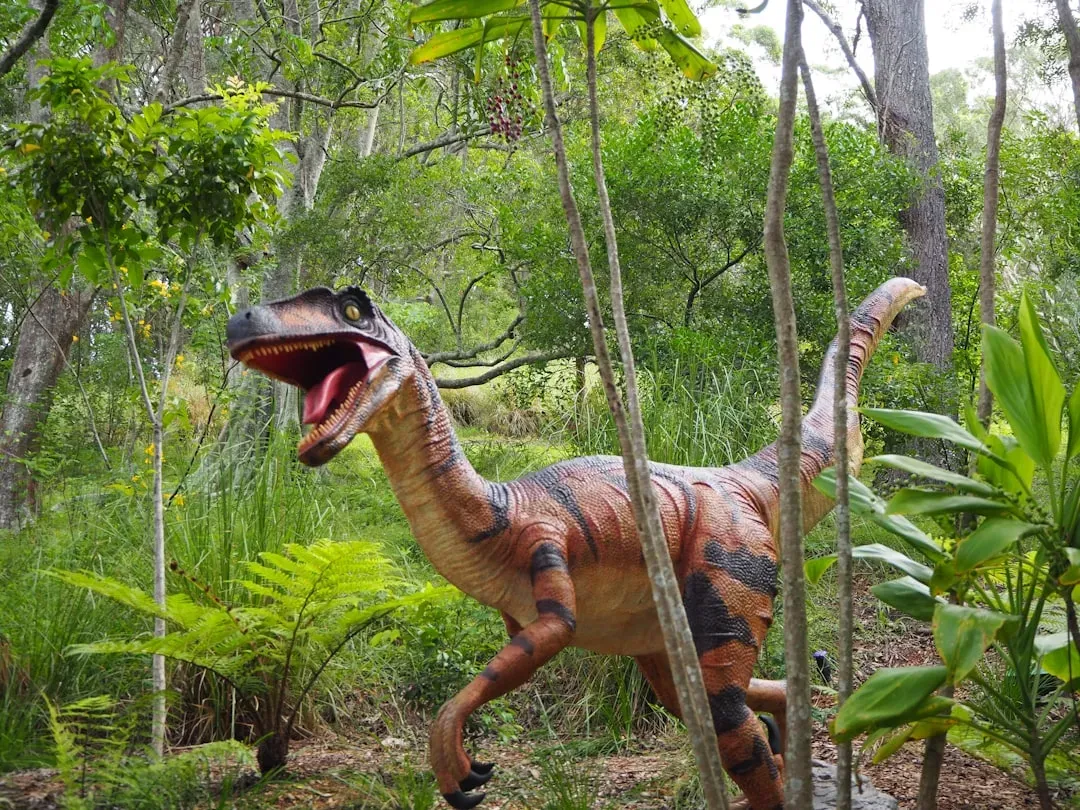
In the 1970s and 80s, students were told that dinosaurs were slow, cold-blooded reptiles, basking like crocodiles and lumbering around with little urgency. The logic was simple: they were classified as reptiles, reptiles are ectothermic, so dinosaurs must have been too. Today, the story is far more interesting – and a lot more alive. Studies of bone growth rings, limb proportions, and even the microscopic structure of fossilized tissues point toward many dinosaurs having relatively high metabolic rates, closer in some ways to birds and mammals than to modern lizards.
It does not mean every dinosaur was sprinting around like a hummingbird on espresso, but the idea of them as slow, torpid beasts is basically dead. Some lineages, especially smaller theropods, show evidence consistent with very active lifestyles: long legs built for running, feathers for insulation, and signs of rapid growth during youth. Scientists now talk about a spectrum of metabolic strategies, with some dinosaurs probably closer to “warm-blooded” than those old charts would ever dare admit. When you imagine a pack of agile, warm-running predators hunting in a chilly dawn, the entire mood of the dinosaur world changes.
Feathers, Color, and the Death of the Drab Dinosaur
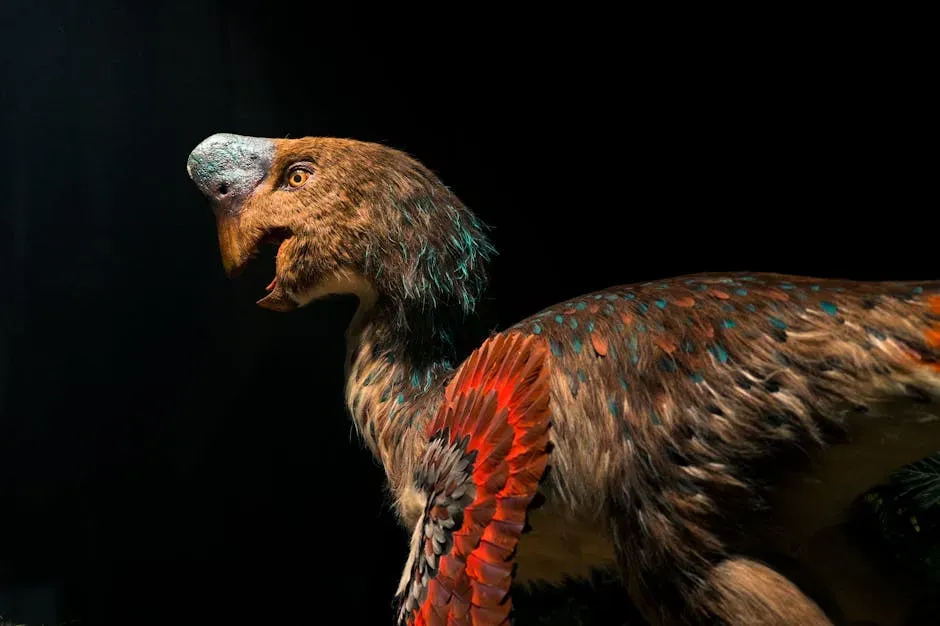
If you were taught that dinosaurs were all dull green, brown, or gray, that is another big thing science has turned upside down. Back in the 70s and 80s, feathers were almost never mentioned in the context of dinosaurs, except as a footnote to “birds evolved from something.” Now we know that a huge number of dinosaurs, especially among the theropods (the group that includes Velociraptor and Tyrannosaurus), had feathers or at least feather-like coverings. Fossils from places like China preserve not only bones but delicate impressions of plumage, showing fuzzy coats, complex feathers, and even primitive wings in animals that are clearly not birds in the modern sense.
And it does not stop there. In some exceptionally well-preserved fossils, microscopic structures called melanosomes – pigment-carrying bodies – have been studied to infer actual coloration. That means scientists have been able to reconstruct likely color patterns in certain species, revealing contrasts, stripes, and patches instead of monotonous green. The idea that dinosaurs might have been patterned like modern birds, with vivid or at least complex color schemes for display, camouflage, or recognition, blows the old “giant gray lizard” stereotype right out of the water. It is like someone turned the saturation up on the Mesozoic era.
From Stupid Brutes to Complex, Social Animals
Those childhood dinosaur books often described them as not very bright, basically big bodies with tiny, useless brains. One famous insult thrown at Stegosaurus was that its brain was supposedly the size of a walnut. While brain sizes were indeed small compared to body size in some species, this has been badly misunderstood. Brain endocasts – models of the internal skull cavity where the brain sat – combined with comparisons to modern animals, now suggest that many dinosaurs had more going on upstairs than the old “brain the size of a pea” jokes implied.
Evidence of social behavior has also piled up over the decades. There are fossil bonebeds that look like mass death events of herds, trackways suggesting group movement, and nests that imply care for eggs and sometimes for young after hatching. Smaller theropods in particular show skull and ear structures that hint at good hearing and maybe even vocal communication. Instead of solitary, clumsy monsters bumping around at random, we are now encouraged to picture some species living in structured groups, engaging in complex interactions, and navigating their worlds with far more nuance than the 1970s curriculum ever admitted.
Birds Are Dinosaurs, Not Just Their Distant Cousins
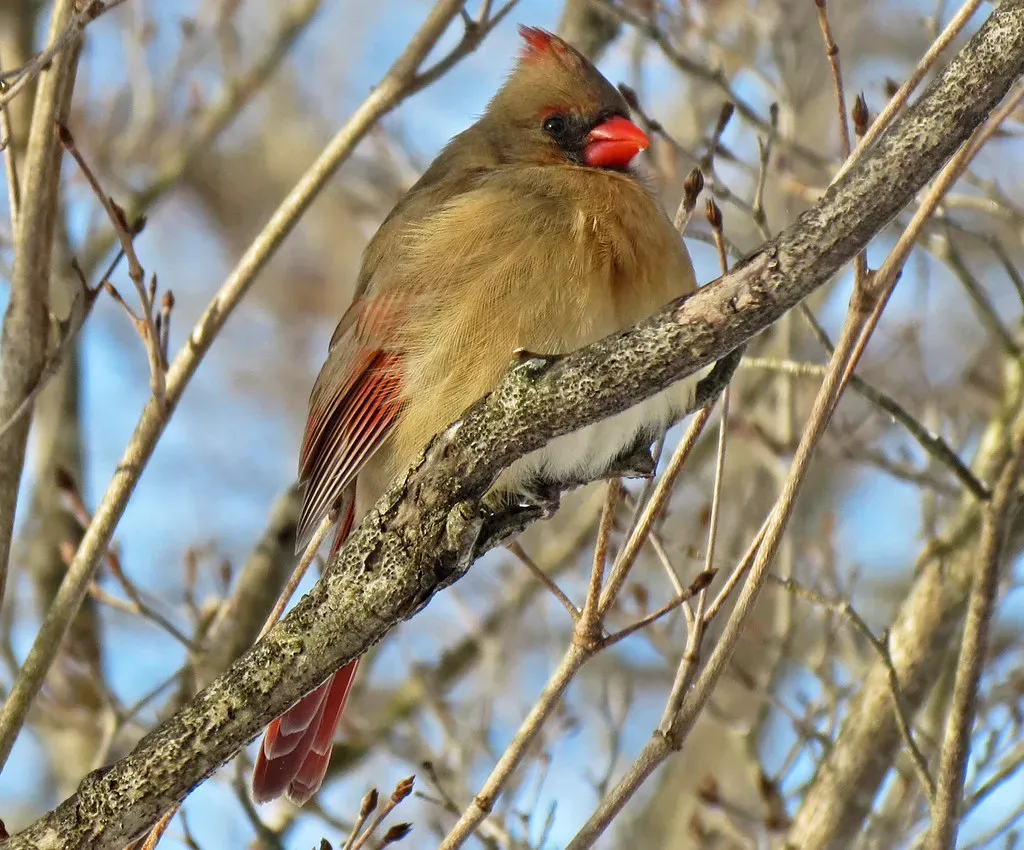
One of the most radical shifts, and one that many people still resist, is the idea that birds are not just “related to” dinosaurs – they are dinosaurs. In older textbooks, you might find a line about birds evolving from reptiles, or maybe a vague mention of a transitional fossil like Archaeopteryx, but the connection was usually presented as distant and fuzzy. Modern phylogenetic analysis, combining detailed anatomical studies with sophisticated computer models, now strongly supports the view that birds are a surviving branch of theropod dinosaurs.
That means the dinosaur lineage did not just vanish in a single catastrophic moment; a part of it is still soaring over our heads, nesting in our backyards, and stealing our snacks at outdoor cafes. When you watch a hawk fold its wings, or a chicken scratch the ground, you are watching a dinosaur behaving like a dinosaur. This reframe turns the old “dinosaurs are extinct” line from school into a half-truth at best. They are mostly extinct, yes – but one lively, feathered branch made it through, and it is still wildly successful today.
Dinosaur Parenting: From Egg Dumpers to Attentive Caregivers
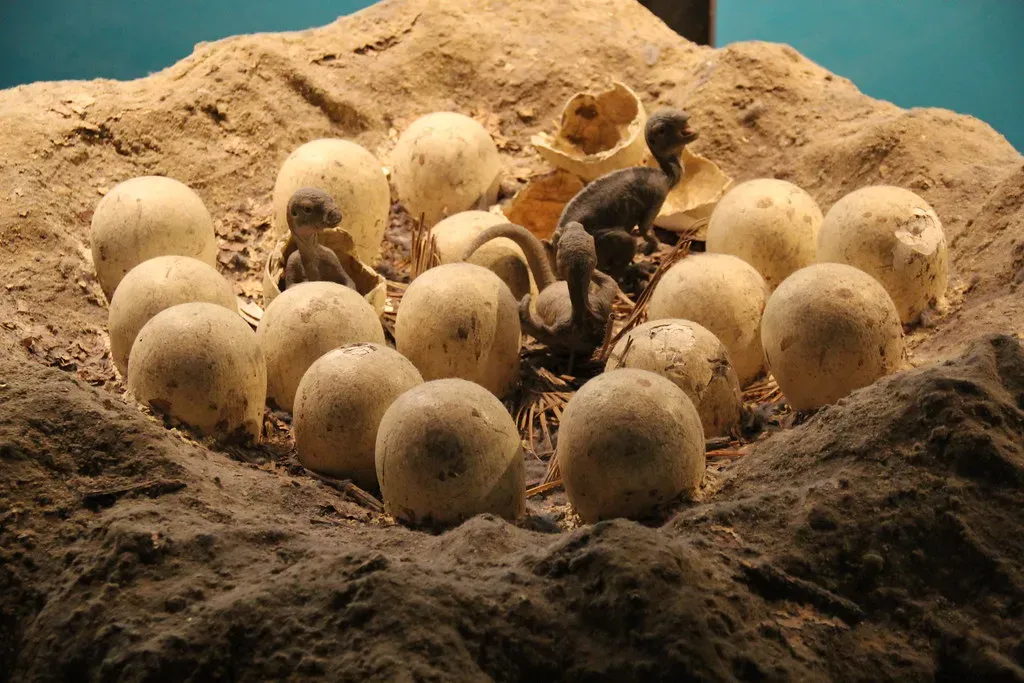
The stereotype from decades ago painted dinosaurs as careless reproducers: lay a bunch of eggs, walk away, and hope a few offspring survive. That image is now badly out of date. Fossil nests, brooding postures preserved in stone, and tiny juveniles found near adults have all contributed to a very different picture. Some dinosaurs, especially within the theropods and certain herbivores like hadrosaurs, seem to have engaged in active nesting behavior, guarding eggs and possibly even feeding or protecting hatchlings.
In some fossil sites, clutches of eggs are arranged in neat patterns and stacked in ways that suggest deliberate nest-building rather than random dumping. There are skeletons of adults preserved in what looks like a protective stance over egg clutches, reminiscent of modern birds shielding their nests. While not every dinosaur species was an attentive parent, the evidence that at least some invested heavily in their young upends the old idea of dinosaurs as indifferent, purely instinct-driven creatures. The emotional gap between a brooding duck and a brooding small theropod suddenly does not look so wide.
The Catastrophe That Ended Most Dinosaurs Is Clearer Than Ever
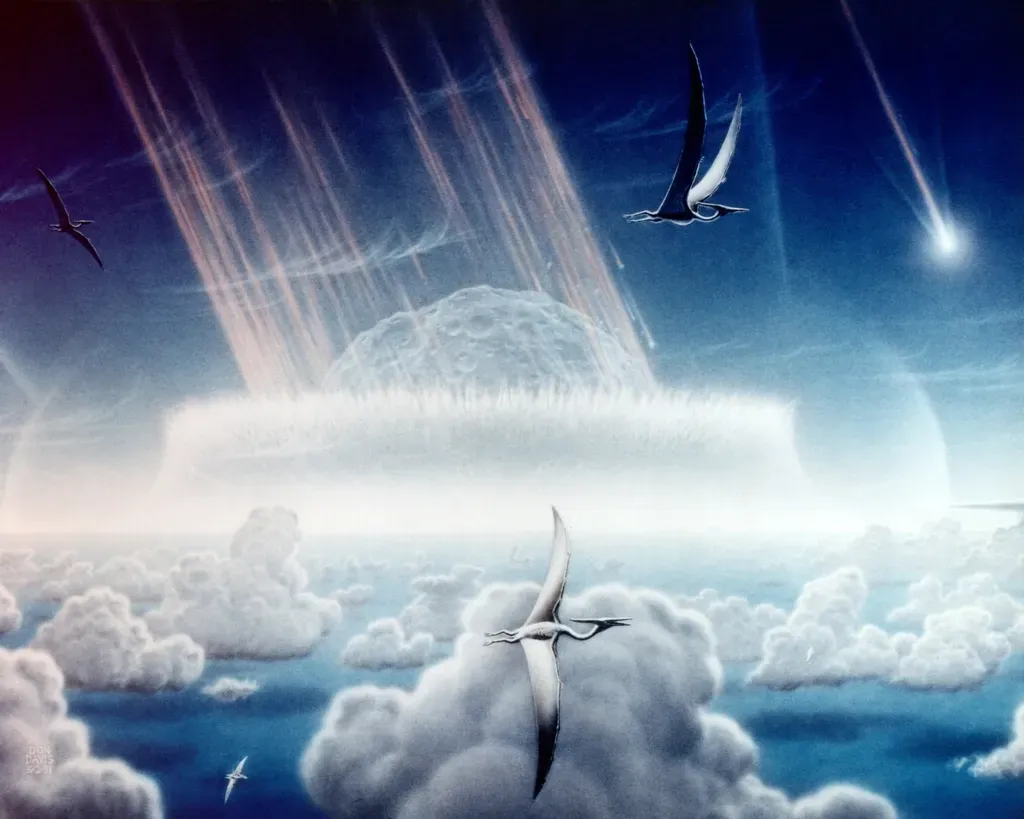
In the 1970s, if you asked why dinosaurs went extinct, you might have heard talk about gradual climate change, competition with mammals, or vague environmental decline. The notion of a sudden, catastrophic event wiping them out was not yet mainstream. Now, the impact hypothesis – centered on a massive asteroid or comet striking what is now the Yucatán Peninsula – has overwhelming support. The global layer of iridium-rich clay, the shocked quartz, the enormous Chicxulub crater, and detailed timelines from rock layers all converge on a violent end to most dinosaur lineages at the end of the Cretaceous.
What has changed recently is not just acceptance of the impact, but a deeper understanding of its aftermath. Studies of how fast ecosystems collapsed, how long it took for marine and land environments to recover, and how some groups (like small, ground-dwelling, possibly feathered dinosaurs that became birds) managed to survive, all add nuance. Instead of dinosaurs simply “failing” and fading away, we now see them as victims of a horrific bad-luck event, something like a cosmic accident. That subtle shift matters: it restores them as successful, adaptable animals blindsided by a disaster rather than evolutionary losers who could not keep up.
New Tools, New Fossils, and Why the Story Keeps Changing
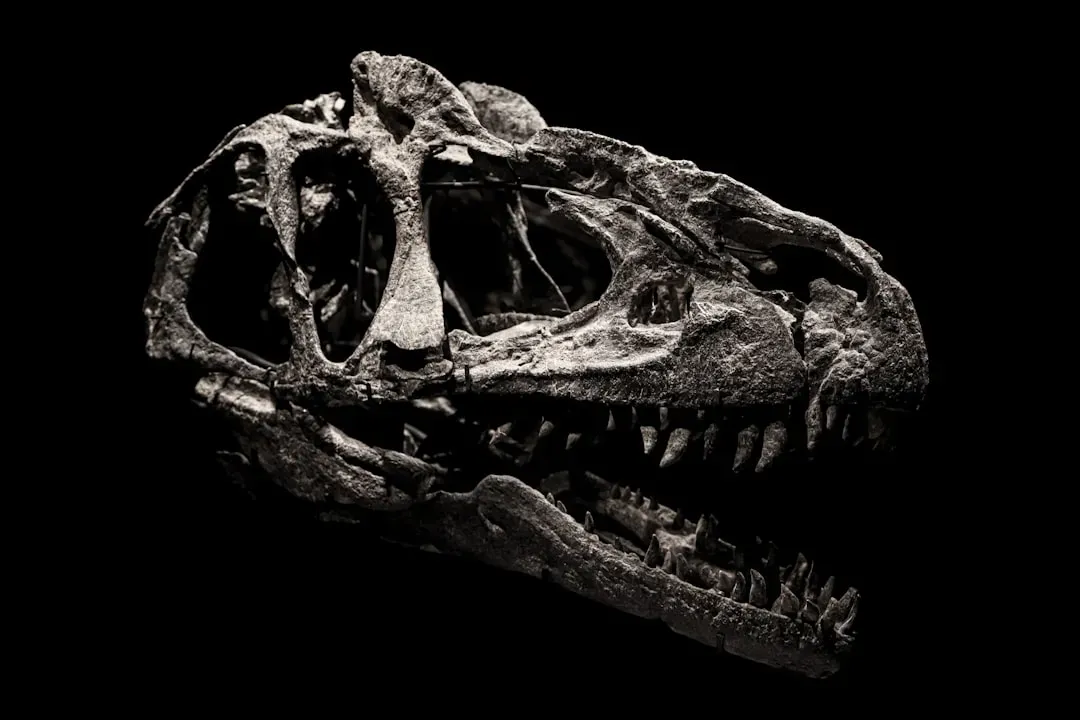
Another thing schools in the 70s and 80s rarely emphasized is how fast scientific understanding can change when new tools come online. Back then, paleontology relied heavily on what you could see with the naked eye or a simple microscope. Today, researchers are using CT scans to peek inside skulls and bones without breaking them, chemical analyses to search for traces of original molecules, and advanced statistics to test how dinosaurs might have moved or grown. These tools have unlocked information that earlier generations literally could not access, no matter how smart they were.
At the same time, new fossil discoveries have exploded in number and quality, especially from regions that were underexplored decades ago. Whole beds of feathered dinosaurs, exquisitely preserved specimens with skin impressions, and juvenile skeletons frozen in lifelike poses all feed into this constantly evolving story. It can feel unsettling that the picture keeps changing; our childhood certainties about dinosaurs turn out to be temporary snapshots, not final answers. But that is the point: the more we learn, the stranger and more fascinating these animals become, and the more we have to admit that our old school posters were charmingly, gloriously wrong.
Conclusion: Why This Dinosaur Revolution Matters More Than Nostalgia
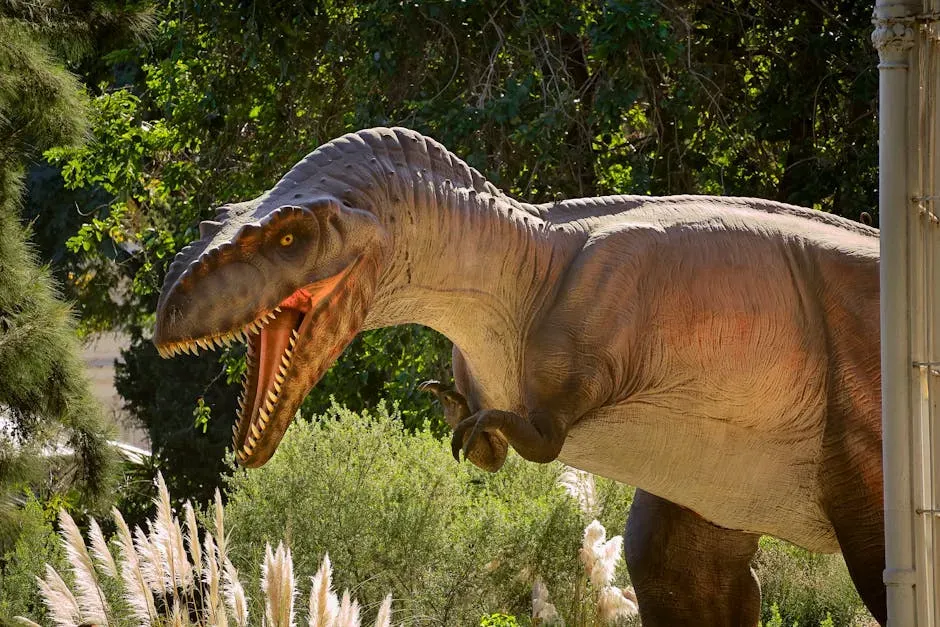
It is tempting to treat all of this as a fun bit of trivia, like realizing your favorite childhood cartoon got the science hilariously wrong. But the overturning of those 1970s and 80s dinosaur lessons is more than just a correction of details; it is a case study in how science works when it is healthy. We went from swamp-bound, stupid, gray monsters to warm-running, feathered, social animals with complex behaviors and living descendants, not because someone decided it made for cooler documentaries, but because the evidence kept piling up until the old picture simply snapped. The honest move was not to cling to nostalgia, but to admit that the story had changed and follow it.
Personally, I think this new view of dinosaurs is far more exciting, and frankly more respectful, than the one we grew up with. Instead of treating them as evolutionary dead-ends that deserved to vanish, we now see them as wildly successful creatures that dominated the planet for an almost unimaginable span of time and, in one narrow but spectacular branch, still do. The next time you hear a bird call, you are hearing the echo of that deep history, a surviving note from a world that we once badly misunderstood. And it raises a sharp question for all of us: if we could be this wrong about dinosaurs for so long, what “settled facts” from today will future students look back on and shake their heads at?