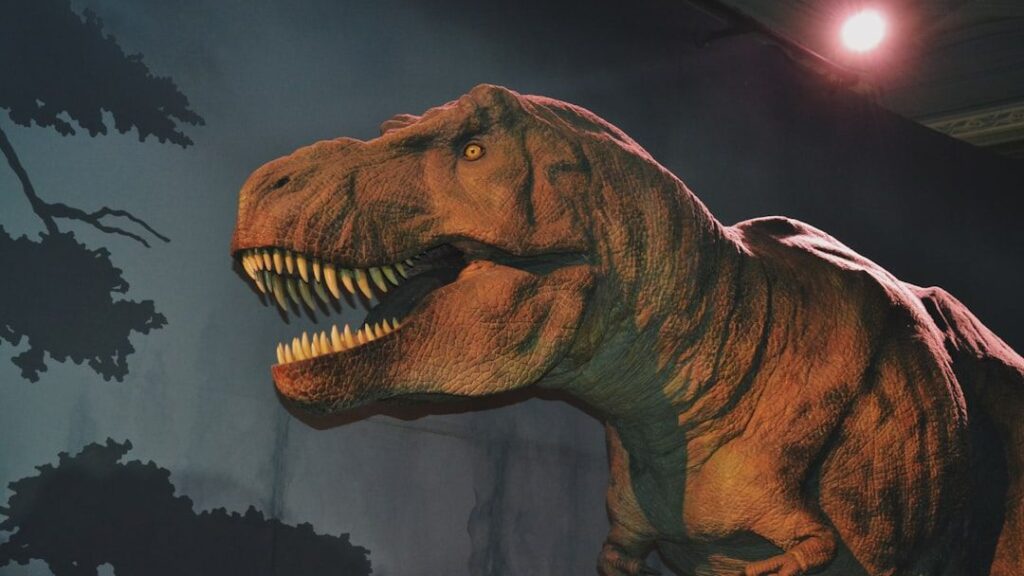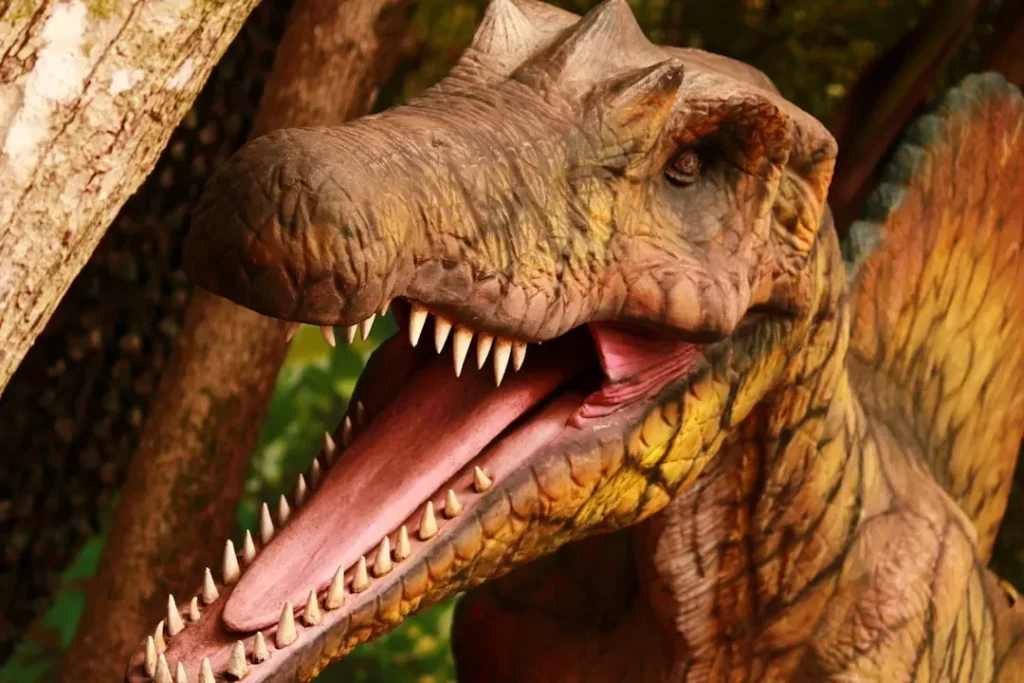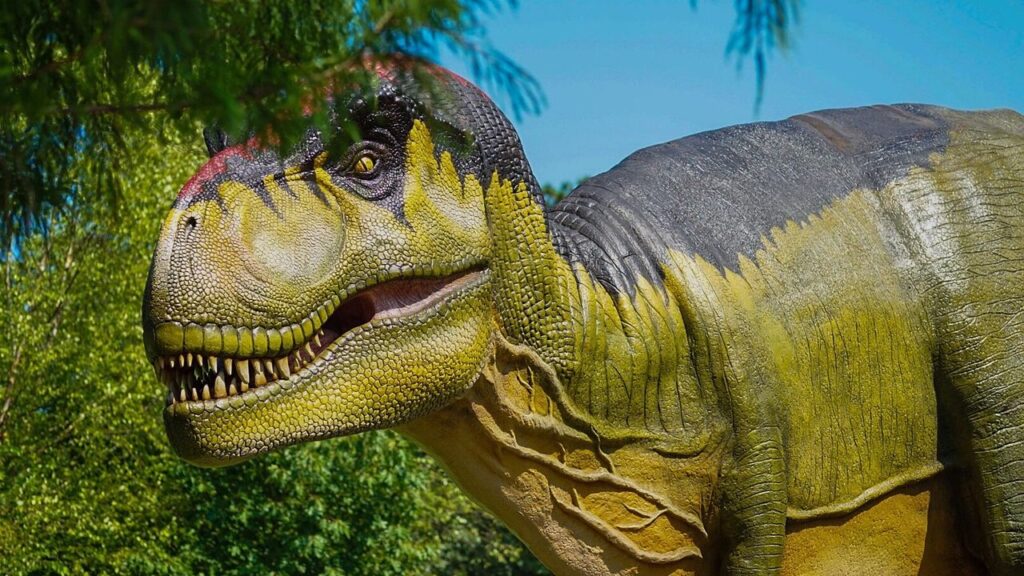
When Jurassic Park hit theaters in 1993, it didn’t just entertain 65 million people – it permanently wired a specific image of T. rex into the human brain. Exposed fangs locked in a permanent snarl. A lizard-skinned monster sprinting at Jeep-chasing speeds. A solitary killing machine that hunted alone and died young. That version of T. rex felt so real, so authoritative, that most people still carry it today. The problem? Science has spent the last three decades quietly, systematically, and sometimes jaw-droppingly dismantling almost every part of it.
What’s genuinely wild isn’t just that a few details changed. It’s how much changed – and how strange and even beautiful the real animal turns out to be. From soft tissue that survived 68 million years inside a bone to a creature that may have lived in social groups, the T. rex emerging from modern research is more complex, more surprising, and honestly more fascinating than the movie ever imagined. Buckle in, because a few of these will actually change the picture in your head.
#1 – Possible Social Behavior and Group Living Blows Up the Lone Hunter Myth
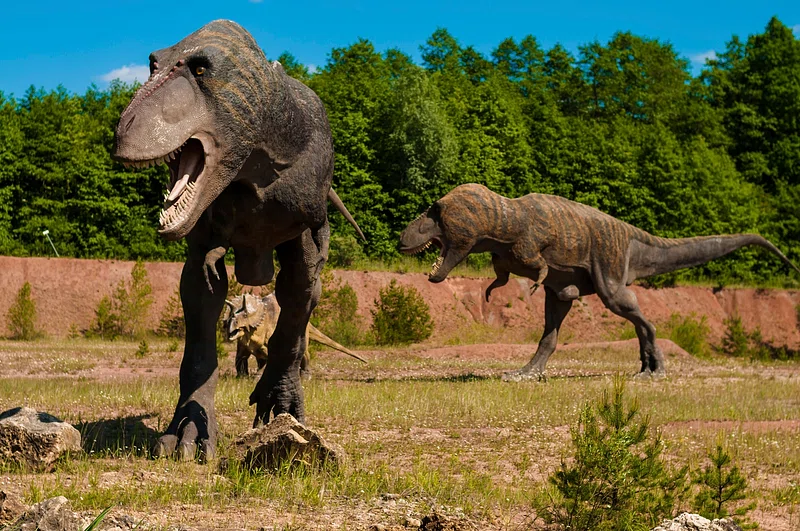
The lone, solitary T. rex was never just a movie choice – it was the scientific consensus for decades. A predator that enormous, the thinking went, couldn’t afford to share. Yet multiple fossil sites across western North America have now turned up several T. rex individuals buried in close proximity to one another, a pattern that keeps reappearing in the fossil record in ways that are difficult to explain away as coincidence. Some of these sites show individuals of different ages together, which is exactly what you’d expect from a social group rather than a random pile-up.
Nothing is proven beyond all doubt – the fossil record will never hand us a perfectly preserved pack hunt – but the accumulating evidence has pushed serious paleontologists to reconsider the lone-monster model entirely. A T. rex that communicated, coordinated, or even raised young in proximity to other adults would have been a categorically different animal than the one Steven Spielberg put on screen. It also would have been far more dangerous. This is the kind of paradigm shift that tends to quietly rewrite textbooks while the public is still picturing a different creature.
Fast Facts
- Multiple fossil bonebeds contain T. rex individuals of mixed ages – a key indicator of possible group structure, not random accumulation.
- Social behavior is already documented in close tyrannosaur relatives, making it a biologically plausible trait for T. rex.
- If T. rex cooperated even loosely during hunts, it would have been capable of targeting prey far larger than a solo animal could handle.
- The lone-predator model was partly built on small sample sizes – the tyrannosaur fossil record has grown significantly since 1993.
#2 – Juveniles Had Completely Different Teeth, Jaws, and Jobs
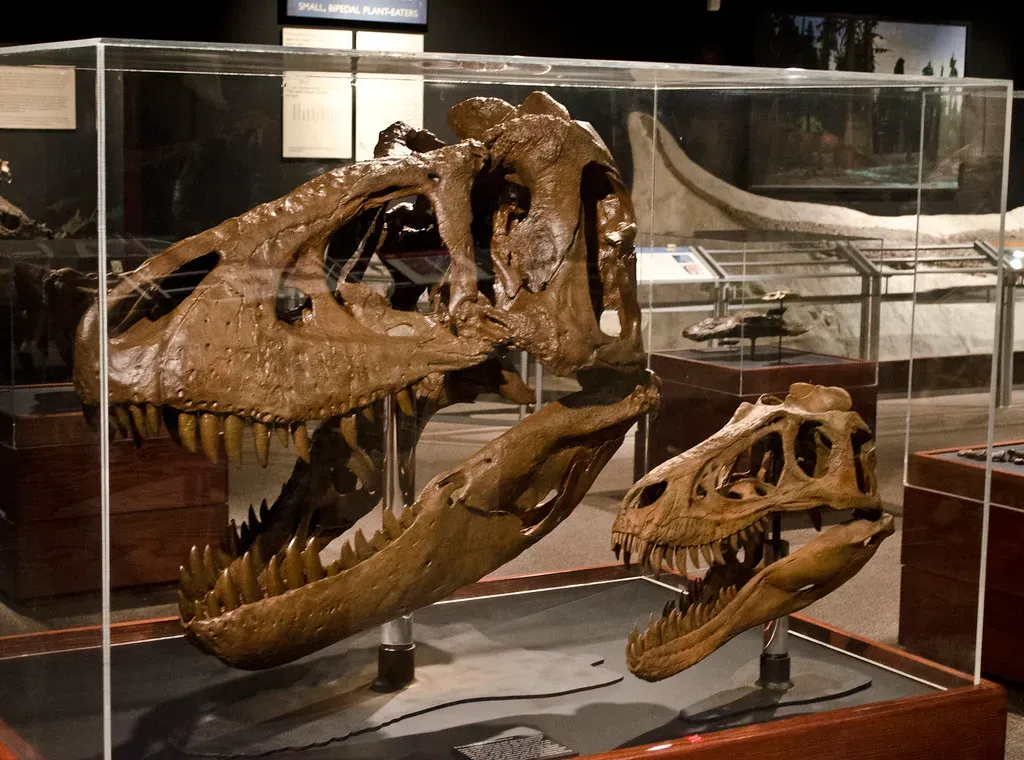
For a long time, young T. rex were treated as smaller versions of the adults – adorable but essentially identical in strategy. Growth series studied across multiple specimens told a very different story. Juveniles had narrower snouts and blade-like, serrated teeth built for slicing, not crushing. They were hunting and processing completely different prey than the adults around them, filling a separate ecological niche within the same species. That’s not a minor anatomical footnote; it’s evidence of a built-in system that prevented generations of the same animal from competing directly with each other for food.
Then, dramatically, during the teenage years, everything changed. The skull widened. The teeth thickened and deepened. The jaw mechanics shifted toward the bone-shattering bite that made the adult famous. It’s almost like two different predators wearing the same evolutionary uniform at different stages of life. The switch happened fast enough geologically that some researchers once mistook juvenile T. rex skulls for entirely different species – a confusion that had real consequences for how the fossil record was interpreted for years.
#3 – Those Tiny Arms Were Actually Specialized Tools
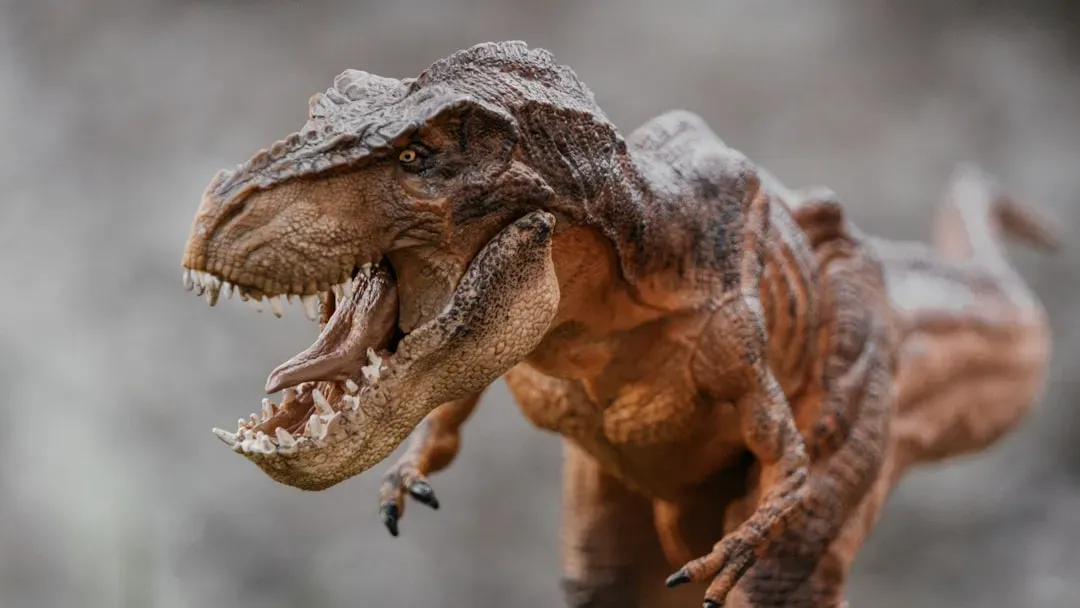
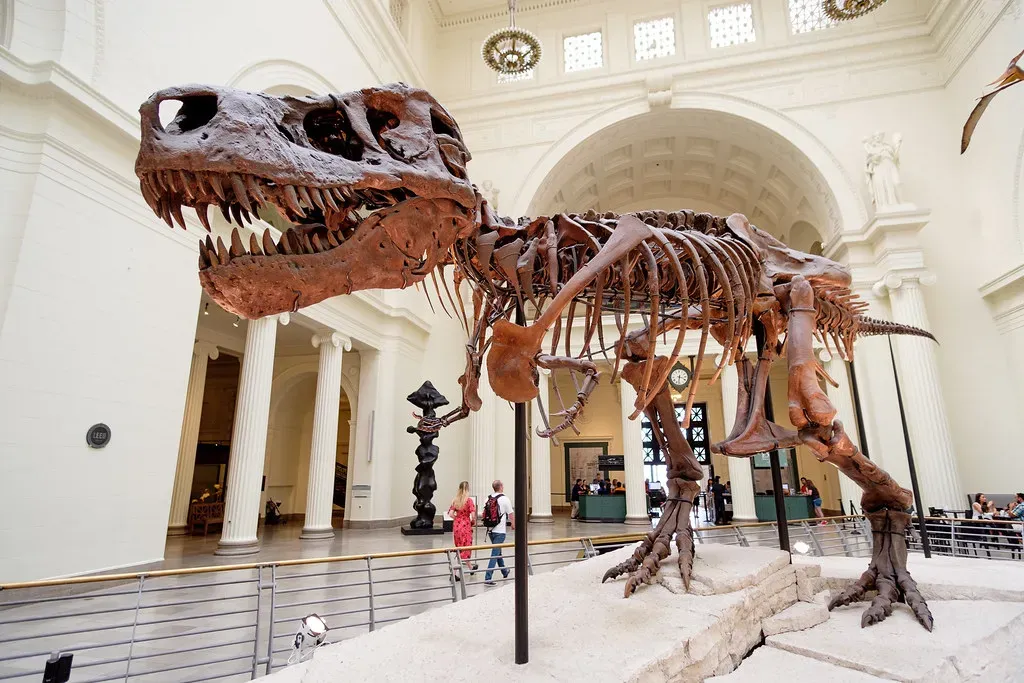
The arms became a cultural punchline precisely because they looked so absurd on an animal that size – stubby, seemingly useless appendages dangling off the front of a creature that could bite through bone. But micro-CT scans of Sue, the famous Field Museum specimen, revealed something the jokes missed entirely: the muscle attachment points on those forelimbs are impressively robust. The arms weren’t decorative. They were built for gripping, most likely to hold struggling prey while the jaws delivered the killing bite, or to help the animal lever itself upright from a resting position – no small task when you weigh six tons.
The wishbone, it turns out, also repositioned the arms closer together on the chest than was previously understood, changing the geometry of how they were used. They weren’t flailing uselessly to the sides; they were oriented in a way that made them functional in close contact with prey. Short, yes. Limited in range, absolutely. But specialized tools rather than evolutionary leftovers – which is a genuinely important distinction for an animal whose every feature was presumably subject to millions of years of natural selection.
Quick Compare
- Movie version: Arms shown as vestigial, comedically useless, purely decorative.
- Scientific reality: Dense muscle attachment points indicate serious gripping strength for their size.
- Movie version: Arms positioned wide at the sides of the body.
- Scientific reality: Wishbone geometry oriented the arms inward – toward prey – during close contact.
- Movie version: No functional role proposed or implied.
- Scientific reality: Likely used to stabilize prey during biting and possibly to push off the ground when rising.
#4 – Soft Tissue Survived 68 Million Years Inside a Bone
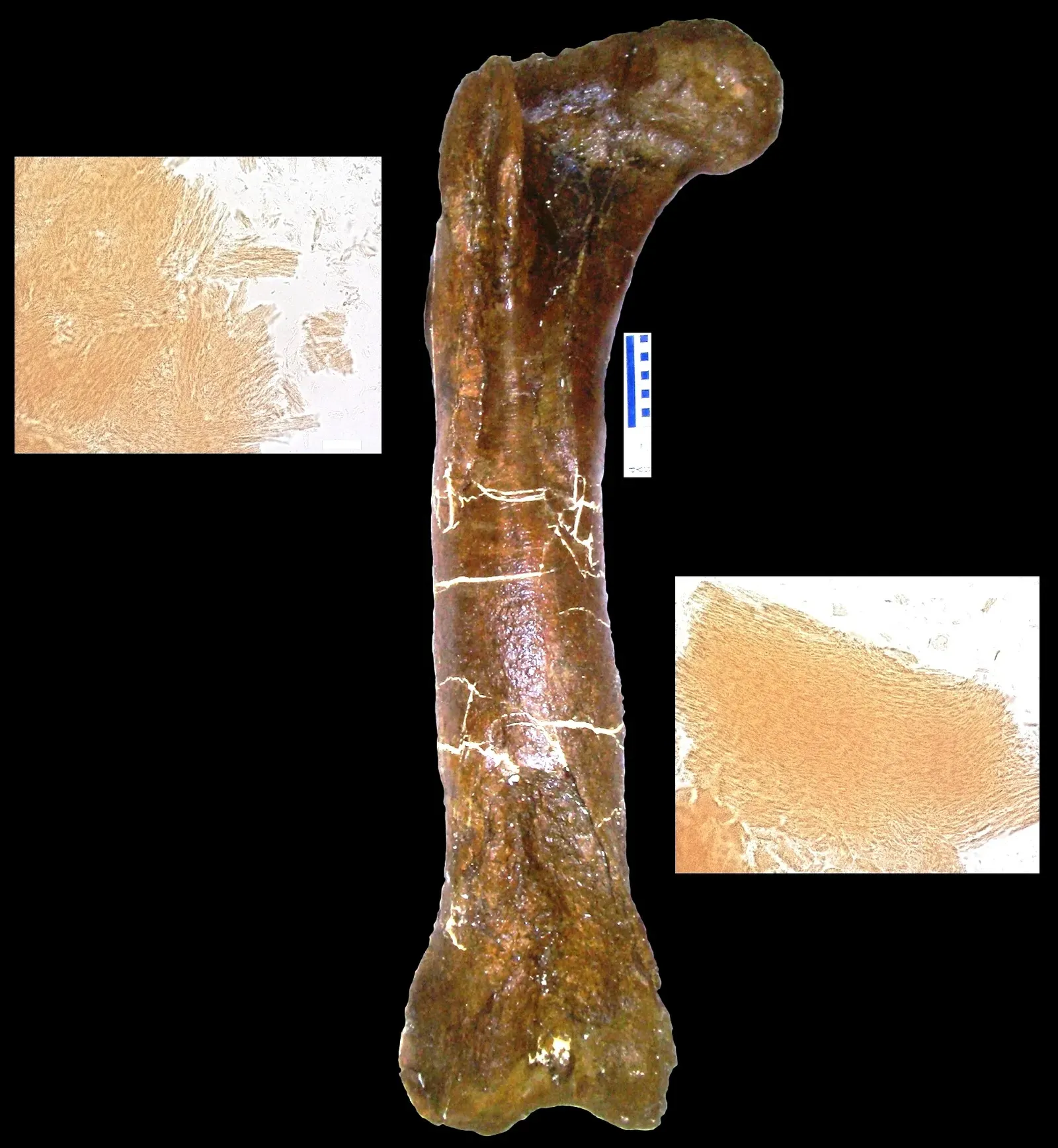
This one doesn’t just change what we know about T. rex. It changes what we thought was physically possible. In 2005, paleontologist Mary Schweitzer and her team were processing a T. rex femur when they discovered something that should not have existed: flexible, transparent blood vessels still intact inside the bone. Alongside them were structures resembling red blood cells and preserved collagen fibers – organic material from an animal that died 68 million years ago. The scientific community’s initial reaction ranged from astonishment to outright skepticism, because nothing in the existing framework of fossilization predicted this outcome.
Subsequent analysis confirmed the finding wasn’t contamination. Under the right burial conditions – specific chemistry, low oxygen, mineral encasing – soft tissue can persist across deep time in ways that geology textbooks never accounted for. The collagen recovered from that femur has even been used for molecular comparisons, placing T. rex in a closer evolutionary relationship to modern birds than to crocodilians – a finding that arrived from inside a dinosaur bone that had been sitting in the ground since before humans existed. Few single discoveries in paleontology have opened as many doors as this one.
The thing that’s surprising is not that we found soft tissue. The thing that’s surprising is that we found it and it was still recognizable.
Mary Schweitzer, paleontologist, North Carolina State University
#5 – Its Bite Force Was the Most Violent Ever Recorded for a Land Animal
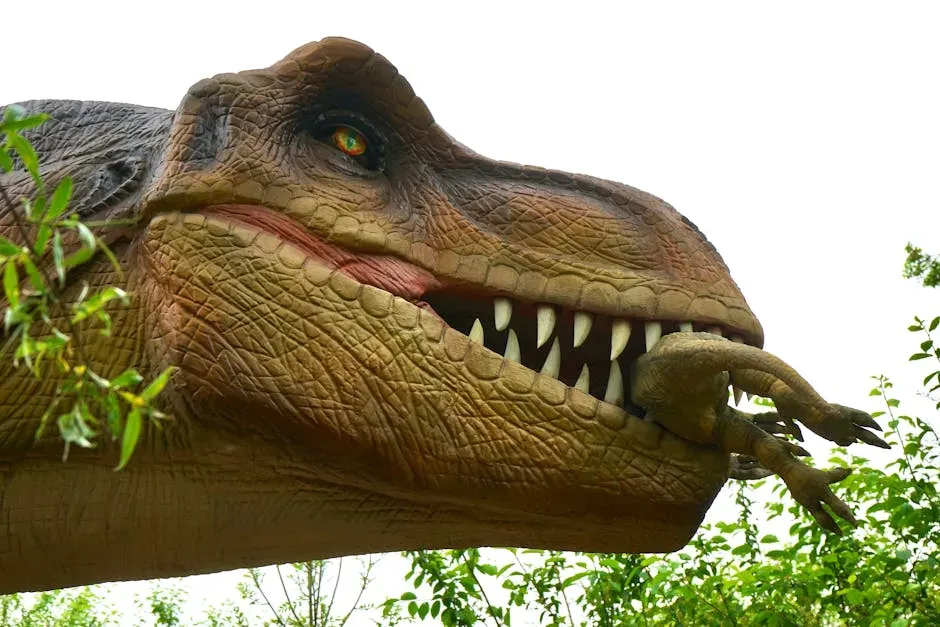
Early estimates of T. rex bite force were already impressive enough to be unsettling. Then 2012 research ran the biomechanical numbers with greater precision, and the results were extraordinary: sustained bite forces of 35,000 to 57,000 newtons at the back teeth – enough to crush bone the way most animals crush soft tissue. To put that in context, a saltwater crocodile, which has one of the most powerful bites of any living animal, generates roughly 16,000 newtons at peak. T. rex was operating at a different level of violence entirely. The back teeth weren’t just biting; they were functioning as bone-pulverizing machinery.
This is why T. rex fossil sites are littered with bone fragments that have clearly been chewed, processed, and in some cases swallowed. The animal wasn’t just eating around the skeleton – it was eating the skeleton. Fossilized T. rex feces, called coprolites, have been found packed with crushed bone fragments. Juvenile T. rex had dramatically weaker bites by comparison, which tracks directly with their slicing teeth and different prey. The shift to bone-crushing adult dentition wasn’t cosmetic. It unlocked an entirely new food source that no competitor at the time could touch.
At a Glance: T. rex Bite Force vs. Other Animals
- T. rex (adult): 35,000–57,000 newtons – strongest of any land animal, ever
- Largest living crocodilians: ~16,000 newtons at measured peak
- Adult human: ~300 newtons – roughly 100 times weaker than T. rex
- Juvenile T. rex: ~5,600 newtons – powerful for its size, but nowhere near adult crushing ability
- T. rex teeth could exert pressures reaching 431,000 pounds per square inch – enough to shatter bone outright
#6 – It Walked Slowly and Couldn’t Have Caught That Jeep
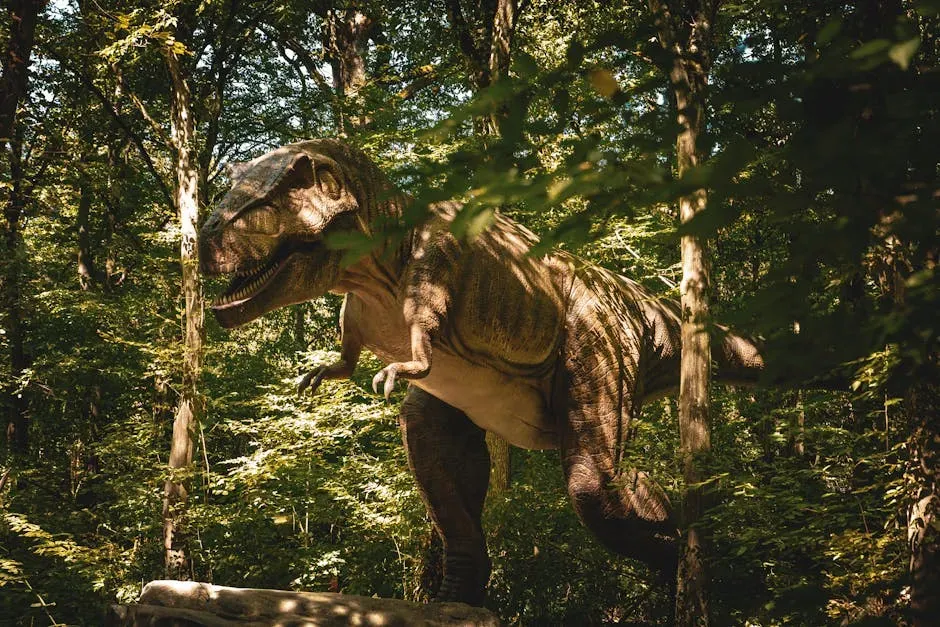
The Jurassic Park chase scene is genuinely thrilling cinema. It is also, by current biomechanical standards, physically impossible. Detailed reconstructions of T. rex’s center of mass, leg proportions, and tail mechanics have converged on the same uncomfortable conclusion: this animal was built for power, not speed. A landmark 2021 study published in Royal Society Open Science modeled the tail’s natural frequency and elastic energy storage to derive a preferred walking speed of just 4.6 km/h – roughly the pace of a casual human stroll. At full effort, short bursts could have pushed higher, but the leg bones and ankle joints were not engineered to sustain rapid locomotion without catastrophic injury risk for an animal weighing several tons.
The 1993 film showed T. rex moving at roughly 50 kilometers per hour to keep pace with a vehicle. Bone stress modelling suggests that at speeds much above 20 km/h, the stress on T. rex’s leg bones during a running stride would approach or exceed the failure threshold of the bone itself – making true sprinting a high-injury gamble for an animal that couldn’t afford to be lame. What T. rex lost in speed it more than compensated for in raw power and endurance – a patient, deliberate apex predator that didn’t need to sprint because nothing in its environment was effectively escaping it anyway. The scarier interpretation, in some ways, is that it didn’t need to run. It just needed to keep walking in your direction.
#7 – Its Snout Was Packed With Touch-Sensitive Nerves
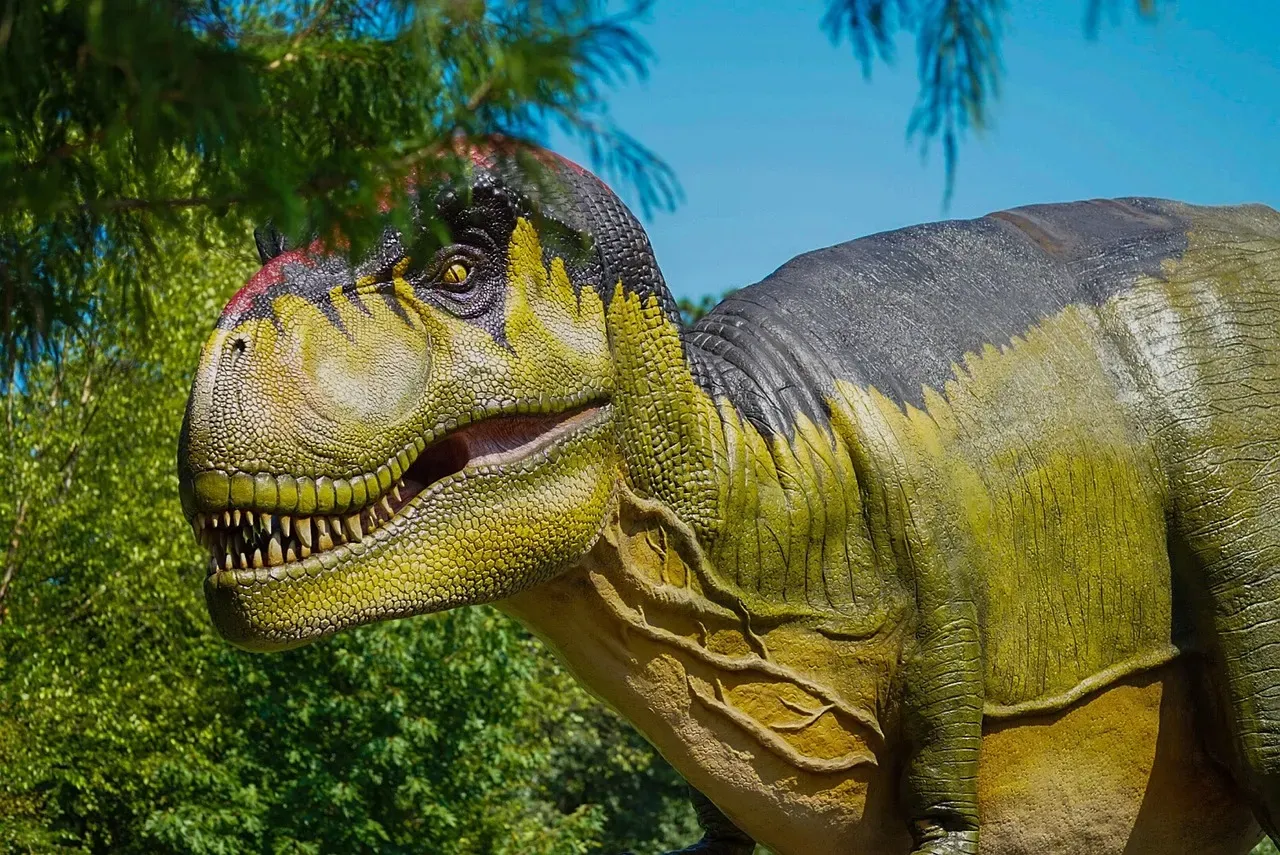
The pop-culture T. rex face is a blunt, insensitive battering ram – all power and no finesse. Studies published in 2017 and 2021 mapped the neurovascular canal systems running through the snout and lower jaw, and the density of those channels revealed something genuinely unexpected: T. rex had an acute, fine-grained sense of touch concentrated in its face. The same type of nerve-rich tissue is found in modern crocodilians, which use facial sensitivity to detect pressure changes in water and to handle eggs and hatchlings with surprising delicacy. The structural similarity in T. rex is not coincidental.
This reframes some behaviors that previously made no anatomical sense. A large-brained apex predator with a touch-sensitive snout could distinguish between textures, detect subtle movement, and potentially handle objects – including nest materials or eggs – with far more care than the bone-crunching stereotype suggests. It also raises the possibility that the face played a role in social interaction and communication that went well beyond threat display. The animal that looked like a pure blunt instrument was carrying sophisticated sensory equipment in the most unexpected place imaginable.
Worth Knowing
- The neurovascular canal density in T. rex’s snout is comparable to that found in modern crocodilian faces – some of the most touch-sensitive tissue in the animal kingdom.
- Crocodilians use this same facial sensitivity to gently handle eggs and hatchlings – suggesting T. rex may have had similar parental capability.
- Touch-sensitive lips and snouts are also seen in elephants and some large predatory fish, suggesting sensitive facial tissue is a convergent trait in large, intelligent animals.
- A face built for nuanced sensation challenges the idea that T. rex was purely a blunt-force predator with no behavioral subtlety.
#8 – T. rex Probably Had Lips and Didn’t Look Anything Like Its Movie Version
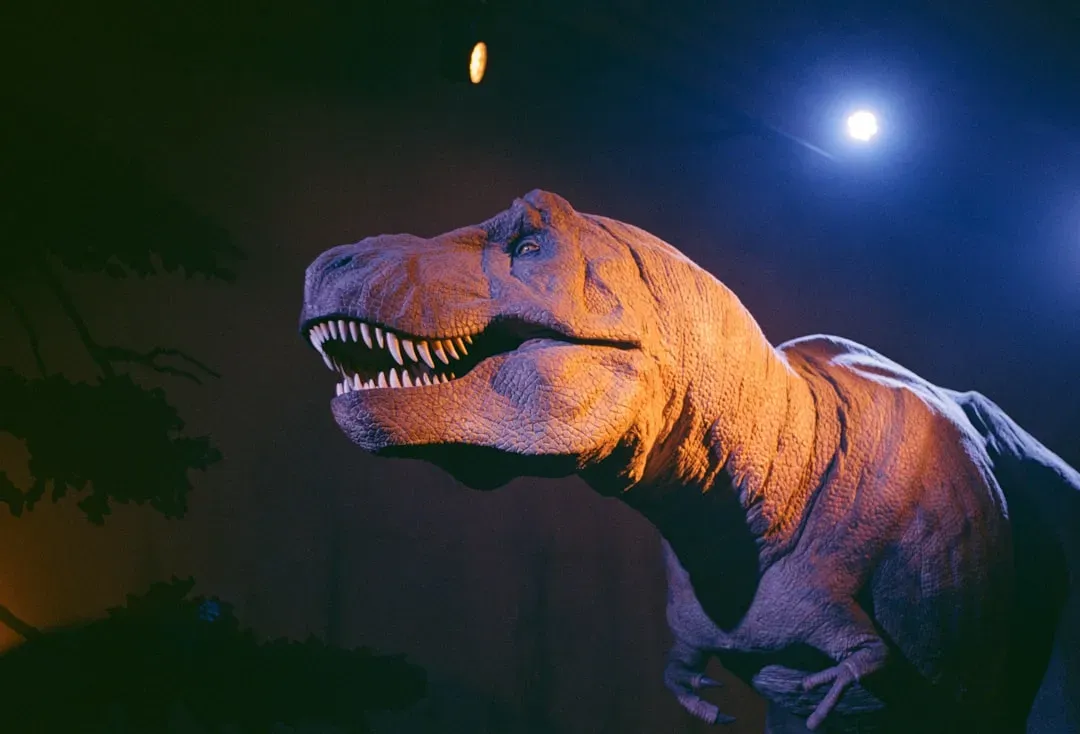
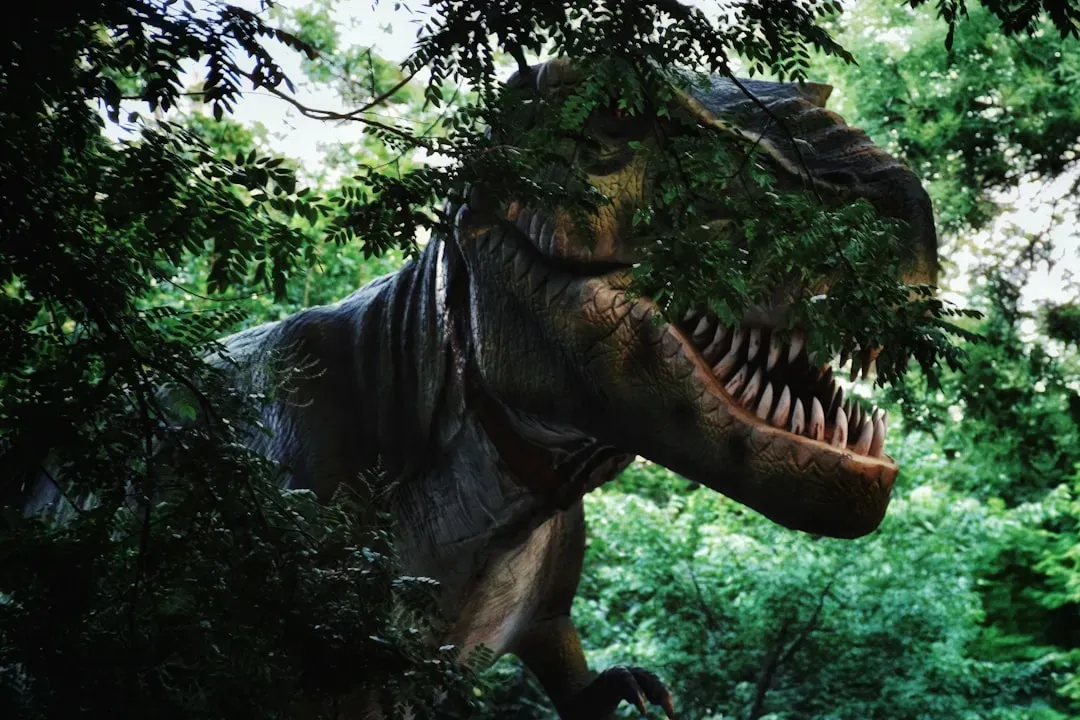
The permanent, tooth-baring snarl is arguably Jurassic Park’s most iconic visual. It is almost certainly wrong. Biomechanical analysis published in recent years has built a compelling case that theropod dinosaurs, including T. rex, had lips – mobile, scaled tissue that covered the teeth when the mouth was closed. The mechanical argument is straightforward: teeth that are continuously exposed to air dry out, crack, and degrade. Modern lizards and other scaled reptiles with large teeth keep them covered for exactly this reason. T. rex teeth, examined closely, show wear patterns more consistent with a covered, moist environment than perpetual exposure.
The visual consequence is significant. A lipped T. rex looks less like a permanent snarl and more like an enormous, sealed-face predator – formidable, but in a way that feels less theatrical and more quietly menacing. It also changes how the animal would have fed, opened its mouth as a display signal, and processed carcasses. This is the kind of revision that tends to frustrate people who grew up with the movie image, because it doesn’t make T. rex less impressive – it makes it stranger and harder to Hollywood-ize, which somehow feels like the more honest version of the animal.
#9 – Adult T. rex Was Covered in Scales, Not Feathers
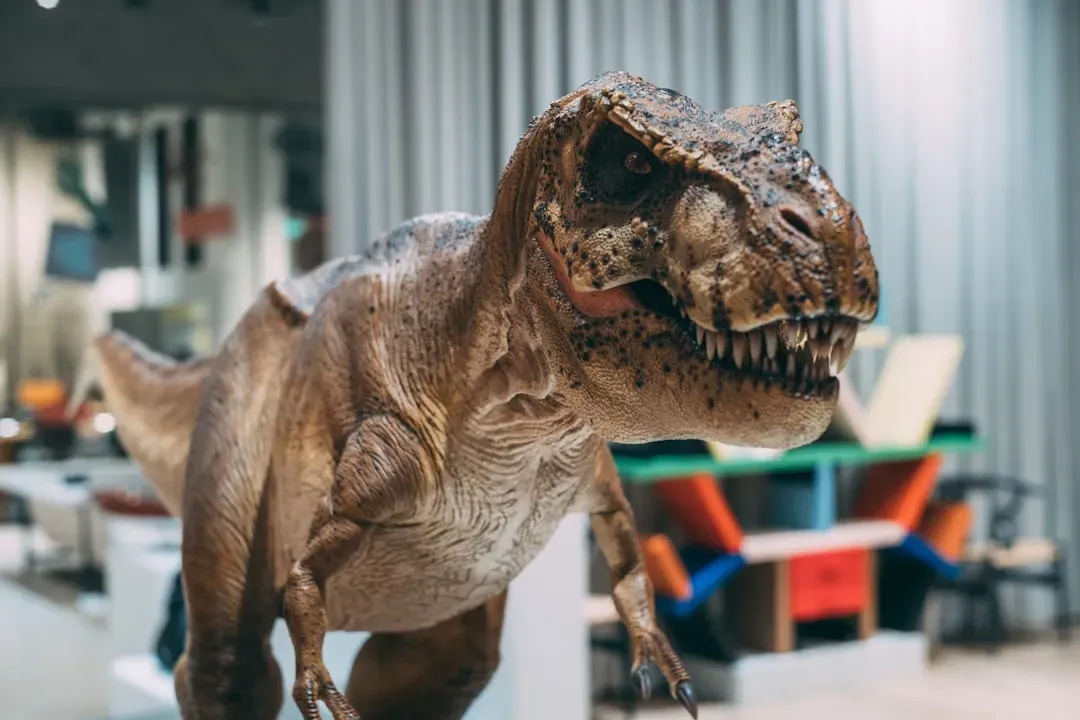
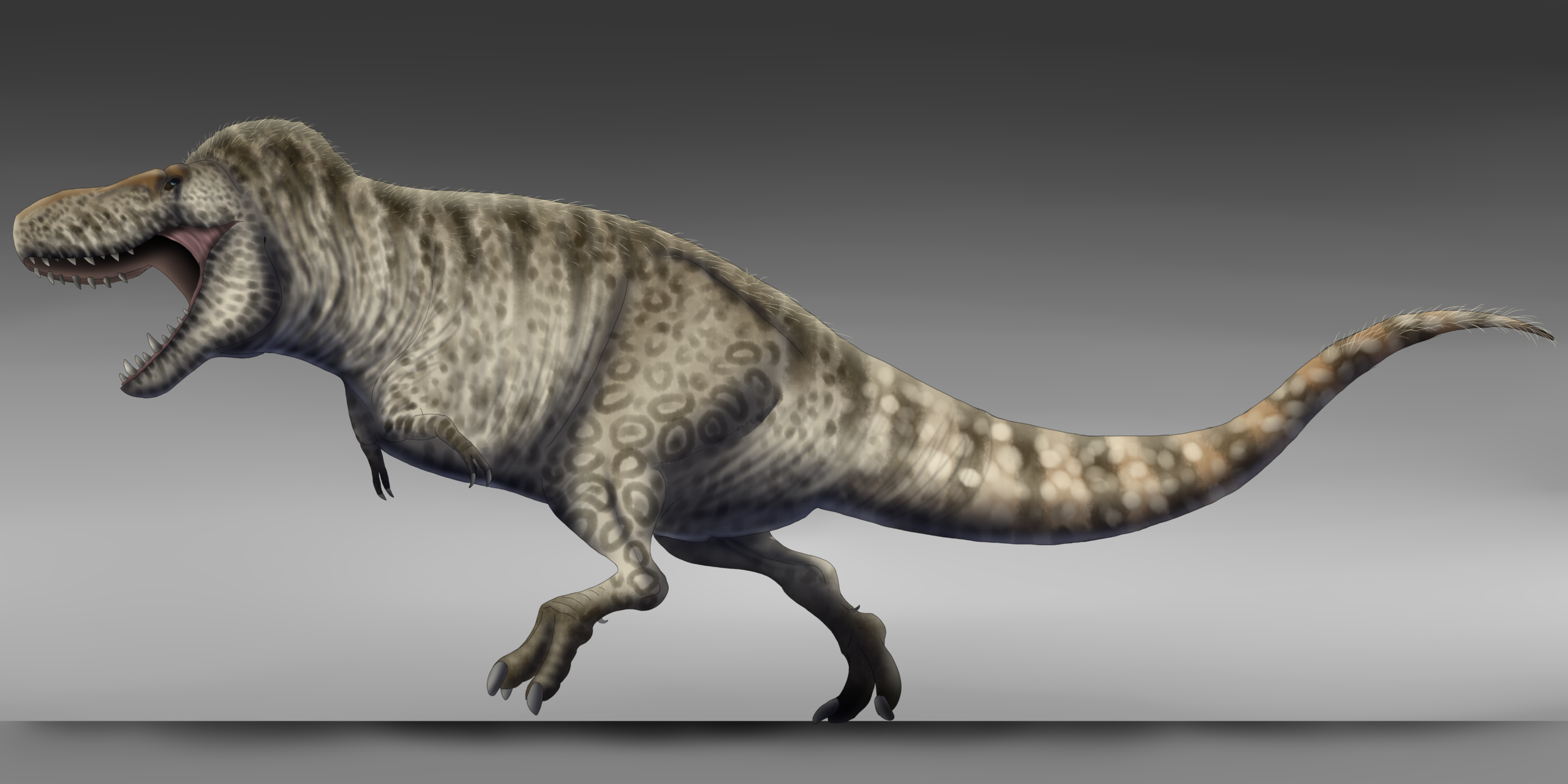
The discovery of feathered tyrannosaurs like Yutyrannus in China sent genuine excitement through the paleontology world and spawned endless speculation about whether T. rex itself was fluffy. The fossil record pushed back on that idea with unusual directness. Multiple T. rex specimens, including a partial skin impression nicknamed Wyrex, preserve clear, pebbly scale patterns on the neck, hips, and tail – areas where feathers, if present, would almost certainly have left traces. They didn’t. The skin surface recorded in those impressions looks reptilian, not avian.
The current working model suggests that smaller, earlier tyrannosauroids may indeed have had protofeathers for insulation, but that as body size increased dramatically in the T. rex lineage, the thermal math changed. Large animals retain heat efficiently on their own and can overheat easily – the same reason elephants and rhinos are hairless despite being descended from furrier ancestors. Adult T. rex almost certainly shed or never developed significant feather coverage for the same reason. There may have been patches on parts of the body, but the scaly impression evidence argues against the fluffy apex predator image that briefly captured imaginations.
Why It Stands Out
- Skin impressions from multiple body regions – neck, hips, tail – all show pebbly scales, not feather quill anchors.
- Earlier, smaller tyrannosaurs like Yutyrannus (up to ~1,400 kg) had protofeathers; T. rex weighed up to 9,000 kg – a thermal tipping point.
- The same heat-retention logic explains why woolly mammoths had fur but modern elephants don’t.
- Feather patches on some body regions remain possible – but a fully feathered adult T. rex contradicts the current physical evidence.
#10 – T. rex Kept Growing Until Age 40
The received wisdom for years was that T. rex grew explosively fast during adolescence – a massive teenage growth spurt – and then reached adult size relatively young, like many large predators. A 2026 analysis of bone growth rings across 17 tyrannosaur fossils rewrote that timeline in a way nobody expected. The growth didn’t plateau in the teenage years. It continued steadily, well into the animal’s thirties and forties, adding roughly 15 years to prior estimates of when T. rex stopped developing. Some of the individuals previously classified as fully adult were still actively growing.
The implications ripple outward. Several fossil specimens that researchers confidently labeled as juveniles or subadults based on size may actually represent something more complicated – possibly a different species, or individuals at a growth stage that wasn’t previously accounted for in the models. The prolonged development also suggests that T. rex invested heavily in longevity rather than fast maturation, which has implications for social structure, reproduction timing, and ecological role. An animal still growing at 35 is a fundamentally different life-history strategy than anything the 1993 version of the science anticipated.
#11 – A Whole New Tyrannosaurus Species Was Found in 2024
It’s easy to assume that after 130 years of hunting T. rex fossils across the American West, the genus had been mapped out completely. Then 2024 arrived with a formal description of Tyrannosaurus mcraeensis, recovered from New Mexico rocks that predate the classic T. rex by approximately 6 to 7 million years. The discovery was rooted in skull and jaw fossils collected in southern New Mexico back in the 1980s – bones that had been sitting in a museum collection, previously assumed to belong to T. rex itself. Subtle but real anatomical differences in the shape of and joins between skull bones were enough for the research team to assign it full species status.
What T. mcraeensis tells us isn’t just that there was another big tyrannosaur – it’s that the tyrannosaur lineage was diversifying in southern North America earlier and more actively than the fossil record had previously revealed. Phylogenetic analysis places it as a sister species to T. rex – the closest known relative – rather than a direct ancestor, meaning the two lineages branched from a common point and ran in parallel. The classic T. rex wasn’t the inevitable endpoint of a single evolutionary line marching toward perfection. It was one outcome among several, shaped by geography and time in ways that are still being untangled. The family tree of the most famous animal in paleontology just got a new branch, and there’s no particular reason to think it will be the last one.
Fast Facts: Tyrannosaurus mcraeensis
- Formally described in January 2024 in the journal Scientific Reports
- Fossils recovered from the Hall Lake Formation, western New Mexico
- Predates T. rex by approximately 6–7 million years, yet rivaled it in size
- Classified as a sister species to T. rex – closest known relative, not a direct ancestor
- Key fossil material had been in museum storage since the 1980s – hiding in plain sight
- Discovery suggests tyrannosaurs roamed southern North America at least 72–73 million years ago
The Verdict: The Real T. Rex Is Stranger and More Impressive Than the Movie Version
Here’s the opinion that the evidence earns: Jurassic Park did something remarkable for public interest in dinosaurs, and it deserves credit for that. But the T. rex it gave us was a 1993 approximation built on incomplete data – and science has spent 30 years systematically revealing how much more complex, strange, and genuinely fascinating the real animal was. Lips instead of snarls. Sensitive nerves instead of a blunt instrument face. A growing animal still adding mass at 40. Possible social behavior. Soft tissue that defied everything we thought we knew about fossilization. A bite force so extreme it had no competition on land, ever. Each of those discoveries individually would be interesting. Together, they describe a creature that the movie never could have captured – partly because the science didn’t exist yet, and partly because the truth is harder to reduce to a clean monster.
The most honest takeaway is that T. rex keeps getting more interesting the more carefully we look, and there is still no reason to think we’ve reached the end of the surprises. New specimens surface. New analytical tools emerge. Old assumptions get stress-tested against better data and fail. The animal that dominated the late Cretaceous for millions of years is still, in the most literal sense, not fully known. Whatever picture you had in your head walking in, the real T. rex is weirder, more nuanced, and more worth thinking about than the one Hollywood built. That’s not a criticism of the film. It’s a compliment to the animal.