
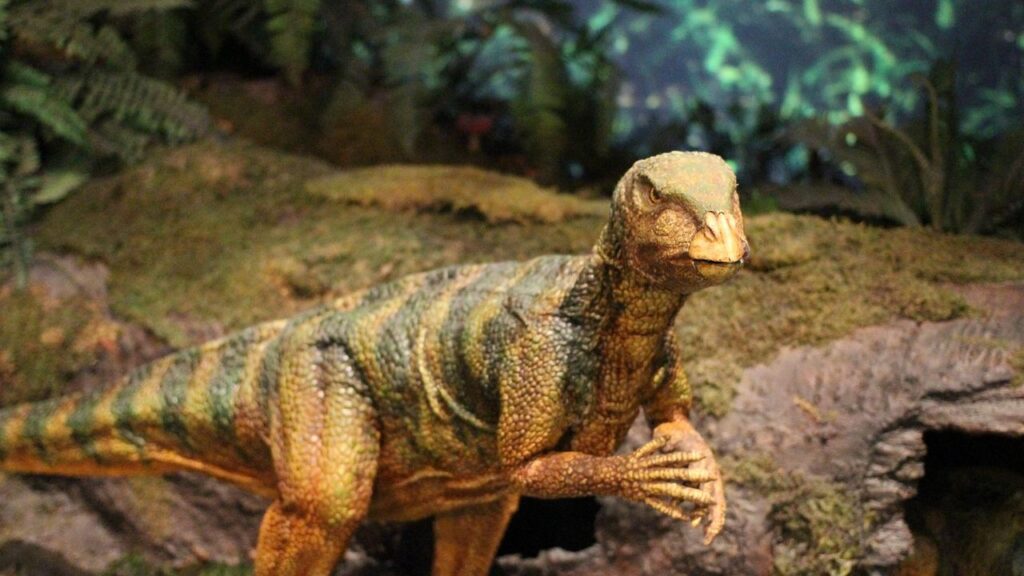
For most of us, dinosaurs arrived pre-packaged: giant, scaly, dim-witted monsters that stomped through steaming jungles together, roared at each other for a few million years, and then got wiped out in one dramatic fireball. Clean story. Easy to teach. Almost entirely wrong. The fossils kept piling up, the scanning technology kept improving, and the scientists who actually dig in the dirt quietly stopped defending a version of prehistory that the evidence had already demolished.
What replaced it is genuinely weirder – and far more interesting. Feathered giants. Arctic survivors. A mammal that ate a baby dinosaur for lunch. A “second brain” that turned out to be something else entirely. If any of these sound familiar, hold on, because the details are stranger than the headlines. And the last one reframes everything you thought you knew about the extinction that supposedly ended it all.
#1 – T. rex Lived Closer to You Than to Stegosaurus
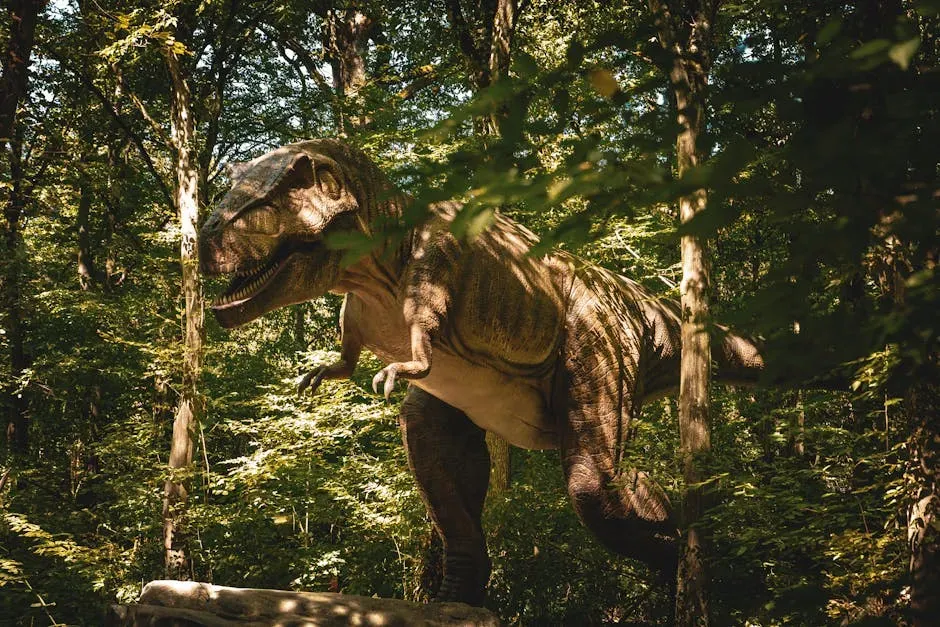
This one lands like a gut punch once you actually sit with it. Stegosaurus vanished roughly 80 million years before T. rex even existed. That gap is larger than the distance between us and T. rex right now. Yet for decades, school posters cheerfully showed both animals sharing the same swampy background, as if the Mesozoic were one long, uninterrupted party. Early fossil collections fed the illusion – bones from wildly different geological layers ended up displayed side by side in the same museum hall, with no obvious flag marking the 80-million-year gulf between them.
Paleontologists now map stratigraphic layers with surgical precision, and the picture that emerges is less “one dino era” and more a sequence of completely distinct worlds, each with its own cast of animals that never met the ones before or after them. Different continents developed entirely separate faunas. The Jurassic and the Cretaceous might as well be different planets. Collapsing 165 million years of evolution into a single blurry “dinosaur age” is a bit like saying Romans and TikTok users lived in roughly the same era because both technically count as human history.
At a Glance
- Stegosaurus roamed North America roughly 155–145 million years ago, during the late Jurassic.
- T. rex appeared about 68 million years ago — meaning the two are separated by approximately 80 million years.
- T. rex is closer in time to humans (66 million years) than it ever was to Stegosaurus.
- The Cretaceous period alone lasted nearly 80 million years — enough time for entirely separate dinosaur worlds to rise and fall.
- Triassic dinosaurs like Eoraptor are twice as chronologically distant from T. rex as Stegosaurus is.
#2 – Most Dinosaurs Were Turkey-Sized or Smaller
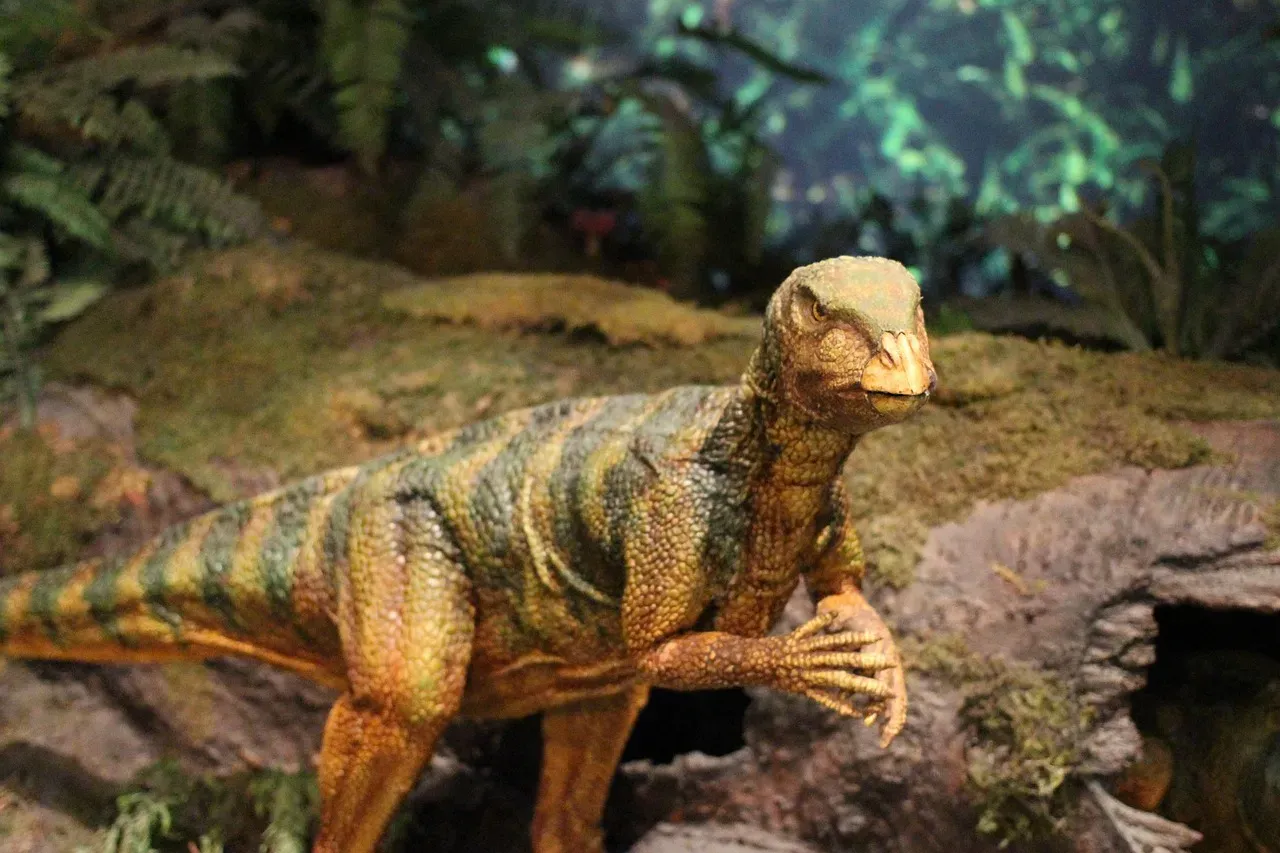
Brachiosaurus gets the museum atrium. Rebbachisaurus gets the documentary. The dinosaur that actually dominated Mesozoic ecosystems by sheer numbers probably weighed about as much as a golden retriever, and you’ve never heard of it. The fossil record is brutally biased toward animals with big, dense bones that survive millions of years of erosion. Small species dissolved, scattered, or simply got overlooked by early diggers who were hunting trophies, not sparrows. The giants were the celebrities. The average dinosaur was background noise.
Modern micro-sieving techniques changed that calculus dramatically. When paleontologists started running sediment through fine screens, hundreds of tiny theropod and ornithischian specimens started surfacing at sites that had previously seemed sparse. The portrait that’s emerging looks less like a world of thundering colossi and more like a densely layered ecosystem packed with small, fast, opportunistic animals filling every niche from ground-level scavenger to canopy browser. The giants were real and spectacular – but they were the exception, not the rule.
#3 – Feathers Appeared Long Before Any Dinosaur Could Fly
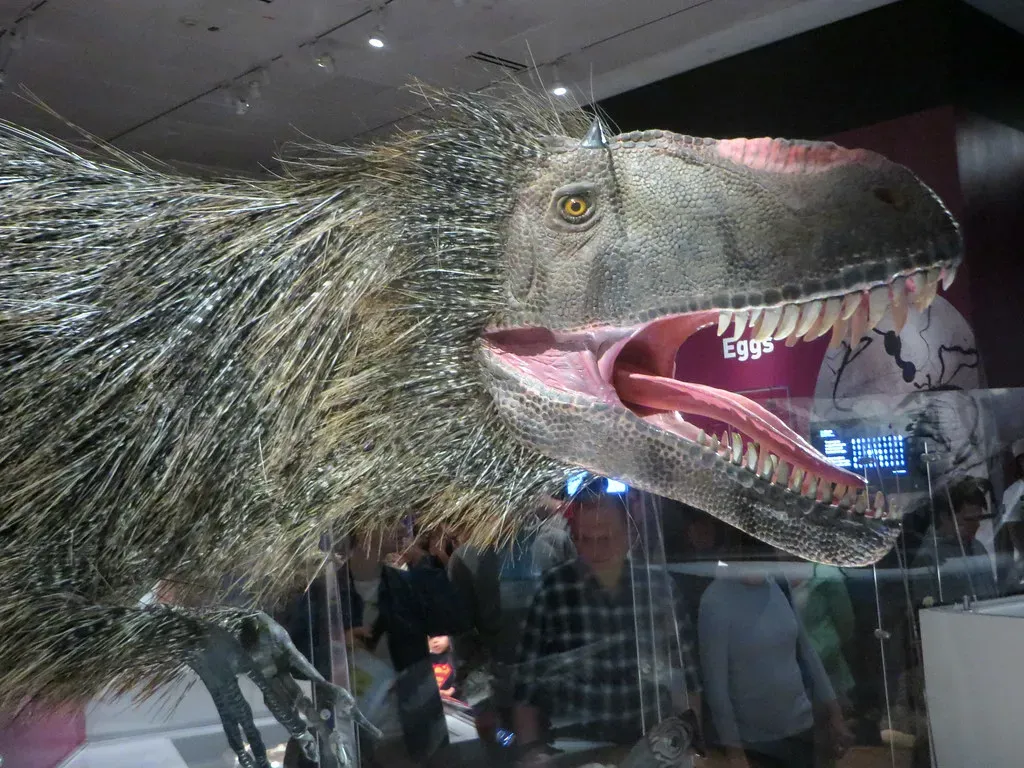
The old story ran in a straight line: scales gave way to proto-feathers, proto-feathers enabled gliding, gliding became powered flight, and birds were born. Tidy. Logical. Also backwards in some critical ways. Feathers – real, complex feathers – show up on animals that had no business flying anywhere. Yutyrannus, a tyrannosauroid stretching nearly nine meters, carried a shaggy coat of filaments across its body. It was not catching updrafts. It was almost certainly using that insulation for warmth, and possibly for display, the same way a peacock uses its tail – spectacle first, aerodynamics never.
Extraordinary fossil beds in China, preserved in such fine-grained detail that individual melanosomes survive, have allowed scientists to reconstruct actual color patterns on some of these animals. Feathers were doing real biological work – thermoregulation, species signaling, mate attraction – millions of years before any lineage figured out how to turn them into wings. The transition to birds now looks less like a single invention and more like a long, chaotic experiment in which flight was just one of many outcomes. Large tyrannosaurs probably stayed mostly scaly as adults, which means even within a single family, the fuzz-to-scale ratio could vary by age, climate, and body region.
#4 – Birds Aren’t Dinosaur Descendants. They Are Dinosaurs.
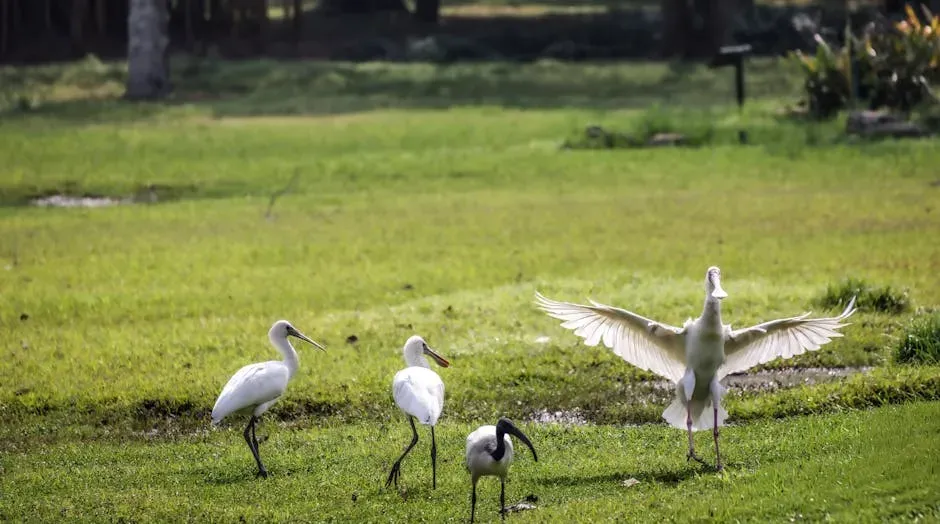
This is not a semantic technicality. Cladistic analysis – the method scientists use to map evolutionary relationships based on shared derived traits – places modern birds squarely inside the theropod dinosaur family tree. Not branching off from it. Inside it. A chicken shares more recent common ancestry with Velociraptor than Velociraptor does with Triceratops. That means every time a pigeon waddles across a sidewalk ignoring you, you are being ignored by a living dinosaur with a 66-million-year unbroken lineage.
Textbooks used to draw a clean, satisfying line: here are the dinosaurs, here is where they ended, here are the birds that came after. That line doesn’t exist. The asteroid 66 million years ago wiped out the non-avian branches, but one lineage kept going, kept evolving, and eventually produced roughly 10,000 species still alive today. Museums have been quietly updating their exhibit labels for years. Entire halls have been reorganized around this reclassification. It’s one of the most significant corrections in the history of natural science – and most people still haven’t absorbed it.
Worth Knowing
- Cladistically, birds are avian dinosaurs — not a separate group that branched away.
- A chicken is more closely related to Velociraptor than Velociraptor is to Triceratops.
- Roughly 10,000 species of living birds represent a direct, unbroken dinosaur lineage still evolving today.
- Hollow bones, wishbones (furculae), and scaled feet are all anatomical signatures shared by birds and their theropod ancestors.
#5 – Some Dinosaurs Wore Colors That Would Stop Traffic
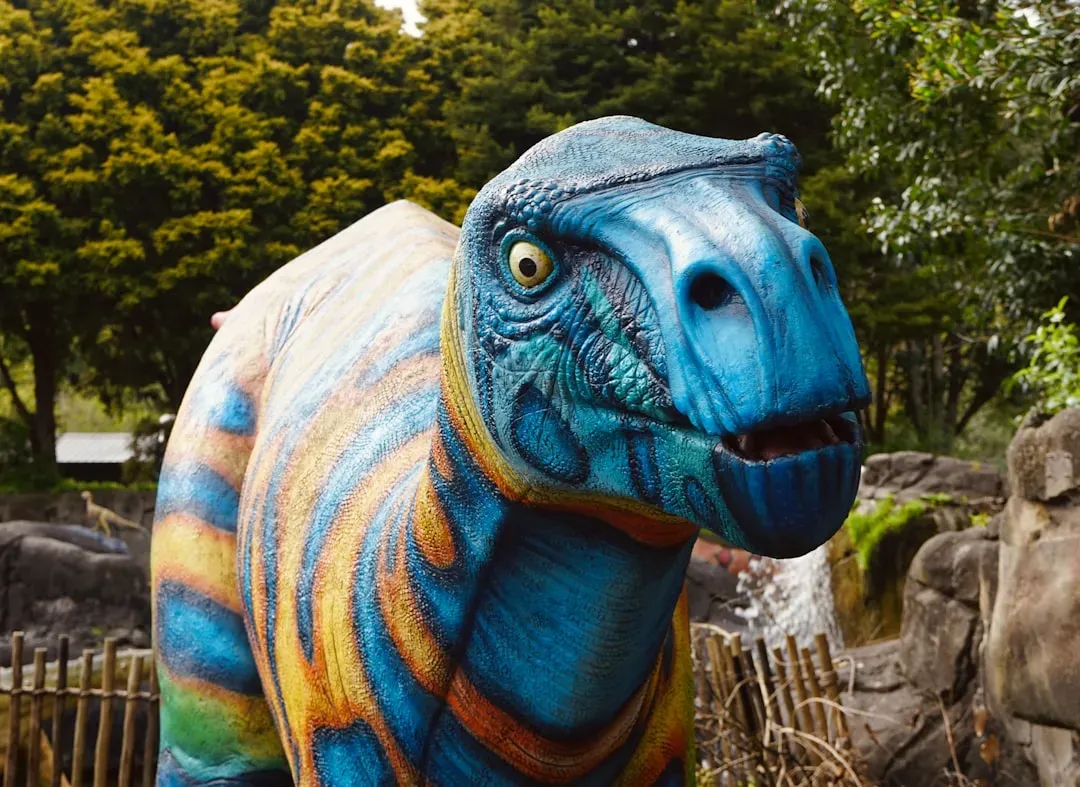
For most of the twentieth century, dinosaur artists defaulted to drab: muddy greens, dusty browns, the occasional stripe for the bold ones. It was an honest admission of ignorance – soft tissue doesn’t fossilize, so who could say otherwise? Then scientists figured out that melanosomes, the microscopic pigment structures inside feathers, do sometimes survive in fossil form, and that their shape predicts color. Suddenly the guessing game had data. In 2010, researchers completed the first-ever full dinosaur color reconstruction: Anchiornis, a small feathered theropod, turned out to sport mostly gray plumage with black-and-white banded wings and a striking reddish-brown crest – basically a Mesozoic woodpecker crossed with a magpie, dressed for attention.
Borealopelta, a heavily armored ankylosaur, showed countershading – reddish-brown on top, lighter on the underside – a camouflage strategy still used by deer and many other large herbivores today. That detail alone is remarkable: an animal the size of a small tank, wrapped in bony armor, still bothered to hide. Other specimens show hints of iridescent or patterned integument. In 2012, the four-winged Microraptor was shown to carry an iridescent sheen similar to that of a modern raven. The Mesozoic, it turns out, was visually loud. Animals were signaling to each other across color channels scientists spent a century assuming were blank.
#6 – Dinosaurs Didn’t Just Survive the Arctic. They Thrived There.
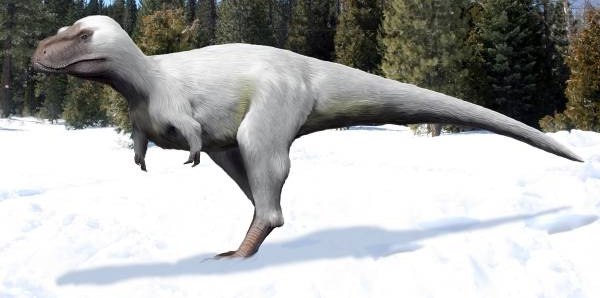
The mental image is stubborn: dinosaurs baking under a hot Cretaceous sun in tropical lowlands. It fits the “giant cold-blooded reptile” model that dominated early thinking. The only problem is the fossils refuse to cooperate. Dinosaur trackways and bones have turned up in what is now Alaska and Antarctica – regions that, even accounting for continental drift and warmer global temperatures, still experienced months of near-total darkness and serious cold snaps. These weren’t lost stragglers. The evidence suggests established, year-round populations.
Bone histology – the study of growth rings inside fossil bone – is where this story gets really interesting. In cold-adapted animals that hibernate or dramatically slow their growth during winter, you see clear pauses in the bone record. Many polar dinosaur specimens show continuous growth, which points to warm-blooded or near-warm-blooded metabolisms capable of sustaining activity through dark, cold seasons. Insulation strategies, behavioral adaptation, or both must have been in play. The comfortable assumption that dinosaurs were locked to tropical latitudes collapses once you zoom out the map.
Fast Facts
- Dinosaur bones and trackways have been recovered from both Alaska and Antarctica.
- Polar regions during the Cretaceous still experienced months of near-total winter darkness.
- Continuous bone growth rings in polar specimens suggest warm-blooded or near-warm-blooded metabolisms.
- Evidence points to established, year-round dinosaur populations — not seasonal migrants lost in the cold.
#7 – Some Dinosaurs Had Intelligence Comparable to Modern Birds
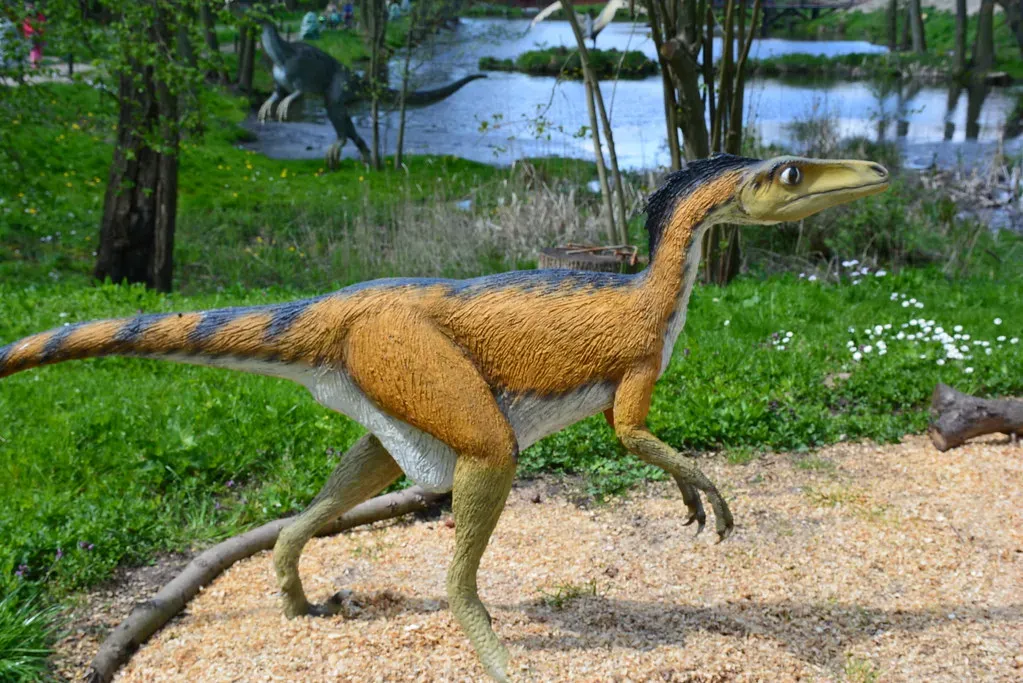
Stegosaurus earned its reputation for a brain roughly the size of a walnut, and that reputation is fair. But Stegosaurus was never a stand-in for dinosaur intelligence overall – it was an outlier on the low end, and treating it as the benchmark for the entire group is like judging mammal intelligence by the mole rat. Troodon and its troodontid relatives tell a very different story. Their brain-to-body ratios approach those of modern birds, and fossil endocasts reveal enlarged optic lobes and well-developed olfactory regions – the anatomy of an animal that hunted by sight and smell with real precision.
The comparison to modern corvids is worth pausing on. Crows and ravens have relatively small brains by mammalian standards, yet they solve multi-step problems, recognize human faces, and use tools. The old model of intelligence was essentially “bigger brain equals smarter animal,” and it led paleontologists to dismiss small-brained dinosaurs as automatons. Neuroscience has since complicated that picture considerably. Fossil endocasts from the smartest dinosaurs are now being reanalyzed with the crow framework in mind, and the hypothesis that some troodontids hunted cooperatively or cached food is no longer considered fringe.
#8 – T. rex Arms Were Not Useless. They Were Terrifying.
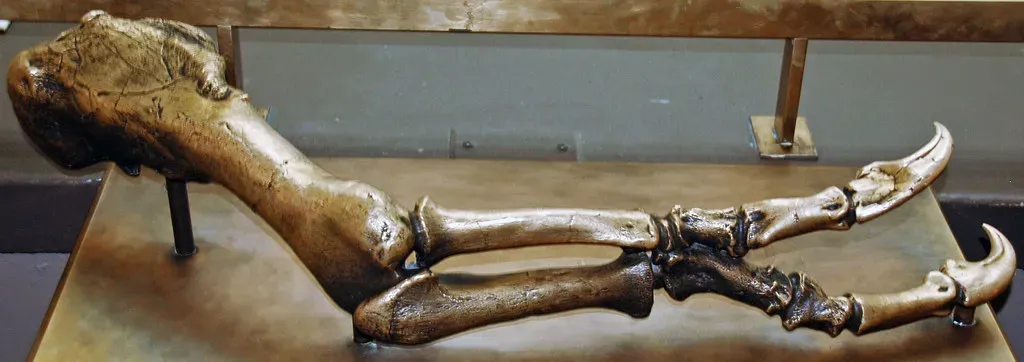
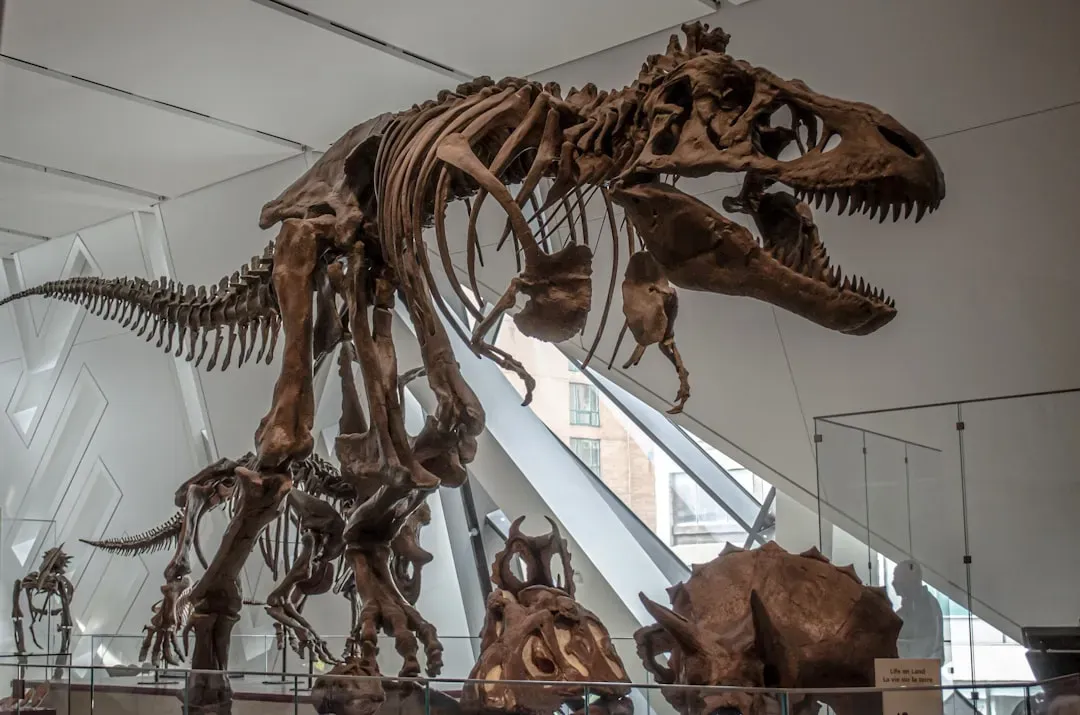
The internet never tires of mocking T. rex for its arms, and the arms do look absurd – stubby little appendages dangling off an animal the length of a school bus. But the meme ignores the biomechanics. Muscle attachment scars on T. rex arm bones are enormous relative to the bone size, and modeling studies suggest each arm could generate crushing force well in excess of what most modern large predators can manage with a full limb. The leverage was short, but the power behind it was serious. These were not vestigial afterthoughts. They were compact, high-torque gripping tools.
Juvenile tyrannosaurs had proportionally longer arms, which suggests the stubby adult configuration wasn’t a starting point – it was an endpoint, something the animal grew into as its skull became the primary weapon. Adults likely used their arms during close-quarters struggles with prey that was already subdued by the jaws, or to push themselves up from a prone position – no small task when you weigh seven tons. The design looks specialized for a specific role in a specific hunting style, not like something evolution forgot to clean up. The mockery has always said more about our assumptions than about the animal.
Quick Compare
- Pop culture version: Tiny, laughable arms with no real function.
- Fossil evidence: Massive muscle attachment scars suggesting enormous gripping force.
- Juvenile vs. adult: Young T. rex had proportionally longer arms — the stubby shape was evolved into, not started with.
- Likely use: Close-quarters prey control and pushing off the ground — both critical for a seven-ton predator.
#9 – A Mammal Once Ate a Baby Dinosaur for Lunch
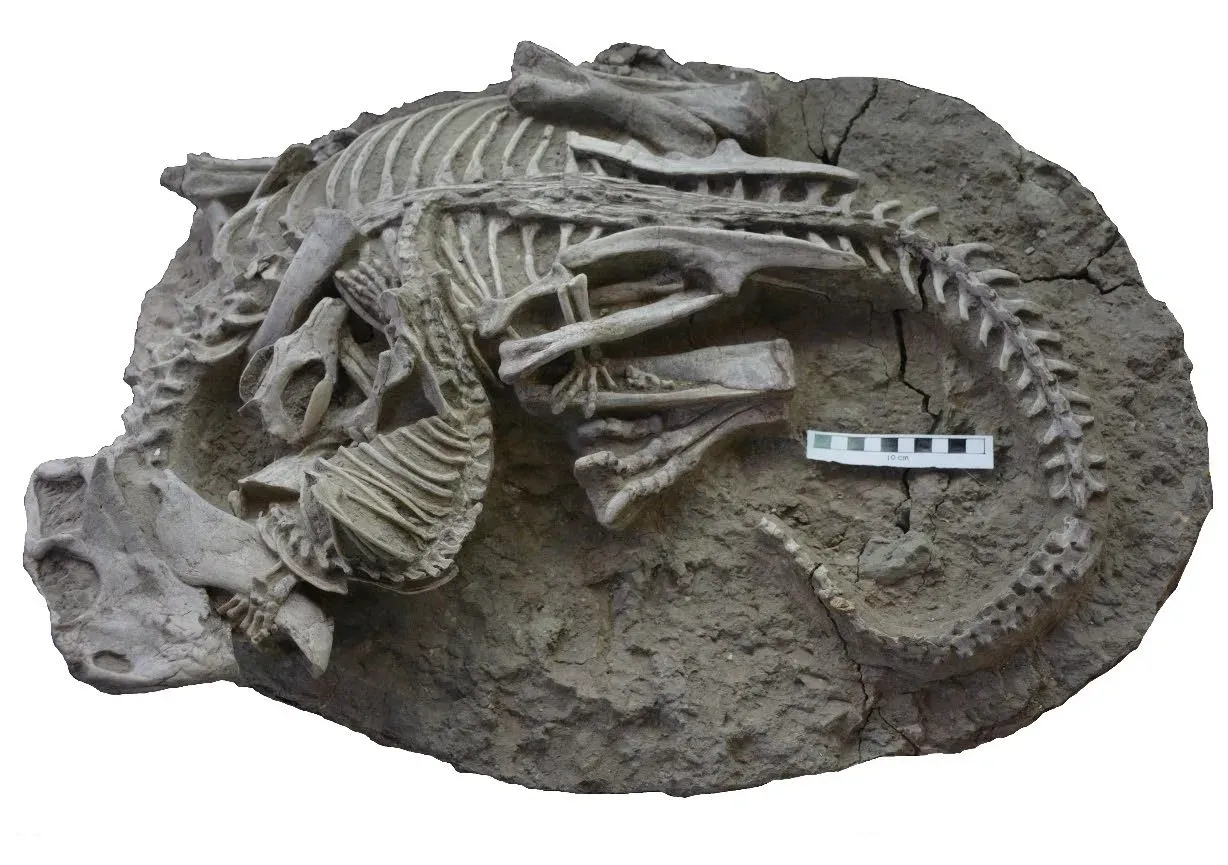
The standard narrative ran one direction and one direction only: dinosaurs were the apex predators, mammals were the frightened small things hiding in burrows, surviving on insects and whatever fell from the table. It was a tidy hierarchy. Then a fossil from the Early Cretaceous of China complicated everything. Repenomamus robustus, a mammal roughly the size of a badger, was found with the recognizable bones of a young psittacosaurid dinosaur – a small horned dinosaur – preserved inside its rib cage. Not scavenged. Eaten. The skeleton was too intact and too positioned to be anything other than a recent meal.
That single specimen detonates a century of assumptions. Repenomamus wasn’t accidentally large for a Mesozoic mammal – at roughly three feet long and up to 14 kg, it was the largest mammal of its era, and apparently it used that size aggressively. A later fossil, recovered from what has been called “China’s Dinosaur Pompeii” in Liaoning Province, shows a Repenomamus actively biting into the ribcage of an adult Psittacosaurus — both animals buried mid-struggle by a volcanic debris flow. The food web had loops the simple cartoon never showed. Mammals preying on dinosaur young, while adult dinosaurs presumably kept the mammal population in check, suggests a more dynamic and contested ecosystem than “age of dinosaurs” implies.
#10 – Scales, Filaments, Quills: The Skin Story Is Complicated
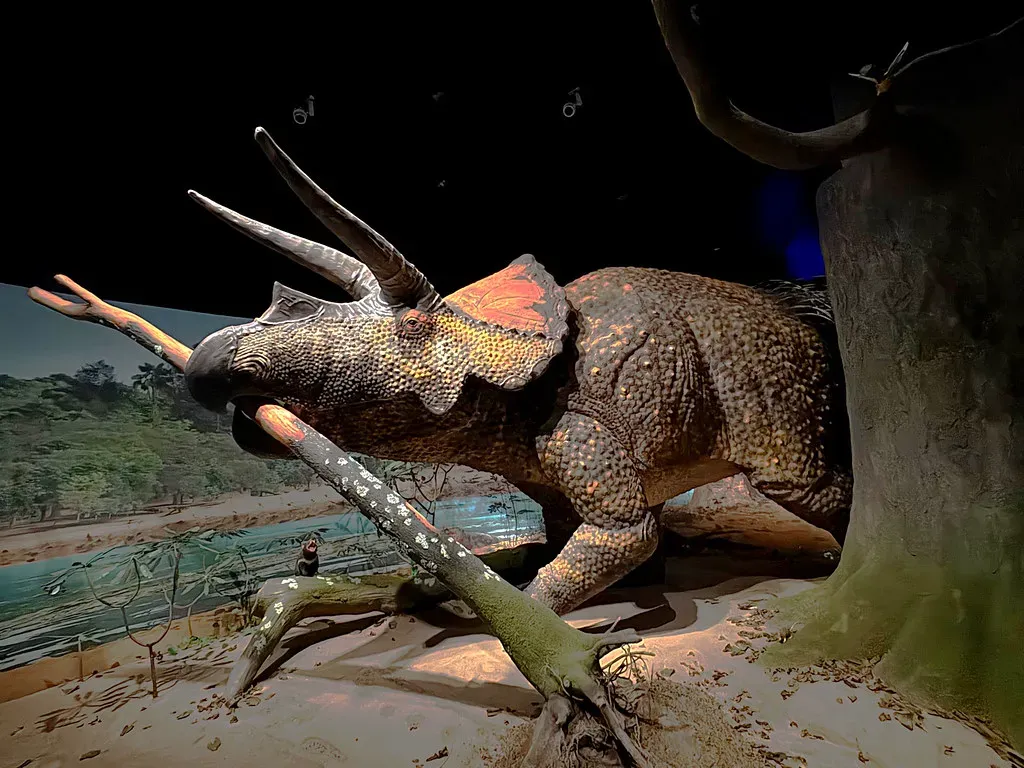
“Dinosaurs had feathers” became the new simplified headline to replace “dinosaurs had scales,” and it caused nearly as much distortion as the original oversimplification. The reality, specimen by specimen, is far more varied. Giant sauropods appear to have been predominantly scaly, with skin impressions showing pebbly, crocodile-like textures across large body surfaces. Heavily armored ankylosaurs wore their scales like suits of geological armor. These were not animals headed toward feathers – they were doubling down on a different solution entirely.
Meanwhile, some ceratopsians show evidence of bristle-like structures along the tail. Smaller, more active theropods carried filaments for thermoregulation. Different regions of the same animal’s body could carry different integuments simultaneously – scales on the feet and lower legs, filaments along the back, bare skin on the face. The diversity mirrors what you see in living birds, which can carry feathers, bare facial skin, scales on the legs, and specialized display structures all on one body. Blanket statements about what dinosaurs “looked like” collapse the moment you zoom in on individual species.
#11 – Dinosaurs Probably Sounded Nothing Like the Movies
The roar is so embedded in the cultural image of dinosaurs that questioning it feels almost sacrilegious. But no dinosaur larynx has ever been recovered – soft tissue doesn’t survive 66 million years – and the closest living relatives of non-avian dinosaurs, birds and crocodilians, give us a very different sonic baseline to work from. Crocodilians produce deep, resonant bellows and infrasonic rumbles that travel enormous distances through both air and water. Birds produce everything from whispers to earsplitting shrieks, but almost none of them produce the wide-open-throat Hollywood roar. There’s no anatomical reason to think T. rex did either.
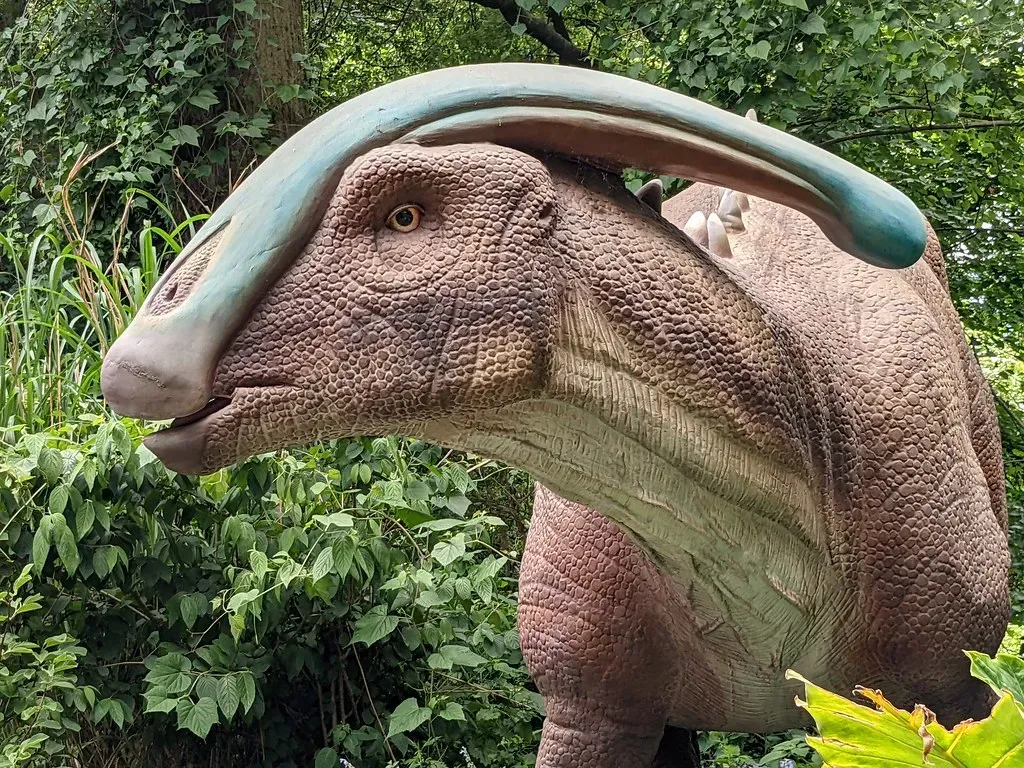
Hadrosaurs – the duck-billed dinosaurs – had elaborate hollow crests that functioned almost certainly as resonating chambers. Acoustic analysis of Parasaurolophus, whose tube-like crest could extend up to 1.5 meters from its skull, suggests the main resonance path produced sounds around 30 Hz – deep, low-frequency calls capable of carrying across long distances through dense forest. Scientists at Sandia National Laboratories even used CT scans of a fossilized Parasaurolophus skull to simulate the actual sounds its passages would have produced. The Cretaceous soundscape was probably closer to a bayou at night – deep booms, resonant hisses, closed-mouth rumbles – than to the sound stage of Jurassic Park. Hollywood needed drama. The actual animals needed long-distance communication in a world without cell towers.
Why It Stands Out
- No dinosaur larynx has ever been fossilized — the Hollywood roar has zero anatomical basis.
- Closest living dinosaur relatives (birds and crocs) use bellows, rumbles, and infrasonic booms — not open-throated roars.
- Parasaurolophus crests acted as resonating chambers, producing sounds estimated around 30 Hz — too low for most humans to fully hear.
- CT-scan acoustic modeling of fossil skulls has allowed scientists to simulate what these calls may have actually sounded like.
- The Cretaceous soundscape was likely defined by deep, carrying, closed-mouth communication — eerie, not monstrous.
#12 – The Stegosaurus “Second Brain” Was Never a Brain at All
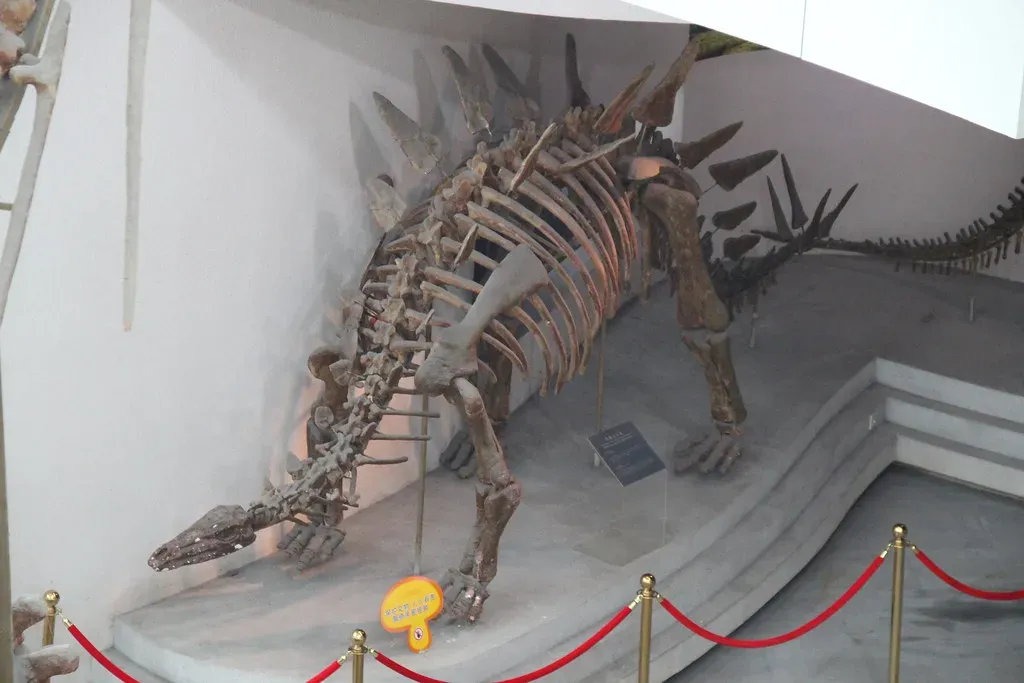
For the better part of a century, one of paleontology’s favorite fun facts was that Stegosaurus had a second brain near its hips to help manage its enormous rear end, since the actual brain was too small and too far away to run the whole operation in real time. It’s a great story. It appeared in textbooks, nature documentaries, and countless classroom posters. It was also wrong. The enlarged cavity in the Stegosaurus spinal cord that inspired the “second brain” hypothesis has now been examined with modern CT scanning, and what it contained was a glycogen body – a structure found in living birds that serves metabolic functions, not neural ones.
Early anatomists, working without the benefit of comparative tissue studies or modern imaging, filled a knowledge gap with a reasonable-sounding speculation, and the speculation hardened into fact through repetition. The correction is quietly embarrassing for the field – not because paleontologists were careless, but because the story was too good to fact-check aggressively. Stegosaurus still had a small brain, and it was almost certainly not a deep thinker. But it managed its entire body with that one small brain, just like every other vertebrate that ever lived. The double-brain was a myth that lasted a hundred years.
#13 – Dinosaurs Never Actually Went Extinct
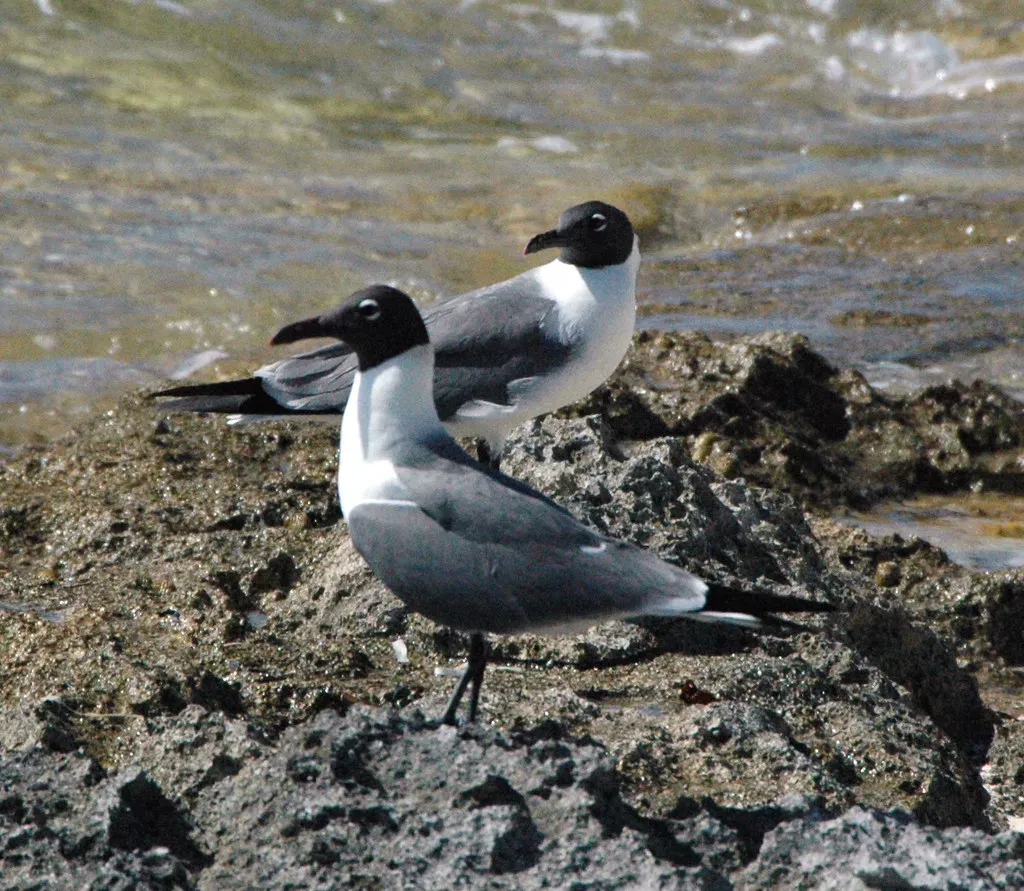
The asteroid hit. The sky went dark. The temperature swung to extremes. Non-avian dinosaurs – the Triceratops, the sauropods, the tyrannosaurs – were gone within a geologically short period. That part of the story is real. But “dinosaurs went extinct” as a complete statement is technically, meaningfully false. One lineage made it through. Avian dinosaurs – the birds – survived, adapted, and over the following 66 million years radiated into the roughly 10,000 species alive today. The Age of Dinosaurs didn’t end. It changed shape. The survivors just happened to be small enough to weather what the giants couldn’t.
Every hawk riding a thermal over a highway, every penguin diving through Antarctic water, every hummingbird hovering at a feeder – all of them are Mesozoic animals in continuous operation, still evolving, still filling niches, still carrying the anatomical signatures of their theropod ancestors in their hollow bones, their scaled feet, and their wishbones. Museums have been updating their exhibit labels to reflect this for years. The correction turns the extinction event from a pure tragedy into something more complicated: an ending that was also, for one branch, a beginning. That’s a stranger and more honest story than the one the posters used to tell.
Fast Facts
- The asteroid impact 66 million years ago ended non-avian dinosaurs — but not all dinosaurs.
- Avian dinosaurs (birds) survived and radiated into roughly 10,000 living species today.
- Modern birds retain hollow bones, wishbones, and scaled feet — direct anatomical links to theropod ancestors.
- The so-called “Age of Mammals” has lasted 66 million years — the same span that separates us from the last T. rex.
- Technically and scientifically, dinosaurs are still alive. They’re just considerably smaller and harder to step on.
The Real Lesson Buried in the Bones
Here’s what’s worth sitting with: almost every item on this list wasn’t overturned by a single dramatic discovery. It was overturned by accumulated pressure – better tools, finer screens, sharper imaging, scientists willing to look at old specimens with genuinely new questions. The simplified version of dinosaur history wasn’t a lie, exactly. It was the best available story at the time. The problem was that it got locked in place while the evidence kept moving.
The dinosaurs that actually lived were weirder, more colorful, more geographically ambitious, more cognitively varied, and more ecologically tangled than the versions that made it into classroom posters. They weren’t background characters in a story about mammals eventually taking over. They were the dominant vertebrate life on this planet for 165 million years – and, if you count the birds still outside your window, they’re still running. The simplified version was easier to teach. But the real version is harder to forget.