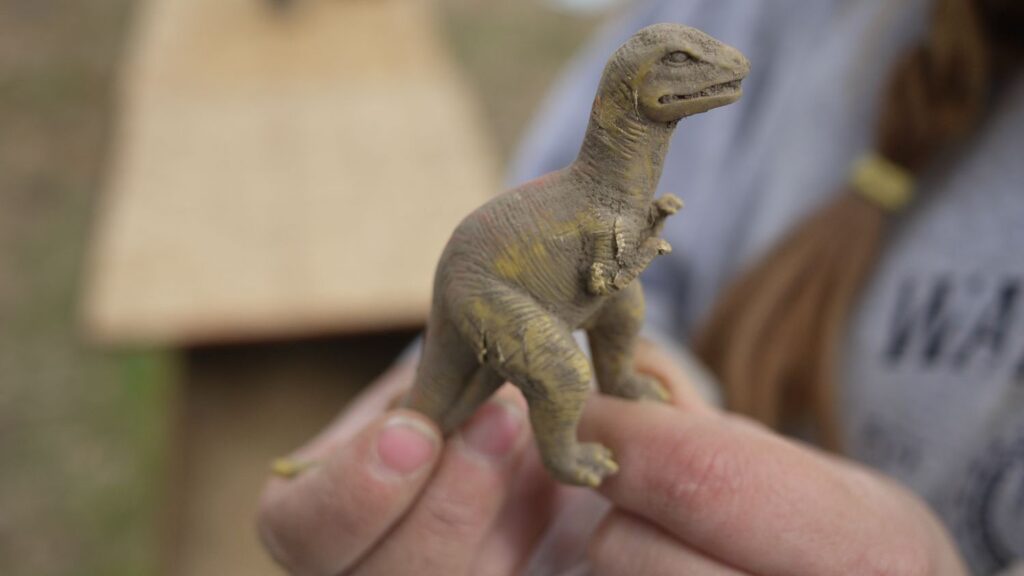
I still remember standing in a museum gift shop, staring at a glow-in-the-dark, fire-breathing, neon-blue T. rex and thinking: absolutely none of this is how any of this worked. No feathers, no plausible coloration, definitely no flame-thrower mouth, and yet there it was, proudly ruling the shelf like it owned the fossil record. That was the moment I realized something oddly beautiful: when it comes to dinosaur merchandise, scientific accuracy is often the first thing tossed straight into the tar pit.
There’s a strange, almost charming confidence to how wrong a lot of dino merch is. Toy companies mash up species like a blender full of Jurassic chaos, artists give stegosauruses horns they never had, and clothing brands decorate T. rex with sunglasses and skateboards as if the Late Cretaceous came with half-pipes. And somehow, we keep buying it, loving it, and gifting it. Let’s take a very unserious, yet surprisingly revealing, tour through the wildest, least accurate dinosaur products that somehow still make us feel like excited kids with pockets full of fossil-shaped candy.
Flame-Breathing T. rex Toys That Turn Predators into Dragons
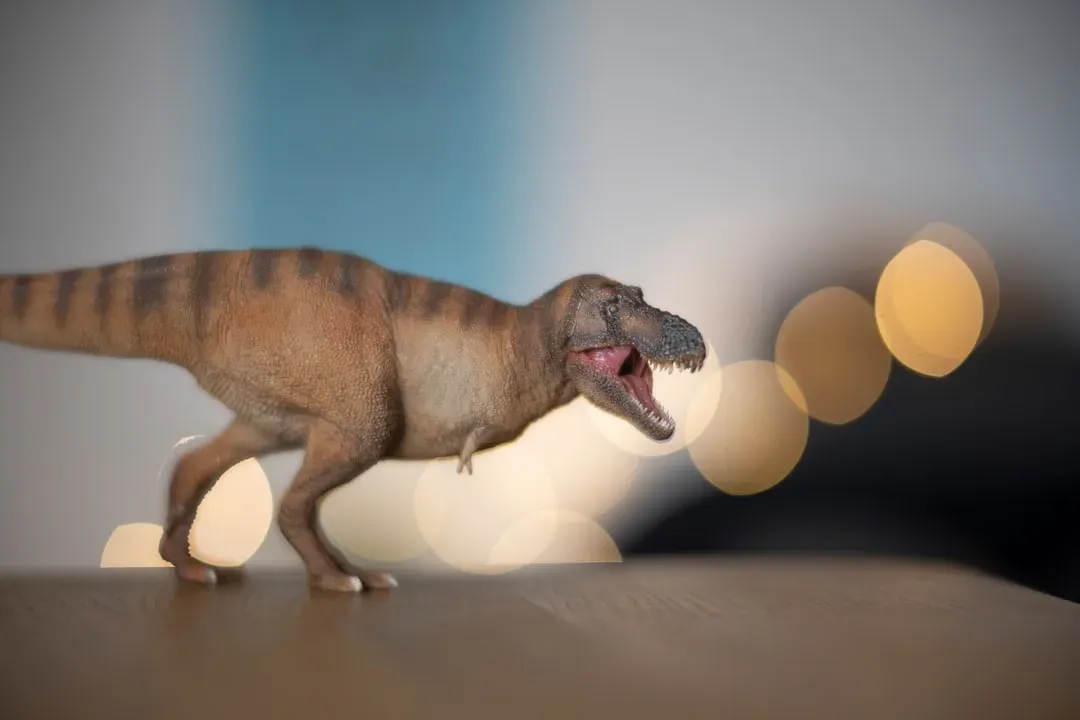
One of the most gloriously absurd branches of dinosaur merchandise is the fire-breathing T. rex, the toy that looks at millions of years of evolutionary history and says: you know what this needs? Dragon cosplay. These toys often come with LED lights in the mouth, red or blue glowing eyes, smoke machines hidden inside, and roaring sound chips that make them sound less like a theropod and more like a malfunctioning lawnmower. The result is a creature that owes more to fantasy novels and video games than to paleontology.
From a scientific point of view, there’s zero evidence that Tyrannosaurus rex breathed anything except regular air and maybe some very unpleasant breath after eating. Yet there’s something appealing about the sheer overconfidence of these designs, like the toy makers never even paused to ask if this made sense. Kids do not seem to care that T. rex was probably more birdlike than reptilian dragon; they just want it to roar, light up, and maybe terrify the family pet. In a way, these ridiculous hybrids keep dinosaurs anchored in living imagination rather than dusty museum cases, even if that imagination has wandered straight into fantasy territory.
Featherless, Lizard-Skinned Carnivores That Ignore Modern Science
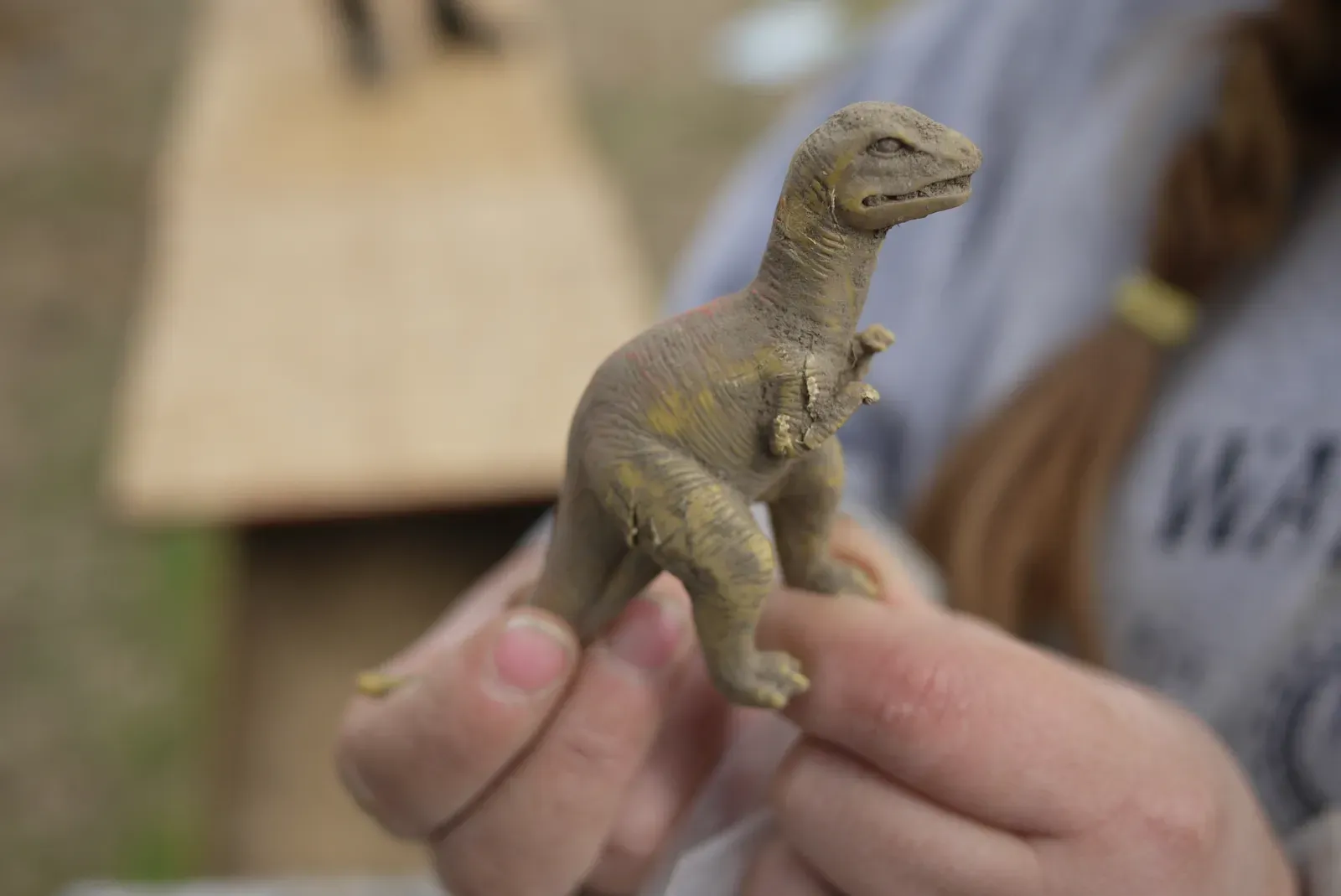
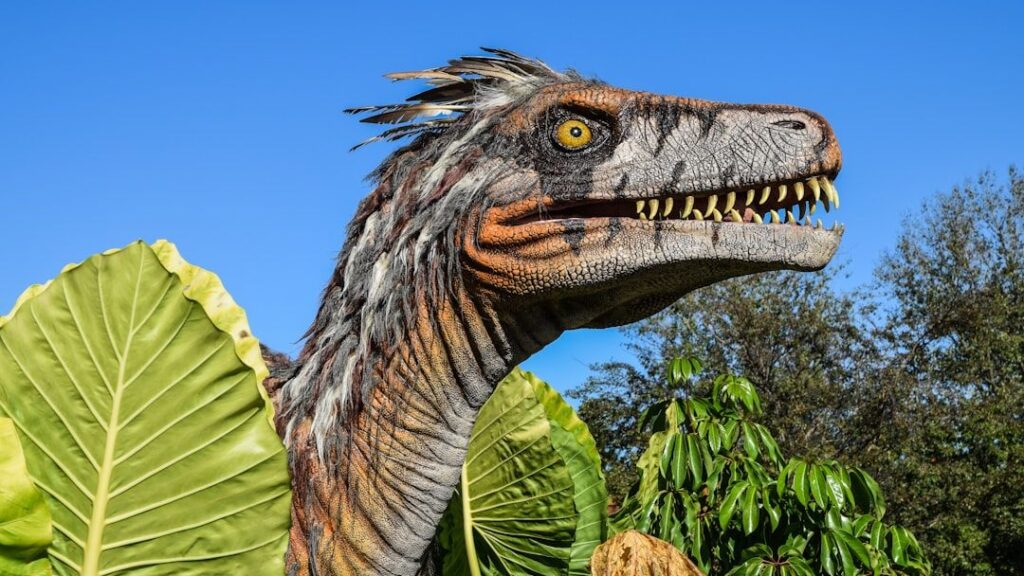
For decades, pop culture gave us a very specific image of big carnivorous dinosaurs: scaly, lizard-skinned monsters with slick, crocodile-like hides and absolutely no fluff or feathers in sight. Modern research, though, tells a very different story for many species, especially smaller theropods closely related to birds. Fossils with clear impressions of feathers and filament-like coverings have turned the old image of sleek reptilian killers into something much more birdlike, almost like giant murder-chickens in some cases. Yet go to any toy aisle today and you’ll still find rows of shiny, bare-skinned velociraptors glistening with imaginary reptile oil.
This stubborn refusal to update the look has produced some of the most unintentionally funny merch on the planet. You’ll see T. rex rendered like a komodo dragon on steroids, while science debates everything from potential lip coverings to coloration patterns and sensory capabilities. It’s not that every dinosaur definitely had feathers; it’s that a lot of merchandise acts like feathered dinosaurs are illegal or uncool. As someone who grew up with the old scaly versions, I get the nostalgia, but I also imagine future kids laughing at our toy shelves the way we laugh at those old illustrations of cavemen riding dinosaurs like horses.
Skateboarding and Sunglasses Dinosaurs Living Their Best 1990s Life

If you’ve ever owned a T-shirt featuring a T. rex on a skateboard, wearing sunglasses and maybe even a backwards cap, congratulations: you’ve experienced one of the purest forms of confident scientific inaccuracy. These designs smash late Mesozoic megafauna into early 1990s street culture, as if the extinction event was actually just everyone heading to the mall. The dinosaurs in this universe listen to loud music, do kickflips, and throw up peace signs with tiny hands that absolutely could not bend that way in reality.
On a scientific level, these images are nonsense, but as a cultural artifact, they’re kind of brilliant. They show how dinosaurs are less about real animals now and more like flexible mascots we dress up to reflect whatever era we’re living through. In the eighties and nineties it was skateboards and neon; today it might be headphones, smartphones, or hoodies. These designs tell you way more about humans than about dinosaurs, and maybe that’s the real comedy: a towering predator turned into a cartoon brand of “cool” that would not survive five minutes in its actual ecosystem but looks absolutely perfect on a kid’s birthday shirt.
Dinosaur–Shark–Robot Hybrids That Ignore Evolution Entirely
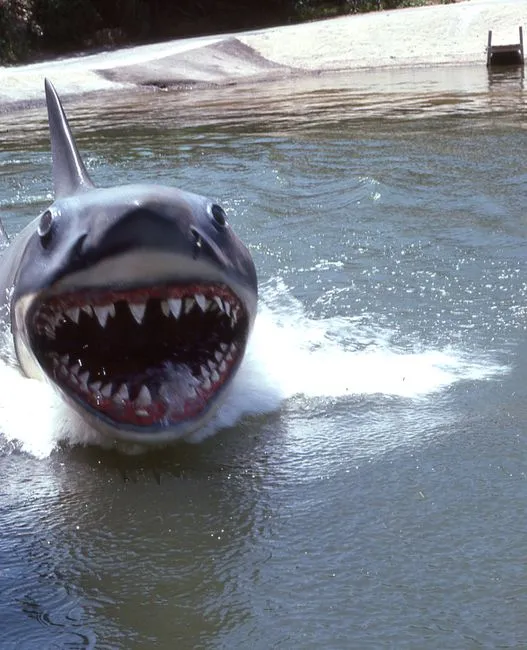
Some of the most extreme examples of ridiculous dino merch are the mashups that glue dinosaurs to shark bodies, robot limbs, or random weapons like spinning saw blades. These abominations proudly disregard every basic principle of evolution and anatomy in favor of maximum chaos. You’ll see a triceratops head on a tank, a velociraptor with jet thrusters, or a megalodon fused with a spiky stegosaurus tail, like someone lost a bet with a toy designer. None of this has any relationship to real fossil evidence, but it absolutely dominates certain shelves and game tie-ins.
What makes these hybrids fascinating is how they turn dinosaurs into a shorthand for “ultimate power,” then immediately push that power even further by upgrading them with metal, rockets, or other predators. There’s a kind of arms race of absurdity where no one wants to sell a simple, regular ankylosaurus when they can offer Robo-Ankylosaurus 3000 instead. As a fan of actual paleontology, part of me winces, but another part appreciates the honesty: these toys are not pretending to be accurate. They are here to be maximum nonsense, and in a weird way that honesty makes them easier to enjoy.
Rainbow Neon Dinosaurs That Ignore Realistic Colors Entirely
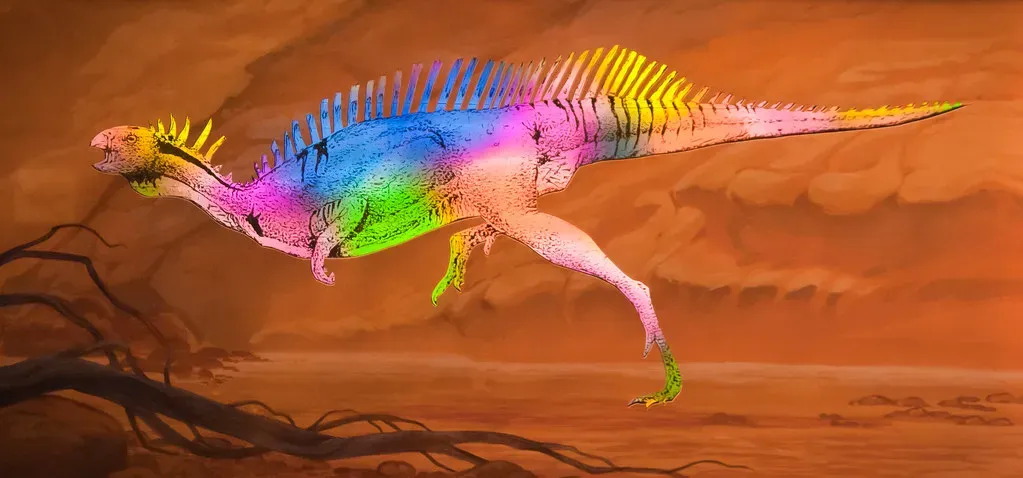
Color is one of the most confusing fronts in dinosaur science, because for a long time, nobody knew for sure what colors most dinosaurs were. Recent research on pigment-containing structures in some feathered fossils has started giving clues, suggesting patterns that might have included earthy tones, iridescent hues, or contrasting patches. The key point, though, is that we have evidence for some realistic patterns, not for electric purple stegosauruses with turquoise plates and glowing pink spikes. That has not stopped merch designers from unleashing the full highlighter set on every species imaginable.
Walk through a toy store and you’ll find neon green sauropods, hot-pink raptors, and triceratops painted like candy-coated Easter eggs. Scientifically, this is nonsense, but visually, it’s irresistible, especially to kids who are drawn to anything bright. I’ve seen bath toys where the dinosaurs change color in warm water, shifting from neon yellow to bright blue like they wandered into a radioactive pool. In a sense, these color choices treat dinosaurs like fantasy dragons or cartoon aliens rather than real animals, but they also make paleontology feel exciting and playful. It’s hard to argue with a rainbow T. rex when it’s the only thing that convinces a five-year-old to ask what the word “Cretaceous” means.
Anatomy Nightmares: Three-Horned T. rex and Other Franken-Species
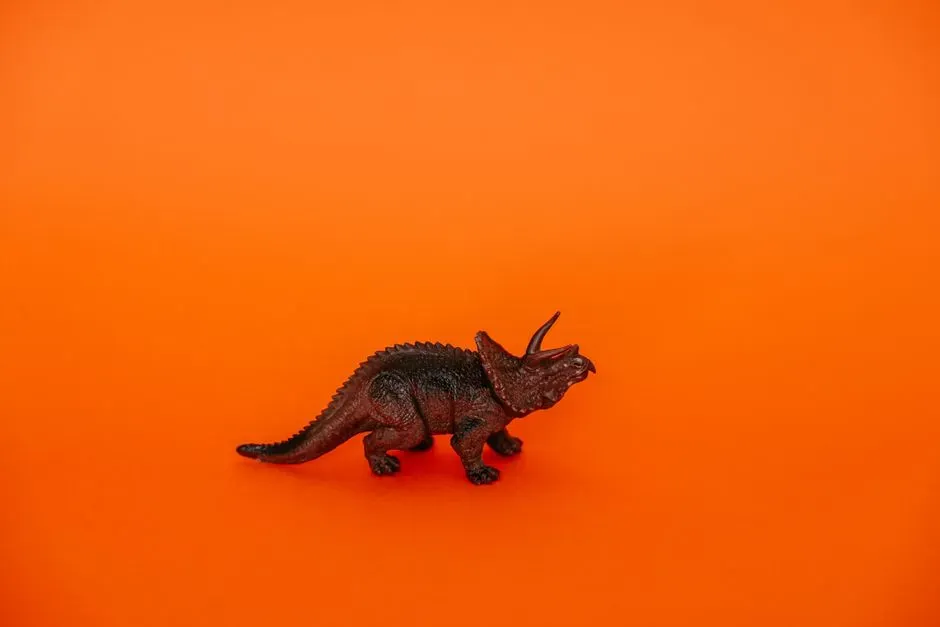
Some of the funniest dinosaur products are not wild because of lasers or neon but because they are quietly, deeply wrong at the anatomical level. You’ll see T. rex with three horns like a triceratops, stegosaurs with their plates arranged completely backward, or sauropods whose necks bend like rubber hoses in ways no vertebrae could survive. Sometimes artists simply mash together features from different species, giving a raptor the head of a ceratopsian or a brachiosaurus tail that looks suspiciously like a hadrosaur crest stuck in the wrong place.
These Franken-species are a reminder of how easily the details blur when you treat “dinosaur” as a generic category instead of a huge, complex group spanning many millions of years. It is like confusing all dog breeds and then giving a pug the size, ears, and fur of a wolf just because it “looks more dog-ish.” As someone who loves the nuances of actual fossil anatomy, I admit these errors drive me mildly crazy, but they also highlight how powerful the overall dinosaur silhouette is. As long as the creature has claws, a tail, and some teeth, most people happily accept it as “a dinosaur,” no matter what the fossil record would say.
Dinosaur Household Items That Turn Predators into Kitchen Helpers

Not all ridiculous dinosaur merch roars or glows; some of it just sits quietly on your countertop, pretending that nothing is weird about living with a prehistoric apex predator shaped like a salt shaker. There are T. rex tea infusers, stegosaurus taco holders, velociraptor bottle openers, and even dino-shaped pasta strainers that look like a plesiosaur trying to escape a pot. Scientifically, these have no illusions of accuracy, but they do something even stranger: they turn animals that once dominated ecosystems into cute, harmless domestic objects.
What fascinates me is how fully we have tamed these creatures in our imagination. A creature that could bite through bone now dispenses sugar into your morning coffee. A giant herbivore that shook the ground as it walked now holds your nachos in a perfectly stable plastic shell. This kind of merch quietly rewrites the emotional story of dinosaurs, shifting them from terrifying monsters to cozy, slightly ridiculous roommates. It is wrong in every biological sense, yet somehow completely right for how we like to fold big, scary things into the safety of everyday life.
Dinosaur Clothing for Pets, Babies, and Anyone with Questionable Taste
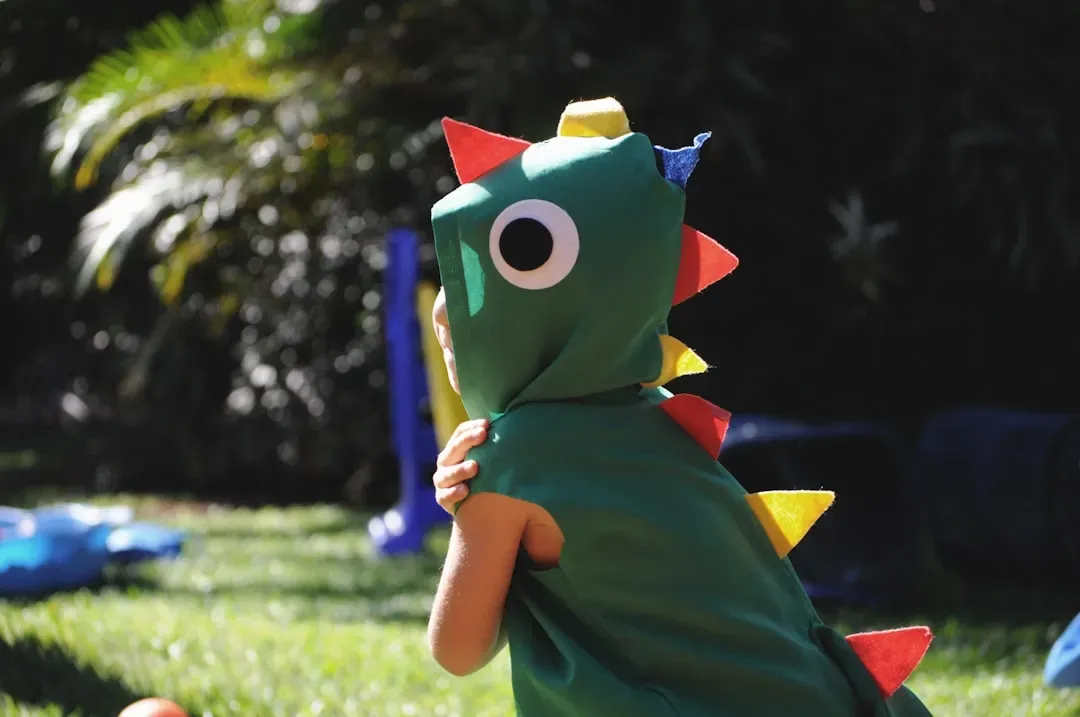
Then there’s the world of dinosaur-themed clothing, where scientific accuracy goes to die under layers of polyester and tiny spikes sewn onto hoods. You can buy baby onesies that claim your infant is a T. rex, complete with comically small arms on the print, or dog hoodies that give your pug bright green stegosaurus plates. None of this reflects real dinosaur shapes or behavior, unless there was a species that spent its time sleeping on couches and stealing socks, which, to be fair, would be an amazing fossil discovery.
These outfits often mix multiple species into a single design, slapping a generic “dinosaur” label on something that looks like a dragon with cartoon teeth. Scientifically, it is nonsense; emotionally, it is perfect. Dressing a small, harmless creature as a legendary predator reverses the power dynamic in a way that feels both funny and weirdly empowering. Whenever I see a toddler in a dinosaur raincoat stomping through puddles, I do not think of accurate paleontological reconstructions. I think of how deep the dinosaur mythos runs that we still use these animals as costumes for courage, mischief, and pure, joyful chaos.
Why Ridiculous Dino Merch Might Actually Be Good for Science
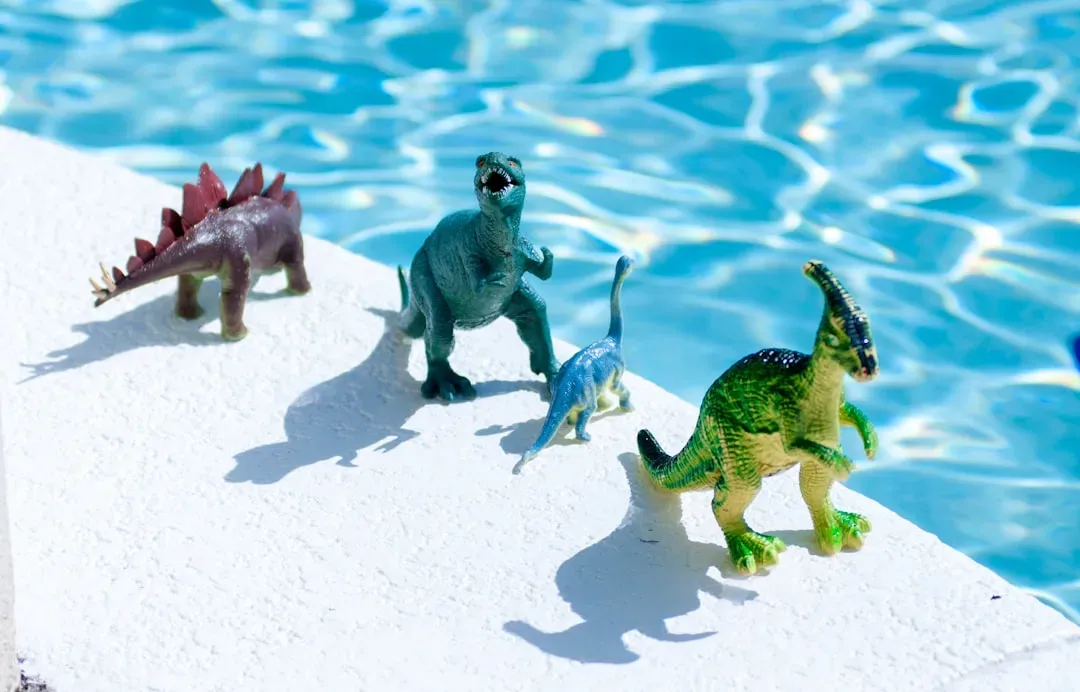
Here is the twist I did not expect when I first started rolling my eyes at inaccurate dinosaur toys: a lot of people, including me, fell in love with real paleontology because of these wildly wrong products. The glowing T. rex, the skateboarding raptor, the neon stegosaurus soap dispenser – none of them came from scientific journals, but they sparked curiosity. A kid asks why their toy has no feathers, or whether a dinosaur could really breathe fire, and suddenly you are talking about fossils, evolution, and how scientists figure things out from scattered bones and sediment.
Do I wish more merch reflected the latest research, especially around feathers, posture, and diversity? Absolutely. The scientist in me cringes at some designs that might as well come with a label saying “I have never met a paleontologist.” But the human in me also knows we learn best when we start with what captures our imagination, even if it is hilariously wrong at first. Ridiculous dinosaur merchandise is a giant, messy, colorful invitation to care about creatures that disappeared long before humans existed. And if a fire-breathing, sunglasses-wearing, rainbow T. rex is what gets someone to open a book or visit a museum, maybe the inaccuracy is not a fatal flaw, but the first step toward something real. Did you expect the silliest toys on the shelf to be secret gateways into science?