For most of the twentieth century, dinosaur colors lived entirely in our imagination. Artists painted them moss green, elephant gray, or mud brown, and nobody could really say they were wrong. Dinosaurs, we were told, left us bones and footprints, not colors. Then, in the span of just a couple of decades, that quiet certainty collapsed. Suddenly scientists were talking about jet‑black feathered raptors, rusty red theropods, and even iridescent, crow‑like dinosaurs that shimmered in the sun.
What changed was not the dinosaurs, of course, but our ability to read their microscopic clues. Hidden inside some exquisitely preserved fossils, researchers found tiny structures that revolutionized the way we reconstruct ancient life. It was like discovering that someone had left the instruction manual inside the stone all along, and we were finally learning how to read it. Once color moved from guesswork to data, our entire picture of dinosaur behavior, evolution, and even what a “dinosaur” looks like began to shift in ways that still surprise people today.
The Old Era Of Guesswork: Gray, Green, And Totally Made Up
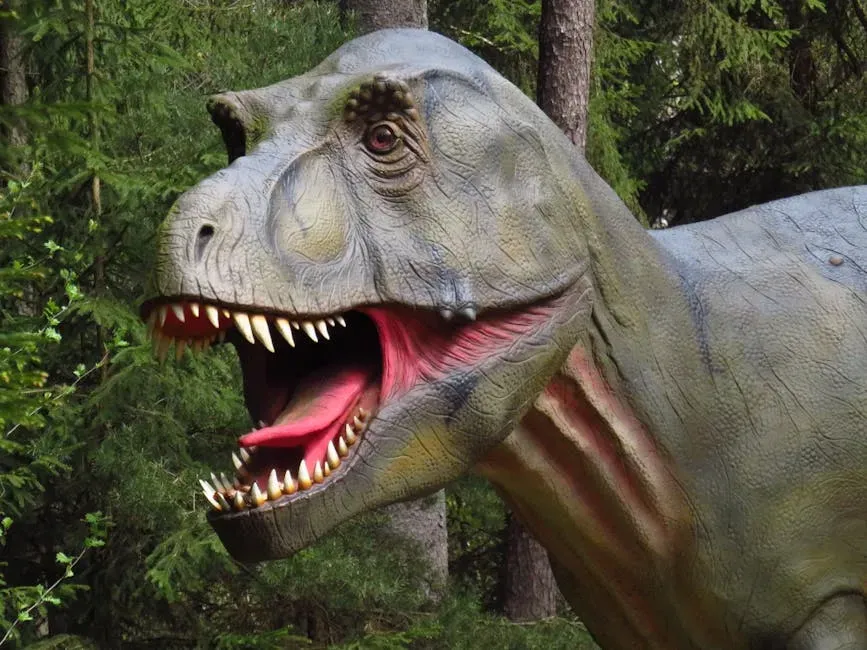
If you grew up with dinosaur books from the late twentieth century, you probably remember the standard look: hulking, tail‑dragging reptiles painted in swampy greens and dull browns. Those colors were not based on any hard evidence; they were simply borrowed from modern reptiles and from assumptions that large animals needed to be drab and camouflaged. Paleontologists were comfortable saying we would never know what color dinosaurs were, because skin pigment was thought to decay completely during fossilization.
This guesswork era shaped more than children’s books; it guided scientific thinking too. If dinosaurs were imagined as sluggish, crocodile‑like beasts hiding in murky environments, then bright colors or flashy displays seemed out of place. The idea of a scarlet‑crested tyrannosaur or a shimmering, blue‑black raptor sounded more like fantasy art than science. Looking back, the striking thing is not that the colors were wrong, but that everyone felt so certain they could never be right or wrong at all. Color, people thought, was lost forever in the deep past.
The Microscopic Game-Changer: Melanosomes In Fossils
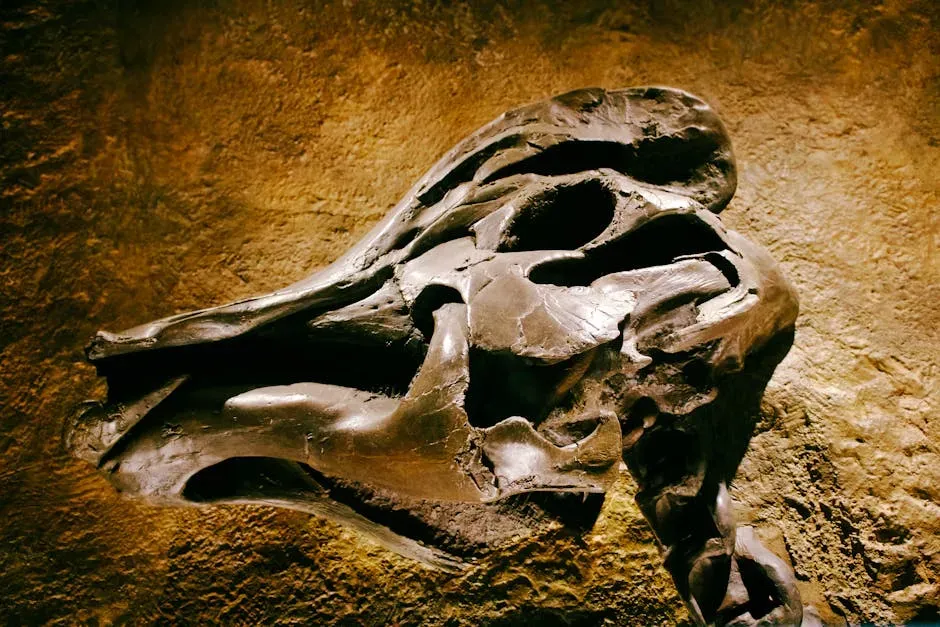
The real plot twist arrived when scientists began looking at fossils through powerful electron microscopes and spotted something unexpected: microscopic, capsule‑shaped structures in fossilized feathers and skin impressions. These tiny bodies resembled melanosomes, the organelles that hold pigment in modern animal cells. In living birds and mammals, the size, shape, and arrangement of melanosomes are closely tied to specific colors and patterns in the plumage or fur. Suddenly, fossils were not just dead rock; they were potential color codes waiting to be decoded.
Researchers did something very simple yet profound: they compared the melanosome shapes in fossils to huge datasets from living birds. Long, sausage‑like melanosomes in a fossil feather tended to correlate with black or gray pigments today, while rounder ones suggested reddish or chestnut hues. This was not pure intuition; it was statistics and pattern recognition grounded in modern biology. For the first time, scientists could point to a fossil and say, with real confidence, that a dinosaur feather was dark, rusty red, or even glossy black, based on the microscopic architecture of its pigment packets.
Fossils That Brought Color Back To Life
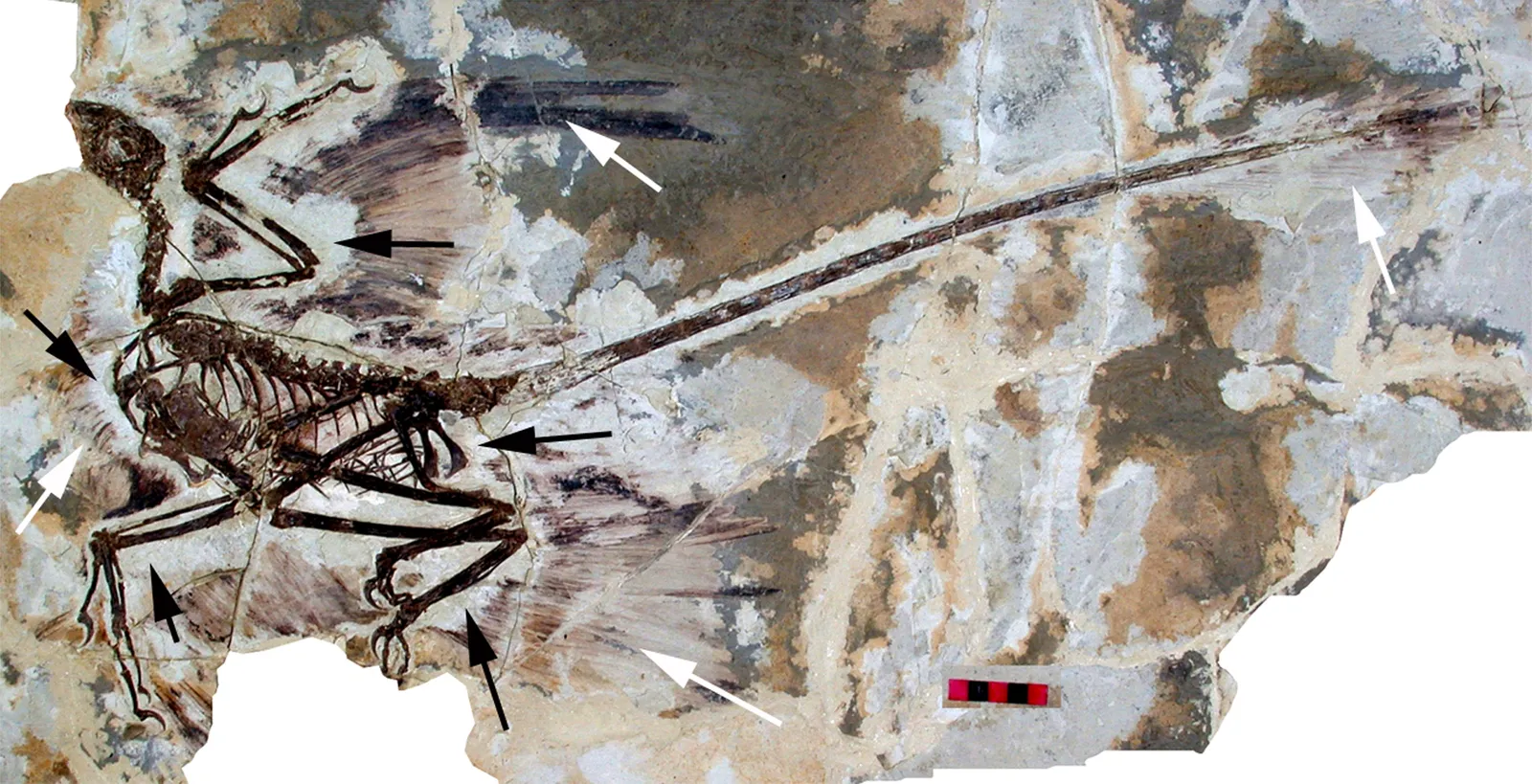
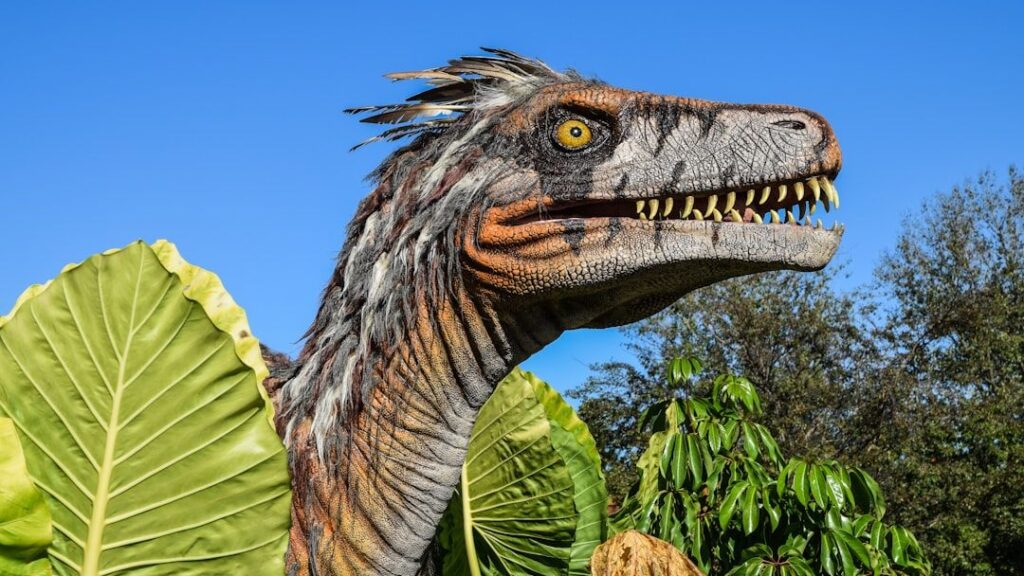
Some specific fossils became instant celebrities because they gave us the first believable dinosaur color reconstructions. Feathered theropods from northeastern China, preserved in fine volcanic ash, turned out to be gold mines of pigment information. One small dinosaur, about the size of a crow, was reconstructed with a dark body, lighter underside, and a flashy pattern on its tail feathers, based on the distribution of different melanosome types. For the first time, artists were not just imagining; they were following a scientifically grounded paint‑by‑numbers map.
Another fossil, a four‑winged dinosaur with long feathers on both arms and legs, was shown to have a banded tail and varied coloring across its body. The pattern looked surprisingly familiar, like the plumage of certain modern birds that use contrast for display and communication. These fossils did more than give us pretty pictures. They demonstrated that detailed color patterns, not just uniform shades, could be inferred from the rock record. Once you’ve seen a carefully reconstructed, color‑mapped dinosaur based on melanosomes, it becomes very hard to go back to the gray monsters of old textbooks.
Why Bird Color Unlocks Dinosaur Color
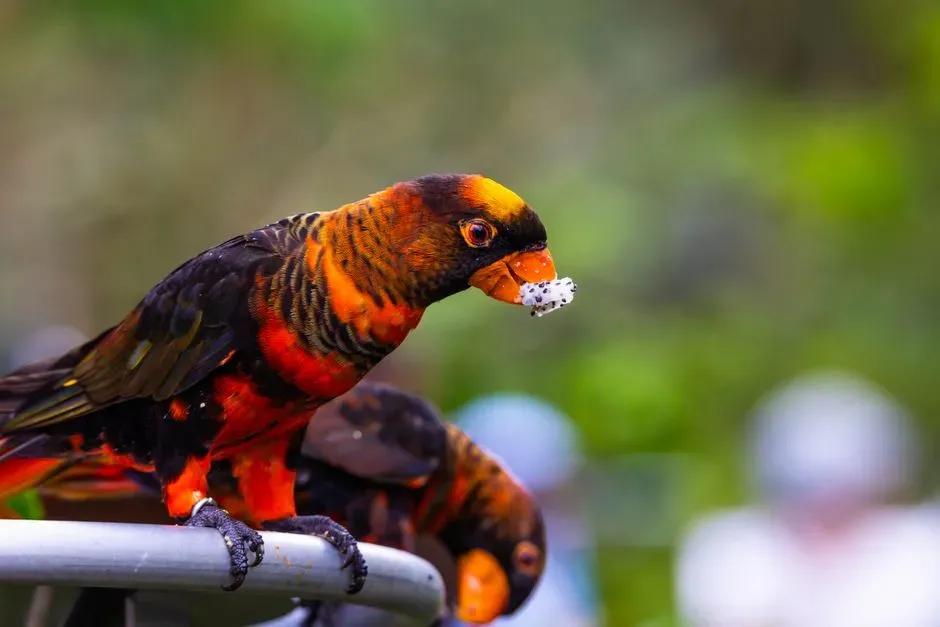
The key to all of this is a simple but powerful fact: birds are living dinosaurs. Modern birds inherited many traits from their dinosaur ancestors, including feathers and the cellular machinery that produces color. By studying hundreds of bird species, scientists built a kind of dictionary linking melanosome shape and arrangement to plumage color. When similar melanosomes appear in dinosaur fossils, that dictionary becomes our translation tool. In a way, sparrows, crows, and peacocks are helping us interpret the fossil record of their own distant cousins.
Of course, the match is not perfect, and that’s important to remember. Dinosaur feathers might have included combinations of pigments or structural colors that we do not fully see in living birds. Still, the broad patterns hold remarkably well, especially for basic blacks, grays, and reddish browns. By tying fossil data to living animals, scientists stay grounded rather than drifting into speculation. This is why the new color reconstructions, while still provisional and sometimes debated, are far more than just fancy illustrations – they rest on a shared evolutionary blueprint that links fossil dinosaurs to the birds on your street today.
Color As More Than Decoration: Behavior, Habitat, And Survival
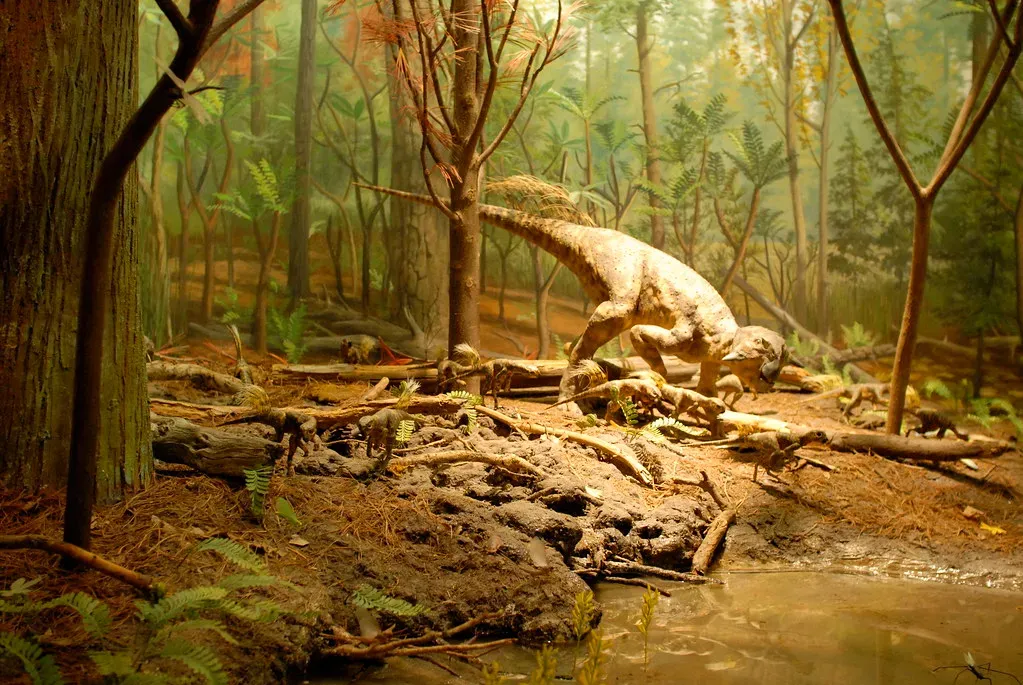
Once color became data instead of guesswork, paleontologists started asking deeper questions: what was all this color for? In modern animals, color is rarely just decoration. It plays roles in camouflage, mate choice, species recognition, warning signals, and even temperature control. When a small, feathered dinosaur is reconstructed with a darker back and lighter belly, that suggests countershading used for camouflage, similar to many modern birds and mammals. This hints that some dinosaurs were stealthy hunters or cautious prey animals blending into their environments far more cleverly than we once imagined.
On the other hand, bold patterns and contrasting patches – especially on tails, crests, or wings – suggest visual display. That could mean courtship rituals, territorial signaling, or group communication, echoing what we see in birds of paradise or hawks flashing their tail bands. Color also affects how animals absorb or reflect heat, so darker or lighter plumage might hint at climate and behavior. Instead of viewing dinosaurs as generic reptilian giants, color pushes us to imagine complex social lives: flirting, competing, hiding, and showing off, with plumage playing starring roles in ancient dramas we can only partly reconstruct.
The Limits And Pitfalls: What We Still Can’t Know (Yet)
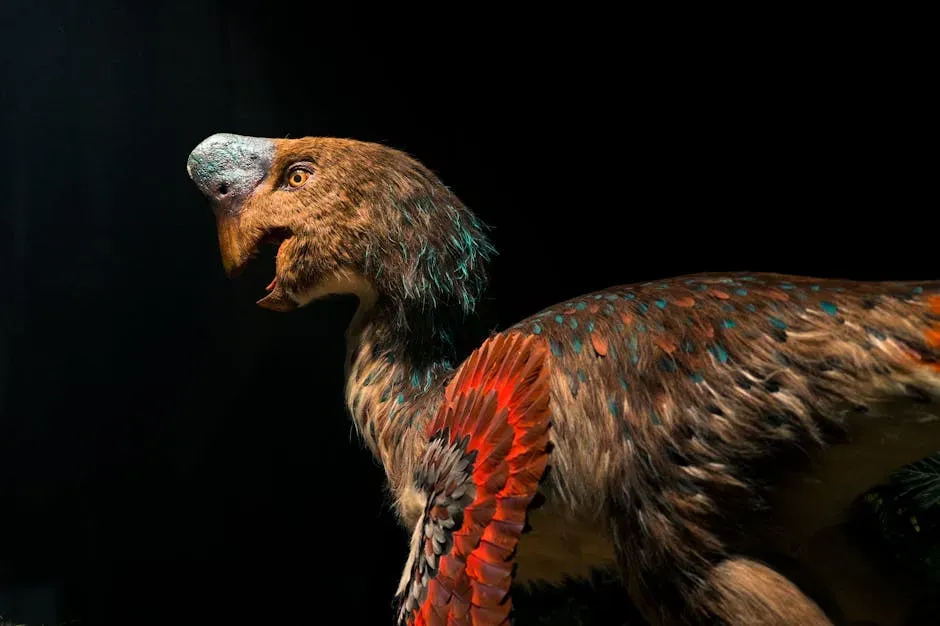
As exciting as this color revolution is, there are real limits, and it’s important not to oversell what we know. Melanosomes mainly reveal pigments associated with blacks, grays, and reddish tones. Other pigments, like the carotenoids that produce bright yellows and oranges in many birds, do not always leave clear fossil traces. Structural colors – like the shimmering blues and iridescent greens seen in hummingbirds or peacocks – come from the way light interacts with microscopic feather structures, which are much harder to preserve and interpret in fossils. So when you see a neon‑colored dinosaur painting, it is often still more art than science.
There is also the problem of incomplete fossils and degraded tissues. Not every specimen preserves melanosomes well, and contamination or geological alteration can muddy the signal. Scientists debate which fossils are trustworthy and how far they can push the melanosome‑color correlations built from living birds. That debate is healthy. It forces reconstructions to be transparent about uncertainty, instead of slipping back into confident but baseless guesswork. The honest answer right now is that we know the colors of a modest but growing number of dinosaur species in partial detail, and for the rest, our knowledge is still more shadow than spectrum.
How Dinosaur Color Changed The Way We See Evolution
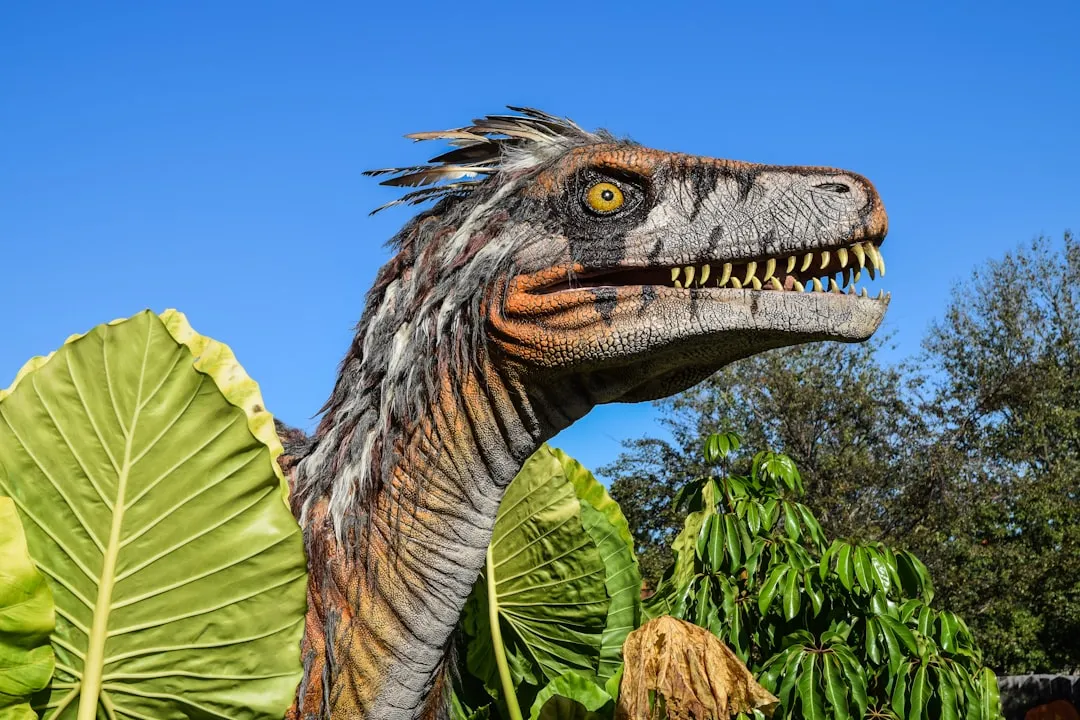
Even with all the caveats, the discovery of dinosaur colors has had an outsized impact on how scientists think about evolution. Color is not just a surface detail; it is intertwined with ecology, behavior, and deep evolutionary history. Finding complex, bird‑like coloration and patterns in non‑avian dinosaurs strengthens the case that many classic “bird” traits – such as feathers, display structures, and possibly even certain social behaviors – originated long before the first true birds took flight. Instead of a sharp break between dinosaurs and birds, we see a gradient of forms and colors, blurring the boundaries we once thought were clear.
To me, this is the most profound change: color turned dinosaurs from distant, almost mythical beasts into animals you can imagine moving through real light and real environments. When you picture a crow‑sized dinosaur with glossy black feathers perched on a branch at dawn, it suddenly feels less like science fiction and more like a snapshot from a lost world that was every bit as dynamic and visually rich as our own. In that sense, learning their colors has forced us to confront an uncomfortable but thrilling idea: the age of dinosaurs was not a drab, lizard‑dominated chapter, but a vibrant, bird‑filled universe that still echoes all around us today.
Conclusion: Why Dinosaur Color Matters More Than You Think
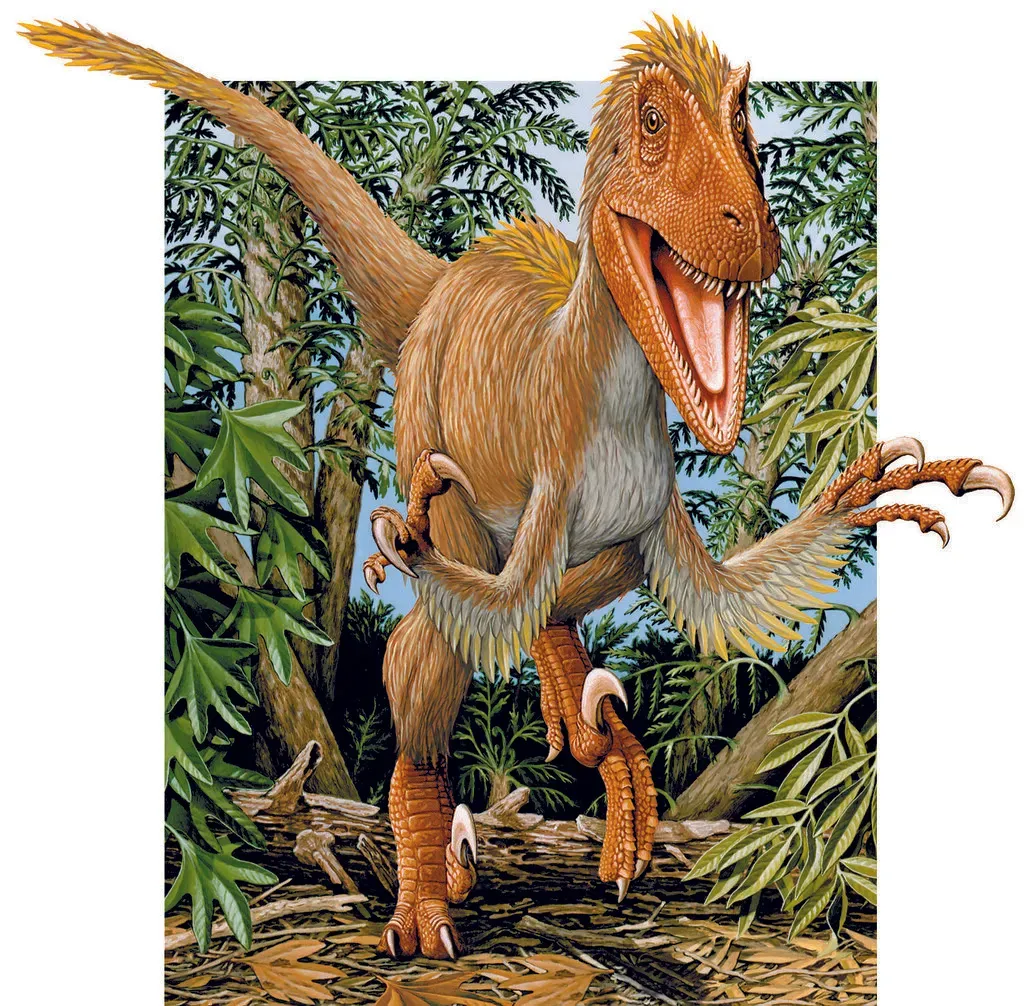
Some people shrug at this and say color is just cosmetic, but that misses the point. Figuring out what color some dinosaurs were is not about making prettier posters; it is about recovering real, testable details of extinct lives that once seemed permanently out of reach. The moment color moved from wild guess to measurable signal, dinosaurs stopped being vague silhouettes and started to look like animals with specific ecologies, social behaviors, and evolutionary stories written onto their feathers and skin. That is a major scientific upgrade, not a trivial artistic tweak.
In my view, the color revolution is a quiet rebellion against the old idea that the deep past must always remain hazy and gray. We are learning to read finer and finer traces, from melanosomes to microscopic feather structures, and each discovery pulls dinosaurs closer to us, not as monsters but as complicated, vivid creatures. It is entirely possible that future techniques will reveal colors and patterns we can barely guess at today, and that our current reconstructions will look quaint. For now, though, the fact that we can say some dinosaurs were rusty‑red, coal‑black, or patterned for display still feels nothing short of astonishing. When you picture those colors shimmering under a Mesozoic sun, does it change the way you think about what fossils can really tell us?