If you grew up thinking the dinosaur-killing asteroid wiped the slate clean and started life from scratch, the real story is far more tangled and, honestly, much more dramatic. That impact about sixty-six million years ago did devastate the planet, but it also left behind a strange cast of survivors that quietly rebuilt Earth’s ecosystems while the dinosaurs were gone. For tens of millions of years they thrived, diversified, and owned their corners of the planet long before our species was even an idea.
Then humans arrived and flipped the script again. In a twist that feels uncomfortably like cosmic irony, many of the heavyweight winners of the asteroid disaster are now struggling, shrinking, or vanishing because of us. These are not movie-monster fantasies; they are very real lineages that dodged fire from the sky, ice ages, and shifting continents, only to be ambushed by habitat loss, hunting, and climate change. Let’s meet seven of the most remarkable survivors and see how they went from unbeatable to endangered in the blink of geological time.
Crocodiles: Armored Survivors in a Human-Dominated World
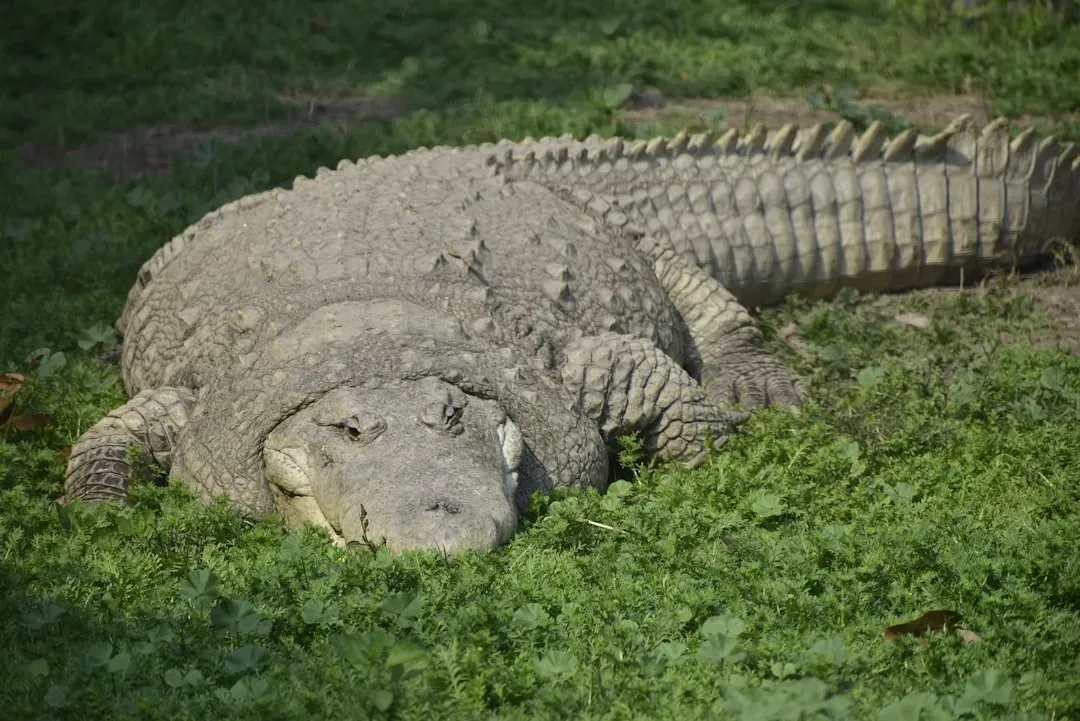
It is almost unsettling to realize that when the asteroid slammed into Earth, early crocodilians were already lurking in rivers and swamps, waiting for prey, much like they do today. While giant dinosaurs crumbled in the aftermath, crocodiles rode out the chaos, protected by semi-aquatic lifestyles, slow metabolisms, and generalist diets that let them switch food sources when ecosystems collapsed. They are, in a way, the ultimate “do less, survive more” animals, conserving energy and outlasting faster, fussier competitors.
Fast forward to the age of humans, and this million-year winning streak is suddenly under pressure from a very different kind of threat. Habitat destruction has drained wetlands, carved up rivers, and isolated populations that once ranged widely, especially for species like the gharial and Chinese alligator. Hunting and conflict kill crocodiles when they are seen as dangerous, even in areas where humans built right on top of their long-term homes. I still remember standing beside a murky river in Florida, feeling that eerie calm of knowing a gator might be watching from inches away; now the haunting part is realizing that, in many places, we are the real apex predator shaping whether these ancient reptiles have a future.
Sharks: Ancient Sea Lords Facing Modern Oceans
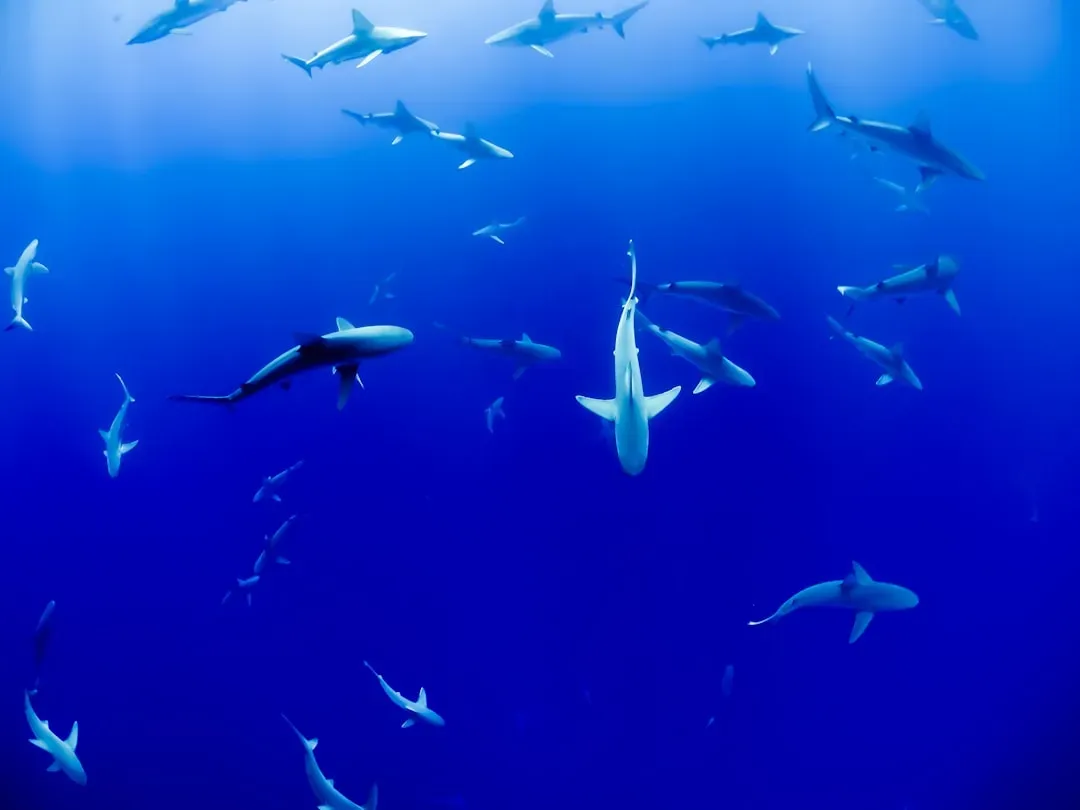
Sharks had already been patrolling the oceans for hundreds of millions of years by the time the asteroid hit, and they survived that crisis like they had survived many others. Their success came from sheer evolutionary flexibility: some species hunted in open water, others scavenged near the seafloor, and many could go long stretches between meals. After the mass extinction wiped out giant marine reptiles and many fish, sharks diversified into new roles, filling vacant niches from coastal ambush predators to deep-sea wanderers.
Today, those same oceans are changing faster than sharks can adapt, and this time the asteroid has a human face. Industrial fishing, bycatch, and the demand for shark fins and meat have slashed populations of many large species, including hammerheads, oceanic whitetips, and makos. On top of that, warming waters and acidifying seas are reshaping coral reefs and food webs that sharks rely on, especially in tropical regions. It feels deeply unfair that animals tough enough to outlive the dinosaurs can be undone by a few generations of technological overreach, yet our choices in fisheries, seafood consumption, and marine protections are now the deciding factor between recovery and quiet disappearance.
Turtles and Tortoises: Shell-Bound Time Travelers Under Siege
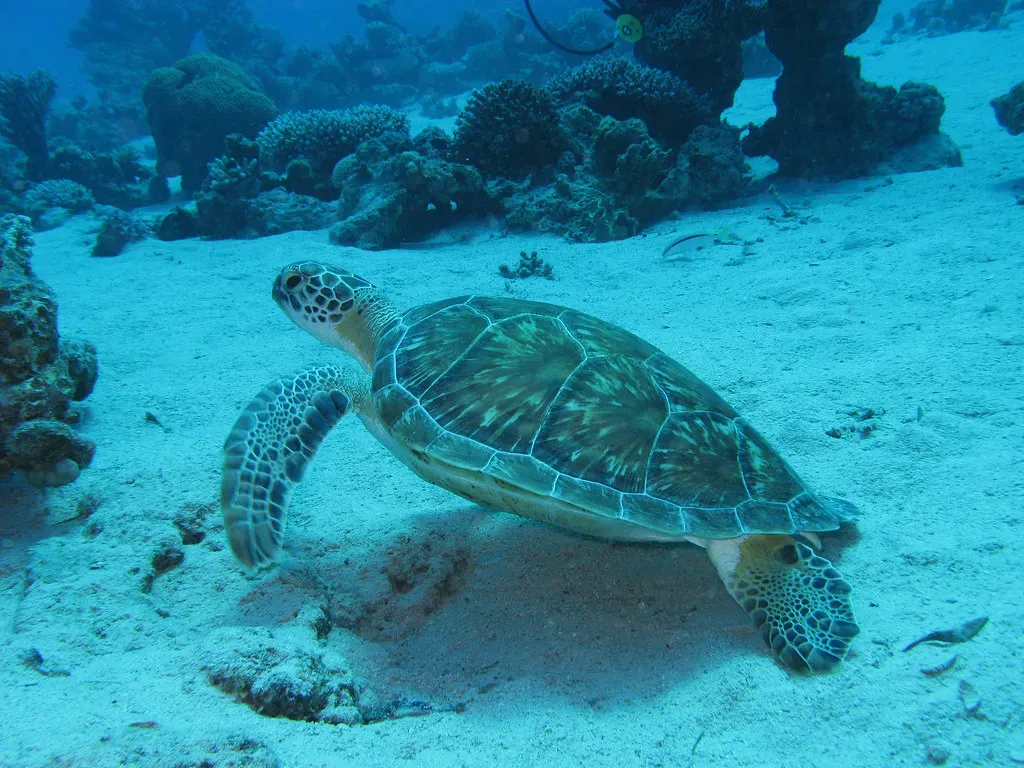
When you see a turtle basking on a log or a giant tortoise lumbering slowly across a field, you are looking at a design that weathered one of the worst days in Earth’s history. The asteroid-triggered darkness and climate turmoil wiped out many reptiles, yet turtles and tortoises endured, helped by their protective shells, slow metabolisms, and sometimes flexible diets. Some species could bury themselves, hibernate, or retreat into water, riding out harsh conditions that killed off more delicate creatures. Over tens of millions of years since the impact, they fanned out into rivers, oceans, deserts, forests, and remote islands, testing just about every habitat strategy a shelled animal can manage.
And then humans turned their world into a gauntlet. Sea turtles struggle with coastal development, fishing nets, plastic pollution, and warming beaches that skew the sex ratios of their hatchlings. Land tortoises are pushed into ever-smaller pockets by livestock grazing, agriculture, and introduced predators, from rats eating eggs to dogs harassing adults. I once held a baby sea turtle at a conservation center and was stunned by how light and fragile it felt, knowing its ancestors had survived an apocalypse; it is almost surreal that what the asteroid could not finish, beach lighting and plastic bags might. The contrast between their ancient resilience and modern vulnerability is one of the most painful in conservation.
Birds: The Only Surviving Dinosaurs Learning to Live with Us
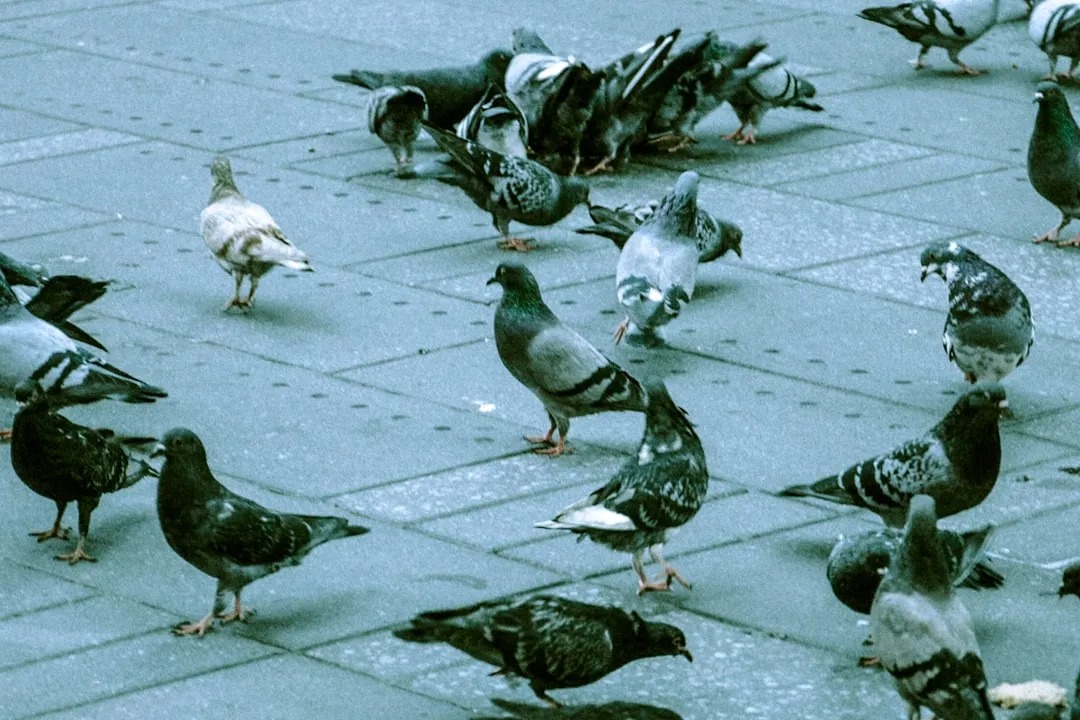
Every sparrow, eagle, and penguin is technically a dinosaur, part of the avian lineage that squeaked through the asteroid extinction while their larger, ground-dwelling cousins vanished. Small body size, the ability to fly, and diverse diets likely helped early birds survive when forests burned, skies darkened, and food webs collapsed. Some could migrate or move quickly to better habitats, others scavenged whatever remained, and over time this ragtag band of survivors radiated into the staggering variety of birds we see today, from hummingbirds to vultures.
Now, humans shape the skies and landscapes those birds depend on, for better and for worse. Massive deforestation, glass-covered cities, pesticides, and climate shifts have sent many species into steep decline, especially those that rely on specific habitats or long migration routes. At the same time, a few species like pigeons, crows, and sparrows have learned to live right alongside us, thriving on our waste and structures like scrappy urban opportunists. There is something both inspiring and heartbreaking about watching a hawk circle over a highway or hearing songbirds in a shrinking patch of trees between housing developments. Dinosaurs did not go completely extinct, but unless we change how we build and farm, we might still preside over a second, quieter wave of dinosaur loss.
Ray-Finned Fishes: Silent Winners of the Post-Asteroid Oceans
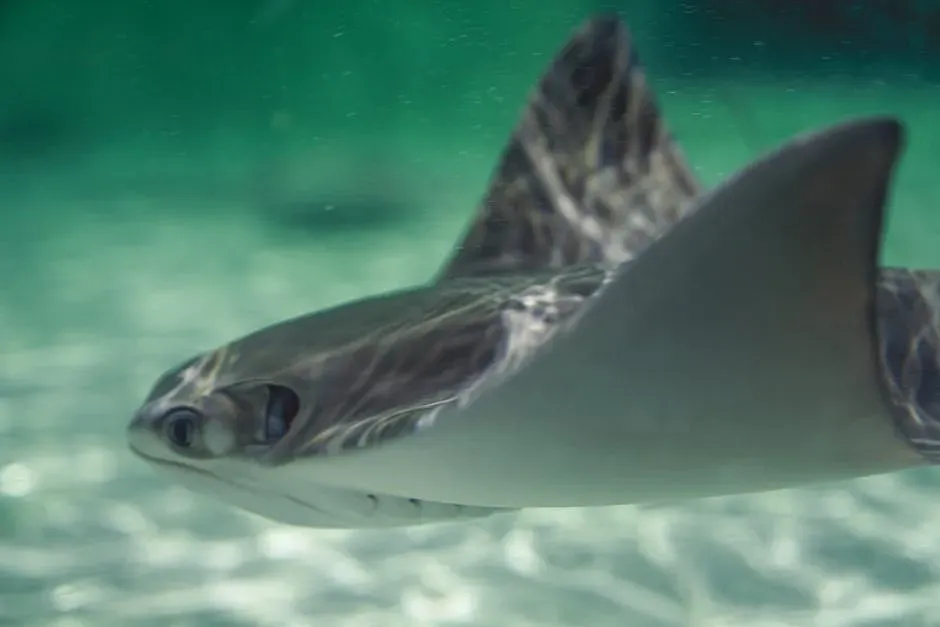
Long before the asteroid fell, ray-finned fishes were already a dominant force in lakes, rivers, and seas, but the post-impact world turbocharged their success. As marine reptiles and many older fish lineages disappeared, these bony fishes moved into the empty spaces, experimenting with every imaginable body shape and feeding style. Over the millions of years that followed, they gave rise to everything from tiny freshwater minnows to giant oceanic predators like tunas and groupers. If the oceans had a quiet ruling class after the extinction, it was this enormously successful group, evolving into tens of thousands of species that underpin aquatic food webs.
Humans rarely think of fish as ancient survivors; we think of them as food, background scenery, or data points in stock reports. Industrial fishing has driven some populations to collapse, while damming rivers and draining wetlands have fragmented or erased habitats critical for spawning and migration. Pollution and warming waters further pile on stress, especially for cold-adapted species or those tied to fragile coral and kelp systems. I have stood on a supermarket aisle looking at tidy fillets wrapped in plastic and felt a strange disconnect, knowing many of those fillets come from lineages older than the dinosaurs’ demise. The idea that such hardy survivors could be lost not to cosmic disaster but to overfishing and short-term profit is a quiet tragedy unfolding just beneath the surface.
Mammals: Once Underdogs, Now Overlords
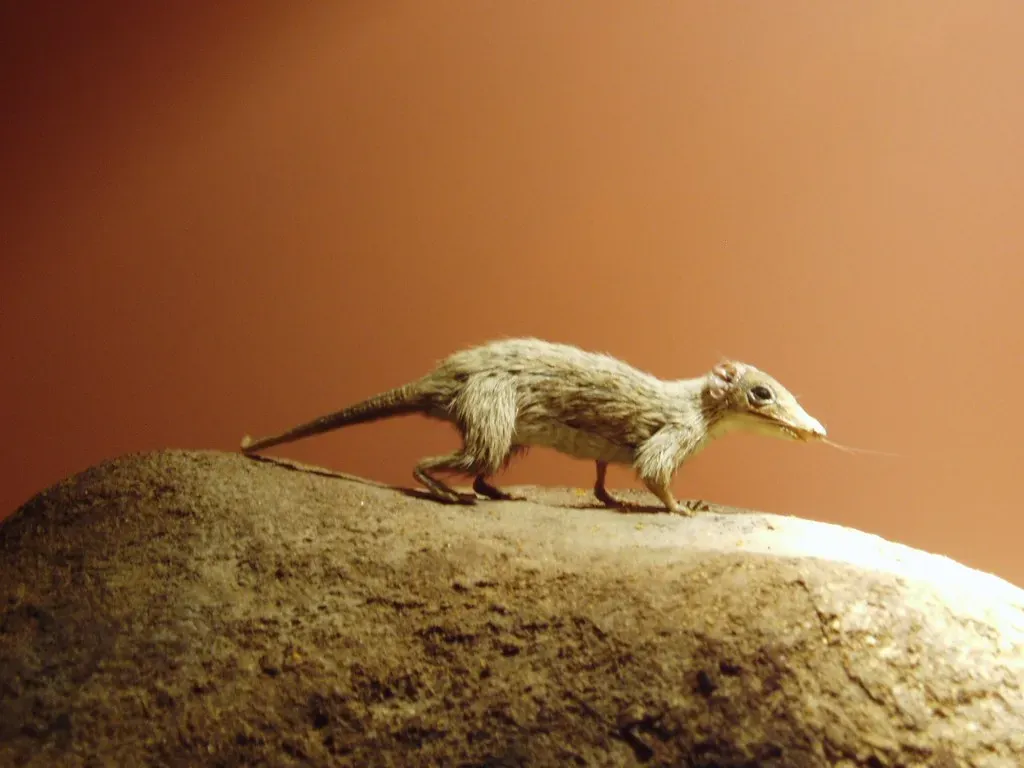
At the time of the asteroid impact, most mammals were small, nocturnal, and living in the shadows of colossal dinosaurs, more like anxious rodents than future planet rulers. That disaster, brutal as it was, finally gave them room to expand; in the new world with fewer giant reptiles and more open ecological space, mammals diversified rapidly. Some stayed small and insect-eating, others grew into grazing herbivores, nimble primates, or powerful predators. Over tens of millions of years, they colonized land, air (with bats), and even returned to the water as whales, rewriting the story of life on Earth in their image.
Then, in a twist almost too on-the-nose, one branch of those mammals – ours – became a force of nature in its own right. Humans have driven countless other mammals to extinction or near-extinction through hunting, habitat destruction, and the spread of invasive species and diseases. Large mammals, the charismatic megafauna that captured our imaginations in childhood books, are especially hard hit, from rhinos and elephants to big cats and great apes. When I hike through forests and realize how recently many of them would have echoed with the calls and footsteps of wild mammals now gone, it feels like walking through the ghost of what survived the asteroid only to be dismantled piece by piece. We are both the most spectacular product of that ancient survival and its most dangerous undoing.
Lizards and Snakes: Quiet Survivors in a Fragmented Landscape
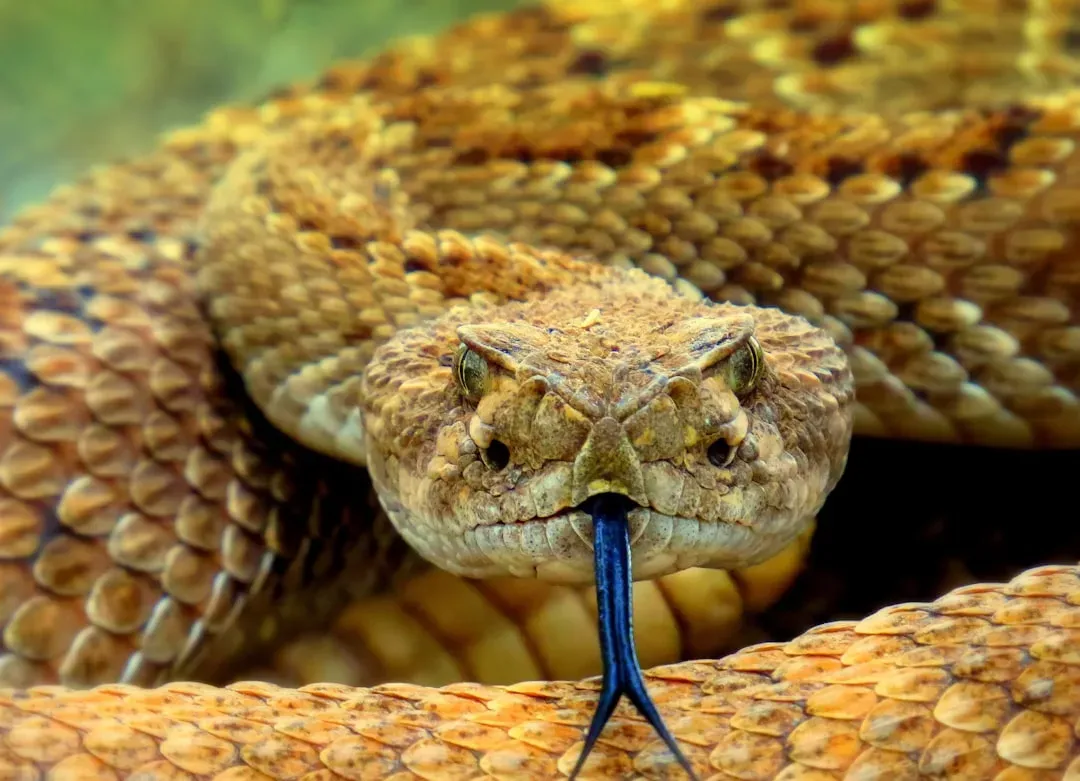
Lepidosaurs, the group that includes lizards and snakes, also slipped through the asteroid bottleneck, though many species undoubtedly vanished in the immediate chaos. Those that survived did so thanks to their small size, flexible diets, and the ability of many species to shelter in burrows or crevices. Over time, they radiated into deserts, forests, grasslands, and even urban habitats, from tiny geckos to massive pythons, testing every possible way to be a small to medium-sized predator or insectivore. In many ecosystems, they became crucial mid-level players, linking insects and plants to birds, mammals, and larger reptiles.
Today, lizards and snakes often suffer from a problem that has nothing to do with asteroids and everything to do with perception. Many people fear or dislike them, which makes it easier to ignore their decline when roads slice through their territories, forests are cleared, or climate change shifts the microhabitats they rely on. Some species adapt impressively to human environments, basking on walls or hunting around farms, but others with specialized needs quietly vanish without headlines or memorials. I still remember flipping over rocks as a kid, thrilled and a little scared to see a quick flash of scales dart away; those moments are getting rarer in many places. The creatures that once navigated a shattered world now find that the greatest hazard is a planet divided into parking lots, monoculture fields, and fenced-off fragments.
Coelacanths and Other “Living Fossils”: Relics on Borrowed Time
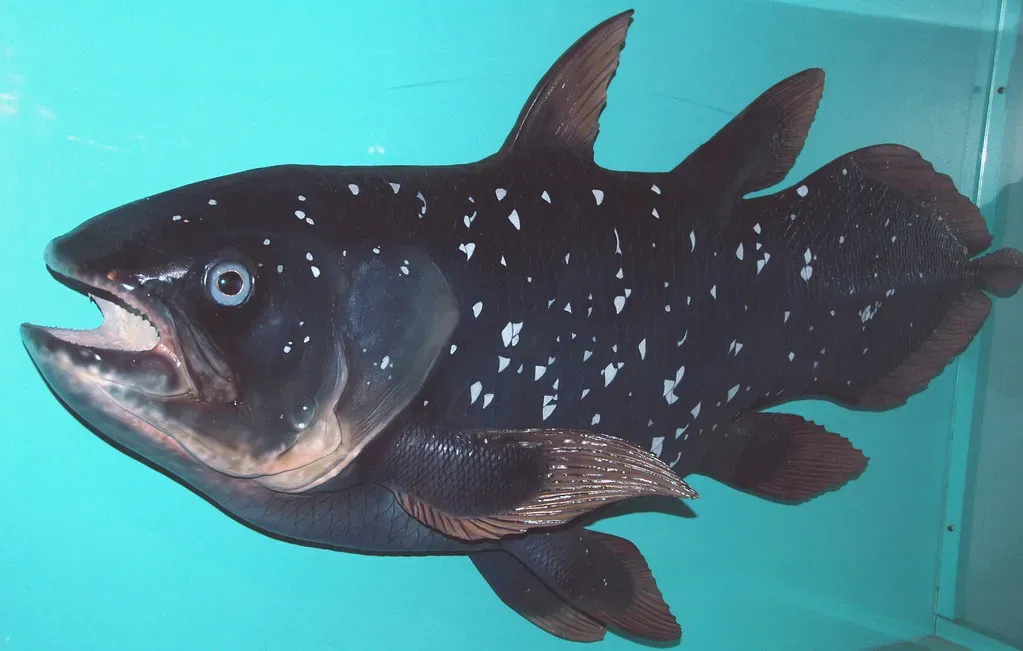
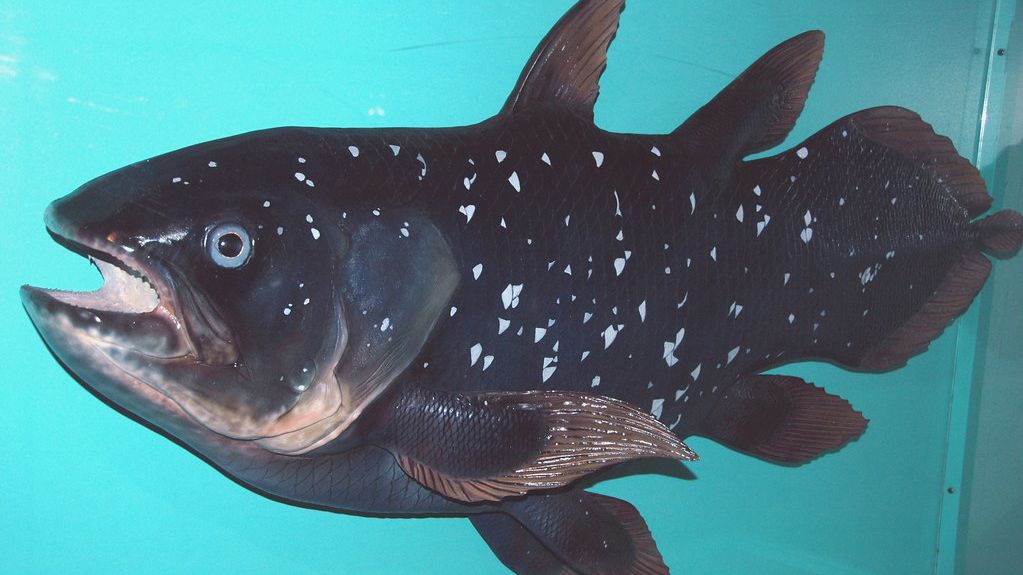
Among the strangest survivors of the asteroid extinction are the so-called living fossils, like the deep-sea coelacanths that were once thought entirely extinct. These ancient fish lineages persisted almost unchanged in hidden or stable environments, their slow metabolisms and specialized niches insulating them from many surface-level upheavals. The asteroid event that wiped dinosaurs from the continents barely grazed the deep ocean refuges where some of these lineages endured. For tens of millions of years afterward, they lived in obscurity, quietly reminding evolution that sometimes, if it is not broken, there is no need to fix it.
Humans have a habit of finding even the planet’s best hiding spots. Deep-sea fishing, mining prospects, and climate-driven changes in ocean currents all pose potential risks to these reclusive survivors. Even when species like coelacanths are legally protected, they can still be caught accidentally or impacted by broader shifts in marine ecosystems they have no capacity to quickly adapt to. There is something almost poetic about a creature that survived one of the worst days in Earth’s history yet now depends on our restraint for its continued existence. These lineages are like living footnotes in the story of life, and losing them would be like tearing pages out of a very old, very irreplaceable book.
Conclusion: We Became the New Asteroid – Now What?
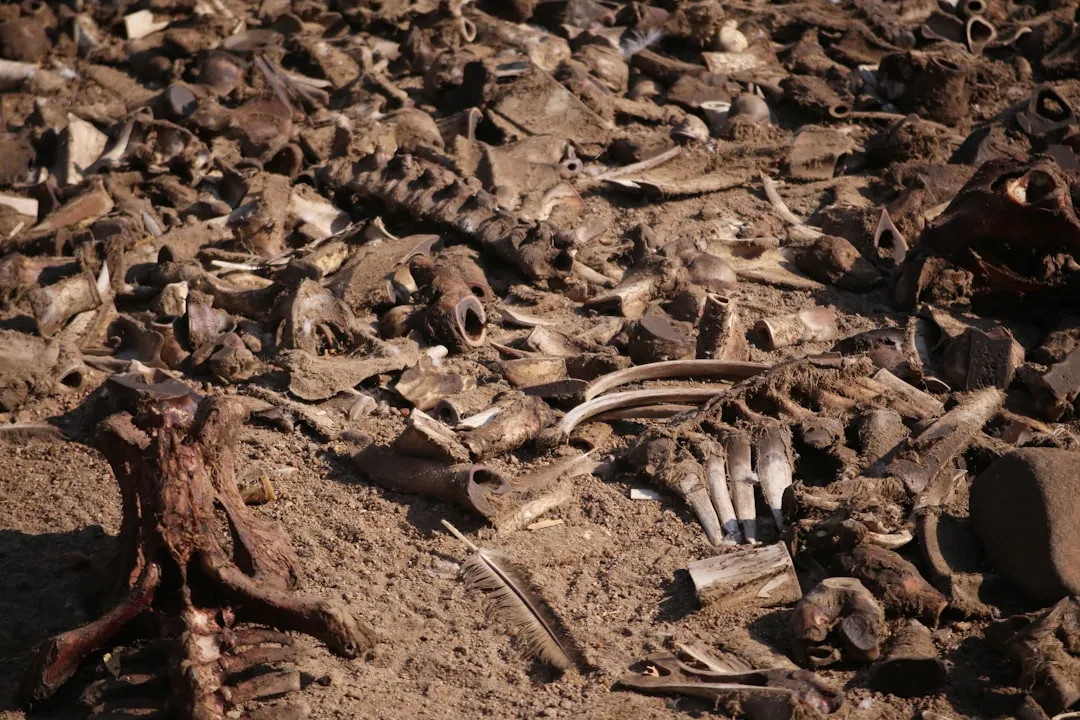
When you line up these survivors – crocodiles, sharks, turtles, birds, fishes, mammals, reptiles, and living fossils – the pattern is hard to ignore. The asteroid was a single, catastrophic event, but it did not choose its victims with any intention; evolution simply sorted through the wreckage afterward. Humans, on the other hand, pick winners and losers every day through our laws, our diets, our building plans, and even our casual fears. It is uncomfortable to admit, but we have taken on the role of a slow-motion extinction driver that is more targeted, and in some ways more ruthless, than an impact from space.
Here is the part I cannot shake: these creatures already proved they can survive planetary chaos, yet their fate now hangs on something as ordinary as whether we leave enough wetlands, curb overfishing, or tolerate a snake in the backyard. In my view, that puts us on the hook not just as consumers or voters, but as co-authors of the next chapter of Earth’s history. If we keep acting like an asteroid, we will get an asteroid’s ending: a simpler, emptier world stripped of many of its most ancient and awe-inspiring lineages. If we choose differently, we could become something no mass extinction has ever had before – a conscious force for survival instead of collapse. The real question is, after everything these survivors have endured, do we really want to be the final disaster they could not outrun?