There’s something almost magical about sitting in a dark theater, hearing that first earth-shaking roar, and feeling like actual dinosaurs have been brought back to life just for you. For a couple of hours, you’re ready to believe everything on screen, from the razor claws to the bone-crunching bites. Then, if you’re even slightly into science, there’s that one scene that snaps you right out of it and makes you whisper to yourself: “Yeah… that’s not how that works.” It is a weird kind of secondhand embarrassment, like watching a friend post a very old selfie with a very wrong caption.
To be fair, movies are trying to entertain, not pass a paleontology exam. Still, some dinosaur mistakes are so loud, so persistent, or so wildly misleading that they deserve to be called out. Not to ruin the fun, but to show how far popular culture can drift from what we actually know about these animals. Let’s walk through the most eyebrow-raising errors in big-name blockbusters, ranked from forgivable fudge to full-on science facepalm.
6. The Indestructible Monster T. rex Trope
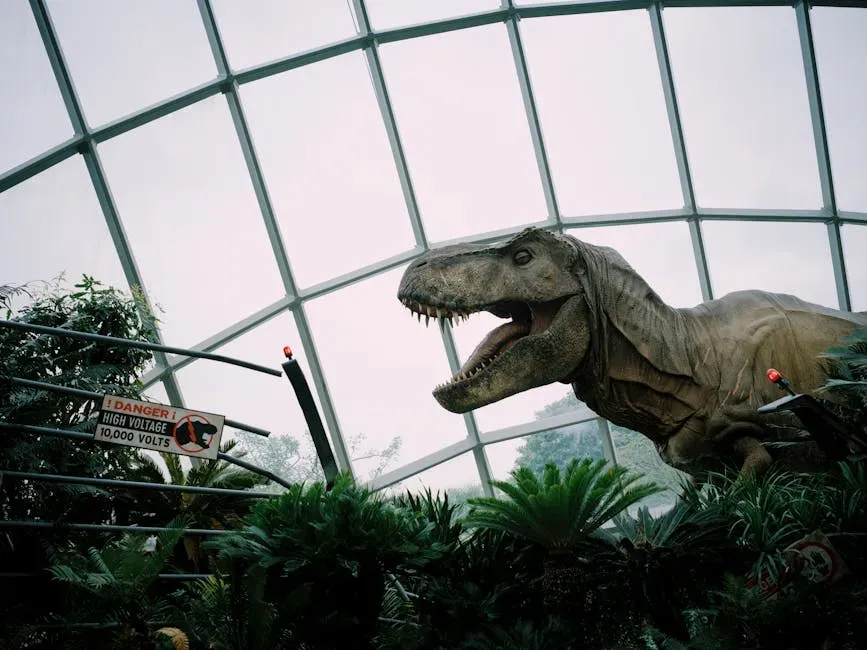
The Tyrannosaurus rex has basically become the superhero of dinosaur movies: impossibly strong, impossibly fast, and apparently immune to the many boring realities of biology. Blockbusters love to show T. rex sprinting like a racehorse, shrugging off injuries, and roaring in the rain as if cold, fatigue, and balance simply do not apply. In reality, T. rex was powerful and deadly, but it was also an animal constrained by weight, muscles, joints, and physics; it probably could not sprint at highway speeds without snapping its own bones. The movie version feels less like a dinosaur and more like a living tank with teeth.
There is also the habit of turning T. rex into a perpetual solo villain that constantly wants to eat humans and fight every other large predator on sight. Real apex predators usually conserve energy, avoid risky fights, and spend a lot of their time doing nothing exciting at all. An injured leg or broken jaw for a big theropod was not dramatic; it was often a death sentence. By ignoring that, films create an almost supernatural creature instead of a flesh-and-blood animal that had limits, weaknesses, and probably some very unglamorous days.
5. The Silent Stalker That Roars Before Every Attack
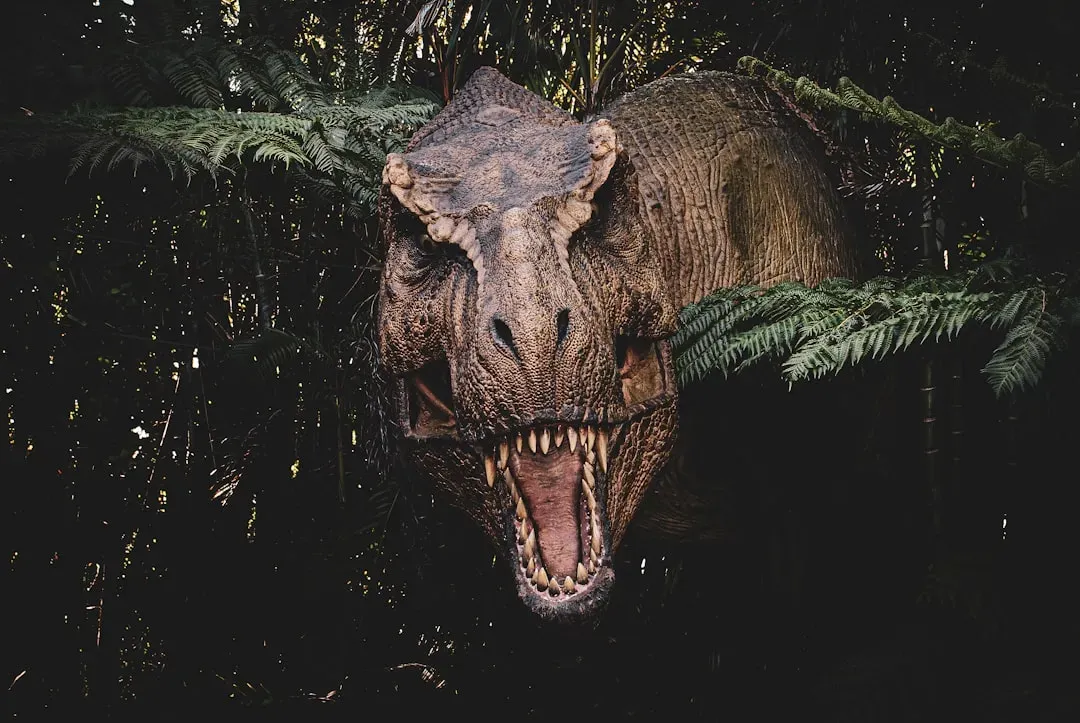
Blockbusters can’t resist that dramatic, echoing roar that rattles the popcorn in your lap. The problem is that they often have dinosaurs bellow right before they attack, supposedly to be intimidating and cool. From a survival standpoint, that makes almost no sense: predators in nature rely on stealth, ambush, and surprise, not on announcing their presence like they’re walking onstage at a concert. A lion does not roar first, then chase the gazelle; it whispers with its paws and lets its body do the talking only after the kill is certain.
There is also the issue that we genuinely do not know exactly what most dinosaurs sounded like, beyond some clues from related animals and fossilized structures. Movies usually mix sounds from modern animals like elephants, alligators, and big cats to create those iconic roars. It is understandable for drama, but the embarrassing part is the way films keep tying that roar directly to hunting behavior, as if constant noise is realistic strategy. If anything, a smart predator would have been eerily quiet until it was far too late for its prey to react.
4. Turning Raptors into Naked, Scaly Supervillains
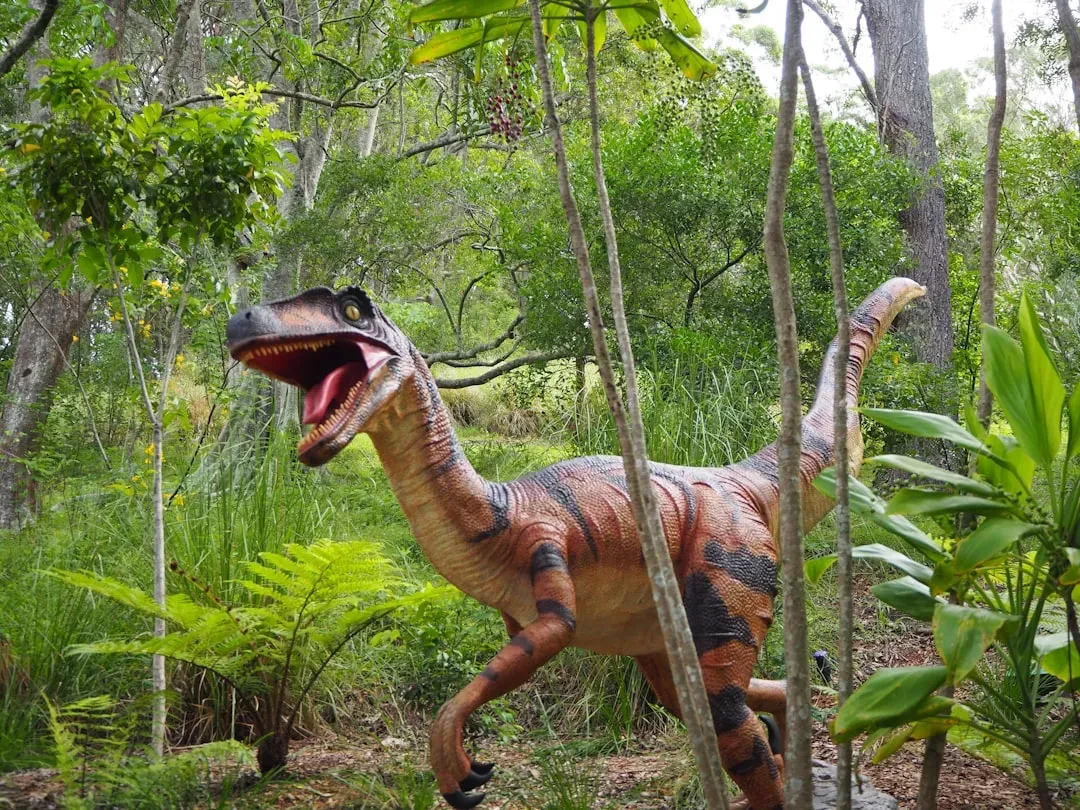
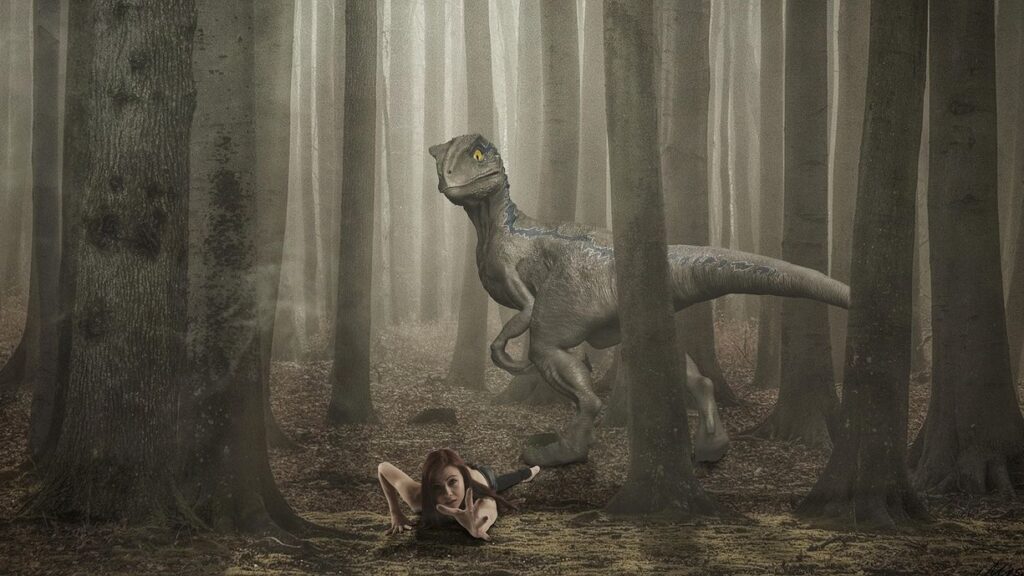
Big-budget movies helped make “raptor” a household name, but they also burned a very outdated image into everyone’s brain: sleek, lizard-like, naked-skinned killers that look more like giant monitor lizards than like anything close to a bird. For years, science has pointed toward many dromaeosaurs having feathers or at least feathery coverings, and not as a minor detail either. Feathers likely played roles in insulation, display, and maybe even maneuvering, making these animals look far more birdlike than movies usually admit. Yet blockbuster after blockbuster keeps doubling down on the leathery, reptilian look.
On top of that, raptors are often portrayed as massively oversized compared with the fossils they claim to represent, and given almost supernatural intelligence. Real dromaeosaurs were probably clever by dinosaur standards, but they were not tiny human geniuses solving complex puzzles or running coordinated tactical missions like trained soldiers. This creates a weird disconnect where audiences end up fearing a creature that never existed while staying unaware of the genuinely fascinating, bird-adjacent reality. The gap between cinematic villain and actual animal is wide enough to fit another movie franchise.
3. Shrink-Wrapping Dinosaurs and Ignoring Soft Tissues
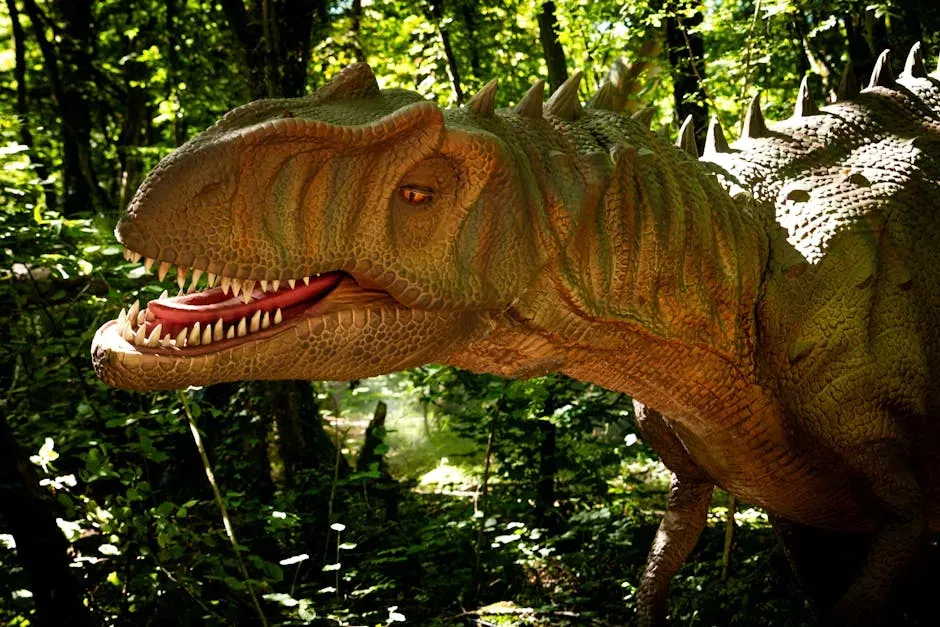
One of the subtler, but still embarrassing, mistakes is the way many films depict dinosaurs as ultra-skinny, with skin vacuum-packed directly onto their skulls and skeletons. You see every bone and socket as if the animal has zero fat, muscle padding, or soft tissue volume. This “shrink-wrapped” look may make the skeleton easy to recognize on screen, but it misleads viewers into thinking these were bony horror props rather than robust, living creatures. In real animals today, from birds to crocodiles, features like cheeks, lips, fatty deposits, and thick skin drastically change the outline of the head and body.
When soft tissues are ignored, dinosaurs end up looking both more monstrous and less believable at the same time. It also pushes strange ideas, like permanently exposed teeth that would constantly dry out or break, even though many paleontologists argue for more protective lips in some species. Movies often go for the sharpest visual silhouette instead of the most plausible anatomy. It is understandable from an artistic standpoint, but once you know how much guesswork and simplification went into those faces, the hyper-defined skulls start to feel more like Halloween masks than the real thing.
2. Mixing Species from the Wrong Times and Places Like a Dino Salad
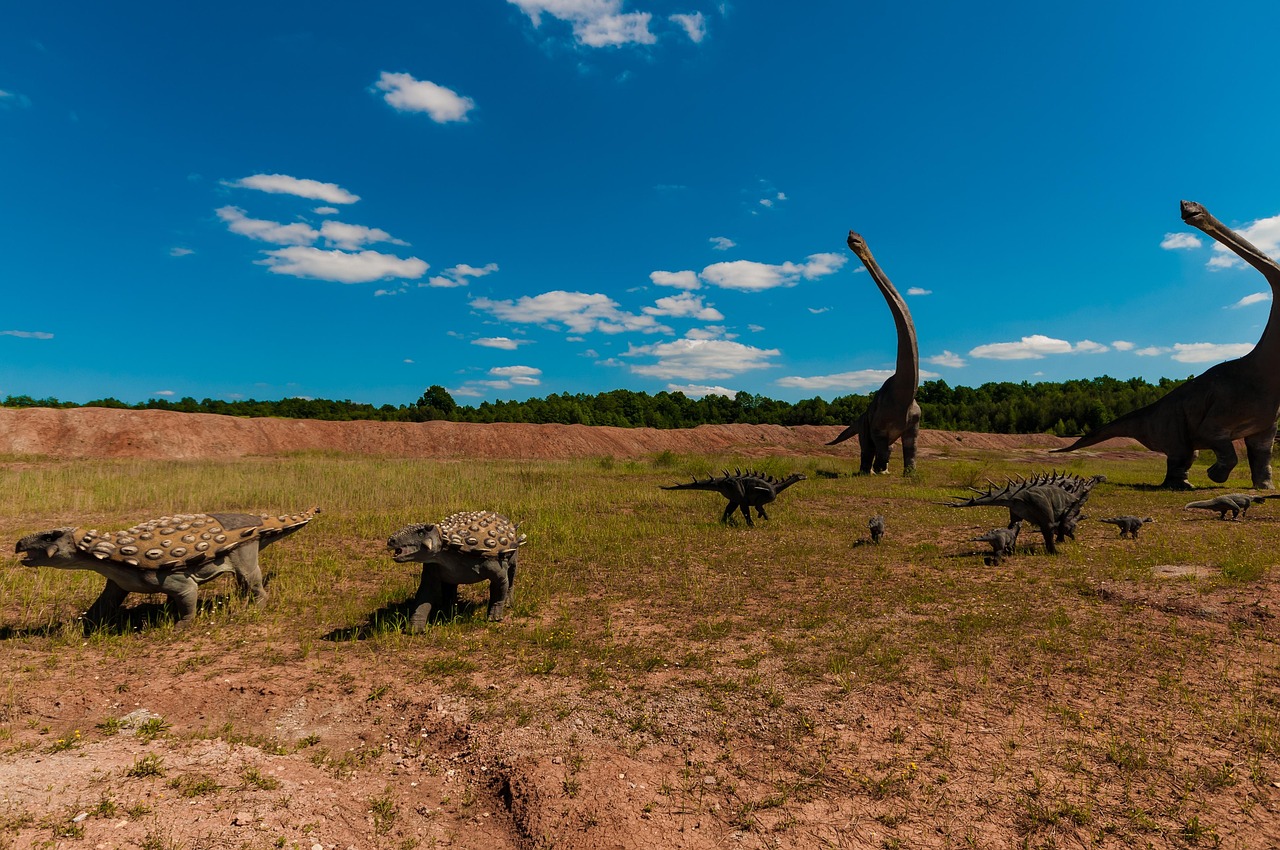
Many blockbusters treat the entire Mesozoic era like one giant, chaotic zoo, tossing together species that never shared a continent, let alone a timeline. You’ll see creatures from the Jurassic period running alongside animals known from much later in the Cretaceous, as if millions of years are just set-dressing. For comparison, the time gap between some of these dinosaurs is larger than the gap between humans today and the earliest stone tools, yet on screen they are neighbors chasing the same Jeep. It flattens deep time into a single cartoon moment, losing one of the most awe-inspiring aspects of paleontology.
On top of the time mashup, movies often place animals from separate continents in the same environment without explanation, crafting a sort of greatest-hits playlist of fan favorites. It is fun seeing lots of recognizable dinosaurs share scenes, but it quietly teaches the wrong lesson: that “dinosaurs” were a single unified community, instead of thousands of species spread across ages and ecosystems. The embarrassment here is not just about being inaccurate; it is about wasting a golden chance to show how colossal and strange Earth’s history truly is, with rotating casts of creatures appearing and disappearing across unimaginable spans of time.
1. Turning Dinosaurs into Horror Monsters Instead of Animals
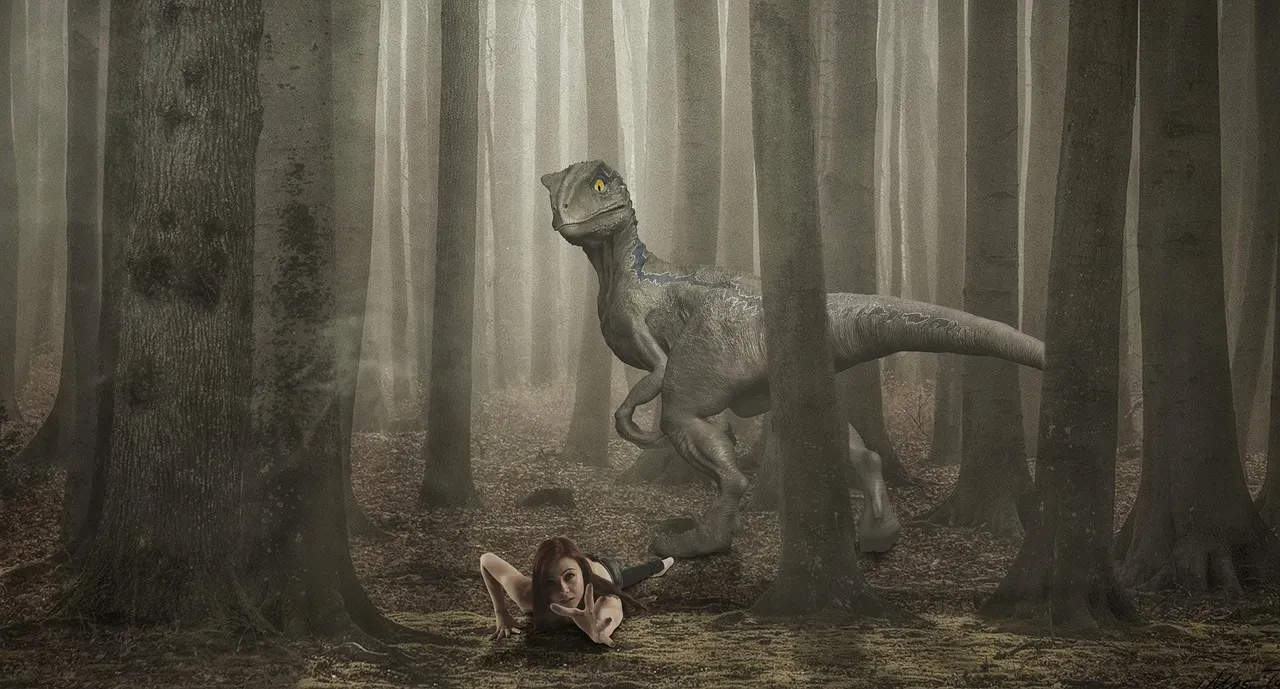
The most embarrassing mistake, sitting right at the top, is not a single anatomical error but the bigger habit of treating dinosaurs as pure monsters instead of as animals. In major blockbusters, they rarely behave the way real predators and herbivores do: conserving energy, avoiding unnecessary risk, and spending long stretches feeding, resting, or interacting in subtle ways. Instead, they are nearly always angry, always charging, always on the verge of attacking something, even when there is no logical reason. It makes for tension on screen, but it also strips away the most fascinating truth: these were once ordinary, living creatures trying to survive, not cursed beasts driven by endless rage.
When films frame dinosaurs only as jump scares with teeth, viewers lose out on the chance to appreciate their real-world complexity, from social behavior to growth, from nesting to possible parental care. It is a bit like telling the story of lions entirely through horror scenes while leaving out pride dynamics, hunting strategy, and play among cubs. As someone who loves both movies and science, I find this the most frustrating error of all, because it is a choice, not a limitation. The real animals were already incredible; they do not need to be turned into caricatures to hold our attention.
Conclusion: Loving the Spectacle, Cringing at the Science
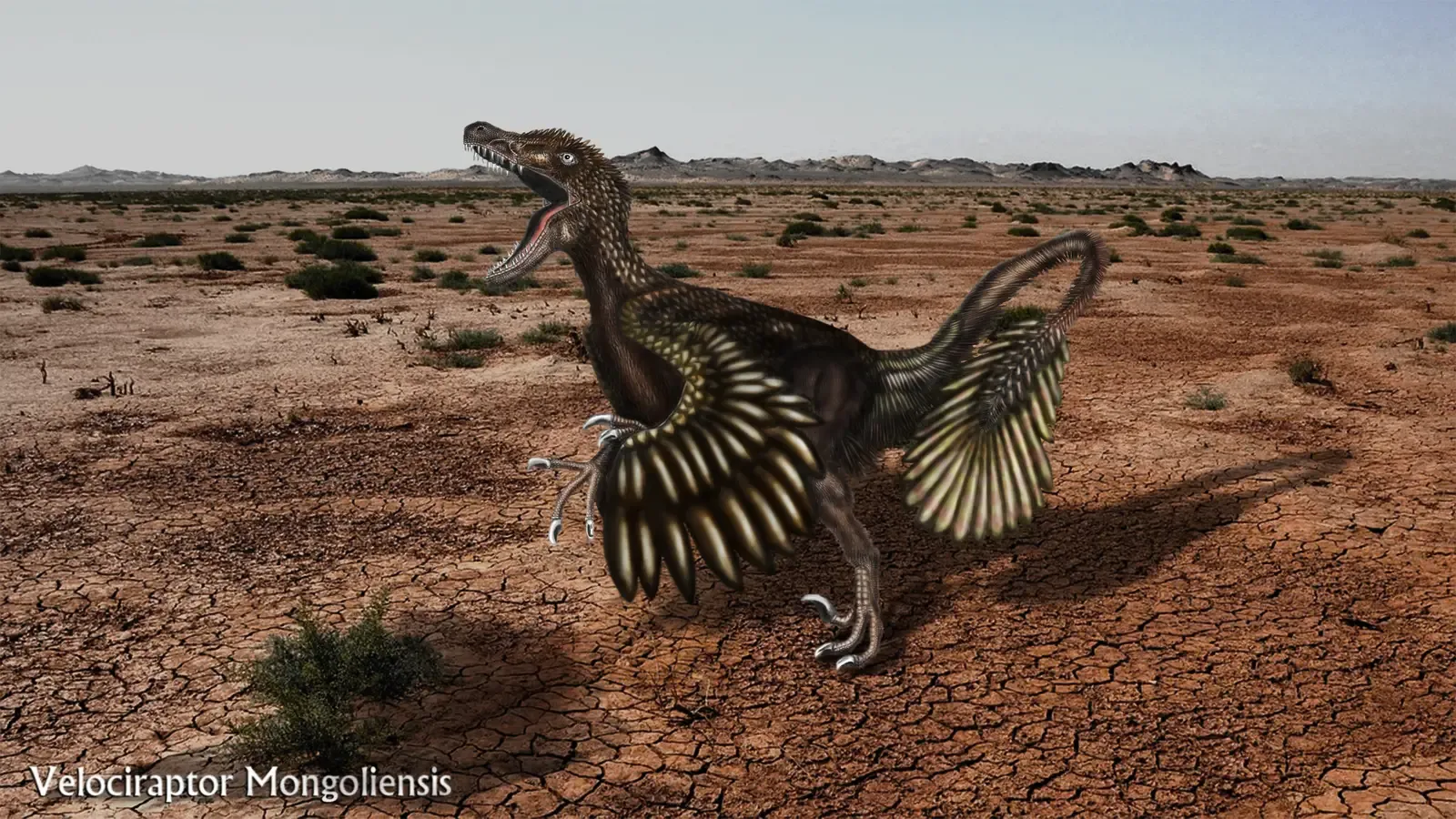
I still rewatch these dinosaur blockbusters, and I still get that little chill when a massive foot slams down in the mud or a shadow crosses the screen. Loving them and laughing at their worst mistakes is not a contradiction; it is part of being a fan with one foot in the theater and one in the fossil record. But the more we learn about dinosaurs as complex, dynamic animals, the harder it is to ignore how stubbornly some films cling to old myths: naked raptors, immortal T. rex tanks, and time-travel mashups that squash millions of years into a single day. What embarrasses me most is not that they got things wrong decades ago, but that many of those same errors just keep getting recycled.
Big-budget movies have the money and the reach to update how the world imagines these creatures, and sometimes they take tiny steps in that direction, only to fall back into the same monster-movie habits. My opinionated hope is that future blockbusters finally lean into the real science: feathered predators, messy ecosystems, animals with nuance instead of non-stop hatred. The genuine story of dinosaurs is stranger, richer, and more cinematic than the clichés we keep seeing. Next time you see a roaring, naked raptor charging in slow motion, will you just accept it, or will a small part of you whisper that the truth is even cooler than the mistake?